Portugal Itinerary: 7, 10 and 14 Days by Train (2026)
September 29, 2026 · Portugal
This post contains affiliate links. We may earn a commission if you book through them, at no extra cost to you. Disclaimer.
Portugal is small enough to see a lot in a week and varied enough to fill a month. From Porto in the north to the Algarve in the south is only about 550 kilometres, but in between are two very different cities, the port-wine country of the Douro Valley, a medieval university town, walled villages, Roman ruins and some of the best coastline in Europe. Most first trips go wrong in the same way: too many one-night stops and too much time on buses.
This Portugal itinerary is built around the fast Lisbon to Porto rail line, so you can do all of it without a car. There's a main 10-day route, a shorter 7-day version for a first taste, and a 14-day route that adds the Algarve. Every leg below includes real journey times, so you can see exactly how much of each day goes on travel.
Portugal itinerary: the quick answer
| Trip length | Route | Nights |
|---|---|---|
| 4 days | Lisbon with a day trip to Sintra | Lisbon 4 |
| 7 days | Lisbon, Sintra, Porto and the Douro Valley | Lisbon 3, Porto 3 |
| 10 days | Lisbon, Sintra, Coimbra, Porto and the Douro Valley | Lisbon 4, Coimbra 1, Porto 4 |
| 14 days | Porto, Douro, Coimbra, Lisbon, Sintra, Évora, then the Algarve | Porto 3, Coimbra 1, Lisbon 5, Lagos 4 |
Our short version: if it's your first trip, 10 days is the sweet spot. It's enough time for Lisbon and Porto at a relaxed pace, the two best day trips (Sintra and the Douro Valley) and a night in Coimbra on the way north, with only two train journeys of under two hours each. With two weeks, add the Algarve's cliffs and beaches at the end.
How many days do you need in Portugal?
Seven days is the minimum to see both Lisbon and Porto without spending the whole trip in transit. Ten days gives you time to breathe and add Coimbra. Two weeks lets you add the Algarve or the Alentejo without cutting the cities short.
If you only have three or four days, stay in one city. Lisbon, with a day in Sintra, is the obvious choice. Splitting four days between Lisbon and Porto works, but you'll lose half a day to the train and see each city only in outline.
Getting around Portugal: train, bus or car?
For this itinerary, the train is the easiest option. CP's Alfa Pendular and Intercidades trains run along the Lisbon, Coimbra and Porto spine every hour or two. Seats are reserved automatically when you buy a ticket, and the stations are central (Santa Apolónia or Oriente in Lisbon, Campanhã in Porto).
| Journey | Fastest train | Notes |
|---|---|---|
| Lisbon to Porto | About 2h50–3h (Alfa Pendular) | Intercidades takes about 3h20 |
| Lisbon to Coimbra | About 1h40 | Trains stop at Coimbra-B, a short connection from the centre |
| Coimbra to Porto | About 1h10 | Frequent, easy to book on the day outside peak times |
| Lisbon to Sintra | About 40 min | Suburban train from Rossio, every 20 minutes or so |
| Lisbon to Évora | About 1h35 | Intercidades, a few trains a day |
| Porto to Pinhão (Douro) | About 2h20–2h30 | Regional train from São Bento, a handful a day |
| Lisbon to Lagos | About 3h40 by bus, 4h+ by train | The train needs a change at Tunes, so the bus is usually quicker |
Book long-distance trains early. On the Alfa Pendular, promotional fares start at €9.50 in second class when you book 5 to 60 days ahead, while a standard ticket bought on the day is around €27–34. You can book on CP's website or its app.
Rent a car only where it helps. A car is a burden in Lisbon and Porto, where parking is expensive and the old streets are steep and narrow. It is genuinely useful in the Alentejo, the Douro Valley and the western Algarve, where public transport thins out. If you want one, pick it up on the day you leave the cities.
The 10-day Portugal itinerary
This route runs from south to north, flying into Lisbon and out of Porto. An open-jaw ticket like this often costs about the same as a return, and it saves you three hours of backtracking on the last day.
Days 1–3: Lisbon
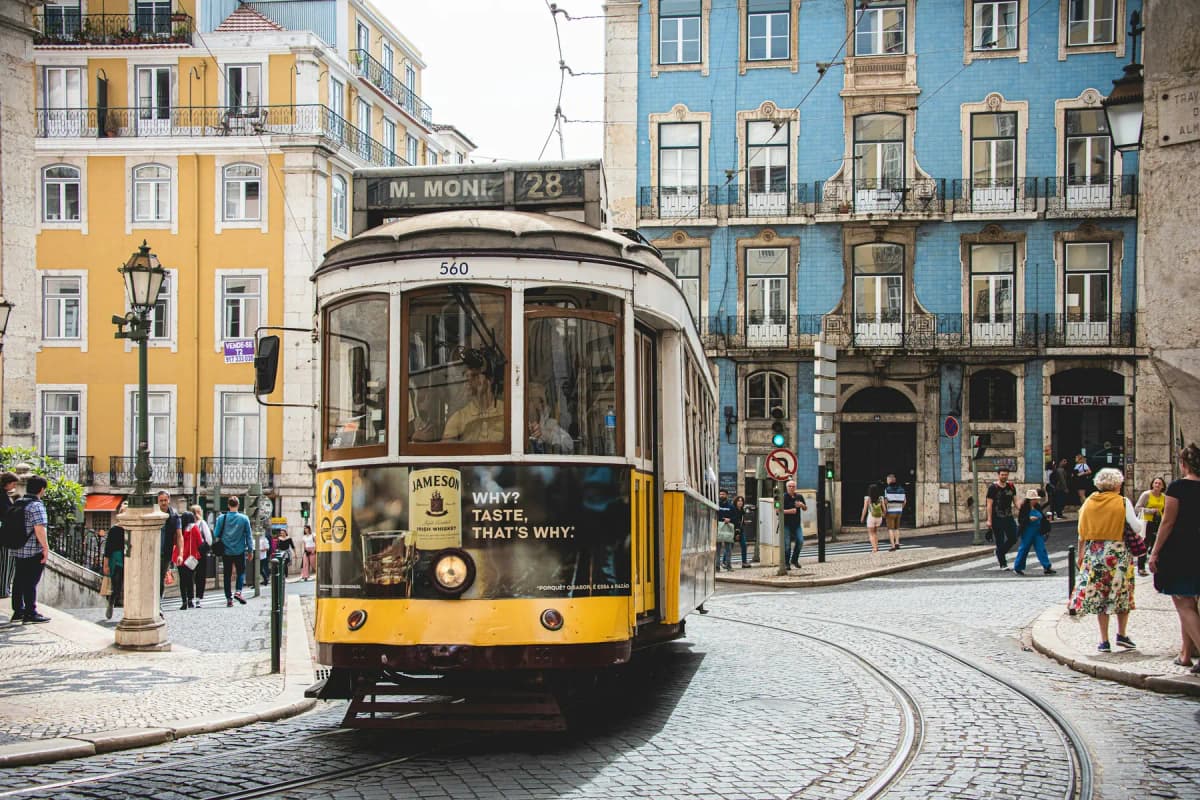 Photo: Paulo Evangelista on Unsplash
Give Lisbon three full days. Spend the first on the historic centre: the Baixa's grid of streets down to the river at Praça do Comércio, then up into Alfama's lanes to the castle and the miradouros (viewpoints). On day two, head west to Belém for the Jerónimos Monastery, the Belém Tower and the original pastéis de nata, then spend the evening in Chiado and Bairro Alto. Keep day three for what you've missed, whether that's the LX Factory, the tile museum or a ride on tram 28 early in the morning before the queues build.
Our guide to the best things to do in Lisbon has the full list, and for the right base see where to stay in Lisbon. Baixa and Chiado are the easiest areas for this itinerary, because Rossio (for Sintra) and Santa Apolónia (for the north) are both close by.
Arriving: the red metro line runs from the airport into the city, with a change at Alameda or São Sebastião for the Baixa. If you land late or have heavy bags, a pre-booked Lisbon airport transfer takes you straight to your door.
Day 4: Sintra day trip
 Photo: Dmitry Voronov on Unsplash
Sintra is the best day trip from Lisbon. The train from Rossio takes about 40 minutes. Aim for one of the first departures, because Sintra's hills, narrow roads and small local buses get overwhelmed by mid-morning in summer. Pick two or three sights rather than trying to see them all: Pena Palace is the headline, Quinta da Regaleira has the famous initiation well, and the Moorish Castle walls have the best views. Book timed palace tickets in advance.
If you'd rather not deal with the buses between the palaces, a guided Sintra day tour from Lisbon with transport included is the easiest way to see the main sights and Cabo da Roca in one day.
Day 5: Lisbon to Coimbra
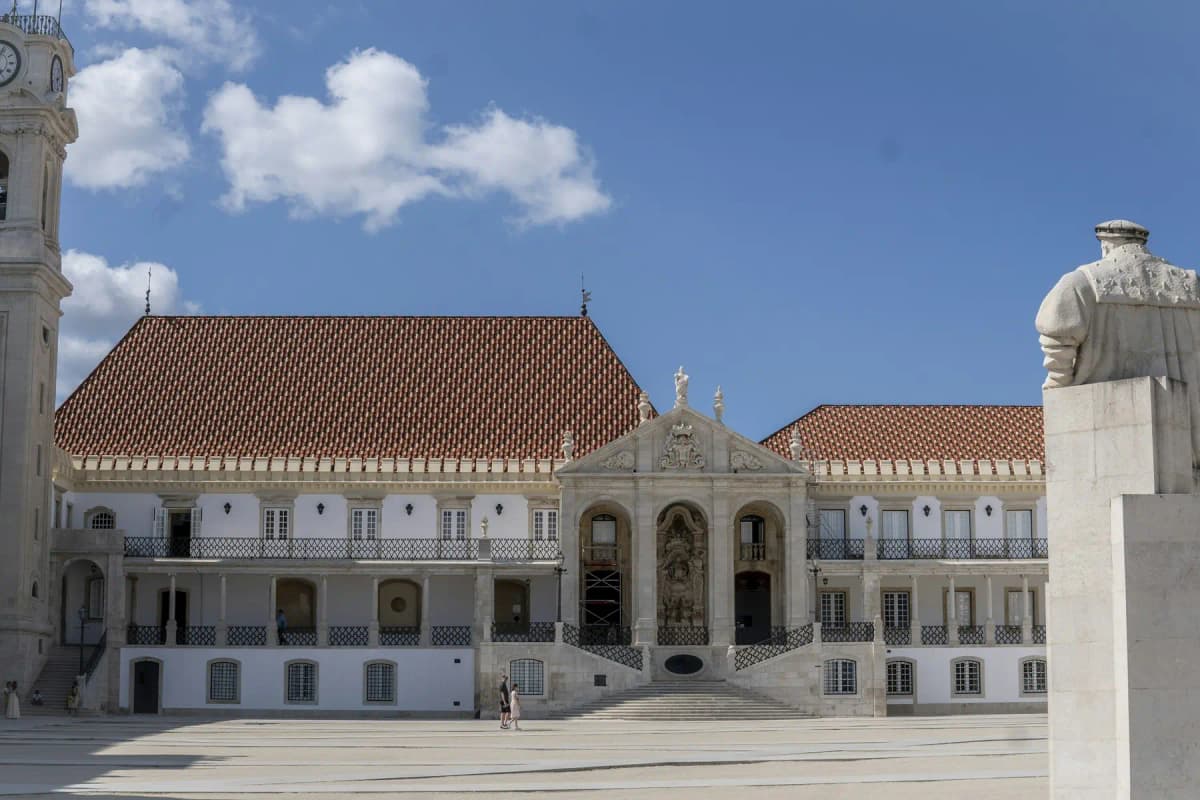 Photo: Miriam Pereira on Unsplash
Take a mid-morning train north. It's about 1h40 to Coimbra, Portugal's old capital and home to one of the oldest universities in Europe. The long-distance trains stop at Coimbra-B, just outside the centre, where a short connecting train runs to Coimbra station in town. It's included in your ticket, so check the connection when you book.
Spend the afternoon at the University of Coimbra, on the hilltop, where the ornate Joanina Library is the highlight (visits are by timed ticket and can sell out, so book ahead). Then walk down through the steep old town to the Santa Cruz Monastery. In the evening, look for a Coimbra fado performance. It's sung by men in academic capes and is quite different from the Lisbon style.
Why stay overnight? Coimbra works as a day stop between Lisbon and Porto, but most day-trippers leave by late afternoon, and the old town is at its best in the evening. One night is enough.
Days 6–9: Porto and the Douro Valley
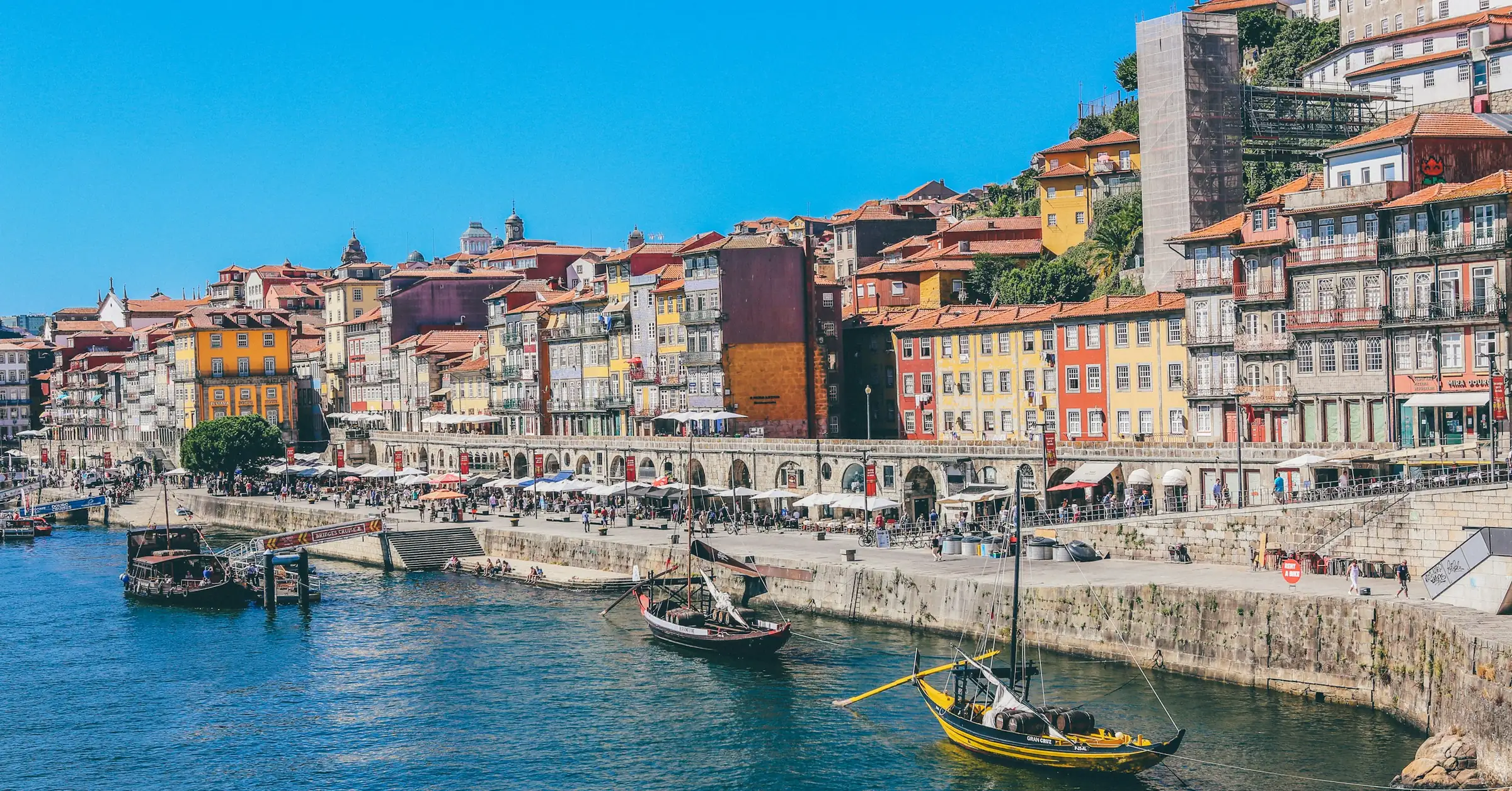
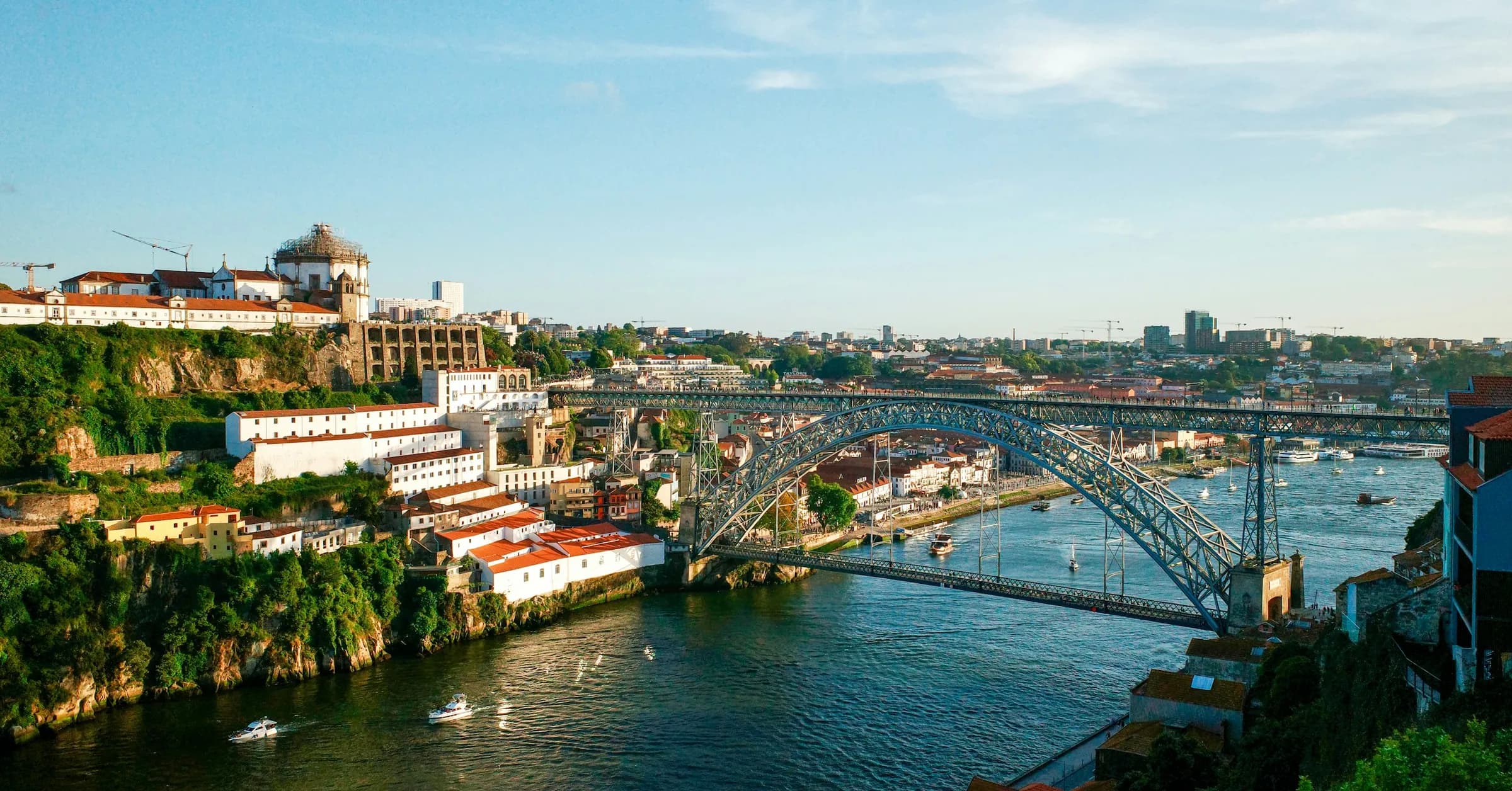
Take the train to Porto in the morning. It's about 1h10 from Coimbra, arriving at Campanhã, with a free connecting train to São Bento in the old town in about 4 minutes. Spend two days in Porto itself. Explore Ribeira's riverfront, climb the Clérigos Tower, see the tiled hall at São Bento station, and walk across the upper deck of the Dom Luís I bridge to the port cellars in Vila Nova de Gaia. A short cruise under Porto's six bridges is a relaxed way to end one of those days. See our guide to the best things to do in Porto for the full list, and where to stay in Porto to choose your area.
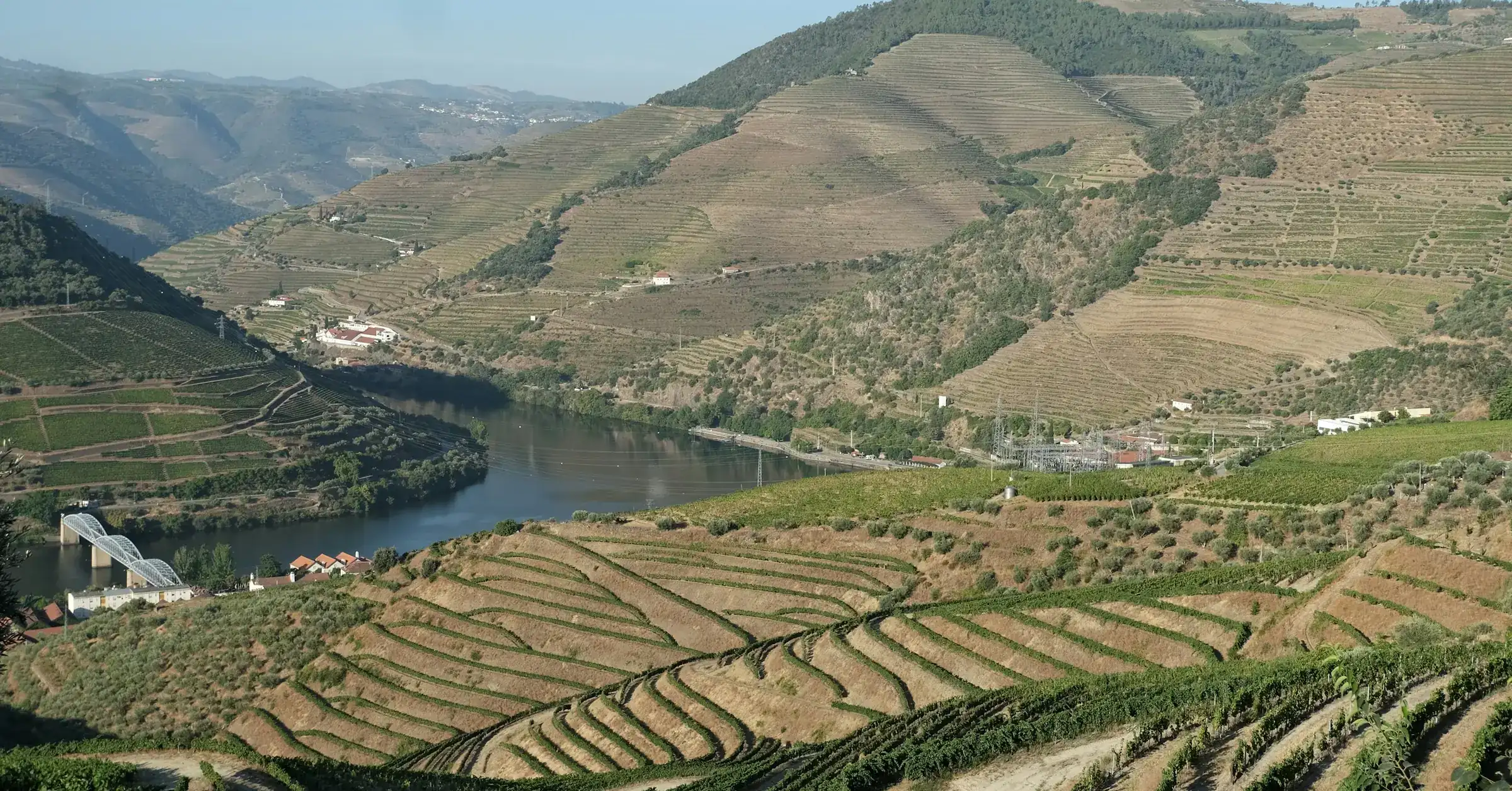
Keep one full day for the Douro Valley, the terraced wine country upriver. The regional train from São Bento to Pinhão takes about two and a half hours. The second half follows the river closely, so sit on the right heading east. The quintas (wine estates) around Pinhão are spread out and tastings don't mix with driving, which is why most visitors book a full-day Douro Valley tour with winery visits, lunch and hotel pickup from Porto.
The fourth day in Porto is a buffer. Use it for Foz do Douro and the Atlantic seafront, a day trip to Braga or Guimarães (both about an hour by train), or simply a slower last day.
Day 10: Fly home from Porto
Porto's airport is about 25–30 minutes from Trindade on metro Line E. For an early flight, a fixed-price Porto airport transfer is the easier option.
The 7-day Portugal itinerary
With a week, drop Coimbra and split the time evenly:
- Days 1–3: Lisbon. Two days in the city and one in Sintra.
- Day 4: Train to Porto. Leave in the morning (about 3 hours) and spend the afternoon in Ribeira and Gaia.
- Days 5–6: Porto and the Douro Valley. One day in Porto, one in the Douro.
- Day 7: Fly home from Porto.
This is the most popular first trip to Portugal for good reason. It's two bases, one train journey and the two best day trips in the country. If you'd rather not pack twice, it also works as a single base in Lisbon with day trips to Sintra, Cascais and Óbidos, but then you miss Porto.
The 14-day Portugal itinerary with the Algarve
With two weeks, run the 10-day route in reverse (fly into Porto) and finish in the sun:
- Days 1–3: Porto, including a day in the Douro Valley.
- Day 4: Coimbra. Train south, one night.
- Days 5–9: Lisbon. Three days in the city, a day in Sintra, and a fifth day for either Évora or Óbidos (see below).
- Days 10–13: Lagos and the western Algarve. Take the Rede Expressos bus from Lisbon's Sete Rios terminal. It's about 3h40, usually quicker than the train, which needs a change at Tunes.
- Day 14: Fly home from Faro. Lagos to Faro is about 1h45 on the regional train.
Ending in the Algarve means the most relaxed part of the trip comes last, and flying home from Faro saves you the four-hour trip back to Lisbon.
Day trip: Évora or Óbidos
 Photo: Filipe Nobre on Unsplash
Évora, the walled capital of the Alentejo, is about 1h35 from Lisbon by Intercidades train. It's a UNESCO-listed town with a well-preserved Roman temple, a cathedral you can climb onto the roof of, and the Chapel of Bones at the Church of São Francisco. The Alentejo is the hottest part of Portugal, so in July and August go early or plan a long lunch.
 Photo: Henrique Ferreira on Unsplash
Óbidos is a tiny walled village of whitewashed houses and a castle, about an hour north of Lisbon by the Rodoviária do Oeste bus from Campo Grande. It gets busy by midday, so arrive early, walk the top of the walls and try a ginjinha (cherry liqueur) served in a chocolate cup. With a car, you can combine it with the surf town of Nazaré and the monasteries at Alcobaça and Batalha on the way north.
The Algarve: Lagos and the west
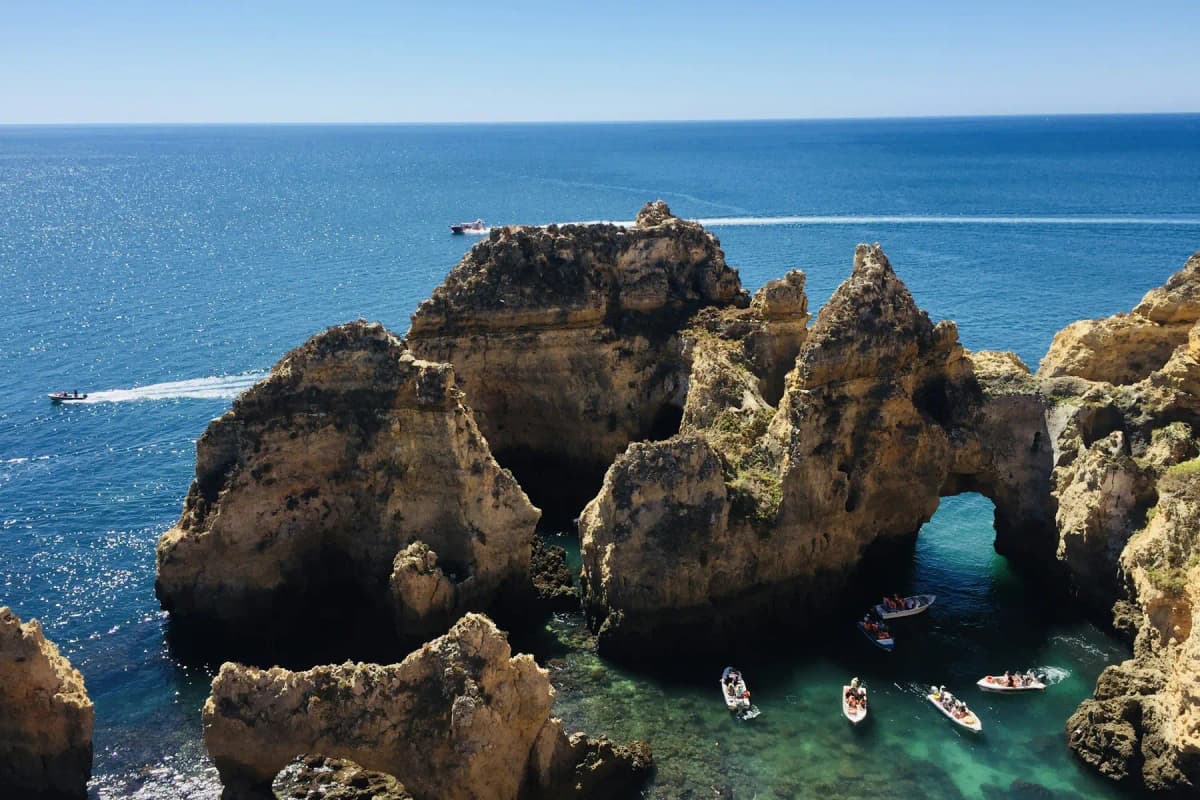 Photo: Cristiano Pinto on Unsplash
Lagos is the best base in the Algarve without a car. It's a real town with a walled old centre, beaches within walking distance and the sea stacks and grottoes of Ponta da Piedade just south. Take a boat or kayak trip into the grottoes, walk the clifftop path at sunset, and spend a day at Praia do Camilo or Meia Praia.
The famous Benagil sea cave is about an hour east. Under the current rules you can only visit on a licensed boat or guided kayak or paddleboard tour. Swimming in and landing on the cave's beach are banned, and motorboats get only a couple of minutes inside, so a kayak tour is worth the extra effort. For the wilder west coast and Sagres, you'll want a car for a day.
Best time to visit Portugal for this itinerary
- May–June and September–October are the best months: warm, mostly dry, and busy without being overwhelming. The sea is warmest in September.
- July and August are hot (especially in the Alentejo and the Douro) and the busiest, with higher hotel prices and longer queues at Sintra and the Algarve's sea caves.
- November–March is quiet and cheaper, fine for the cities but often rainy in Porto, with shorter days and some Algarve businesses closed.
- June festivals: Lisbon's Santo António celebrations (12–13 June) and Porto's São João (23–24 June) are huge street parties. They're fun, but book rooms well ahead.
Before you go, set up a Portugal eSIM from Airalo so you have maps and train tickets on your phone as soon as you land. To compare flights into Lisbon and out of Porto (or Faro), use the search below.
Tips for planning your Portugal trip
- Fly open-jaw. Into Lisbon and out of Porto (or the reverse, or out of Faro on the 14-day route) avoids a three-hour backtrack.
- Book the Lisbon to Porto train as soon as your dates are fixed. Promotional Alfa Pendular fares are a fraction of the walk-up price, and summer trains fill up.
- Budget for tourist tax. Lisbon charges €4 per person per night and Porto €3 (for guests aged 13 and over, up to 7 nights), usually paid at the hotel and not always included in the online price.
- Pack good shoes. Lisbon and Porto are both built on steep hills paved with polished limestone calçada, which gets slippery when wet.
- Don't over-plan the day trips. Sintra, the Douro, Évora and Óbidos are each worth a full day. Doubling up (Sintra and Cascais on the same day, say) usually means seeing both in a rush.
- Eat lunch like a local. Many tascas (small family restaurants) serve a set lunch, the prato do dia, for much less than the same food at dinner.
Frequently asked questions
How many days do you need in Portugal?
Seven days is enough for Lisbon and Porto with a day trip from each. Ten days is ideal for a first trip, adding Coimbra and a slower pace. Two weeks lets you add the Algarve or the Alentejo. With only three or four days, stay in Lisbon and add a day in Sintra.
Is $1,000 enough for a week in Portugal?
Excluding flights, it can be if you travel on a budget: guesthouses or hostels, trains booked in advance, set lunches and free viewpoints. It's tight for a mid-range trip in peak season, when a double room in central Lisbon or Porto can easily cost more than the rest of your daily spending. Portugal is still better value than most of Western Europe, especially outside July and August.
Should I visit Spain or Portugal first?
If you're combining them, it's easiest to start in Portugal and continue to Spain, or the other way round, rather than going back and forth. There's no fast rail link between Lisbon and Madrid, so most people fly, take an overnight bus, or cross from the Algarve to Seville by bus. If you only have a week, stick to one country. Portugal's smaller size means you'll see more of it in the same time.
What are the must-see places in Portugal?
For a first trip: Lisbon, Sintra, Porto and the Douro Valley. With more time, add Coimbra, Évora, Óbidos and the Algarve coast around Lagos. Madeira and the Azores are superb too, but they're islands that need their own flights and at least four or five days each.
Is it better to start the Portugal itinerary in Lisbon or Porto?
Either works. Lisbon usually has more flight options, so it's the natural starting point for the 7- and 10-day routes. For the 14-day route, starting in Porto and heading south lets you end on the Algarve beaches and fly home from Faro.
Do you need a car in Portugal?
Not for this itinerary. The trains between Lisbon, Coimbra and Porto are fast and cheap, and a car is a burden in both cities. A car becomes worth it for the Alentejo countryside, the Douro wine estates or the western Algarve, so rent one for just those days if you want to go further.
How we researched this guide
This itinerary is based on research using official sources such as CP – Comboios de Portugal for train routes and fares, Visit Portugal, Visit Porto and North and the Lisbon and Porto city councils for tourist taxes, plus current traveller feedback and search trends. Journey times were cross-checked against The Man in Seat 61 and the rules for Benagil against current Algarve operator guidance. Times, fares and rules were checked in September 2026 and can change, so always confirm before you travel. Found something out of date? Let us know.
Planning more of Portugal? Browse all our Portugal guides, start with the best things to do in Lisbon, or see where to stay in Porto for the northern half of the trip.