15 Best Things to Do in Lisbon (2026)
September 27, 2026 · Portugal
This post contains affiliate links. We may earn a commission if you book through them, at no extra cost to you. Disclaimer.
Lisbon rewards slow travel more than almost any other European capital. It's a city of hills, tiled facades and river light, and most of the best things to do in Lisbon cost little more than the price of a tram ticket: walking the old quarters, catching the sunset from a miradouro, riding a funicular that's also a working commute for locals. Add in one of Europe's best day trips (Sintra, twenty-odd minutes away) and a riverside neighbourhood full of monuments (Belém), and you've got enough for four or five unhurried days.
This guide covers the sights worth building a day around, the neighbourhoods worth just wandering, practical prices and hours checked against official sources, and how to get between it all without overpaying for taxis.
Things to do in Lisbon: the quick list
If you only read one section, read this one.
| If you have… | Do this |
|---|---|
| 1 day | Alfama on foot, tram 28, a miradouro at sunset, dinner in Bairro Alto |
| 2 days | Add Belém: the tower, Jerónimos Monastery, and a pastel de nata still warm from the oven |
| 3 days | Add a full day in Sintra: Pena Palace and the historic centre |
| 4+ days | Add Cascais or Costa da Caparica for the coast, and a slower second pass through Alfama and Graça |
Our short version: base yourself somewhere central and walkable (Baixa, Chiado or Alfama), spend your first day getting lost in the old town on foot and by tram, and book Sintra as a full separate day — trying to combine it with anything else in the city usually means rushing both.
Ride the trams and funiculars, especially early
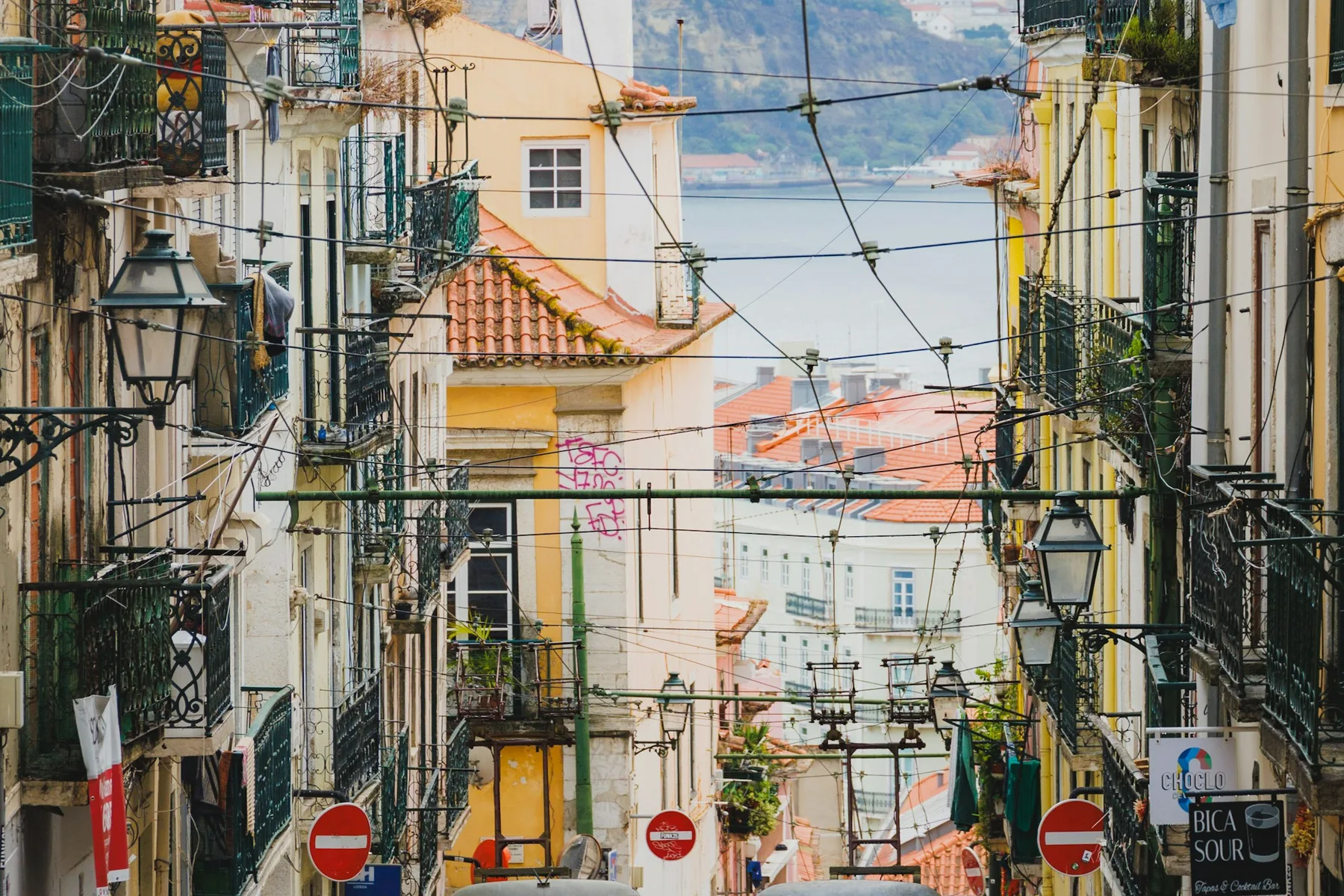 Photo:
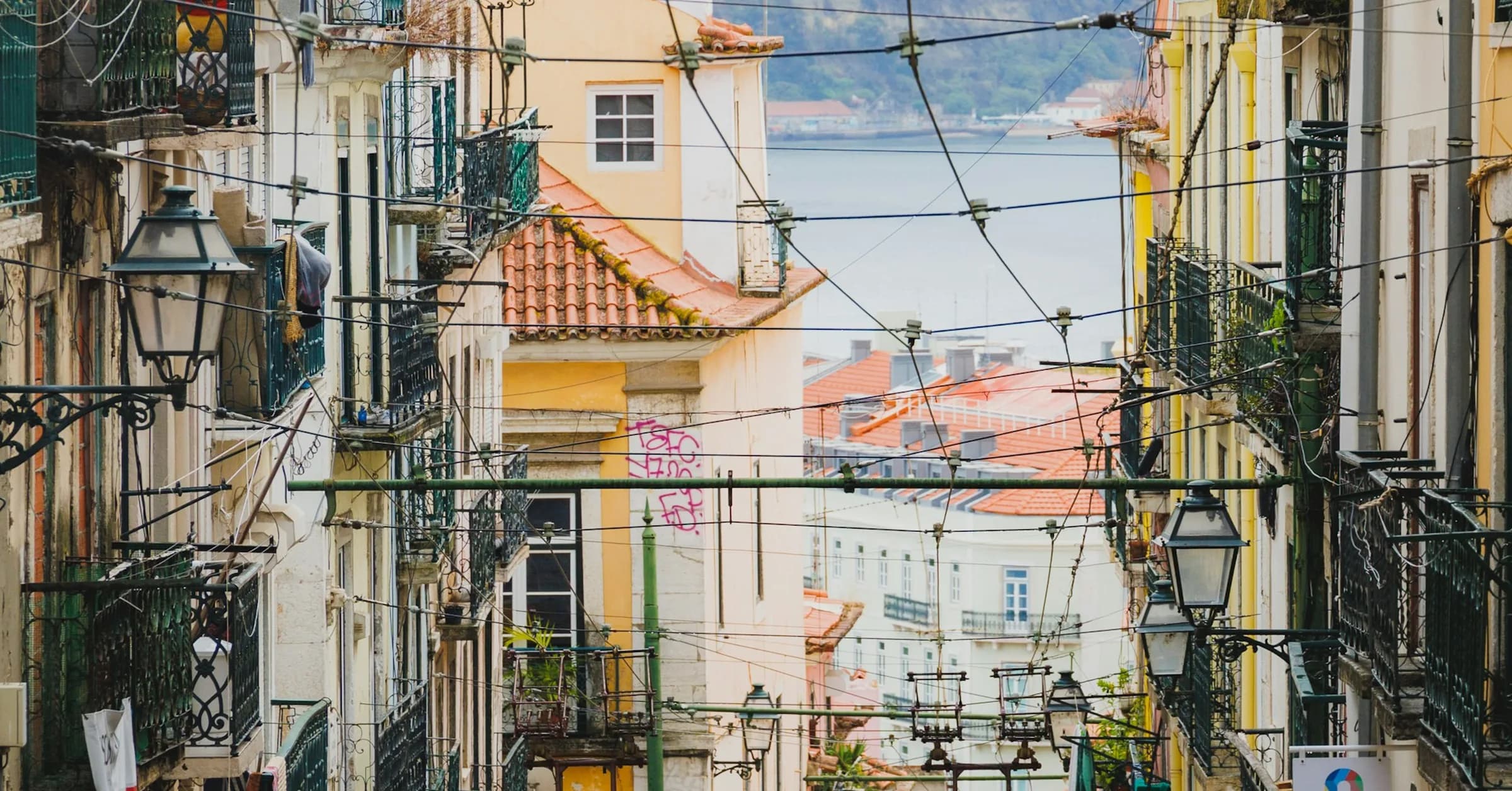
 Lisbon's old trams are a genuine part of the city's transport network, not a tourist add-on, and riding them is one of the simplest, most photographed things to do in Lisbon. Tram 28 is the famous one, rattling through Graça, Alfama, Baixa and Estrela on tracks barely wider than the tram itself. The Elevador da Bica, a funicular on a steep street near Cais do Sodré, is smaller and usually far less crowded, and the street it climbs is one of the most photographed in the city.
Ride tram 28 before 9 am or after 7 pm if you actually want a seat; by mid-morning the queues at Martim Moniz and Praça do Comércio can run 30–45 minutes. A single ride costs the same as any Carris tram (see the transport section below); paying on board costs more than tapping a transport card.
Walk Alfama and catch a miradouro at sunset
Alfama is Lisbon's oldest district, a tangle of narrow lanes that survived the 1755 earthquake mostly intact because it sits on solid rock rather than the softer ground the rest of the city was rebuilt on. There's no single route to follow here; the point is to wander, get slightly lost, and let the streets (fado drifting from a doorway, laundry strung between balconies, the smell of grilled sardines in summer) do the work.
 Photo: FABIO VILHENA on Unsplash
What Alfama does have is Lisbon's best concentration of miradouros (viewpoints), and catching one at golden hour is close to a mandatory Lisbon experience. Miradouro das Portas do Sol and Miradouro de Santa Luzia sit a few minutes apart and both look out over the terracotta rooftops to the river; Miradouro da Graça and the quieter Miradouro Nossa Senhora do Monte, a short climb further up the hill, get fewer tour groups and arguably better light in the early evening.
- Good for: photography, aimless wandering, fado in the evening.
- Watch out for: the hills. Alfama's lanes are steep and cobbled; comfortable shoes matter more here than almost anywhere else in the city.
 Photo: Hugo Sousa on Unsplash
If you want one more pocket of colour away from the crowds, Jardim do Torel, a small terraced garden and viewpoint above Praça do Marquês de Pombal, has some of the most photogenic hillside houses in the city and a lot fewer tour groups than the main Alfama miradouros.
Belém: the tower, the monastery and the custard tarts
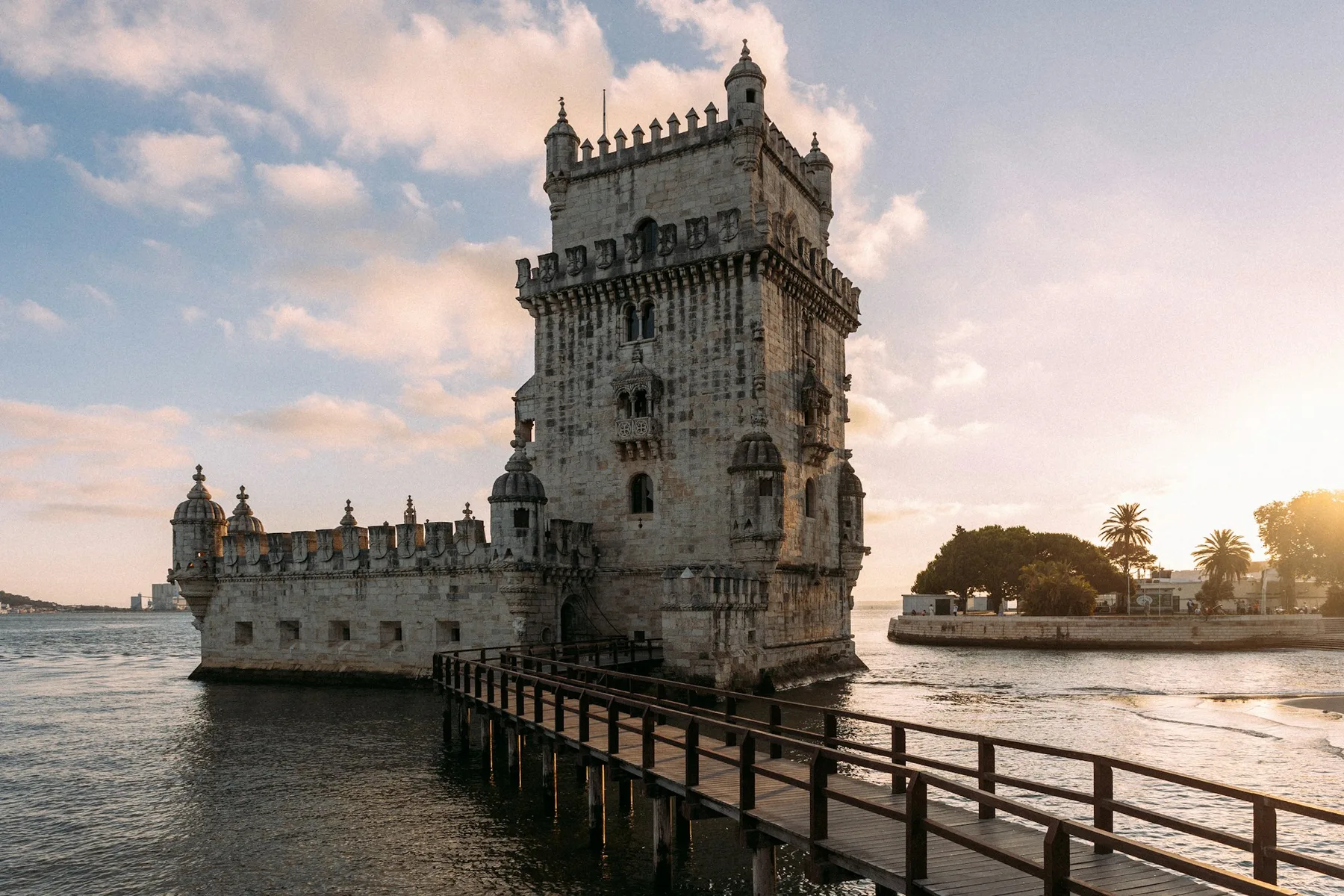 Photo: Lukas Bato on Unsplash
Belém sits about 6 km west of the centre, on the riverfront, and it's where Portugal's Age of Discoveries is most visible today. Three things anchor a visit:
- Torre de Belém, a 16th-century fortified tower built to guard the river approach to Lisbon. As of 2026 it's back open after conservation work, running on timed entry slots with a daily visitor cap, so book ahead rather than turning up and hoping. Adult tickets are €15; the tower is closed on Mondays.
- Mosteiro dos Jerónimos, the vast Manueline monastery just up the road, is arguably the more impressive building of the two and where Vasco da Gama is buried. Give it at least an hour.
- Pastéis de Belém, the bakery that's made the original custard tart recipe since 1837, a few minutes' walk from the monastery. Eat them warm, dusted with cinnamon, standing at the counter if the tables are full (they usually are).
Trams and the train both run from central Lisbon to Belém in 15–20 minutes; it's an easy half-day, or a full day if you linger over the monastery and the riverside park.
Day trip to Sintra: Pena Palace and the historic centre
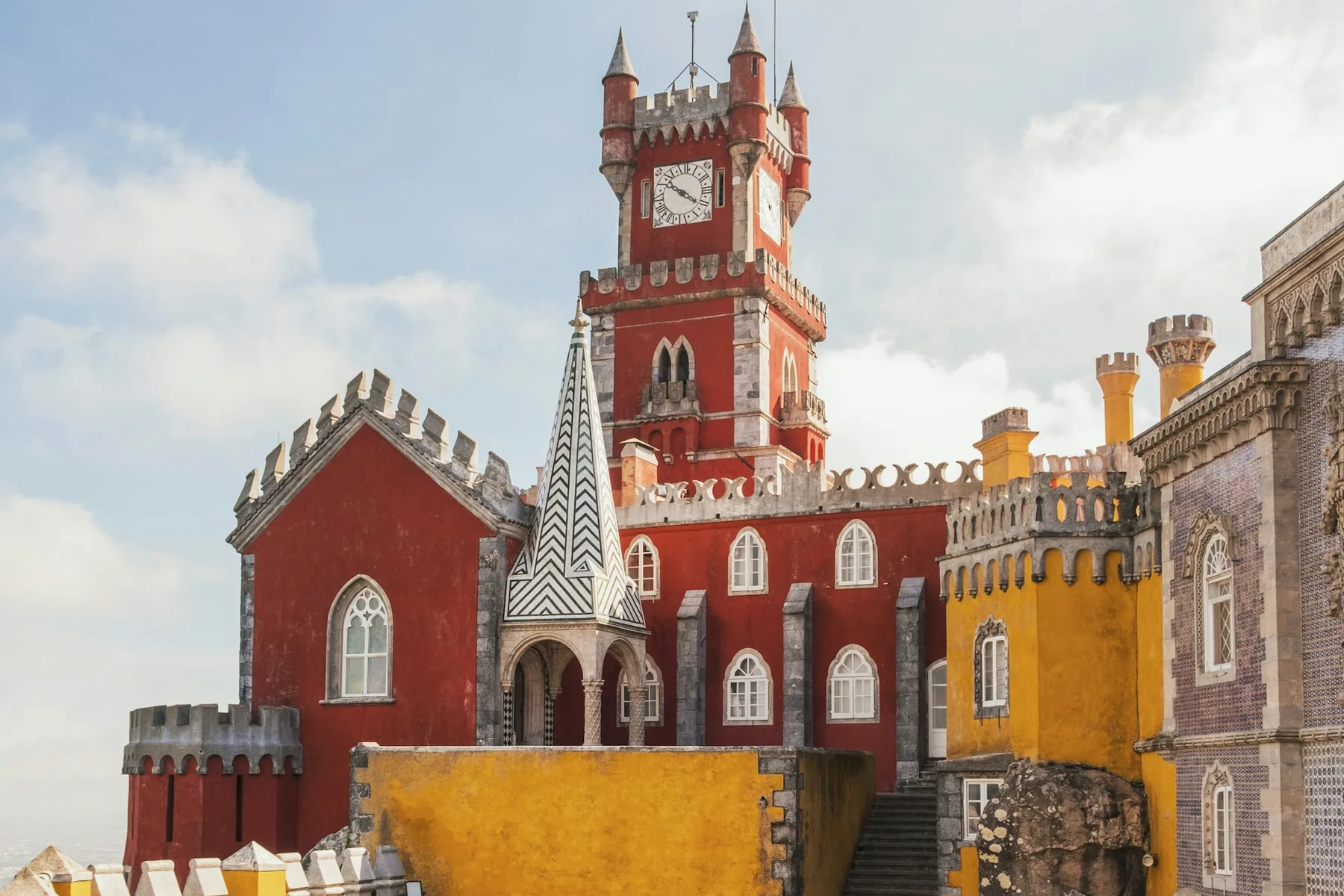 Photo: Julia Solonina on Unsplash
Sintra is the single best day trip from Lisbon, and for a lot of first-time visitors it ends up being a trip highlight in its own right. The CP train from Rossio station runs every 20 minutes or so and takes about 40 minutes, for around €2.45 one-way (checked against CP's own fares; always confirm the current price before you travel).
Once you're there, the hilltop Pena Palace, a candy-coloured 19th-century Romanticist palace, is the headline sight, but Sintra's UNESCO-listed historic centre, the Moorish Castle walls, and Quinta da Regaleira's tunnels and wells are all worth the extra time if you have it. The catch is that everything in Sintra is spread across a hillside with limited, expensive parking and a small local bus network that gets overwhelmed in peak season, which is why most people either walk between the closer sights or book a guided day tour that already includes transport between the palace, the historic centre and Cabo da Roca rather than working out bus schedules on the day.
One day is enough to see Pena Palace and walk the historic centre; you won't fit in Regaleira and the Moorish Castle too without a very early start.
Chiado, Bairro Alto and the riverfront
Chiado is Lisbon's elegant, slightly Parisian shopping and café district, home to A Brasileira (the historic café where a bronze statue of poet Fernando Pessoa now sits at an outside table) and some of the city's best bookshops. It sits right next to Bairro Alto, which is quiet by day and Lisbon's main nightlife district after about 9 pm: narrow streets packed with small bars, most with no cover charge and no real closing time.
Down at the river, Praça do Comércio is the grand riverfront square the city was rebuilt around after the 1755 earthquake, and it's a good spot to start or end a day of walking; the LX Factory, a converted industrial complex now full of independent shops and restaurants under the 25 de Abril bridge, is a short taxi or tram ride further along the riverfront if you want a more modern contrast.
Getting around Lisbon
Lisbon's public transport (metro, trams, funiculars and buses, all run mostly by Carris and Metro de Lisboa) is cheap and covers almost everything in this guide.
| Option | Price (2026) | Best for |
|---|---|---|
| Viva Viagem card | €0.50 (reusable, top up as needed) | Everyone; buy once at any metro station |
| Zapping (pay-as-you-go) | About €1.85 per ride on metro, bus or tram | Short stays, light use |
| 24-hour Carris/Metro pass | €7.25 | Anyone doing 4+ rides in a day (most sightseeing days) |
| Lisboa Card | €31 / €51 / €62 for 24h / 48h / 72h | Museum-heavy trips; includes transport and the CP train to Sintra |
| Tram 28 paid on board | €3.30 | Avoid this; tap a Viva Viagem or Lisboa Card instead |
For most visitors doing a normal day of sightseeing, the 24-hour pass is the simplest option and usually the best value; the Lisboa Card only pays for itself if you're visiting several paid museums and monuments on top of transport, so add up your planned sights before buying one.
If you're sorting out flights to Lisbon, it's worth comparing a few dates before you commit to your itinerary:
Landing at Lisbon Airport (LIS): the airport sits inside the city, and the metro's red line reaches central Lisbon in about 20–25 minutes. If you're arriving late, travelling with a group, or just don't want to manage luggage on the metro after a long flight, you can pre-book a private airport transfer straight to your hotel door instead.
How many days do you need in Lisbon?
- 2 days: enough for Alfama, a couple of miradouros, Belém and Chiado at a comfortable pace.
- 3 days: add Sintra as a full separate day.
- 4–5 days: add Cascais or Costa da Caparica for a beach day, and a slower second look at Alfama and Graça in the evening.
Frequently asked questions
What is the number one thing to do in Lisbon? There's no single "must," but if we had to pick one, it's walking Alfama on foot and catching a miradouro at sunset. It's free, it's uniquely Lisbon, and it captures the city's light and layout better than any single monument.
Is 2 days enough for Lisbon? For the city itself, yes: two days covers Alfama, Belém and the central neighbourhoods at a relaxed pace. If you want to add Sintra, plan for three days minimum, since it deserves a full day on its own.
Do I need to book Torre de Belém tickets in advance? Yes, as of the 2026 reopening. Entry now runs on timed slots with a daily visitor cap, so buy your ticket online before you go rather than assuming you can walk up.
Is Sintra a day trip or should I stay overnight? Most visitors do it as a day trip from Lisbon; the train takes about 40 minutes each way. If you want to see Regaleira and the Moorish Castle as well as Pena Palace without rushing, an overnight stay in Sintra makes that easier.
Is Lisbon walkable? Very, but it's built on hills, and Alfama and Bairro Alto in particular involve steep, cobbled streets. Comfortable shoes matter, and the trams and funiculars exist specifically to help with the climbs.
How we researched this guide
Prices, hours and transit details were checked against Turismo de Lisboa, CP – Comboios de Portugal for the Sintra train, the DGPC for Torre de Belém's official ticket price, hours and timed-entry policy, and Carris and Metro de Lisboa for transport fares, plus the official Lisboa Card site. Prices and transit times can change, especially transport fares and museum tickets, so double-check before you travel. Found something out of date? Let us know.
Planning more of Portugal, or combining it with the rest of Europe? Browse all our Portugal guides, continue north with our guide to the best things to do in Porto, or see our Paris guide if France is next on your route.