Best Time to Visit Machu Picchu: Month, Day and Hour (2027)
October 25, 2026 · Peru
This post contains affiliate links. We may earn a commission if you book through them, at no extra cost to you. Disclaimer.
The best time to visit Machu Picchu is during the dry season, from May to September, when you have the best chance of a clear view and dry paths. For a good balance of weather and crowds, go in April, May, September or early October. The wet season, from December to March, is quieter and greener but brings rain on most days, and February is the month to avoid if you want to hike the Inca Trail, as it closes for maintenance.
Timing matters at Machu Picchu in more ways than the month. Tickets are sold in hourly slots with daily limits, the morning mist comes and goes, and the busiest weeks of the year sell out far in advance. This guide covers the best months, the best time of day, how the 2026 ticket rules affect your visit, and what to expect in the rainy season.
Best time to visit Machu Picchu at a glance
| Season | Months | Weather | Crowds | Good for |
|---|---|---|---|---|
| Dry season | May to September | Mostly dry and sunny; cold nights in Cusco | Busiest, especially June to August | The clearest views, the Inca Trail, mountain climbs |
| Shoulder season | April, October and November | Mixed sun and showers | Moderate | Fewer people, green landscapes, good value |
| Wet season | December to March | Rain most days, often in the afternoon; frequent mist | Quietest (except Christmas and New Year) | Lower prices and a moody, misty atmosphere |
Our short version: if you can choose, go in May or September. You get dry-season weather without the peak crowds of June, July and August. If you prefer green hills and smaller crowds and don't mind some rain, April and October are excellent too.
Machu Picchu weather by season
Machu Picchu sits at about 2,400 m on a ridge above the Urubamba River, on the edge of the cloud forest. It's lower and warmer than Cusco, at about 3,400 m, and more humid. Mist can form at any time of year, often in the early morning, before lifting as the day warms up.
The seasons follow the same pattern as Cusco. In Cusco, the long-term average is around 150 mm of rain in January and just 3 to 7 mm in each month from May to August, with daytime highs of about 20 to 22°C all year. Nights are coldest from June to August, when Cusco drops to around freezing, though Machu Picchu and Aguas Calientes, much lower down, are milder.
The dry season: May to September
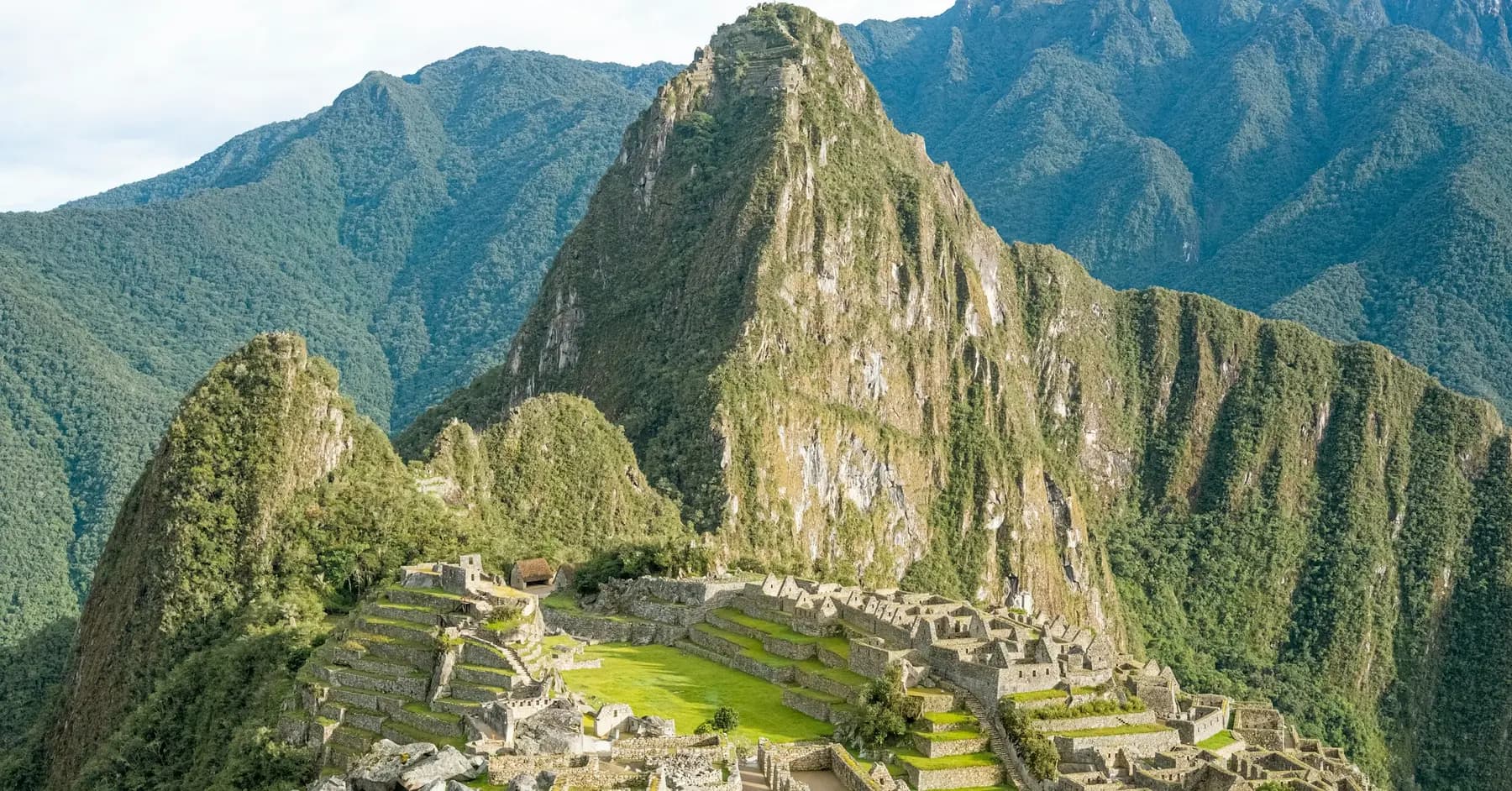
These are the most reliable months for blue skies. Paths and steps are dry, which makes the mountain climbs easier, and the Inca Trail is at its best. June, July and August are the peak months, so expect the highest numbers of visitors, the fullest trains and the earliest sell-outs for tickets and permits. May and September have similar weather with fewer people.
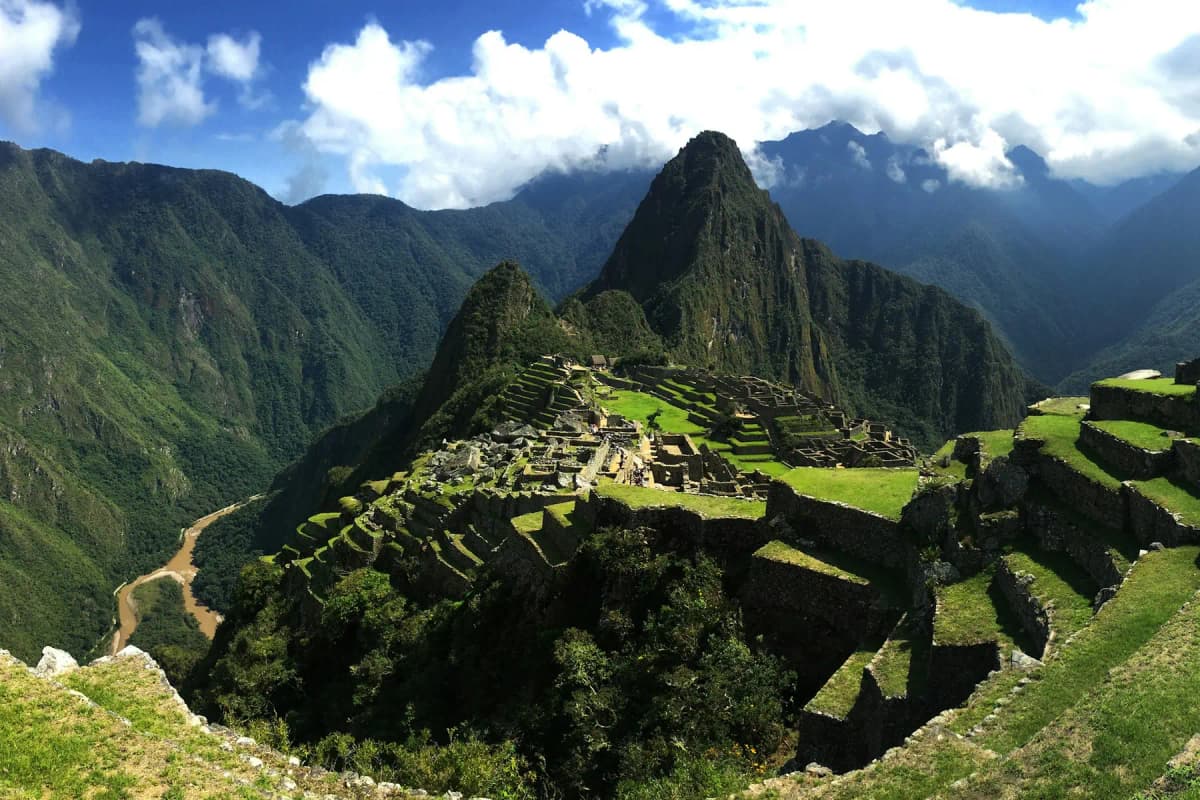 Photo: Fabien Moliné on Unsplash
The shoulder season: April, October and November
April marks the end of the rains. The hills are at their greenest, and there are far fewer visitors than in the dry season, although Easter week can be busy. October brings the first showers, but most days are still dry for at least part of the day. November is more mixed, with rain becoming more frequent towards the end of the month.
The wet season: December to March
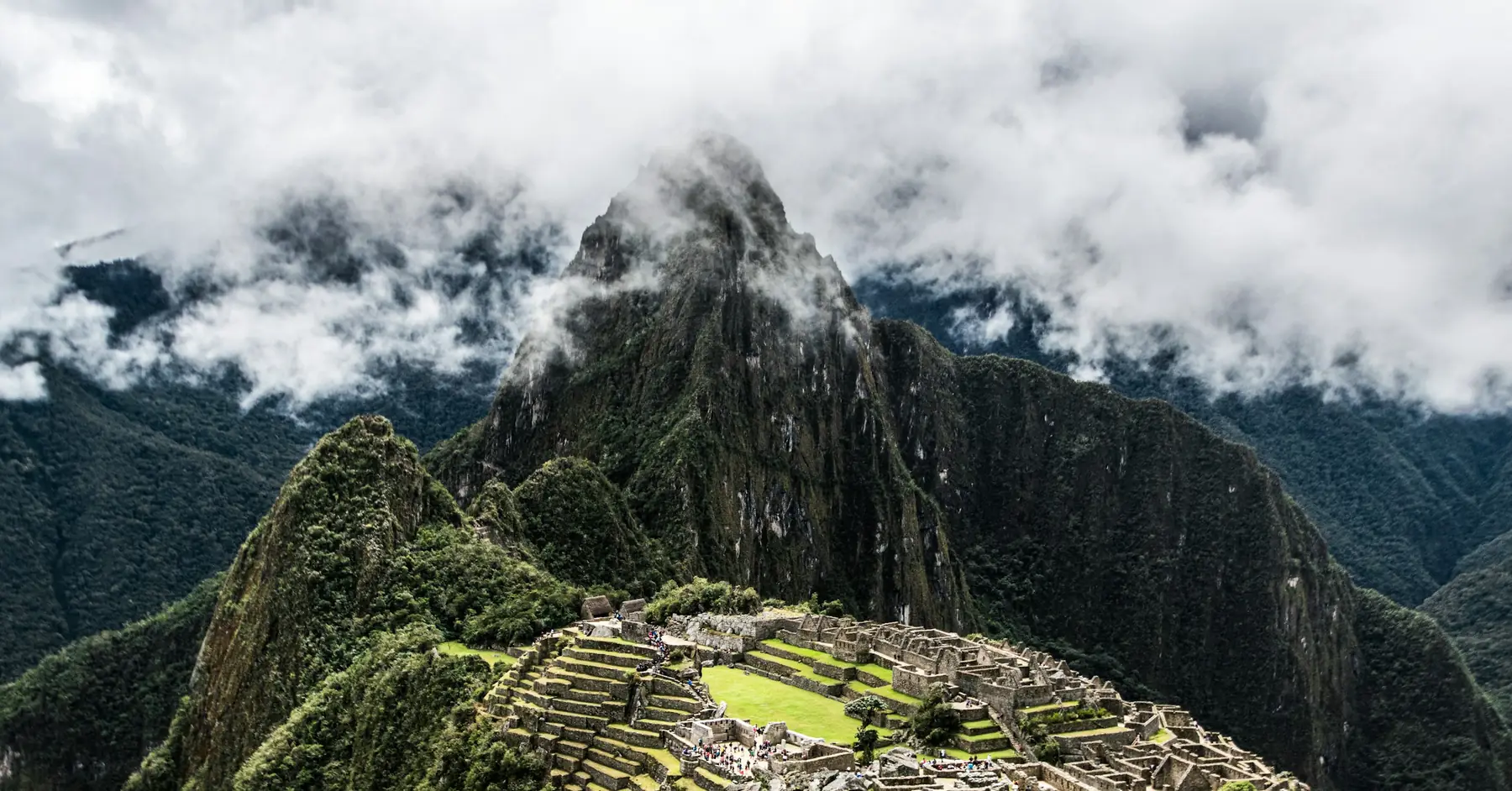
It rains on most days, usually as afternoon or evening showers rather than all-day downpours, and mornings are often misty. Machu Picchu can look spectacular as cloud drifts through the ruins, but you may also wait a while for a view, and occasionally it never clears.
Heavy rain also causes practical problems. Landslides sometimes block roads and the railway between Cusco, Ollantaytambo and Aguas Calientes, and the Inca Trail closes every February. If you're travelling in the wet season, leave a spare day in your plans.
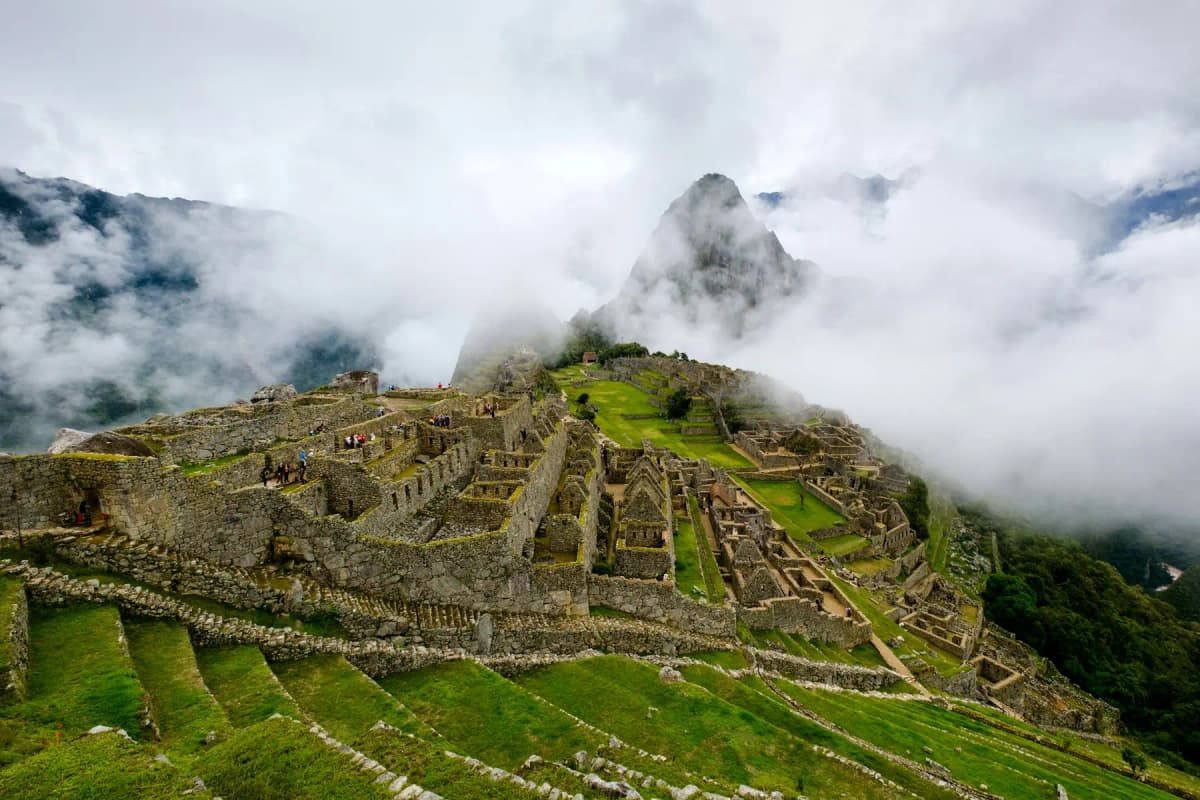 Photo:
Machu Picchu month by month
| Month | Weather | Crowds | Notes |
|---|---|---|---|
| January | Wet | Low, busy at New Year | Mist and rain likely; green landscapes |
| February | Wettest | Low | Inca Trail closed; Machu Picchu open |
| March | Wet, easing | Low | Holy Week can be busy (21 to 28 March in 2027) |
| April | Drying out | Moderate | Great month for green hills and fewer people |
| May | Dry | Moderate to high | One of the best months |
| June | Dry | High | Inti Raymi on 24 June fills Cusco |
| July | Dry | Very high | Peak season; national holidays at the end of the month |
| August | Dry | Very high | Peak season; book months ahead |
| September | Dry | High | Excellent weather, slightly quieter |
| October | Mostly dry | Moderate | Good value; first showers |
| November | Mixed | Moderate to low | Lower daily ticket limit from early November |
| December | Wet | Low, busy at Christmas | Rain most days |
The best time of day to visit Machu Picchu
Entry is by timed slot, with the first entries at 6am and the last at 4pm. Each time has its pros and cons.
- First thing in the morning (6am to 8am): the classic choice. You may see the sun come over the mountains and the mist lifting from the ruins, but in many seasons the site is still in cloud at 6am. Early slots are also the most popular, and you'll queue for the first buses up from Aguas Calientes.
- Mid-morning to early afternoon: the mist has usually cleared and the light is bright. This is often the busiest part of the day, as day-trippers arriving by train from Cusco and Ollantaytambo reach the site.
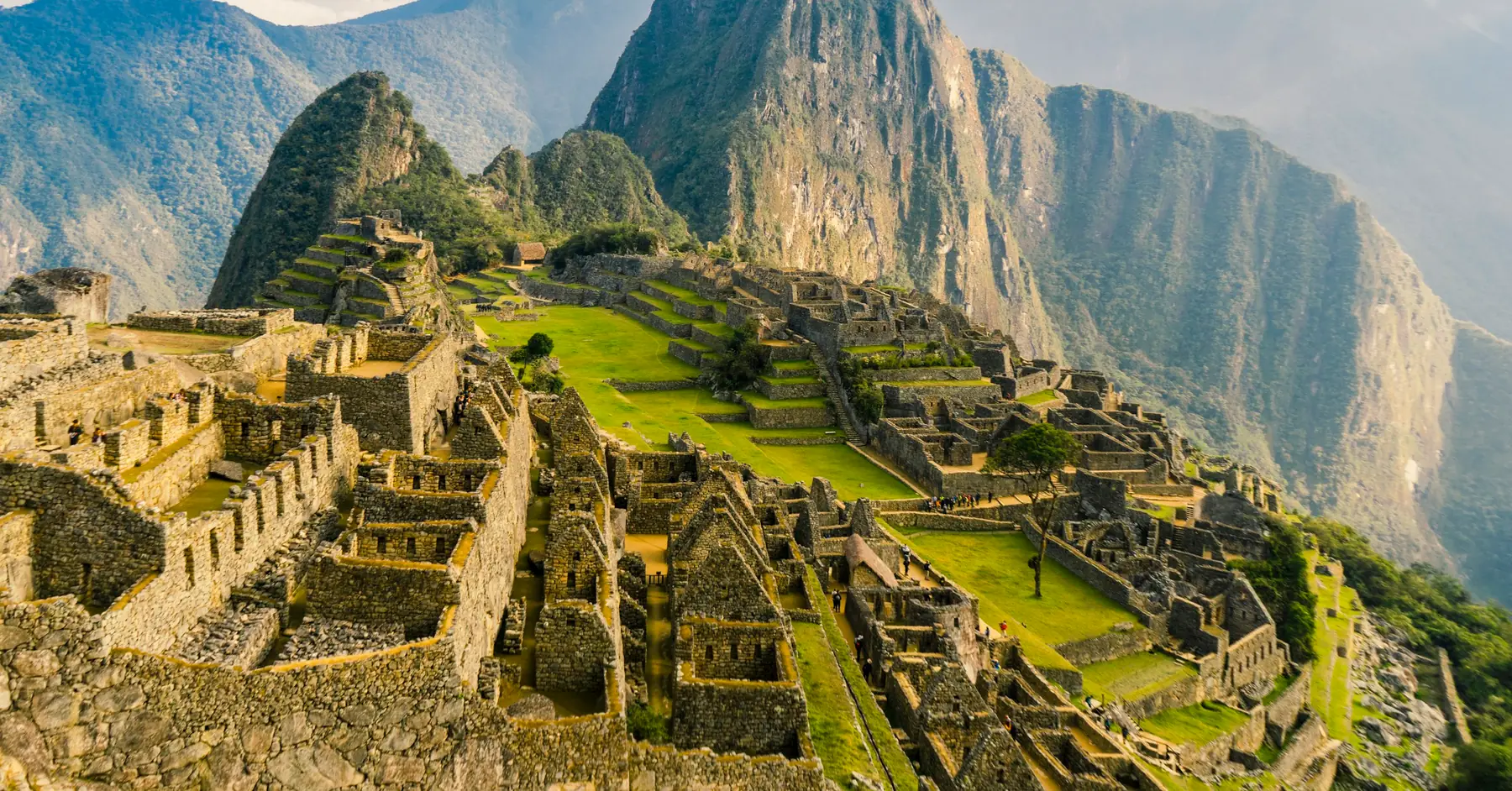
- Mid to late afternoon: usually calmer, with softer light and long shadows. In the wet season, afternoons are the most likely time for rain.
If you're staying in Aguas Calientes, an early or late slot is easy. If you're visiting as a day trip from Cusco, you'll usually arrive in the late morning, which is fine for the views but not the quietest time. A night in Aguas Calientes gives you the most flexibility, and this two-day Machu Picchu tour by train includes one.
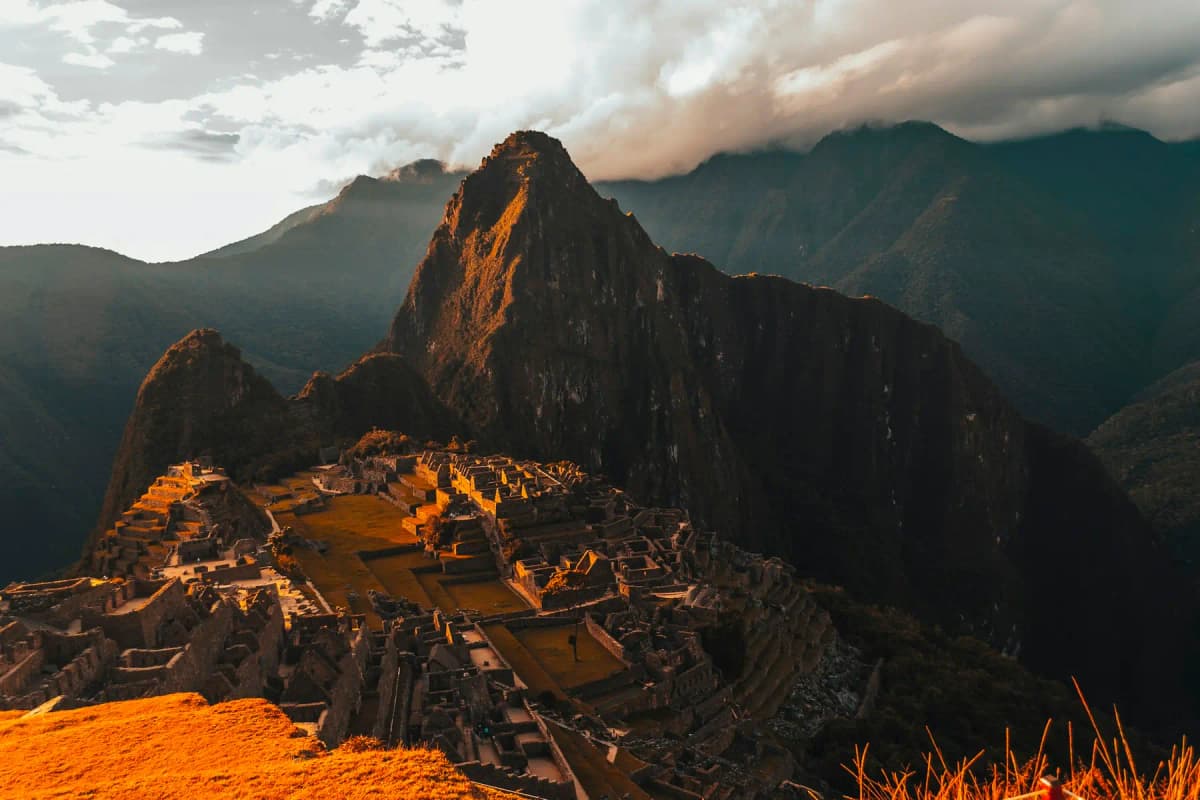 Photo: Sebastian Tapia Huerta on Unsplash
How tickets and daily limits work
The rules have changed several times in recent years, so check the official site before you book. These are the arrangements reported for 2026:
- Daily limits: up to 5,600 visitors a day in the high season, which ran from 19 June to 2 November in 2026, and 4,500 a day for the rest of the year. Each route has its own quota per time slot, so the popular routes and the mountain climbs sell out first.
- Circuits and routes: visits follow one of three circuits split into ten routes. Circuit 1 takes in the high viewpoints, including the classic postcard view from the upper terraces. Circuit 2 is the "classic" route through the main sectors of the ruins. Circuit 3 covers the lower areas, with options such as the climb up Huayna Picchu. Some routes, including the Sun Gate (Intipunku), the Inca Bridge and Huchuy Picchu, are only offered in the high season.
- Prices: for foreign adults, reported at 152 soles for the standard routes and 200 soles for the mountain routes, plus a conservation fee of 11 soles. Students, children and over-60s pay less.
- Names and passports: tickets are issued in your name and must match your passport, which you need to bring to the entrance.
- Where to buy: on the Ministry of Culture's official tuboleto.cultura.pe site or at authorised offices. A limited number of tickets, reported at around 1,000 a day, are sold in person in Aguas Calientes, but queues can be long and the routes and times left may not suit you.
- Entry times: you must arrive within your slot, with a short grace period. Visits are guided, and guides lead small groups.
When to book: for June to August, book as soon as you know your dates, ideally several months ahead. For Huayna Picchu or Machu Picchu Mountain in the dry season, book even earlier. In the wet season, a few weeks is often enough, but check availability for your preferred route first.
Best time for the Inca Trail
The classic four-day Inca Trail is best from May to September. April and October are good, with a slightly higher chance of rain, and the trail is closed in February. Permits are limited, sold only through licensed operators and can sell out months ahead for the dry season.
If you'd like to arrive on foot, compare the classic four-day Inca Trail with the two-day short Inca Trail, which walks the final section and enters through the Sun Gate. Our guide on how to get to Machu Picchu compares the trails, trains and the budget route via Hidroeléctrica.
Best time to climb Huayna Picchu and Machu Picchu Mountain
Both climbs are steep, with long stretches of stone steps and big drops. They're safest and most rewarding in the dry season, when the steps are dry and the views are clearer. In the wet season, the steps can be slippery and the summits are often in cloud. Tickets for both mountains are limited and sell out quickly, so book them together with your entry.
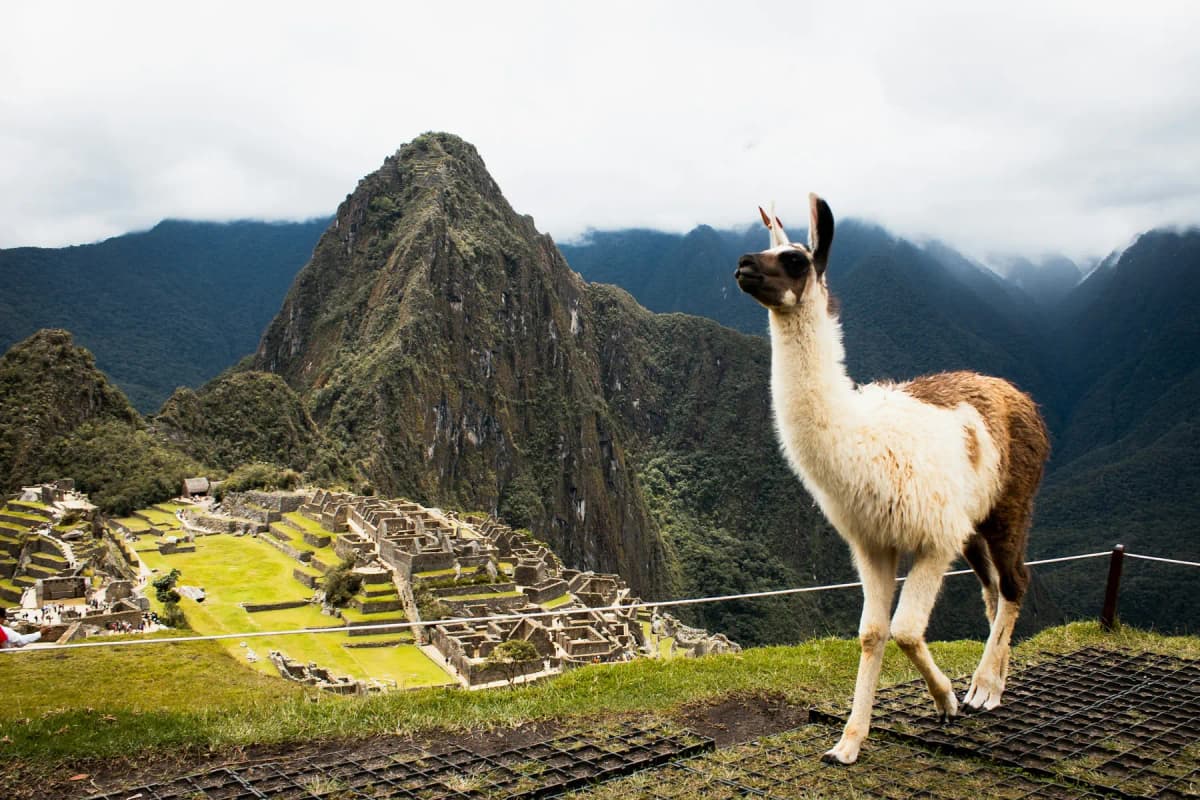 Photo: Junior Moran on Unsplash
Holidays and festivals to plan around
- Holy Week (21 to 28 March in 2027): a busy week for domestic travel.
- Inti Raymi (24 June): Cusco's Festival of the Sun. The whole of June is festive in Cusco, and hotels, trains and tickets fill up.
- Fiestas Patrias (28 and 29 July): Peru's independence holidays, which start the busiest weeks for domestic tourism.
- Christmas and New Year: busy, despite falling in the rainy season.
If your dates are flexible, May and September avoid the biggest of these peaks.
Trains and disruptions
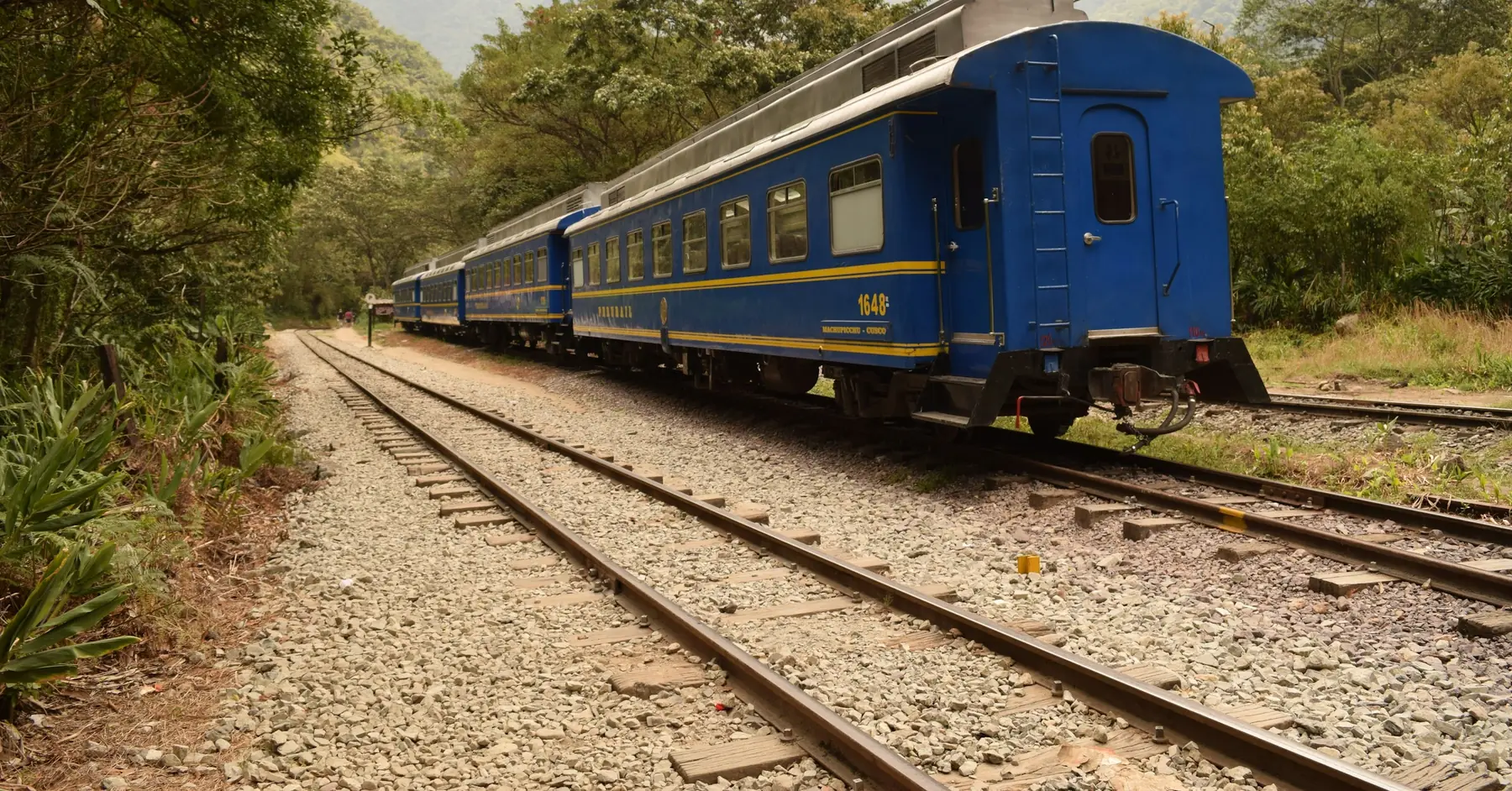
Most visitors reach Machu Picchu by train to Aguas Calientes, then take the shuttle bus up to the site. Services have been disrupted several times in 2026. PeruRail and Inca Rail suspended trains from Ollantaytambo after a fire and a rockslide on 4 August, and on 2 October two trains collided near Pampacahua, causing delays before services returned to normal, according to the US Embassy in Peru. Protests have also stopped trains at times.
These problems can happen in any month, but landslides are most likely in the wet season. Keep a buffer day between Machu Picchu and your flight home, and check PeruRail or Inca Rail close to your travel date. You can book the Machu Picchu shuttle bus in advance or buy tickets in Aguas Calientes.
What to pack for each season
- All year: your passport (the one used to buy your ticket), sun cream, a hat, insect repellent for the sandflies, water and layers. Large bags aren't allowed inside, so bring a small daypack.
- Dry season: warm clothes for early mornings and for Cusco at night.
- Wet season: a rain jacket or poncho, shoes with good grip and a dry bag for your phone.
Two more things worth sorting before you go: a Peru eSIM for maps and train updates, and travel insurance with medical cover, especially if you plan to hike.
Frequently asked questions
What is the best month to visit Machu Picchu? May and September are the best months for most people. They're in the dry season, with a good chance of clear views, but less crowded than June, July and August.
What is the rainy season at Machu Picchu? Roughly November or December to March, with the heaviest rain in January and February. Rain often falls in the afternoon, and mornings are frequently misty.
Is it worth visiting Machu Picchu in the rainy season? Yes, if you're flexible. It's quieter, greener and often atmospheric, with cloud drifting through the ruins. But views can be hidden, paths get slippery, and landslides occasionally disrupt the trains, so allow extra time.
What time of day is best to visit Machu Picchu? Early morning is the most popular choice, for the chance of sunrise and the mist lifting, but the site is often in cloud at first. Mid-afternoon is usually calmer. Mid-morning to early afternoon tends to be the busiest time, when day trips from Cusco arrive.
When is Machu Picchu least crowded? In the wet season from January to March (outside Holy Week), and in November. In the dry season, May and September are quieter than June to August.
Is the Inca Trail open all year? No. The Inca Trail closes every February for maintenance. Machu Picchu itself stays open, and you can still reach it by train.
How far in advance should I book Machu Picchu tickets? For June to August, book as early as possible, ideally several months ahead, especially if you want Huayna Picchu or Machu Picchu Mountain. In the low season, a few weeks is often enough.
How we researched this guide
We checked the 2026 ticket rules, prices and daily limits against reports of the Ministry of Culture's regulations and the official ticket site, and train disruptions against PeruRail's notices and the US Embassy in Peru. Weather patterns are based on long-term averages for Cusco from NOAA and Meteo Climat, as we couldn't find a comparable public record for Machu Picchu itself. We also read the UK government's travel advice for Peru and guides from several travel publishers and tour operators, all in October 2026. Rules, prices and capacities change often, so check tuboleto.cultura.pe before you book. Planning the rest of your trip? See our guides to the best time to visit Peru, things to do in Cusco and the best day trips from Cusco. Found something out of date? Let us know.