Where to Stay in Lima: 6 Best Areas for 2026
October 25, 2026 · Peru
This post contains affiliate links. We may earn a commission if you book through them, at no extra cost to you. Disclaimer.
The best area to stay in Lima for most visitors is Miraflores, on the clifftops above the Pacific. It has the widest choice of hotels, plenty of restaurants and the coastal parks of the Malecón on its doorstep. Barranco, just to the south, is the best choice for nightlife, art and character. San Isidro is quieter and greener, the historic centre puts you next to the colonial sights, and a hotel at or near the airport makes sense if you're only in Lima for a night between flights.
Lima is a huge, sprawling city with heavy traffic, so where you stay shapes your whole visit. This guide compares the six areas worth considering, explains how to choose between them, and covers getting from the airport, getting around and staying safe.
Where to stay in Lima at a glance
| Area | Best for | Vibe | Distance to the historic centre |
|---|---|---|---|
| Miraflores | First-time visitors | Busy, coastal, lots of choice | About 30 to 45 minutes by taxi |
| Barranco | Nightlife, art and food | Bohemian, colourful, lively at night | About 40 to 50 minutes by taxi |
| San Isidro | Business travellers and quiet stays | Green, upmarket, calm | About 25 to 40 minutes by taxi |
| Historic centre | Sightseeing on a budget | Grand, busy by day, quiet at night | On the doorstep |
| Near the airport | One night between flights | Practical | About 30 to 45 minutes by taxi |
| Pueblo Libre and Magdalena | A local feel and the Larco Museum | Residential | About 20 to 30 minutes by taxi |
Times are rough and depend heavily on traffic. Rush hours can double them.
Our short version: stay in Miraflores if it's your first visit, especially if you're only in Lima for a couple of nights. Choose Barranco if you care more about bars, galleries and atmosphere than about convenience. Both are close to each other, so you can easily visit the other.
How to choose where to stay in Lima
- Traffic: Lima's traffic is notoriously slow. Staying in the area where you'll spend most of your time saves hours. Miraflores and Barranco are next to each other, but the historic centre is a long ride from both.
- Safety: Miraflores, Barranco and San Isidro are the areas most visitors stay in, and they're generally well policed. Street crime is still a problem across Lima, though. The UK government notes armed robberies of tourists and residents in Miraflores and Barranco, so take the usual precautions everywhere.
- The sea: Miraflores and Barranco sit on cliffs above the ocean. Many hotels near the Malecón have sea views, but the beaches below are pebbly, and the water is cold for much of the year.
- The weather: from about June to October, Lima is usually grey and cool. In summer, from December to April, coastal areas are at their best. See our guide to the best time to visit Peru for details.
- Your flights: if you arrive late or leave early, consider how long the airport journey will take, or stay near the airport for one night.
1. Miraflores: best area for first-time visitors
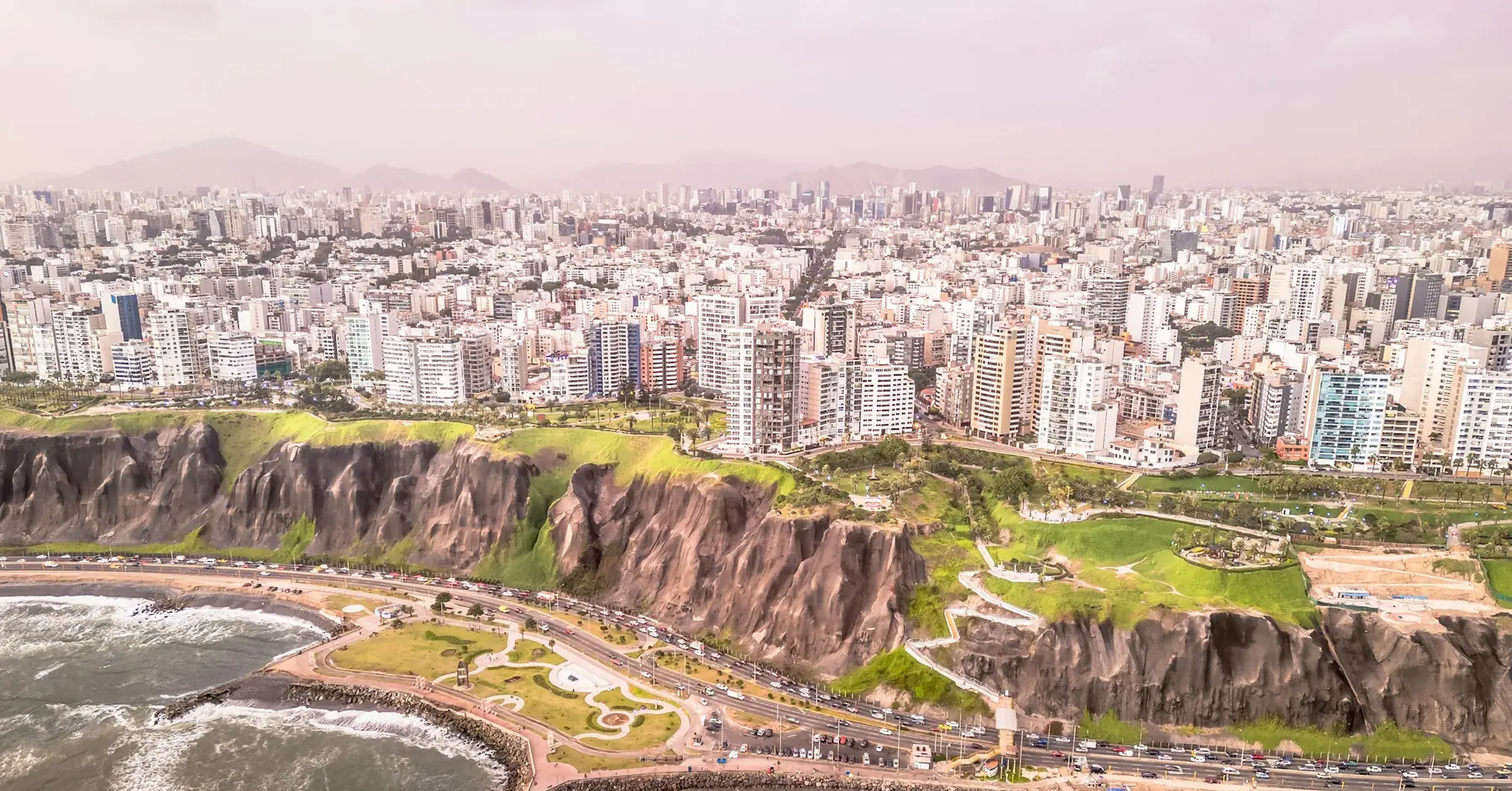
Miraflores is Lima's most popular area for visitors, and for good reason. It's a big, busy district of apartment blocks, parks and shops, set on cliffs above the Pacific. The Malecón, a chain of clifftop parks and paths, runs along its edge, with paragliders launching from the cliffs, ocean views and the Larcomar shopping centre built into the cliff face. Inland, Parque Kennedy is the lively heart of the district, surrounded by cafés and restaurants.
 Photo:
Miraflores has the widest range of places to stay in Lima, from hostels to international hotels, and many of the city's best restaurants. It's also where the Airport Express Lima bus stops, which makes arriving simple.
Pros: lots of choice, walkable, good restaurants, the coastal parks, generally safe for visitors. Cons: busy and touristy, and it's a long taxi ride to the historic centre. Best for: first-timers, short stays, families and anyone who wants everything close by.
2. Barranco: best for nightlife and character
Barranco is Lima's bohemian district, just south of Miraflores. Its streets are lined with colourful old mansions, many now turned into boutique hotels, galleries, bars and restaurants. Look for the wooden Puente de los Suspiros (Bridge of Sighs), the path down to the sea, and street art on many walls. It's also home to some of Lima's best-known restaurants and a lively bar scene.
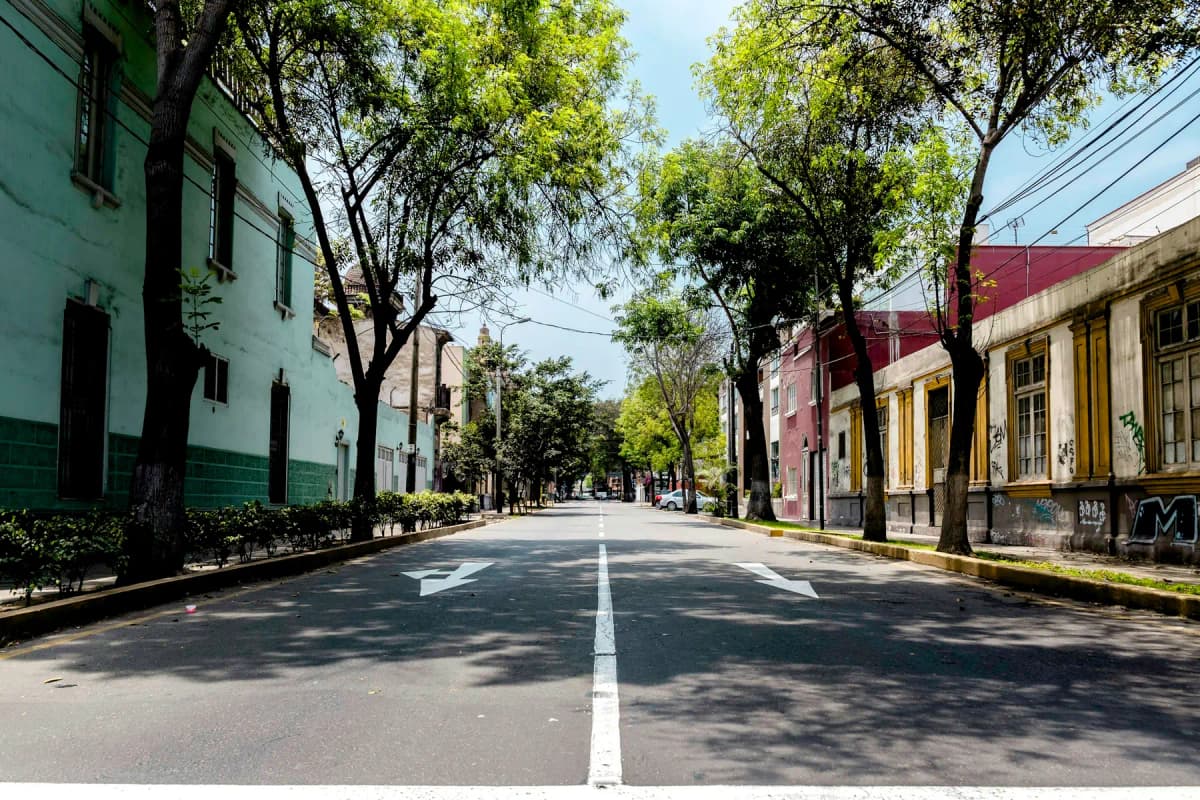 Photo: Andres Urena on Unsplash
Barranco is smaller and calmer than Miraflores in the day, but busy and noisy on weekend nights. You can walk along the Malecón to Miraflores, which takes around half an hour or more depending on where you start. For a tasty introduction, try a Barranco food tour.
Pros: character, boutique hotels, the best nightlife, close to Miraflores. Cons: some streets are noisy at night, and it's even further from the historic centre. Plan your ride home after a late night rather than hailing a random taxi. Best for: couples, foodies and anyone who wants atmosphere.
3. San Isidro: best for a quiet, upmarket stay
San Isidro, north of Miraflores, is Lima's financial district, mixing office towers with leafy residential streets. Its highlight is El Olivar, a park planted with old olive trees, and there's an adobe pyramid, the Huaca Huallamarca, among the houses. Many of the city's upmarket business hotels and some excellent restaurants are here.
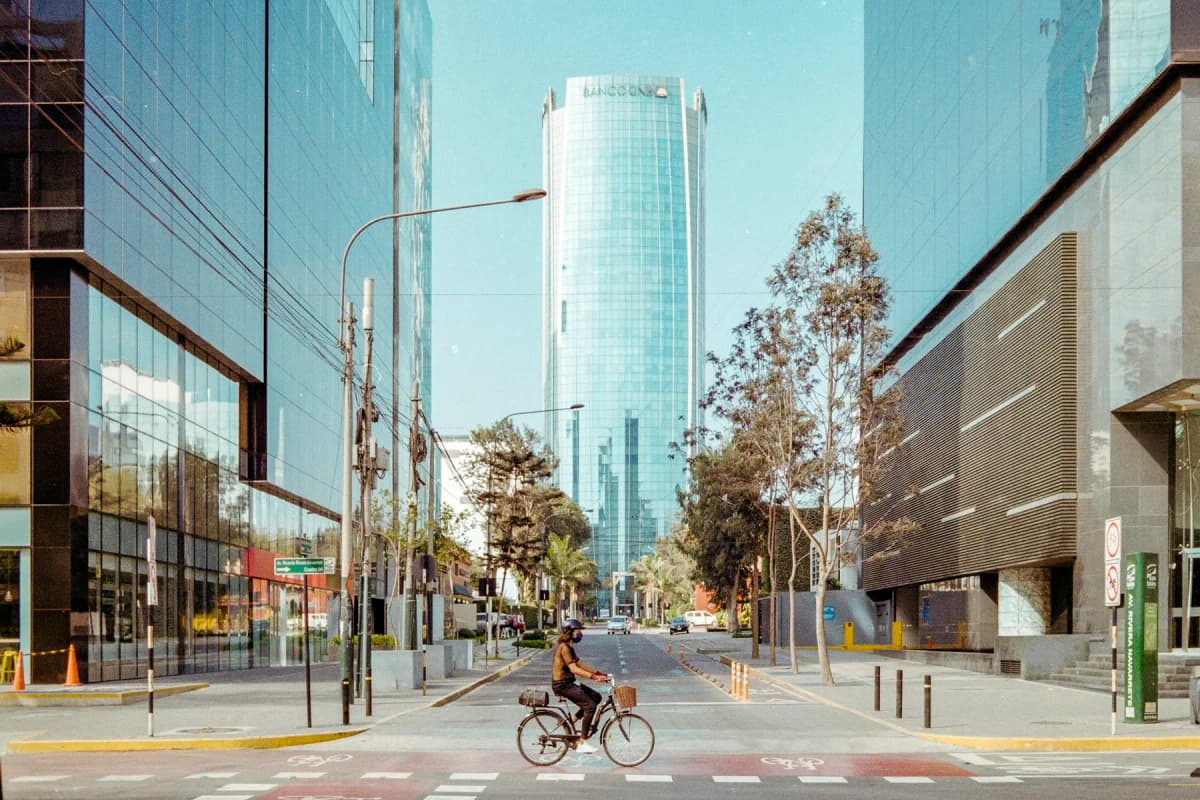 Photo: Néstor Morales on Unsplash
Pros: quiet, green, safe-feeling, central for getting around the city. Cons: less going on in the evenings, and hotels are often aimed at business travellers. Best for: business trips, light sleepers and longer stays.
4. The historic centre: best for sightseeing
Lima's historic centre is a UNESCO World Heritage Site, with the Plaza Mayor (Plaza de Armas), the cathedral, the Government Palace and the San Francisco Monastery and its catacombs. Staying here means you can see the colonial sights in the morning before the crowds, and there are some good-value hotels in old buildings.
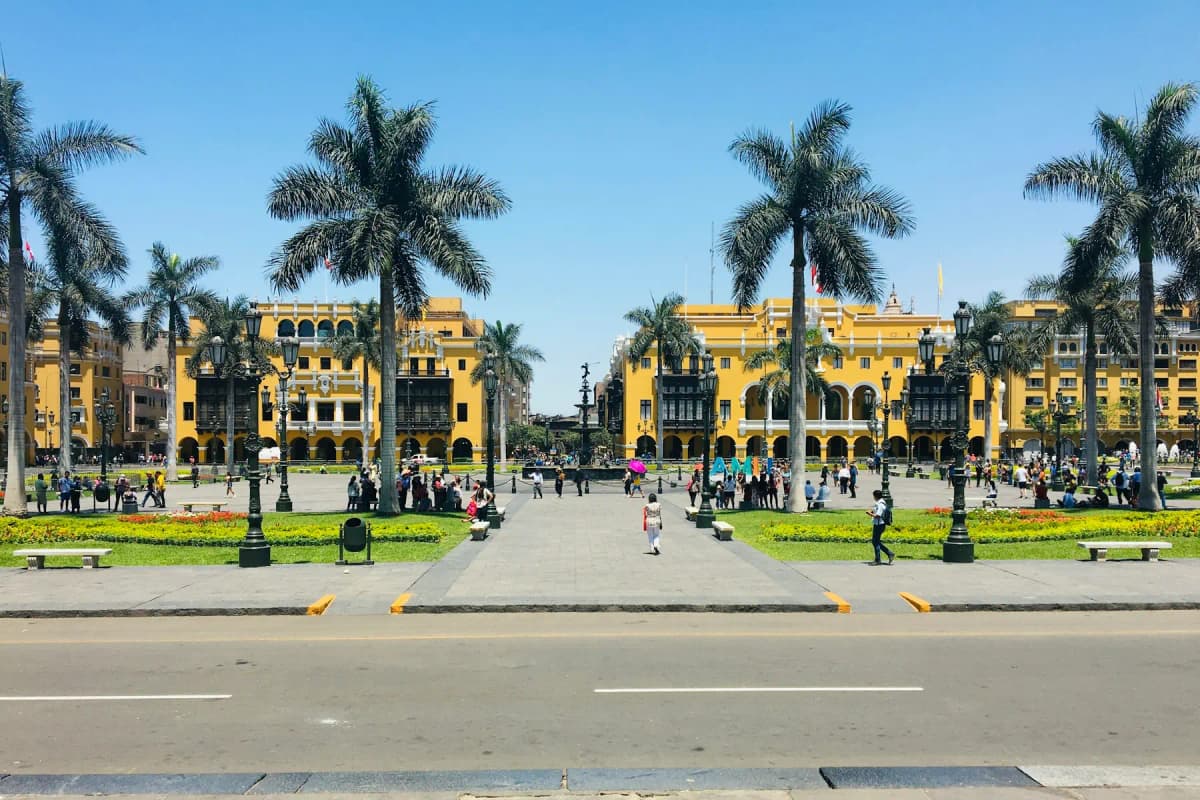 Photo: Jhordy Rojas on Unsplash
The centre is busy and vibrant by day, but many streets empty out in the evening, and you need to be more careful at night than in Miraflores. The UK government also notes that protests often affect the historic centre. A guided visit is a good way to see it, such as this Lima city walking tour with the San Francisco Monastery.
Pros: right next to the main sights, lots of history, cheaper hotels. Cons: quiet at night, the area most affected by protests, and far from the coast and the best restaurants. Best for: budget travellers and history lovers on a short stay.
5. Near the airport: best for one night between flights
Lima's Jorge Chávez International Airport is in Callao, west of the centre. If you're only in Lima to change planes, or you land late and fly to Cusco early the next morning, a hotel at or near the airport saves a long drive across the city. There's not much to see nearby, and some parts of Callao have higher crime rates, so this is a choice for convenience, not sightseeing. Stick to hotels close to the airport and use their transfers or official taxis.
Best for: overnight connections and early flights.
6. Pueblo Libre and Magdalena: best for a local feel
These residential districts, between San Isidro and the coast, see fewer visitors. Pueblo Libre is home to the Larco Museum, with its collection of pre-Columbian art and its garden restaurant, and a historic tavern on its old plaza. You'll find fewer hotels and more apartments here, and prices can be lower.
Best for: longer stays and travellers who like local neighbourhoods.
Getting from the airport to your hotel
The airport is about 30 to 45 minutes from Miraflores by taxi when traffic is light, and much longer at rush hour. Your main options are:
- Airport Express Lima: a bus service to Miraflores, with stops in the main hotel areas. Fares have been reported at around 15 soles, with journeys of about 50 to 70 minutes. Check the operator's website for the current timetable.
- Official taxis: use the taxi desks inside the arrivals hall, not drivers offering rides outside. Prices to Miraflores have been reported at roughly 60 to 100 soles, depending on the company and the time of day. Agree the price before you set off.
- Ride-hailing apps: usually cheaper, with pick-ups from a designated area.
- Private transfer: the easiest option for a late arrival or with family and luggage. You can book a private transfer from Lima airport before you fly.
Getting around Lima
- Taxis and apps: the easiest way to get around. The UK government advises using licensed, phone or app-based taxis, or ones booked by your hotel, and not hailing taxis on the street.
- The Metropolitano: a rapid bus system with its own lanes, linking Barranco, Miraflores and San Isidro with the historic centre. It's cheap and avoids much of the traffic, but it gets very crowded at rush hour. You'll need a rechargeable card.
- Walking: Miraflores and Barranco are pleasant to walk around in the day, especially along the Malecón.
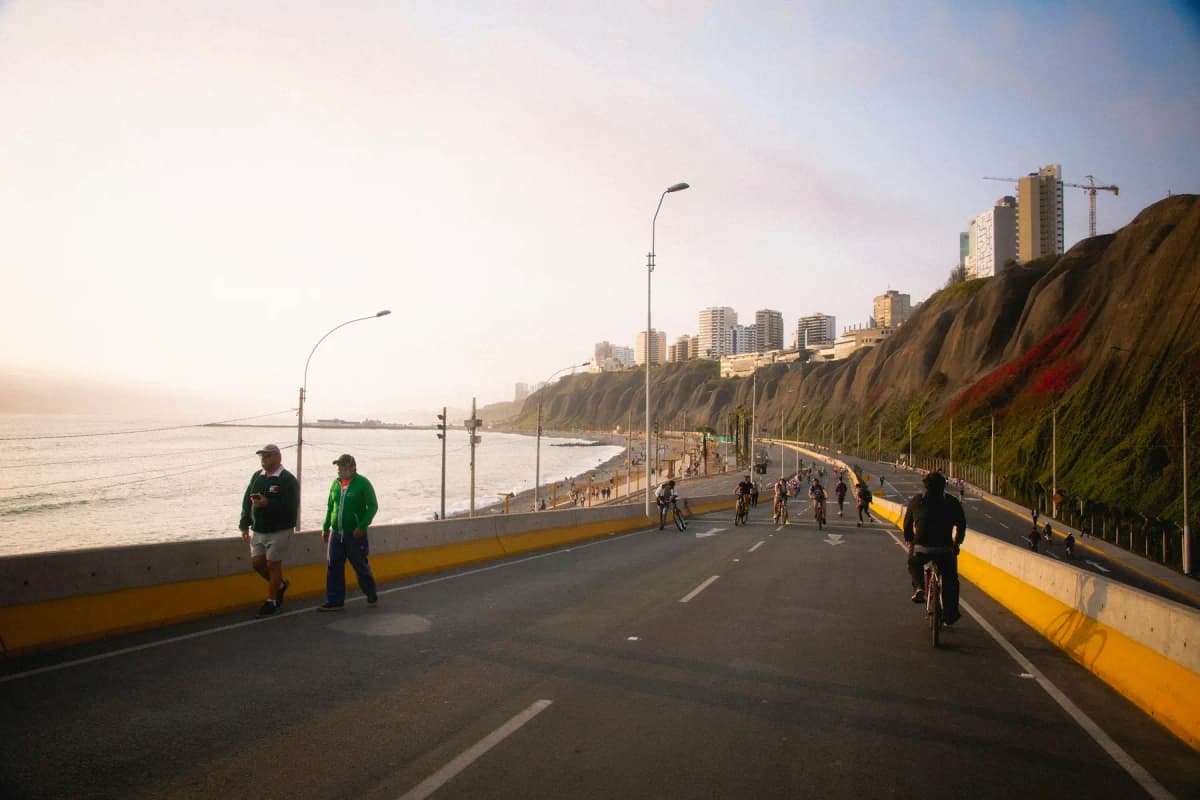 Photo: Alvaro Palacios on Unsplash
Safety tips for staying in Lima
Lima and Callao have been under a state of emergency over crime, renewed several times since 2025, with police and the armed forces sharing security duties. Check your government's latest travel advice before you go. Day to day, the main risks for visitors are theft and robbery:
- Keep your phone out of sight at the roadside, and don't carry more valuables than you need.
- Use ATMs inside banks or shopping centres during the day.
- Take app or hotel taxis, especially at night and from bus stations. The UK government warns of express kidnappings, where criminals posing as taxi drivers force victims to withdraw cash.
- Avoid quiet streets at night, even in Miraflores and Barranco.
- Stay away from protests, which mostly affect the historic centre.
Types of places to stay in Lima
- International and business hotels: clustered in Miraflores and San Isidro, often with sea views or rooftop pools.
- Boutique hotels: many are in restored mansions in Barranco.
- Hostels: mostly in Miraflores and Barranco, popular with backpackers.
- Apartments: common in Miraflores and San Isidro, and useful for longer stays.
To compare prices and availability for your dates, search hotels in Lima here:
How many nights to stay in Lima
Most visitors spend one to three nights in Lima, often at the start or end of a trip to Cusco and Machu Picchu. Two full days is enough for the historic centre, the Malecón, Barranco and a big meal or a food tour, such as this half-day Lima food tour with wine tasting. With an extra day, you can take a Paracas and Huacachina day trip or fly over the Nazca Lines. Our guide to the best things to do in Lima has many more ideas, and our Peru itinerary shows how Lima fits into a wider trip. Heading to the mountains next? See where to stay in Cusco and how to get to Machu Picchu.
Tips for booking
- Book sea views carefully: the coast is often covered in cloud from June to October, so a sea view matters less then.
- Check for noise: in Barranco and around Parque Kennedy, ask for a room away from the street on weekends.
- Confirm airport transfers: many hotels can arrange a pick-up, which is worth it for late arrivals.
- Stay connected: a Peru eSIM makes it easy to call ride-hailing apps from the moment you land.
- Get travel insurance: cover that includes theft and medical treatment is sensible for any trip to Peru.
Frequently asked questions
What is the best area to stay in Lima? Miraflores, for most visitors. It's safe by Lima's standards, walkable, close to the coast and full of hotels and restaurants. Barranco is the best alternative if you want nightlife and character.
Is it better to stay in Miraflores or Barranco? Miraflores is more convenient, with more choice and the airport bus. Barranco has more character, better nightlife and boutique hotels. They're next to each other, so you can easily visit both.
Is the historic centre of Lima a good place to stay? It's good for sightseeing and has cheaper hotels, but it's quiet at night, the area most affected by protests, and far from the coast and the best restaurants. Most visitors stay in Miraflores or Barranco and visit the centre on a day trip.
Where should I stay in Lima for one night? Near the airport if you have an early flight or a late arrival. Otherwise, Miraflores is the best base for a short stay, with the most to do nearby.
Is Miraflores safe? It's one of the safest areas in Lima for visitors, but street crime still happens, including robberies of tourists. Keep valuables out of sight, use app or hotel taxis and avoid quiet streets at night.
How far is Miraflores from Lima airport? About 30 to 45 minutes by taxi in light traffic, and an hour or more at rush hour. The Airport Express Lima bus takes around 50 to 70 minutes.
How we researched this guide
We compared Lima's neighbourhoods using city and travel guides from several publishers, airport transfer information from transport operators, and the UK government's travel advice for Peru for safety, crime and taxis, all checked in October 2026. Reports of Lima and Callao's state of emergency come from Peruvian news coverage of government decrees. Taxi fares, bus fares and travel times are approximate and change often, so confirm them locally. We haven't stayed in every area ourselves. Found something out of date? Let us know.