Where to Stay in Cusco: 9 Best Areas Compared (2026)
October 23, 2026 · Peru
This post contains affiliate links. We may earn a commission if you book through them, at no extra cost to you. Disclaimer.
The best area to stay in Cusco for a first visit is the historic centre around the Plaza de Armas, where the main sights, restaurants and tour pick-ups are all within a short walk. For character and views, stay in San Blas or San Cristóbal, the hillside neighbourhoods just above the square, but be ready for steep climbs. For a flatter, more practical base, choose Avenida El Sol or Wanchaq. And if the altitude worries you, consider spending your first nights lower down in the Sacred Valley.
Cusco sits at about 3,400 m, and that changes how you should think about where to stay. A hotel that looks five minutes from the main square on a map can feel much further when the route is a steep stone staircase and you've just arrived from sea level. Where you sleep also affects how easily you can get to the trains for Machu Picchu and the early-morning tour pick-ups. This guide compares the nine areas most visitors choose, who each one suits, and the trade-offs for each.
Where to stay in Cusco: the quick answer
| Area | Best for | Feel at night | Walkable? | Distance to the Plaza de Armas |
|---|---|---|---|---|
| Plaza de Armas and the historic centre | First visits, sightseeing | Lively | Very | On the doorstep |
| San Blas | Character, cafés, craft shops | Quiet to lively | Yes, but steep | Short, uphill walk |
| San Cristóbal | Views, a quieter base | Quiet | Yes, but steep | Short, uphill walk |
| San Pedro | Markets, value, train station | Quiet | Yes | Short walk |
| Avenida El Sol | A flat, practical base | Fairly quiet | Yes | Short walk |
| Wanchaq | Airport, buses, value | Quiet | Within the area | Short taxi ride |
| Sacred Valley (Urubamba and Pisac) | Acclimatising, resorts, slower stays | Very quiet | Within each town | About an hour by road |
| Ollantaytambo | Machu Picchu trains, Inca streets | Quiet | Very | Around two hours by road |
| Aguas Calientes | An early start at Machu Picchu | Quiet | Very | Train only |
Our short version: for most first-time visitors, the historic centre within a few blocks of the Plaza de Armas is the easiest choice. Choose San Blas if you want a more bohemian feel and don't mind the hills. If you're planning to visit Machu Picchu, think about splitting your stay between Cusco and Ollantaytambo or Aguas Calientes, so you're not doing the whole trip in a single long day.
How to choose where to stay in Cusco
Before you look at specific hotels, think about four things:
- Hills and altitude: the centre around the Plaza de Armas and Avenida El Sol is fairly flat, but San Blas and San Cristóbal climb steeply up the hillside. On your first days at altitude, even a short climb can leave you breathless. If you or anyone in your group has mobility problems, stay on the flat.
- Machu Picchu plans: trains to Machu Picchu leave from stations in or near Cusco and from Ollantaytambo in the Sacred Valley, and services have changed several times in 2026. Check where your train leaves from before you choose a hotel. Our guide to the best things to do in Cusco explains the Machu Picchu options in more detail.
- Taxi access: some lanes in San Blas and the upper historic centre are too narrow or steep for cars, so you may have to carry your bags the last part of the way. Ask your hotel how close a taxi can get.
- Cold nights: Cusco gets cold after dark, especially in the dry season from around May to September. Older buildings may not have central heating, so check whether rooms have heaters before you book.
The 9 best areas to stay in Cusco
1. Plaza de Armas and the historic centre: best for a first visit
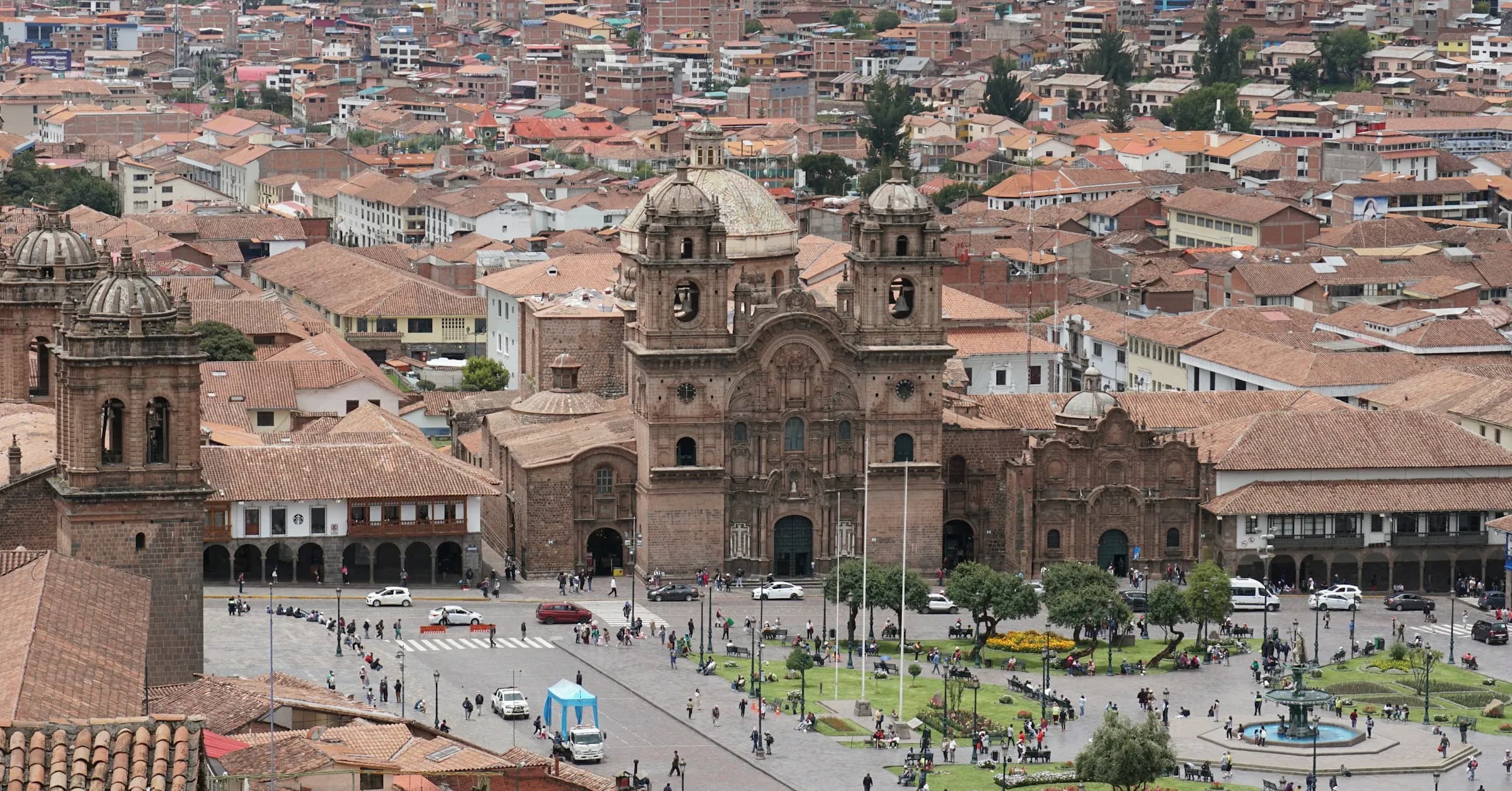
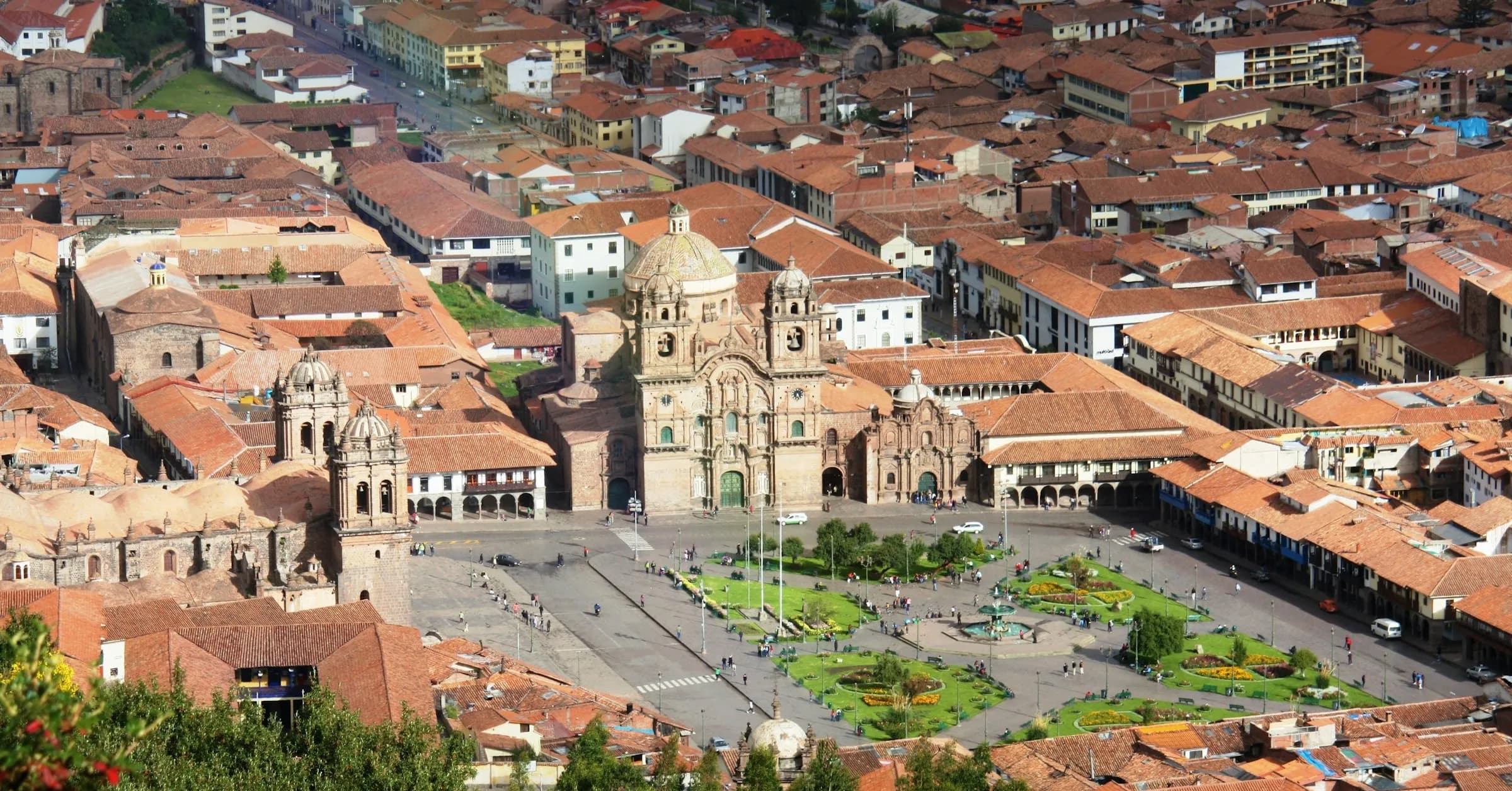
The Plaza de Armas is the heart of Cusco, with the cathedral and the Iglesia de la Compañía de Jesús on two of its sides and arcades full of restaurants and cafés around the edges. The streets around it, including Calle Loreto, Hatunrumiyoc and the lanes towards Qoricancha, are lined with Inca stone walls, and many of the city's hotels are in converted colonial houses with courtyards.
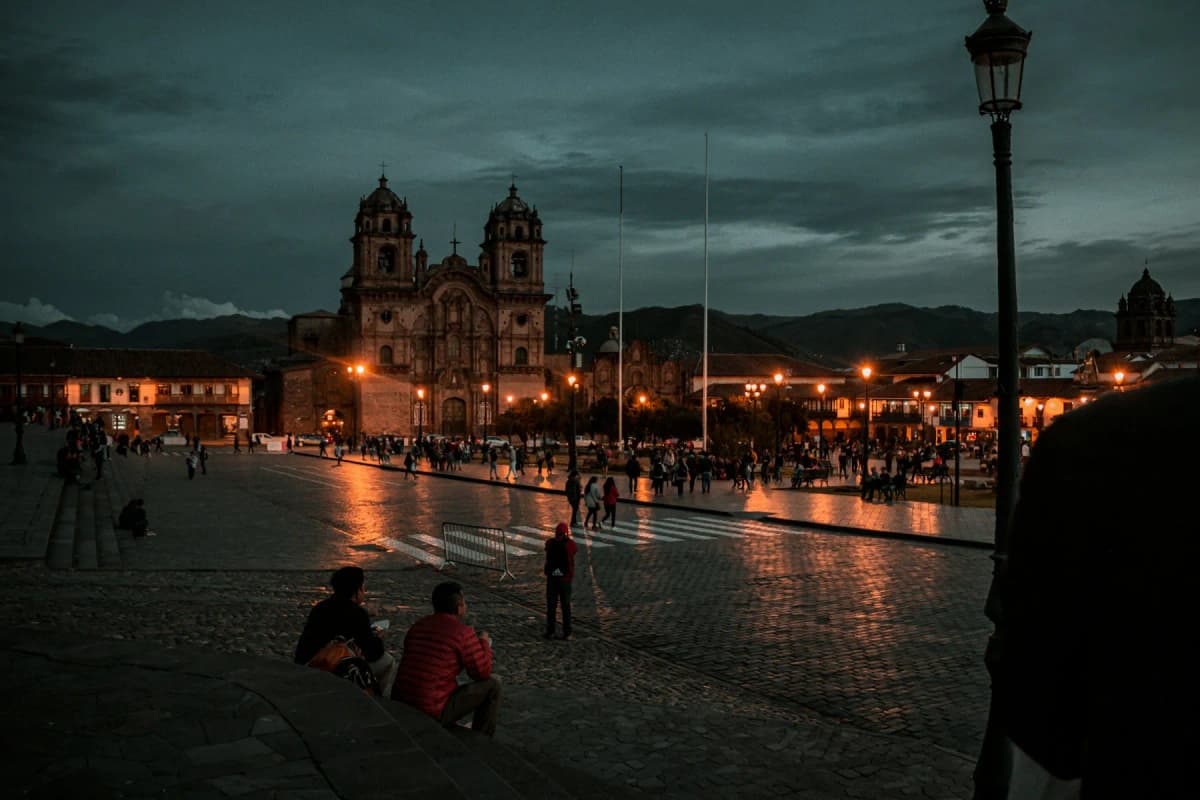 Photo: Stefano Garay on Unsplash
Pros: you can walk to the cathedral, Qoricancha, the main museums and hundreds of restaurants, and most tours collect guests from hotels in this area or from the square itself. It's busy and well lit in the evening. Cons: prices are higher close to the square, rooms facing busy streets can be noisy, and you'll be approached often by people selling tours, massages and souvenirs.
Best for: first-time visitors, short stays and anyone who wants to explore on foot.
2. San Blas: best for character, cafés and craft shops
San Blas is the artisans' quarter, a steep hillside neighbourhood just north-east of the Plaza de Armas, with whitewashed houses, blue doors and narrow cobbled lanes. Its small square has a simple colonial church, and the streets around it are full of workshops, galleries, cafés, vegetarian restaurants and small guesthouses.
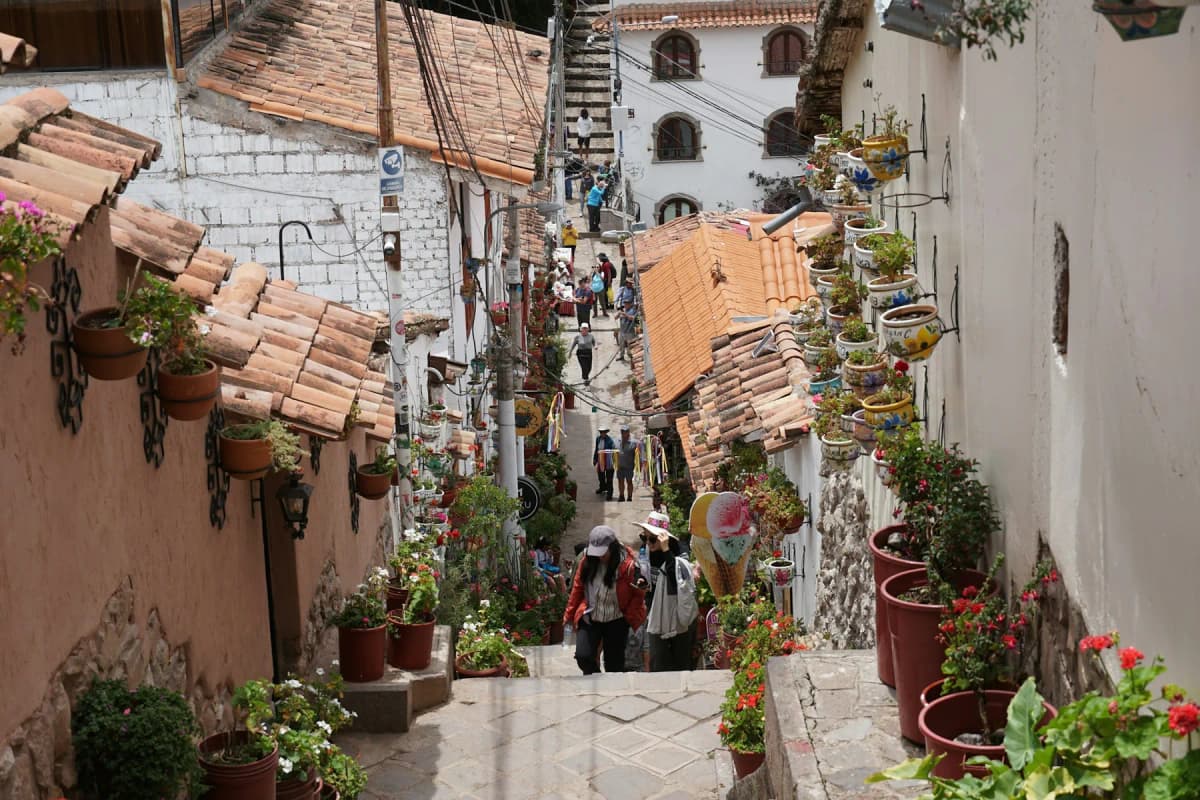 Photo:
Pros: it has more atmosphere than almost anywhere else in the city, and it's still only a short walk down to the Plaza de Armas. There's a good choice of boutique hotels and hostels, and the higher streets have views over the rooftops. Cons: the climbs are steep, and that matters a lot when you're adjusting to the altitude. Many lanes are too narrow for taxis, and the area can be noisy near the bars on weekends.
Best for: couples, creative types and travellers who are already used to the altitude or don't mind a slow climb home.
3. San Cristóbal: best for views and a quieter base
San Cristóbal sits on the hillside above the Plaza de Armas, below the walls of Sacsayhuamán. It's named after the church of San Cristóbal, whose terrace is one of the best viewpoints over the city. The streets here are a little wider than in San Blas, and the area is mostly residential, with a mix of guesthouses and a few upmarket hotels.
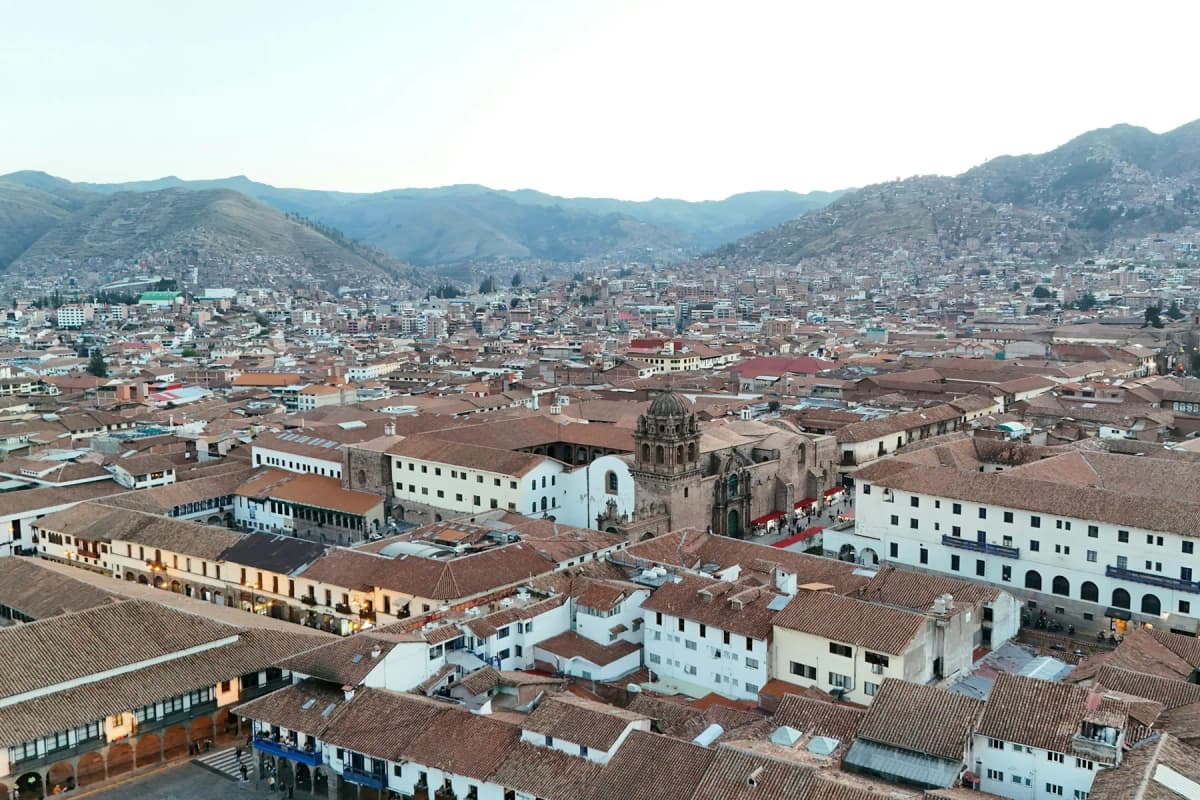 Photo: Kieran Proctor on Unsplash
Pros: it's quieter than the centre, with great views and quick access on foot to Sacsayhuamán. Some streets can be reached by taxi. Cons: the walk up from the Plaza de Armas is steep, there are fewer restaurants, and the higher streets are dark and quiet late at night, so take a taxi home if you're out late.
Best for: repeat visitors, couples and anyone who wants views and calm rather than nightlife.
4. San Pedro: best for markets and value
San Pedro is the area a few blocks south-west of the Plaza de Armas, around the big San Pedro Market, where locals shop for fruit, bread, juices and cheap set lunches. It's busier and more workaday than the streets around the square, with a mix of budget hotels and hostels.
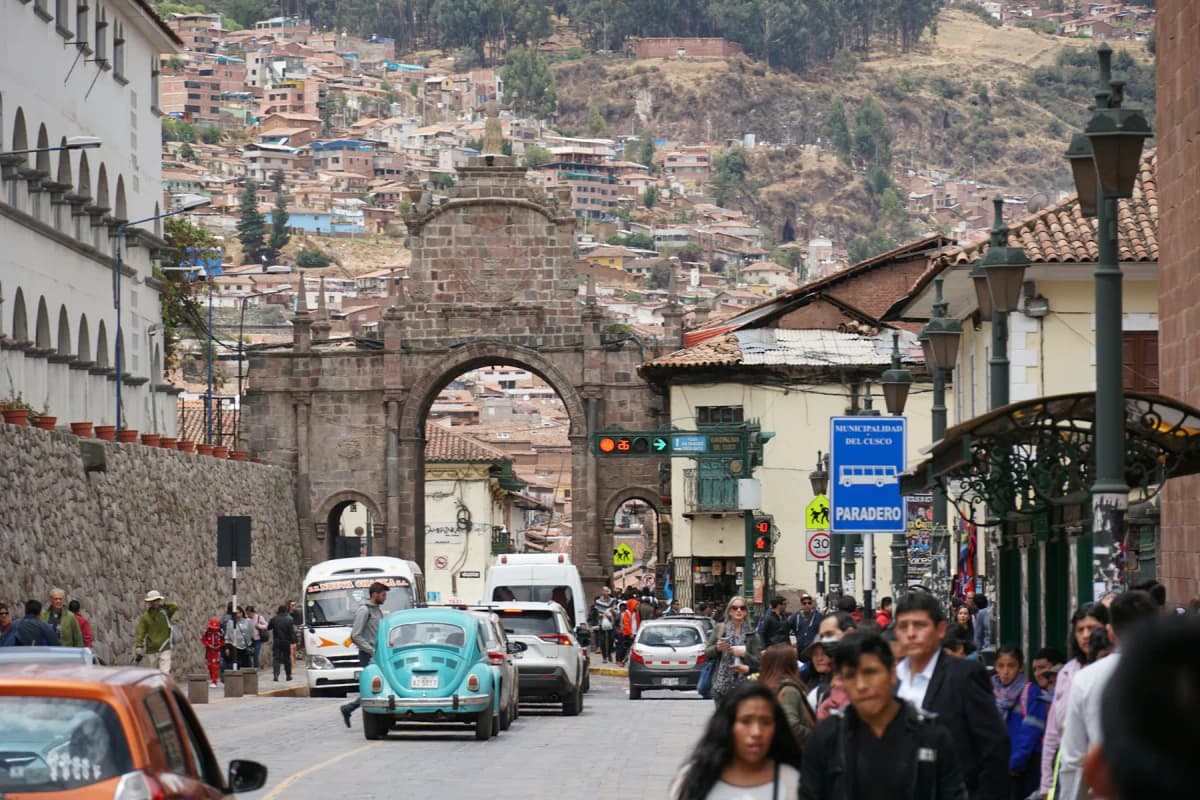 Photo:
Pros: it's flat, it's a short walk to the centre, and prices are often lower than in the streets closer to the square. It's also close to San Pedro train station, which PeruRail has used again for some Machu Picchu departures in 2026, although services have been interrupted at times. Cons: the area around the market is crowded and less polished, and it's a place to watch your belongings. Some streets are quiet and poorly lit after the market closes.
Best for: budget travellers, food lovers and anyone with an early train from San Pedro.
5. Avenida El Sol: best for a flat, practical base
Avenida El Sol is Cusco's main avenue, running south-east from the Plaza de Armas past Qoricancha. It's lined with banks, travel agencies, shops and a mix of mid-range and larger hotels, including some international chains.
Pros: it's flat, so it's easier to walk around in your first days at altitude, and it's easy for taxis and tour buses to reach. You're a short walk from both the Plaza de Armas and Qoricancha. Cons: it has less character than San Blas or the lanes around the square, and rooms facing the avenue can be noisy with traffic.
Best for: families, older travellers, anyone with mobility problems, and business travellers.
6. Wanchaq: best for the airport, buses and value
Wanchaq is a modern district to the south-east of the centre, between the historic centre and the airport. It's mostly residential, with shops, local restaurants and some good-value hotels. The area also has Wanchaq train station, which serves some PeruRail routes, including trains to Lake Titicaca.
Pros: it's close to the airport, prices are usually lower than in the centre, and it's flat and easy to get around by taxi. Cons: it doesn't feel like historic Cusco, and you'll need a taxi or a long walk to reach the main sights.
Best for: a night before an early flight, budget travellers and longer stays.
7. The Sacred Valley (Urubamba and Pisac): best for acclimatising and slower stays
The Sacred Valley follows the Urubamba River north of Cusco, with Inca ruins, terraced hillsides and small towns such as Pisac and Urubamba. It lies several hundred metres lower than Cusco, which is why many visitors sleep here for their first nights. Pisac has a busy market and one of the most impressive Inca sites in the valley, while Urubamba, in the middle of the valley, is home to most of the area's country lodges and resort hotels.
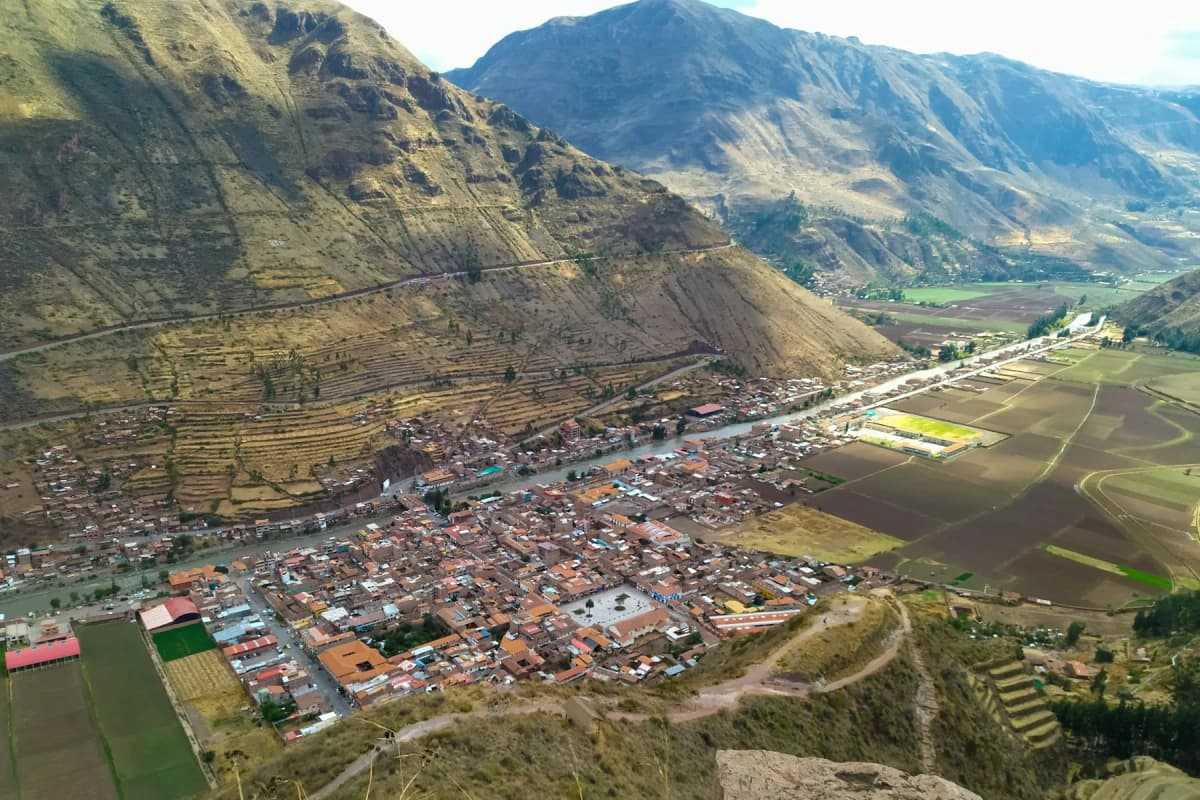 Photo: Isaac Clinton Suca Fuentes on Unsplash
Pros: the lower altitude makes the first days easier, and it's peaceful, green and well placed for Pisac, Moray, the Maras salt pans and the trains at Ollantaytambo. There are some lovely hotels with gardens and mountain views. Cons: you'll need tours or taxis to get around, there's little to do in the evening, and Cusco itself is about an hour or more away by road.
Best for: acclimatising, honeymoons, families and anyone who prefers countryside to city.
8. Ollantaytambo: best for Machu Picchu trains
Ollantaytambo is a small town at the western end of the Sacred Valley, built on an Inca street plan that is still lived in today, with water channels running beside the stone lanes. Above the town are the terraces of the Ollantaytambo fortress, and below it is the station that's the main starting point for trains to Machu Picchu.
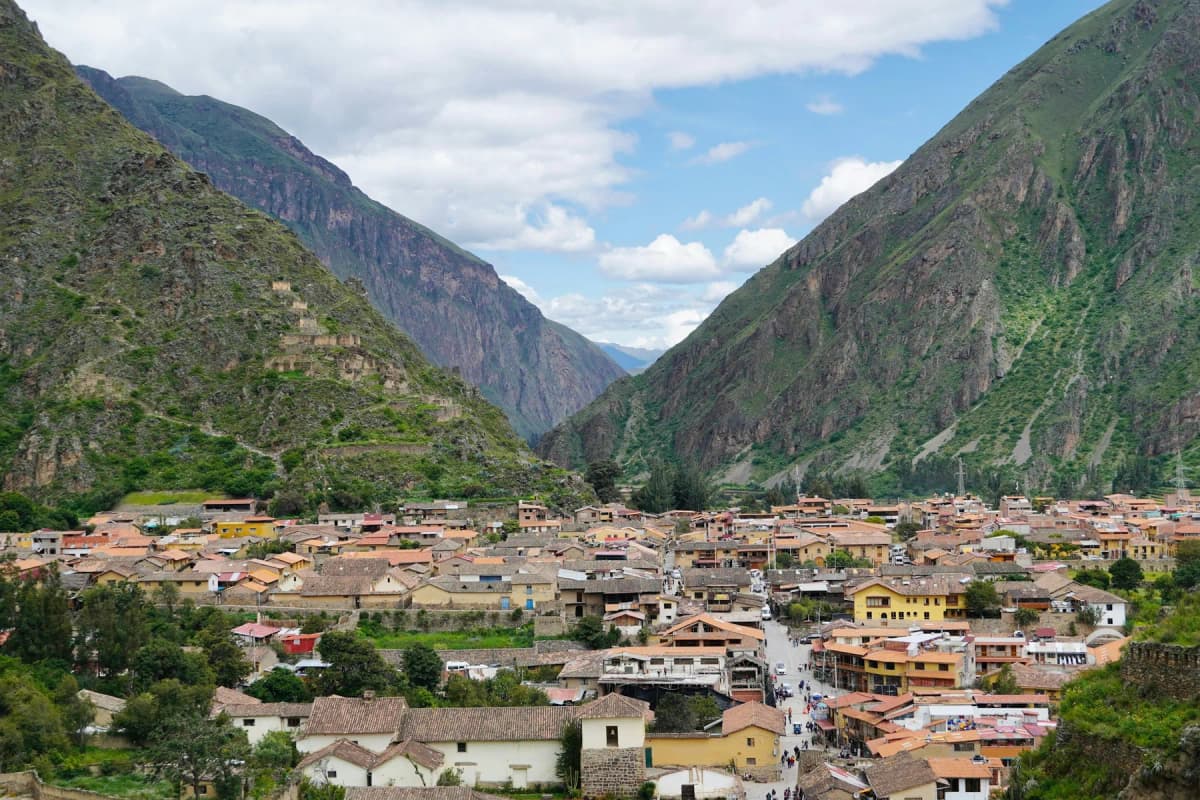 Photo:
Pros: it's lower than Cusco, it's walkable and full of history, and staying here makes it easy to catch an early train to Machu Picchu. Many people spend a night here on the way to or from the Inca Trail. Cons: it's small, so it can feel crowded with day visitors, and evenings are quiet. It's around two hours by road from Cusco.
Best for: Machu Picchu trips, Inca Trail hikers and anyone who wants a night in the Sacred Valley.
9. Aguas Calientes: best for an early start at Machu Picchu
Aguas Calientes, officially called Machu Picchu Pueblo, is the town at the foot of Machu Picchu. It can only be reached by train or on foot, and it's where the shuttle buses up to the site leave from. It's a compact town packed with hotels, restaurants and souvenir stalls, with the railway running through the middle of it.
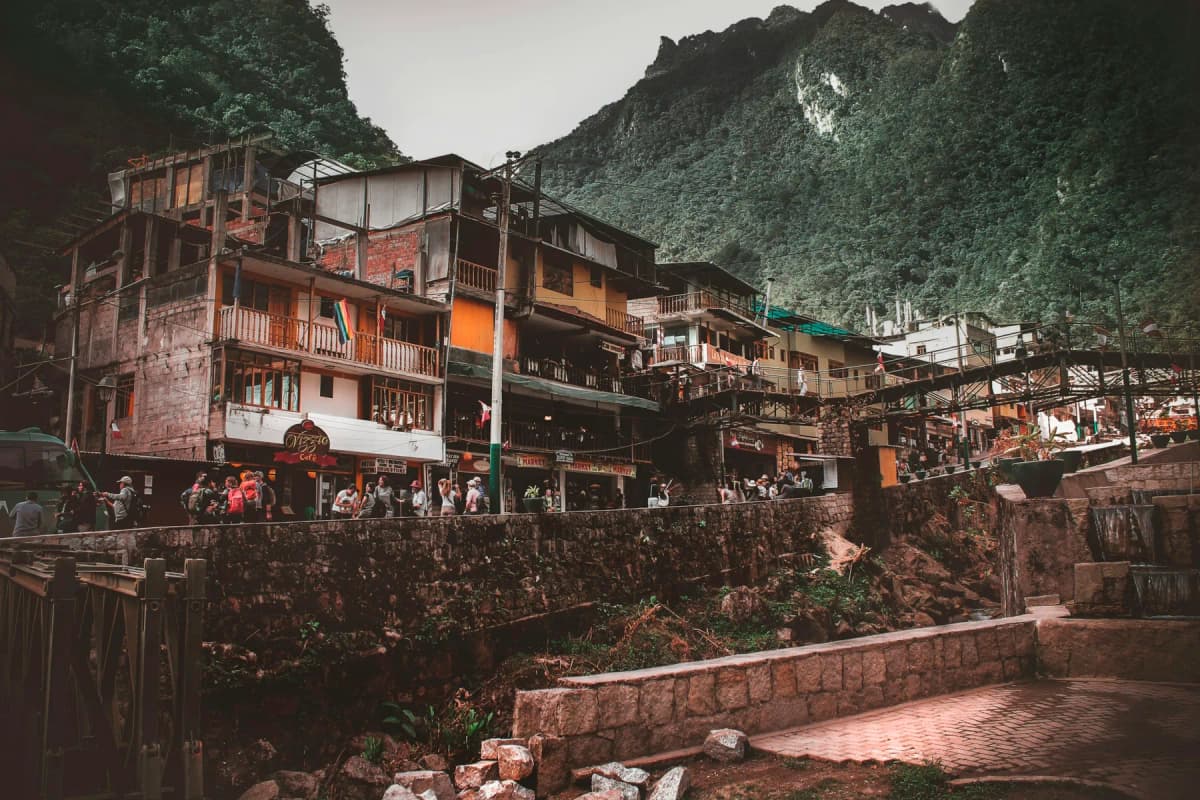 Photo: Giancarlo Revolledo on Unsplash
Pros: staying here means you can be on one of the first buses up to the site in the morning, or visit on two days, without a long journey either side. It's also lower than Cusco. Cons: hotels are often pricey for what you get, the town is busy with day visitors, and there's little to do beyond Machu Picchu itself. One night is enough for most people.
Best for: anyone with an early Machu Picchu ticket, a Huayna Picchu climb or a two-day visit.
Which area should you choose?
- First visit and you want to explore on foot: the historic centre, within a few blocks of the Plaza de Armas.
- Character and atmosphere: San Blas.
- Views and quiet: San Cristóbal.
- Budget: San Pedro or Wanchaq.
- Families or limited mobility: Avenida El Sol, or a hotel on a flat street near the Plaza de Armas.
- Worried about the altitude: start in the Sacred Valley, then move up to Cusco.
- Visiting Machu Picchu: add a night in Ollantaytambo or Aguas Calientes.
- An early flight: Wanchaq or Avenida El Sol, close to the airport.
Many visitors split their stay. A common plan is two nights in the Sacred Valley, one in Aguas Calientes for Machu Picchu, and the rest in Cusco, by which point you've adjusted to the altitude.
Types of hotel in Cusco
Cusco has a wide range of places to stay, from hostels to luxury hotels. Many of the most atmospheric are in converted colonial mansions and old monasteries, built around stone courtyards, sometimes on Inca foundations. Some upmarket hotels offer oxygen-enriched rooms, which can help you sleep better in your first nights at altitude. If that matters to you, check the hotel's website for details before you book, as it's usually only available in certain room types.
Smaller guesthouses and family-run hotels are common in San Blas, San Cristóbal and the streets around San Pedro, and they're often good value. Most hotels offer coca tea in the lobby, which many visitors drink to help with the altitude.
Areas to think twice about
Cusco is generally a welcoming city for visitors, but a few places are less suitable as a base:
- The far edges of the hillside barrios: the highest streets above San Blas and San Cristóbal can be a long, steep walk from the centre and quiet after dark. Check how far your hotel is up the hill and how you'll get back at night.
- Right beside the busiest bars: a few streets just off the Plaza de Armas have late-night bars and clubs. If you're a light sleeper, ask for a room at the back.
- Far out in the newer districts: cheap listings in the outer parts of the city may save money, but you'll spend it on taxis and miss the atmosphere of the old town.
- Around the market and bus stations at night: like busy transport hubs anywhere, these areas are best avoided late at night.
As with any city, check the exact location on a map and read recent reviews for comments about the street at night before you book.
Getting from the airport to your hotel
Flights to Cusco land at Alejandro Velasco Astete International Airport (CUZ), about 5 km from the Plaza de Armas. The drive into the centre usually takes 10 to 20 minutes, depending on traffic. You have three main options:
- Official airport taxi: use the official taxi counter inside the terminal and confirm the fare before you get in.
- Pre-booked transfer: a private transfer from Cusco airport meets you in arrivals and takes you straight to your hotel, which is handy if you're arriving tired or late.
- Hotel pick-up: many hotels can arrange a pick-up for you. Ask when you book, and check whether the driver can reach the door or will need to stop at the bottom of a lane.
A new airport is being built at Chinchero, in the hills between Cusco and the Sacred Valley, and is expected to replace the current one when it opens, currently planned for late 2027 or 2028. Until then, all flights use the airport in the city.
Tips before you book a hotel in Cusco
- Book early for June: Inti Raymi, the festival of the sun, takes place on 24 June, and hotels fill up and raise their prices around it. The dry season from May to September is also the busiest time of year.
- Check the climb: look at the hotel's position on a map with the terrain view. A short distance up the hill can be a long walk at altitude.
- Ask about heating and hot water: Cusco's nights are cold, so make sure the room has a heater and reliable hot water.
- Plan your Machu Picchu trip first: buy your Machu Picchu ticket from the official tuboleto.cultura.pe site and check the train times, then book your hotels around them. A two-day Machu Picchu tour by train is one way to combine transport, a guide and a night in Aguas Calientes.
- Take the altitude seriously: rest on your first day, drink plenty of water and go easy on alcohol. See a doctor if your symptoms get worse.
- Stay connected: a Peru eSIM makes it easier to use maps and book taxis.
- Get travel insurance: cover that includes medical treatment is worth having, especially at high altitude.
Frequently asked questions
What is the best area to stay in Cusco? For most first-time visitors, the historic centre within a few blocks of the Plaza de Armas. It's walkable, close to the main sights and restaurants, and convenient for tour pick-ups. San Blas is the best choice for character, and Avenida El Sol for a flat, practical base.
Is it better to stay in Cusco or the Sacred Valley? Many visitors do both. The Sacred Valley is lower, quieter and good for your first nights while you adjust to the altitude, and it's closer to the trains for Machu Picchu. Cusco has far more restaurants, museums and things to do in the evening.
Is San Blas a good place to stay in Cusco? Yes, if you're happy with steep streets. It's one of the most attractive parts of the city, full of cafés and craft shops, and only a short walk from the Plaza de Armas. Just be aware that the walk back up can be tiring in your first days, and some lanes can't be reached by taxi.
Should I stay in Aguas Calientes before Machu Picchu? It's worth it if you have an early entry time, plan to climb Huayna Picchu or want to visit on two days. A night there saves a very early start from Cusco. If you're visiting later in the day, a day trip from Cusco or Ollantaytambo is possible.
How many nights should I stay in Cusco? At least three nights in Cusco itself, plus one or two in the Sacred Valley or Aguas Calientes if you're visiting Machu Picchu. That gives you time to adjust to the altitude and see the city without rushing.
Is it safe to walk around Cusco at night? The streets around the Plaza de Armas are busy and well lit in the evening. Like any city, take care on quiet, dark streets, especially higher up the hill, and use a registered taxi or one called by your hotel or restaurant late at night.
How we researched this guide
We compared each area using Cusco travel guides from several travel publishers, PeruRail's 2026 service notices, press reports on the Chinchero airport project and the UK government's travel advice for Peru, all checked in October 2026. We haven't stayed in every area ourselves, and we don't quote hotel or taxi prices, as they change often and vary a lot by season. Train routes and stations in particular have changed several times in 2026, so check the latest information with PeruRail or your tour operator before you book. Found something out of date? Let us know.
Ready to plan? Read our guide to the best things to do in Cusco, choose from the best day trips from Cusco, see what to do in Lima if you're passing through, or browse all our Peru guides.