15 Best Things to Do in Seoul, South Korea (2026 Guide)
October 23, 2026 · South Korea
This post contains affiliate links. We may earn a commission if you book through them, at no extra cost to you. Disclaimer.
The best things to do in Seoul are visiting Gyeongbokgung, the city's grandest royal palace, walking through the hanok houses of Bukchon, eating your way around Gwangjang Market, watching the sunset from N Seoul Tower and spending an evening by the Han River. Add the Secret Garden at Changdeokgung, a jjimjilbang (Korean bathhouse) and a night in Hongdae, and you have a good first trip.
Seoul packs a lot into one city. Six-hundred-year-old palaces sit a few streets from glass towers, traditional markets stay busy late into the night, and green mountains rise right behind the skyline. The subway is cheap, clean and easy to use, so you can fit two or three neighbourhoods into a day without rushing. This guide covers 15 of the best things to do, with what each one costs, when to go and who it suits.
Things to do in Seoul at a glance
| Thing to do | Area | Cost (approx.) | Time needed | Best for |
|---|---|---|---|---|
| Gyeongbokgung Palace | Jongno | ₩3,000, free in hanbok | 2 to 3 hours | Royal history and the guard ceremony |
| Changdeokgung and the Secret Garden | Jongno | About ₩8,000 with the garden tour | 2 to 3 hours | A quieter palace and a royal garden |
| Bukchon Hanok Village | Jongno | Free | 1 to 2 hours | Traditional houses and alleys |
| Ikseon-dong and Insadong | Jongno | Free | 2 hours | Hanok cafes and craft shops |
| Gwangjang Market | Jongno | Pay as you eat | 1 to 2 hours | Street food |
| Myeongdong | Jung | Pay as you eat | 2 hours | Shopping and evening snacks |
| N Seoul Tower and Namsan | Yongsan | About ₩21,000 for the observatory | 2 to 3 hours | City views at sunset |
| The Seoul City Wall | Several | Free | 1 to 3 hours | An easy walk with history |
| Cheonggyecheon Stream | Jongno and Jung | Free | 1 hour | A stroll through downtown |
| Dongdaemun Design Plaza | Jung | Free to walk around | 1 hour | Architecture and late-night shopping |
| The Han River parks | Several | Free, bikes from ₩1,000 | Half a day | Picnics, cycling and the fountain show |
| Lotte World Tower | Songpa | Varies by ticket | 2 hours | The highest view in Seoul |
| National Museum of Korea | Yongsan | Free | 2 to 3 hours | Korean art and history |
| Hongdae and Yeonnam-dong | Mapo | Free | An evening | Nightlife, buskers and cafes |
| A jjimjilbang | Several | About ₩10,000 to ₩20,000 | 2 to 4 hours | A very Korean way to relax |
Our short version: if you only have two or three days, see Gyeongbokgung and Bukchon on the same morning, eat lunch at Gwangjang Market, and go up Namsan for sunset. Save an evening for the Han River or Hongdae, and if you can get a ticket, book the Secret Garden tour.
Before you go: tips for getting around
The subway is the easiest way to get around. Buy a T-money card at a convenience store or subway station and top it up as you go; it works on the subway, city buses and taxis. For directions, use Naver Map or KakaoMap rather than Google Maps, which gives limited walking and driving directions in Korea.
A few things to plan around:
- Closing days: many sights close one day a week. Gyeongbokgung closes on Tuesdays, Changdeokgung on Mondays and the War Memorial of Korea on Mondays. Plan your palace days with this in mind.
- Hanbok: visitors wearing hanbok, the traditional Korean dress, get free entry to the royal palaces. Rental shops near Gyeongbokgung rent outfits by the hour.
- Seasons: spring (around April, for cherry blossom) and autumn (October and November, for the leaves) are the most pleasant times to visit. Summer is hot and humid, with heavy monsoon rain from late June into July, and winter is cold and dry.
- Cash: cards work almost everywhere, but carry some won for market stalls and street food.
If you haven't booked a base yet, our guide to where to stay in Seoul compares the best neighbourhoods for first-time visitors.
The 15 best things to do in Seoul
1. Gyeongbokgung Palace: best for royal history and the guard ceremony
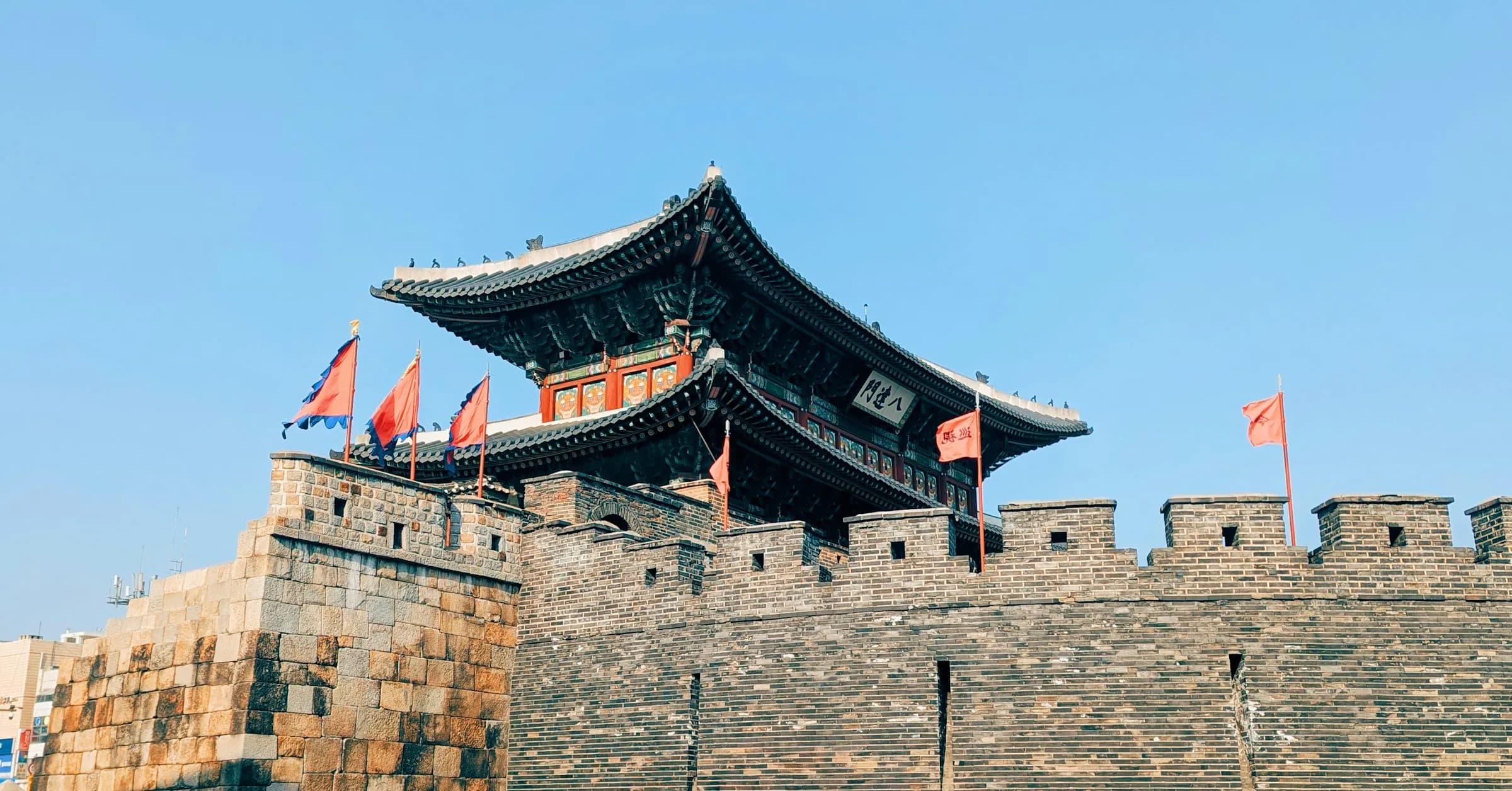
Gyeongbokgung was built in 1395 as the main palace of the Joseon dynasty, and it's the largest of Seoul's five royal palaces. Most of what you see today was rebuilt, as the palace was burned and dismantled more than once, but the scale is still impressive: you pass through Gwanghwamun Gate, cross a series of courtyards to the throne hall, Geunjeongjeon, and finish at the lotus pond and the pavilion of Gyeonghoeru.
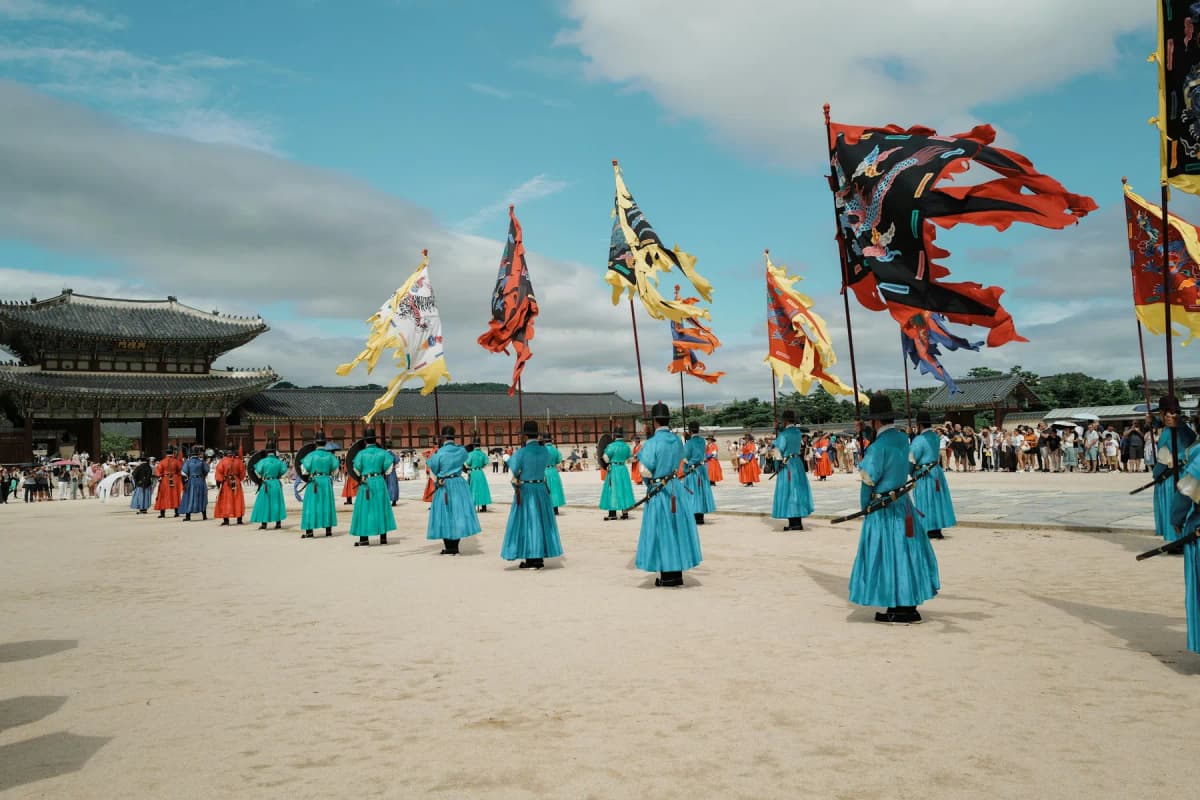 Photo: Keisha Østergaard on Unsplash
The Royal Guard Changing Ceremony takes place at the main gate, usually at 10am and 2pm on the days the palace is open. It lasts around 20 minutes and is free to watch from outside. Ceremonies can be cancelled in very hot or wet weather, so check the notice board at the gate.
Tickets and hours: adult entry costs ₩3,000, and children under seven, over-65s and anyone wearing hanbok get in free. The palace is closed on Tuesdays. It usually opens at 9am and closes at 6pm from March to October, with shorter hours in winter and last entry an hour before closing. The National Folk Museum of Korea is inside the grounds and free to visit. To dress up for the day, this hanbok rental near Gyeongbokgung is one option.
Best for: first-time visitors. Go at opening time to see the courtyards before the tour groups arrive.
2. Changdeokgung and the Secret Garden: best for a quieter palace and a royal garden
Changdeokgung, a short walk east of Gyeongbokgung, was the palace the Joseon kings actually preferred to live in. It's on UNESCO's World Heritage list because of the way its buildings follow the shape of the land rather than a rigid grid, and it's usually calmer than its bigger neighbour.
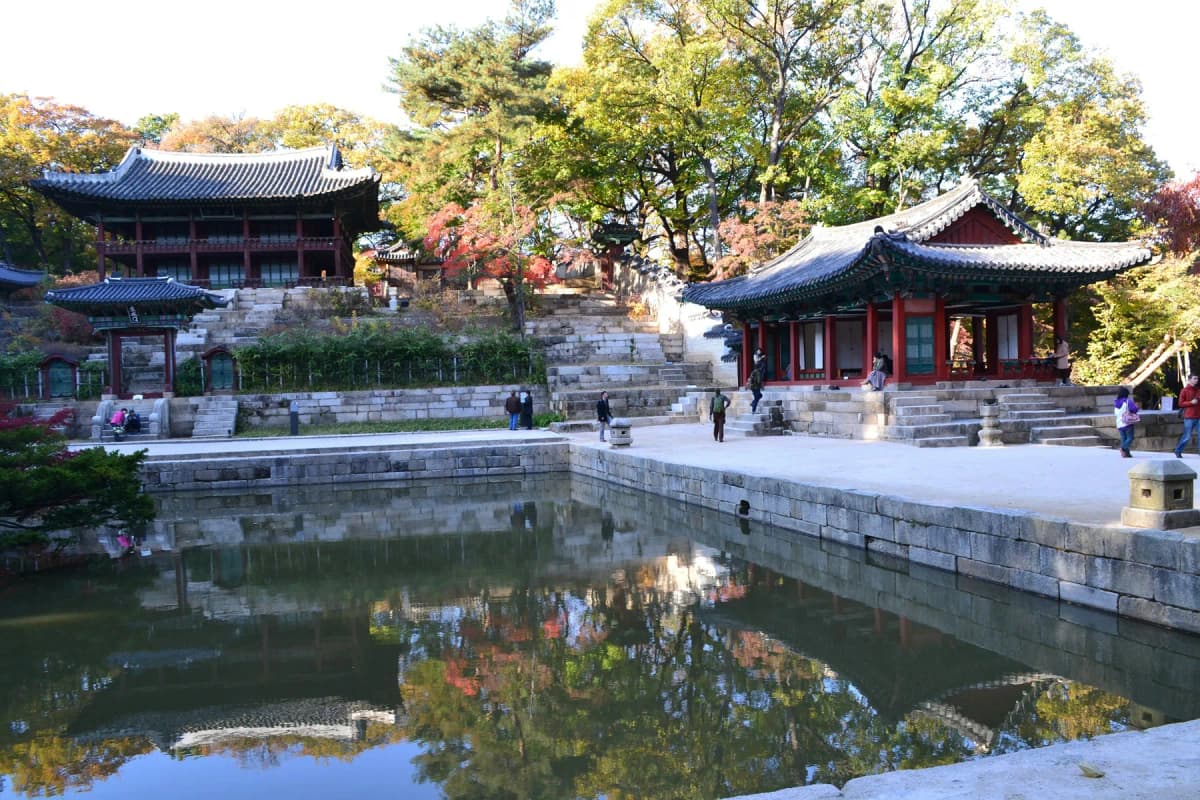 Photo:
The highlight is Huwon, the Secret Garden behind the palace, with wooded paths, pavilions and ponds that were reserved for the royal family. You can only visit it on a guided tour, and the English tours fill up quickly in spring and autumn. Some tickets are released online about six days in advance and the rest are sold at the ticket office on the day, so book early or arrive at opening time.
Tickets and hours: palace entry plus the Secret Garden tour costs around ₩8,000 for adults. Changdeokgung is closed on Mondays. Hanbok wearers get into the palace free, but check the current rules for the garden tour before you go.
Best for: anyone who enjoys gardens, and travellers who found Gyeongbokgung too crowded.
3. Bukchon Hanok Village: best for traditional houses and alleys
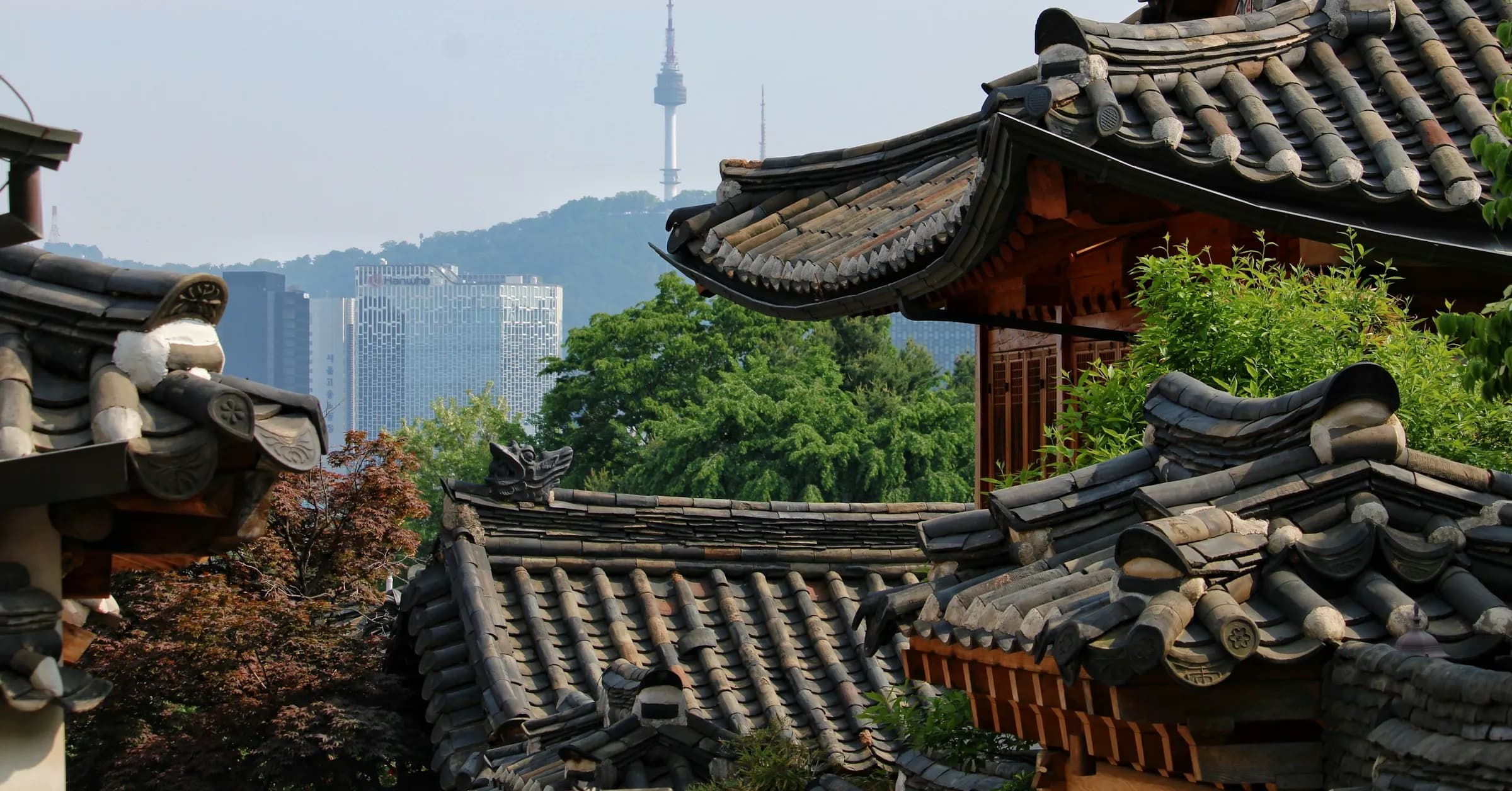
Bukchon is the hillside neighbourhood between Gyeongbokgung and Changdeokgung, and its narrow lanes are lined with hundreds of hanok, traditional wooden houses with tiled roofs. Some are now guesthouses, tea houses and small museums, but most are still private homes, which is why the neighbourhood has introduced rules for visitors.
Since March 2025, tourists may only enter the busiest part of Bukchon, the "Red Zone" around Bukchon-ro 11-gil, between 10am and 5pm. Visiting outside those hours for sightseeing can lead to a fine of ₩100,000. Residents and guests of hanok stays are exempt. Wherever you go, keep your voice down, don't sit on doorsteps and don't photograph people's homes through open gates.
Getting there: Anguk Station on Line 3 is the closest. Walk uphill from Exit 2 and use the neighbourhood's signposted photo spots for the best rooftop views.
Best for: combining with a palace visit. A guided Gyeongbokgung, Bukchon and Gwangjang Market tour covers all three in one morning if you'd like some context from a guide.
4. Ikseon-dong and Insadong: best for hanok cafes and craft shops
Ikseon-dong, near Jongno 3-ga Station, is a small cluster of hanok alleys that has been turned into cafes, bakeries, restaurants and boutiques. It's one of the most fashionable places in the city for a coffee or a dessert, and it gets busy at weekends, so a weekday morning is the best time to see it.
A 10-minute walk west, Insadong is the place for traditional crafts: tea, ceramics, paper, calligraphy brushes and souvenirs. Its main street is pedestrianised at weekends, and the Ssamziegil building, a spiral of small shops around a courtyard, is worth a look. The side alleys hide traditional tea houses, which are a calm place to rest between sights.
Best for: an easy afternoon after the palaces, especially if you like cafes and design.
5. Gwangjang Market: best for street food
Open since 1905, Gwangjang Market is one of the oldest traditional markets in Korea, and its food alley is where most visitors head. Rows of stalls serve bindaetteok (crispy mung bean pancakes, fried to order), mayak gimbap (small rice rolls with a mustard dipping sauce), tteokbokki (spicy rice cakes), dumplings, noodles and raw beef. You sit on a bench at the counter, point at what you want and pay when you leave.
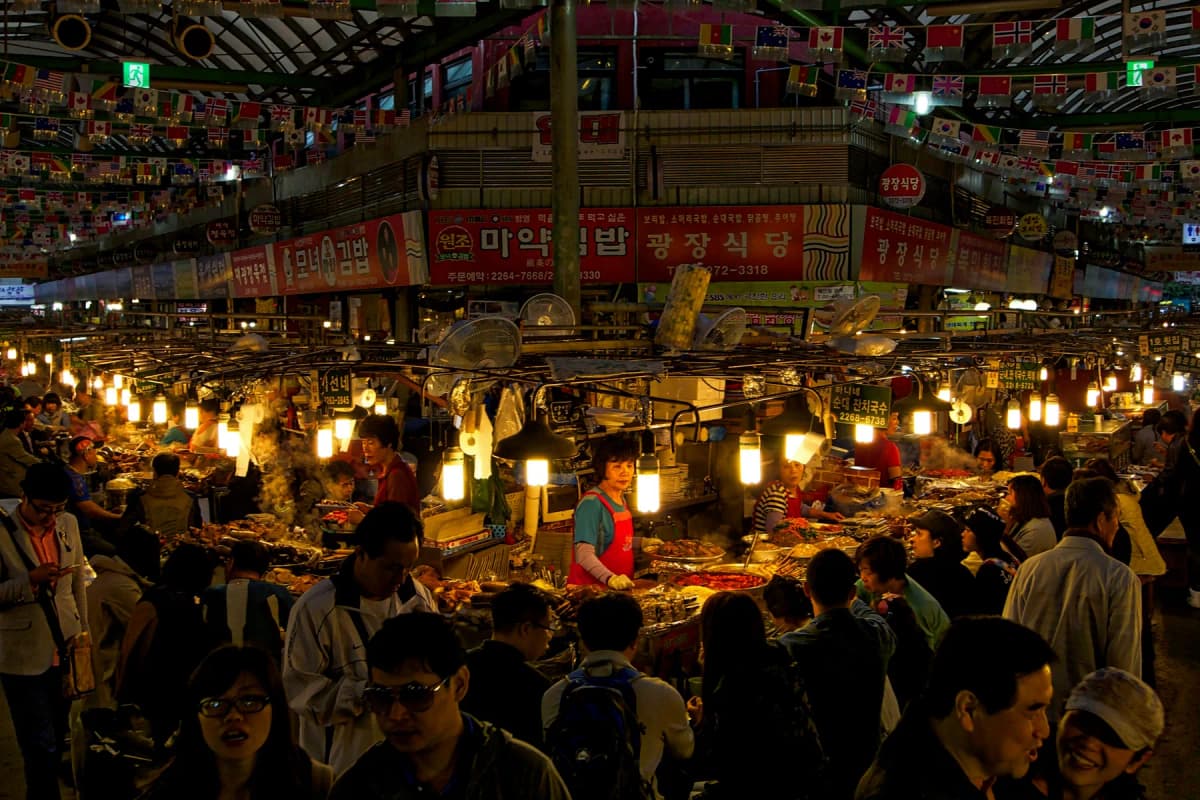 Photo: Mike Swigunski on Unsplash
The market's official hours are roughly 8:30am to 6pm, but in practice many food stalls stay open well into the evening. Lunchtime and early evening are the busiest times. Some stalls have English menus, but prices aren't always posted, so ask before you order. A Gwangjang Market food tour is a good idea if you'd like someone to explain the dishes and order for you.
Getting there: Jongno 5-ga Station on Line 1, or a 10-minute walk from Ikseon-dong.
Best for: anyone who wants to try Korean food without the formality of a restaurant.
6. Myeongdong: best for shopping and evening snacks
Myeongdong is Seoul's best-known shopping district, especially for Korean skincare and cosmetics, with big-brand stores side by side along its pedestrian streets. From late afternoon, street food stalls set up along the main lanes and sell everything from grilled lobster tails and egg bread to fruit skewers and tornado potatoes.
The stalls are at their busiest between about 6pm and 9pm, and many have packed up by 10pm, so don't leave it too late. Prices are higher than in a traditional market, and most stalls take cash only. Myeongdong is also a convenient base, close to Namsan and the airport bus routes.
Best for: shoppers and first-time visitors. It's touristy, but it's lively and easy.
7. N Seoul Tower and Namsan: best for city views at sunset
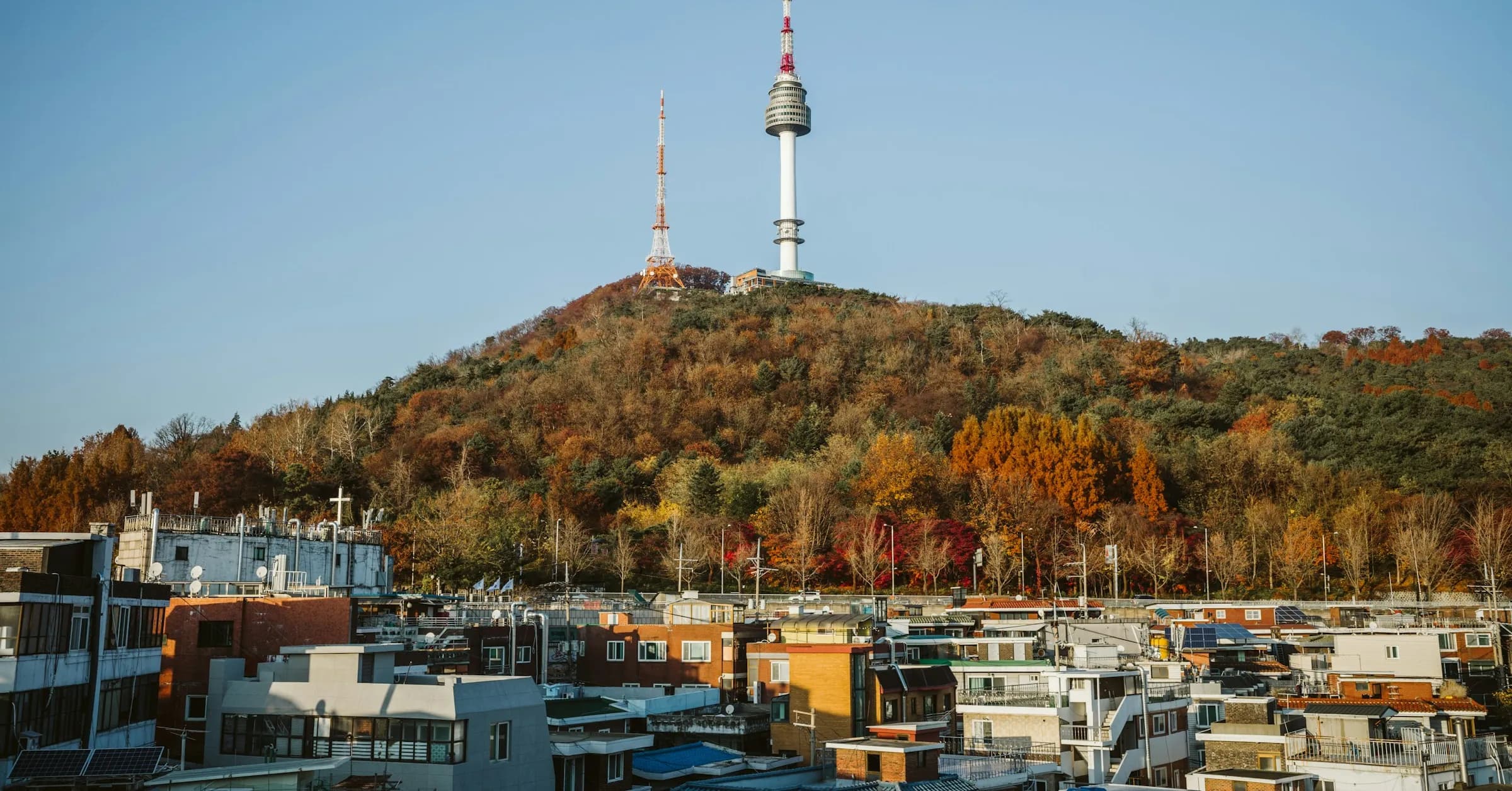
N Seoul Tower sits on top of Namsan, the forested hill in the middle of the city, and its observatory gives a 360-degree view across Seoul and the mountains around it. The terraces at the base of the tower are known for the thousands of love locks left by couples, and the views from outside are free.
Tickets and hours: the observatory costs around ₩21,000 for adults and stays open until late evening, with last entry 30 minutes before closing. Booking a N Seoul Tower observatory ticket in advance can save time at the counter.
Getting up the hill: you can walk up from Myeongdong or the Namsan Library side in around 30 to 45 minutes, take the Namsan cable car (about ₩15,000 return for adults), or ride the Namsan circular bus 01. Go up an hour before sunset to see the city in daylight and then as the lights come on.
Best for: couples, photographers and anyone who wants to understand the layout of the city.
8. The Seoul City Wall: best for an easy walk with history
The Seoul City Wall was built at the end of the 14th century to protect the capital, and long sections still loop around the old city over Namsan, Bugaksan, Naksan and Inwangsan. The full trail is around 18 to 19 km, but you don't need to walk it all to enjoy it.
The easiest section is the Naksan stretch, which climbs gently from near Dongdaemun Gate to Naksan Park above Hyehwa. It takes about an hour and has some of the best evening views in Seoul, with the lit-up wall in the foreground. The Bugaksan and Inwangsan sections are steeper and feel more like a mountain hike.
Best for: walkers and anyone who wants a free sunset view away from the crowds on Namsan.
9. Cheonggyecheon Stream: best for a stroll through downtown
Cheonggyecheon is a stream that runs for about 11 km through the centre of Seoul. For decades it was covered by roads and an elevated motorway, until the city removed them and opened a restored, landscaped waterway in 2005. Today it's a popular place for a walk, with stepping stones, footbridges and paths below street level.
Start at Cheonggye Plaza, near Gwanghwamun, and walk east as far as you like. In the evening the stream is lit up, and it hosts lantern displays and events at certain times of year. It's a pleasant, free way to connect Gwanghwamun with Gwangjang Market and Dongdaemun.
Best for: a relaxed walk between sights, especially on a warm evening.
10. Dongdaemun Design Plaza: best for architecture and late-night shopping
The Dongdaemun Design Plaza, or DDP, is a huge curving building designed by the architect Zaha Hadid and opened in 2014. It's free to walk around the outside and through its public spaces, and it hosts exhibitions, design markets and fashion events. At night, the field of white LED roses in its garden and the lit-up building are a favourite with photographers.
The DDP stands in the middle of Seoul's Dongdaemun fashion district, where wholesale and retail malls trade late into the night. Next door, the restored Heunginjimun, or Dongdaemun Gate, is one of the old city's original gates.
Best for: design lovers and night owls.
11. The Han River parks: best for picnics, cycling and the fountain show
The wide Han River cuts Seoul in half, and both banks are lined with parks, cycle paths and riverside cafes. On a warm evening, locals come here for picnics, and chimaek, fried chicken with beer, delivered straight to the grass, is a classic.
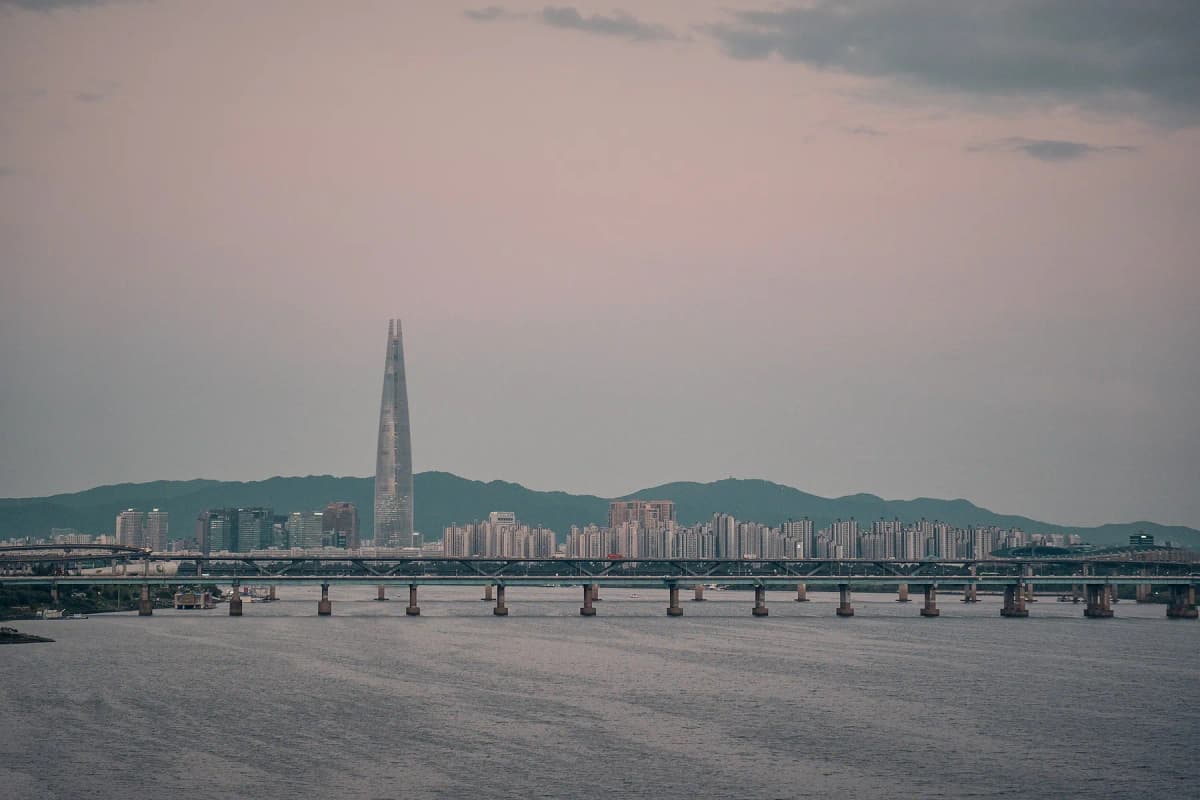 Photo: Minku Kang on Unsplash
Yeouido Hangang Park is the busiest and the best place to see cherry blossom in spring, while Banpo Hangang Park is home to the Moonlight Rainbow Fountain on Banpo Bridge, which shoots jets of coloured water in a short evening show, usually from spring to autumn. Showtimes change by season and are cancelled in strong wind or rain, so check on the day.
Getting around: rent a public Ttareungyi (Seoul Bike) from ₩1,000 an hour, using the app's non-member option for foreign visitors. Or see the city from the water on a Han River cruise, which runs from Yeouido.
Best for: summer evenings, families and anyone who wants to see how Seoul relaxes.
12. Lotte World Tower: best for the highest view in Seoul
At 555 metres and 123 floors, Lotte World Tower in Jamsil is the tallest building in South Korea. Its observatory, Seoul Sky, occupies the top floors and includes a glass-floored deck that lets you look straight down. On a clear day, the view across the Han River to the mountains is the widest in the city.
Tickets: prices vary by time and package, and booking a Seoul Sky ticket in advance is often cheaper than paying at the counter. The tower also has a large shopping mall and an aquarium, and next door is Lotte World, a mostly indoor theme park that's a good rainy-day option for families. You can book Lotte World tickets ahead too.
Best for: families and anyone who loves a big view. Visibility can be poor on days with high fine dust, so check the air quality first.
13. The National Museum of Korea and the War Memorial: best for Korean history
The National Museum of Korea in Yongsan is one of the largest museums in Asia, and its permanent galleries are free. The collection runs from prehistoric times to the Joseon dynasty, with gold crowns from the Silla kingdom, Buddhist sculpture and celadon ceramics. It usually opens late on Wednesdays and Saturdays, until 9pm.
Nearby, the War Memorial of Korea tells the story of the Korean War in detail, with large outdoor displays of aircraft, tanks and ships. It's also free and is closed on Mondays. Together, the two museums make a good rainy day, and the War Memorial is useful background if you plan a DMZ tour later in your trip.
Best for: history lovers and rainy days.
14. Hongdae and Yeonnam-dong: best for nightlife, buskers and cafes
Hongdae, the area around Hongik University, is Seoul's youngest and liveliest neighbourhood. In the evening, its streets fill with buskers and dance crews, and it has bars, clubs, karaoke rooms, small music venues and endless cheap places to eat. It stays busy until the early hours, especially on Friday and Saturday nights.
Next door, Yeonnam-dong is calmer, with independent cafes, galleries and restaurants along the Gyeongui Line Forest Park, a long, narrow park built on an old railway line. It's a nice place for a walk in the afternoon before Hongdae comes to life.
Best for: young travellers, nightlife and live music.
15. A jjimjilbang: best for a very Korean way to relax
A jjimjilbang is a Korean bathhouse with hot pools and saunas, plus heated rooms where people sleep, snack and watch TV in matching T-shirts and shorts. It's a popular way for locals to unwind, and entry is cheap, typically around ₩10,000 to ₩20,000. Body scrubs and massages cost extra.
The baths are separated by gender and you go in without clothes, so shower thoroughly before getting into any pool. The heated rooms and lounges are shared, and you wear the outfit provided. Dragon Hill Spa near Yongsan Station is one of the best-known with foreign visitors, and Siloam near Seoul Station is known for its salt and herb saunas.
Best for: relaxing after a long day of walking, or a cold winter evening.
Which things to do in Seoul should you choose?
- If you have one day: Gyeongbokgung (watch the guard ceremony), Bukchon, lunch at Gwangjang Market, then sunset at N Seoul Tower.
- If you love history: the palaces, the Seoul City Wall, the National Museum and the War Memorial.
- If you love food: Gwangjang Market, Myeongdong street food and chimaek by the Han River.
- If you're travelling with children: the Han River parks, Lotte World, the Lotte World Tower and the War Memorial's outdoor displays.
- If you want nightlife: Hongdae, followed by a late night in Dongdaemun.
Tours or independent?
Seoul is very easy to explore on your own. The subway reaches every sight in this guide, signs are in English as well as Korean, and most attractions sell tickets on the day. Tours are worth it when you want context, such as a food tour of Gwangjang Market or a guided walk through the palaces, or when they save you time, such as a skip-the-line observatory ticket. For trips outside the city, including the DMZ, see our guide to the best day trips from Seoul.
If you still need somewhere to stay, compare hotels in Seoul here:
Tips for visiting Seoul
- Check closing days: palaces and museums each close on a different weekday, so plan around Tuesdays (Gyeongbokgung) and Mondays (Changdeokgung and the War Memorial).
- Go early: the palaces and Bukchon are far quieter at opening time than in the middle of the day.
- Book the Secret Garden early: tours sell out in spring and autumn, so book online as soon as tickets are released.
- Stay connected: a South Korea eSIM makes it easy to use Naver Map, KakaoMap and translation apps from the moment you land.
- Get travel insurance: cover that includes medical treatment is worth having for any trip abroad.
- Respect residential areas: keep quiet in Bukchon and other hanok neighbourhoods, and follow the visiting hours.
Frequently asked questions
What is the number one thing to do in Seoul? For most first-time visitors, Gyeongbokgung Palace. It's the grandest of the royal palaces, it's in the heart of the city, and it combines well with Bukchon and Gwangjang Market on the same day.
How many days do you need in Seoul? Three to four days is enough to see the main sights at a comfortable pace. Add a day or two if you want to take day trips to the DMZ, Suwon or Nami Island.
Is Seoul expensive to visit? It's cheaper than Tokyo or most Western capitals for food and transport. Palace tickets cost a few thousand won, many museums are free, and a market meal is good value. Hotels and shopping are the biggest costs.
Can you enter Seoul's palaces for free? Yes, if you wear hanbok. Visitors in traditional Korean dress get free entry to the royal palaces, as do children under seven and adults over 65. Otherwise, tickets are inexpensive, starting at ₩3,000.
What is there to do in Seoul at night? Watch the sunset from N Seoul Tower, walk Cheonggyecheon Stream, see the Moonlight Rainbow Fountain on the Han River, shop in Dongdaemun or go out in Hongdae. Gwangjang and Myeongdong are both busy with food stalls in the evening.
What is the best area to stay in Seoul for sightseeing? Jongno and Myeongdong put you closest to the palaces and the old city, while Hongdae suits nightlife. Our guide to where to stay in Seoul compares the main areas in detail.
How we researched this guide
We compared sights, prices and opening hours using Seoul travel guides from several travel publishers, official tourism and museum listings, tour operators' descriptions and the UK government's travel advice for South Korea, all checked in October 2026. Prices and opening hours change often, and sights such as the guard ceremony and the fountain show can be cancelled in bad weather, so confirm the details before you go. Found something out of date? Let us know.
Ready to plan? Compare the best areas in our guide to where to stay in Seoul, see the best day trips from Seoul, or browse all our South Korea guides.