23 Best Things to Do in Cusco, Peru (2026 Guide)
October 23, 2026 · Peru
This post contains affiliate links. We may earn a commission if you book through them, at no extra cost to you. Disclaimer.
The best things to do in Cusco are to explore the old Inca capital around the Plaza de Armas, see the Inca walls under the Qoricancha, wander the steep lanes of San Blas and walk up to the giant stone terraces of Sacsayhuamán above the city. Beyond Cusco, the Sacred Valley has Pisac, Ollantaytambo, Moray and the Maras salt pans, and most visitors use the city as a base for Machu Picchu, Rainbow Mountain and Humantay Lake.
Cusco sits at about 3,400 metres in the Andes of southern Peru. It was the capital of the Inca Empire, and when the Spanish arrived in the 1530s they built churches and mansions on top of the Inca stonework, which is why you can still see perfectly fitted Inca walls at the base of colonial buildings all over the centre. The city is a UNESCO World Heritage Site. This guide covers 23 things most worth doing, from the centre outwards, with the 2026 prices we could confirm and the practical tips that make each one easier.
Things to do in Cusco: the quick list
| # | Thing to do | Type | Cost in 2026 |
|---|---|---|---|
| 1 | Plaza de Armas | Square | Free |
| 2 | Cusco Cathedral | Church | Around 40 soles |
| 3 | Qoricancha and Santo Domingo | Inca temple and convent | Around 15 soles |
| 4 | Hatun Rumiyoc and the 12-angled stone | Inca street | Free |
| 5 | San Blas | Neighbourhood | Free |
| 6 | San Pedro market | Market | Pay for what you eat |
| 7 | Museo de Arte Precolombino | Museum | Around 20 soles |
| 8 | Museo Inka | Museum | Small fee |
| 9 | A walking tour of the centre | Tour | Tip-based or paid |
| 10 | Andean food | Food | Varies |
| 11 | Traditional textiles | Crafts | Free to browse |
| 12 | Sacsayhuamán | Inca site | Boleto Turístico |
| 13 | Q'enqo, Puka Pukara and Tambomachay | Inca sites | Boleto Turístico |
| 14 | Cristo Blanco | Viewpoint | Free |
| 15 | Pisac | Ruins and market | Boleto Turístico |
| 16 | Ollantaytambo | Inca town and fortress | Boleto Turístico |
| 17 | Moray | Inca terraces | Boleto Turístico |
| 18 | The Maras salt pans | Salt pans | Around 20 soles |
| 19 | Chinchero | Weaving village | Boleto Turístico |
| 20 | Tipón, Pikillaqta and Andahuaylillas | South Valley | Boleto Turístico, church extra |
| 21 | Machu Picchu | Inca citadel | Around 163 soles for foreign adults |
| 22 | Rainbow Mountain | Hike | Tour from about US$40 |
| 23 | Humantay Lake | Hike | Around 20 soles, plus tour |
The Boleto Turístico del Cusco
Many of the sites in this guide are covered by one ticket, the Boleto Turístico del Cusco, so it's worth understanding before you plan your days. According to a May 2025 guide by the tour company Howlanders, the general ticket costs 130 soles for foreign visitors (70 soles for Peruvians), is valid for 10 days and covers 16 sites. A student version costs 70 soles.
If you only want a few sites, there are also partial tickets at 70 soles each:
- Circuit I (valid for one day): Sacsayhuamán, Q'enqo, Puka Pukara and Tambomachay.
- Circuit II (valid for two days): several city museums, the Inca Pachacuteq monument, and the South Valley sites of Tipón and Pikillaqta.
- Circuit III (valid for two days): Pisac, Ollantaytambo, Chinchero and Moray in the Sacred Valley.
The Boleto Turístico does not include Machu Picchu, the Qoricancha, the cathedral, the Museo de Arte Precolombino, the Museo Inka or the Maras salt pans, which all charge separately. You can buy it at the sites themselves, and the ticket is usually checked against your passport, so carry it with you. If you'll see the Sacred Valley and the sites above the city, the general ticket is normally better value than buying two partial ones.
In the historic centre
Cusco's centre is compact, but the altitude makes every hill feel steeper than it looks. Spend your first day here, walking slowly, before you head out on longer trips.
1. Plaza de Armas
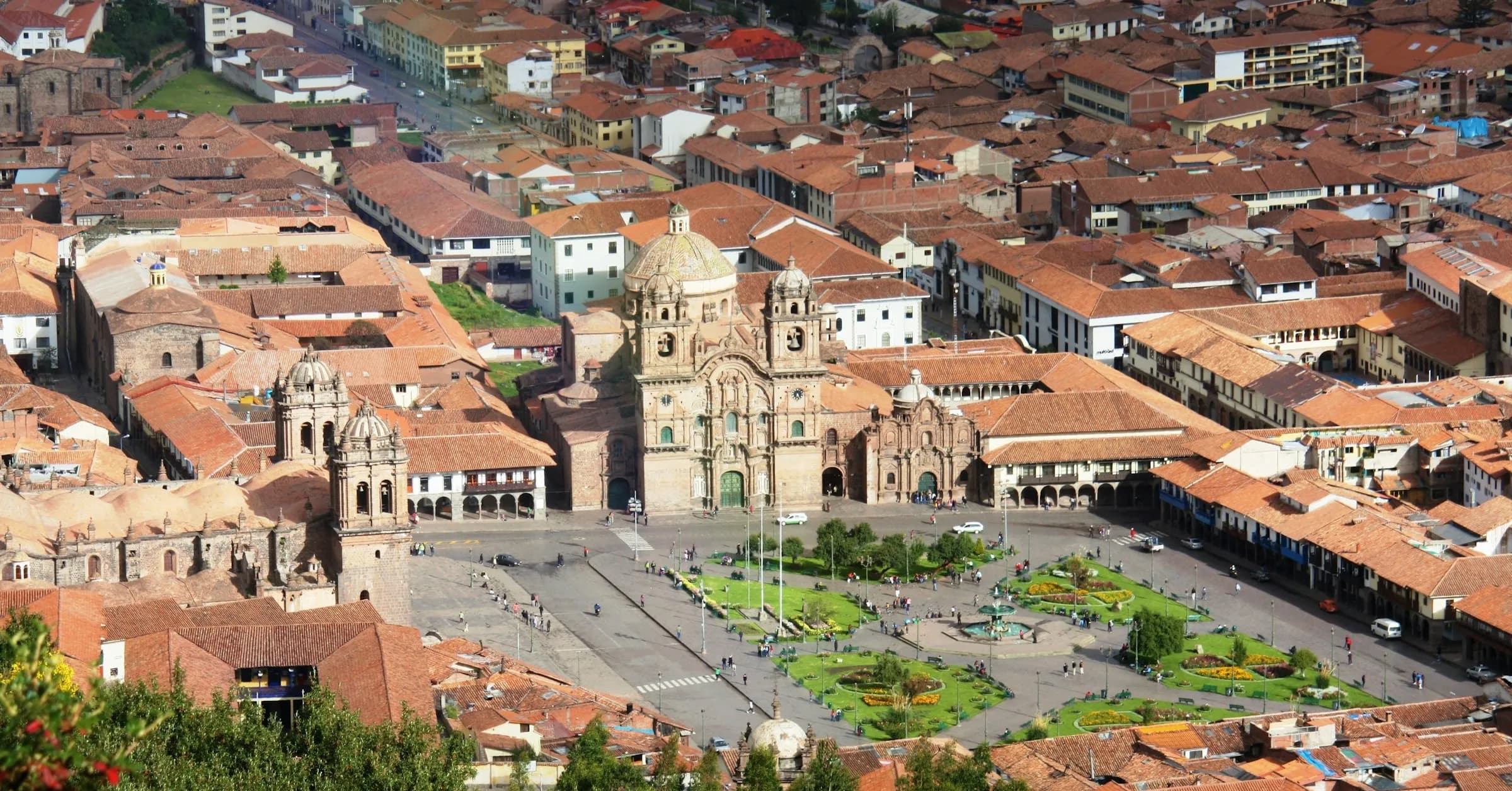
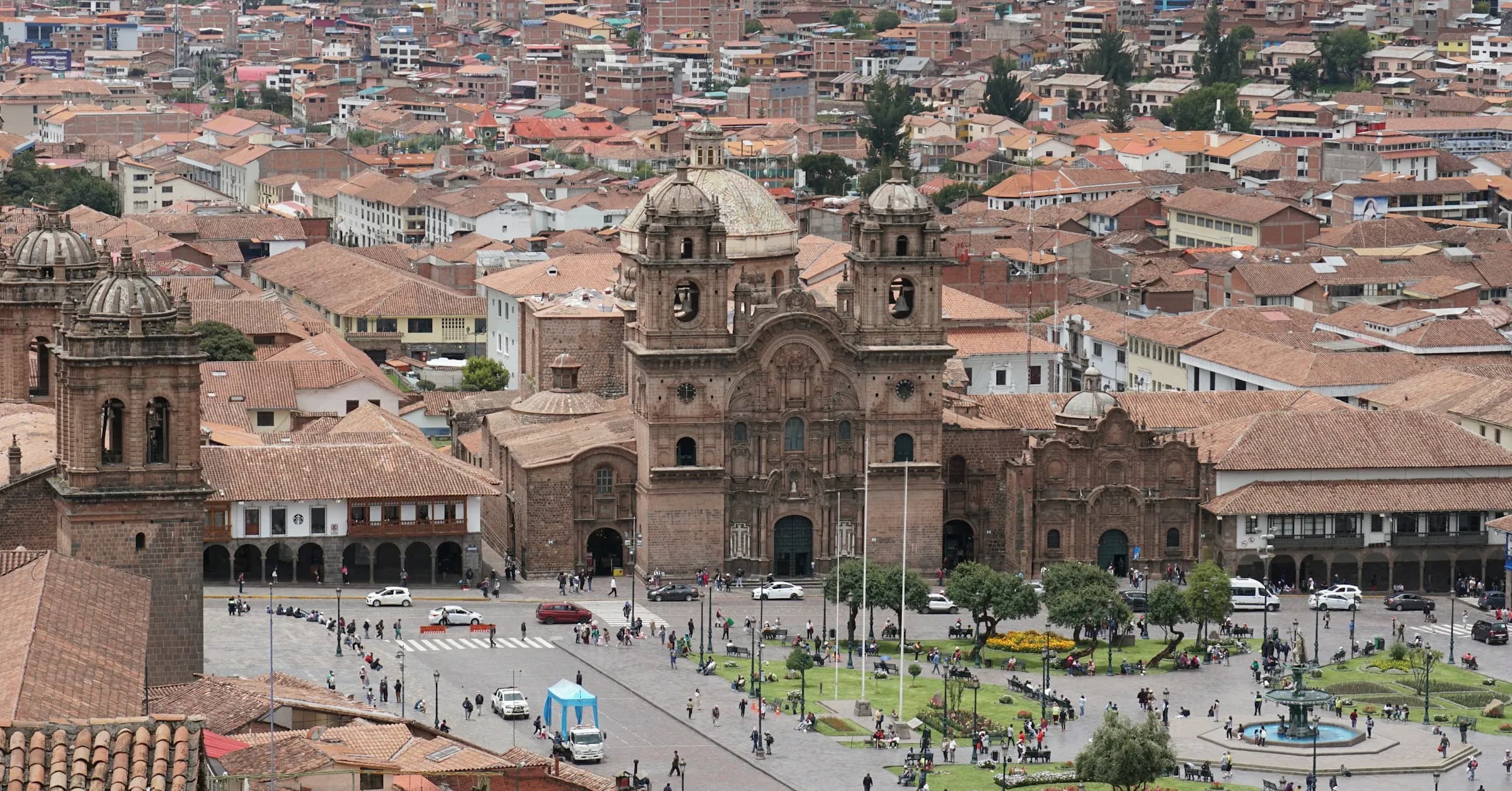
The Plaza de Armas was the heart of Inca Cusco, a ceremonial square that was much larger than it is today. Now it's framed by the cathedral, the Iglesia de la Compañía de Jesús and long stone arcades full of cafés, restaurants and tour agencies, with green hills and red-tiled roofs rising on every side.
It's free, it's lively from morning to late evening, and it's the easiest place to get your bearings. Come back after dark, when the churches are lit up, and take a seat on one of the balconies above the arcades for the view. Expect to be offered massages, paintings and tours as you walk around; a polite "no, gracias" is enough.
2. Cusco Cathedral
The cathedral on the north side of the square was built over the palace of an Inca ruler, partly using stone taken from Sacsayhuamán. Inside, it holds a large collection of colonial art from the Cusco School, a style that mixed European painting with Andean details. Look for the Last Supper by Marcos Zapata, where the main dish is often described as a roast guinea pig, or cuy.
Entry was around 40 soles for foreign visitors according to recent tour-operator listings, usually with an audio guide. Photos are not allowed inside, and opening hours change around services, so check at the door. Allow about an hour.
3. Qoricancha and Santo Domingo
The Qoricancha was the most important temple of the Inca Empire, dedicated to the sun and said to have been covered in sheets of gold. The Spanish stripped the gold and built the Convent of Santo Domingo on top of it, but they kept many of the Inca walls, so today you can walk through rooms where smooth Inca stonework sits beneath colonial arches. The curved wall facing Avenida El Sol is one of the finest pieces of Inca masonry anywhere.
Entry to the convent and temple was around 15 soles in 2025 according to visitor reports, and it's not part of the Boleto Turístico. The gardens below, and the small site museum under them, are part of Circuit II of the Boleto Turístico. Allow an hour, and consider a guide at the entrance if you want the history explained.
4. Hatun Rumiyoc and the 12-angled stone
A short walk from the Plaza de Armas, Calle Hatun Rumiyoc is a narrow lane lined with Inca walls. Its most famous block, the 12-angled stone, has twelve sides, each fitting exactly against its neighbours without mortar. It's one of the most photographed stones in Peru, so it can be busy, but it takes only a few minutes to see and costs nothing. Keep walking uphill afterwards towards San Blas.
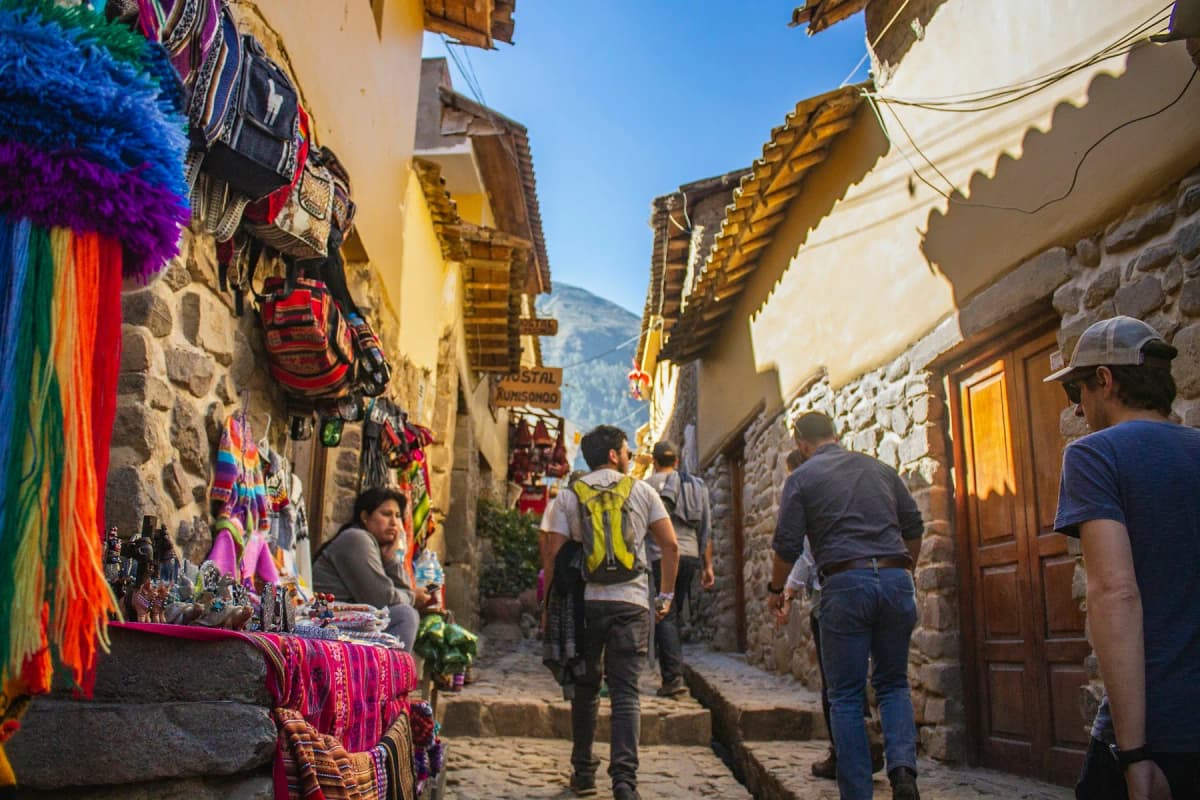 Photo: Nina Pascal on Unsplash
5. San Blas
San Blas is Cusco's artisans' quarter, a steep hillside of whitewashed houses with blue doors, stone steps and small workshops. Its plaza has a simple colonial church, the Templo de San Blas, known for a richly carved wooden pulpit. The neighbourhood has some of the city's best small cafés, galleries and guesthouses, and the climb rewards you with good views over the rooftops.
The streets are steep and uneven, so take them slowly in your first days at altitude. San Blas is lovely in the late afternoon, when the light hits the hillside, and it's a good area to look for crafts from the people who make them.
6. San Pedro market
The Mercado Central de San Pedro, a few blocks south-west of the Plaza de Armas, is Cusco's main market and a great introduction to Andean food. Inside you'll find stalls of fruit you may not recognise, dozens of types of potato, cheeses, breads, herbs and dried goods, alongside juice counters and cheap lunch stalls serving soups and set meals.
A fresh juice or a bowl of soup costs a few soles. It's a busy place, so keep your phone and wallet secure, and go in the morning when it's at its liveliest.
7. Museo de Arte Precolombino
The Museo de Arte Precolombino (MAP) is a small, beautifully displayed museum in a colonial mansion on Plaza de las Nazarenas, a few minutes from the main square. Its collection covers the art of Peru's cultures before the Incas as well as the Inca period, with pottery, gold and silver pieces arranged in a few well-lit rooms.
Entry was 20 soles for foreign adults according to an earlier museum notice, so check the current price on the museum's website before you go. The courtyard restaurant is a popular spot for a quieter dinner.
8. Museo Inka
Run by Cusco's national university (UNSAAC), the Museo Inka on Cuesta del Almirante, just above the Plaza de Armas, focuses on Inca culture, with ceramics, textiles, mummies and models of Inca sites. It's more traditional than the MAP, but it's a good place to understand the Inca world before you visit the ruins. Entry is a small fee, and the museum is closed on Sundays.
9. A walking tour of the centre
A walking tour is a good way to start, especially if you arrive without much background on Inca history. Several companies run tip-based "free" walking tours from the Plaza de Armas, and paid city tours usually combine the Qoricancha and the cathedral with the four sites just above the city. This half-day Cusco city tour with four ruins covers Sacsayhuamán, Q'enqo, Puka Pukara and Tambomachay with transport and a guide; check whether entry tickets are included before you book.
10. Andean food
Cusco is a good place to try the food of the Andes. Look for cuy (roast guinea pig, a traditional dish for special occasions), alpaca steak, chicharrón (fried pork), quinoa soup, rocoto relleno (stuffed spicy peppers from southern Peru) and chiriuchu, a cold dish served around Corpus Christi. Peruvian favourites from the coast, such as lomo saltado and ceviche, are easy to find too.
To drink, try chicha morada, a sweet purple corn drink, and mate de coca, coca-leaf tea, which many hotels offer to arriving guests. For a set lunch, look for a menú del día, usually a soup, a main and a drink at a fixed price, at local restaurants away from the main square.
11. Traditional textiles
Weaving is one of the great living traditions of the Cusco region, and the city has several places to see it. Weaving cooperatives and some shops in the centre show how wool is spun, dyed with plants and minerals and woven on backstrap looms, and sell the finished pieces. Buying from a cooperative or directly from the weavers is the best way to make sure more of the money goes to the people who did the work. Chinchero, in the Sacred Valley (number 19), is the best place to see weaving outside the city.
Above the city
Four Inca sites sit on the hills just above Cusco, all covered by Circuit I of the Boleto Turístico. You can walk up to Sacsayhuamán from the centre in about 30 to 45 minutes, but most people take a taxi or tour to Tambomachay, the highest site, and walk back downhill.
12. Sacsayhuamán
Sacsayhuamán is the most impressive Inca site in Cusco itself: three tiers of zigzag walls built from enormous limestone blocks, some of them weighing many tonnes, fitted together without mortar. It looks like a fortress, and it was the scene of fierce fighting during the Spanish conquest, but it was also a religious and ceremonial complex. The wide esplanade in front of the walls is where the Inti Raymi ceremony takes place each June (number 23).
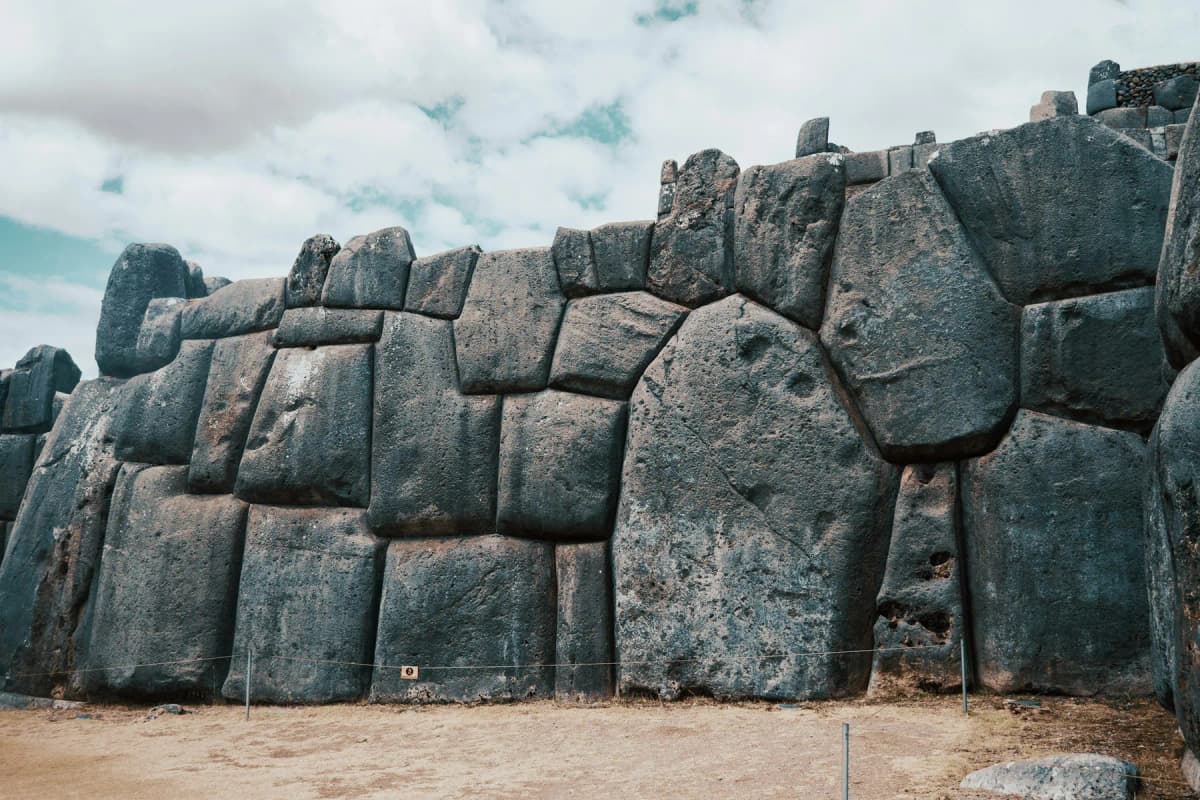 Photo: Ruben Hanssen on Unsplash
Allow one and a half to two hours, and climb to the top of the site for the view over the city. It's high, exposed and sunny, so bring water, sunscreen and a hat, and a layer for when the clouds come over.
13. Q'enqo, Puka Pukara and Tambomachay
The other three Circuit I sites are smaller but worth seeing on the same trip. Q'enqo is a huge carved rock with tunnels, channels and an underground chamber that is thought to have been used for rituals. Puka Pukara, the "red fort", was probably a checkpoint or rest stop on the road. Tambomachay is a set of stone terraces with water channels that still carry spring water, often called the baths of the Inca.
With a taxi or tour, you can see all four Circuit I sites in a half day.
14. Cristo Blanco
The white statue of Christ on the hill above San Blas, next to Sacsayhuamán, was a gift from Palestinian Christians living in Cusco in the 1940s. You don't need a ticket to reach it, and the view over the Plaza de Armas and the valley is one of the best in the city. It's a short walk from the edge of Sacsayhuamán, or a steep climb up from San Blas. Go before sunset and walk back down before it's fully dark.
In the Sacred Valley
The Sacred Valley of the Incas follows the Urubamba River north of Cusco, between about one and two hours away by road. It's several hundred metres lower than Cusco, so it's a little warmer and easier on the lungs, and many visitors stay a night or two here before or after Machu Picchu. A full-day Sacred Valley tour with Maras and Moray is one way to see several sites in a day; Pisac, Ollantaytambo, Moray and Chinchero are all on Circuit III of the Boleto Turístico.
15. Pisac
Pisac has two sides: a busy craft market in the town by the river, and one of the largest Inca sites in the valley on the mountain above. The ruins include sweeping agricultural terraces, temples, houses and a hillside of Inca tombs, with views up and down the valley. The town's market runs daily and is busiest on Sundays.
The ruins are spread out, so allow at least two hours. Most visitors drive to the upper entrance and walk down through the site, which is easier on the legs at altitude.
16. Ollantaytambo
Ollantaytambo is a small town at the far end of the Sacred Valley that still follows its Inca street plan, with narrow lanes, stone water channels and houses built on Inca foundations. Above it, a steep flight of terraces climbs to a temple area of huge pink granite blocks, and across the valley you can see Inca storehouses built into the cliff.
It's also the main train station for Machu Picchu, so it's a convenient place to stay the night before. Climb the terraces early in the morning, before the tour groups arrive from Cusco.
17. Moray
Moray is one of the strangest Inca sites you'll see: a set of huge circular terraces sunk into the ground like an amphitheatre. Each level has a slightly different temperature, which has led many researchers to believe the Incas used Moray to experiment with crops at different altitudes. The site sits on a high, open plateau between Cusco and Urubamba, and it's usually combined with the salt pans at Maras.
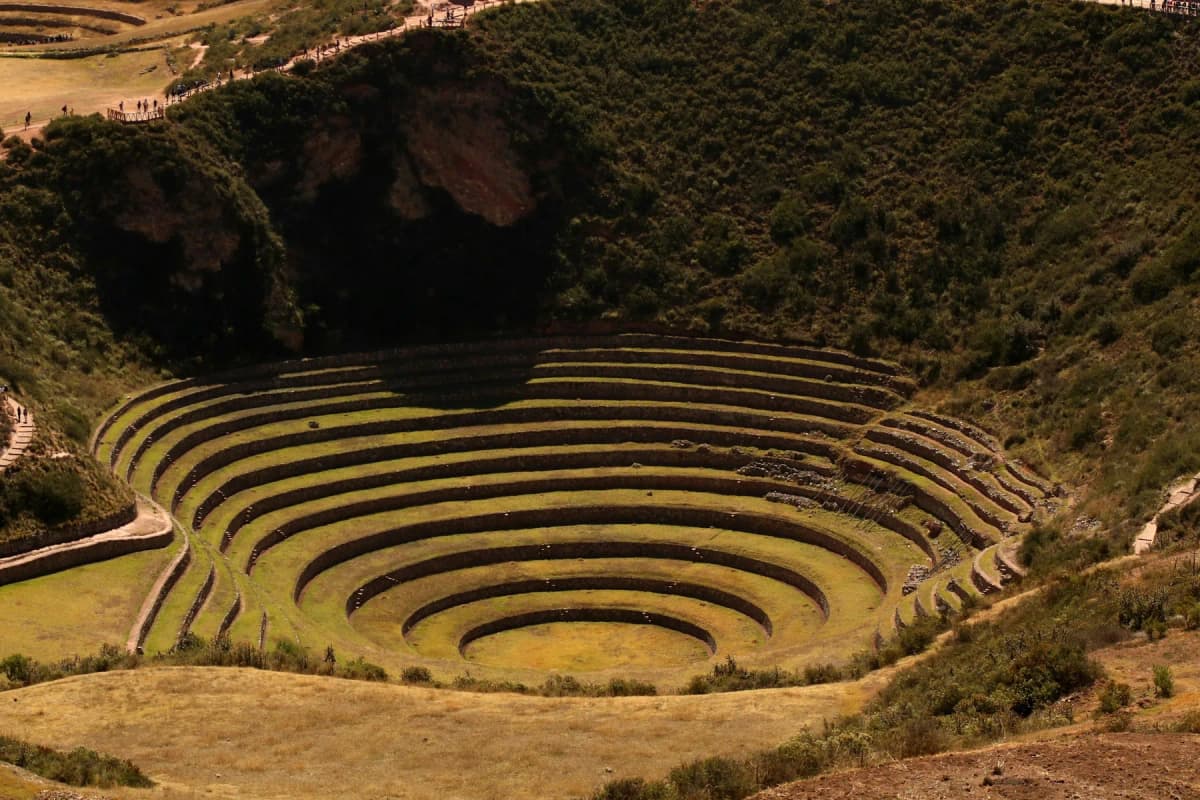 Photo: Viajes con Astro Cartografía on Unsplash
18. The Maras salt pans
Below the village of Maras, thousands of small salt pans step down a hillside, fed by a salty spring that has been used since before the Incas. Local families still work the pools by hand, and the white and brown terraces make a striking sight, especially in the dry season when the salt is being harvested.
Entry is around 20 soles for foreign visitors according to tour operators, and it isn't covered by the Boleto Turístico. Visitors haven't been allowed to walk among the pools themselves since 2019, so you see them from a viewing path above. The shop at the entrance sells salt from the pans.
19. Chinchero
Chinchero is a high Andean town between Cusco and the Sacred Valley, known for its weaving. Several weaving centres welcome visitors with demonstrations of how wool is washed, dyed and woven, and the town has a colonial church built on Inca walls, Inca terraces and a market that is busiest on Sundays. It's usually visited on the way to or from the Sacred Valley. You'll see work on the new Chinchero airport nearby, but it isn't open yet; Peru's transport ministry has said operations are expected to begin at the end of 2027 or early 2028.
South of Cusco
20. Tipón, Pikillaqta and Andahuaylillas
The South Valley, east of the city, gets far fewer visitors than the Sacred Valley and makes a good half-day trip. Tipón is a set of Inca terraces with carefully engineered fountains and water channels that still work today. Pikillaqta is a large walled city built by the Wari culture, centuries before the Incas. Both are on Circuit II of the Boleto Turístico.
Nearby, the village church of San Pedro Apóstol de Andahuaylillas, often called the "Sistine Chapel of the Andes", is covered inside with colonial murals and gilded altars; it charges its own entry fee. This half-day tour to Tipón, Pikillaqta and Andahuaylillas combines all three.
Bigger trips from Cusco
21. Machu Picchu
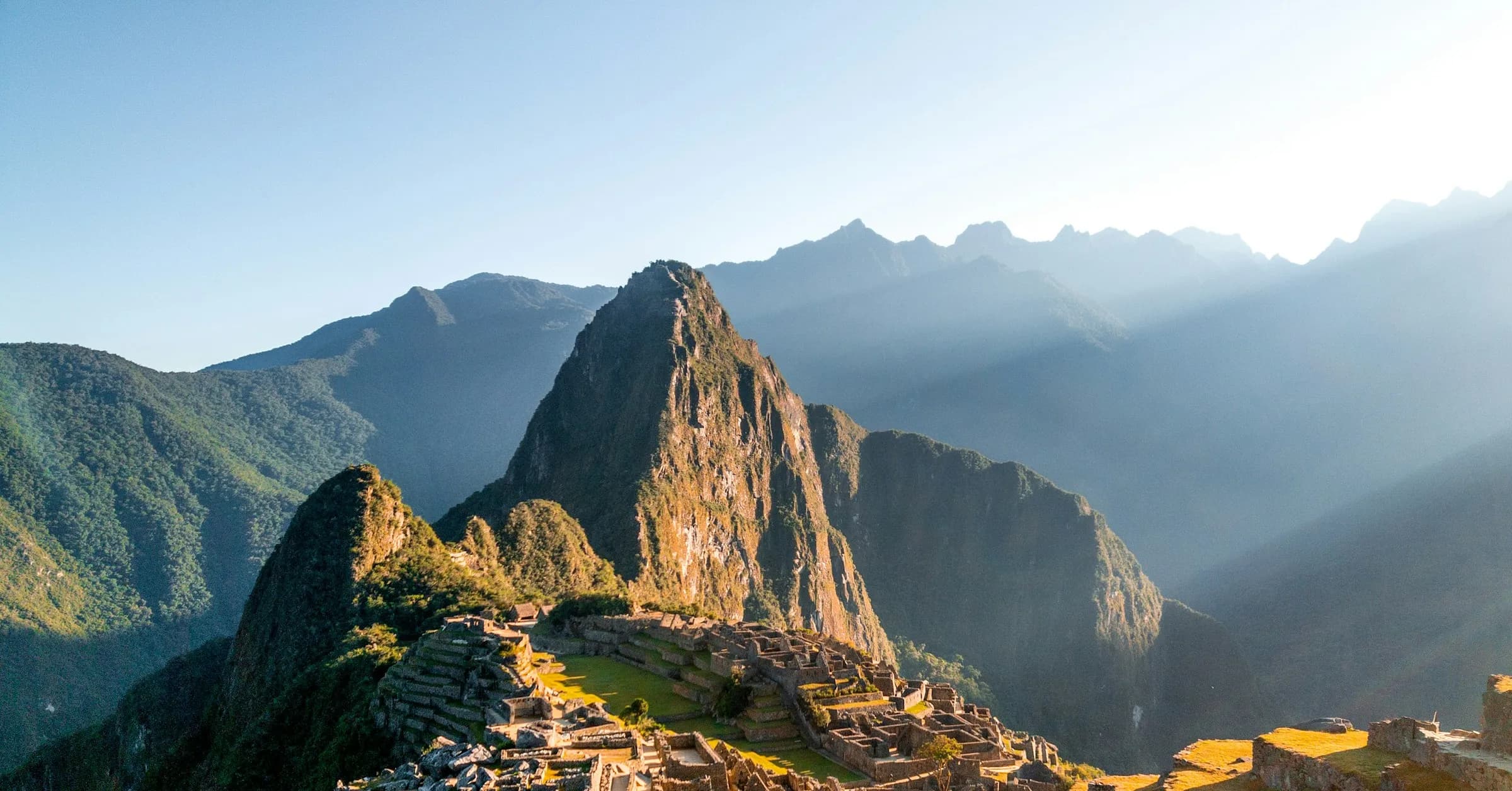
For most visitors, Machu Picchu is the reason to come to Cusco. The Inca citadel sits on a ridge high above the Urubamba River, and you can reach it by train from Cusco or Ollantaytambo to Aguas Calientes (Machu Picchu Pueblo), then by bus up the mountain, or on foot via the Inca Trail with a licensed operator.
Tickets are sold on the Ministry of Culture's official site, tuboleto.cultura.pe. For 2026, the main ticket costs around 152 soles for foreign adults, plus a surcharge of 11 soles for foreign visitors from 1 May 2026, which press reports put at about 163 soles in total. Daily capacity is capped, at 5,600 visitors in the high season and 4,500 the rest of the year, and around 1,000 tickets a day are kept for sale in person in Aguas Calientes. Book well ahead for the dry season, and choose your circuit and entry time carefully, as each ticket covers a set route.
Train services have been disrupted at times in 2026. PeruRail suspended service earlier in the year and announced a progressive restart from August, with departures from Ollantaytambo, Poroy and San Pedro, and landslides and protests have caused other stoppages. Check the latest timetable with PeruRail or Inca Rail close to your travel date. If you'd rather not plan the logistics yourself, this Machu Picchu day trip from Cusco includes transport and a guide, but a day trip is long, so staying a night in Aguas Calientes or Ollantaytambo makes the visit more relaxed.
22. Rainbow Mountain (Vinicunca)
Vinicunca, better known as Rainbow Mountain, is a ridge of red, yellow, green and purple stripes in the Andes south-east of Cusco. It has become one of the most popular day trips from the city, though it's a tough one: the viewpoint is at over 5,000 metres, the drive takes around three hours each way, and most tours leave Cusco around 4am.
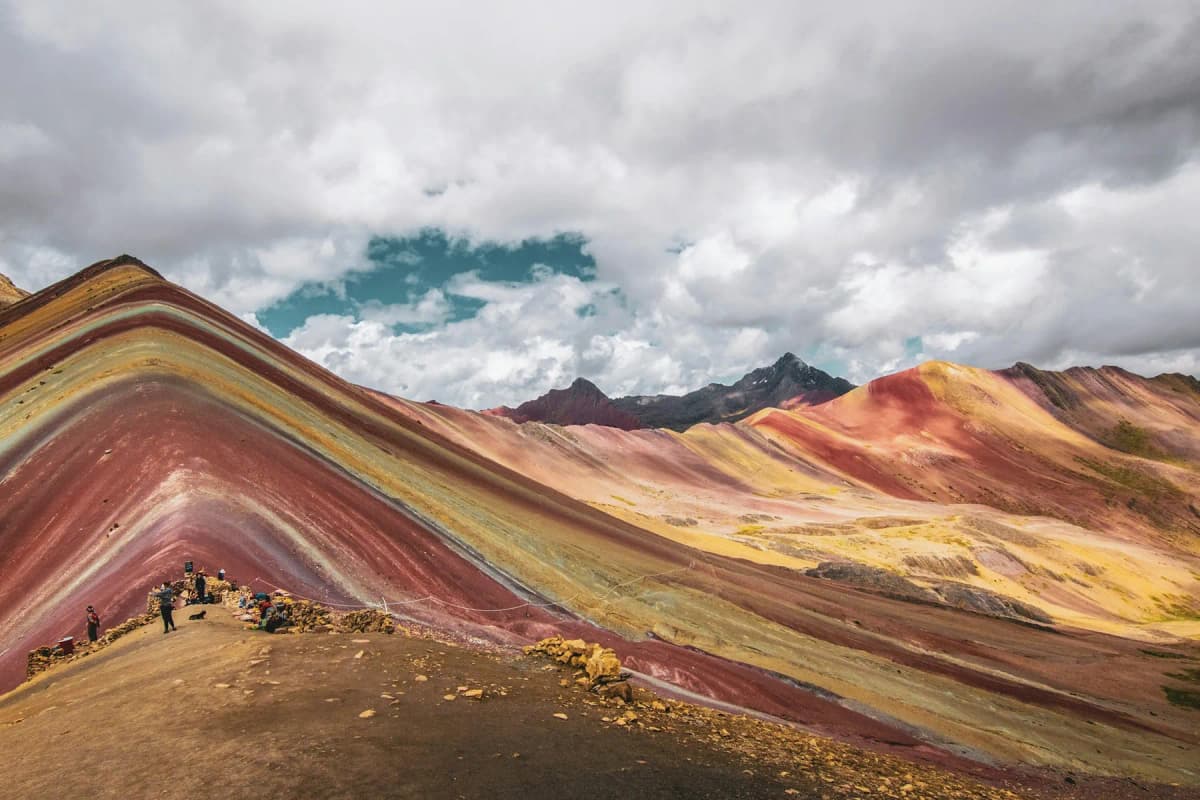 Photo: McKayla Crump on Unsplash
Tours we found ranged from about US$40 to US$100, usually with breakfast and lunch; this Rainbow Mountain full-day tour is one example. Local communities have charged entry fees on some routes, so ask what's included and bring cash in soles. Only do this hike once you've spent a few days at altitude, and turn back if you feel unwell. Horses can be hired for part of the climb.
23. Humantay Lake
Humantay Lake is a turquoise lake below the glaciers of the Humantay peak, near the start of the Salkantay trek. From the trailhead at Soraypampa, the hike is about 7 km return and climbs to above 4,000 metres. It's steep in places, but shorter and less extreme than Rainbow Mountain, and the colour of the water on a clear morning is unforgettable.
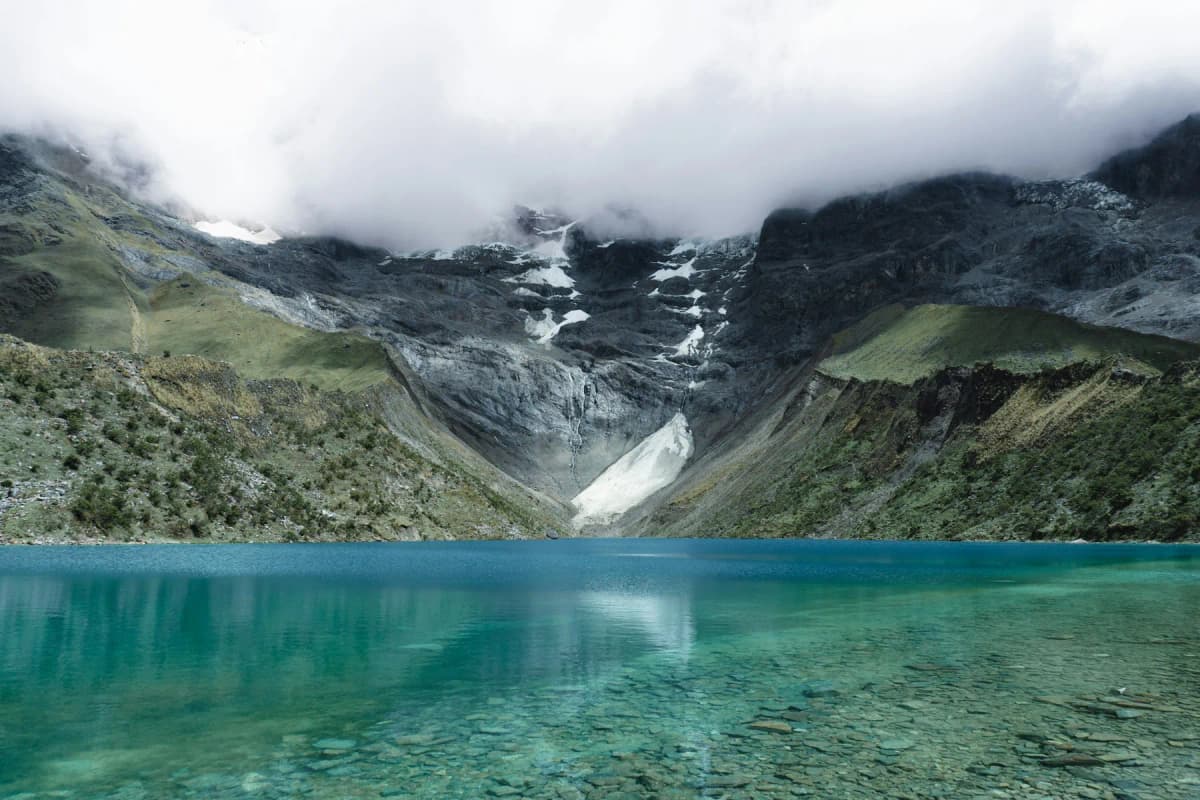 Photo: Eduardo Valderramos on Unsplash
Most people go on a day tour from Cusco, which starts very early; this Humantay Lake day trip is one option. Tour listings mention a community entry fee of around 20 soles, paid in cash, so check whether it's included.
Festivals: Inti Raymi and Corpus Christi
If you're in Cusco in June, you'll see the city at its most festive. Inti Raymi, the Inca festival of the sun, is held every year on 24 June. The day starts with a ceremony at the Qoricancha, moves to the Plaza de Armas, and ends with the main re-enactment on the esplanade at Sacsayhuamán. In 2026, seats at Sacsayhuamán cost between 490 and 850 soles and sold out, but the ceremony in the Plaza de Armas is free to watch, and many people watch the Sacsayhuamán event from the hillsides around it. Buy seated tickets only from the official seller, as fake tickets have been reported.
Corpus Christi, a few weeks earlier (its date moves with Easter), is one of Cusco's biggest religious festivals, with statues of saints carried from churches around the city to the cathedral.
How much do things cost in Cusco?
| What | Price in 2026 |
|---|---|
| Boleto Turístico, general ticket | 130 soles for foreign visitors, valid 10 days |
| Boleto Turístico, partial circuit | 70 soles |
| Machu Picchu | Around 163 soles for foreign adults, including the 2026 surcharge |
| Qoricancha | Around 15 soles (2025 price) |
| Cusco Cathedral | Around 40 soles |
| Museo de Arte Precolombino | Around 20 soles |
| Maras salt pans | Around 20 soles |
| Humantay Lake entry | Around 20 soles, cash |
| Rainbow Mountain tour | About US$40 to US$100 |
| Inti Raymi seats at Sacsayhuamán | 490 to 850 soles |
Prices for sites outside the Boleto Turístico change often, and many places only take cash, so carry soles in small notes. Students with a valid card can often get reduced prices, including the student Boleto Turístico.
How many days do you need in Cusco?
- Three days is the minimum for Cusco itself: one easy day in the centre to adjust to the altitude, one for Sacsayhuamán and the sites above the city, and one in the Sacred Valley.
- Five days lets you add Machu Picchu with a night in Aguas Calientes or Ollantaytambo, and a slower look at the Sacred Valley.
- A week or more gives you time for Rainbow Mountain or Humantay Lake, the South Valley and a multi-day trek.
The dry season, from around May to September, is the most popular time to visit, with sunny days and cold nights. The rainy season, from around December to March, brings heavier rain, especially in the afternoons, and the classic Inca Trail usually closes in February for maintenance. April, May, September and October are good compromises, with fewer crowds and mostly dry weather.
Getting to and around Cusco
- By air: Cusco's airport, Alejandro Velasco Astete, is on the edge of the city, and most international visitors fly in from Lima, which is worth a stop of its own (see our guide to the best things to do in Lima); the flight takes a little over an hour. The new Chinchero airport is not yet open.
- By bus: long-distance buses connect Cusco with Lima, Arequipa and Puno, for Lake Titicaca. The bus from Lima takes more than 20 hours, so most people fly.
- Around the city: the centre is best on foot, at a slow pace. Use taxis booked through your hotel or an app, especially at night, and agree on the fare first if there's no meter.
- Around the region: colectivos (shared minibuses) run to the Sacred Valley towns, but tours or a hired driver are easier if you want to combine several sites in one day. Trains to Machu Picchu leave from Ollantaytambo and from stations near Cusco.
- Stay connected: a Peru eSIM is useful for maps, translations and ride apps from the moment you land.
Practical tips
- Take the altitude seriously: allow at least two days to adjust before any big hike, drink plenty of water, go easy on alcohol and see a doctor if your symptoms get worse. Some visitors sleep in the lower Sacred Valley for their first nights instead of Cusco.
- Pack layers: days can be warm in the sun, but nights are cold all year, and the weather changes quickly in the mountains.
- Protect yourself from the sun: at this altitude you burn quickly, even when it's cloudy.
- Carry cash: markets, community-run sites, colectivos and small restaurants often only take soles. Use ATMs inside banks during the day.
- Watch your belongings: Cusco is generally safe for visitors, but pickpocketing happens in markets, crowded streets and bus stations. The US State Department rates Peru as a whole at Level 2, "exercise increased caution".
- Check for strikes and road closures: protests sometimes block roads or stop trains in the region, so allow extra time on travel days and ask your hotel about the latest situation.
- Drink bottled or filtered water, not tap water.
- Get travel insurance: cover that includes medical treatment is worth having, especially if you're hiking at high altitude.
Frequently asked questions
What is Cusco famous for? Cusco is famous for being the capital of the Inca Empire, for its Inca stonework and colonial churches, and as the gateway to Machu Picchu and the Sacred Valley. It's also known for its festivals, especially Inti Raymi in June, and for its markets and weaving traditions.
How many days do you need in Cusco? Three days is the minimum to adjust to the altitude and see the city, the sites above it and part of the Sacred Valley. Allow five days or more if you also want to visit Machu Picchu without rushing.
Is Cusco worth visiting? Yes. Cusco combines Inca sites, colonial architecture, a lively food scene and dramatic mountain landscapes, and it's the natural base for Machu Picchu. Many visitors find they want more time there than they planned.
Can you visit Machu Picchu as a day trip from Cusco? Yes, but it's a long day, with an early start and a late return, and train disruptions in 2026 have made timings less predictable. Staying a night in Aguas Calientes or Ollantaytambo gives you more time at the site and a calmer trip.
What is the Boleto Turístico del Cusco? It's a combined ticket for 16 sites in and around Cusco, including Sacsayhuamán, Pisac, Ollantaytambo, Moray and Chinchero. The general ticket costs 130 soles for foreign visitors and is valid for 10 days. It doesn't include Machu Picchu, the Qoricancha or the cathedral.
How do you avoid altitude sickness in Cusco? Take your first days slowly, drink plenty of water, avoid heavy meals and alcohol at first, and leave high hikes such as Rainbow Mountain until later in your trip. Some people start in the lower Sacred Valley. If you have health concerns, talk to a doctor before you travel.
When is the best time to visit Cusco? The dry season, from around May to September, is the most popular time, with clear days and cold nights. June is the busiest month because of Inti Raymi and Corpus Christi. April and October are quieter and usually still fairly dry.
How we researched this guide
The Boleto Turístico prices and circuits come from a May 2025 guide by Howlanders, checked against other 2026 travel guides. Machu Picchu ticket sales and capacity details come from the official tuboleto.cultura.pe site and 2026 press reports, including the surcharge that began on 1 May 2026. Train information comes from PeruRail's 2026 service notices, the Chinchero airport timeline from Peru's transport ministry as reported by Andina in January 2026, and the Inti Raymi 2026 prices from Peruvian press. Prices for the Qoricancha, the cathedral, the Museo de Arte Precolombino, Maras and Humantay Lake come from visitor reports, tour operators and older official notices, so treat them as a guide. The Peru travel advisory is from the US State Department. We have not visited every place listed ourselves, and prices and opening hours change often, so check before you go. Found something out of date? Let us know.
Ready to plan? Compare the best areas in our guide to where to stay in Cusco, pick from our guide to the best day trips from Cusco, or browse all our Peru guides for more on Cusco, Lima and the Sacred Valley.