Peru Itinerary: 7, 10 and 14 Days (Plus a 3-Week Route)
October 25, 2026 · Peru
This post contains affiliate links. We may earn a commission if you book through them, at no extra cost to you. Disclaimer.
The best Peru itinerary for a first trip starts in Lima, flies to Cusco, then takes in the Sacred Valley and Machu Picchu. That's the core of almost every route, and it fits comfortably into 7 to 10 days. With two weeks, you can add the south: the desert oasis of Huacachina, the white city of Arequipa, the Colca Canyon and Lake Titicaca, travelling overland so you climb to the high Andes gradually. With three weeks, add the Amazon.
Peru is big, and the distances between its highlights are long, with mountain roads and high altitude to plan around. This guide sets out day-by-day routes for 7, 10 and 14 days, a three-week version, the journey times between each stop, and how to fit the route around altitude, the seasons and Machu Picchu tickets.
Peru itinerary at a glance
| Trip length | Route | Pace |
|---|---|---|
| 7 days | Lima, Cusco, Sacred Valley, Machu Picchu | Fast but manageable |
| 10 days | Lima, Cusco, Sacred Valley, Machu Picchu, plus a mountain hike or Lake Titicaca | Comfortable |
| 14 days | Lima, Paracas and Huacachina, Arequipa, Colca Canyon, Lake Titicaca, Cusco, Sacred Valley, Machu Picchu | The classic southern loop |
| 3 weeks | The 14-day route plus the Amazon, more time in Cusco and a trek | Relaxed |
Our short version: if this is your first time, give Cusco, the Sacred Valley and Machu Picchu at least five days. Everything else is a bonus. If you have two weeks, the southern loop through Arequipa and Lake Titicaca is one of the best overland journeys in South America.
Before you plan: four things that shape any Peru route
- Altitude: Cusco is at about 3,400 m and Puno at about 3,800 m. Flying straight from Lima to Cusco is common, but many people feel the altitude for the first day or two. Starting in the lower Sacred Valley, or travelling up gradually through Arequipa, helps.
- Machu Picchu tickets: entry is by timed ticket with daily limits, so book your Machu Picchu date first and build the rest of the route around it. Our guide on how to get to Machu Picchu explains tickets, trains and the trails.
- Distances: Lima to Cusco is about 1 hour 20 minutes to 1.5 hours by air, but over 20 hours by road. Most itineraries combine flights with a few long bus journeys in the south.
- The seasons: the Andes are dry from May to September and wet from December to March, while Lima is sunny from December to April and grey from June to October. See our guide to the best time to visit Peru for month-by-month details.
7-day Peru itinerary: Lima, Cusco and Machu Picchu
This is the shortest route that does Peru's highlights justice. It's busy, so drop Lima if you'd rather have more time in the mountains.
Day 1: Lima
Arrive in Lima and stay in Miraflores or Barranco. If you land late, a private transfer from Lima airport is the simplest way to reach your hotel. Spend the afternoon walking the clifftop parks of the Malecón, then have dinner in one of the city's famous restaurants. Our guide to where to stay in Lima compares the neighbourhoods.
Day 2: Fly to Cusco, then down to the Sacred Valley
Take a morning flight to Cusco, then go straight down to the Sacred Valley, which is lower than Cusco and a gentler place to adjust to the altitude. Stay in Urubamba or Ollantaytambo.
Day 3: The Sacred Valley
Visit the market and ruins at Pisac, the salt pans of Maras and the circular terraces of Moray, ending at the fortress of Ollantaytambo. Colectivos and taxis link them, or you can see the highlights on a full-day Sacred Valley tour with Maras and Moray.
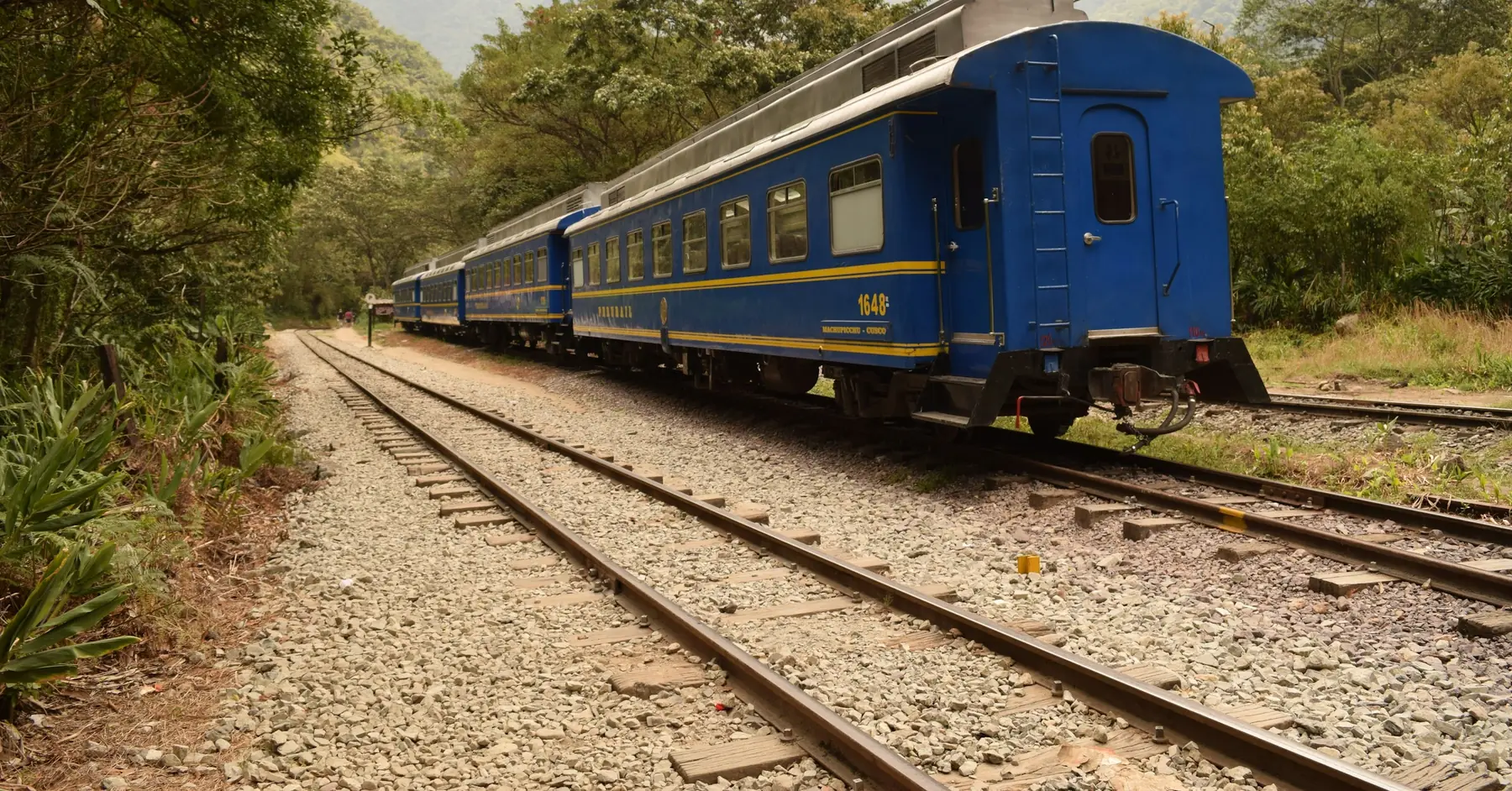
Day 4: Train to Aguas Calientes
Explore Ollantaytambo in the morning, then take the train to Aguas Calientes, the town below Machu Picchu. Have an early night.
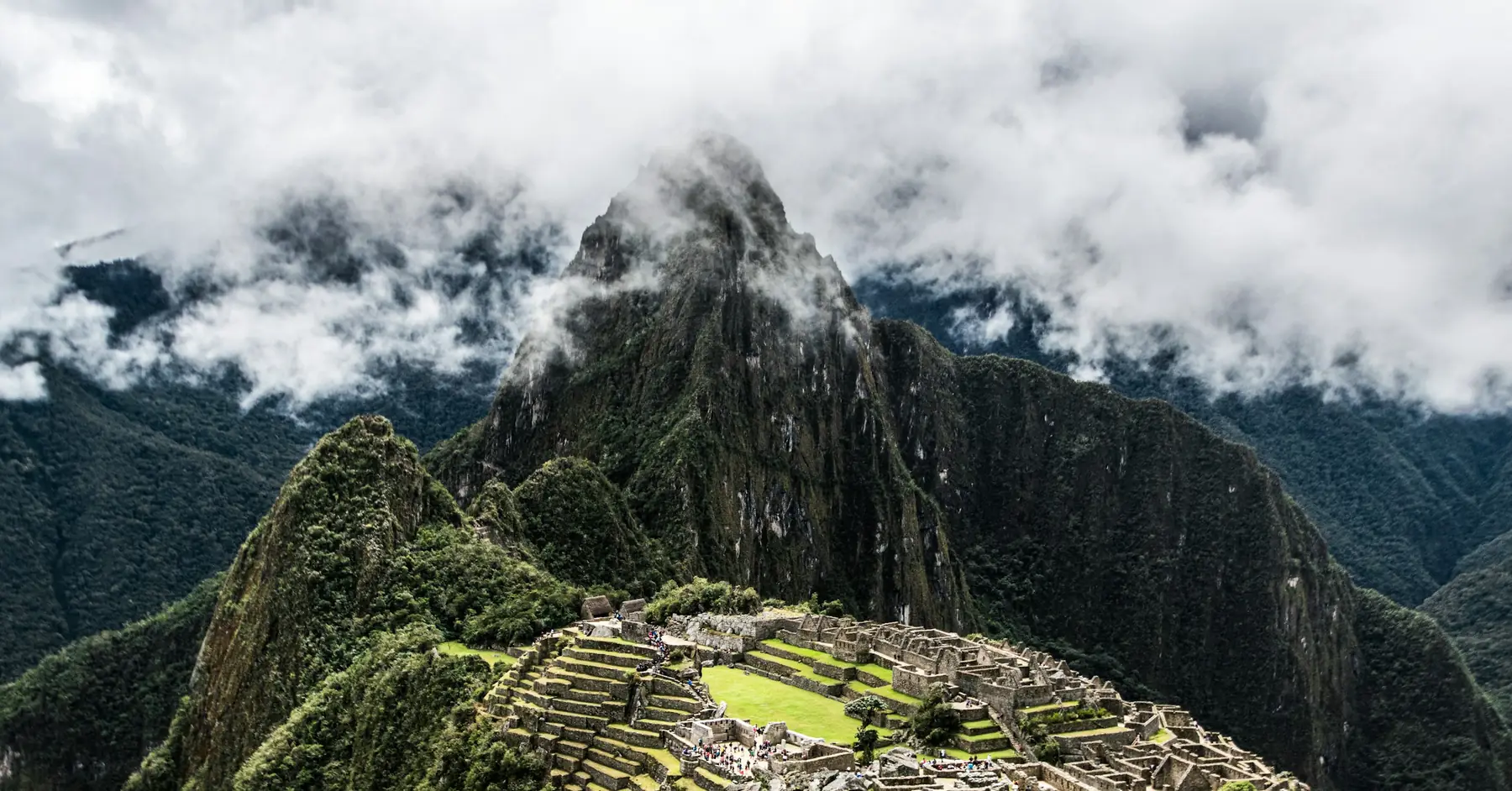
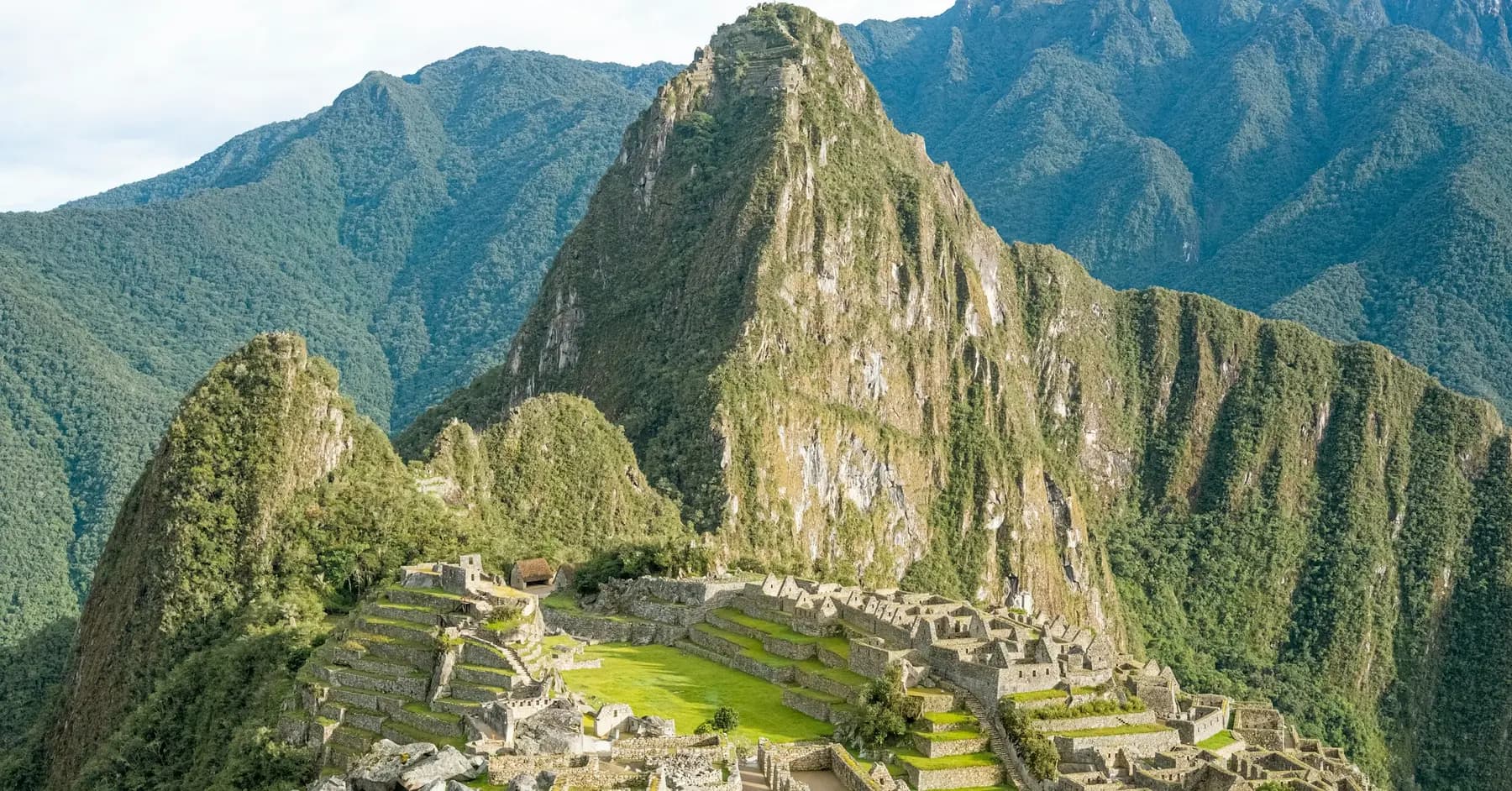
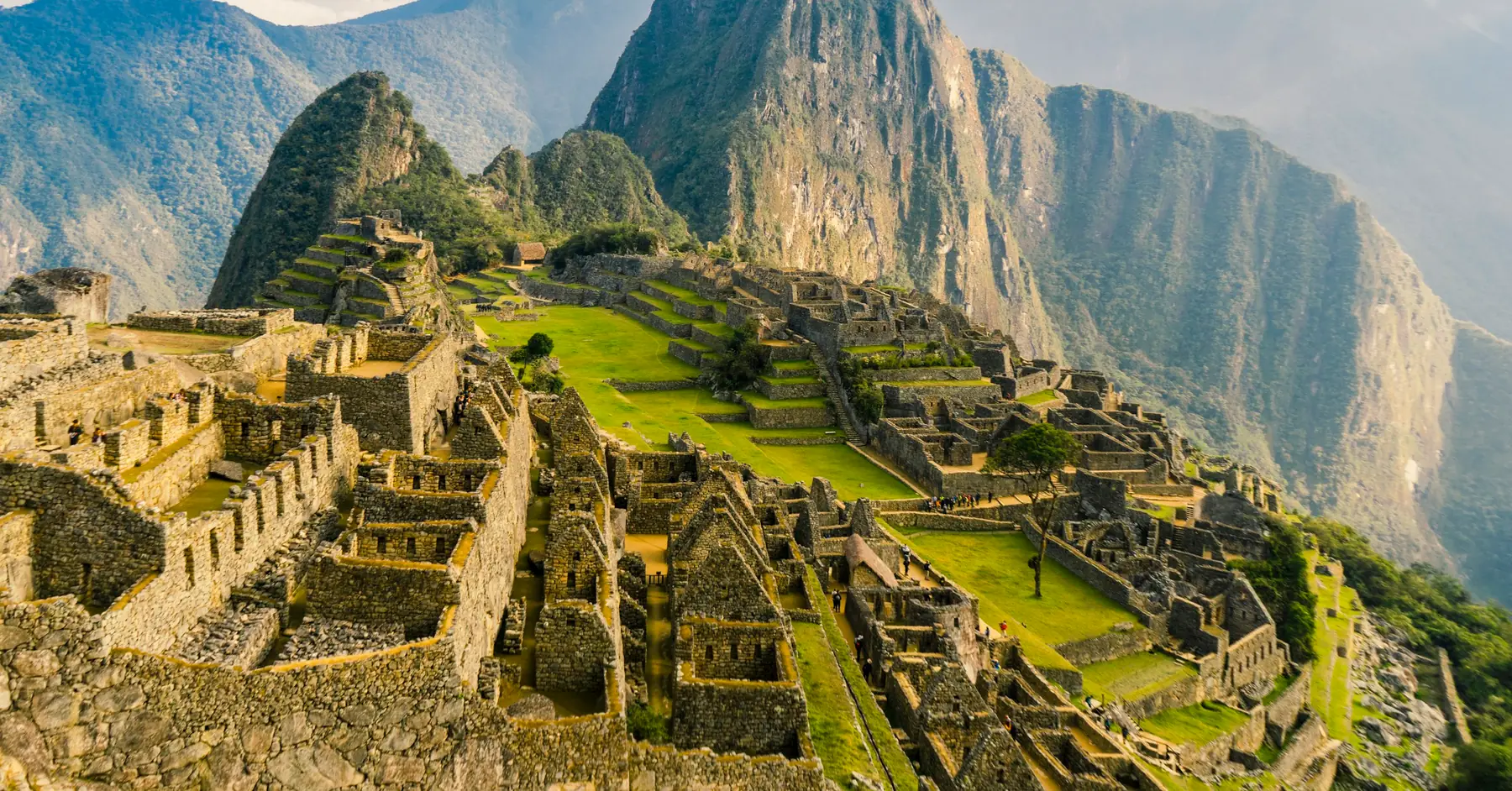
Day 5: Machu Picchu, then back to Cusco
Take an early bus up to Machu Picchu for your guided visit, then catch an afternoon train back to Ollantaytambo and continue by road to Cusco.
Days 6 and 7: Cusco
Spend two days in Cusco: the Plaza de Armas, the Qorikancha, San Blas and the great Inca walls of Sacsayhuamán above the city. A half-day Cusco city tour with four ruins is a good introduction. Fly back to Lima for your onward flight on day 7, or stay longer. Our guide to the best things to do in Cusco has more ideas.
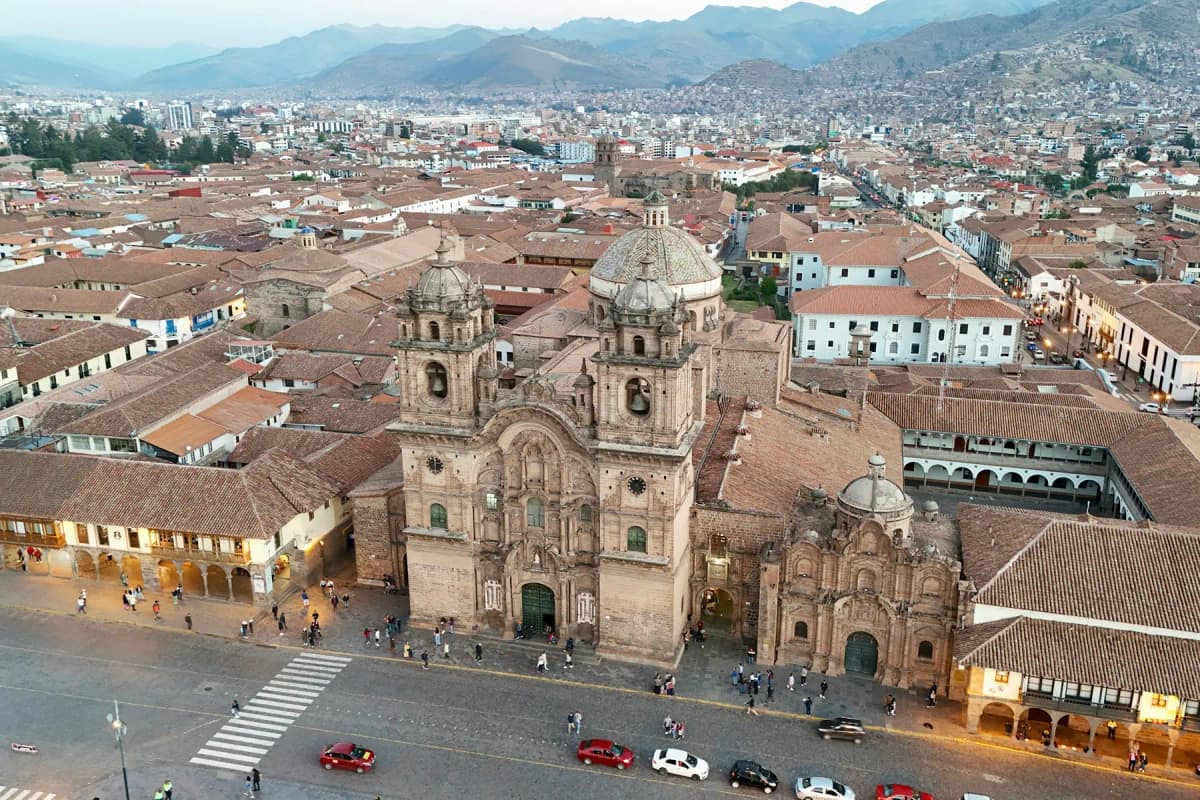 Photo: Kieran Proctor on Unsplash
10-day Peru itinerary: add a hike or Lake Titicaca
With 10 days, follow the 7-day route at a slower pace and add one of these:
- A high-altitude day hike from Cusco: Rainbow Mountain, the easier Palccoyo, or Humantay Lake. Do it at the end of your stay, once you've acclimatised. This Rainbow Mountain full-day tour includes transport. Our guide to the best day trips from Cusco compares them.
- The short Inca Trail: walk into Machu Picchu through the Sun Gate on a two-day trip instead of taking the train both ways.
- Lake Titicaca: take the bus or the PeruRail Titicaca train from Cusco to Puno for two nights, then fly home from Juliaca, the airport for Puno.
A sample 10-day plan:
| Day | Where | Highlights |
|---|---|---|
| 1 to 2 | Lima | Miraflores, Barranco, the historic centre, a food tour |
| 3 to 4 | Sacred Valley | Pisac, Maras, Moray, Ollantaytambo |
| 5 | Aguas Calientes | Train from Ollantaytambo |
| 6 | Machu Picchu | Early visit, train and road back to Cusco |
| 7 to 9 | Cusco | The city, Sacsayhuamán and one big day hike |
| 10 | Fly home | Via Lima |
14-day Peru itinerary: the southern loop
This is the classic two-week route. It travels overland from the coast up into the Andes, so you acclimatise gradually before Cusco and Machu Picchu. It works in either direction, but going south first, then up to Arequipa, Colca, Puno and Cusco is usually easiest on the body.
Days 1 and 2: Lima
Arrive, settle into Miraflores or Barranco, and spend a day on the historic centre, the Larco Museum and the city's food. A Barranco food tour is a fun first evening. Our guide to the best things to do in Lima covers more.
Days 3 and 4: Paracas and Huacachina
Take the bus south to Paracas, about four hours from Lima, and take a morning boat to the Ballestas Islands to see sea lions and seabirds. Then continue to Huacachina, a small oasis surrounded by giant dunes near Ica, about an hour away, for sandboarding and a dune-buggy ride at sunset. If you're short on time, a Paracas and Huacachina full-day tour does both as a long day trip from Lima.
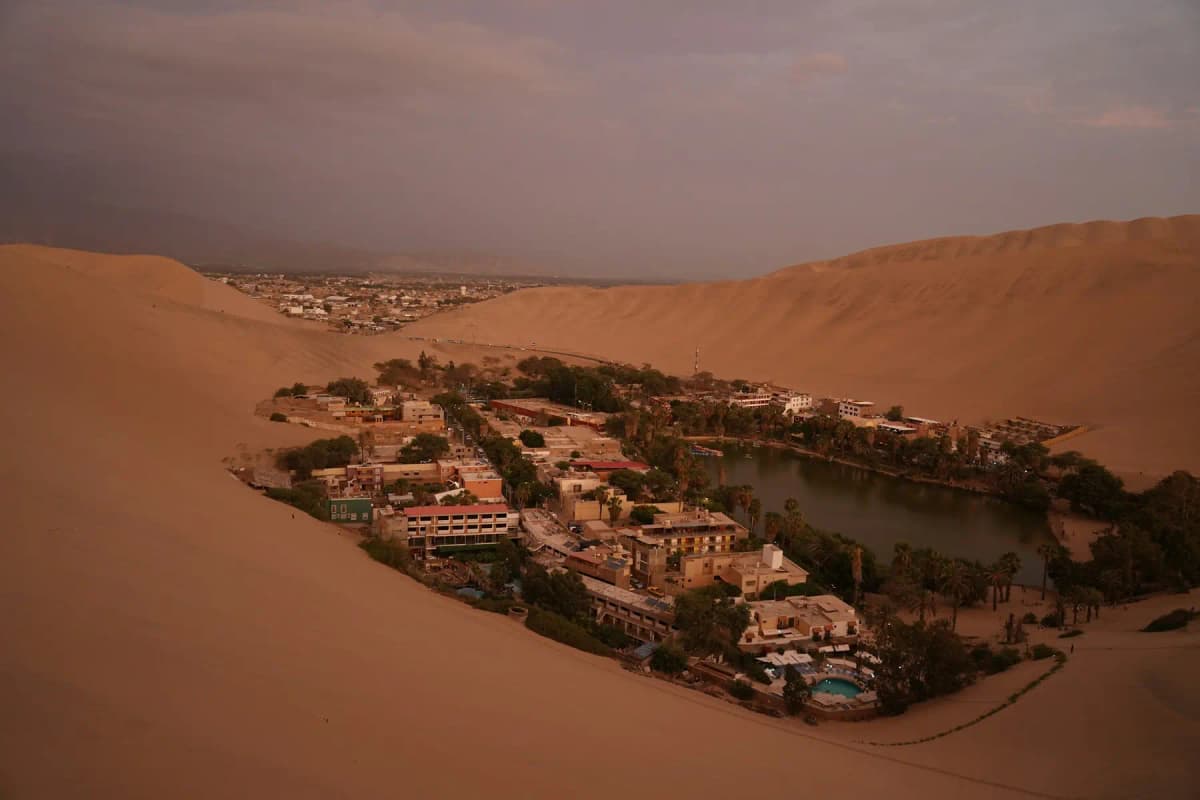 Photo: Frank Rolando Romero on Unsplash
Optional: stop in Nazca to see the lines from the air. Flights leave from the airfield at Nazca and depend on the weather. You can also do a Nazca Lines scenic flight with transport from Lima as a separate trip.
Days 5 and 6: Arequipa
Travel on to Arequipa, either by a long bus journey from Ica or Nazca or by returning to Lima and flying, which is quicker and avoids a night on the road. Arequipa, at about 2,300 m, is a beautiful colonial city built from white volcanic stone, with the cone of El Misti behind it. Visit the vast Santa Catalina Monastery, the Plaza de Armas and its cathedral, and the market. It's also a good place to start adjusting to altitude.
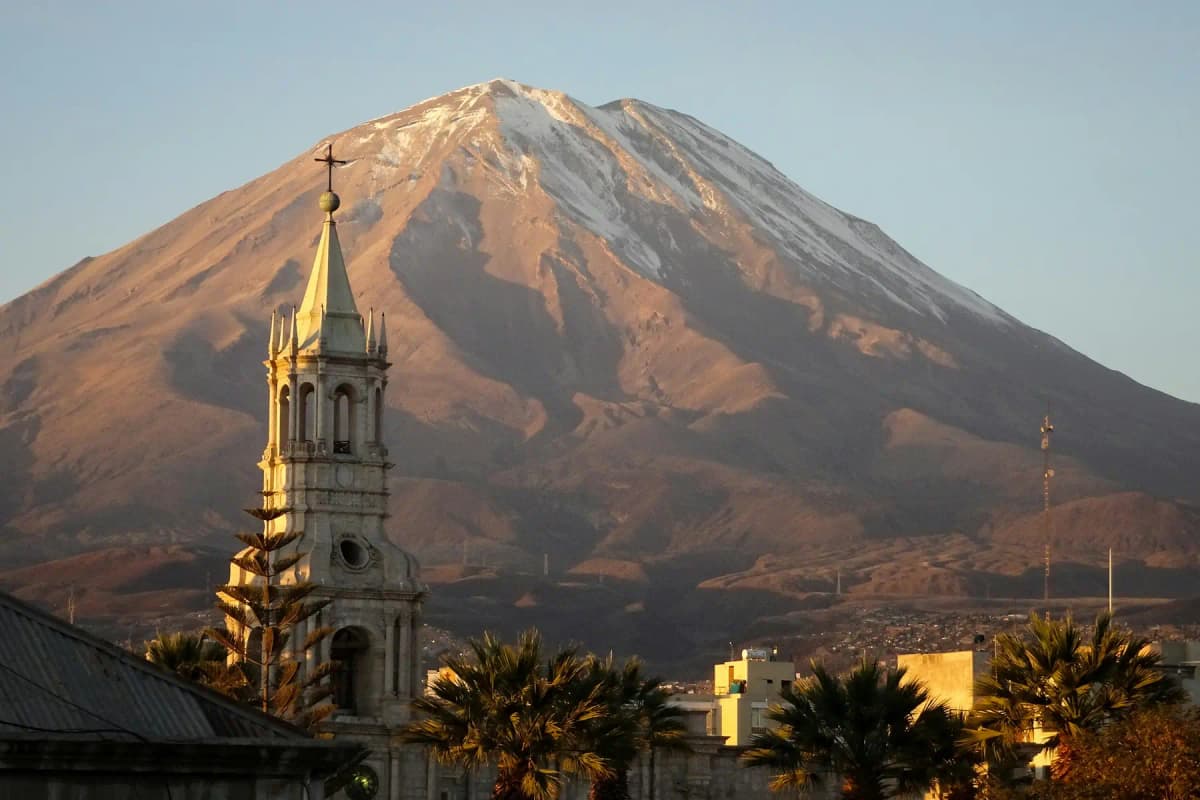 Photo: Megan Kotlus on Unsplash
Days 7 and 8: Colca Canyon
Drive about three to four hours to Chivay and the Colca Canyon, one of the deepest canyons in the world. The road crosses a high pass of around 4,900 m, so take it slowly. Stay overnight near the canyon, then go to the Cruz del Cóndor viewpoint early the next morning, when Andean condors often ride the warm air rising from the canyon. Most people visit on a two-day tour from Arequipa, and many tours drop you in Puno at the end, which saves backtracking.
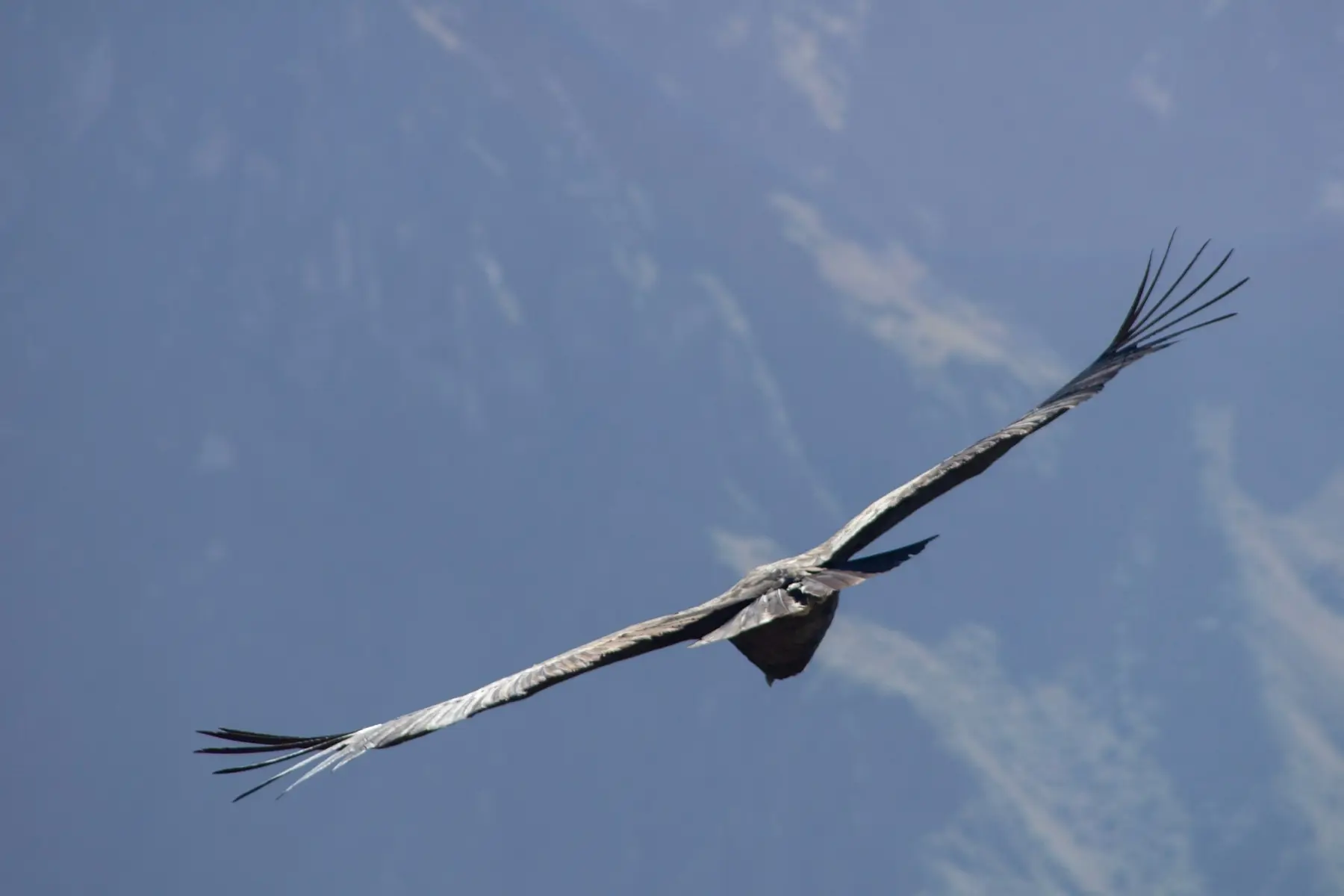 Photo: Sebastian Seck on Unsplash
Days 9 and 10: Puno and Lake Titicaca
Continue to Puno, on the shore of Lake Titicaca, about 6 to 7 hours by bus from Arequipa if you're not coming from Colca. Take a boat to the floating reed islands of the Uros and the island of Taquile, known for its textiles, on a Lake Titicaca full-day tour, or stay overnight with a family on Amantaní. Puno is about 3,800 m high and very cold at night, so pack warm layers.
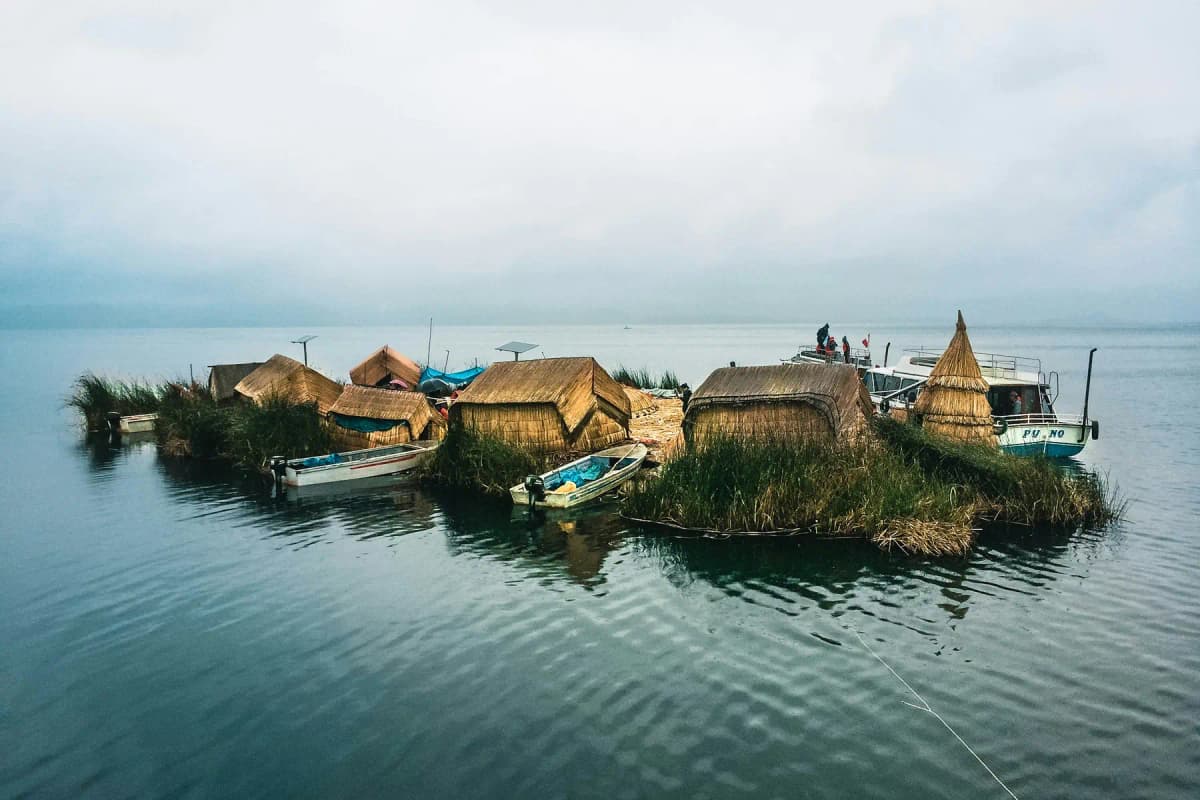 Photo: Sandro Ayalo on Unsplash
Day 11: Puno to Cusco
Travel from Puno to Cusco. The bus takes about 8 hours, and some tourist buses stop at sights along the way. The PeruRail Titicaca train is slower, at about 10.5 hours, but it's a scenic journey across the high plains with meals on board. It doesn't run every day, so check the schedule.
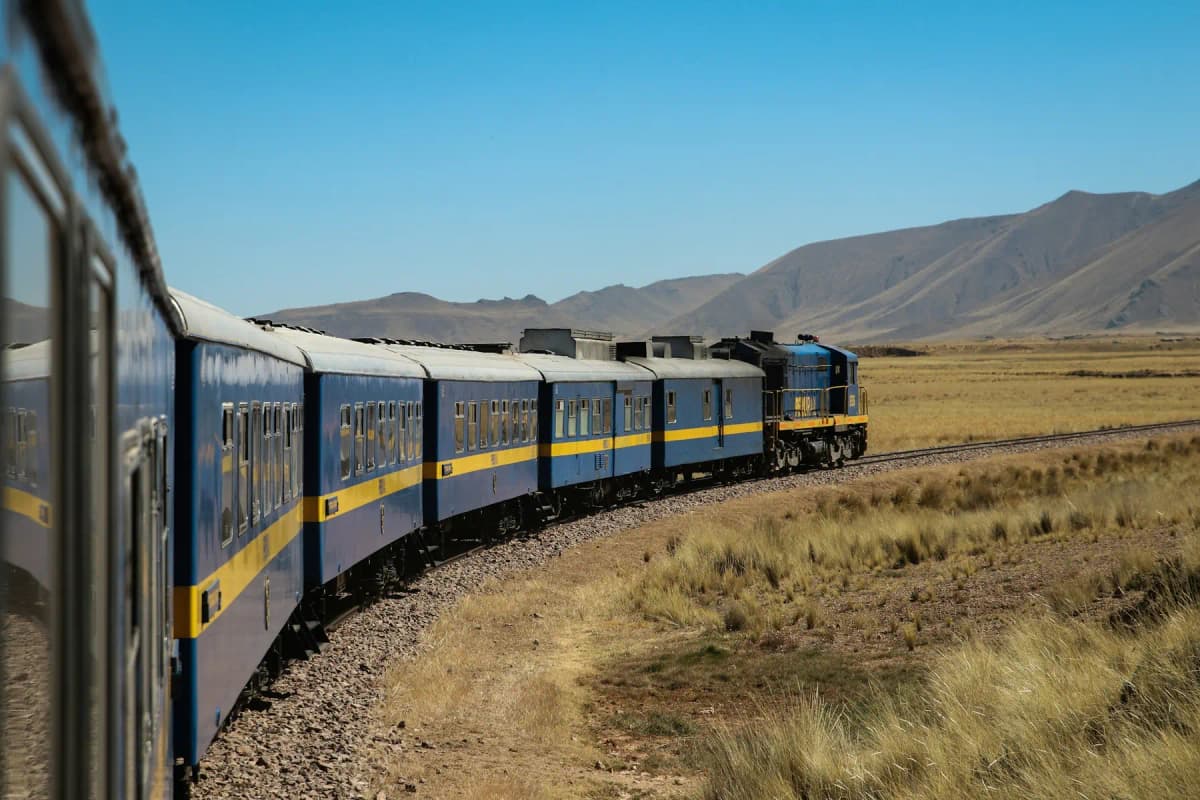 Photo:
Days 12 to 14: Sacred Valley, Machu Picchu and Cusco
Spend a day in Cusco, then head down to the Sacred Valley, take the train to Aguas Calientes and visit Machu Picchu early the next morning. Return to Cusco for your flight home via Lima. If the pace feels too tight, cut the Colca Canyon or Paracas and give Cusco an extra day.
The 14-day route at a glance:
| Day | Where | Getting there |
|---|---|---|
| 1 to 2 | Lima | Arrive by air |
| 3 to 4 | Paracas and Huacachina | About 4 hours by bus from Lima, then about 1 hour to Huacachina |
| 5 to 6 | Arequipa | Fly via Lima, or a long bus ride from Ica or Nazca |
| 7 to 8 | Colca Canyon | About 3 to 4 hours by road from Arequipa |
| 9 to 10 | Puno and Lake Titicaca | Tour transfer from Colca, or 6 to 7 hours by bus from Arequipa |
| 11 | Travel to Cusco | About 8 hours by bus, or about 10.5 hours by train |
| 12 to 14 | Cusco, Sacred Valley and Machu Picchu | Road and train |
Three weeks in Peru: add the Amazon
With three weeks, follow the 14-day loop at a slower pace, with a full week in and around Cusco, and add one of these:
- The Amazon: fly from Cusco or Lima to Puerto Maldonado for three or four nights in a jungle lodge on the Tambopata or Madre de Dios rivers, or fly from Lima to Iquitos for a river trip on the Amazon itself. Lodge packages usually include boat transfers and guided walks.
- A trek to Machu Picchu: the classic Inca Trail takes four days, and the Salkantay trek four or five. Book permits for the classic four-day Inca Trail early.
- The north: Huaraz and the Cordillera Blanca for serious hiking, or the pre-Inca sites around Trujillo and Chiclayo. These are far from the southern loop, so they work best as a separate trip.
How to get around Peru
- Flights: the quickest way to cover long distances. Lima is the main hub, with flights to Cusco, Arequipa, Juliaca (for Puno), Puerto Maldonado and Iquitos. Book early for the dry season and the July holidays.
- Long-distance buses: comfortable and cheap on the main routes, with reclining seats on overnight services. Choose established companies, and keep valuables with you on board.
- Hop-on hop-off tourist buses: a few companies run tourist buses on the southern loop, with stops at sights on the way and pick-ups from hotels. They cost more than regular buses but take care of the logistics.
- Trains: PeruRail and Inca Rail to Machu Picchu, and the PeruRail Titicaca train between Cusco and Puno.
- Taxis: in Lima and Cusco, use app-based or hotel-booked taxis rather than hailing them on the street, as the UK government advises.
Tips for your Peru itinerary
- Book Machu Picchu first: fix the date, then the trains, then the rest of the route.
- Go up slowly: if you're flying straight to Cusco, start in the Sacred Valley or take your first day easy. Drink water, go light on alcohol and see a doctor if symptoms get worse.
- Leave a spare day: protests, landslides and train disruptions do happen. Don't book your international flight for the day after Machu Picchu.
- Choose your buses carefully: UK government advice says bus crashes are common, especially at night, and suggests using only reputable companies and avoiding overnight travel where possible, particularly in the mountains. Daytime buses or a flight are the safer choice for the longest legs.
- Stay connected: a Peru eSIM makes it easier to use maps and book taxis, though there's often no signal in the mountains.
- Get travel insurance: cover that includes medical treatment is worth having, especially for high-altitude hikes and the Amazon.
For where to base yourself, see our guides to where to stay in Cusco and where to stay in Lima.
Frequently asked questions
How many days do you need in Peru? Seven days is enough for Lima, Cusco, the Sacred Valley and Machu Picchu. Ten days is more comfortable, and two weeks lets you add Arequipa, the Colca Canyon and Lake Titicaca.
What is the best route for a first trip to Peru? Lima, then Cusco, the Sacred Valley and Machu Picchu. If you have two weeks, add the southern loop through Paracas, Arequipa, the Colca Canyon and Lake Titicaca before Cusco.
Should I go to Cusco or the Sacred Valley first? Many travellers go to the Sacred Valley first because it's lower than Cusco, which makes it easier to adjust to the altitude. Cusco then comes at the end of the trip, when you've acclimatised.
Is 10 days in Peru enough? Yes, for Lima and the Cusco region, with time for Machu Picchu, the Sacred Valley and a big day hike or a trip to Lake Titicaca. It isn't enough for the whole southern loop without rushing.
How do you travel between Cusco and Lake Titicaca? By bus, in about 8 hours, or on the PeruRail Titicaca train, in about 10.5 hours. Juliaca, about an hour from Puno, is the nearest airport, with flights to Lima.
Is it better to fly or take the bus in Peru? Fly for the long hops, such as Lima to Cusco, and take buses or trains for the shorter journeys in the south. Overnight buses save a night's accommodation, but they're tiring, and UK advice suggests avoiding night travel where possible.
When is the best time to do a Peru itinerary? May to September is best for the Andes, Machu Picchu and Lake Titicaca. April and October are good, quieter alternatives.
How we researched this guide
We checked bus and train journey times against bus company and operator timetables, PeruRail's published information for the Titicaca train and Machu Picchu services, and the UK government's travel advice for Peru for transport and safety, all in October 2026. Altitudes are approximate and vary between sources. Journey times depend on traffic, weather and roadworks, and timetables change often, so confirm them when you book. Found something out of date? Let us know.