How to Get to Machu Picchu: Trains, Treks and Budget Routes
October 25, 2026 · Peru
This post contains affiliate links. We may earn a commission if you book through them, at no extra cost to you. Disclaimer.
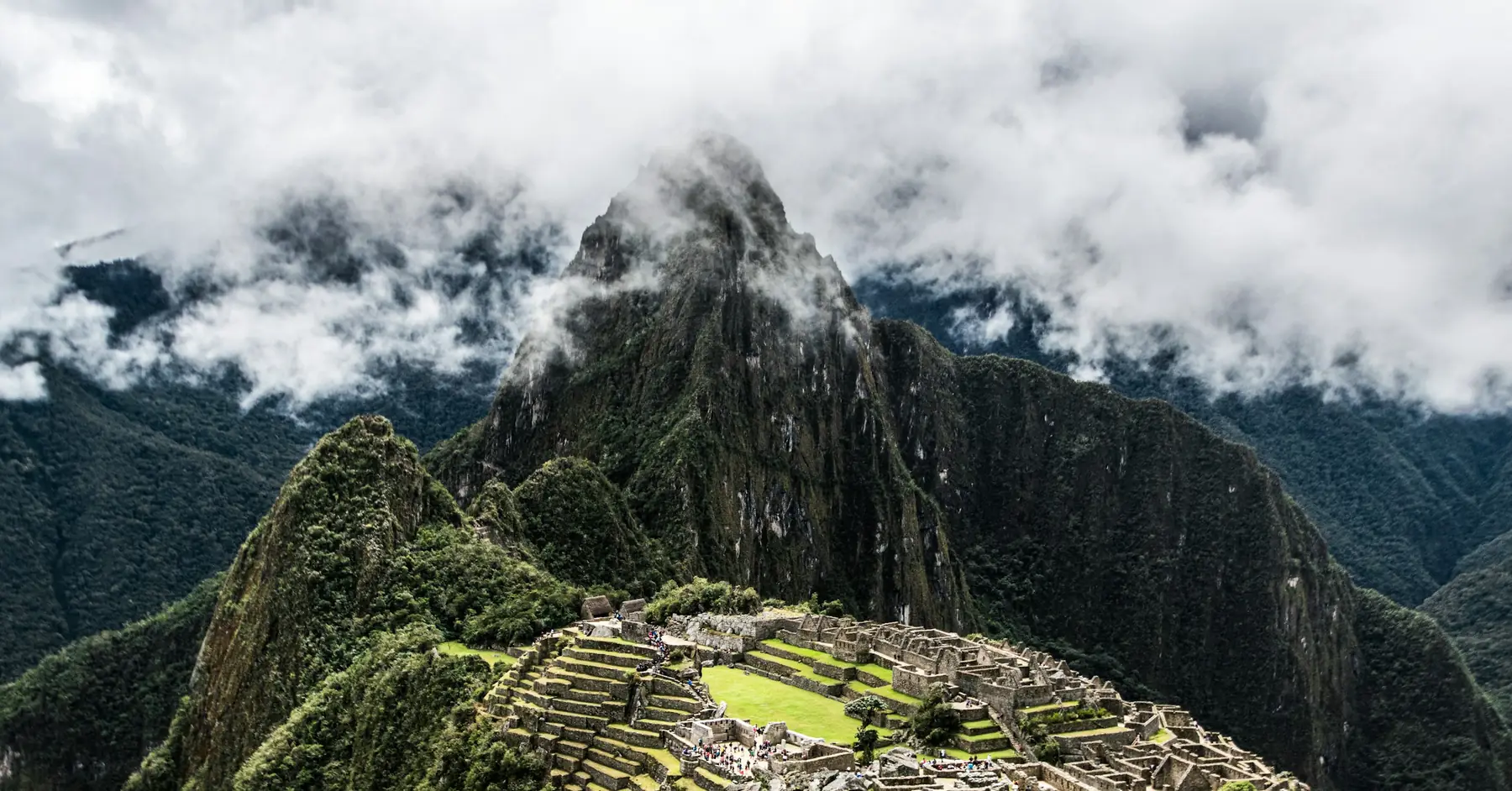
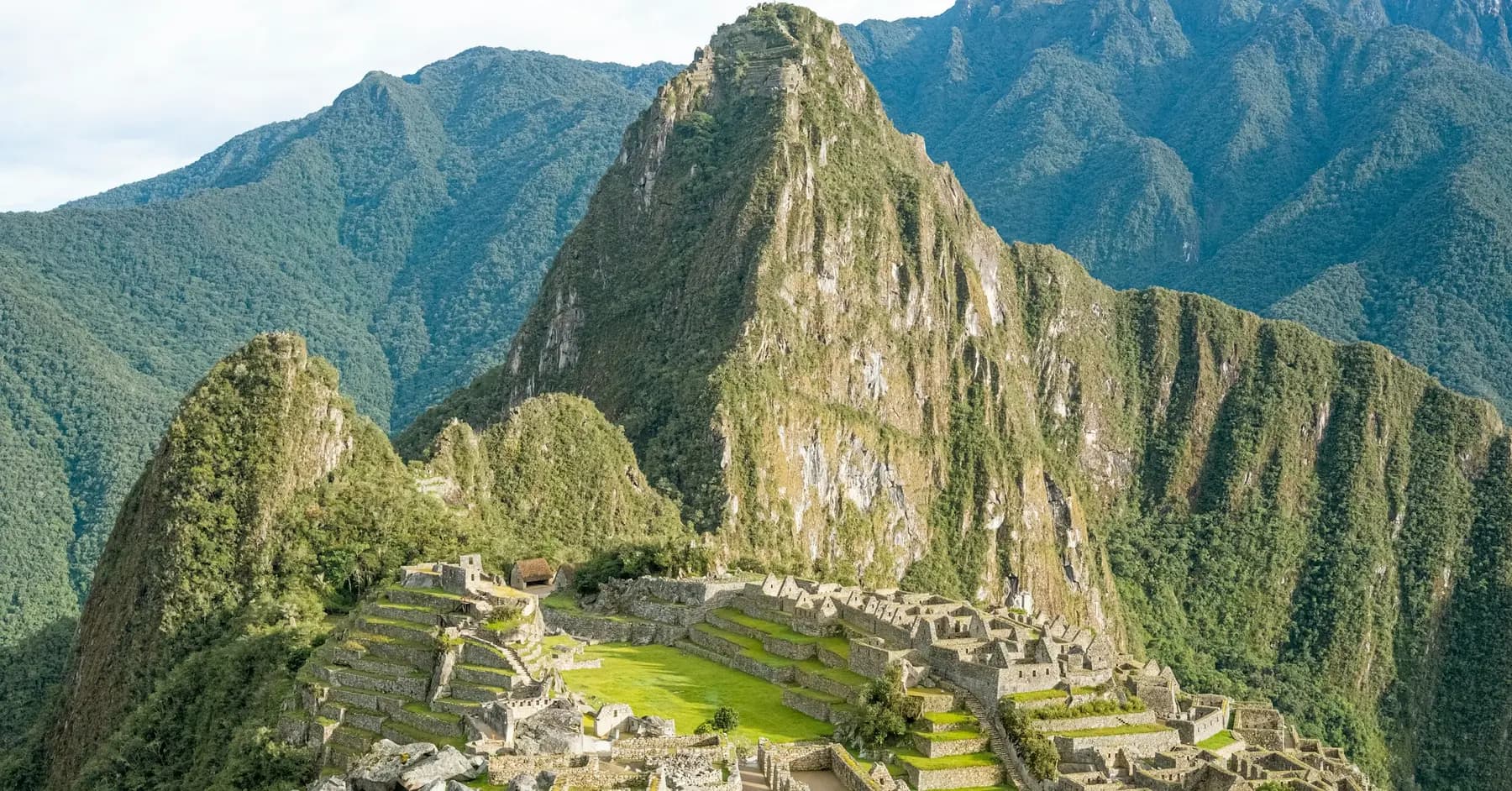
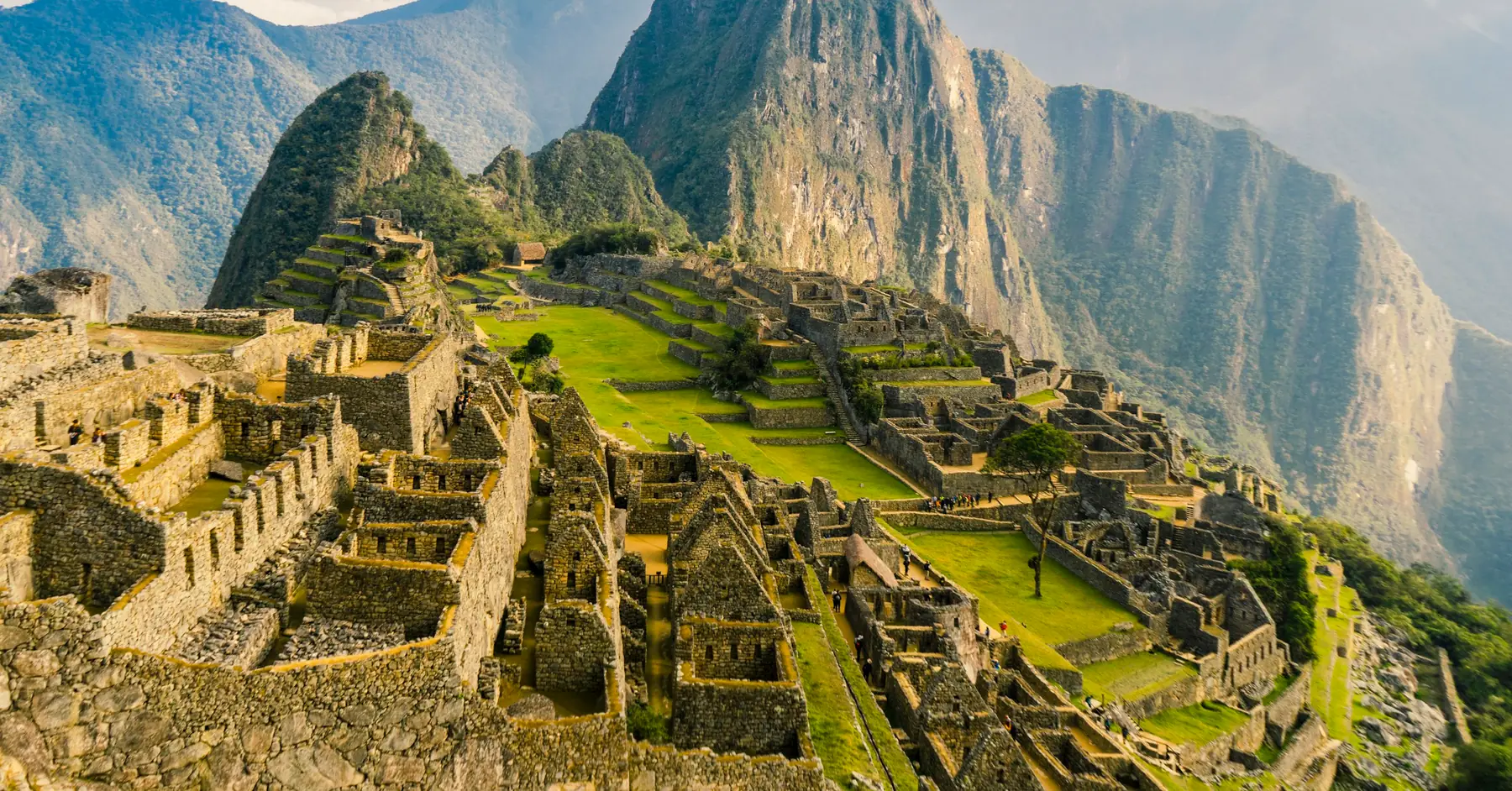
There are no roads to Machu Picchu's gates from Cusco. Most visitors get there by train to Aguas Calientes (also called Machu Picchu Pueblo), usually from Ollantaytambo in the Sacred Valley, then take a 25-minute shuttle bus up the mountain to the site. The alternatives are to walk in on the Inca Trail or another multi-day trek, or to take the budget route by road to Hidroeléctrica and walk the last stretch beside the railway.
Each option has its own costs, timings and trade-offs, and in 2026 the trains have been disrupted several times. This guide explains every route from Cusco step by step, compares them side by side, and covers the ticket rules you need to know before you go.
How to get to Machu Picchu at a glance
| Route | Time from Cusco | Rough cost | Best for |
|---|---|---|---|
| Road to Ollantaytambo + train | About 3.5 to 4 hours | Train fares from around US$50 one way, plus road transport | Most visitors; the fastest and easiest route |
| Bus + train package from Cusco (bimodal) | About 4 hours | Similar to the train, with the bus included | Not organising your own transfer |
| Classic Inca Trail | 4 days | Several hundred US dollars, through a licensed operator | The most famous trek, ending at the Sun Gate |
| Short Inca Trail | 1 long day of walking, usually as a 2-day trip | Less than the classic trail | A taste of the trail without camping |
| Salkantay, Lares or Inca Jungle treks | 3 to 5 days | Varies by operator | Trekkers without an Inca Trail permit |
| Road to Hidroeléctrica + walk | About 6 to 7 hours by road, then 2.5 to 3 hours on foot | The cheapest option | Budget travellers with time and energy |
Our short version: for most people, the best way to get to Machu Picchu is by road from Cusco to Ollantaytambo, then by train to Aguas Calientes, with a night there so you can visit the site early or without rushing. Walk the Inca Trail if you can get a permit and want the experience, and use Hidroeléctrica only if you're on a tight budget.
Step 1: Buy your Machu Picchu ticket first
Whatever route you choose, buy your entry ticket before you book anything else. Tickets are sold in hourly slots, with daily limits, and the popular routes and times sell out weeks or months ahead in the dry season.
In 2026, tickets were sold on the Ministry of Culture's official tuboleto.cultura.pe site and at authorised offices. They are issued in your name, must match your passport, and are valid for one date, one route and one entry time. Reported prices for foreign adults were 152 soles for the standard routes and 200 soles for the routes that include Huayna Picchu or Machu Picchu Mountain, plus an 11-sole conservation fee. A limited number of tickets are sold in person in Aguas Calientes each day, but don't rely on them in the high season.
Our guide to the best time to visit Machu Picchu explains the circuits, routes and daily limits in more detail.
Option 1: By train from Ollantaytambo (the main route)
This is how most visitors get to Machu Picchu. It's fast, comfortable and scenic, following the Urubamba River down from the Sacred Valley into the cloud forest.
Cusco to Ollantaytambo
Ollantaytambo is about 1.5 to 2 hours by road from Cusco. You can get there by:
- Shared van or colectivo: the cheapest option. They leave from central Cusco when full and only take cash.
- Taxi or private transfer: easier with luggage or an early train. Agree the price first.
- A Sacred Valley tour: many visitors combine the journey with a day in the valley, ending in Ollantaytambo for the evening train. This full-day Sacred Valley tour with Maras and Moray is one example; check where it finishes before you book.
Ollantaytambo is also a great place to spend a night, both for its Inca fortress and because it puts you close to the station for an early train. Our guide to where to stay in Cusco covers Ollantaytambo, the Sacred Valley and Aguas Calientes as well as the city.
Ollantaytambo to Aguas Calientes by train
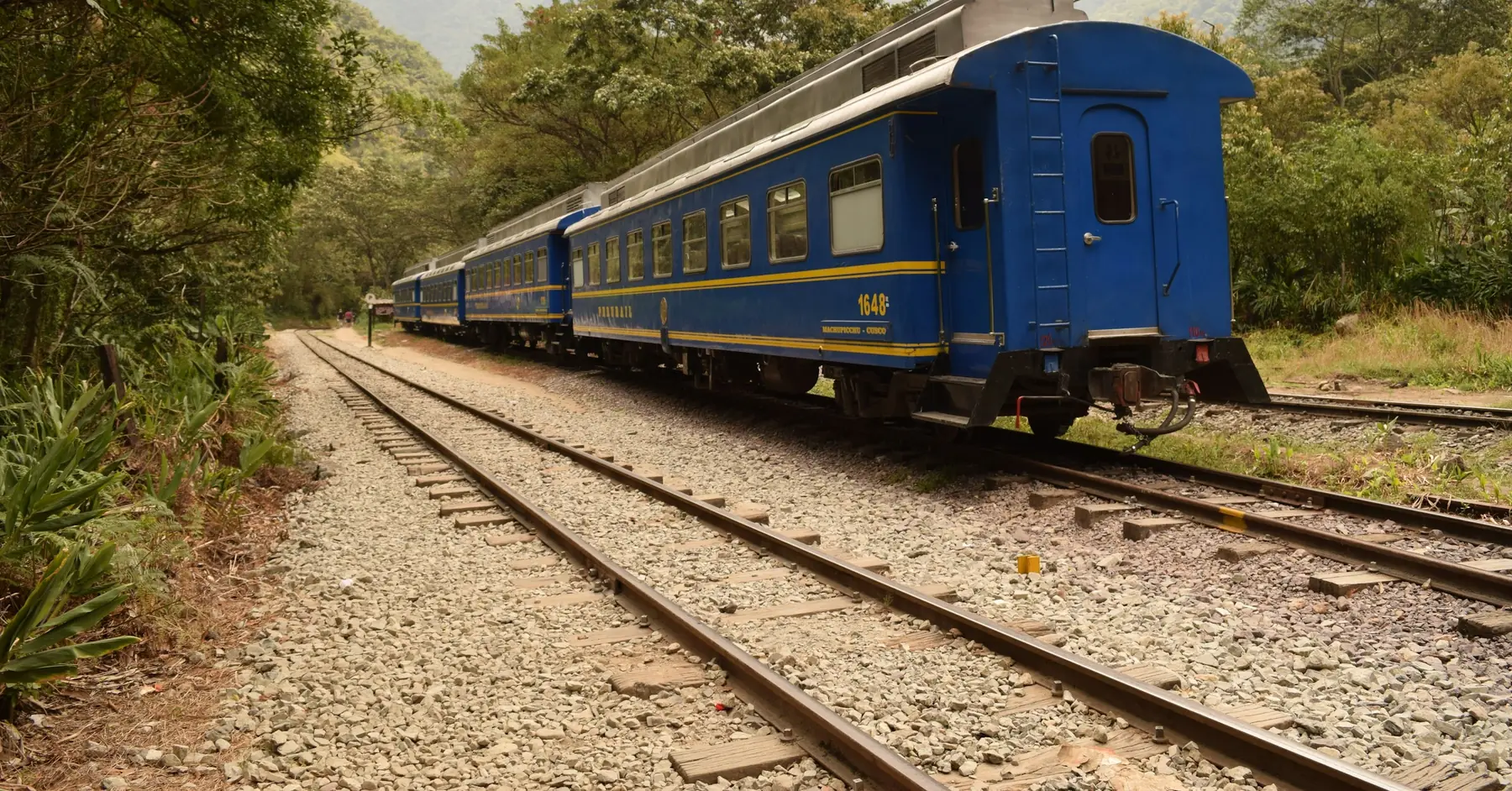
Two companies run trains on this line: PeruRail and Inca Rail. The journey takes about 1.5 to 2 hours. PeruRail's timetable shows Ollantaytambo to Machu Picchu in around 1 hour 30 to 1 hour 45 minutes, depending on the service.
- PeruRail: Expedition (the standard service), Vistadome and Vistadome Observatory (with bigger windows, a snack and entertainment on board), plus the luxury Belmond Hiram Bingham.
- Inca Rail: Voyager (standard), 360° (with a panoramic carriage) and First Class.
Fares change by date, time and demand, so check the operators' websites for live prices. As a rough guide, standard one-way fares on both companies have often been quoted at around US$50 to US$90 in 2026, with the panoramic services costing more and the luxury trains far more. Book early for the dry season, when the most convenient trains sell out.
Luggage: trains only allow a small bag, so leave your main luggage at your hotel in Cusco or Ollantaytambo. Check your operator's current limit when you book.
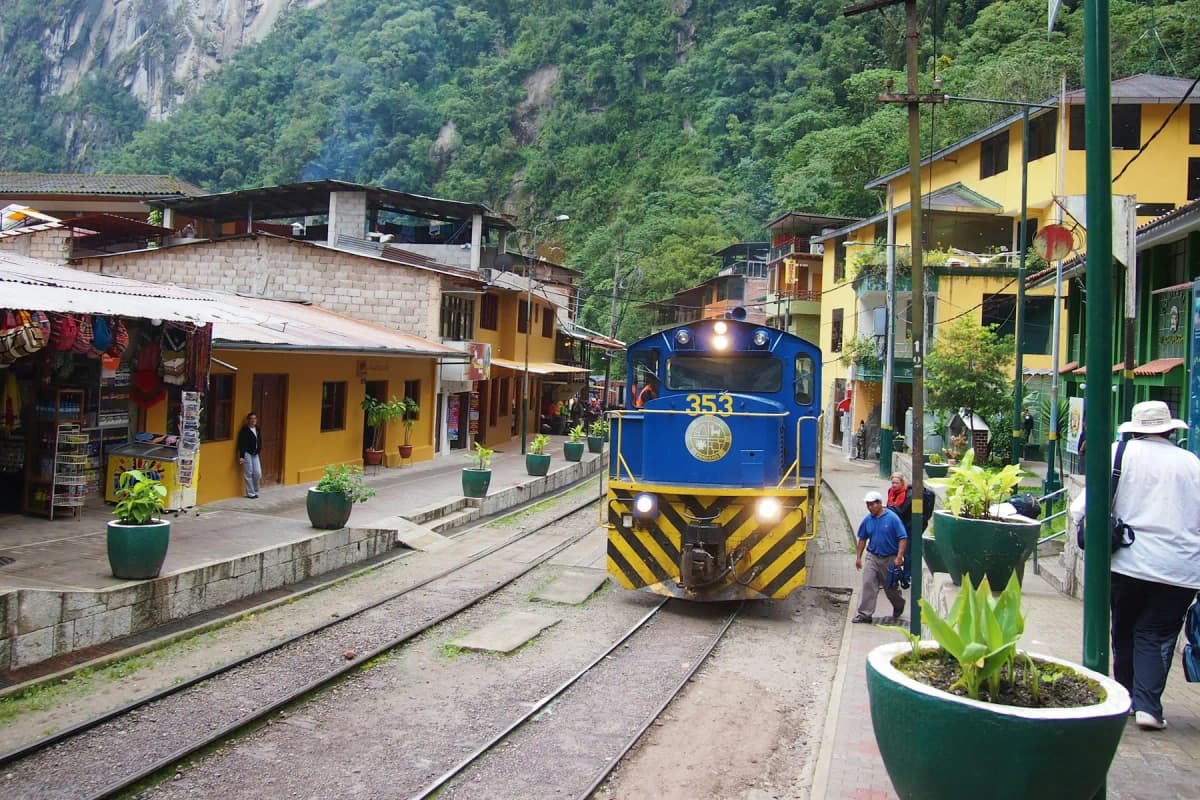 Photo:
Option 2: Bus and train from Cusco (bimodal service)
If you don't want to organise the road journey yourself, both train companies sell combined tickets from Cusco. A bus takes you from the city to a station in the Sacred Valley, and you continue by train. PeruRail runs its bimodal service from Wanchaq in Cusco, and its timetable shows the whole journey to Machu Picchu at around 4 hours. Since September 2025, some of these services have changed to the train at Pachar station, near Ollantaytambo.
Trains have also run directly from stations near Cusco, at Poroy and San Pedro, at times. These services take longer and have been affected by the 2026 disruptions, so check the current timetable before you plan around them.
From Aguas Calientes up to Machu Picchu
Aguas Calientes is the town at the foot of the mountain. From there, you have two choices.
- The shuttle bus: Consettur runs buses up the zigzag road to the entrance, taking about 25 minutes. Fares for foreigners have been widely reported at around US$24 return in 2026, though we couldn't find an official price list, so check locally. Buy tickets at the official office in town, or book a Machu Picchu shuttle bus ticket in advance. Queues for the first buses form well before dawn in the high season.
- On foot: a steep path of stone steps climbs from the bridge below the town to the entrance. Allow around 1.5 hours going up. It's free but tough, and it's best done in the cool of the early morning.
Many people take the bus up and walk down. Whichever you choose, allow plenty of time to reach the entrance before your ticket's entry slot.
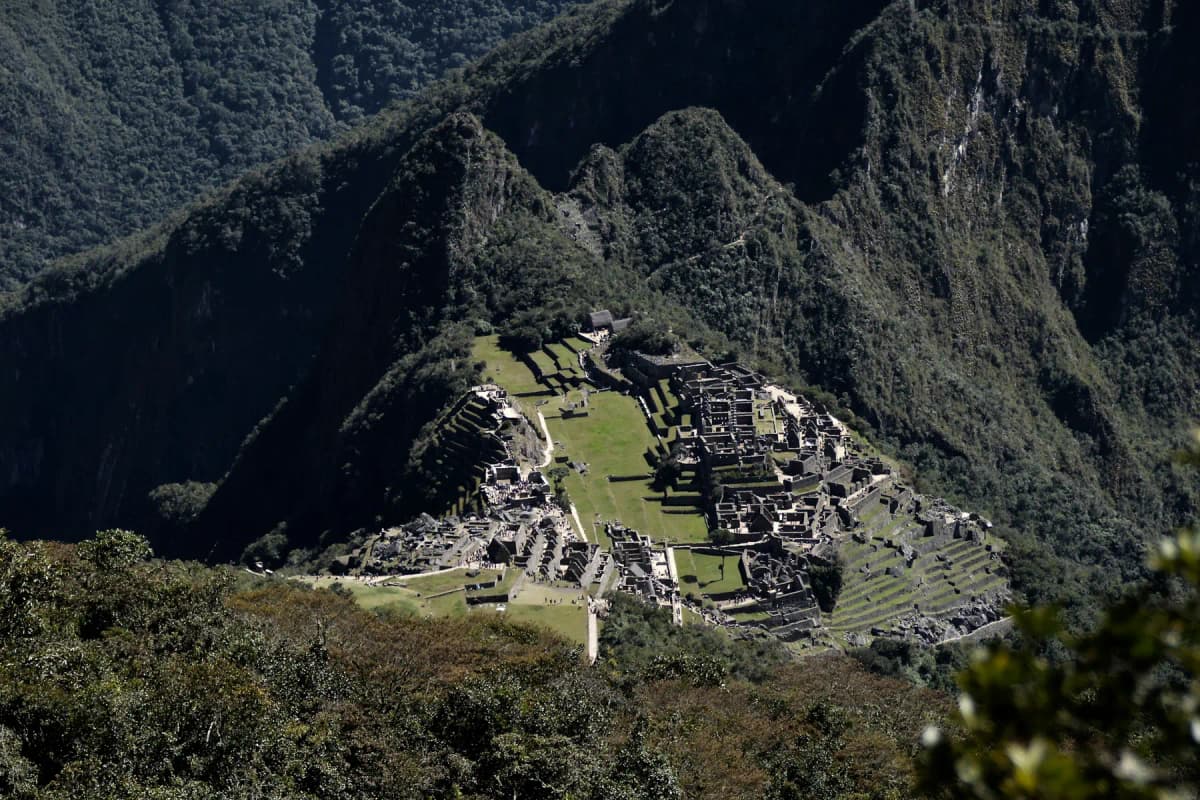 Photo:
Option 3: Hike the classic Inca Trail
The classic Inca Trail is the most famous way to reach Machu Picchu. It's a four-day trek of about 40 km on original Inca paths, passing ruins, cloud forest and the high pass of Warmiwañusca, at about 4,200 m. On the last morning, you arrive at Machu Picchu through the Sun Gate (Intipunku).
What you need to know:
- Permits: numbers are limited, and you can only hike with a licensed operator, which buys the permit for you. For the dry season, permits can sell out months in advance.
- February closure: the trail closes every February for maintenance.
- Fitness: you don't need to be an expert hiker, but the second day is a long, steep climb at high altitude. Spend a few days in Cusco first to acclimatise.
- What's included: operators usually provide guides, porters, tents and meals. Check exactly what's included, and how porters are treated, before you book.
If you're interested, this classic four-day Inca Trail tour is one option to compare against other licensed operators.
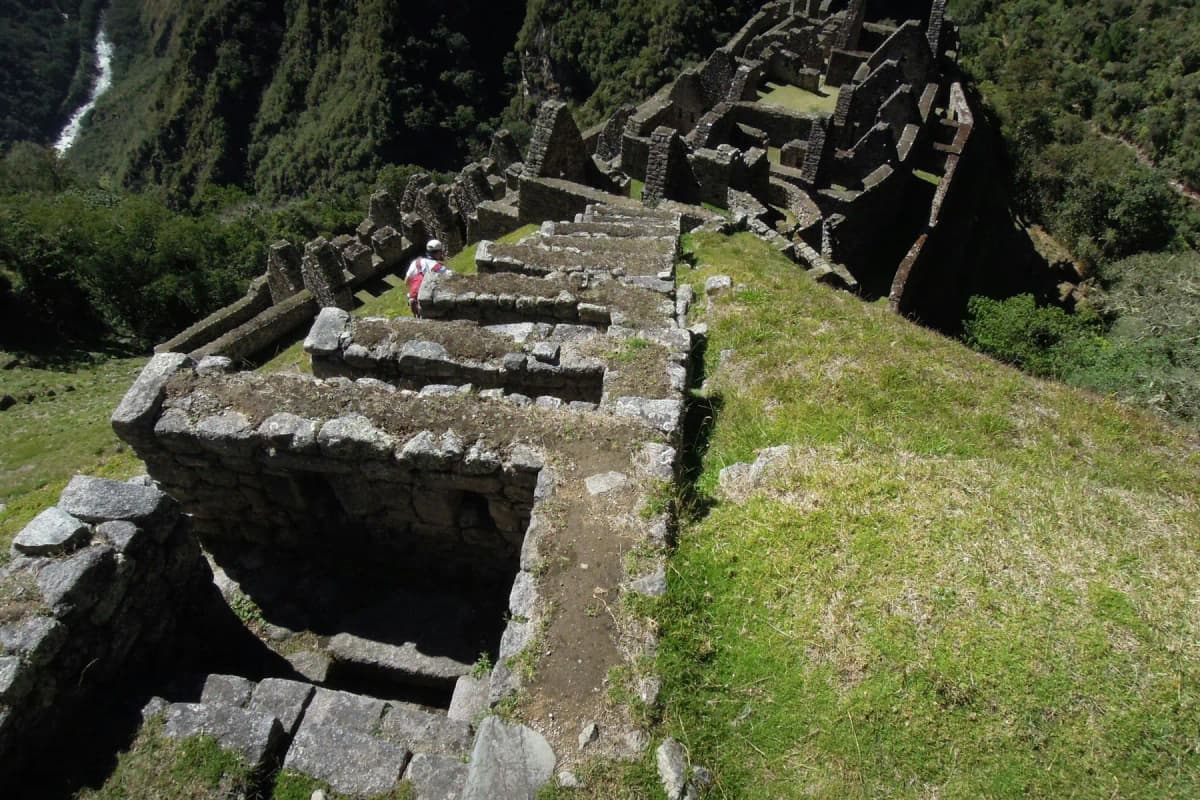 Photo: HYUNCHOL LIM on Unsplash
Option 4: The short Inca Trail
The short Inca Trail joins the main trail lower down, near the railway, and follows the final section past the ruins of Wiñay Wayna to the Sun Gate. It's a full day of walking, usually sold as a two-day trip with the train out, a night in Aguas Calientes and a guided visit to Machu Picchu the next morning. It still needs a permit, but it's easier to get and doesn't involve camping.
This two-day short Inca Trail tour is a typical example.
Option 5: Salkantay, Lares and other treks
If you can't get an Inca Trail permit, or you'd rather trek somewhere quieter, several other routes end near Machu Picchu. None of them needs an Inca Trail permit.
- Salkantay trek: usually four or five days, crossing a pass of over 4,500 m beneath the glaciated peak of Salkantay, then descending into the cloud forest to Aguas Calientes.
- Lares trek: a shorter, cultural route through Andean villages and high valleys, often with a stop at hot springs, ending with the train from Ollantaytambo.
- Inca Jungle trek: an adventure trip mixing mountain biking, rafting, zip-lining and walking, ending along the railway from Hidroeléctrica.
These treks all finish with a visit to Machu Picchu, but check that your entry ticket, train and bus are included.
Option 6: The budget route via Hidroeléctrica
The cheapest way to get to Machu Picchu is by road from Cusco to the hydroelectric plant at Hidroeléctrica, near Santa Teresa, then on foot beside the railway to Aguas Calientes.
- The road: minibuses take about 6 to 7 hours from Cusco, on a long and winding mountain road.
- The walk: about 10 to 11 km along the tracks, mostly flat, which takes 2.5 to 3 hours. There's also a train from Hidroeléctrica if you don't want to walk.
- The catch: it takes most of a day each way, and the road is prone to landslides in the wet season. Walk only on the path, never on the tracks or through the tunnels, and leave in time to arrive before dark.
You can do it independently, but most people book a package that includes transport, a night in Aguas Calientes and the Machu Picchu visit, such as this two-day overland trip to Machu Picchu.
Day trip or overnight?
You can visit Machu Picchu as a day trip from Cusco, leaving before dawn and returning late in the evening. It's long, and you'll only have a few hours at the site, usually in the busiest part of the day. If time is short, a Machu Picchu day trip from Cusco takes care of the trains, bus, ticket and guide in one booking.
If you can spare an extra night, stay in Aguas Calientes or Ollantaytambo. You can pick an early or late entry slot, visit without watching the clock, and recover from the early start. This two-day Machu Picchu tour by train includes a night in Aguas Calientes.
A sample two-day plan:
- Day 1: travel from Cusco to Ollantaytambo in the morning (or tour the Sacred Valley), take an afternoon train to Aguas Calientes and stay the night.
- Day 2: take an early bus up to Machu Picchu, visit with a guide, then return by train in the afternoon and continue to Cusco by road.
Train disruptions in 2026
The railway to Aguas Calientes is the only practical way in apart from walking, so disruption has a big effect. In 2026, PeruRail and Inca Rail suspended trains from Ollantaytambo after a fire and a rockslide on 4 August, and on 2 October two trains collided near Pampacahua, causing delays before services resumed, according to the US Embassy in Peru. Protests and wet-season landslides have stopped trains at other times.
To protect your trip:
- Check PeruRail or Inca Rail for updates close to your travel date.
- Keep a spare day between Machu Picchu and your flight home.
- Book with an operator that will rebook you if trains are cancelled, and keep their contact details on your phone.
- Get travel insurance that covers delays and medical treatment.
Tips for getting to Machu Picchu
- Book in this order: entry ticket, then trains, then hotels. Your train times should leave at least an hour between arriving in Aguas Calientes and catching the bus to your entry slot.
- Bring your passport: the same one you used to buy your entry ticket. You'll need it at the entrance.
- Pack light: trains only allow a small bag, and large bags aren't allowed inside the site.
- Carry cash: for colectivos, bus tickets and snacks in Aguas Calientes.
- Stay connected: a Peru eSIM makes it easier to check train updates and find your guide, though coverage can be patchy in the valley.
- Arrive in Cusco by air with a transfer booked: if you're landing on an early flight, a private transfer from Cusco airport saves haggling with taxis.
For more on the region, see our guides to the best things to do in Cusco, the best day trips from Cusco and our Peru itinerary.
Frequently asked questions
What is the easiest way to get to Machu Picchu? By road from Cusco to Ollantaytambo, then by train to Aguas Calientes and by shuttle bus up to the site. You can also buy a combined bus and train ticket from Cusco.
How long does it take to get from Cusco to Machu Picchu? About 3.5 to 4 hours by road and train to Aguas Calientes, plus around 25 minutes on the bus up to the entrance. The Hidroeléctrica route takes most of a day, and the classic Inca Trail takes four days.
Can you drive to Machu Picchu? No. There's no road from Cusco to Aguas Calientes. You can drive as far as Ollantaytambo or Hidroeléctrica, then continue by train or on foot.
Do you need a permit for the Inca Trail? Yes. Permits are limited, sold only through licensed operators and can sell out months in advance for the dry season. The trail closes every February.
What is the cheapest way to get to Machu Picchu? The road to Hidroeléctrica, followed by a 2.5 to 3 hour walk beside the railway to Aguas Calientes. It's cheap, but it takes most of a day each way.
Can you walk from Aguas Calientes to Machu Picchu? Yes. A steep path of stone steps climbs from the bridge below the town to the entrance. Allow around 1.5 hours going up.
Do you need a guide at Machu Picchu? Visits are guided under the current rules, with small groups led by an official guide. Many visitors book a guide in advance, while others hire one at the entrance.
How we researched this guide
We checked train routes and journey times against PeruRail's published timetable, the 2026 ticket rules against reports of the Ministry of Culture's regulations and the official ticket site, and train disruptions against the US Embassy in Peru. Bus fares, train prices and Hidroeléctrica walking times come from several operators and travel guides, and they vary, so we've given ranges. We also read the UK government's travel advice for Peru, which warns that trains to Machu Picchu are sometimes suspended during protests. All of this was checked in October 2026. Prices, timetables and rules change often, so confirm them with the operators before you travel. Found something out of date? Let us know.