Best Time to Visit Peru: Month-by-Month Guide (2027)
October 25, 2026 · Peru
This post contains affiliate links. We may earn a commission if you book through them, at no extra cost to you. Disclaimer.
The best time to visit Peru for most trips is May to September, the dry season in the Andes. Those are the months for Machu Picchu, the Inca Trail, Cusco and Lake Titicaca, with clear skies, sunny days and very cold nights. April, October and early November are the best compromise: still mostly dry in the mountains, greener and less crowded. The coast works the other way round. Lima is sunny from December to April and grey for much of the dry season in the mountains, so a single "best month" depends on where you're going.
Peru packs desert coast, high Andes and Amazon rainforest into one country, and each has its own weather. This guide explains the three climate zones, goes through the year month by month, and covers the best time for Machu Picchu, the Inca Trail, the high hikes, Lake Titicaca, the Amazon and Lima, with the main festivals and holidays for 2027.
Best time to visit Peru at a glance
| Region | Best time | Wettest or least pleasant | What to expect |
|---|---|---|---|
| Andes (Cusco, Sacred Valley, Machu Picchu) | May to September | December to March | Dry, sunny days and freezing nights in the dry season; afternoon rain in the wet season |
| Lake Titicaca (Puno) | May to October | December to March | Bright days, nights below zero in June and July |
| Lima and the central coast | December to April | June to October (grey, not wet) | Sunny and warm in summer; overcast and cool in winter |
| Southern coast (Paracas, Huacachina, Nazca) | All year | None | Desert climate, sunniest from December to April |
| Amazon (Iquitos, Puerto Maldonado) | June to October (drier months) | December to April | Hot and humid all year; rain is possible in any month |
| Arequipa and Colca Canyon | April to November | January to March | Dry and sunny most of the year, with a short rainy season |
Our short version: for a first trip built around Cusco and Machu Picchu, go between May and September, or in April or October if you'd rather avoid the peak crowds. If Lima's beaches and food scene matter as much as the mountains, aim for April or early May, when the coast is still sunny and the Andes are drying out.
Peru's three climate zones
The Andes: dry winter, wet summer
The Andes have two seasons, and the difference between them is rain rather than temperature. Cusco sits at about 3,400 m, and its daytime highs stay around 20 to 22°C all year. What changes is the rain and the nights.
| Cusco (long-term averages) | Jan | Feb | Mar | Apr | May | Jun | Jul | Aug | Sep | Oct | Nov | Dec |
|---|---|---|---|---|---|---|---|---|---|---|---|---|
| Average high (°C) | 20.5 | 20.3 | 20.5 | 21.0 | 21.2 | 20.8 | 20.6 | 21.5 | 21.7 | 21.9 | 22.3 | 21.1 |
| Average low (°C) | 8.0 | 8.0 | 7.8 | 6.2 | 3.6 | 1.9 | 1.2 | 2.8 | 5.0 | 6.8 | 7.6 | 7.8 |
| Rainfall (mm) | 153 | 132 | 106 | 38 | 7 | 3 | 6 | 7 | 18 | 55 | 77 | 125 |
| Rainy days | 20 | 17 | 16 | 7 | 2 | 1 | 1 | 2 | 4 | 9 | 10 | 17 |
Figures for Cusco airport, from NOAA and Meteo Climat climate normals. Rainy days are days with at least 1 mm.
From May to September, rain is rare. Cusco averages one or two rainy days a month in June, July and August, and the skies are often a deep, clear blue. The catch is the cold: nights drop to around freezing, and many guesthouses have little or no heating.
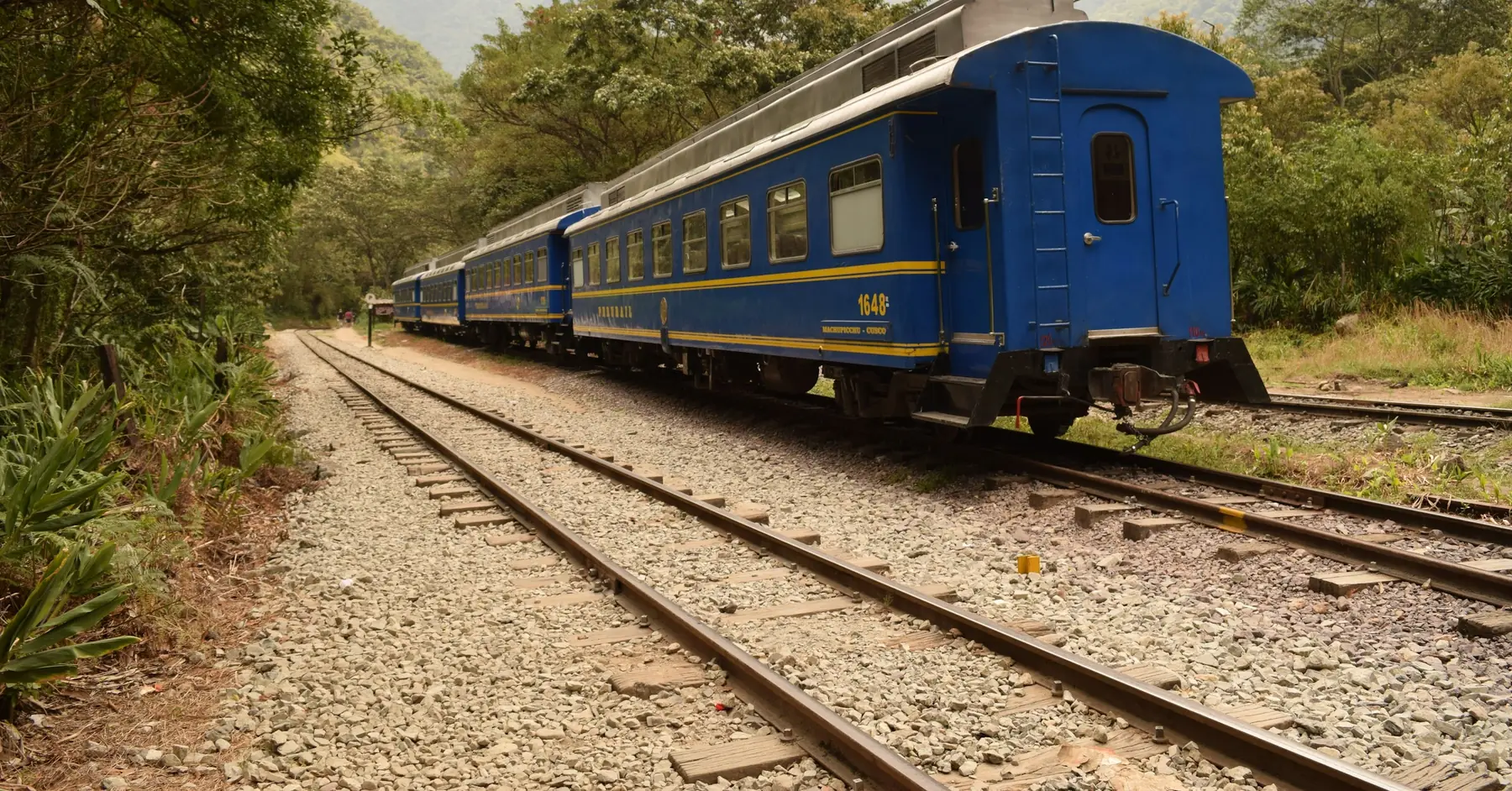
From December to March, it rains on most days, usually in the afternoon or overnight rather than all day. Mornings are often clear. The hills turn green, the crowds thin out and prices for hotels and tours can be lower, but trails get muddy, landslides sometimes close roads and the railway, and mountain views are often hidden by cloud.
April, October and November sit in between. April is drying out after the rains, with green landscapes and fewer visitors. October and November bring the first showers, but there are still plenty of dry days.
The coast: sunny summer, grey winter
Lima and the central coast are a desert. It almost never rains: Lima airport averages about 6 mm of rain in a whole year. Instead, the coast has a sunny season and a grey one.
| Lima (long-term averages) | Jan | Feb | Mar | Apr | May | Jun | Jul | Aug | Sep | Oct | Nov | Dec |
|---|---|---|---|---|---|---|---|---|---|---|---|---|
| Average high (°C) | 26.8 | 28.0 | 27.6 | 25.4 | 22.8 | 20.5 | 19.6 | 19.2 | 19.6 | 20.8 | 22.4 | 24.4 |
| Average low (°C) | 20.4 | 21.0 | 20.5 | 18.7 | 17.3 | 16.6 | 15.9 | 15.4 | 15.3 | 16.0 | 17.1 | 18.6 |
| Sunshine (hours per month) | 185 | 166 | 189 | 182 | 113 | 45 | 36 | 29 | 35 | 60 | 103 | 130 |
Figures for Jorge Chávez airport, 1991 to 2020 climate normals.
From December to April, it's summer on the coast: warm, sunny and the season for Lima's beaches. From about June to October, a low layer of cloud settles over the city for weeks at a time. Locals call it the garúa, after the fine drizzle that sometimes falls from it. August averages under an hour of sunshine a day. It's mild rather than cold, and it doesn't stop you enjoying Lima's museums and restaurants, but don't expect blue skies. See our guide to the best things to do in Lima for ideas that work in any weather.
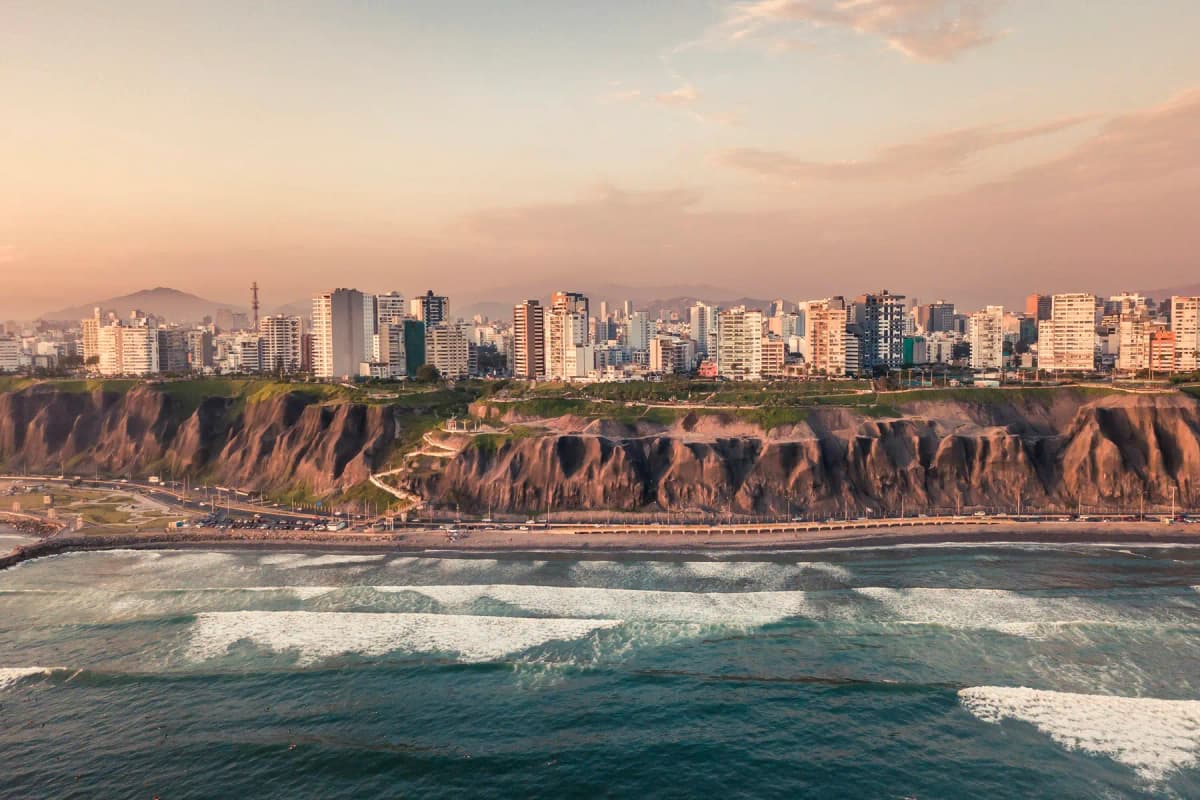 Photo: Willian Justen de Vasconcellos on Unsplash
The southern coast, around Paracas, Huacachina and Nazca, is drier and sunnier than Lima and good to visit at any time. Winter mornings can still be hazy, and Paracas Bay is often windy in the afternoons.
The Amazon: hot, humid and wet
The Peruvian Amazon is hot all year, with highs of about 31 to 33°C in Iquitos, and it rains in every month. The difference is how much. Iquitos averages around 280 mm in the wettest months and around 170 mm in July and August, the driest.
The rains also control the rivers. Around Iquitos, the Amazon is highest around May and lowest around October, when it can be several metres lower. High water lets boats reach deeper into the flooded forest, while low water exposes beaches and trails, which can make some wildlife easier to spot. In the southern Amazon around Puerto Maldonado, the drier months from about May to October are the most popular, with less mud on the trails.
Peru month by month
| Month | Andes | Coast (Lima) | Amazon | Verdict |
|---|---|---|---|---|
| January | Wet | Hot, sunny | Very wet | Coast and beaches; Andes for budget travellers |
| February | Wettest; Inca Trail closed | Hot, sunny | Very wet | Best avoided for hiking |
| March | Wet, easing late | Hot, sunny | Very wet | Quiet and green; still rainy in the mountains |
| April | Drying out | Warm, sunny | Wet | Good all-round month, few crowds |
| May | Dry, green | Clouding over | Drier | One of the best months overall |
| June | Dry, cold nights | Grey | Drier | Great, but busy around Inti Raymi |
| July | Dry, coldest nights | Grey | Dry | Peak season; book early |
| August | Dry, windy | Grey | Driest | Peak season; book early |
| September | Dry, warming | Grey | Dry | Excellent; slightly quieter |
| October | First showers | Grey, brightening | Low water | Good value shoulder month |
| November | Showers increase | Brightening | Wet | Mixed; good deals |
| December | Wet | Warm, sunny | Wet | Coast and festive season |
January and February are the heart of the wet season in the Andes. February is the wettest month and the Inca Trail closes for maintenance, although Machu Picchu itself stays open. These are, however, the best months for Lima and the coast. March is still wet in the mountains, but the rain usually eases towards the end of the month.
April is a great month to go if you want the Andes green and quiet. Rain becomes less frequent, the landscapes are at their lushest and the big crowds haven't arrived. Easter week can be busy, so check the dates (see the festival table below).
May is one of the best months of the year. The dry season has started, the countryside is still green after the rains, and the peak season hasn't fully begun. June, July and August are the classic dry months, with the most reliable sunshine in the Andes and the coldest nights. They're also the busiest. Machu Picchu runs at its higher daily capacity, Inca Trail permits sell out, and late July is the start of Peru's national holidays, when domestic travel peaks.
September has the same dry weather with slightly warmer nights and fewer visitors than July and August. It's one of our favourite months for the mountains. October brings the first showers and good value, while November is more mixed. By December, the rains are back in the Andes and Lima's summer is starting.
Best time for Machu Picchu
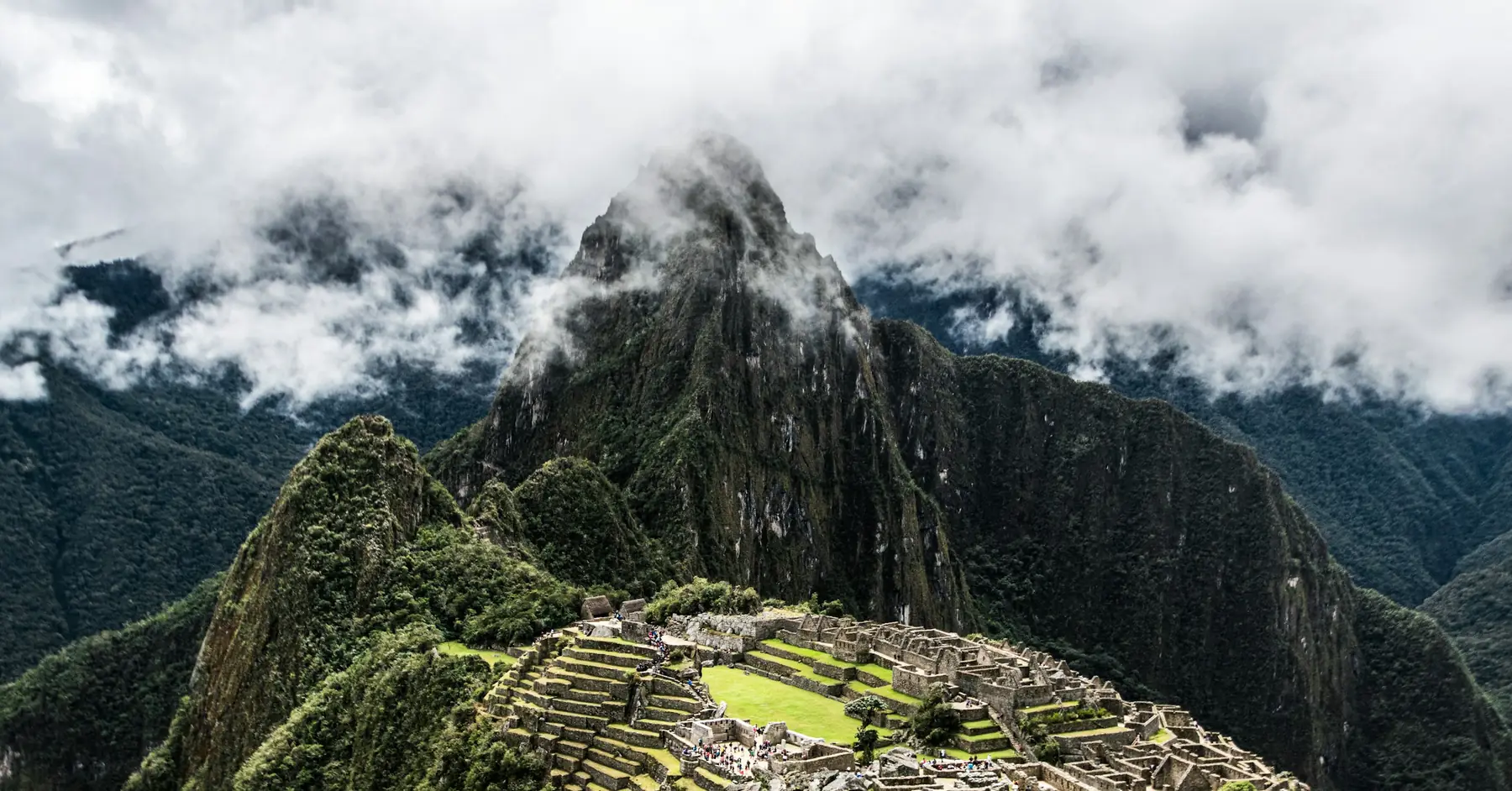
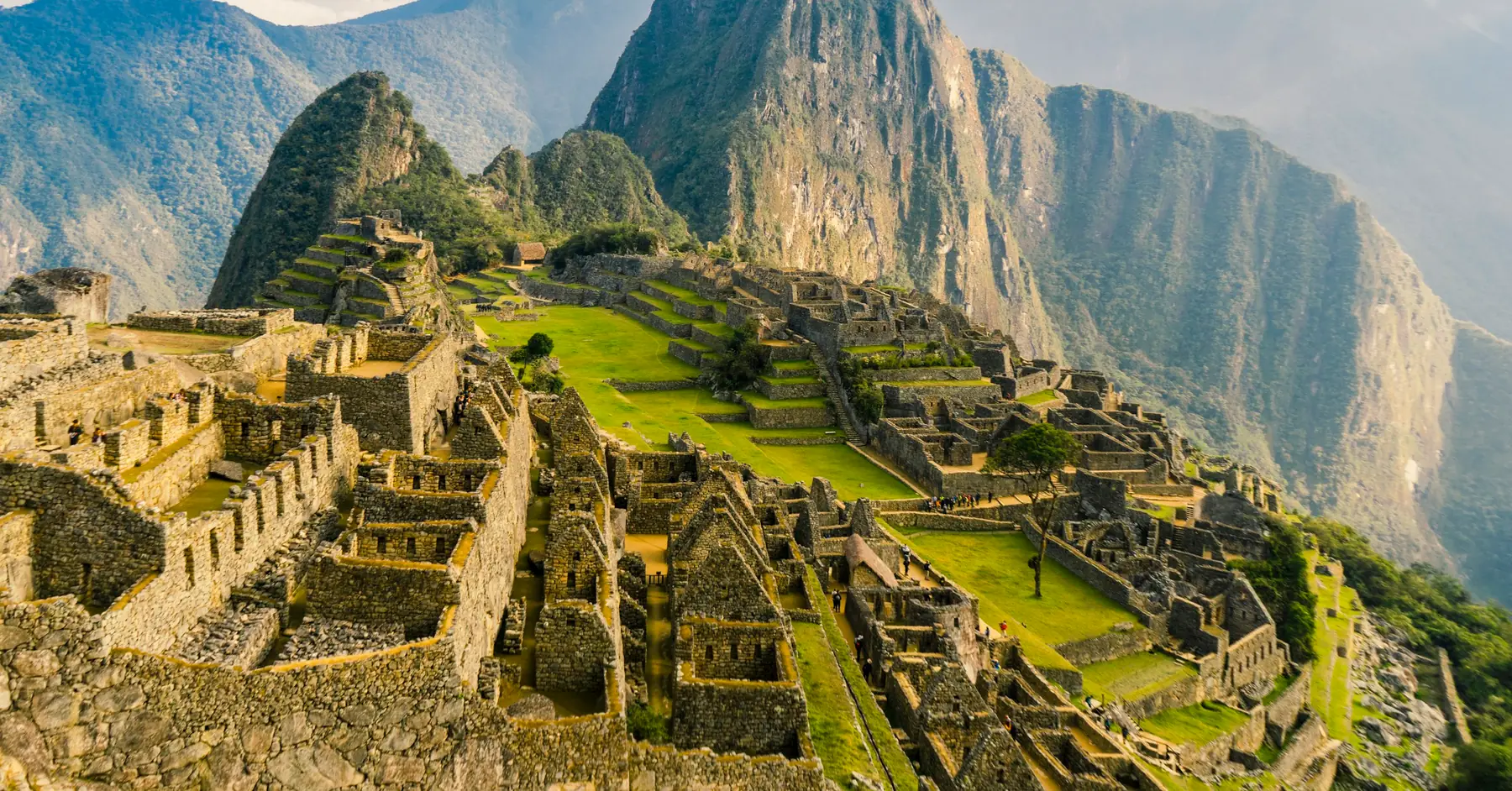
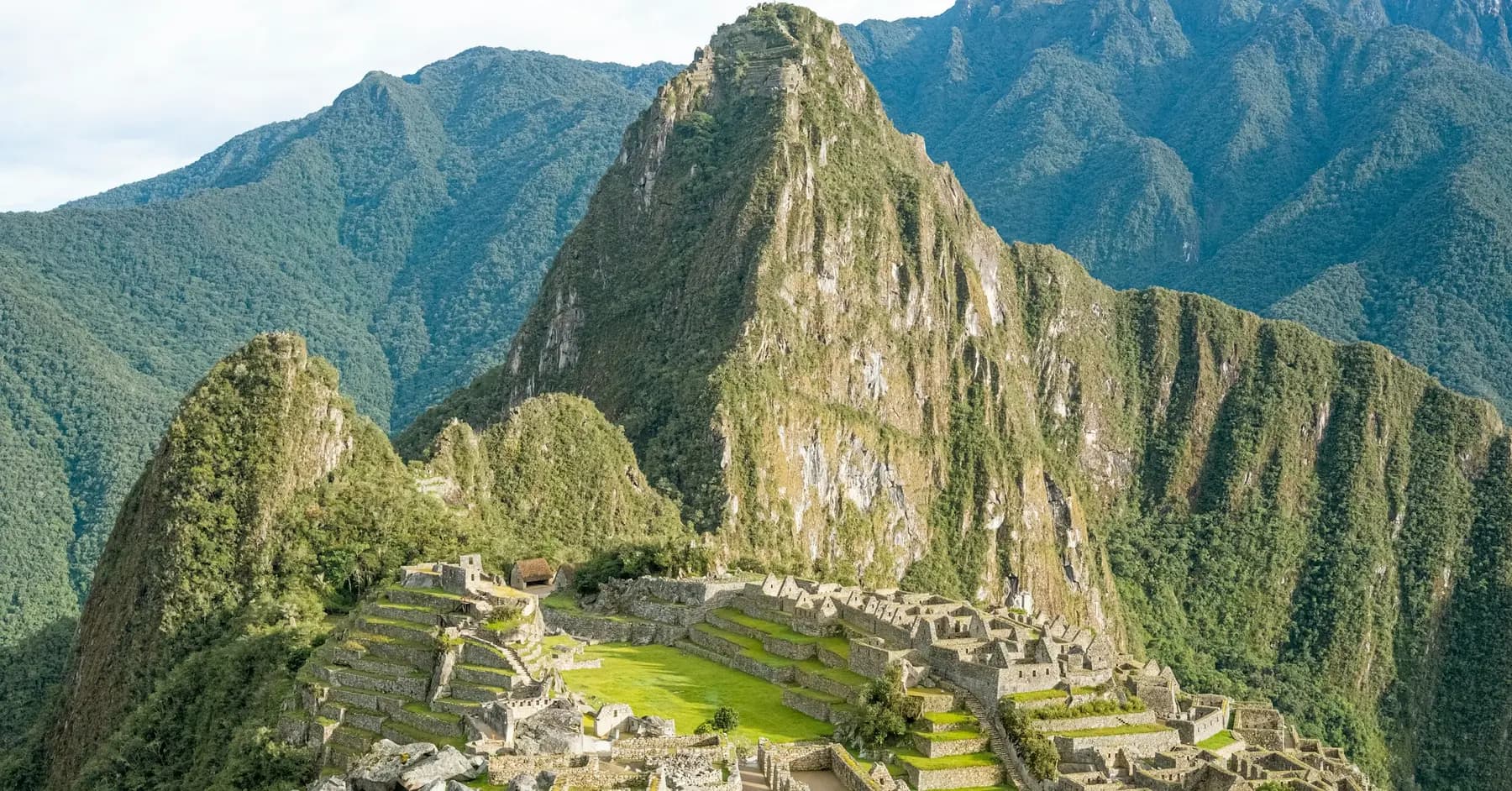
The best time to visit Machu Picchu is May to September, when the chance of a clear view is highest. April, May and September to early October are the sweet spot if you want dry weather with smaller crowds.
Machu Picchu is lower and warmer than Cusco, at about 2,400 m, and it sits on the edge of the cloud forest, so mist is possible in any season. In the wet season, early mornings are often cloudy, but the cloud sometimes lifts later in the day. Our full guide to the best time to visit Machu Picchu covers the months, the best time of day and how the daily ticket limits change through the year.
Plan ahead: in 2026, Machu Picchu's higher daily capacity of 5,600 visitors applied from 19 June to 2 November, dropping to 4,500 for the rest of the year, according to reports of the Ministry of Culture's rules. Tickets are timed and tied to your passport, so book on the official tuboleto.cultura.pe site as soon as you know your dates. If you'd rather not organise the train, bus and ticket yourself, a Machu Picchu day trip from Cusco packages them together.
Best time for the Inca Trail
The classic four-day Inca Trail is best from May to September, the dry season. April and October are also good, with a little more chance of rain. The trail closes every February for maintenance, and January and March are wet and muddy.
Permits are limited and sold only through licensed operators. For the dry season, they can sell out months in advance, so book as soon as you can. If the permits for your dates have gone, or you'd rather not camp, the two-day short Inca Trail is a popular alternative. Our guide on how to get to Machu Picchu compares the Inca Trail with the train and the other treks.
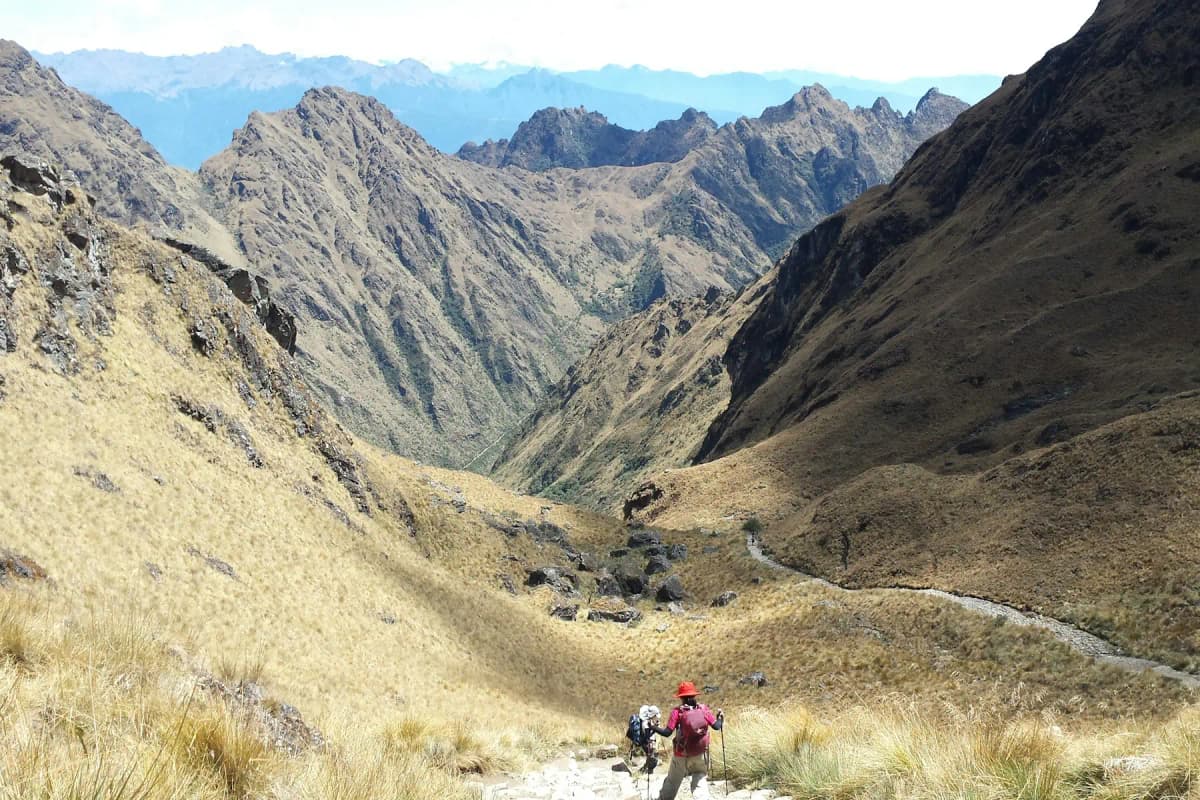 Photo: Juan Carlos on Unsplash
Best time for Rainbow Mountain and the high hikes
Rainbow Mountain (Vinicunca), Palccoyo and Humantay Lake are all above 4,000 m, and they're at their best in the dry season, from May to September. Skies are clearer and the trails are dry, though early mornings are well below freezing. In the wet season, cloud often hides the views, and snow can cover the coloured stripes after a storm. Whatever the month, acclimatise in Cusco for a few days before you go. Our guide to the best day trips from Cusco explains which hikes to do and in what order, and this Rainbow Mountain full-day tour includes transport from Cusco.
Best time for Lake Titicaca
May to October is the best time to visit Lake Titicaca and Puno, with dry, bright days. Puno is higher than Cusco, at about 3,800 m, and much colder at night: the average low is below zero in June and July, so pack warm layers and check that your room has heating. From December to March, expect afternoon storms and rain on most days.
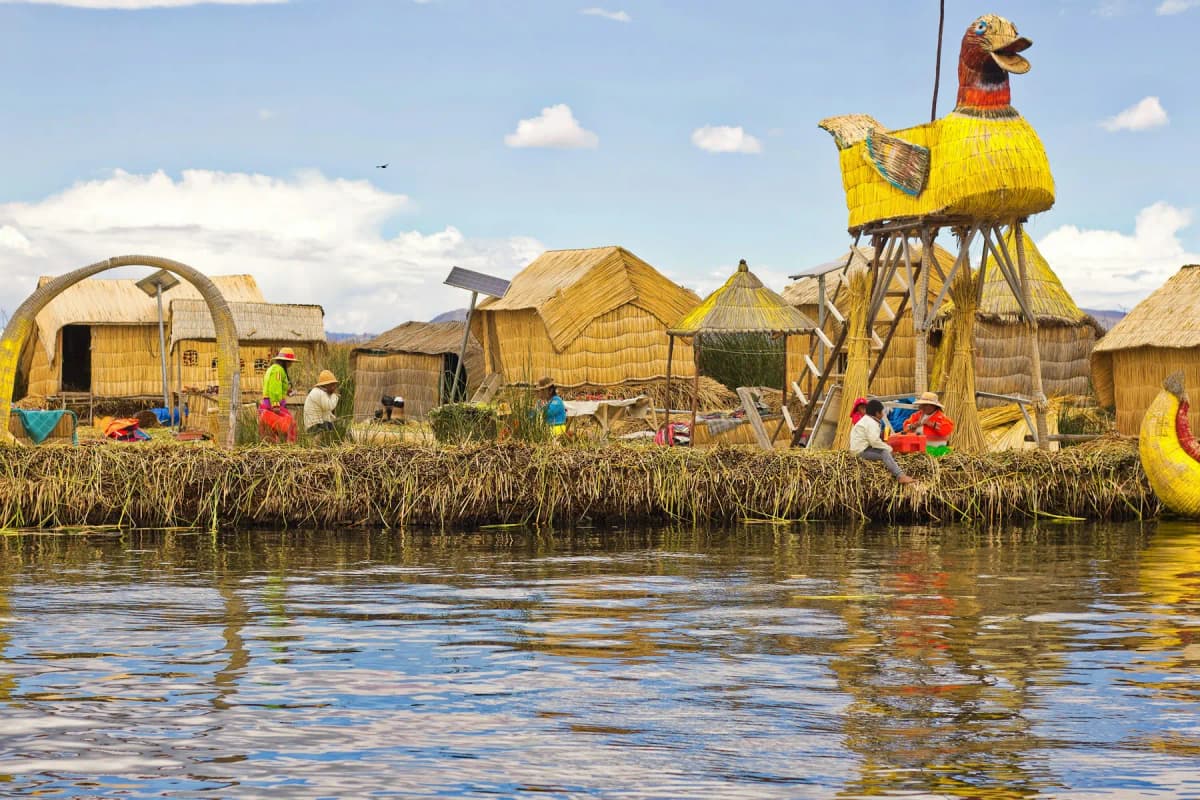 Photo: Jeison Higuita on Unsplash
Most visitors take a boat trip to the reed islands of the Uros and to Taquile, which you can do on a Lake Titicaca full-day tour to the Uros and Taquile islands. Puno's biggest festival, the Virgen de la Candelaria, takes place in February, in the middle of the rainy season.
Best time for the Amazon
The drier months, from about June to October, are the most popular time to visit the Peruvian Amazon. Trails are less muddy, and around Iquitos the falling river opens up beaches and walking routes. The high-water months, roughly December to May, are better for exploring the flooded forest by canoe. Rain is possible all year, and it's always hot and humid, so bring light, quick-drying clothes and a good insect repellent.
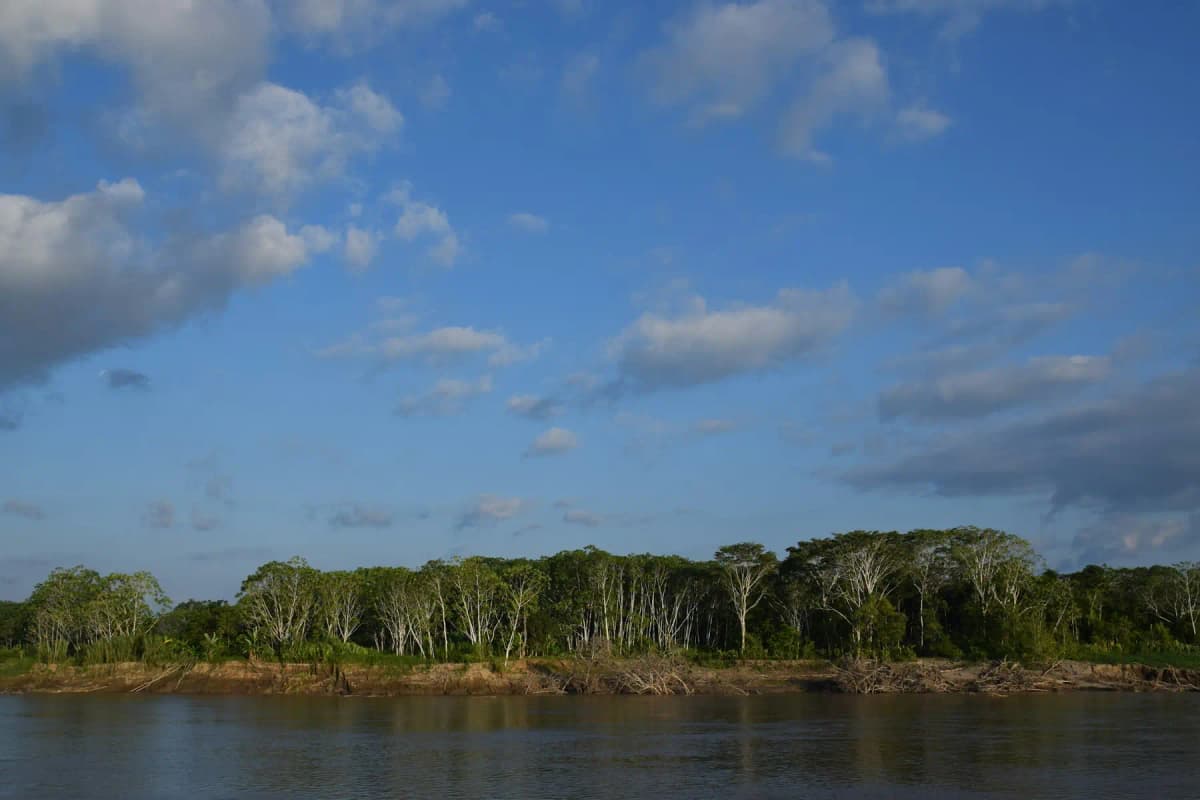 Photo: Anthony Bringas on Unsplash
Best time for Lima, Paracas and Nazca
For blue skies and the beach, visit Lima between December and April. Lima is still worth a stop at other times, especially for its food, but from June to October the city is usually grey and cool. If you're planning where to base yourself, see our guide to where to stay in Lima.
Paracas, the Ballestas Islands, the Huacachina oasis and the Nazca Lines can be visited all year, and they're often sunny even when Lima is grey. A Paracas and Huacachina full-day tour is an easy way to see both from Lima, and you can also book a Nazca Lines scenic flight with transport from Lima. Flights over the lines depend on visibility, so leave some flexibility in case of morning haze.
Best time for Arequipa and the Colca Canyon
Arequipa, at about 2,300 m, is dry and sunny for most of the year, with a short rainy season from about January to March. April to November is the best time for the city and the nearby Colca Canyon, where Andean condors are often seen at the Cruz del Cóndor viewpoint in the morning.
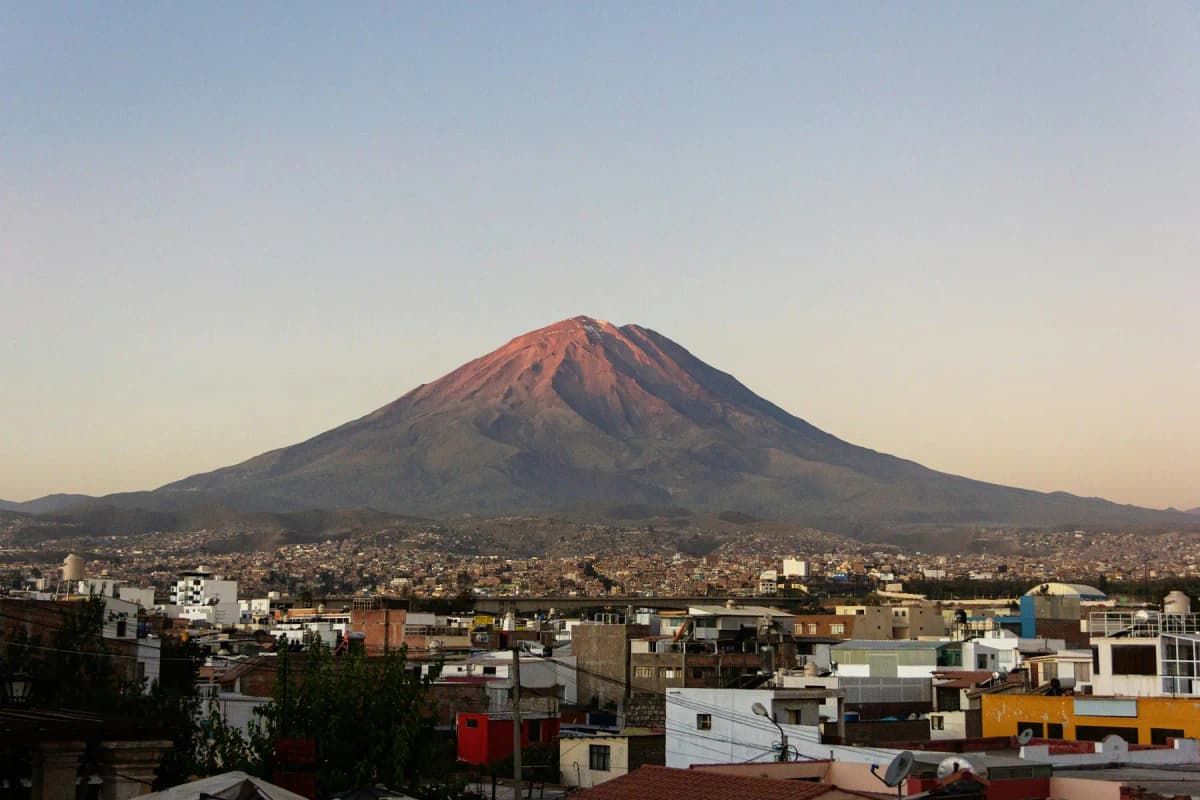 Photo: Laurie Byrne on Unsplash
Peru festivals and holidays in 2027
Festivals can be the highlight of a trip, but they also fill hotels and push up prices. These are the main dates to know for 2027. Moveable dates follow Easter, which falls on 28 March in 2027, and some festivals run over several days, so check local programmes before you book.
| Festival or holiday | 2027 date | Where | What to expect |
|---|---|---|---|
| Virgen de la Candelaria | Early to mid-February (main day 2 February) | Puno | Huge dance and music festival; book Puno early |
| Carnival | About 6 to 9 February | Across Peru, especially Cajamarca and the Andes | Water fights and parades |
| Holy Week (Semana Santa) | 21 to 28 March (holidays 25 and 26 March) | Across Peru, especially Cusco and Ayacucho | Processions; busy domestic travel |
| Qoyllur Rit'i | Late May (before Corpus Christi) | Sinakara valley, near Ocongate | High-altitude Andean pilgrimage |
| Corpus Christi | 27 May | Cusco | Saints carried through the Plaza de Armas |
| Inti Raymi | 24 June | Cusco and Sacsayhuamán | Inca festival of the sun; Cusco's busiest week |
| Fiestas Patrias | 28 and 29 July | Nationwide | Independence holidays; peak domestic travel |
| Señor de los Milagros | October | Lima | Large purple-clad processions |
| All Saints and Day of the Dead | 1 and 2 November | Nationwide | Family visits to cemeteries |
| Christmas and New Year | 24 December to 1 January | Nationwide | Busy beaches on the coast |
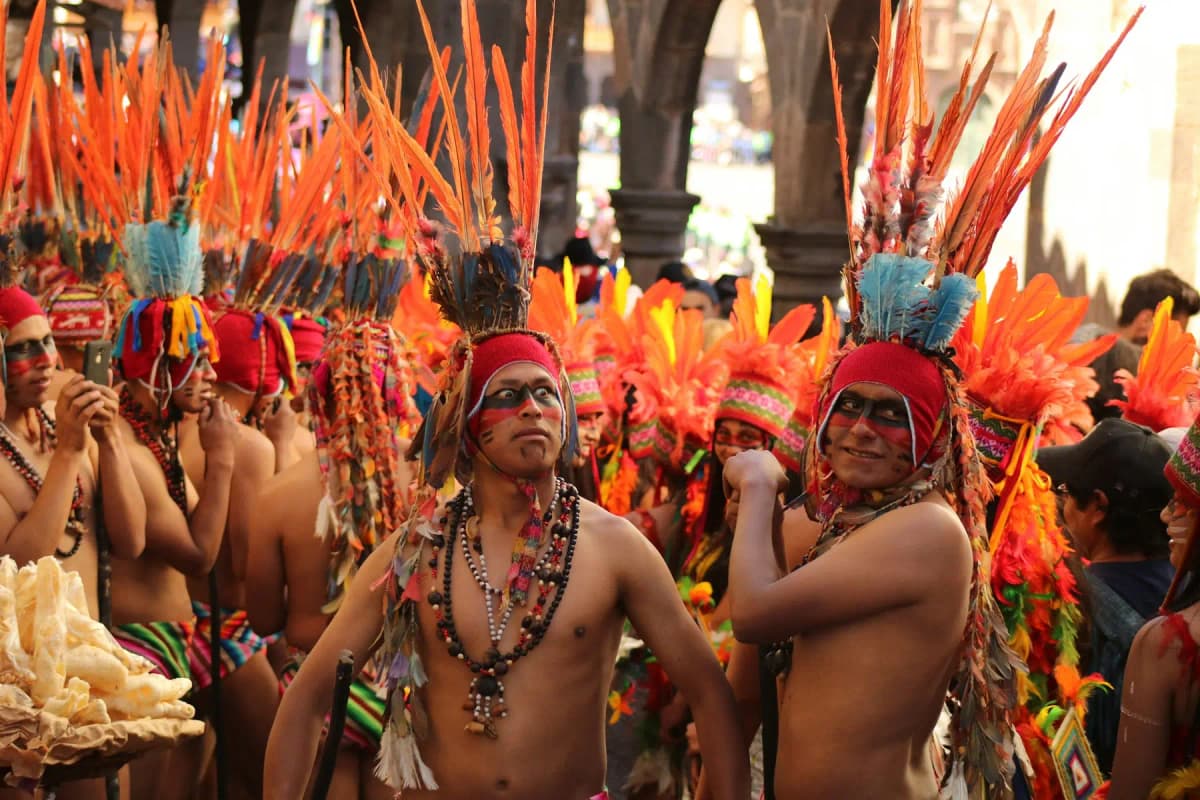 Photo: Viajes con Astro Cartografía on Unsplash
June is festival month in Cusco, with celebrations building up to Inti Raymi on 24 June. If you'd like to see it, book your hotel and Machu Picchu tickets well in advance. If you'd rather avoid the crowds, plan your Cusco days for May or September instead.
When is the cheapest time to visit Peru?
The wet season in the Andes, from December to March, is usually the cheapest time for Cusco and the Sacred Valley, apart from the Christmas and New Year holidays. Hotels and tours often cost less, and Machu Picchu is quieter. The trade-off is rain, cloudy views and a higher chance of disruption on roads and railways.
April, May, October and November are a good balance of weather and price. The most expensive and busiest times are June to August, Holy Week and the national holidays at the end of July.
When to avoid visiting Peru
- February, if you want to hike: it's the wettest month in the Andes and the Inca Trail is closed.
- Late July and Holy Week, if you dislike crowds: domestic travel peaks and prices rise.
- June to October, if you want Lima's beaches: the coast is usually grey and cool.
There's no month when Peru isn't worth visiting. The rainy season has its own appeal, with green landscapes and quieter sites, as long as you leave some flexibility in your plans.
Tips for planning your trip
- Book the essentials first: for the dry season, fix your Machu Picchu tickets, trains and any Inca Trail permits before anything else.
- Pack for every climate: a warm jacket, hat and gloves for the Andes, a rain jacket from November to April, light clothes for the coast and the Amazon, and strong sun cream everywhere.
- Allow for altitude: start with a day or two in the Sacred Valley or take it easy in Cusco before any big hikes. Our guide to where to stay in Cusco explains which areas are easiest on your legs.
- Leave a buffer day: protests, landslides and railway disruptions happen, especially in the wet season. Don't schedule your flight home for the day after Machu Picchu.
- Watch for El Niño: in El Niño years, the north coast can have heavy rain and flooding, so check the latest forecasts if you're travelling between December and April.
- Stay connected: a Peru eSIM makes it easier to use maps and keep in touch with tour operators, though there's often no signal in the mountains and the jungle.
- Get travel insurance: cover that includes medical treatment is worth having, especially for trekking at altitude. Check that it covers the heights you plan to reach.
For a route that fits these seasons together, see our Peru itinerary for 10 days to three weeks.
Frequently asked questions
What is the best month to visit Peru? May and September are two of the best months. They fall in the Andes dry season, with clear skies for Machu Picchu and the Inca Trail, but they're less crowded than June, July and August.
What is the rainy season in Peru? In the Andes and the Amazon, the rainy season runs from about November or December to March, with February usually the wettest month. On the coast, it barely rains at all, but Lima is often grey from June to October.
Is it worth visiting Peru in the rainy season? Yes, if you're flexible. Rain in the Andes usually falls in the afternoon or overnight, the landscapes are green and sites are quieter. Expect cloudy views and muddy trails, and avoid February if you want to hike the Inca Trail, as it's closed.
What is the best time to visit Peru and Machu Picchu? May to September is the best time, with the lowest chance of rain. April and October are good alternatives with fewer people. Book Machu Picchu tickets early for the dry season.
When is the cheapest time to go to Peru? The Andes wet season, from December to March (outside the Christmas holidays), is usually the cheapest. April, May, October and November offer a good balance of price and weather.
Is Peru cold in July? In the Andes, yes, at night. Days in Cusco are usually sunny and around 20°C, but the average low is around freezing, and it's colder still at Lake Titicaca and on the high hikes. Lima is mild but grey in July, with highs of about 20°C.
Is December a good time to visit Peru? December is a good time for Lima and the coast, which are sunny and warm. In the Andes, it's the start of the rainy season, so expect showers in Cusco and at Machu Picchu, and book early if you're travelling over Christmas and New Year.
How we researched this guide
We based the climate tables on long-term averages for Cusco and Lima airports (NOAA, Meteo Climat and 1991 to 2020 climate normals), with Peru's national weather service SENAMHI normals for Puno and published averages for Iquitos. We checked Machu Picchu's 2026 ticket rules against reports of the Ministry of Culture's regulations, and the festival dates against the 2027 calendar, as moveable dates follow Easter. We also read the UK government's travel advice for Peru and travel guides from several publishers and tour operators, all in October 2026. Weather varies from year to year, especially in El Niño years, and festival programmes change, so check local information close to your trip. Found something out of date? Let us know.