12 Best Day Trips from Lisbon (2026): Times and Costs
October 13, 2026 · Portugal
This post contains affiliate links. We may earn a commission if you book through them, at no extra cost to you. Disclaimer.
The best day trips from Lisbon are Sintra for palaces, Cascais for the coast, Óbidos for a walled village and Évora for Roman ruins and Alentejo food. All four are reachable by public transport in 40 minutes to an hour and a half, and the two closest cost about €2.55 each way on the suburban train. That makes Lisbon one of the easiest capitals in Europe to use as a base: you can keep one hotel and still see castles, beaches, monasteries and wine country.
This guide ranks twelve day trips from Lisbon by how well they work without a car, with journey times, 2026 fares taken from the operators' own tables where we could get them, entry prices, and an honest note on which trips are better with a tour or a rental car.
Day trips from Lisbon: the quick answer
| Day trip | Travel time (one way) | How to get there | Best for |
|---|---|---|---|
| Sintra | About 40 min | Train from Rossio | Palaces, gardens, forest |
| Cascais | 35–40 min | Train from Cais do Sodré | Beaches, seafront walks |
| Queluz | About 20 min | Sintra-line train | A palace without the crowds |
| Óbidos | About 1 hour | Bus from Campo Grande | Walled village, half day |
| Évora | About 1h35 | Intercidades train | Roman temple, Chapel of Bones |
| Mafra | 35–50 min | Bus from Campo Grande | A vast baroque palace |
| Ericeira | About 1h15 | Bus from Campo Grande | Surf town, seafood |
| Setúbal and Arrábida | About 1 hour | Fertagus train | Beaches, dolphins, fish lunch |
| Costa da Caparica | 30–45 min | Bus over the bridge | The nearest long beach |
| Nazaré | About 1h45 | Coach from Sete Rios | Big waves, clifftop views |
| Fátima | About 1h30 | Coach from Sete Rios | Pilgrimage site |
| Tomar | About 2 hours | Regional train | Templar castle and convent |
Our short version: if you only have time for one, go to Sintra. With two free days, add Cascais (easy, cheap, relaxing) or Évora (a completely different region). Óbidos is small enough to be a half day. Nazaré, Fátima and Tomar are long days by public transport, and they work better combined on a tour or with a car.
How we ranked these day trips
Every list of Lisbon day trips names roughly the same places. What differs is how practical each one is on the day. We ranked them on three things:
- Door-to-door time. Anything over two hours each way eats the day, so those trips sit lower on the list.
- How easy it is without a car. A direct train every 20 minutes beats a coach that runs a handful of times a day.
- How much there is to do on arrival. Sintra fills a day and still leaves things unseen. Óbidos is lovely for three hours.
Prices below are standard adult prices. Trains in the Lisbon area use the reusable Navegante occasional card, which costs €0.50 and can be loaded with single tickets or pay-as-you-go credit ("zapping").
1. Sintra: the best day trip from Lisbon
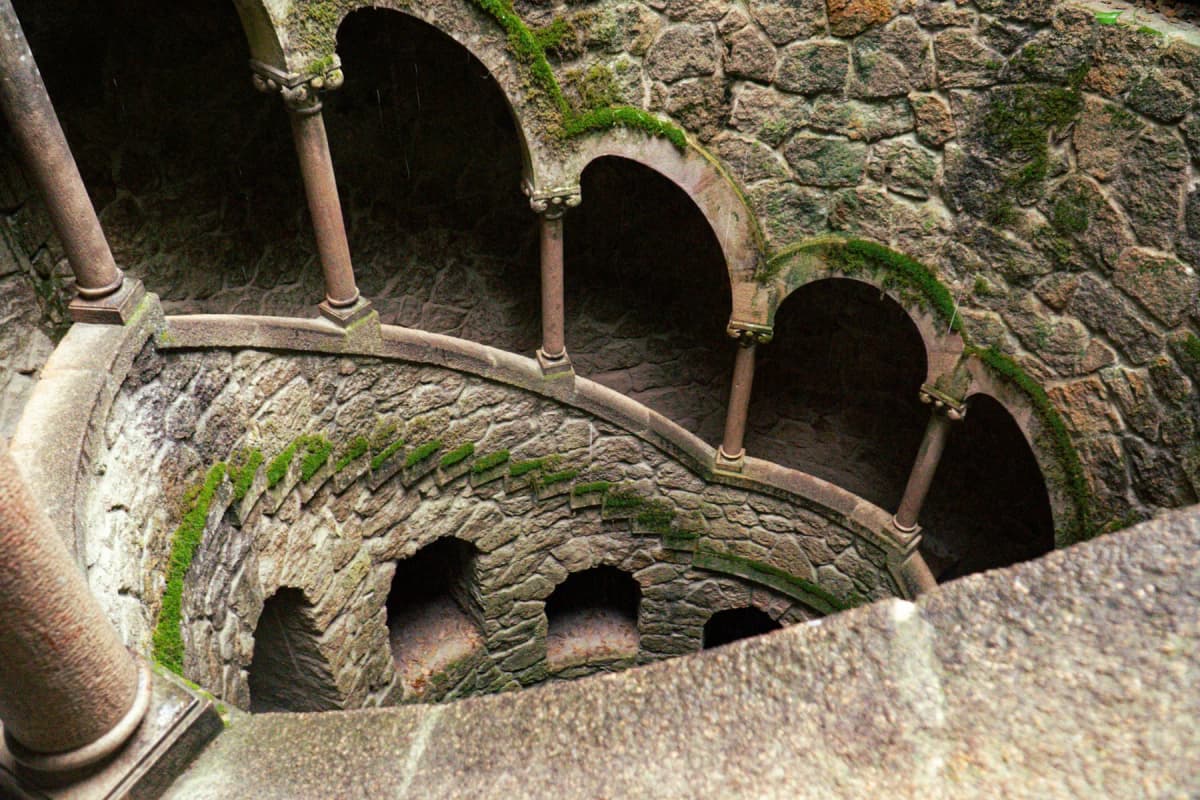 Photo: Jameson Berrios on Unsplash
Sintra is a small hill town about 25 km north-west of Lisbon, where Portuguese royalty and wealthy families built summer palaces in a cool, forested range of hills. The whole landscape is a UNESCO World Heritage site, and it has more to see than one day can hold.
Getting there: CP suburban trains run from Rossio station in central Lisbon to Sintra, the last stop on the line, in about 40 minutes. They leave every 20 minutes or so for most of the day. A single ticket is €2.55 on CP's 2026 fare table, plus €0.50 for the card the first time.
What to see, with 2026 prices:
- Pena Palace: the red and yellow hilltop palace on every postcard. €20 for the palace and park, sold for a timed entry slot. A park-only ticket is €12.
- Quinta da Regaleira: a Gothic-revival estate with tunnels, grottoes and the spiral Initiation Well. €20 for adults, €15 for ages 6–17 and over 65.
- Moorish Castle: ruined walls snaking along a ridge, with the best views in Sintra. €12.
- National Palace of Sintra: the palace in the town centre with the two white conical chimneys. €13.
- Monserrate: a quieter palace and botanical garden west of town. €12.
How to plan the day: pick two paid sights, three at most. A realistic day is Pena Palace first thing (book the earliest slot you can), the Moorish Castle next door, then lunch in the old town and Quinta da Regaleira in the afternoon, which is a 10 to 15 minute walk from the centre. Pena and the Moorish Castle sit high above the town. The walk up is steep and takes the better part of an hour, so most visitors take the tourist bus loop from the station or a taxi.
The catch: Sintra is very busy from late spring to early autumn, the roads are narrow, and the buses fill up. If you would rather not manage tickets and transport yourself, a guided Sintra day tour from Lisbon handles the transfers between the palaces and usually adds the coast at Cabo da Roca or Cascais.
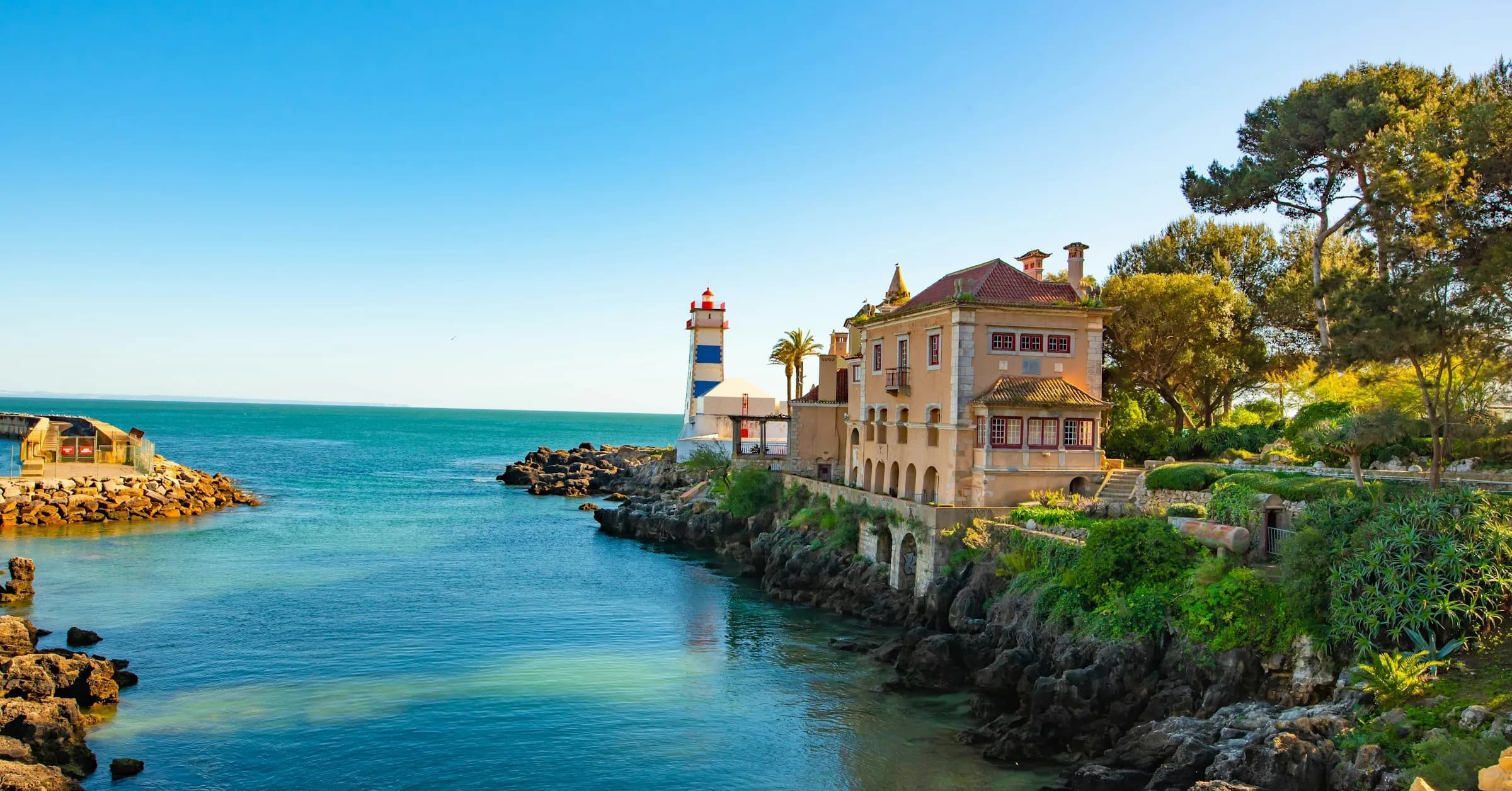
2. Cascais: the easiest beach day
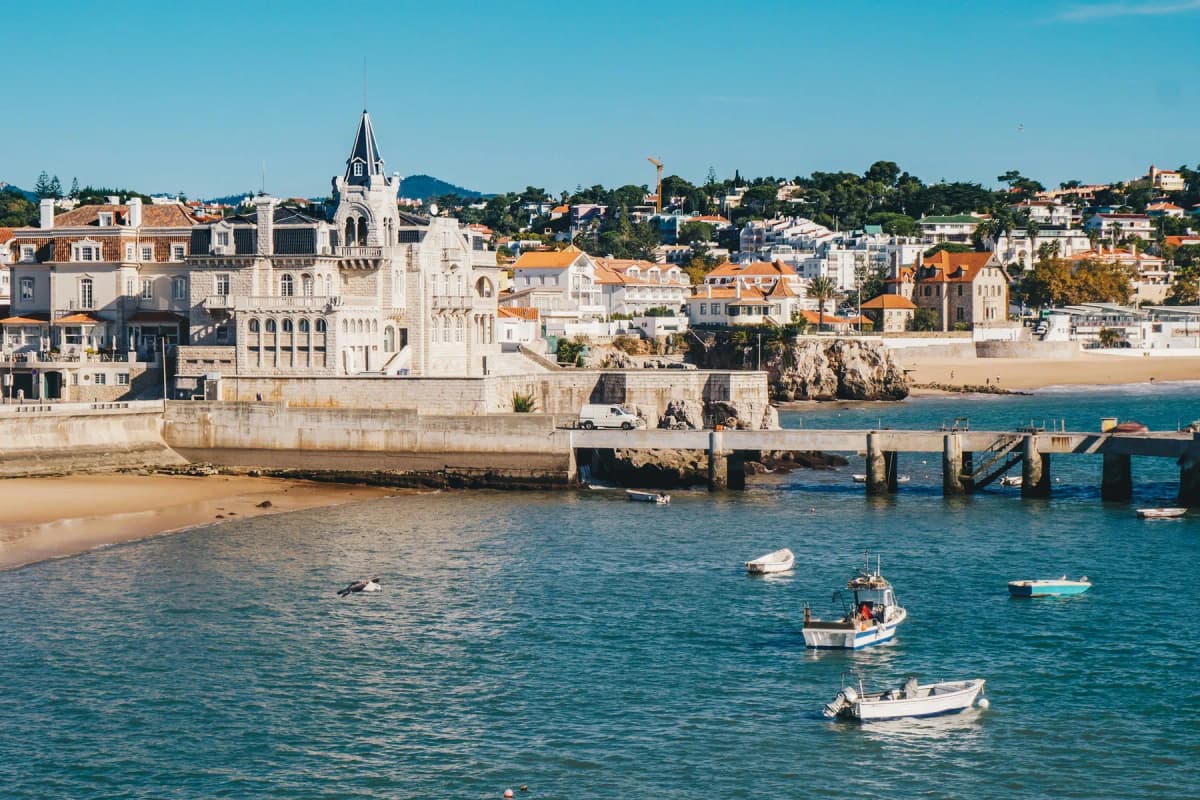 Photo: CALIN STAN on Unsplash
Cascais is a former fishing village turned smart seaside town at the end of the coastal railway. It is the simplest day trip on this list: one train, no bookings, nothing you have to pay to enter.
Getting there: trains leave Cais do Sodré every 12 to 20 minutes and take 35 to 40 minutes, following the river and then the ocean for most of the way. Sit on the left heading out. The fare is the same €2.55 each way.
What to do:
- Walk the old town and the bay. The centre is a few streets of patterned paving, tiled houses and seafood restaurants around a small town beach.
- Follow the coast to Boca do Inferno. A flat walk of 20 to 25 minutes west of the marina leads to a collapsed sea cave where the Atlantic surges through a rock arch.
- Walk or cycle the promenade to Estoril. A seafront path links Cascais with Estoril in about half an hour on foot, passing several small beaches. You can catch the train back from Estoril.
- Swim. Praia da Rainha and Praia da Conceição are steps from the station. The water is cold even in August.
Cascais pairs badly with Sintra on the same day by public transport, despite what some itineraries suggest: you would spend the day on buses. Do them separately, or let a tour combine them.
3. Queluz: a royal palace 20 minutes away
The National Palace of Queluz is an 18th-century royal summer residence, often compared with Versailles on a smaller scale, with formal gardens, a tiled canal and a mirrored throne room. It sees a fraction of Sintra's visitors.
Getting there: take a Sintra-line train from Rossio and get off at Queluz-Belas, about 20 minutes out, then walk roughly 15 minutes to the palace. Entry is €13 for the palace and gardens, or €6 for the gardens alone.
Queluz is a good choice for a half day, for a rainy day, or for a second palace if Sintra's queues put you off. Because it is on the same line, you can also stop here on the way back from Sintra if you start early, though that makes for a long day.
4. Óbidos: a walled village for a half day
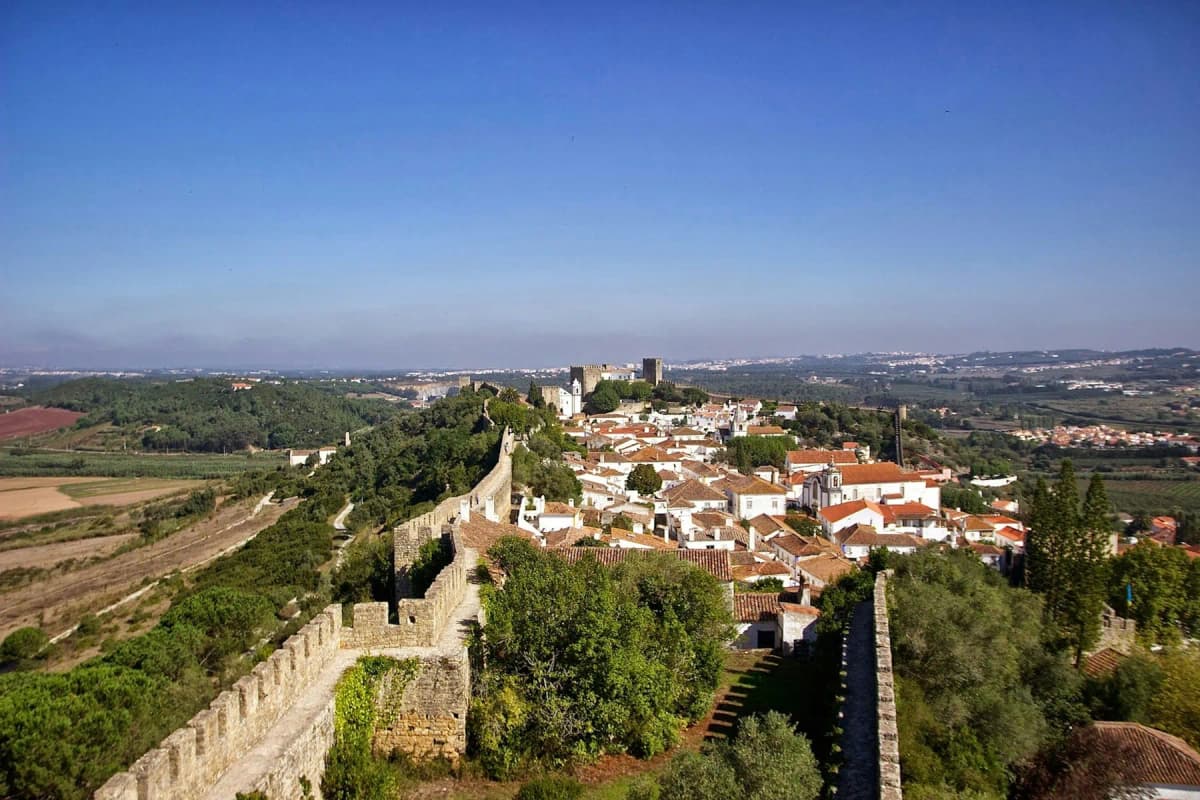 Photo: Katia De Juan on Unsplash
Óbidos is a tiny hilltop village wrapped entirely in medieval walls, with whitewashed houses trimmed in blue and yellow, a castle at one end (now a hotel) and a main street lined with shops selling ginjinha, the local sour cherry liqueur, in chocolate cups.
Getting there: the direct Rápida Verde bus run by Rodoviária do Oeste leaves from the Campo Grande bus terminal, which is on the metro's green and yellow lines. It takes about an hour. Recent guides put the fare at about €10 each way; we could not open the operator's own fare page when we checked, so treat that as a guide price and confirm at the terminal. There is a railway station below the village, but trains are slow and infrequent, so the bus is the better choice.
What to do: walk the top of the walls (free, about 1.5 km around, with no handrail on the inner side, so take care with children and in wet weather), wander Rua Direita and the lanes behind it, and try a ginjinha. Three hours is enough for most people. Arrive before 11 am, because tour coaches fill the main street from late morning.
5. Évora: Roman ruins and Alentejo cooking
 Photo: Gunnar Ridderström on Unsplash
Évora is the capital of the Alentejo, the hot, rolling region of cork oaks and vineyards east of Lisbon. Its walled centre is a UNESCO World Heritage site with a first-century Roman temple, a fortress-like cathedral and one of Europe's better-known bone chapels.
Getting there: CP's Intercidades train runs from Lisboa Oriente, also calling at Entrecampos and Sete Rios, to Évora in about 1h35. A second-class single is €13.90, or €25.50 return, on CP's 2026 table. There are only a handful of trains each day, so book seats in advance and check the last train back. The station is a 15-minute walk from the centre. Rede Expressos coaches from Sete Rios take a similar time and run more often.
What to see:
- The Roman Temple, standing in a square at the top of the town. It is free to see from outside at any hour.
- The Chapel of Bones at the Church of São Francisco, its walls lined with the skulls and bones of thousands of people. Guides list entry at about €5 to €6.
- The Cathedral, where a ticket includes the roof terrace with views across the plain.
- Praça do Giraldo, the arcaded main square, for coffee.
Lunch is half the reason to come. The Alentejo is known for black pork, bread-based stews and strong red wines, and restaurants here are cheaper than in Lisbon. In July and August the town regularly passes 35°C, so sightsee in the morning and eat a long lunch.
6. Mafra: one of Europe's largest palaces
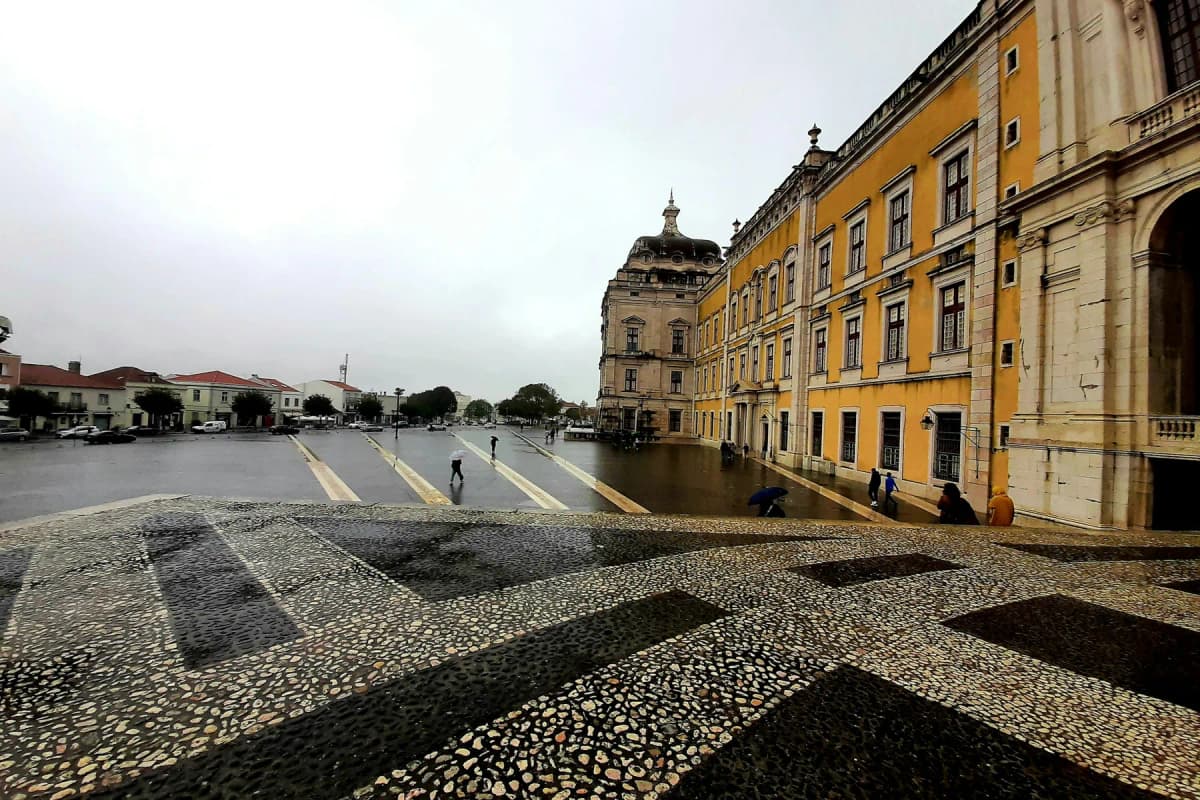 Photo: Mário Maia on Unsplash
The National Palace of Mafra is an enormous 18th-century complex of palace, basilica and convent built with Brazilian gold, with a facade more than 200 metres long. It became a UNESCO World Heritage site in 2019, and its rococo library is among the most beautiful in Portugal.
Getting there: buses from the Campo Grande terminal reach Mafra in 35 to 50 minutes depending on the service, stopping close to the palace.
Entry: the standard ticket under the national monuments price list is €15, and the palace is closed on Tuesdays. Parts of the complex, including the library and basilica, have had closures for restoration work, so check what is open before you go.
Mafra takes two to three hours. Most people pair it with Ericeira, which is 15 to 20 minutes further on by bus.
7. Ericeira: surf town and seafood
Ericeira is a whitewashed fishing town on low cliffs, and the centre of a stretch of coast recognised as a World Surfing Reserve. It is less polished than Cascais and popular with Lisbon residents at weekends.
Getting there: direct buses from Campo Grande take about 1h15. The fare is about €4.50 if you pay the driver, in cash.
Come for a seafood lunch, a walk along the clifftop, and a swim at Praia dos Pescadores below the old town. Surf schools offer beginner lessons at the beaches north and south of town. Combined with Mafra in the morning, it makes a full day.
8. Setúbal and Arrábida: beaches and a fish lunch
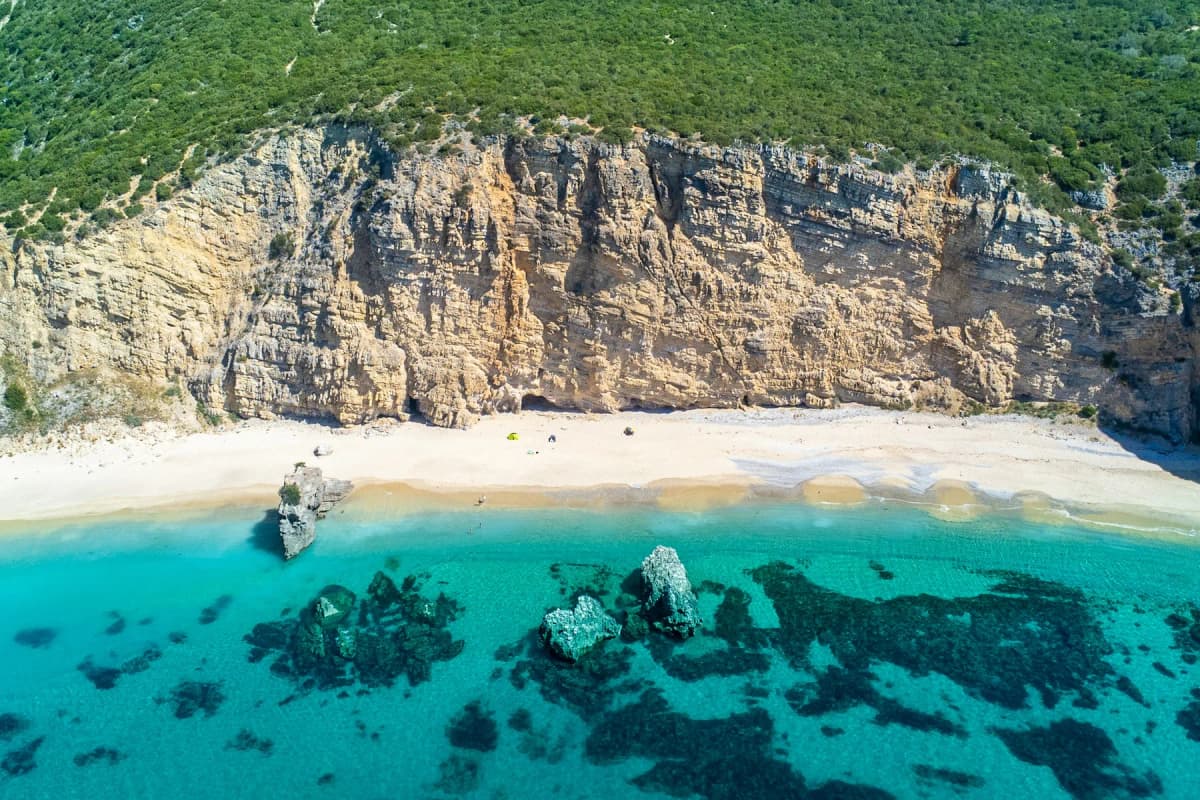 Photo: Erik Knoef on Unsplash
South of the Tagus, the Arrábida hills drop into the sea in a line of limestone cliffs and sheltered coves with calm, clear water that is unusual on Portugal's Atlantic coast. Setúbal, the working port at their eastern end, is known for grilled fish and fried cuttlefish.
Getting there: the Fertagus train crosses the 25 de Abril Bridge from Roma-Areeiro, Entrecampos and Sete Rios to Setúbal in just under an hour.
The catch: the best beaches, such as Galapinhos and Figueirinha, are several kilometres west of Setúbal. In summer, car access to the beach road is restricted and seasonal buses run from town instead. Out of season, public transport to the beaches is thin. If the beaches are the point, a rental car, a taxi or an organised tour makes this trip much easier. Boat trips to see the resident bottlenose dolphins in the Sado estuary leave from Setúbal's waterfront.
9. Costa da Caparica: the nearest long beach
Costa da Caparica is a long strip of sand facing the open Atlantic on the south side of the Tagus, with beach bars and surf schools strung along it. It is where Lisbon goes to the beach.
Getting there: buses cross the 25 de Abril Bridge from Lisbon in 30 to 45 minutes depending on traffic, which can be heavy on summer weekends. The alternative is the ferry from Cais do Sodré to Cacilhas and a bus from there.
There are no sights here. Come for a swim, a surf lesson and a late lunch with your feet in the sand, and go on a weekday if you can.
10. Nazaré: giant waves and a clifftop village
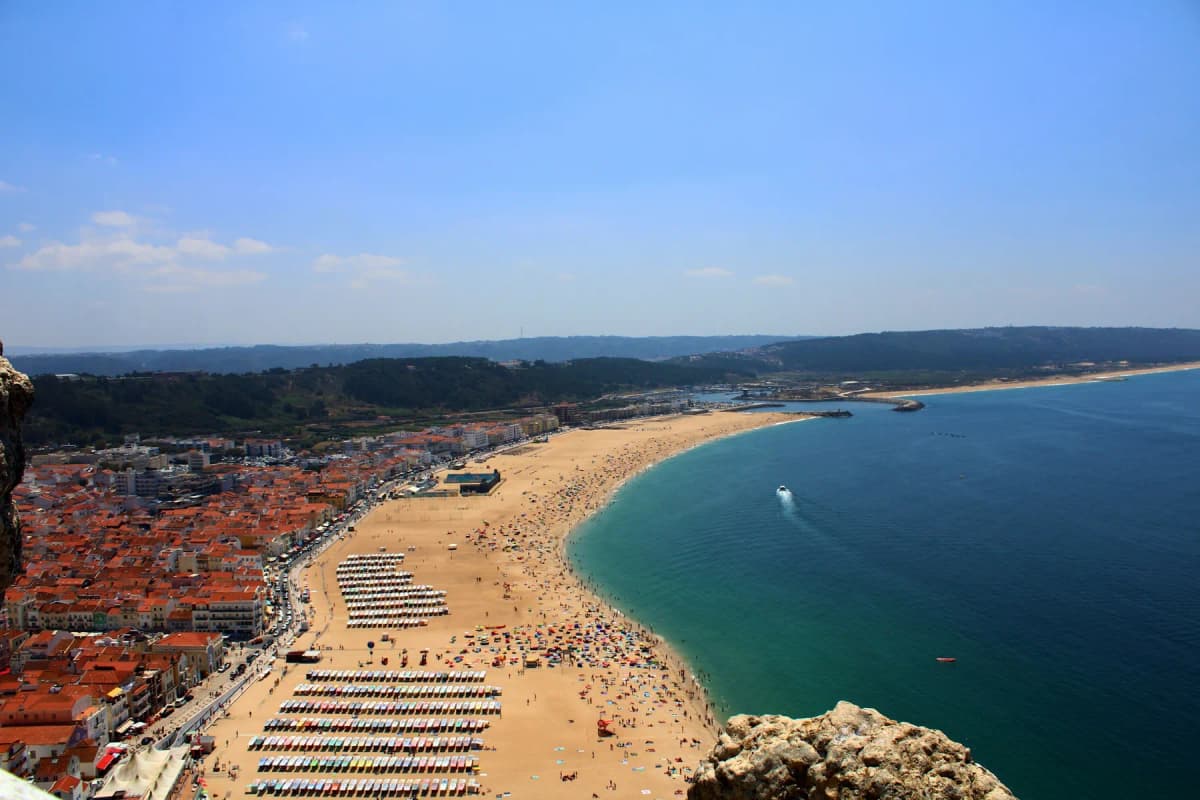 Photo: Armando Brenlha on Unsplash
Nazaré is a fishing town with a wide crescent beach and a headland, Sítio, reached by funicular. Just north of the headland an underwater canyon produces some of the largest surfable waves in the world, mostly between October and March.
Getting there: Rede Expressos coaches from Sete Rios take about 1h40 to 1h50. Fares vary with how early you book, from roughly €5.50 to €11 each way on the dates we checked.
Ride the funicular up to Sítio for the view over the beach, then walk out to the fort and lighthouse above Praia do Norte, where the big-wave surfers ride. In summer the sea at the lighthouse is usually calm, so do not expect giant waves in July. Nazaré is a long day by coach, and many visitors see it on a tour with Óbidos and Fátima.
11. Fátima: Portugal's great pilgrimage site
Fátima is one of the most visited Catholic shrines in the world, built where three shepherd children reported visions of the Virgin Mary in 1917. The sanctuary is a vast open square between two basilicas, and entry is free.
Getting there: coaches from Sete Rios take about 1h20 to 1h30.
For pilgrims it is a full and meaningful day. For other visitors, an hour or two is usually enough, which is why Fátima is so often combined with Nazaré, Batalha or Óbidos on a single tour. The 12th and 13th of each month from May to October draw very large crowds.
12. Tomar: the Knights Templar's headquarters
Tomar is a handsome riverside town north-east of Lisbon, overlooked by the Convent of Christ, a castle and monastery complex founded by the Knights Templar in the 12th century and expanded for 400 years. It is a UNESCO World Heritage site and one of the most impressive monuments in the country.
Getting there: direct regional trains run from Lisbon's Santa Apolónia and Oriente stations in about two hours. Entry to the Convent of Christ was set at €15 in the national price list that took effect in 2025; check the current price before you travel.
Two hours each way makes this a long day, so take an early train. It is worth it if you have already seen Sintra and want one more great building.
Which day trips from Lisbon can you combine?
Some combinations work well. Others look good on a map and fail on the day.
- Mafra and Ericeira: yes. They share a bus route.
- Sintra and Queluz: possible, on the same train line, if you start early.
- Óbidos, Nazaré and Fátima: only by car or on a tour. By public transport each is a separate day.
- Sintra and Cascais: only on a tour or by car, and even then both are rushed.
- Setúbal and the Arrábida beaches: yes with a car, awkward without one.
If you are renting a car for part of your trip, the western loop of Óbidos, Nazaré, Alcobaça and Batalha is the best use of it.
What does a day trip from Lisbon cost?
| Trip | Return transport | Main entry fee | Rough total, before food |
|---|---|---|---|
| Sintra (two sights) | €5.10 | €20 + €20 | About €45, plus local bus |
| Cascais | €5.10 | None | About €5 |
| Queluz | A few euros | €13 | Under €20 |
| Óbidos | About €20 | None | About €20 |
| Évora | €25.50 | About €5–€6 | About €32 |
| Mafra | A few euros | €15 | About €25 |
Sintra is the most expensive day because of the entry fees, and Cascais is nearly free. If you plan to visit Sintra and use Lisbon's transport heavily on the same day, CP also sells a 24-hour ticket covering Carris, the metro and CP's Lisbon suburban trains for €11.40.
Flying into Lisbon? Compare dates before you lock in your plans:
Practical extras: if you land late or with a lot of luggage, you can pre-book a private transfer from Lisbon Airport to your hotel. For train times and maps on the go, a Portugal eSIM from Airalo saves hunting for wifi at stations, and travel insurance from EKTA is worth having for any trip with pre-booked tickets.
Tips for day trips from Lisbon
- Start early. The first trains to Sintra and the first bus to Óbidos put you ahead of the tour groups by an hour or more.
- Buy Pena Palace and Regaleira tickets online. Pena runs on timed slots, and ticket-office queues in summer can be long.
- Check Monday and Tuesday closures. Several national monuments close one day a week. Mafra closes on Tuesdays.
- Know your station. Sintra trains leave from Rossio, Cascais trains from Cais do Sodré, Évora trains from Oriente, and the Óbidos, Mafra and Ericeira buses from Campo Grande. Coaches to Nazaré and Fátima leave from Sete Rios.
- Keep your Navegante card. One card holds one type of ticket at a time, so finish your zapping credit or singles before loading a different product.
- Carry some cash. Regional buses do not always take cards on board.
Frequently asked questions
What is the best day trip from Lisbon? Sintra. It is 40 minutes away by a cheap, frequent train, and it has more world-class sights in a small area than anywhere else near the capital: Pena Palace, Quinta da Regaleira, the Moorish Castle and the National Palace. If you have already been, Évora is the best alternative.
What are some beautiful towns to visit near Lisbon? Sintra, Cascais and Óbidos are the three prettiest towns within an hour of Lisbon. Ericeira and Setúbal are less polished and feel more local. Further out, Évora and Tomar are the most rewarding historic towns you can reach in a day.
Is 3 days in Lisbon too long? No. Three days gives you two days for the city and one for a day trip, usually Sintra. With four or five days you can add Cascais and Évora without rushing. See our 3-day Lisbon itinerary for a day-by-day plan.
Can you do Sintra and Cascais in one day? Not comfortably by public transport. Each sits at the end of a different railway line, and the bus between them takes time. Guided tours do combine them, with a short stop in each. Travelling independently, give each its own day.
Do you need a car for day trips from Lisbon? Not for Sintra, Cascais, Queluz, Óbidos, Évora, Mafra or Ericeira, which all have direct trains or buses. A car helps for the Arrábida beaches and for combining Óbidos, Nazaré, Alcobaça and Batalha in one day. Do not drive into Sintra's centre in high season; parking is scarce.
What are the top 3 places to visit in Portugal? For a first trip: Lisbon, Porto and the Douro Valley, with Sintra as the standout day trip. Our Portugal itinerary shows how to link them by train in 7, 10 or 14 days.
Can you visit Porto as a day trip from Lisbon? You can, since the fastest trains take about three hours each way, but it leaves only a few hours in the city. Porto deserves at least two nights. See our guide to the best things to do in Porto.
How we researched this guide
Train fares come from the 2026 price tables published by CP – Comboios de Portugal for Lisbon's suburban lines and for the Intercidades service to Évora, checked in October 2026. Sintra entry prices come from Parques de Sintra and from Quinta da Regaleira's own price list. Prices for Mafra and Tomar follow the national monuments tariff. We could not confirm the Óbidos bus fare, the Ericeira bus fare, the Chapel of Bones ticket or the coach fares to Nazaré and Fátima from the operators directly, so those are given as approximate figures from recent secondary sources. Journey times are typical timetable values and vary by departure. We have not included first-hand restaurant or hotel recommendations in this guide. Spotted something out of date? Let us know.
For more, browse all our Portugal guides, plan your time in the city with the best things to do in Lisbon and our 3-day Lisbon itinerary, choose a base with where to stay in Lisbon, or head north and see the best day trips from Porto.