8 Best Day Trips from Porto (2026): Trains, Times, Costs
October 13, 2026 · Portugal
This post contains affiliate links. We may earn a commission if you book through them, at no extra cost to you. Disclaimer.
The best day trips from Porto are the Douro Valley for wine and river scenery, Guimarães for a medieval town and castle, Braga for churches and the Bom Jesus staircase, and Aveiro for canals and striped beach houses. Three of those four are about an hour away on a suburban train from São Bento station for under €4 each way, which makes Porto the cheapest base in Portugal for exploring by rail.
This guide covers eight day trips from Porto, ranked by how well they work in a single day, with 2026 fares from CP's own price tables, journey times, entry prices, and a clear note on which trips need a tour or a car.
Day trips from Porto: the quick answer
| Day trip | Travel time (one way) | How to get there | 2026 fare (one way) | Best for |
|---|---|---|---|---|
| Douro Valley | About 2.5 hours to Pinhão | Douro line train, or a tour | €12.45 | Wine, river scenery |
| Guimarães | 1h to 1h15 | Train from São Bento | €3.60 | Medieval town, castle |
| Braga | About 1 hour | Train from São Bento | €3.60 | Churches, Bom Jesus |
| Aveiro and Costa Nova | 1h to 1h15 | Train from São Bento | €3.95 | Canals, striped houses |
| Viana do Castelo | 1h10 to 1h30 | Train from Campanhã | Check CP | Coast, hilltop basilica |
| Coimbra | 1h05 to 1h15 | Fast train from Campanhã | About €15 | University, old town |
| Peneda-Gerês | About 1h15 by car | Car or tour only | n/a | Waterfalls, hiking |
| Espinho and the coast | About 30 min | Train from São Bento | About €3 | An easy beach afternoon |
Our short version: with one spare day, take the Douro Valley. With two, add Guimarães or Braga. They are 25 km apart, and seeing both in one day is possible but rushed. Aveiro is the best choice for an easy, flat, low-effort day.
Where can you go from Porto by train?
Almost everywhere on this list. Porto has two main stations: São Bento, the tiled station in the centre, and Campanhã, the larger station about five minutes east by train, where long-distance services stop.
- From São Bento (suburban trains): Braga, Guimarães, Aveiro and Espinho, all direct, on CP's Porto urban network.
- From São Bento or Campanhã (regional trains): the Douro line to Peso da Régua, Pinhão and Pocinho.
- From Campanhã (fast trains): Coimbra and Lisbon on the Alfa Pendular and Intercidades services, and Viana do Castelo on the Minho line.
Suburban tickets go on a reusable card that costs €0.50. You do not need to book suburban trains in advance. Douro line trains in summer and fast trains to Coimbra are worth booking ahead.
The one place on this list you cannot reach by train is the Peneda-Gerês National Park.
1. The Douro Valley: the best day trip from Porto
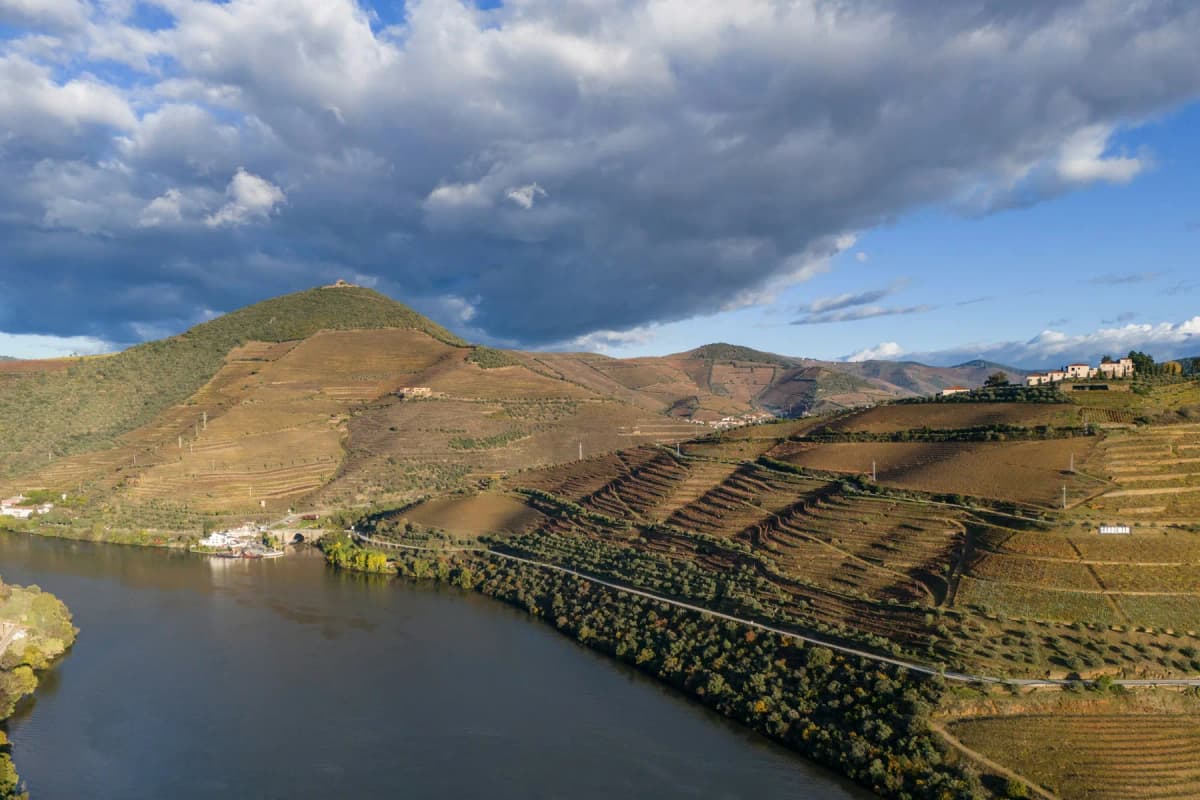 Photo: Bob Brewer on Unsplash
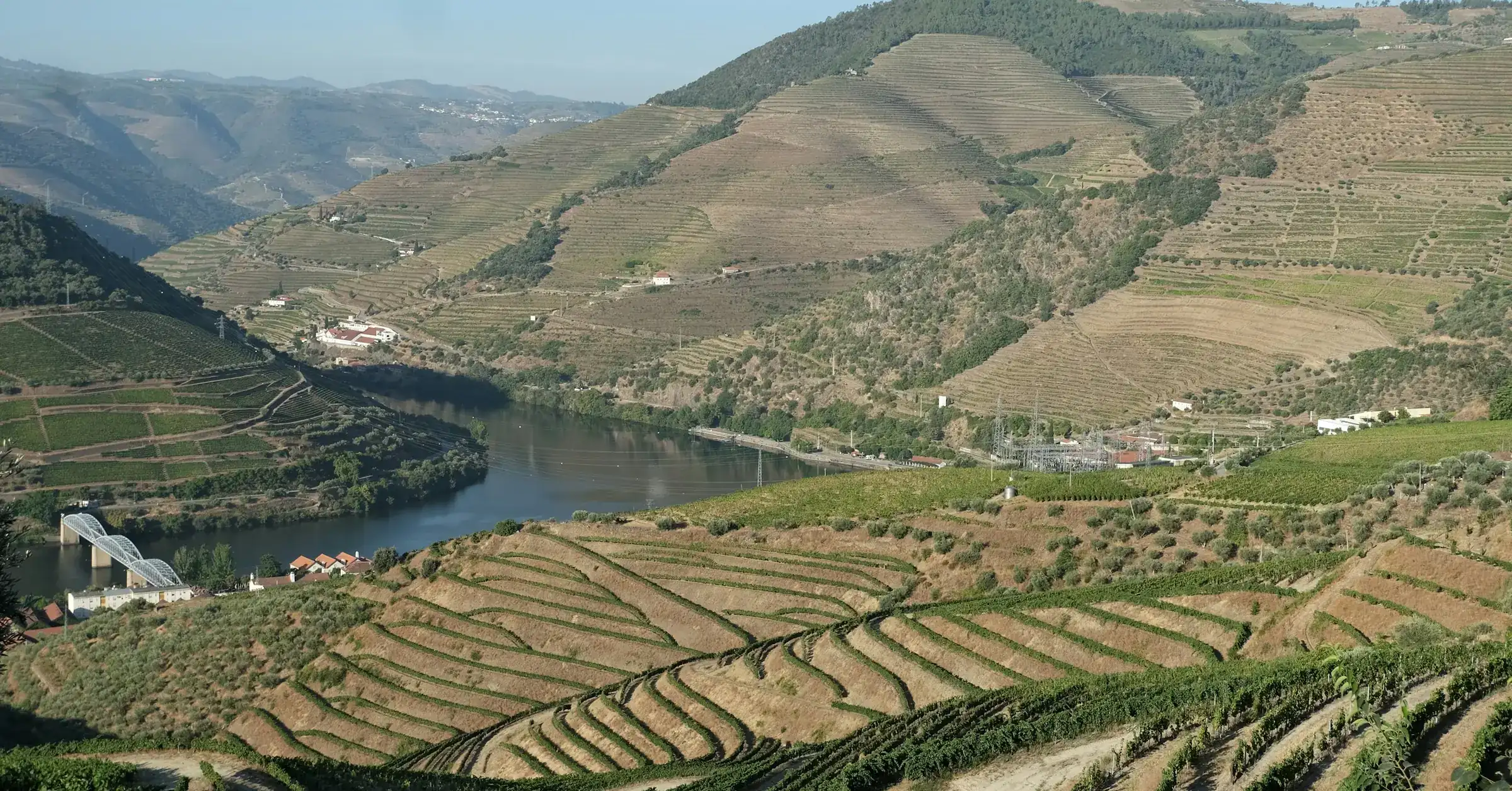
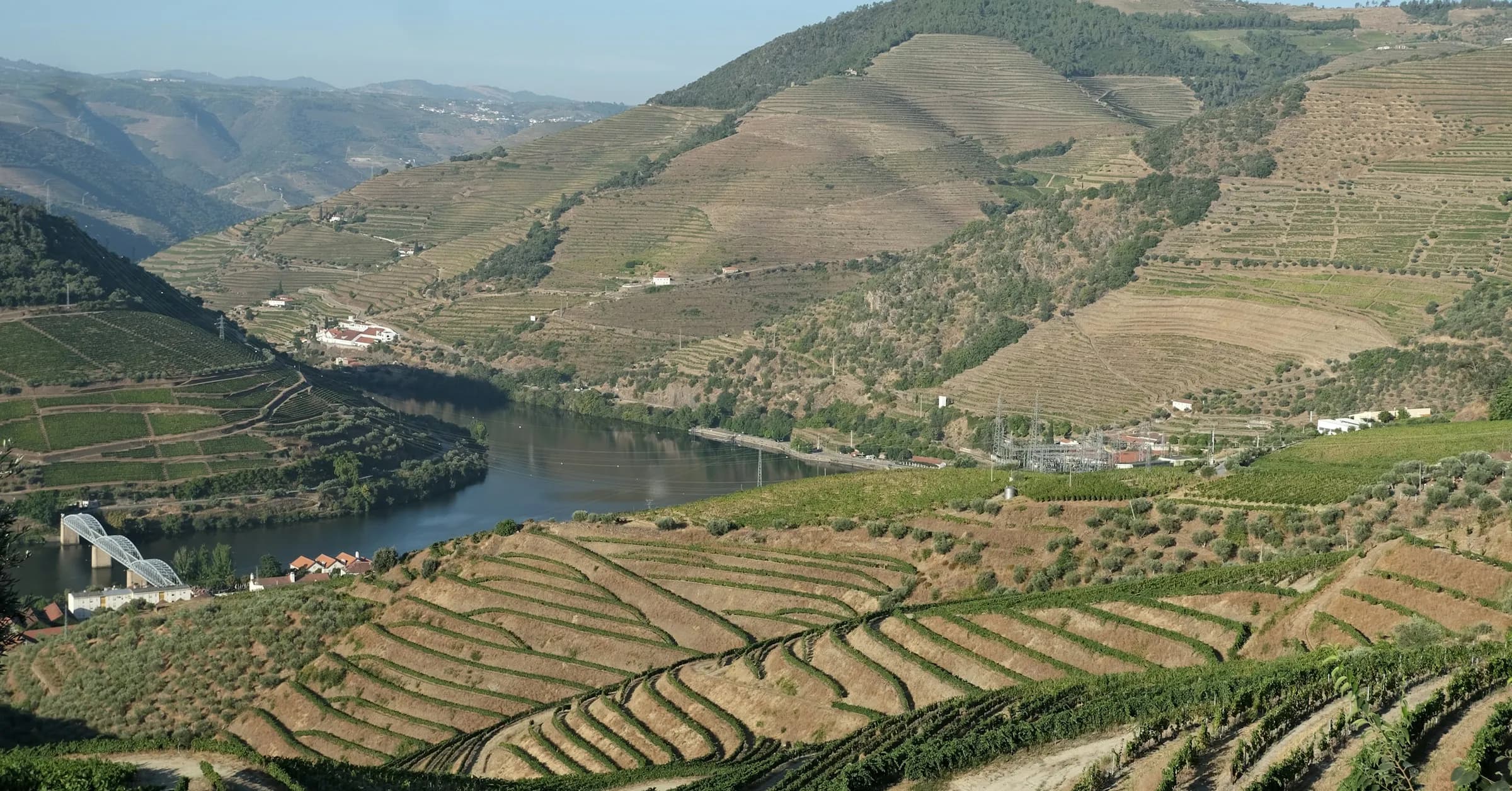
The Douro Valley is the wine region east of Porto where the grapes for port are grown, on stone terraces cut into steep hillsides above the river. It is a UNESCO World Heritage landscape and one of the oldest demarcated wine regions in the world, with boundaries first set in 1756.
There are three ways to see it in a day, and they suit different travellers.
By train
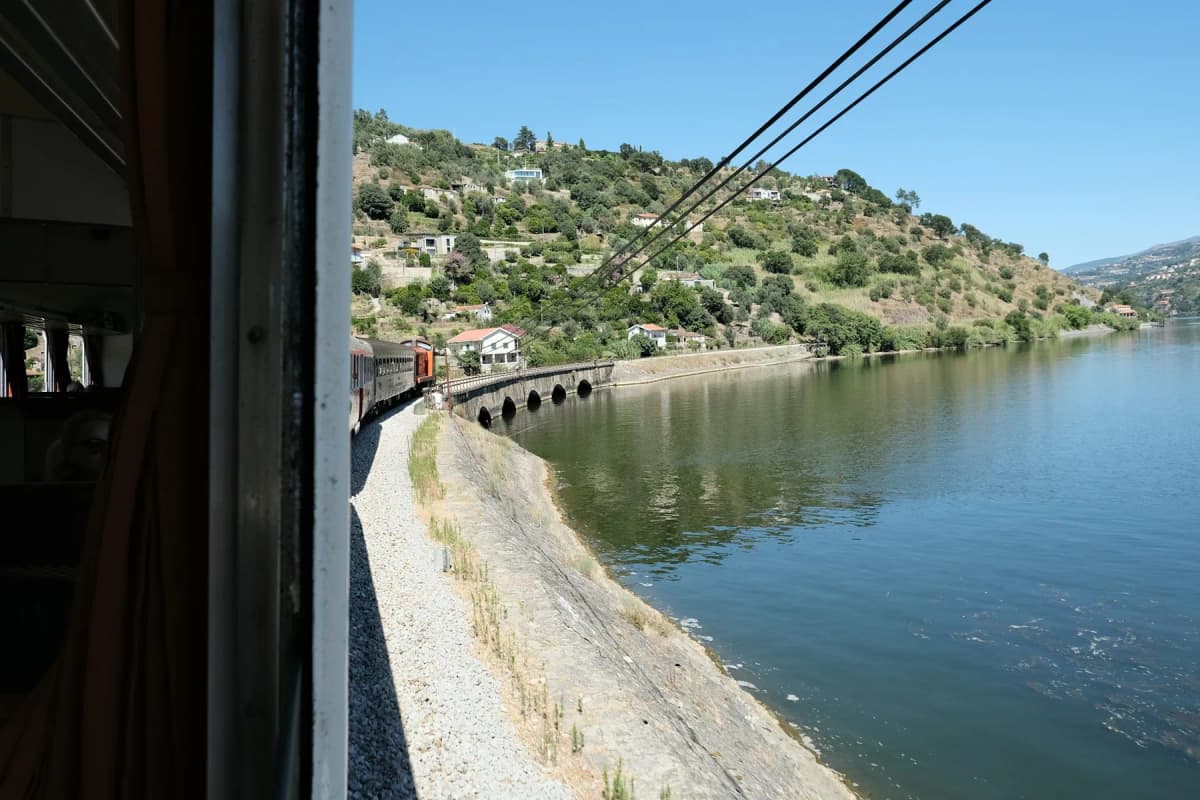 Photo: Thomas Gabernig on Unsplash
The Douro line is one of Europe's great scenic railways. From Porto the train runs inland for about an hour and a half, then meets the river and follows the water's edge for the rest of the way. Porto to Pinhão takes about 2.5 hours and costs €12.45 each way.
Pinhão is the best place to get off. It is a small village in the heart of the vineyards, its station is decorated with tile panels showing the grape harvest, and several wine estates (quintas) are within walking distance or a short taxi ride. Most offer tours and tastings, which should be booked ahead. One-hour boat trips on traditional rabelo boats leave from the riverfront.
Sit on the right-hand side heading out for the river views. Five hours on the train in one day is a lot, so take an early departure and check the time of the last train back.
On a guided tour
A tour is the most efficient way to see the valley in one day, because the best viewpoints and many estates are up roads the train does not reach. A typical full-day Douro Valley tour from Porto includes transport, visits to two wine estates with tastings, lunch and a short river cruise. It also means nobody in your group has to drive after the tastings.
By car
Driving gives you the most freedom, and the N222 road between Peso da Régua and Pinhão is often named among the most scenic drives in Europe. The roads are steep and winding, and the driver cannot join the tastings, so this option suits those staying a night in the valley more than day trippers.
When to go: the harvest in September and early October is the busiest and most atmospheric time. Spring is green and quieter. In July and August the valley is very hot.
2. Guimarães: the birthplace of Portugal
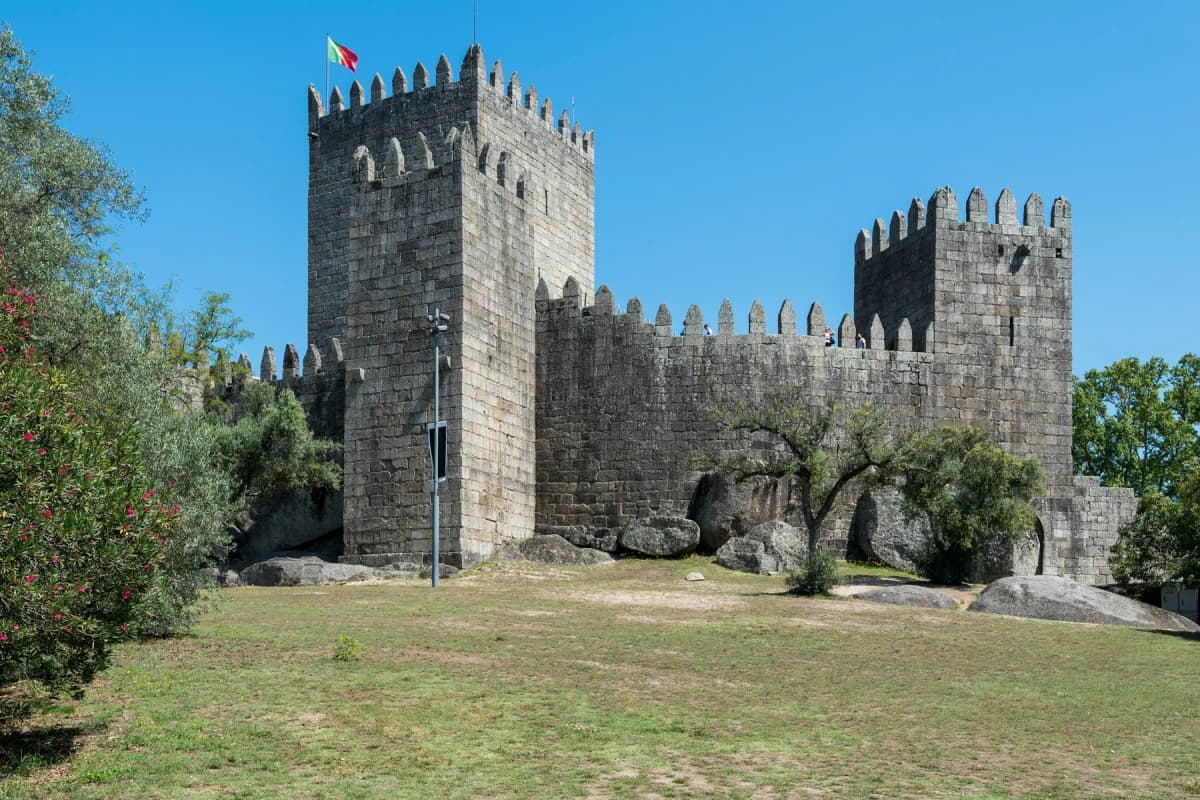 Photo:
 Guimarães is known as the cradle of the nation. Afonso Henriques, the first king of Portugal, is traditionally said to have been born here, and the town was the first capital of the new kingdom in the 12th century. Its medieval centre is a UNESCO World Heritage site and one of the best preserved in the country.
Getting there: direct suburban trains run from São Bento in about 1 hour to 1h15. The fare is €3.60 each way on CP's 2026 table. The station is a 10 to 15 minute walk from the old town.
What to see:
- Guimarães Castle, a 10th-century fortress with a square keep and crenellated walls on a low hill above the town. Entry is €5.
- The Palace of the Dukes of Braganza, a 15th-century palace with a forest of brick chimneys, next to the castle. Entry is €5, or €8 for a combined ticket with the castle. The official site lists half-price tickets for visitors aged 13 to 24 and over 65. Parts of the palace have been closed for works, so check what is open.
- Largo da Oliveira and Praça de São Tiago, two linked medieval squares lined with arcaded houses and café terraces. This is the heart of the old town.
- The Penha cable car, which climbs to a forested hill of giant granite boulders with a view over the town.
Guimarães is compact and almost flat by northern Portuguese standards. Four to five hours is enough to see it well, which is why some travellers add Braga on the same day.
3. Braga: churches and the Bom Jesus staircase
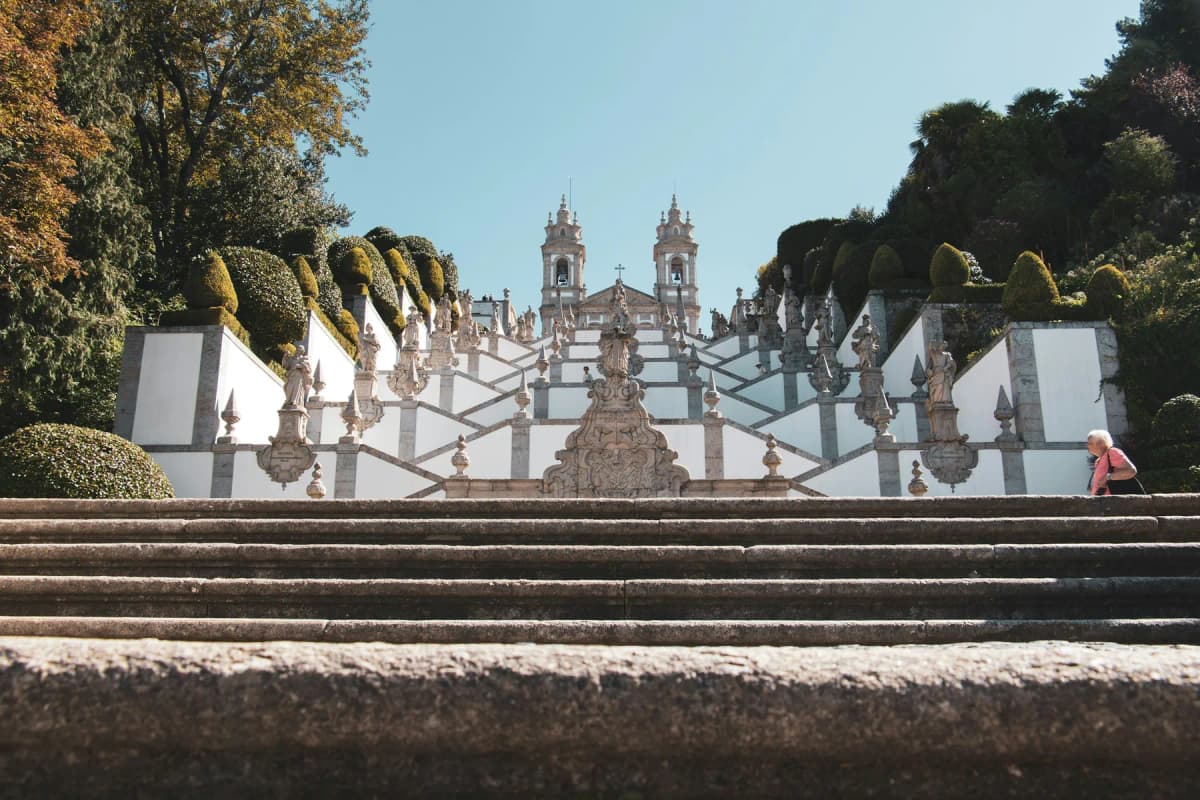 Photo: Angela Compagnone on Unsplash
Braga is Portugal's religious capital and one of its oldest cities, founded by the Romans as Bracara Augusta. It has a large student population as well, so the centre is lively in a way that a city of churches might not suggest.
Getting there: direct suburban trains from São Bento take about an hour and cost €3.60 each way.
What to see:
- Bom Jesus do Monte, a hilltop sanctuary reached by a monumental baroque staircase that zigzags up the hillside, with fountains and chapels at each landing. It is a UNESCO World Heritage site, and the grounds are free. If you would rather not climb, a water-powered funicular from 1882, the oldest of its kind still working, runs up beside the stairs for about €2 to €2.50 each way. Bom Jesus is about 5 km east of the centre; a city bus runs from the centre to the foot of the staircase.
- Braga Cathedral (the Sé), the oldest cathedral in Portugal, begun in the 11th century.
- Praça da República and the Arcada, the main square, and the pedestrian streets and gardens around it, including the Jardim de Santa Bárbara.
Allow half a day for Bom Jesus including the journey out and back, and the rest for the centre.
Guimarães and Braga in one day: it can be done. The two are linked by frequent buses that take about 25 to 50 minutes depending on the service, while the train between them requires a change and is slower. Take an early train to one, the bus across at lunchtime and the train back from the other. You will have to skip something in each, so if your schedule allows, give them a day apiece.
4. Aveiro and Costa Nova: canals and striped houses
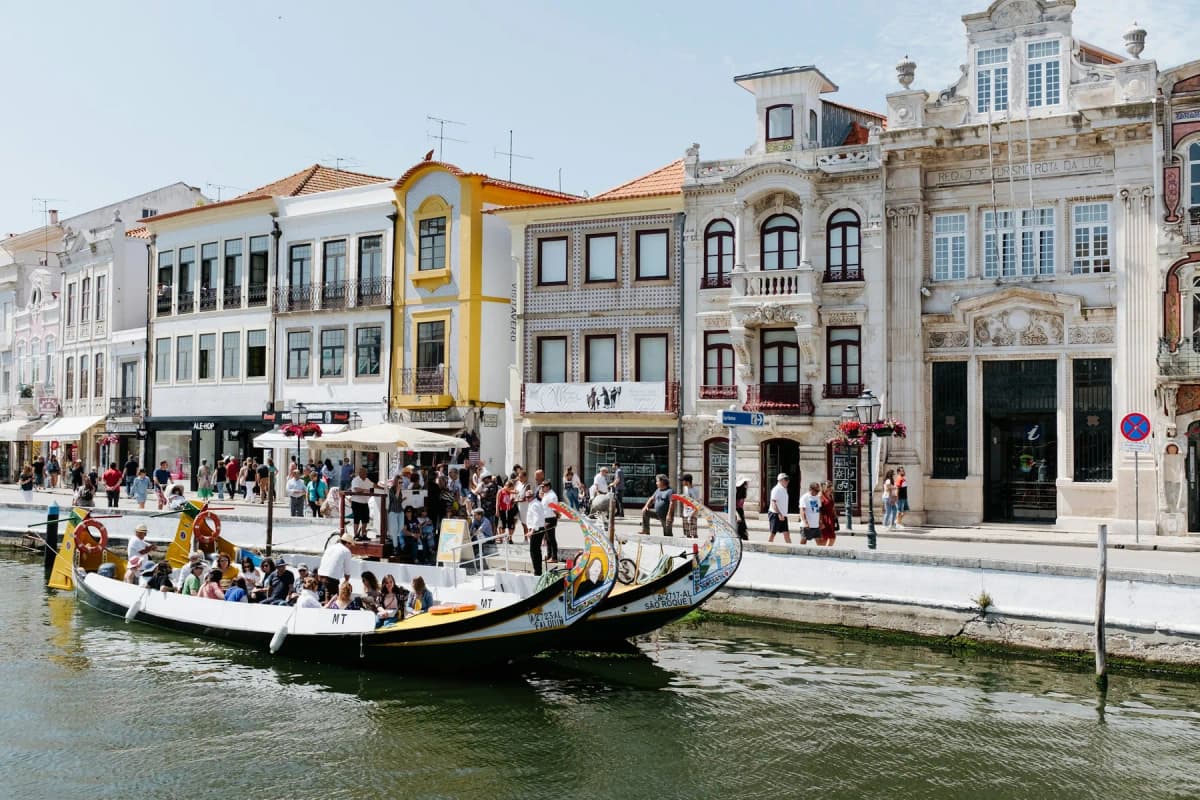 Photo: Ricardo Resende on Unsplash
Aveiro is a small city on a coastal lagoon south of Porto, crossed by canals and known for its painted boats, Art Nouveau buildings and a sweet made of egg yolk and sugar. It is flat, small and easy, which makes it the most relaxed day out on this list.
Getting there: direct suburban trains from São Bento take 1 hour to 1h15 and cost €3.95 each way. Aveiro's old station building, covered in blue and white tile panels, is a sight in itself. The canals are a 15-minute walk straight down the main avenue.
What to do:
- Take a moliceiro ride. These long, high-prowed boats were built to harvest seaweed from the lagoon and now carry visitors around the canals. A trip lasts about 45 minutes and costs around €13 to €15.
- Walk the canals and the Beira-Mar quarter, the old fishermen's district of low tiled houses.
- Try ovos moles, the local sweet, sold in thin wafer shells shaped like shells and fish.
- Look up. Aveiro has one of Portugal's best collections of Art Nouveau facades, concentrated around the central canal.
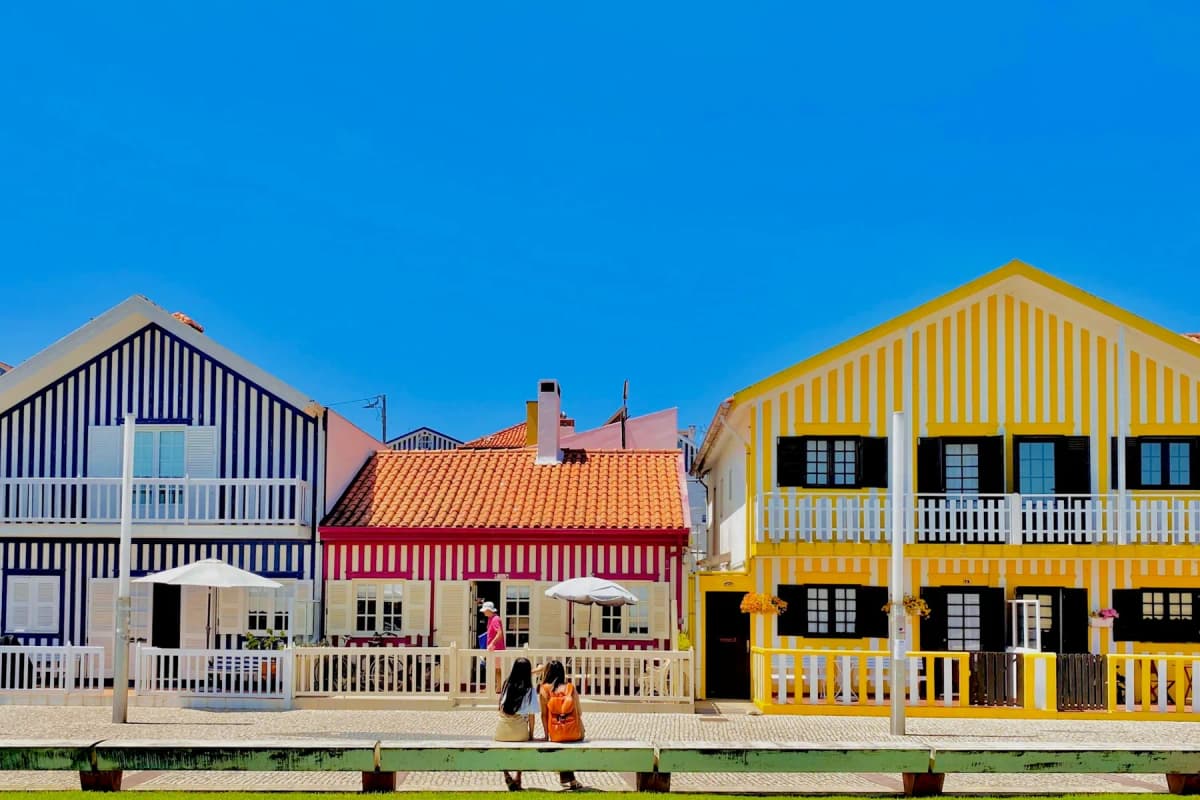 Photo: WONSUNG JANG on Unsplash
Costa Nova is the reason to stay for the afternoon. This beach village on the sandbar between the lagoon and the ocean is lined with wooden houses painted in bold candy stripes, originally fishermen's storage huts. Buses run from Aveiro in about 40 to 45 minutes, and the Atlantic beach is a short walk behind the houses.
Aveiro's centre takes two to three hours. With Costa Nova it makes a full, unhurried day.
5. Viana do Castelo: the northern coast
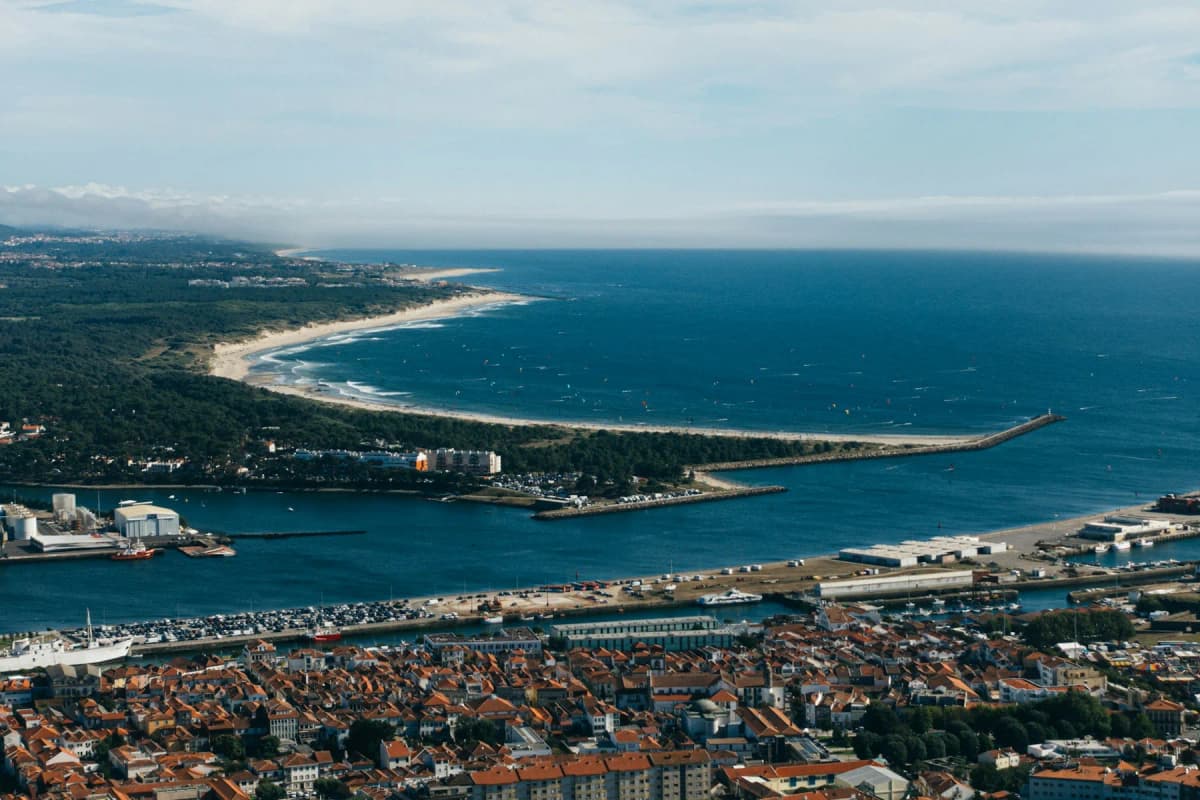 Photo:
 Viana do Castelo sits where the Lima River meets the Atlantic, about 70 km north of Porto. It is a handsome, less visited town with a Renaissance main square, a tradition of gold filigree jewellery and a hilltop basilica with one of the best views in northern Portugal.
Getting there: trains on the Minho line from Campanhã take about 1h10 to 1h30, depending on the service. Check CP for the current fare and times, as services are less frequent than on the suburban lines.
What to see:
- The Santuário de Santa Luzia, a domed basilica on the hill above the town. A funicular runs up from near the station, and the view from the top takes in the town, the river mouth and miles of coast.
- Praça da República, the old main square with its 16th-century fountain and town hall.
- The beaches. Praia do Cabedelo, across the river, is a long sandy beach popular for kitesurfing and windsurfing.
Viana suits travellers who have already seen Guimarães and Braga, or anyone who prefers a quiet town to a famous one.
6. Coimbra: Portugal's university city
Coimbra was the medieval capital of Portugal and is home to one of the oldest universities in Europe, founded in 1290. The university sits at the top of a steep old town above the Mondego River.
Getting there: fast trains from Campanhã reach Coimbra-B station in about 1h05 on the Alfa Pendular and about 1h15 on the Intercidades. Fares are around €15 each way and vary by service and how early you book. A short connecting train or taxi links Coimbra-B with the centre.
What to see:
- The University of Coimbra, a UNESCO World Heritage site. The highlight is the Biblioteca Joanina, an 18th-century baroque library of gilded wood, visited in timed groups. Book ahead in high season.
- The Old Cathedral (Sé Velha), a fortress-like Romanesque church from the 12th century.
- The lanes of the upper and lower town, linked by stairways, where Coimbra's own style of fado is performed.
Coimbra lies roughly a third of the way from Porto to Lisbon, so it also works as a stop on the journey between the two instead of a return trip. Our Portugal itinerary shows how to fit it in.
7. Peneda-Gerês National Park: waterfalls and granite peaks
Peneda-Gerês is Portugal's only national park, a region of granite mountains, oak forest, reservoirs, waterfalls and stone villages along the Spanish border, about 100 km north-east of Porto.
Getting there: there is no practical direct public transport from Porto. By car it is about 1h15 to the southern edge of the park. Without a car, the realistic option is a guided small-group tour from Porto, which typically includes a 4x4 route to viewpoints, a short hike and a swim at a waterfall or lagoon.
What to do: swim in natural pools, walk a section of the Roman road (the Geira) with its ancient milestones, and look for the semi-wild Garrano ponies and long-horned Barrosã cattle that roam the hills. Late spring to early autumn is the best time for swimming.
This is the day trip for travellers who have had enough of churches and wine cellars.
8. Espinho and the coast: an easy beach afternoon
When you want a few hours by the sea without planning, the coast near Porto is easy to reach.
- Espinho, a beach town south of the city, is about 30 minutes from São Bento on the Aveiro suburban line, for about €3 each way. The station is a few minutes' walk from a long sandy beach.
- Matosinhos, Porto's own beach and fishing district, is on the metro and known for its street of grilled-fish restaurants.
- Vila do Conde, north of the city on the metro's red line, has a wide beach, an old shipbuilding quarter and a huge convent above the river.
The Atlantic here is cold and often rough, and northern Portugal's beaches can be windy even in summer. Come for the walk and the fish lunch as much as the swim.
What does a day trip from Porto cost?
| Trip | Return transport | Main costs on arrival | Rough total, before food |
|---|---|---|---|
| Douro Valley by train | €24.90 | Tasting and boat trip, varies | From about €45 |
| Guimarães | €7.20 | Castle and palace, €8 | About €15 |
| Braga | €7.20 | Funicular, about €2 to €5 | About €12 |
| Aveiro | €7.90 | Moliceiro, about €13 to €15 | About €22 |
| Espinho | About €6 | None | About €6 |
Guimarães, Braga and Aveiro are among the best-value day trips in western Europe. The Douro is the one that costs real money, whether you go by train and pay for tastings or take a tour.
Flying into Porto? Compare dates before you book:
Practical extras: the metro links Porto Airport with the centre, and if you land late you can pre-book a private transfer from Porto Airport. On a day you stay in the city, the six bridges cruise on the Douro is a 50-minute way to see Porto from the water. A Portugal eSIM from Airalo keeps train times and maps to hand, and travel insurance from EKTA covers the pre-booked parts of your trip.
Tips for day trips from Porto
- Go from São Bento when you can. Suburban trains to Braga, Guimarães and Aveiro start there, so you get a seat, and the station's tile hall is worth ten minutes on its own.
- Check the last train back, especially on the Douro line, where services are few.
- Book Douro tastings ahead. Most estates take visitors by appointment.
- Mind the weather. Northern Portugal is green because it rains, mostly from October to April. Save Aveiro or Braga's churches for a wet day and the Douro for a clear one.
- Keep the €0.50 card. It can be reloaded for further suburban trips.
- Stay overnight in Porto, not in each town. All eight trips work from one base. For which neighbourhood to choose, see where to stay in Porto.
Frequently asked questions
What is the best day trip from Porto? The Douro Valley. It is the landscape most visitors come to northern Portugal to see, and a day is enough for the scenic train ride or a tour with two estate visits and a river cruise. Guimarães is the best choice if you prefer history to wine.
Where can I go from Porto by train? Braga, Guimarães, Aveiro and Espinho are direct from São Bento on suburban trains, each in about an hour or less for under €4. The Douro line reaches Régua and Pinhão, the Minho line reaches Viana do Castelo, and fast trains from Campanhã serve Coimbra and Lisbon.
Can you visit Porto in a day? You can see the highlights in a day: the Ribeira waterfront, the Dom Luís I Bridge, São Bento station, the Clérigos Tower and a port cellar in Vila Nova de Gaia. It is rushed, though, and two days is far better. See our guide to the best things to do in Porto.
What to visit in Porto in 2 days? Spend the first day in the historic centre and Ribeira, crossing the bridge to Gaia for a port tasting at sunset. On the second, see the cathedral, the Bolhão market and Foz, where the river meets the sea. With a third day, take a day trip to the Douro Valley.
Can you do Braga and Guimarães in one day? Yes, with an early start. Take the train to one, a bus between them and the train back to Porto from the other. You will need to limit yourself to the main sights in each: Bom Jesus and the cathedral in Braga, the castle and old squares in Guimarães.
Is the Douro Valley worth a day trip from Porto? Yes, though it is a long day. The train to Pinhão takes about 2.5 hours each way. A guided tour covers more ground in the same time. If you can spare a night in the valley, it is a far more relaxed way to see it.
Do you need a car for day trips from Porto? Not for most. Trains serve the Douro, Guimarães, Braga, Aveiro, Viana do Castelo, Coimbra and Espinho. You need a car or a tour only for Peneda-Gerês and for exploring the Douro's hilltop viewpoints.
How we researched this guide
Suburban fares to Braga, Guimarães, Aveiro and Espinho come from the 2026 Porto urban price table published by CP – Comboios de Portugal, and the Douro line fare from CP's regional prices, checked in October 2026. Entry prices for Guimarães Castle and the Palace of the Dukes are from the monuments' official website. We could not confirm the Bom Jesus funicular fare, moliceiro prices, the Coimbra train fare or bus times to Costa Nova from the operators directly, so those are given as approximate figures from recent secondary sources. Journey times are typical timetable values and vary by departure. This guide does not include first-hand restaurant, winery or hotel reviews. Found something out of date? Let us know.
For more, browse all our Portugal guides, plan your time in the city with the best things to do in Porto, pick a base with where to stay in Porto, and see how the north fits into a longer trip in our Portugal itinerary. Starting in the capital? Read our Lisbon itinerary and the best day trips from Lisbon.