Where to Stay in Porto: 9 Best Areas for Every Kind of Trip (2026)
September 29, 2026 · Portugal
This post contains affiliate links. We may earn a commission if you book through them, at no extra cost to you. Disclaimer.
Porto's historic centre is small enough to cross on foot in half an hour, so it's tempting to think it doesn't matter where you stay. It does, because Porto is built on a granite hillside above the Douro. The riverfront and the upper town are only a few hundred metres apart on the map, but in between there are staircases, cobbles and gradients that feel very different at the end of a long day. Some of the prettiest streets are also the loudest at night.
This guide compares the nine best areas to stay in Porto: who each one suits, and the trade-offs most hotel listings won't tell you about, including hills, noise, and how easy the area is to reach from the airport and the Lisbon train.
Where to stay in Porto: the quick answer
| Area | Best for | Vibe at night | Hills | Budget |
|---|---|---|---|---|
| Baixa & Aliados | First-timers, transport, flatter streets | Busy early, calm late | Gentle | Mid |
| Clérigos & Vitória | Most visitors, walking to everything | Lively, loud near the bars | Moderate | Mid to high |
| Ribeira | Atmosphere, river views, couples | Busy terraces | Very steep above the quay | Mid to high |
| Sé & Barredo | Old-town character | Quiet lanes | Very steep | Budget to mid |
| Bolhão & Santa Catarina | Shopping, the market, metro access | Local, calm | Gentle | Budget to mid |
| Cedofeita & Miguel Bombarda | Art, cafés, a more local feel | Relaxed | Gentle | Budget to mid |
| Vila Nova de Gaia | Port cellars, the view of Porto | Quiet away from the quay | Steep | Mid |
| Boavista | Business trips, families, airport metro | Quiet | Flat | Mid |
| Foz do Douro | The sea, longer stays, a slower pace | Very quiet | Flat | Mid to high |
Our short version: the best area to stay in Porto for a first trip is Baixa, around Aliados, or Clérigos. Choose Ribeira for atmosphere (and a view worth the climb), Gaia if you want to look at Porto rather than out from it, and Foz if you'd rather wake up to the Atlantic than to a city street.
How to choose where to stay in Porto
1. Look at the contour lines, not just the distance. Ribeira sits at river level; the Baixa and Aliados are more than 50 metres higher. The walk down is lovely; the walk back up after dinner is the part people remember. If mobility is a concern, Aliados, Bolhão, Boavista and Foz are the easiest areas to get around.
2. Stay near the metro if you're arriving by plane. Metro Line E runs from the airport to Trindade in the centre in about 25–30 minutes, with stops at Casa da Música (Boavista) along the way. Anything within a few minutes' walk of Trindade, Aliados, Bolhão or São Bento is easy on arrival day.
3. Check the street, not just the neighbourhood. Porto's nightlife is concentrated in a few streets around Rua da Galeria de Paris and Rua Cândido dos Reis, just behind the Clérigos Tower. One street over is fine; directly above the bars is not.
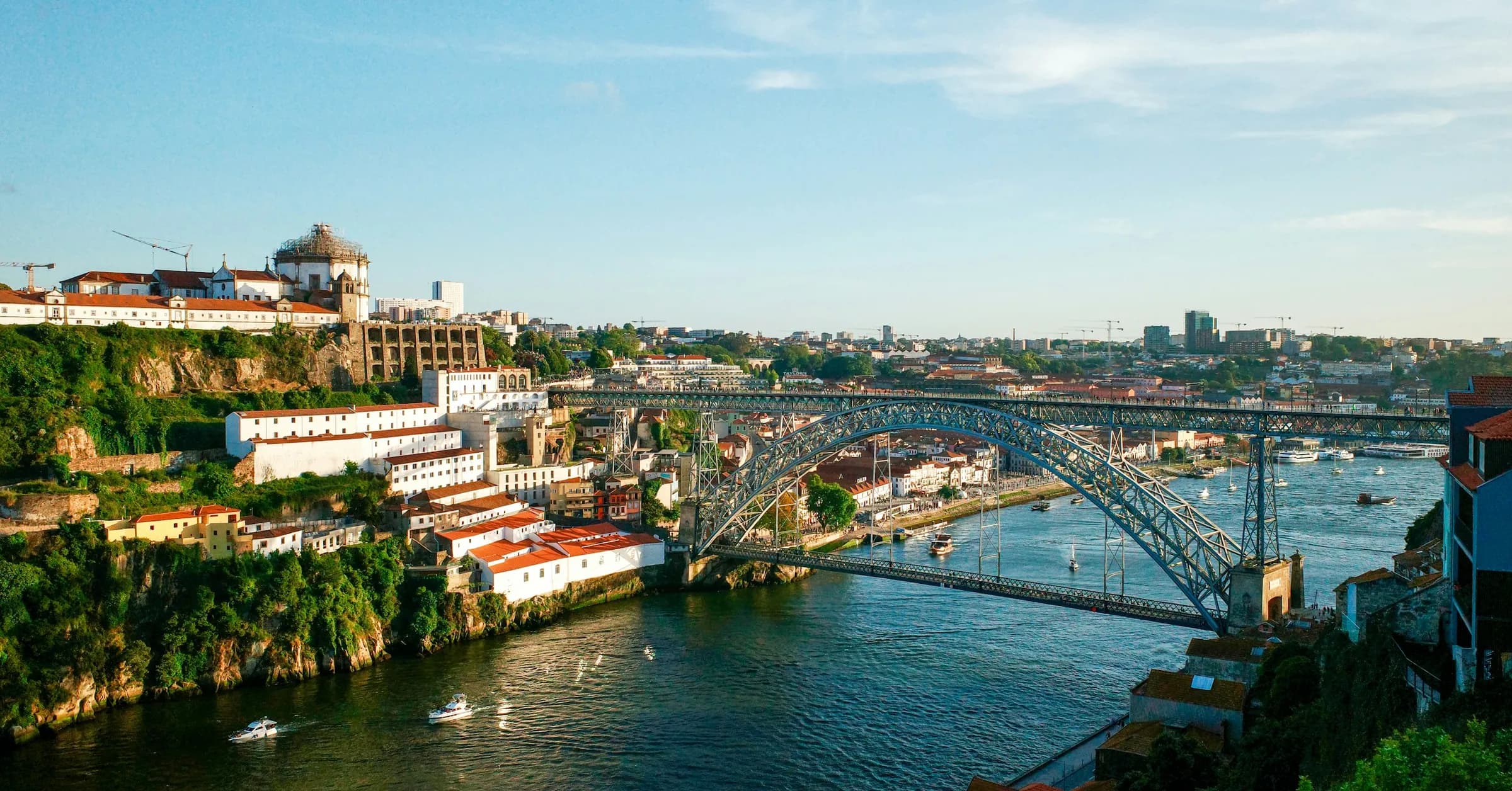
4. Think about the view. The famous postcard of Porto (stacked houses, the Dom Luís I bridge, the rabelo boats) is taken from Gaia. Staying on the Gaia side gets you that view from your window; staying in Ribeira puts you inside it.
The 9 best areas to stay in Porto
1. Baixa & Aliados: best for first-timers
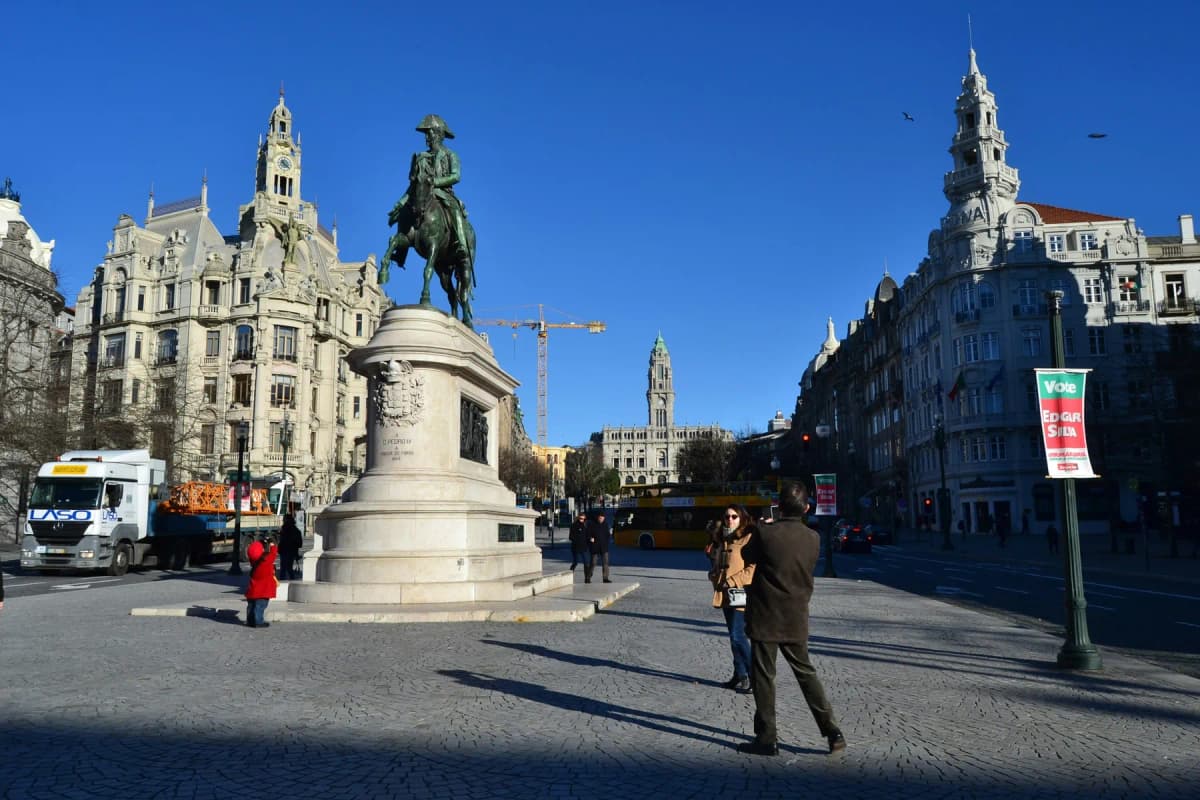 Photo: Andrea Junqueira on Unsplash
The Baixa is Porto's downtown, and its centrepiece is the Avenida dos Aliados, a broad boulevard of granite and Beaux-Arts buildings rising to the City Hall tower. It's the flattest and most practical part of the centre: São Bento station, with its famous tiled hall, is at the bottom, Aliados and Trindade metro stations are on the avenue, and Clérigos, Lello and Bolhão market are all within about ten minutes on foot.
- Good for: first trips, short stays, arriving with luggage, easy transport.
- Less good for: character; the avenue itself is grand but can feel a little like an office district in the evening.
- Where to look: the side streets between Aliados and Rua de Santa Catarina, or just west towards Clérigos.
2. Clérigos & Vitória: the best area to stay in Porto for most visitors
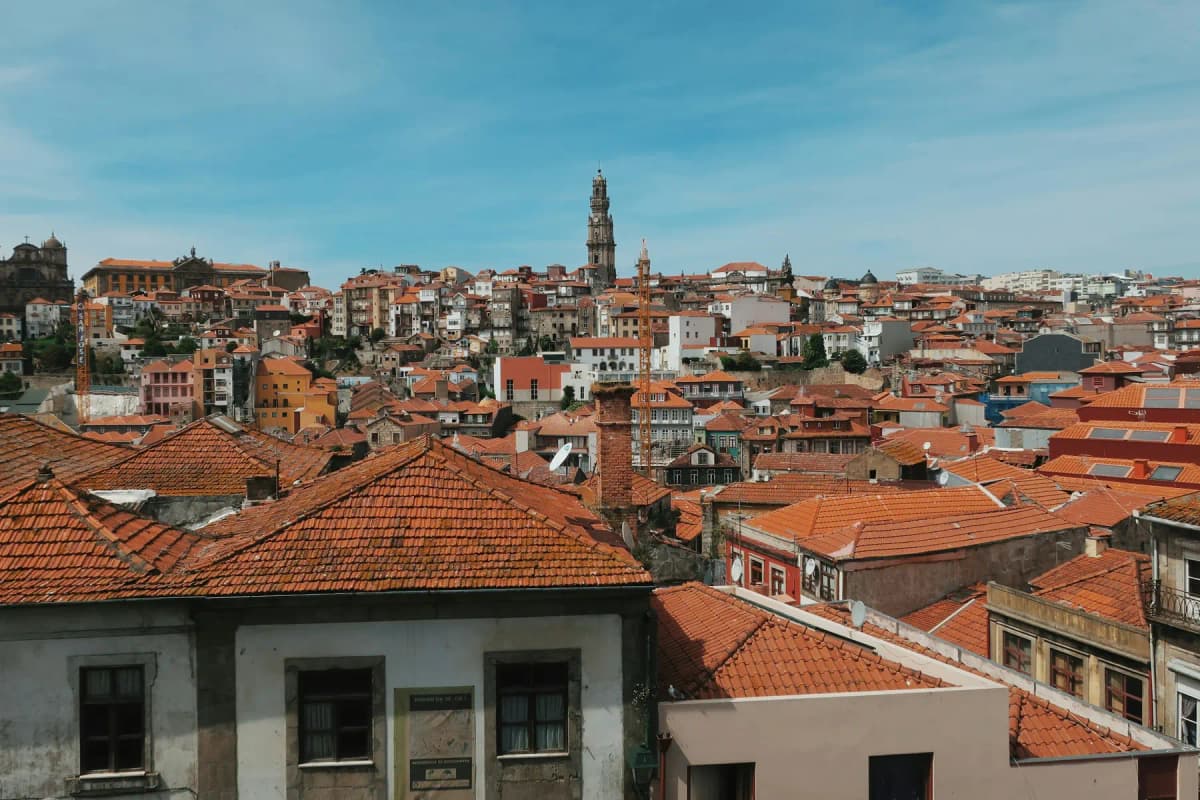 Photo: Pedro de Sousa on Unsplash
The streets around the Clérigos Tower put you in the middle of everything. Livraria Lello is two minutes away, Rua das Flores (one of Porto's prettiest pedestrian streets) leads down towards Ribeira, and the old Vitória quarter behind it has some of the city's best small hotels and guesthouses. If you've read our things to do in Porto guide, half the list is within a ten-minute walk.
- Good for: first-timers, couples, food and walking.
- Less good for: light sleepers on the wrong street. The bars around Galeria de Paris and Cândido dos Reis are busy until late, especially at weekends.
- Handy: São Bento and Aliados metro stations are both a short walk away.
3. Ribeira: best for atmosphere and river views
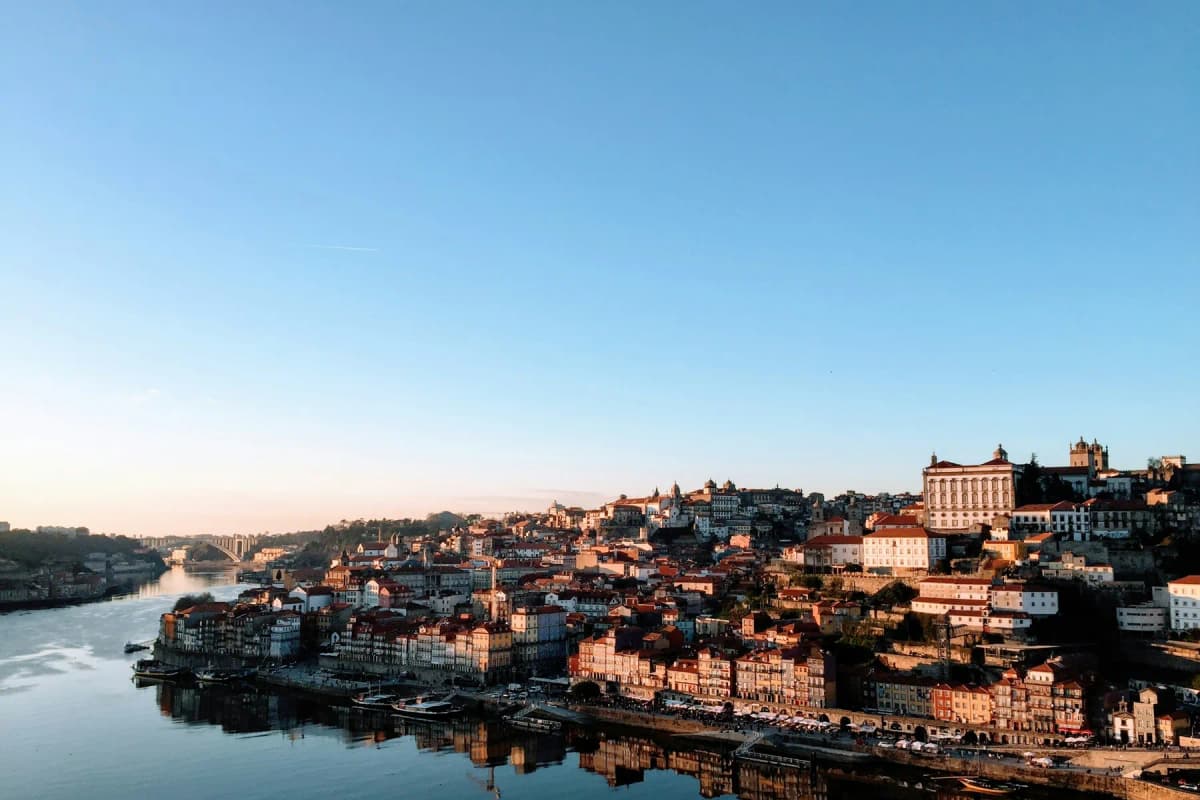 Photo: Carlos Machado on Unsplash
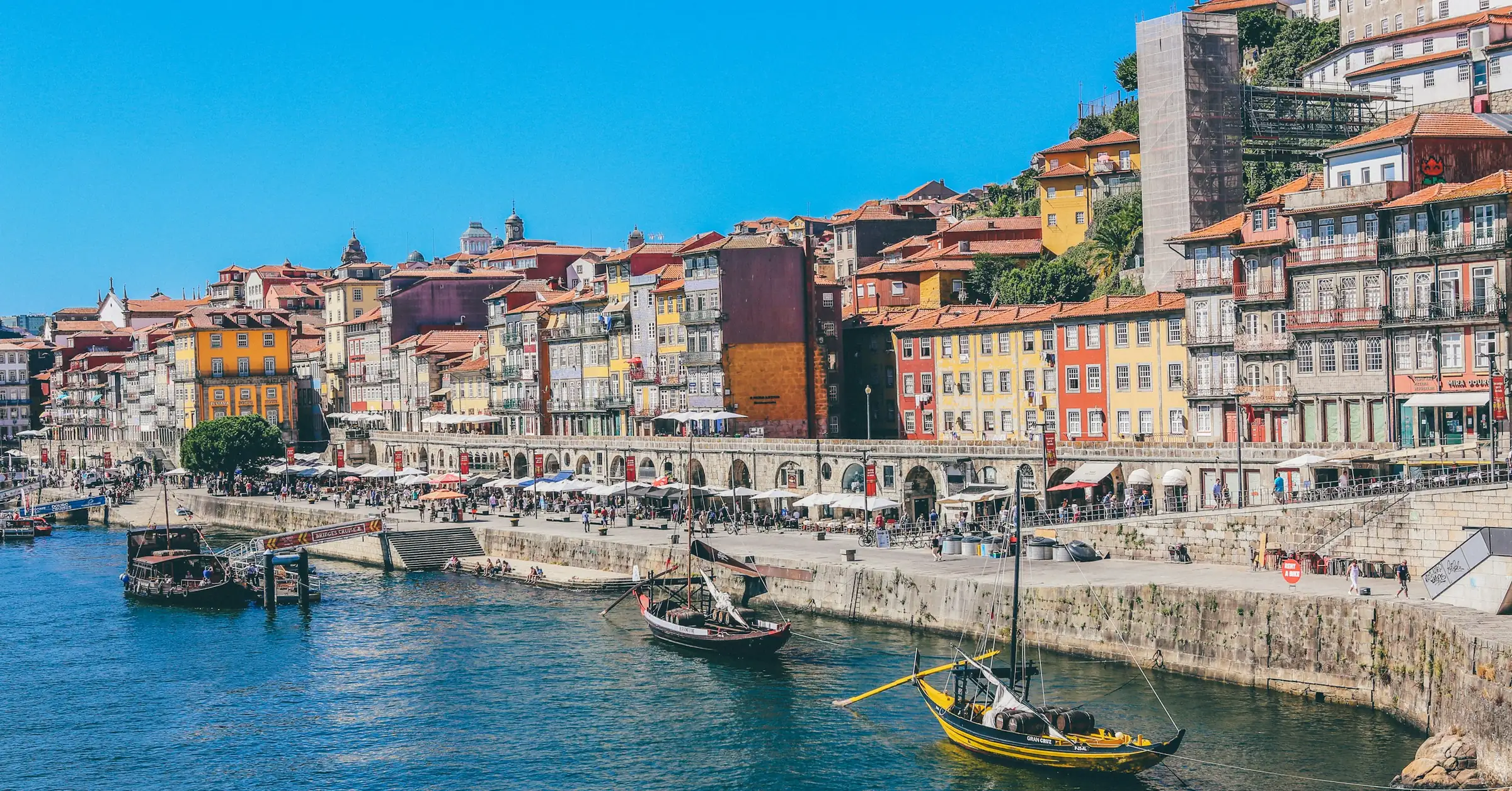
Ribeira is the riverfront at the foot of the old town: narrow, tall houses in ochre, green and tile stacked above the quay, with the Dom Luís I bridge at one end. It's part of Porto's UNESCO-listed historic centre and the most atmospheric place to stay. Step outside and the river cruises, the lower deck of the bridge and the Gaia port cellars are right there.
- Good for: atmosphere, couples, river views, short stays.
- Less good for: heavy luggage and limited mobility. Many buildings are reached by steep lanes and stairs, and cars can't get close to all of them. The quay is also crowded and noisy in summer evenings.
- Handy: there's no metro station in Ribeira itself. São Bento is a steep 10-minute walk uphill, or take the Funicular dos Guindais up to Batalha.
4. Sé & Barredo: best for old-town character on a budget
The cathedral quarter sits on the hill above Ribeira, and the Barredo lanes that tumble down from the Sé to the river are the oldest, most tangled part of the city. It's residential, full of washing lines and stairways, and often cheaper than Ribeira just below it.
- Good for: travellers who want the old town without Ribeira prices, photographers.
- Less good for: anyone with wheeled suitcases; some lanes are stairways, and it's quiet (and dimly lit) late at night.
- Handy: São Bento station is at the foot of the Sé hill, so it's easy to reach from the Lisbon train.
5. Bolhão & Santa Catarina: best for shopping and value near the centre
East of Aliados, Rua de Santa Catarina is Porto's main shopping street, home to the Capela das Almas with its tiled façade and the Majestic Café. The restored Mercado do Bolhão is just off it. It's central, fairly flat and a little less touristy, and hotels and apartments here are often better value than in Clérigos or Ribeira.
- Good for: value, families, repeat visitors, anyone who wants a supermarket and a market nearby.
- Less good for: a riverside feel; you're about 15 minutes' walk from the water.
- Handy: Bolhão metro station is on the trunk line to the airport (change at Trindade for Line E).
6. Cedofeita & Miguel Bombarda: best for a more local, creative feel
Northwest of Clérigos, Cedofeita is a lived-in neighbourhood of cafés, bakeries and independent shops. Rua Miguel Bombarda is the heart of Porto's arts quarter, lined with galleries, concept stores and small restaurants. It feels like a real part of the city rather than a tourist district, and it's still only 10 to 15 minutes' walk from the centre.
- Good for: repeat visitors, longer stays, food and design lovers, a more local base.
- Less good for: being in the middle of the sights; you'll walk a bit further each day.
- Where to look: the streets between Rua de Cedofeita and Miguel Bombarda, or near the Jardim do Carregal.
7. Vila Nova de Gaia: best for the view and the port cellars
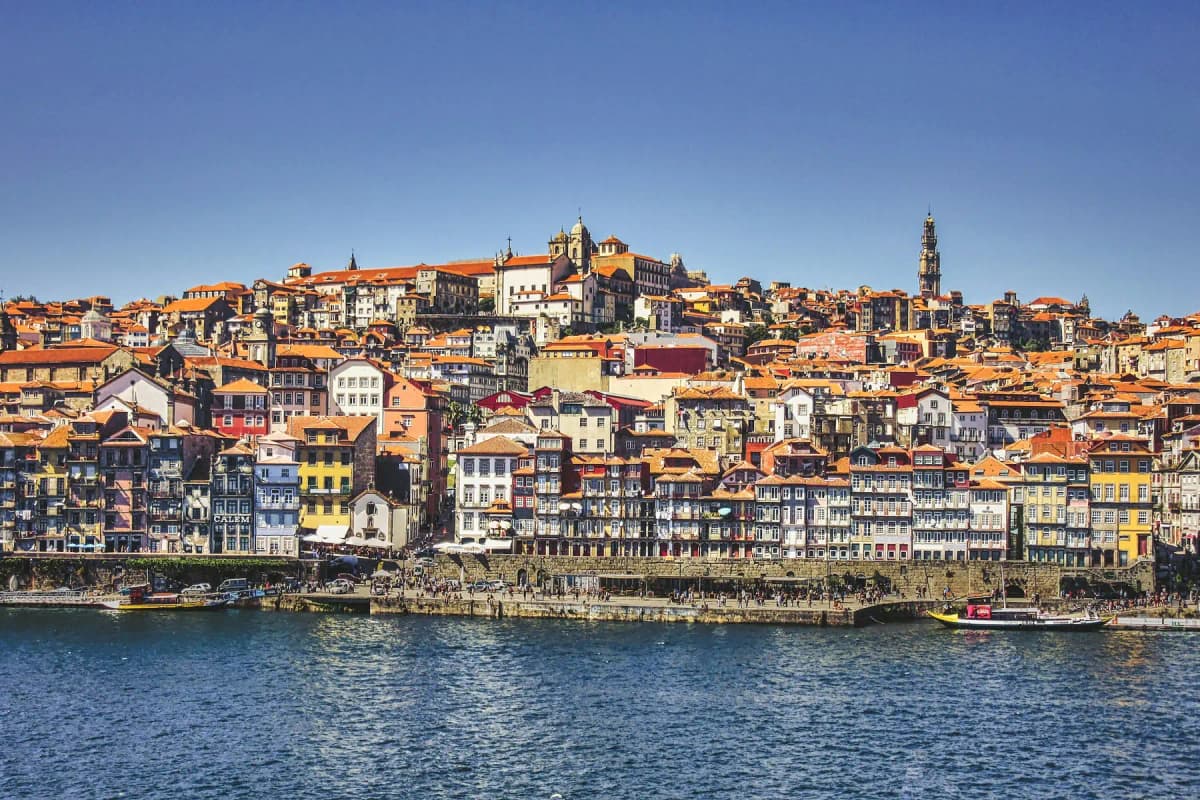 Photo: K. Mitch Hodge on Unsplash
Technically a separate city, Gaia faces Porto across the river, and it's where the port wine lodges have aged and shipped wine for centuries. Stay on the waterfront or the slopes above it and you get the classic view of Porto from your room, with the port cellars on your doorstep and a short walk across the bridge to Ribeira. Several of the city's upmarket hotels are here, often with river-view terraces.
- Good for: couples, port wine lovers, the view, sunset at Jardim do Morro.
- Less good for: convenience. The Gaia slopes are steep, and many restaurants beyond the riverfront are aimed at cellar visitors. Gaia also charges its own municipal tourist tax, separate from Porto's.
- Handy: Jardim do Morro and General Torres metro stations (Line D) link the upper part of Gaia to São Bento and Aliados across the bridge's top deck.
8. Boavista: best for business trips, families and the airport
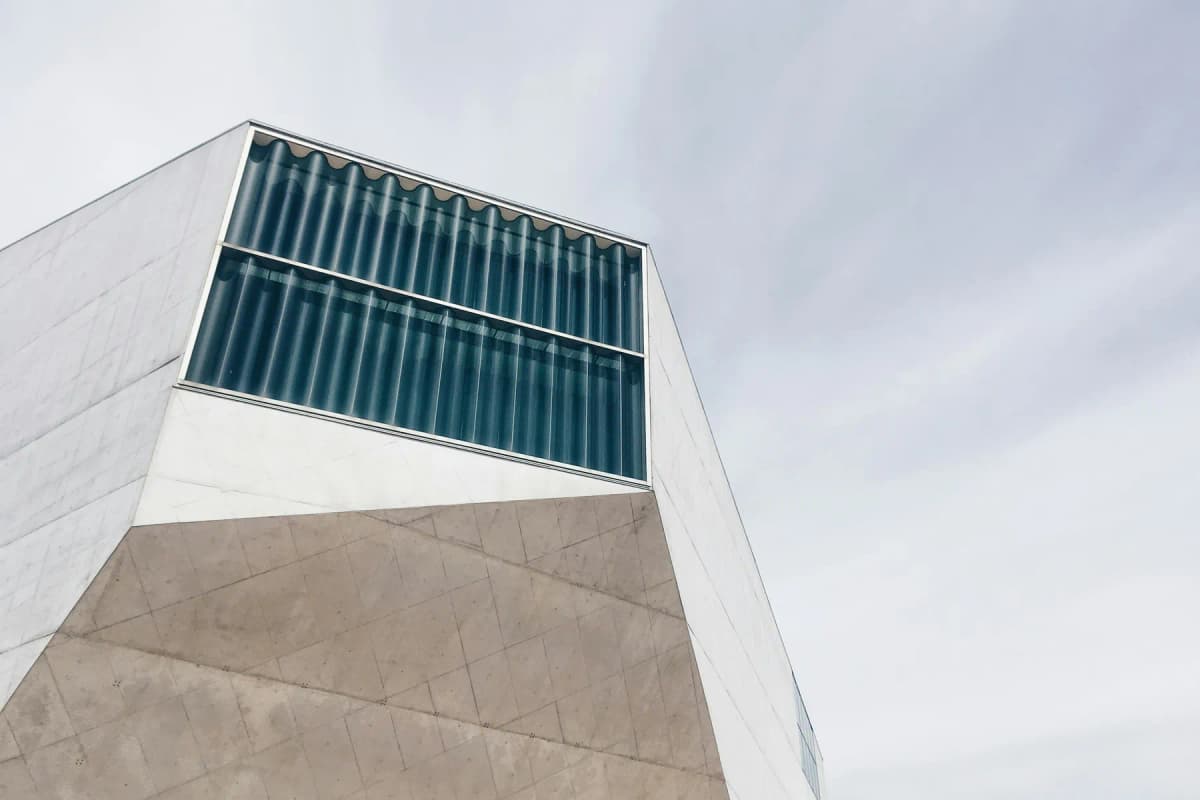 Photo: Max Tarkhov on Unsplash
Boavista is modern Porto: a long avenue running west towards the sea, with larger hotels, offices, shopping centres and the striking Casa da Música concert hall. Rooms tend to be bigger and more modern than in the old town, and the streets are flat.
- Good for: business trips, families, anyone who wants a big modern hotel, early flights.
- Less good for: charm; you'll take the metro or a taxi to the historic centre.
- Handy: Casa da Música station is on the airport line (Line E), with no change needed, and Serralves is a short bus or taxi ride west.
9. Foz do Douro: best for the sea and a slower pace
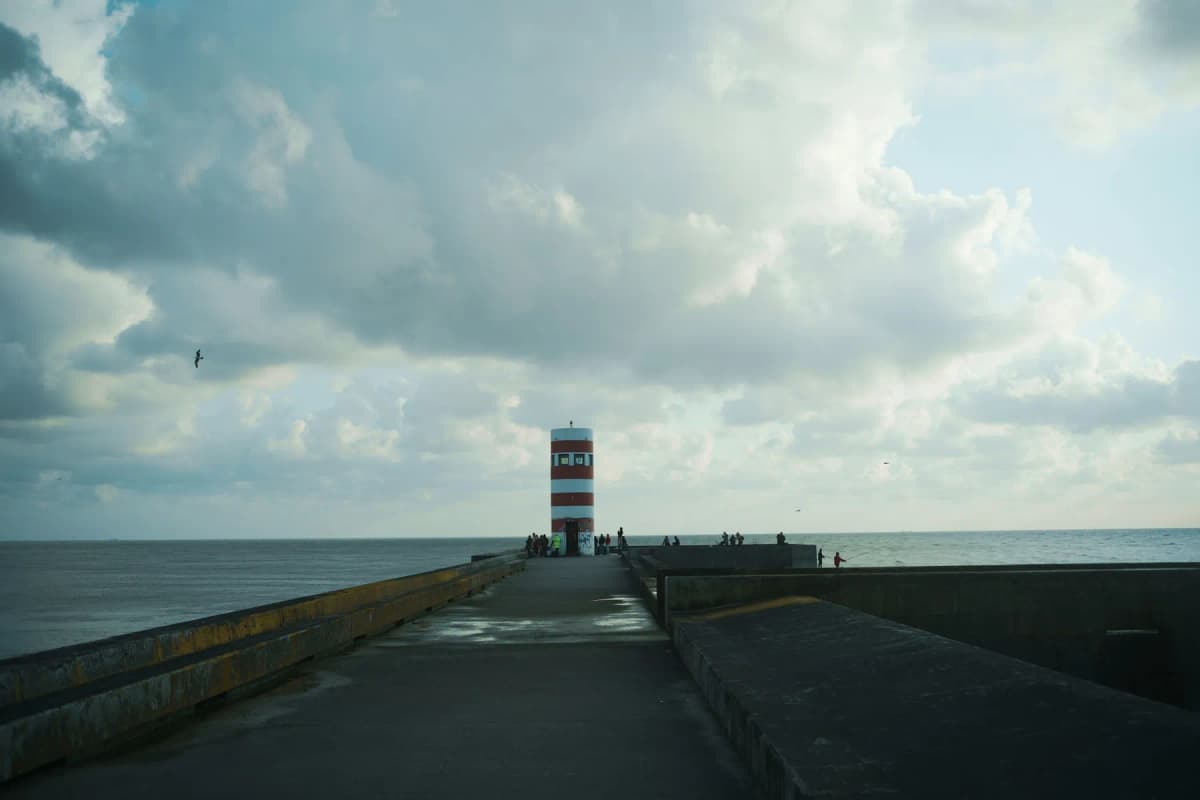 Photo:
 Where the Douro meets the Atlantic, Foz is Porto's upmarket seaside neighbourhood: a long promenade, small beaches between the rocks, lighthouses on the breakwaters and good seafood, with Matosinhos a short walk or ride up the coast. It's calm, flat and residential, and a very different stay from the old town.
- Good for: longer stays, summer trips, couples, families, runners and cyclists.
- Less good for: a short first visit. The centre is about 25 minutes away by bus, or longer on the scenic historic tram line 1, which runs along the river.
- Handy: STCP bus 500 runs along the river between Praça da Liberdade and Foz, continuing to Matosinhos.
Where to avoid staying in Porto
Porto is generally a safe city for visitors, so this is more about fit than danger:
- Directly above the Galeria de Paris and Cândido dos Reis bars if you want to sleep. The street party can go on until the small hours at weekends.
- At the top of a Ribeira or Barredo stairway if you're travelling with big suitcases, small children or limited mobility. Check the street view and ask the host how close a taxi can get.
- Around Campanhã station for a sightseeing trip. It's where the Lisbon trains arrive, but it's outside the historic centre and not a pleasant area to walk around at night. It's only worth considering for an early train.
- Far out on the edge of the metro map to save money. The savings rarely justify the daily commute. Bolhão or Cedofeita are better budget compromises.
As in any busy city, watch your bag in crowds on the Dom Luís I bridge, in Ribeira and on the historic trams.
Getting from Porto Airport and the train station to your hotel
From the airport: Metro Line E (violet) runs from the airport to Trindade in the city centre in about 25–30 minutes, on a Z4 Andante ticket (€2.30 plus €0.60 for the reusable card). It stops at Casa da Música on the way, and Trindade connects to every other line. For Ribeira, Gaia or a late arrival with heavy bags, it's easier to pre-book a fixed-price airport transfer that drops you as close to the door as a car can get. To have maps and ride apps working the moment you land, set up a Portugal eSIM from Airalo before you fly.
From Lisbon by train: fast Alfa Pendular and Intercidades trains arrive at Porto Campanhã, east of the centre. Your ticket includes a free connection on a suburban train to São Bento (about 4 minutes) within an hour of arrival, and São Bento is within walking distance of Baixa, Clérigos, the Sé and Ribeira.
Still comparing dates? Check flight prices to Porto here:
Tips before you book a Porto hotel
- Budget for the city tax. Porto charges a tourist tax of €3 per person per night (guests aged 13 and over, capped at 7 nights), usually paid at the hotel and often not included in the price you see online.
- Ask about the lift. Many central hotels and apartments are in narrow, old townhouses, and a steep fourth-floor walk-up is common.
- Book early for São João. On the night of 23 June Porto throws its biggest street party of the year, and rooms sell out well ahead.
- Hotel or apartment? Both work well in Porto. Apartments give you more space and a kitchen near Bolhão market; hotels are easier for a short stay, luggage storage and late check-in. Holiday lets in Portugal must be registered, so check that the listing shows its registration number.
- Leave a day for the Douro Valley. It's the best day trip from Porto and works from any central base, especially near São Bento, where the Douro line trains leave. Or book a full-day Douro Valley tour with hotel pickup included.
Frequently asked questions
What is the best area to stay in Porto? For most visitors, the Baixa (around Avenida dos Aliados) or the streets around the Clérigos Tower. Both are central, close to the metro and São Bento station, and within walking distance of Ribeira, Livraria Lello and the Gaia port cellars.
Where is the most central place to stay in Porto? The area between Aliados, São Bento and Clérigos. From there almost every sight in the historic centre is within a 15-minute walk.
Is it better to stay in Ribeira or the Baixa? Ribeira has more atmosphere and the river on your doorstep, but it's crowded, noisy in summer and at the bottom of a steep hill. The Baixa is flatter, quieter at night and better connected. Stay in Ribeira for a romantic short stay; choose the Baixa for convenience.
Is it better to stay in Porto or Vila Nova de Gaia? Porto, for most first-timers, because the sights, restaurants and metro are concentrated there. Gaia is a good choice if the view and the port cellars matter most to you, and it's only a walk across the bridge.
Where should I stay in Porto for 3 days? Baixa, Aliados or Clérigos, so you can walk the city for two days and catch an early train from São Bento to the Douro Valley on the third.
Where should I stay in Porto with a family? Bolhão, Boavista or Foz do Douro: they're flatter, easier to reach by car and have more family-sized rooms and apartments than the hilly old town.
How we researched this guide
This guide is based on research using official sources such as Visit Porto and North, Metro do Porto, CP – Comboios de Portugal and Porto City Council for the municipal tourist tax, plus current traveller feedback and search trends. Tourist tax, fares and transport details were checked in September 2026 and can change, so always confirm before you travel. Found something out of date? Let us know.
Planning more of Portugal? Browse all our Portugal guides, see the best things to do in Porto, or head three hours south with our guide to where to stay in Lisbon.