12 Best Places to Visit in Paris (2026 First-Timer's Guide)
By The Atlas & Route team · September 28, 2026 · France
This post contains affiliate links. We may earn a commission if you book through them, at no extra cost to you. Disclaimer.
The best places to visit in Paris are easy to name. What's harder is fitting them into a few days without spending half your trip in queues. The Eiffel Tower, the Louvre and Versailles all use timed tickets now. Several big sights charge visitors from outside the EU more than residents. And most museums close one day a week, though not all on the same day.
This guide covers the 12 places we'd put on a first visit, what each costs in 2026 and how to group them by neighbourhood so you walk more and queue less. Prices were checked in September 2026 against the official sites.
Best places to visit in Paris at a glance
| Place | Area | Adult price (2026) | Time needed | Closed |
|---|---|---|---|---|
| Eiffel Tower | 7th | €14.80 to €36.70 | 2 to 3 hours | Open daily |
| The Louvre | 1st | €32 (€22 EEA residents) | 3 hours+ | Tuesdays |
| Notre-Dame | Île de la Cité | Free (towers €16) | 1 hour | Open daily |
| Sainte-Chapelle | Île de la Cité | €22 (€16 EEA) | 45 minutes | Open daily |
| Musée d'Orsay | 7th | €16 online | 2 to 3 hours | Mondays |
| Montmartre and Sacré-Cœur | 18th | Free (dome €8) | Half a day | Open daily |
| Le Marais | 3rd and 4th | Free | Half a day | Many shops open Sunday |
| Seine cruise | Central | About €15 to €20 | 1 hour | Runs daily |
| Arc de Triomphe | 8th | €22 (€16 Oct to Mar) | 1 hour | Open daily |
| Latin Quarter and Luxembourg Gardens | 5th and 6th | Free | Half a day | Open daily |
| The Catacombs | 14th | €31 (timed ticket) | 1.5 hours | Mondays |
| Versailles | Day trip | €35 (€25 Nov to Mar) | Full day | Mondays |
1. The Eiffel Tower and Trocadéro
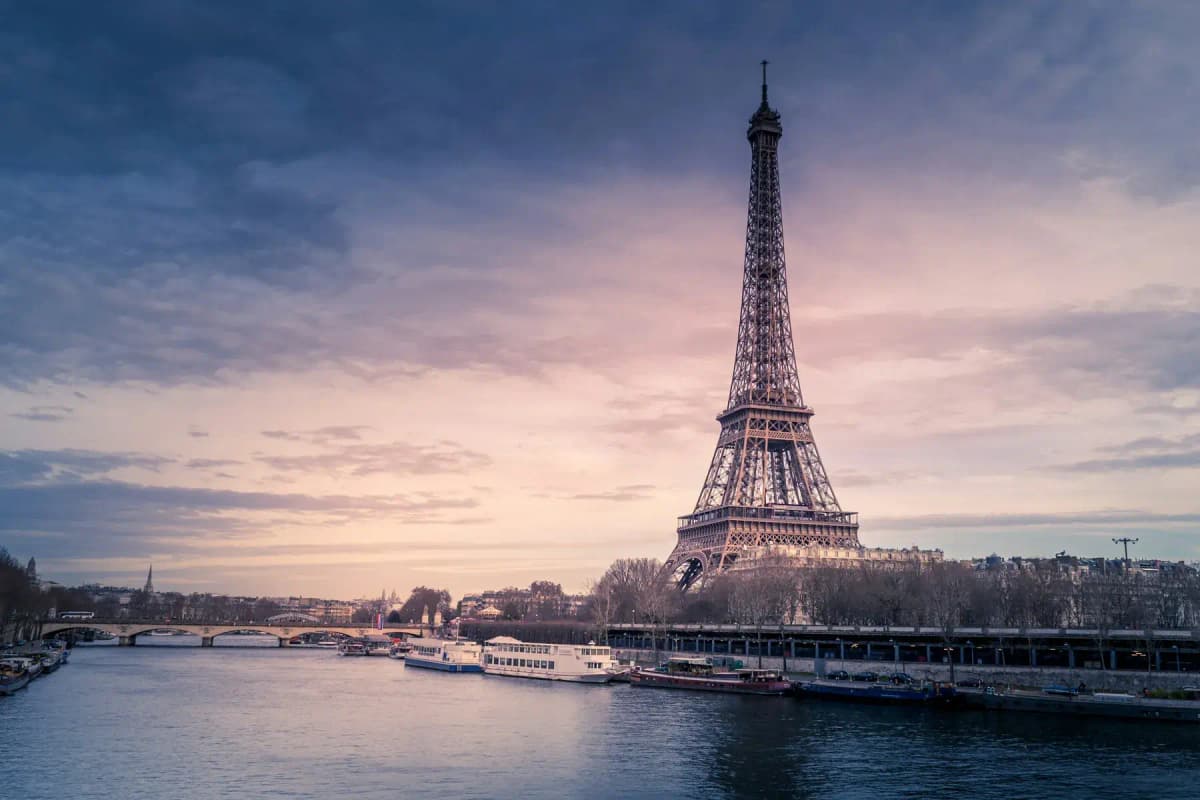 Photo: Chris Karidis on Unsplash
The best view of the tower is from across the river, on the terrace of the Trocadéro. Go early in the morning for photos without crowds, or after dark: the tower sparkles for five minutes at the start of every hour.
Going up is worth doing once. The official prices in 2026 are €23.50 for the lift to the 2nd floor and €36.70 for the lift all the way to the summit. The stairs are cheaper: €14.80 to the 2nd floor, or €28 for the stairs plus the lift to the top. Visitors aged 12 to 24 pay about half. In September the tower is open from 9:30 until 23:00. Book a timed slot on the official site as soon as your dates are fixed, because summit tickets sell out first.
If you'd rather have someone handle the logistics and explain what you're looking at, there's a guided Eiffel Tower tour with optional summit access. Book it only if you want the commentary. If you just want to go up, the official ticket is cheaper.
2. The Louvre
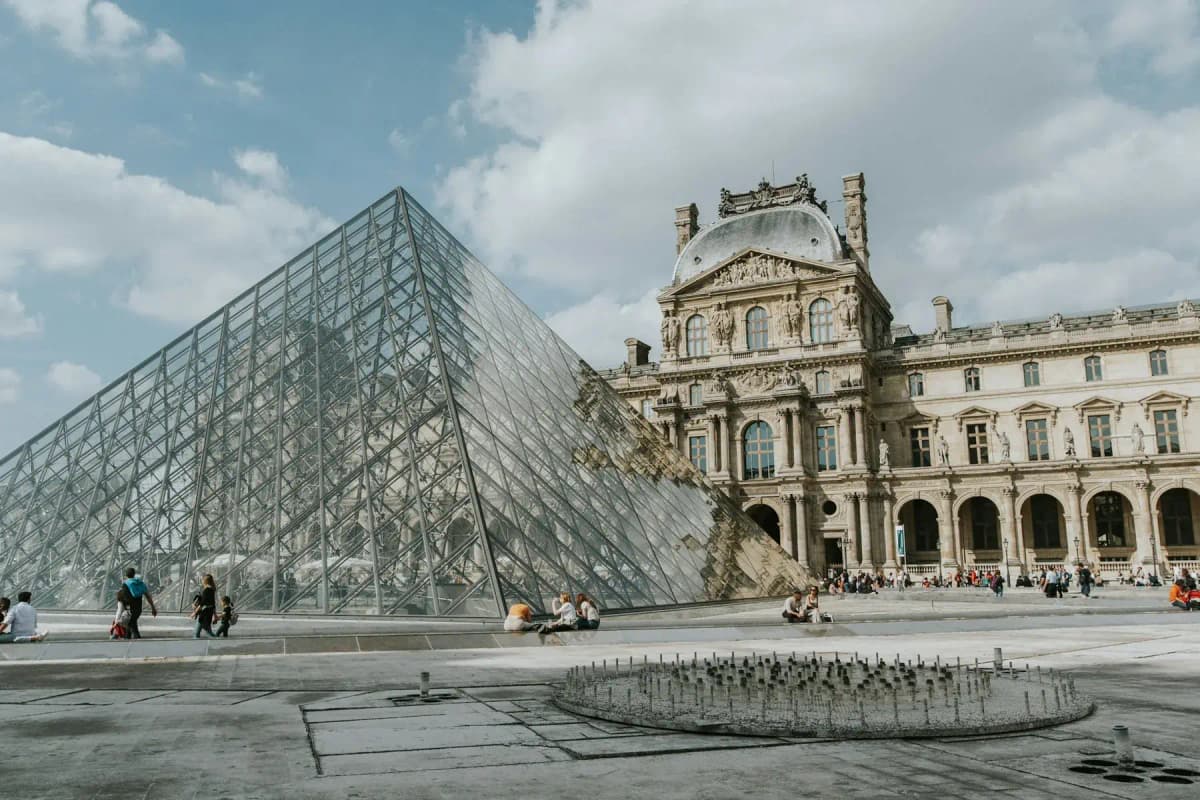 Photo: Matej Pribanic on Unsplash
The world's most-visited museum is too big to see in one go, so don't try. Pick two or three things you actually care about, such as the Mona Lisa, the Winged Victory and the Egyptian antiquities, and plan a route around them.
Since 14 January 2026 the Louvre charges €32 to adults from outside the European Economic Area and €22 to EEA residents. A timed booking is required, so reserve on the official Louvre site before you go. The museum is closed on Tuesdays and stays open late on Wednesday and Friday evenings, which are the calmest times to visit. Some resellers charge well above the official price for the same entry, so for a plain ticket, book direct.
3. Notre-Dame and Île de la Cité
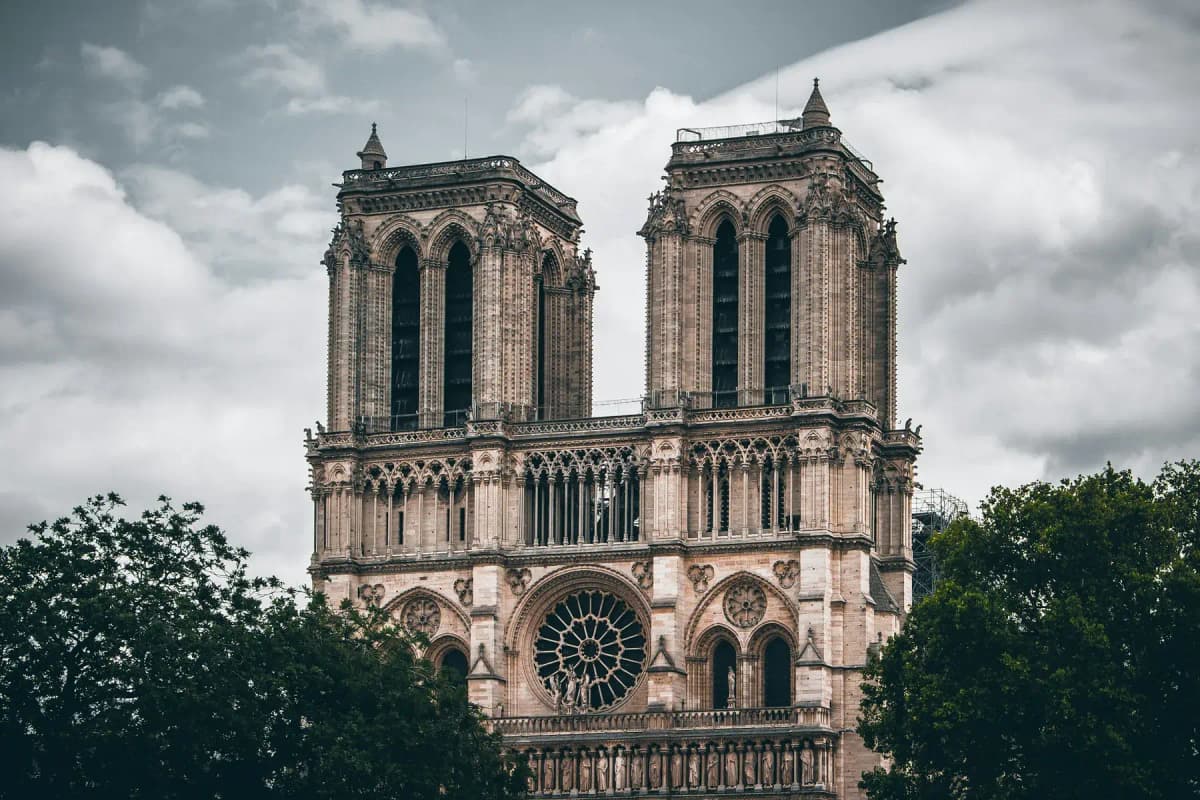 Photo: Marcel Strauß on Unsplash
Notre-Dame reopened in December 2024 after the 2019 fire, and the restored interior is brighter than it has looked in centuries. Entry is free. You can book an optional time slot online to shorten the wait, but you don't need one. It opens from 7:50 to 19:00 on weekdays (until 22:00 on Thursdays) and from 8:15 to 19:30 at weekends.
Climbing the towers costs €16, must be booked online and puts you among the gargoyles with a view down the Seine. Afterwards, walk to the western tip of the island, Square du Vert-Galant, one of the nicest spots in the city to sit by the water.
4. Sainte-Chapelle
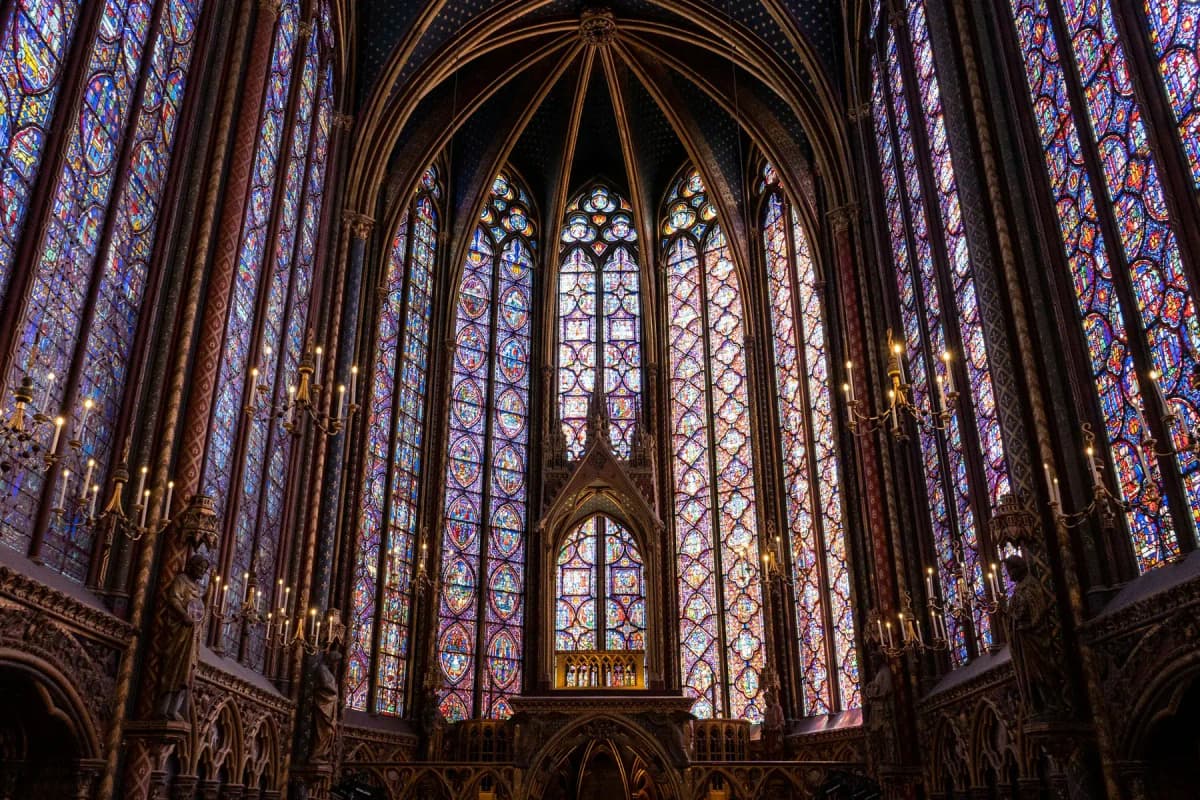 Photo: Divit Sharma on Unsplash
Five minutes from Notre-Dame, this 13th-century chapel is mostly stained glass: 15 windows, each around 15 metres tall. Come on a sunny day, ideally in the morning, when light pours through the glass. It's the most memorable interior in Paris.
Tickets cost €22 for non-EEA visitors and €16 for EEA residents. A combined ticket with the Conciergerie next door, the former royal palace and revolutionary prison, costs €30 or €23. It opens from 9:00 to 19:00 from April to September and from 9:00 to 17:00 from October to March. Security queues can be long, so book a slot in advance.
5. Musée d'Orsay
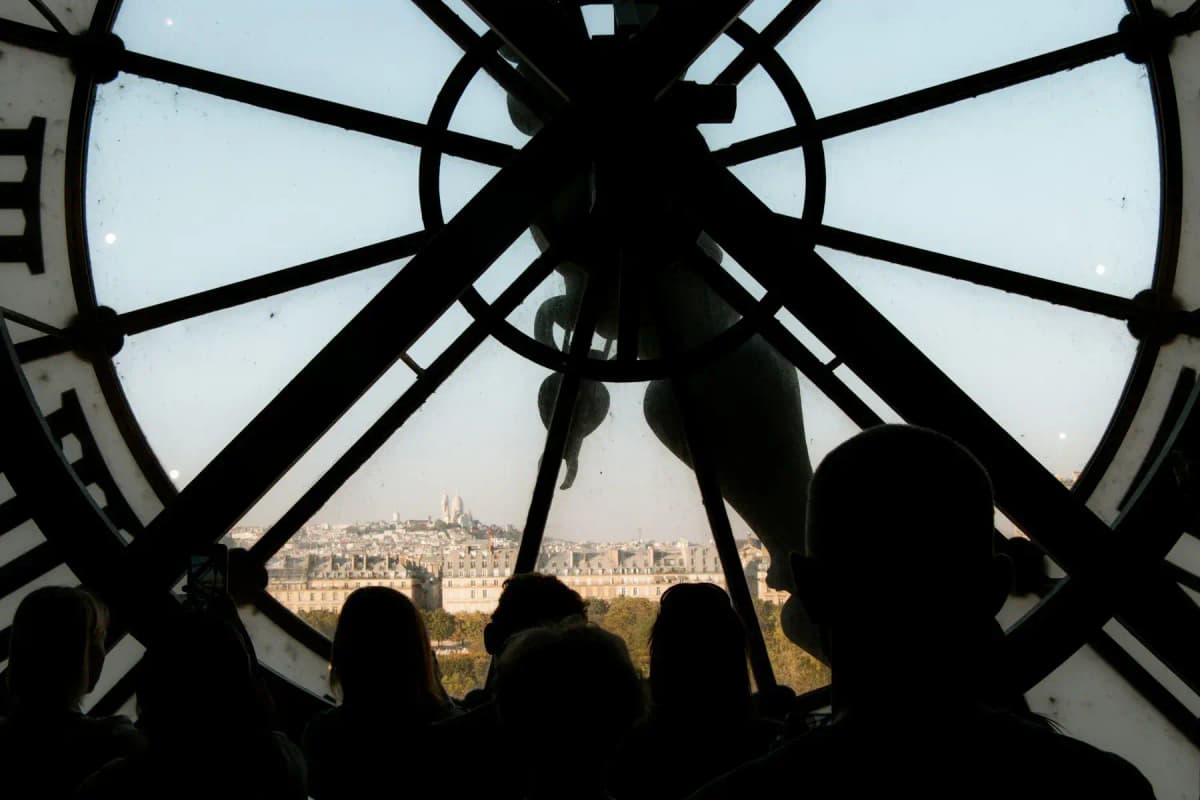 Photo:
Orsay is a former railway station full of Impressionist paintings by Monet, Renoir, Degas and Van Gogh. It's far easier to take in than the Louvre, and for many first-time visitors it's the museum they enjoy most. Don't miss the view through the giant clock on the top floor.
Tickets cost €16 online or €14 on site. On Thursday evenings the museum stays open until 21:45 and entry after 18:00 costs €12. It is closed on Mondays. If you'd rather not book a time slot, a skip-the-line Orsay ticket costs about US$20, close to the official price.
6. Montmartre and Sacré-Cœur
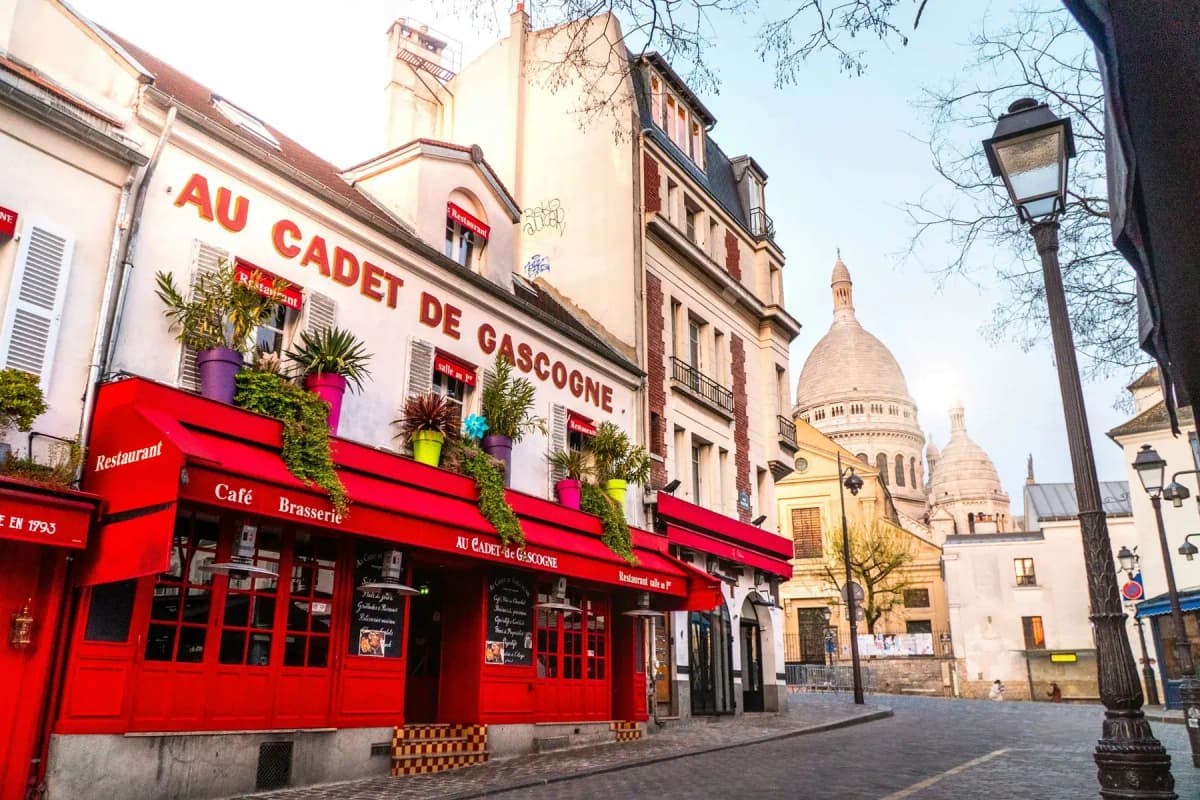 Photo: Bastien Nvs on Unsplash
Montmartre is the hilltop village of painters and cabarets, and it still feels like one once you leave the busiest streets. The basilica of Sacré-Cœur is free to enter. The climb to the dome, 300 steps, costs €8 and is sold on site only. From the top you get the widest view over Paris.
The square at Place du Tertre is crowded and touristy. Instead, walk rue de l'Abreuvoir to the pink Maison Rose, pass the Montmartre vineyard, and have a drink somewhere on rue des Abbesses. Go early or late in the day, and watch for bracelet sellers on the steps below the basilica.
7. Le Marais
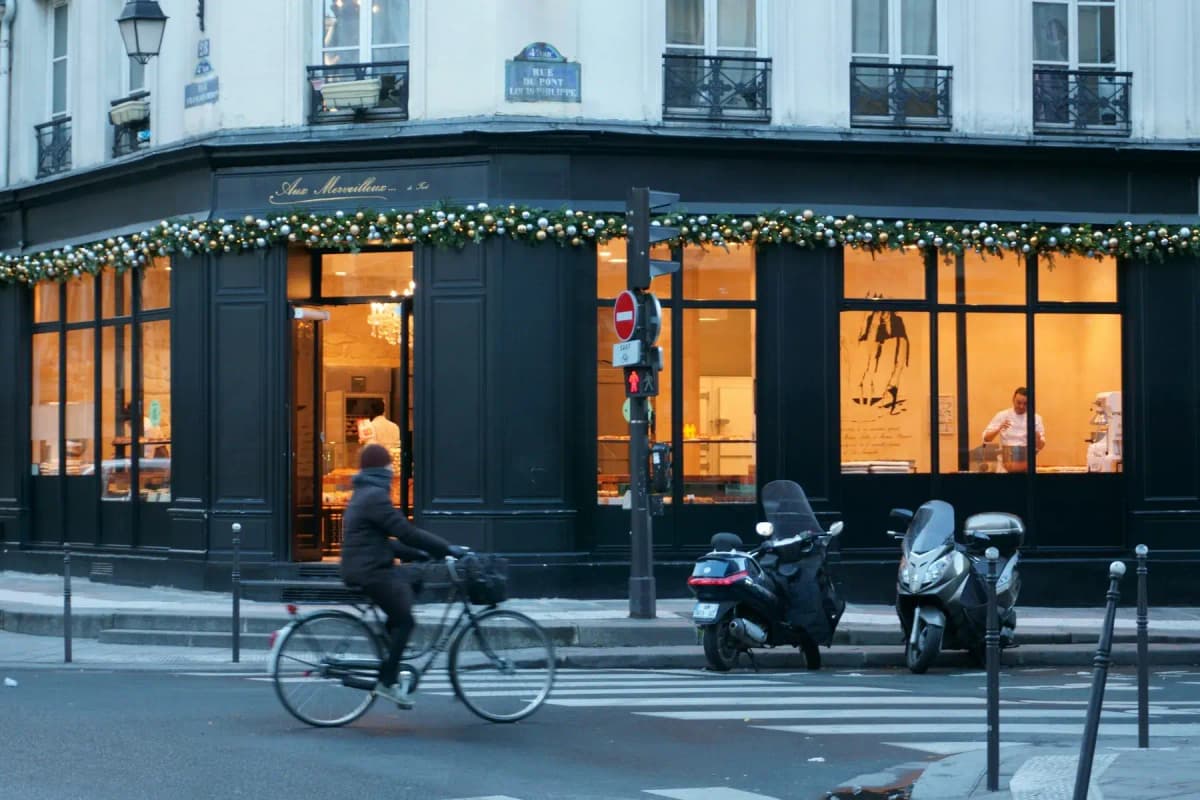 Photo: Sandro Cenni on Unsplash
The Marais survived Haussmann's rebuilding of Paris, so its streets are narrower and older than most of the centre. Start at the Place des Vosges, the city's oldest planned square. Then have falafel on rue des Rosiers and wander between independent shops, galleries and the free Musée Carnavalet, the museum of the history of Paris.
The Marais is one of the few areas where many shops open on Sundays, when much of Paris is shut. That makes it a good plan for a Sunday afternoon.
8. A cruise on the Seine
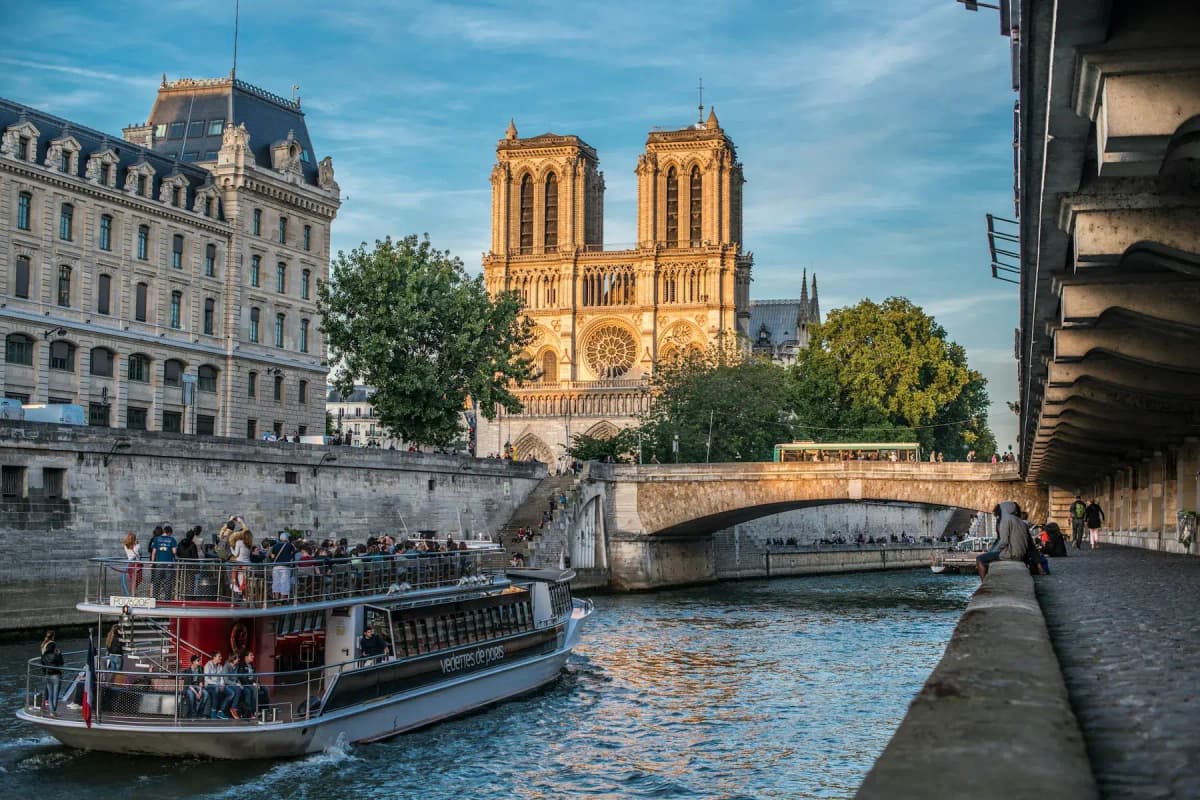 Photo: Maxime Gilbert on Unsplash
A one-hour boat trip takes you past the Louvre, Notre-Dame, the Musée d'Orsay and the Eiffel Tower without walking a step. It's the easiest way to see how central Paris fits together, and a good way to rest your legs at the end of a long day. Go around sunset for the best light.
Standard sightseeing cruises cost roughly €15 to €20. A one-hour cruise costs about US$21. Dinner cruises cost several times more. If you mainly want the views, the standard cruise is better value.
9. The Arc de Triomphe and Champs-Élysées
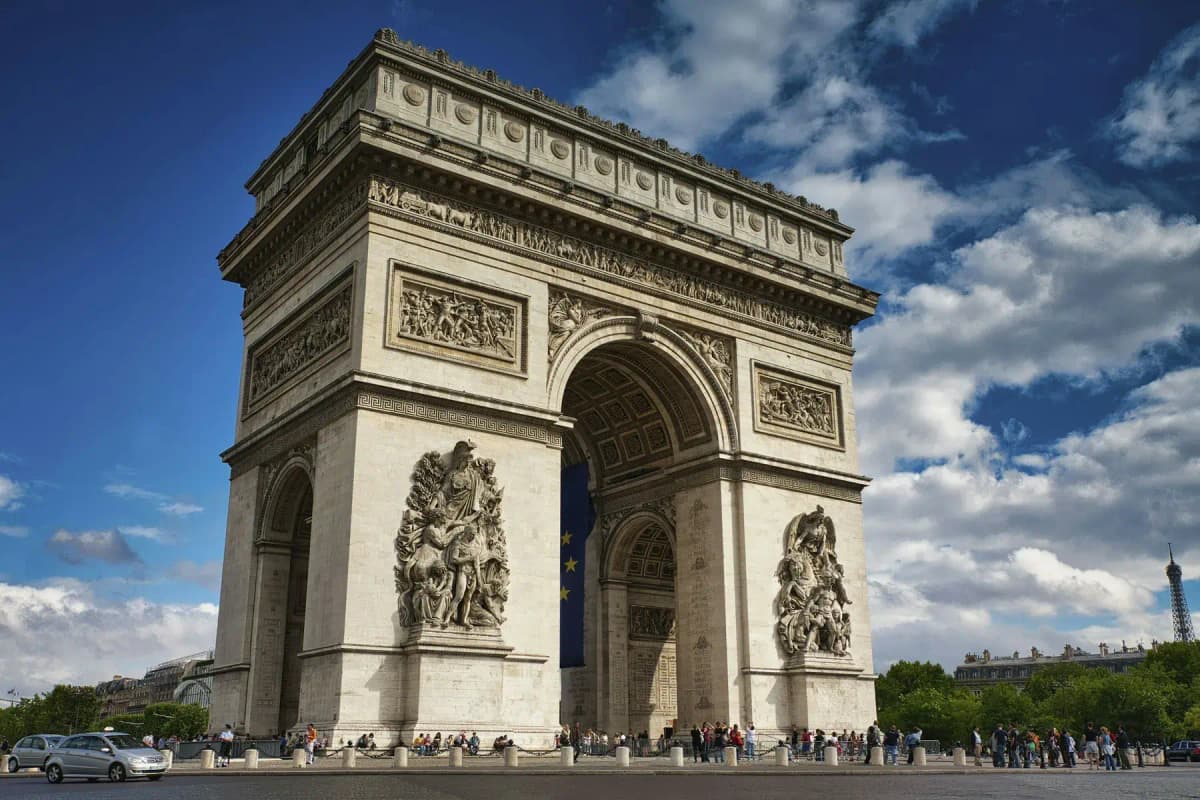 Photo: ian kelsall on Unsplash
The view from the roof of the Arc de Triomphe is better than you'd expect. Twelve avenues radiate out from it in a star, with the Eiffel Tower on one side and the business towers of La Défense on the other. You reach the arch through an underpass. Don't try to cross the traffic circle above ground.
The official price is €22 from April to September and €16 from October to March. It's about 280 steps with no lift for most visitors. Online you can book a rooftop entry ticket for about US$19. Afterwards, walk down the Champs-Élysées towards Place de la Concorde and the Tuileries. The avenue itself is mostly chain stores, so treat it as a walk rather than a shopping trip.
10. The Latin Quarter and Luxembourg Gardens
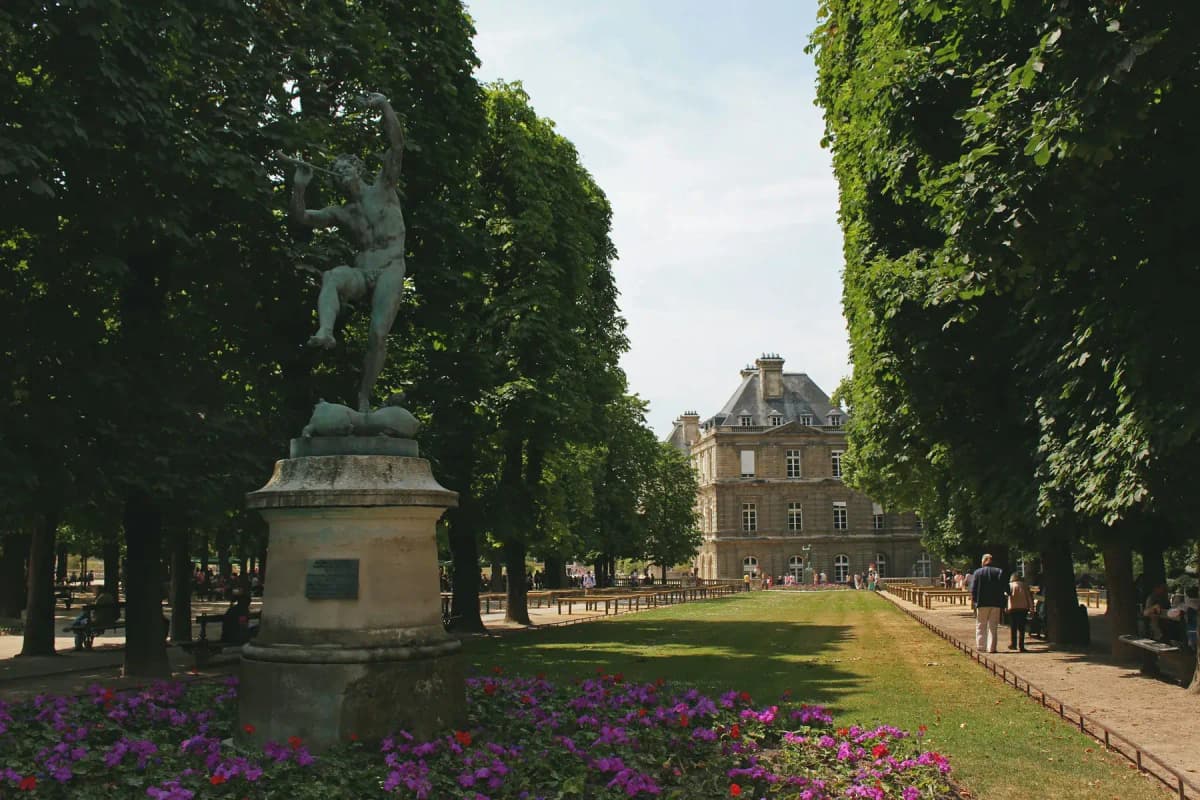 Photo:
South of the river, the Latin Quarter has the Sorbonne, the Panthéon, the Shakespeare and Company bookshop and small streets full of cheap places to eat. It's the easiest part of Paris to wander without a plan.
At its edge are the Luxembourg Gardens, which are free and the best place in the city to do nothing for an hour. Pull up one of the green metal chairs by the Medici Fountain or the central pond, where children sail rental toy boats.
11. The Catacombs
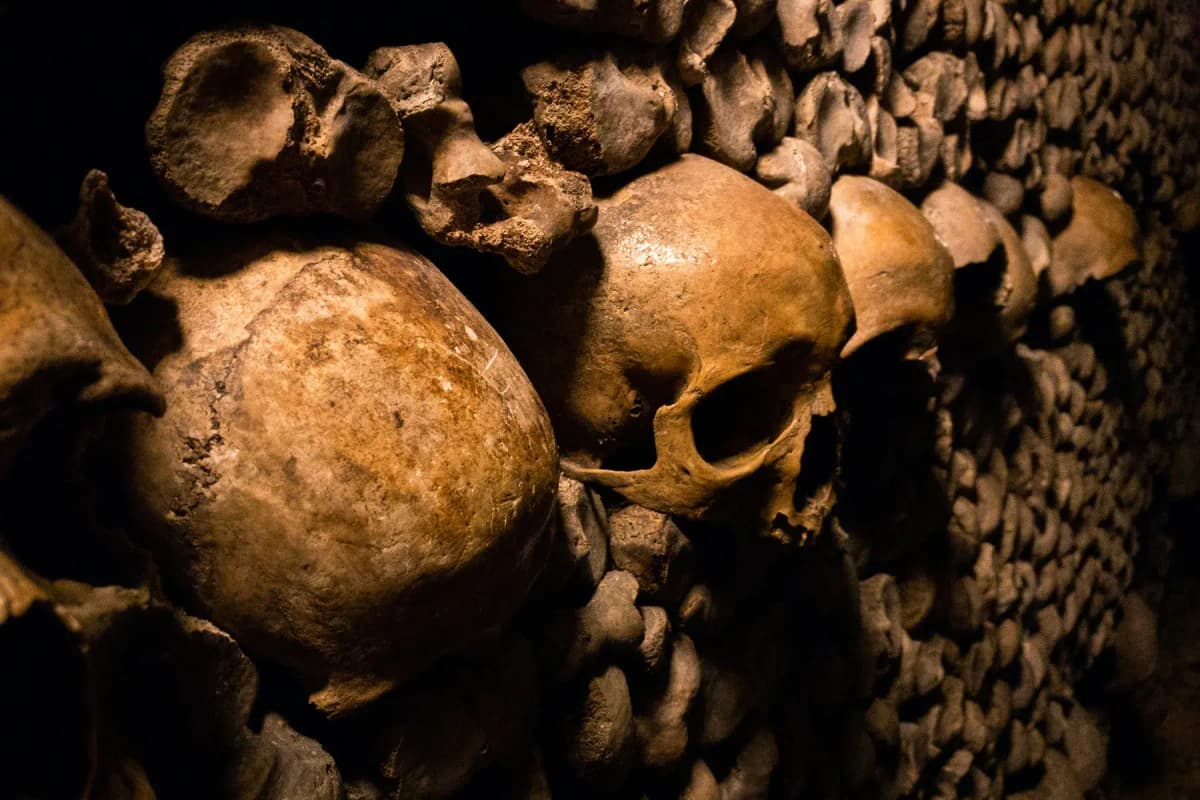 Photo: Travis Grossen on Unsplash
Twenty metres under the 14th arrondissement, the bones of around six million Parisians were moved from overflowing cemeteries in the 18th and 19th centuries and stacked along the tunnels. It's strange, a little eerie and completely unlike anything else in the city.
The one-way route is about 1.5 km, with 131 steps down and 112 back up, and it stays around 14°C and humid all year, so bring a layer. Adult tickets cost €31 (less for under-26s) and are released online seven days ahead. The Catacombs are closed on Mondays, and slots sell out fast in busy months. If the official slots are gone, try a Catacombs ticket with audio guide, which is a reliable fallback.
12. Versailles (day trip)
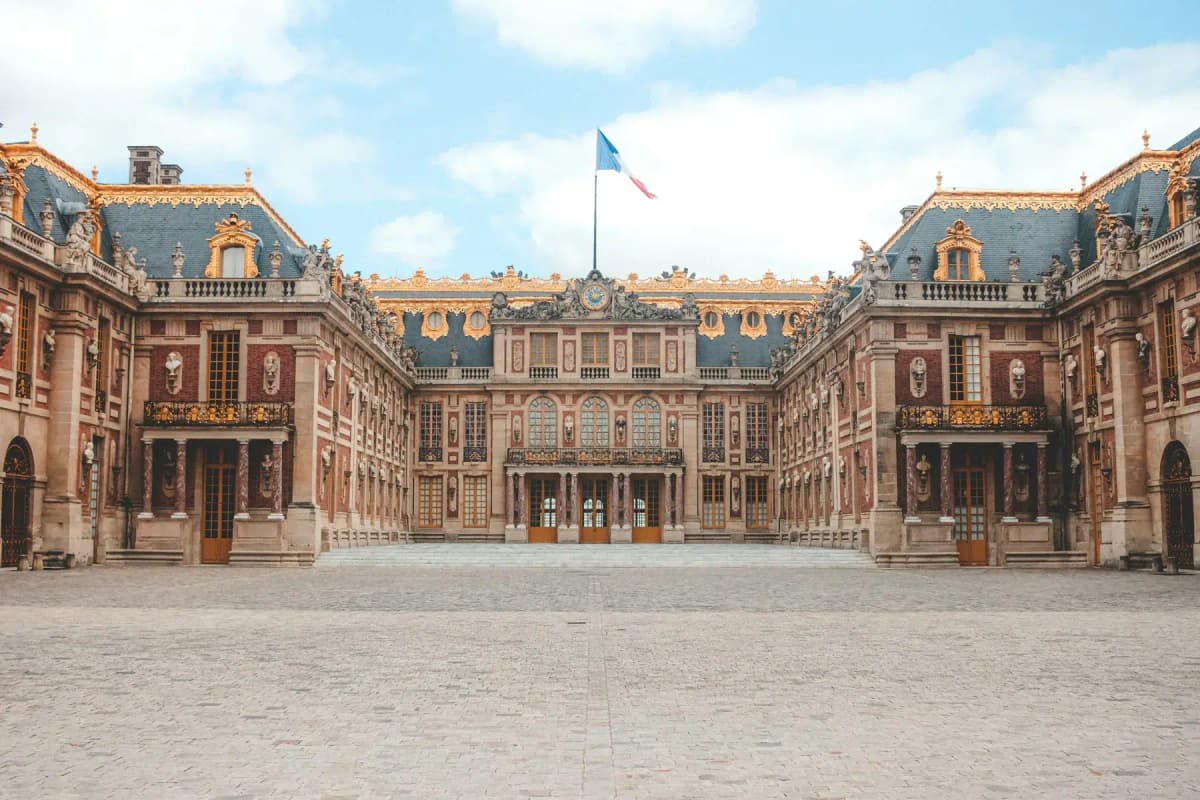 Photo: Mathias Reding on Unsplash
The Palace of Versailles, with the Hall of Mirrors, the royal apartments and gardens that stretch to the horizon, deserves a full day. Take the RER C to Versailles Château Rive Gauche, about 40 minutes from central Paris.
The Passport ticket covers the palace, the Trianon estate and the gardens. It costs €35 from 1 April to 31 October and €25 in low season. EEA residents pay €32 and €22. A Passport with late entry costs €28 or €18, and a Trianon-only ticket costs €15. On Musical Fountains and Musical Gardens days in high season, the gardens charge €15 on their own. The palace opens from 9:00 to 18:30, is closed on Mondays, and every ticket has a timed entry. Book on the official Versailles site.
Arrive for the first slot, see the palace first and spend the afternoon in the gardens and at the Trianon. To skip the train and the planning, a guided Versailles tour from Paris includes transport and a guide through the palace.
More places to visit in Paris if you have time
- The Tuileries and the Musée de l'Orangerie. The formal garden between the Louvre and Place de la Concorde leads to the Orangerie, where Monet's Water Lilies fill two oval rooms. It's a small museum, and an hour is enough.
- Palais Garnier. The 19th-century opera house has a grand staircase, gilded foyers and a Chagall ceiling in the auditorium. You can visit it by day without seeing a performance.
- Père Lachaise Cemetery. Shaded lanes, sculpted tombs, and the graves of Oscar Wilde, Édith Piaf and Jim Morrison. It's free and a quiet break from the crowds.
- Canal Saint-Martin. Iron footbridges, locks and canal-side bars in the 10th. Go on a warm evening, when locals picnic along the water.
- Giverny. Monet's house and garden, a day or half-day trip by train from Saint-Lazare to Vernon plus a shuttle. The gardens open in spring and summer only, so check the dates before planning around it.
Is the Paris Museum Pass worth it?
The official Paris Museum Pass costs €85 for 2 days, €105 for 4 days and €125 for 6 days. It covers the Louvre, Orsay, Sainte-Chapelle, the Arc de Triomphe, Versailles and dozens more. It does not cover the Eiffel Tower or the Catacombs. You still need to reserve a time slot at sights that require one, including the Louvre and Versailles.
It pays off if you pack in the big sights. Two days with the Louvre (€32), Orsay (€16), Sainte-Chapelle (€22) and the Arc de Triomphe (€22) comes to €92, already more than the €85 pass. Add Versailles on a 4-day pass and the saving grows. If you only plan two or three museums, buy single tickets instead. You can buy the pass from the official site or as a Paris Museum Pass on Klook.
How to see Paris in 3 days
- Day 1: the islands and the Left Bank. Notre-Dame and Sainte-Chapelle in the morning, lunch in the Latin Quarter, the Luxembourg Gardens, then Orsay in the late afternoon (or Thursday evening).
- Day 2: the Right Bank. The Louvre at opening time, a walk through the Tuileries and up the Champs-Élysées to the Arc de Triomphe, then the Eiffel Tower and Trocadéro at sunset, and a Seine cruise after dark.
- Day 3: villages. Montmartre in the morning before the crowds, then the Marais in the afternoon and evening. Add the Catacombs if you've booked a slot.
With a fourth day, give Versailles a day of its own. Avoid Mondays, when Versailles, Orsay and the Catacombs are all closed, and Tuesdays for the Louvre.
Getting to Paris and getting around
From the airport: From Charles de Gaulle, the RER B train reaches central Paris in 35 to 50 minutes. It uses the special airport ticket (€14, children €7), sold digitally only, on a Navigo Easy card, the official app or Apple Wallet. With luggage, children or a late arrival, a fixed-price private transfer from CDG or Orly saves the stairs and changes.
In the city: The Métro reaches almost everywhere. A single ticket costs €2.55 in 2026, and you can load tickets onto a Navigo Easy card or your phone. Central Paris is also very walkable. Most of the places in this guide are within 30 minutes on foot of each other.
Staying connected: An eSIM for France set up before you fly means you land with maps and data working.
Travel insurance: EU health cards don't cover non-EU visitors, and medical bills or a cancelled flight add up fast.
Still need flights? Compare fares to Paris here:
Where to stay in Paris
- Le Marais (3rd and 4th): central, walkable, full of places to eat and lively at weekends. The best all-round base for a first visit.
- Saint-Germain and the Latin Quarter (5th and 6th): classic Left Bank cafés, close to Notre-Dame, Orsay and the Luxembourg Gardens.
- Around the Eiffel Tower (7th): quiet and elegant, with tower views, but calmer at night and farther from the other sights.
- Montmartre (18th): more village atmosphere and better value, though it's uphill and a little farther out.
Whichever area you choose, pick somewhere within a few minutes' walk of a Métro station, and check the room size. Paris hotel rooms are famously small.
Tips for a first visit
- Plan around closing days. The Louvre closes on Tuesdays. Orsay, Versailles and the Catacombs close on Mondays.
- Book the timed sights first. Eiffel Tower summit tickets, the Louvre, Versailles and the Catacombs are the ones that sell out.
- Check for strikes. Museum and transport strikes happen, and notices usually go up a few days ahead. Check the official site of anything you've booked the day before.
- Watch your belongings on the Métro and at crowded sights, especially Line 1, around the Eiffel Tower and on the Sacré-Cœur steps.
- Say "bonjour" when you walk into a shop or café. It really does change how you're treated.
Frequently asked questions
What are the top 3 places to visit in Paris? For a first visit: the Eiffel Tower, the Louvre and Notre-Dame, with Sainte-Chapelle next door. If you prefer smaller museums, swap the Louvre for the Musée d'Orsay.
How many days do you need in Paris? Three days covers the main sights at a comfortable pace. Four or five lets you add Versailles and spend more time simply wandering neighbourhoods.
Is the Louvre more expensive for non-EU visitors? Yes. Since January 2026, adults from outside the European Economic Area pay €32 and EEA residents pay €22. Versailles and Sainte-Chapelle also have lower prices for EEA residents.
Is Notre-Dame free to visit? Yes, entry to the cathedral is free, and booking a time slot is optional. Climbing the towers costs €16 and must be booked online.
What is the best time of year to visit Paris? April to June and September to October have mild weather and long days without the peak summer crowds. Winter is cheaper and quieter, with shorter opening hours at some sights.
How we researched this guide
Prices and opening hours were checked in September 2026 against the official sites: the Eiffel Tower, the Louvre, Château de Versailles, Sainte-Chapelle, the Catacombs, the Musée d'Orsay, the Paris Museum Pass and the Paris transport operator RATP. Seine cruise prices vary by operator, so we give a typical range. We haven't personally tested every tour mentioned. Confirm prices and times before you travel, and let us know if something has changed.
Planning more of France? See all our France guides. Adding another city? Lisbon is a short, often cheap flight from Paris, and so is Rome, the starting point for our Amalfi Coast itinerary. For something completely different, Morocco is under three hours away.