Where to Stay in Tokyo: 9 Best Areas for Every Kind of Trip (2026)
September 26, 2026 · Japan
This post may contain affiliate links. If you book through them we may earn a small commission, at no extra cost to you. Read our disclaimer.
Deciding where to stay in Tokyo is harder than in most cities, because Tokyo isn't one centre. It's a patchwork of neighbourhoods, each built around its own train station, and each with a very different feel after dark. The good news: the rail network is so good that almost anywhere central works, as long as you pick the area that fits your trip.
This guide compares the nine best areas to stay in Tokyo, explains who each one suits (and who should skip it), and adds two things most guides leave out: where to stay depending on which airport you land at, and where to base yourself if teamLab is on your list.
Where to stay in Tokyo: the quick answer
If you only read one section, read this one.
| Area | Best for | Vibe at night | Airport access | Budget |
|---|---|---|---|---|
| Shinjuku | First-timers who want everything on the doorstep | Busy, neon, lively | Narita Express (Narita) · bus or train to Haneda | Mid to high |
| Shibuya | First-timers, shopping, young energy | Busy and trendy | Narita Express (Narita) · bus to Haneda | Mid to high |
| Ginza / Tokyo Station | Bullet-train day trips, comfort, couples | Calm and polished | Narita Express · easy to Haneda | High |
| Asakusa | Traditional Tokyo, value, families | Quiet | Direct trains to both airports | Budget to mid |
| Ueno | Budget travellers flying into Narita | Low-key, local | Keisei Skyliner (Narita) | Budget |
| Shinagawa | Haneda arrivals, Kyoto/Osaka trips | Quiet, business-like | Keikyu line (Haneda) · Narita Express | Mid |
| Akihabara | Anime, games, electronics, budget | Quiet after shops close | Easy connections to both | Budget to mid |
| Roppongi / Azabudai | Nightlife, art, teamLab Borderless | Lively | Bus or taxi easiest | High |
| Shimokitazawa | Repeat visitors, vintage and cafés | Relaxed, creative | Change in Shibuya or Shinjuku | Mid |
Our short version: stay in Shinjuku or Shibuya for a first trip, Asakusa or Ueno for better value, Ginza or Tokyo Station if you'll take the bullet train a lot, and Shinagawa if you land at Haneda.
How to choose where to stay in Tokyo
Four questions narrow it down fast.
1. How close is the nearest station? In Tokyo, "walking distance to a station" matters more than the neighbourhood itself. Aim for a hotel within about five minutes' walk of a major station, ideally one on the JR Yamanote line, the loop line that connects most of the areas in this guide.
2. Which airport are you using? Narita is far out to the east; Haneda is much closer, to the south. Staying on a direct airport line saves time and luggage-dragging on arrival and departure day. There's a full section on this below.
3. What kind of evenings do you want? Shinjuku and Shibuya stay busy late into the night. Asakusa, Ginza and Shinagawa feel much calmer once the day-trippers leave. Neither is better; they're just different trips.
4. How much space do you need? Tokyo hotel rooms are famously compact, especially in mid-range "business hotels". If you're travelling with large suitcases or as a family, check the room size (listed in square metres) before you book.
The 9 best areas to stay in Tokyo
1. Shinjuku: best all-rounder for first-timers
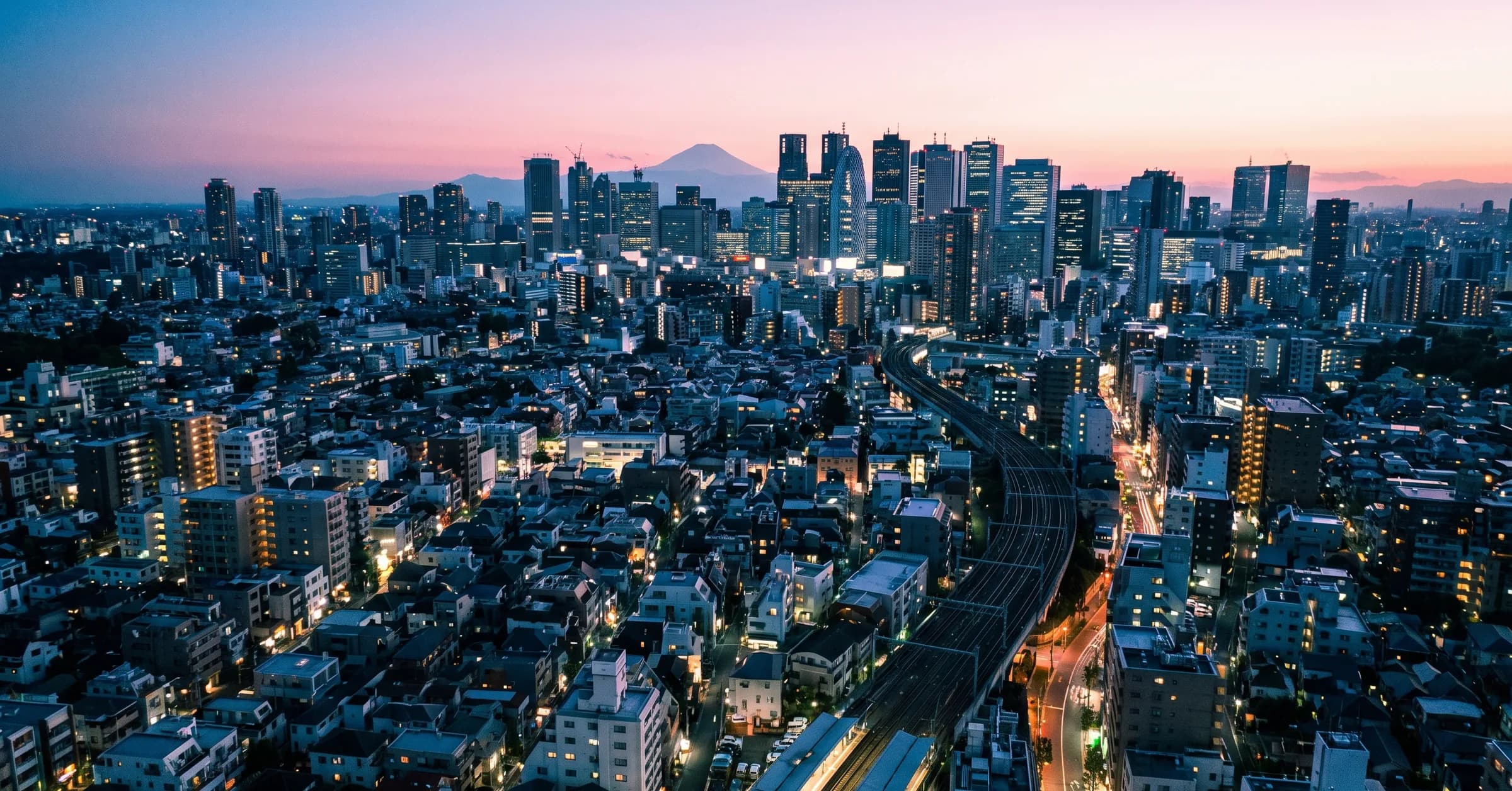
Shinjuku is Tokyo turned up to full volume: skyscrapers on the west side, neon and nightlife on the east, and the busiest railway station in the world in the middle. It's the default recommendation for first-timers for a reason. You can walk out of your hotel into restaurants, shopping and izakaya alleys at almost any hour.
- Good for: first trips, food, nightlife, day trips west (the Odakyu line runs towards Hakone, and trains leave for Mount Fuji day trips too).
- Less good for: light sleepers who don't want crowds; the station itself can be confusing at first.
- Don't miss nearby: Shinjuku Gyoen National Garden, the tiny bars of Golden Gai, the lantern-lit Omoide Yokocho alley, and the free observation decks at the Tokyo Metropolitan Government Building.
- Where to look: the West Shinjuku side is calmer and business-like; the east side (towards Kabukicho) is livelier. Being within a few minutes of Shinjuku Station matters more than which side you choose.
2. Shibuya (and Harajuku): best for energy and shopping
Home of the famous Scramble Crossing, Shibuya is younger and trendier than Shinjuku, with huge department stores, rooftop views and endless places to eat. Harajuku, with Meiji Shrine and the Takeshita Street crowds, is one stop away on the Yamanote line.
- Good for: first-timers, shopping, nightlife, anyone who wants to feel in the middle of it all.
- Less good for: a quiet, traditional atmosphere.
- Handy extra: Shibuya is on the Keio Inokashira line, which makes Shimokitazawa (see below) an easy detour.
- Where to look: as close to Shibuya Station as your budget allows; the area around the station has been heavily redeveloped with newer hotels.
3. Ginza and Tokyo Station: best for bullet trains and comfort
If your plan includes day trips or onward trips by Shinkansen (to Kyoto, Osaka, Nikko or Kanazawa, for example), staying near Tokyo Station is hard to beat: you roll out of bed and onto the train. Next door, Ginza is Tokyo's polished shopping district, with elegant department stores and excellent restaurants, and it's walkable to the Tsukiji Outer Market for breakfast.
- Good for: couples, business travellers, comfort seekers, bullet-train itineraries.
- Less good for: tight budgets and nightlife lovers. The area gets quiet after office hours.
- Don't miss nearby: the Imperial Palace East Gardens and the restored red-brick Marunouchi side of Tokyo Station.
4. Asakusa: best for traditional Tokyo and value
Asakusa is the Tokyo many people picture before they arrive: Senso-ji temple, the Kaminarimon gate, rickshaws and small old-fashioned shopping streets. Tokyo Skytree is just across the Sumida River. Hotels here generally offer more space for the money than in Shinjuku or Shibuya.
- Good for: culture, families, value, early risers who want Senso-ji before the crowds.
- Less good for: nightlife; it's quiet in the evenings, and it's a longer ride to the west-side neighbourhoods.
- Airport bonus: some trains on the Toei Asakusa line run through directly to both Narita and Haneda, so you can often reach either airport without changing.
5. Ueno: best budget base for Narita
Ueno is practical rather than glamorous, and that's its strength. The Keisei Skyliner runs from Ueno (and nearby Nippori) straight to Narita Airport, and the area is packed with good-value hotels. Ueno Park, with several of Tokyo's major museums, and the Ameyoko market street are right outside.
- Good for: budget travellers, museum lovers, anyone flying into Narita.
- Less good for: a stylish or nightlife-focused stay.
6. Shinagawa: best for Haneda arrivals and Kyoto trips
Shinagawa doesn't top many "coolest neighbourhood" lists, but it's one of the smartest bases in the city, and interest in it is rising. Keikyu line trains connect it with Haneda Airport in well under half an hour, Tokaido Shinkansen bullet trains to Kyoto and Osaka stop here, and it's on the Yamanote line for everything else.
- Good for: Haneda arrivals, travellers heading to Kyoto or Osaka, short stopovers.
- Less good for: atmosphere; it's a business district with fewer sights on the doorstep.
7. Akihabara: best for anime, games and budget stays
"Electric Town" is the centre of Tokyo's anime, manga and gaming culture, with multi-storey arcades, figure shops and electronics stores. It's also central and well connected, and hotels are often cheaper than in the headline districts.
- Good for: pop-culture fans, budget travellers, central convenience.
- Less good for: evenings, as it quietens down once the shops close.
8. Roppongi and Azabudai: best for nightlife and art
Roppongi is Tokyo's international nightlife district, but it's also home to serious art: the Mori Art Museum in Roppongi Hills and the galleries around Tokyo Midtown. Next door, the Azabudai Hills development is home to teamLab Borderless, the immersive digital-art museum.
- Good for: nightlife, art lovers, higher-end hotels.
- Less good for: budgets, and it isn't on the Yamanote line, so some trips take an extra change.
9. Shimokitazawa: best for repeat visitors
"Shimokita" is the neighbourhood people discover on their second or third trip: vintage clothing stores, tiny live-music venues, record shops and independent cafés, a few minutes by train from Shibuya and Shinjuku. It's one of the fastest-rising Tokyo searches right now.
- Good for: repeat visitors, slower travel, a more local feel.
- Less good for: first-timers who want the big sights on the doorstep; there are also far fewer hotels, so many visitors stay in Shibuya or Shinjuku and visit for a day.
Where to stay in Tokyo by airport
Airport transfers eat more of your trip than you'd expect, so it's worth matching your hotel to your arrival airport.
Flying into Narita (NRT): Narita is roughly 60 km from central Tokyo. The Narita Express runs directly to Tokyo Station, Shinagawa, Shibuya and Shinjuku, which makes those areas easy. The Keisei Skyliner is the fastest option to Ueno and Nippori. Asakusa also has through-trains towards Narita.
Flying into Haneda (HND): Haneda is much closer to the city. The Keikyu line makes Shinagawa the easiest base, and trains continue on towards Asakusa. The Tokyo Monorail connects to Hamamatsucho, close to Tokyo Tower. Airport limousine buses also serve the big hotel areas, including Shinjuku.
If you arrive late or leave early, staying on a direct line is worth more than being in the "coolest" area. You can always move hotels mid-trip.
Where to stay in Tokyo for teamLab
teamLab is one of the most-searched Tokyo experiences, and there are two different venues:
- teamLab Borderless is at Azabudai Hills, so Roppongi is the closest base.
- teamLab Planets is in Toyosu, on the waterfront near Odaiba, which is easiest from Ginza or the Tokyo Station area.
Both are easy day visits from anywhere central, so it's rarely worth choosing a hotel just for teamLab. Check opening dates and book time slots in advance before you go.
Areas to skip on a first trip
- Odaiba and Tokyo Disney Resort: great for specific plans (Disney, the waterfront), but far from most sights for a general first trip.
- Outer suburbs to save money: the long ride in and out every day usually costs more time than the savings are worth. A budget hotel in Ueno or Asakusa is the better compromise.
Tips before you book a Tokyo hotel
- Check the room size. Many good-value rooms are small. If you have two large suitcases, look for rooms of at least about 20 m².
- "Double" vs "twin": a double usually means one bed shared by two people (sometimes a narrower "semi-double"); a twin has two separate beds.
- Book early for peak season. Prices rise and availability drops during cherry-blossom season (late March to early April), Golden Week (late April to early May), mid-August and New Year. Saturday nights also tend to be pricier.
- Get an IC card. A Suica or PASMO card (including the versions you can add to your phone) makes hopping between neighbourhoods effortless.
- Travel light between cities. Japan's luggage-forwarding services can send big bags from your Tokyo hotel to your next hotel, which is ideal if you're taking the Shinkansen.
Frequently asked questions
What is the best area to stay in Tokyo for first-timers? Shinjuku or Shibuya. Both have excellent train connections, huge choice of food and hotels, and keep you close to the sights most first-time visitors want to see.
Is it better to stay in Shinjuku or Shibuya? Shinjuku has more hotel choice and slightly better transport links (including day trips west). Shibuya feels younger and more fashionable. For a first trip you can't really go wrong with either.
Where should I stay in Tokyo on a budget? Ueno, Asakusa and Akihabara usually offer the best value while staying central and well connected.
Where should I stay in Tokyo if I'm landing at Haneda? Shinagawa, thanks to the direct Keikyu line and its bullet-train station. Asakusa also has direct trains from Haneda.
How many nights do I need in Tokyo? Most first-time visitors are happy with four to five nights, which leaves time for the main neighbourhoods plus a day trip. With less time, pick a central base like Shinjuku or Shibuya so you're not losing hours in transit.
How we researched this guide
This guide is based on research using official sources such as the Japan National Tourism Organization, JR East, Haneda Airport and Narita Airport, plus current traveller feedback and search trends. Train routes and travel times can change, so always check the latest information before you travel. Found something out of date? Let us know.
Planning more of Japan? Browse all our Japan guides.