Japan Itinerary 10 Days: Tokyo, Kyoto, Osaka and Hiroshima (2026)
October 9, 2026 · Japan
This post contains affiliate links. We may earn a commission if you book through them, at no extra cost to you. Disclaimer.
The best Japan itinerary for 10 days on a first trip is four nights in Tokyo, three in Kyoto and two in Osaka, with day trips to Hakone or Kamakura, Nara, and Hiroshima with Miyajima. Fly into Tokyo and out of Osaka so you never double back. Ten days is enough to see the classic sights at a comfortable pace, as long as you resist adding more cities.
This is the route most first-time visitors end up on, and for good reason: the train between Tokyo and Kyoto takes a little over two hours, Kyoto and Osaka are half an hour apart, and almost everything else on the list works as a day trip. You only change hotels twice.
Below is the plan day by day, then the practical parts: what it costs, whether the Japan Rail Pass is worth it for this route (short answer: no), what to book ahead, and how to change the plan if you have different interests.
Japan in 10 days: the quick answer
| Days | Base | What you do |
|---|---|---|
| 1 | Tokyo | Arrive, settle in, an easy evening in Shinjuku or Shibuya |
| 2 | Tokyo | East side: Asakusa and Senso-ji, Ueno, Akihabara |
| 3 | Tokyo | West side: Meiji Shrine, Harajuku, Shibuya, Shinjuku at night |
| 4 | Tokyo | Day trip: Hakone, Kamakura or Nikko |
| 5 | Kyoto | Shinkansen to Kyoto, Fushimi Inari in the late afternoon |
| 6 | Kyoto | Higashiyama: Kiyomizu-dera, old lanes, Gion |
| 7 | Kyoto | Arashiyama bamboo grove and Kinkaku-ji |
| 8 | Osaka | Nara on the way, evening in Dotonbori |
| 9 | Osaka | Day trip: Hiroshima and Miyajima (or Himeji) |
| 10 | Osaka | Osaka Castle or a last market breakfast, fly home from Kansai Airport |
Nights: Tokyo 4, Kyoto 3, Osaka 2. Hotel changes: 2. Long train rides: 1, plus one long day trip.
Before you start: three decisions
1. Book an open-jaw flight. Fly into Tokyo (Haneda or Narita) and home from Osaka (Kansai, KIX). Going back to Tokyo for your flight costs about half a day and a one-way Shinkansen fare of roughly ¥14,000 to ¥15,000 per person. If a return ticket to Tokyo is much cheaper, do the same route and keep the last night in Tokyo.
Compare both options here before you book:
2. Pick three bases, not five. Every hotel change costs you half a day. Hakone, Nara, Hiroshima and Himeji all work as day trips, so there is no need to sleep in them on a 10 day trip.
3. Don't count day 1. After a long-haul flight you will be tired and possibly awake at 4 am. Plan nothing that needs a ticket on arrival day.
Days 1 to 4: Tokyo
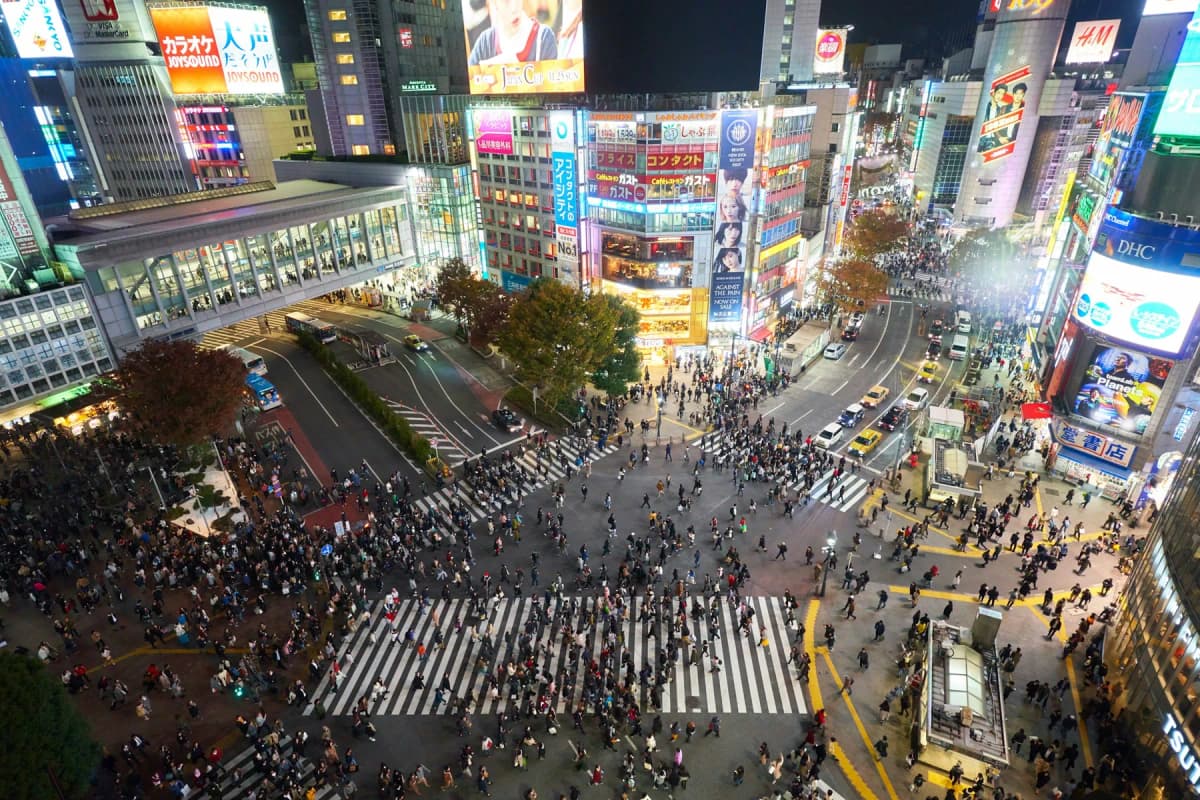 Photo:
 Tokyo is huge, and the mistake is to zigzag across it. Group your days by side of the city. For a base, Shinjuku, Shibuya, Ueno or the Tokyo Station area all work. Our guide to where to stay in Tokyo compares them.
Day 1: arrive and keep it simple
Clear immigration, pick up or load an IC card (Suica or PASMO, also available on your phone), and get to your hotel. If you arrive late, with children or with a lot of luggage, a pre-booked airport transfer takes the trains out of the equation.
In the evening, walk around your own neighbourhood. In Shinjuku, that means the neon streets east of the station and the tiny bars of Golden Gai. In Shibuya, watch the scramble crossing from above. Eat early and go to bed.
Day 2: old Tokyo on the east side
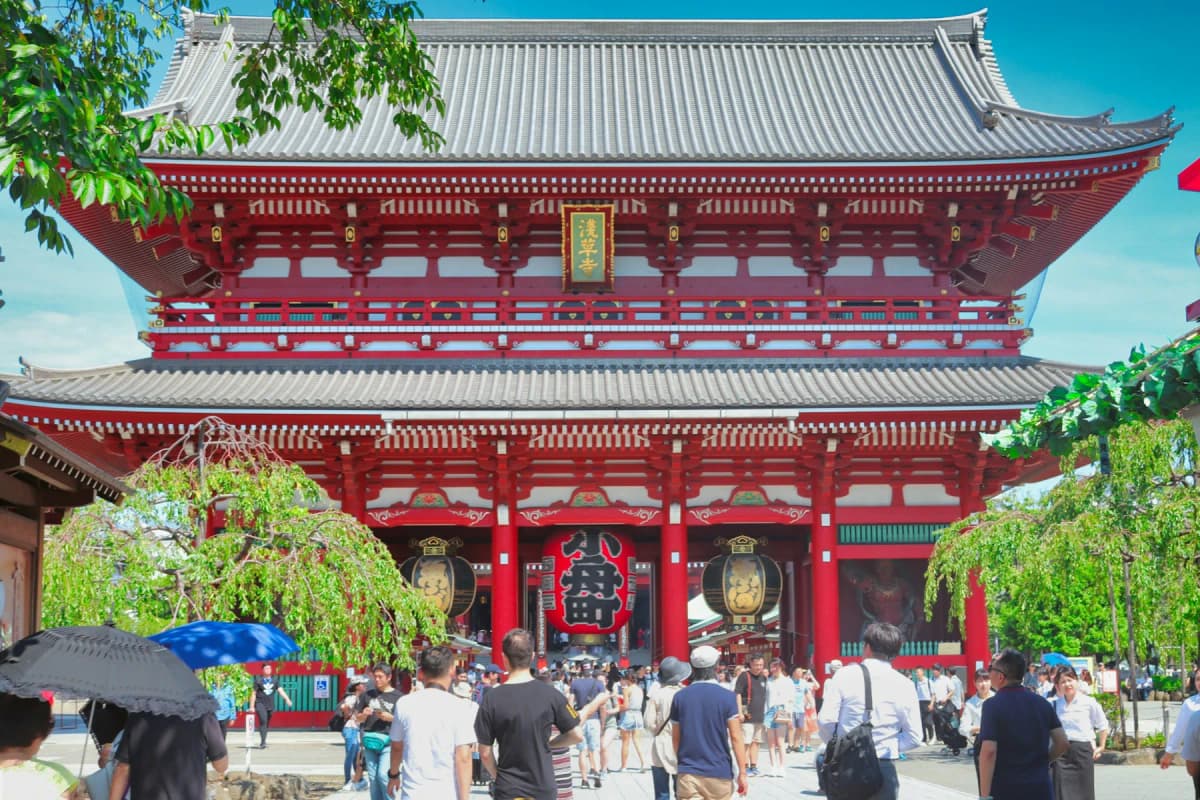 Photo:
 - Morning: Asakusa. Senso-ji, Tokyo's oldest temple, is free and its grounds are always open. Arrive before 9 am, when Nakamise shopping street is still quiet.
- Midday: walk or take the subway to Ueno for the park and the Tokyo National Museum, or the market stalls of Ameyoko under the train tracks.
- Afternoon: Akihabara for electronics, arcades and anime shops, or the Tokyo Skytree if you want a view.
- Evening: back near Asakusa for dinner, or to Tokyo Station's restaurant floors.
Jet lag works in your favour today: you will be awake early, and Senso-ji is at its best early.
Day 3: modern Tokyo on the west side
- Morning: Meiji Shrine, set in a forest next to Harajuku Station and free to enter. Then Takeshita Street and the calmer, tree-lined Omotesando.
- Afternoon: walk down to Shibuya. The observation deck at Shibuya Sky sells timed tickets, and the sunset slots go first, so book well ahead.
- Evening: Shinjuku. The free observation decks at the Tokyo Metropolitan Government Building are a good fallback for a city view, and the alleys of Omoide Yokocho are fun for grilled skewers.
If immersive digital art is on your list, teamLab Planets in Toyosu fits well on this day or on the morning of day 2. It sells timed tickets and popular slots sell out.
Day 4: a day trip from Tokyo
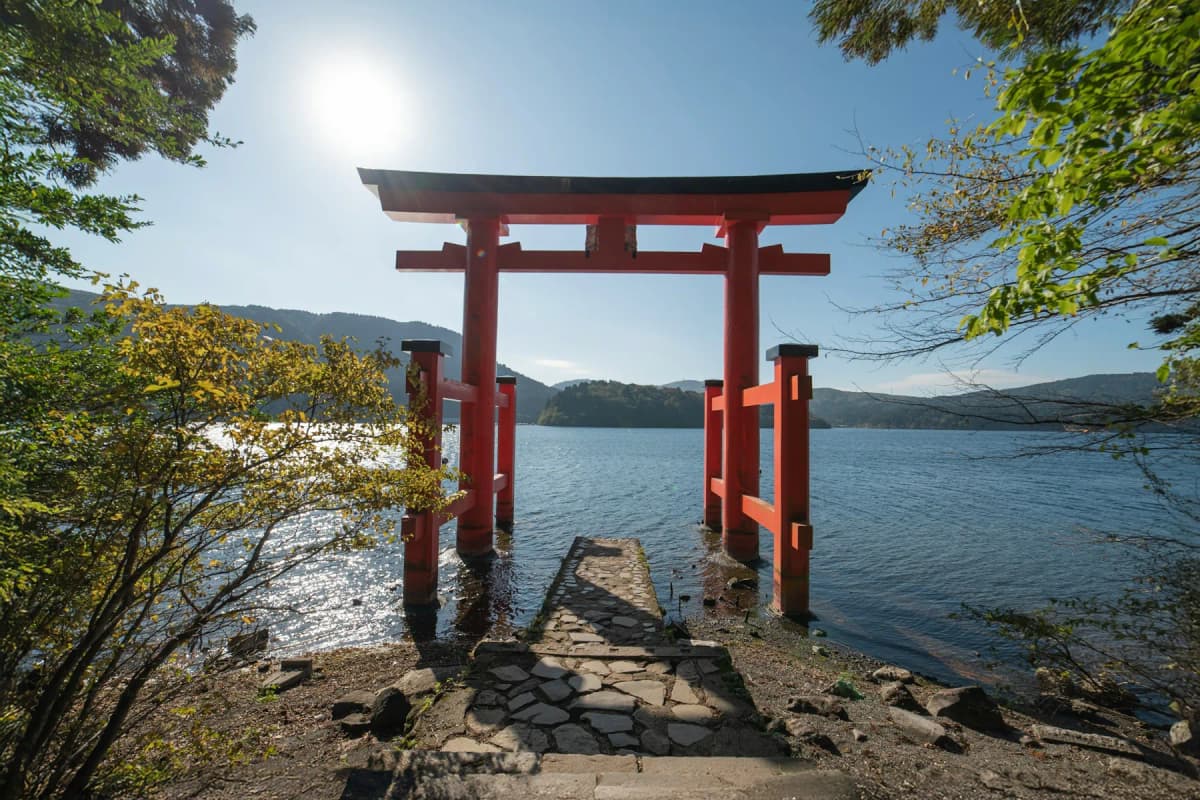 Photo: Regina Bartha on Unsplash
Pick one. They are very different days.
| Day trip | Travel time each way | Best for | Good to know |
|---|---|---|---|
| Hakone | About 1.5 hours from Shinjuku | Hot springs, Lake Ashi, a chance of Mount Fuji views | Fuji hides behind cloud on many days. The Hakone Free Pass from Odakyu covers the loop of trains, ropeway, boat and buses |
| Kamakura | About 1 hour from Tokyo Station | The Great Buddha, temples, a seaside town | The easiest and cheapest of the three |
| Nikko | About 2 hours from Asakusa | Lavish shrines in cedar forest | A long day. Start early |
Not in the mood for another train? Stay in Tokyo and use the day for a neighbourhood you missed, such as Shimokitazawa, Yanaka or Odaiba. A slow day here pays off later.
Days 5 to 7: Kyoto
Day 5: Shinkansen to Kyoto and Fushimi Inari
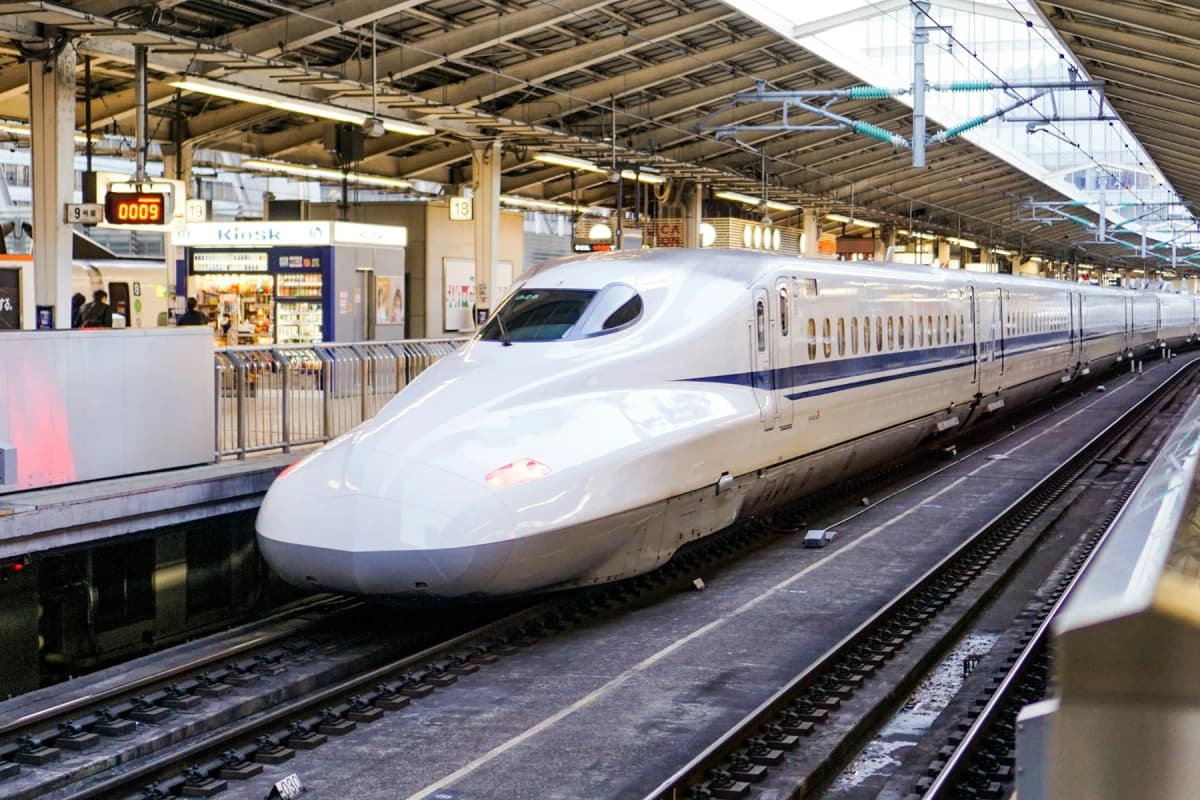 Photo: Fikri Rasyid on Unsplash
Take a mid-morning Nozomi from Tokyo Station or Shinagawa. It reaches Kyoto in about 2 hours 15 minutes, with trains every few minutes. Three tips:
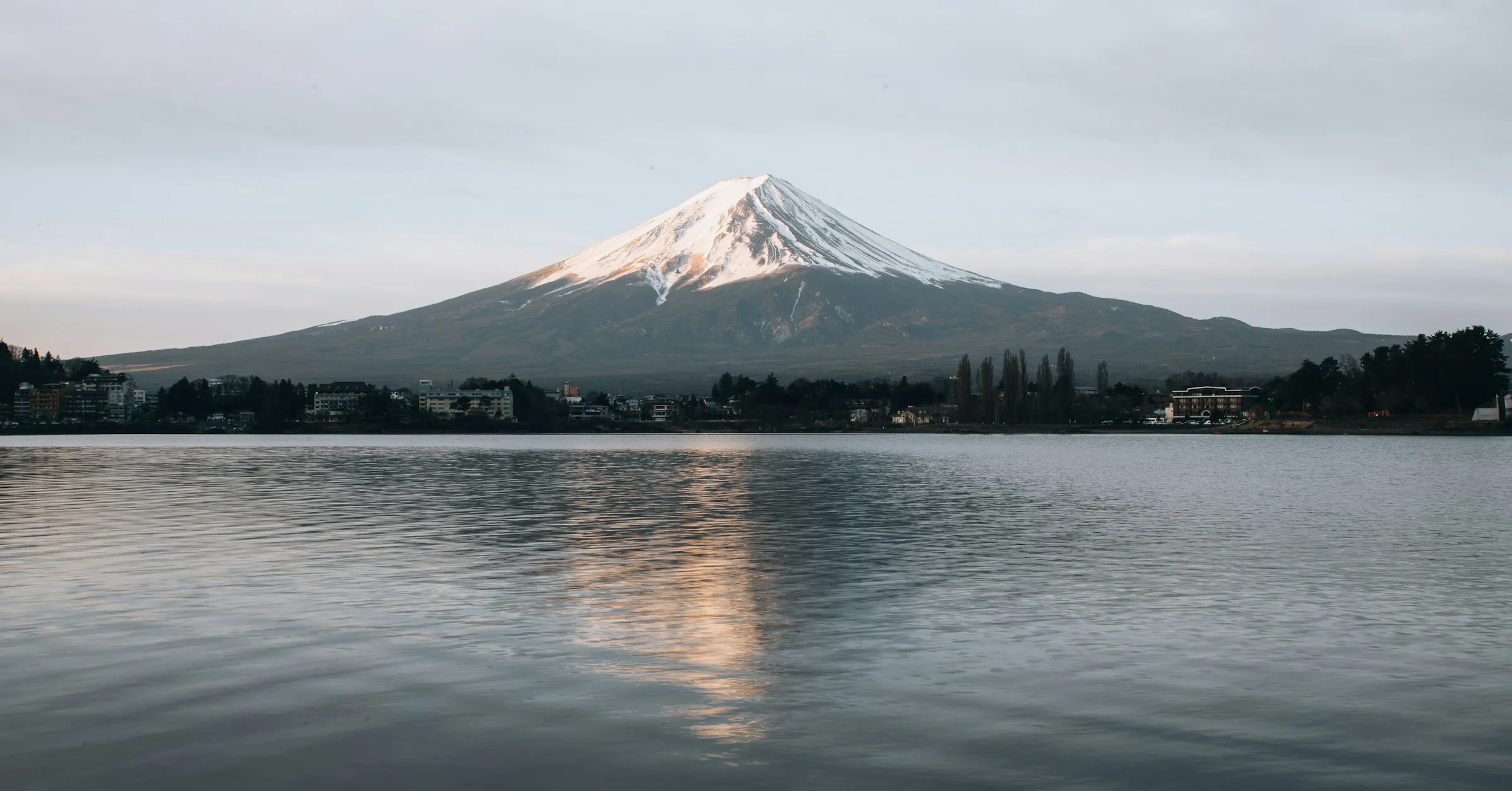
- Sit on the right-hand side (seat E in ordinary cars) for Mount Fuji, about 40 to 45 minutes after leaving Tokyo, if the sky is clear.
- Large suitcases need a reservation. Bags with combined dimensions over 160 cm must go in the oversized baggage space, which you reserve with your seat at no extra charge.
- Or send your bags ahead. Hotel-to-hotel luggage forwarding usually arrives the next day, so pack a small overnight bag.
Drop your bags at the hotel, then head to Fushimi Inari in the late afternoon. It is five minutes from Kyoto Station on the JR Nara line, free, and never closes. The lower gates are crowded at any time of day, but most people turn back early. Keep climbing for 20 or 30 minutes and it thins out. The full loop takes two to three hours.
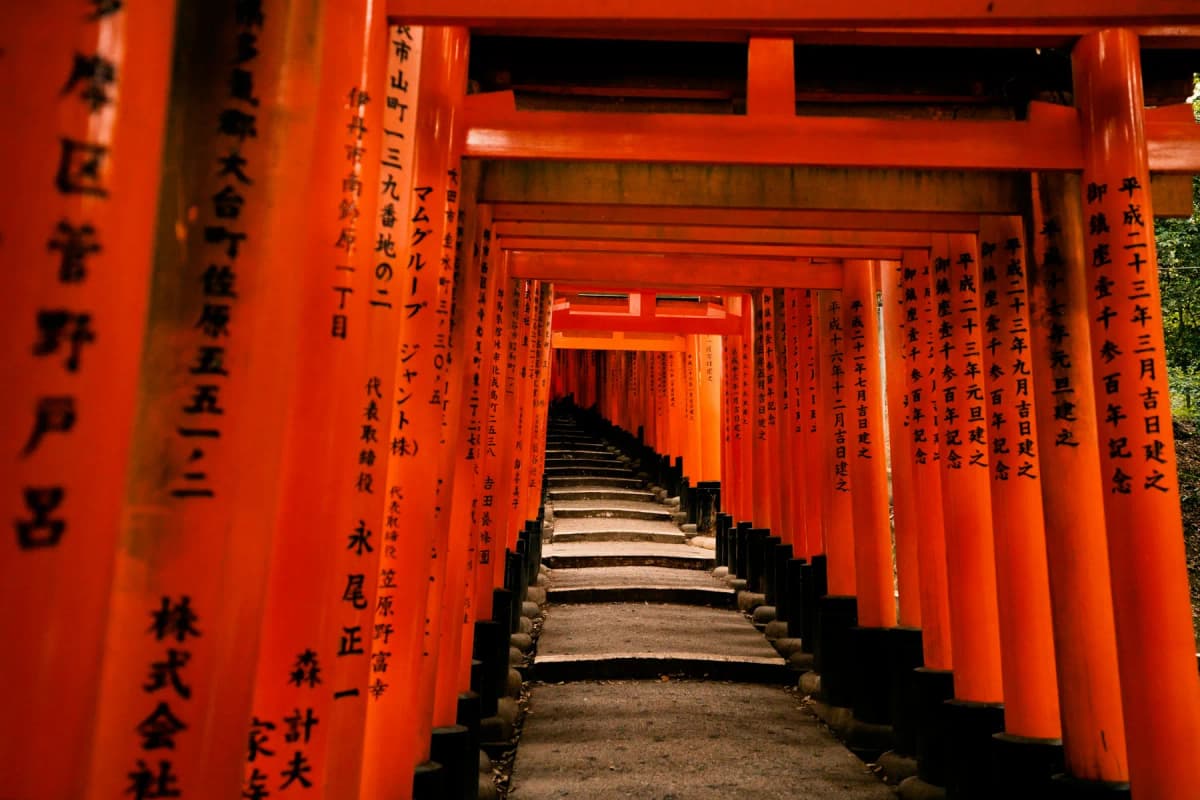 Photo:
 Where you sleep matters more in Kyoto than in most cities, because the sights sit around the edges. We cover the options in where to stay in Kyoto.
Day 6: Higashiyama and Gion
This is the day for old Kyoto, and an early start changes it completely.
- Early morning: Kiyomizu-dera opens at 6 am. Be there by 7:30 and you will share the wooden terrace with a handful of people.
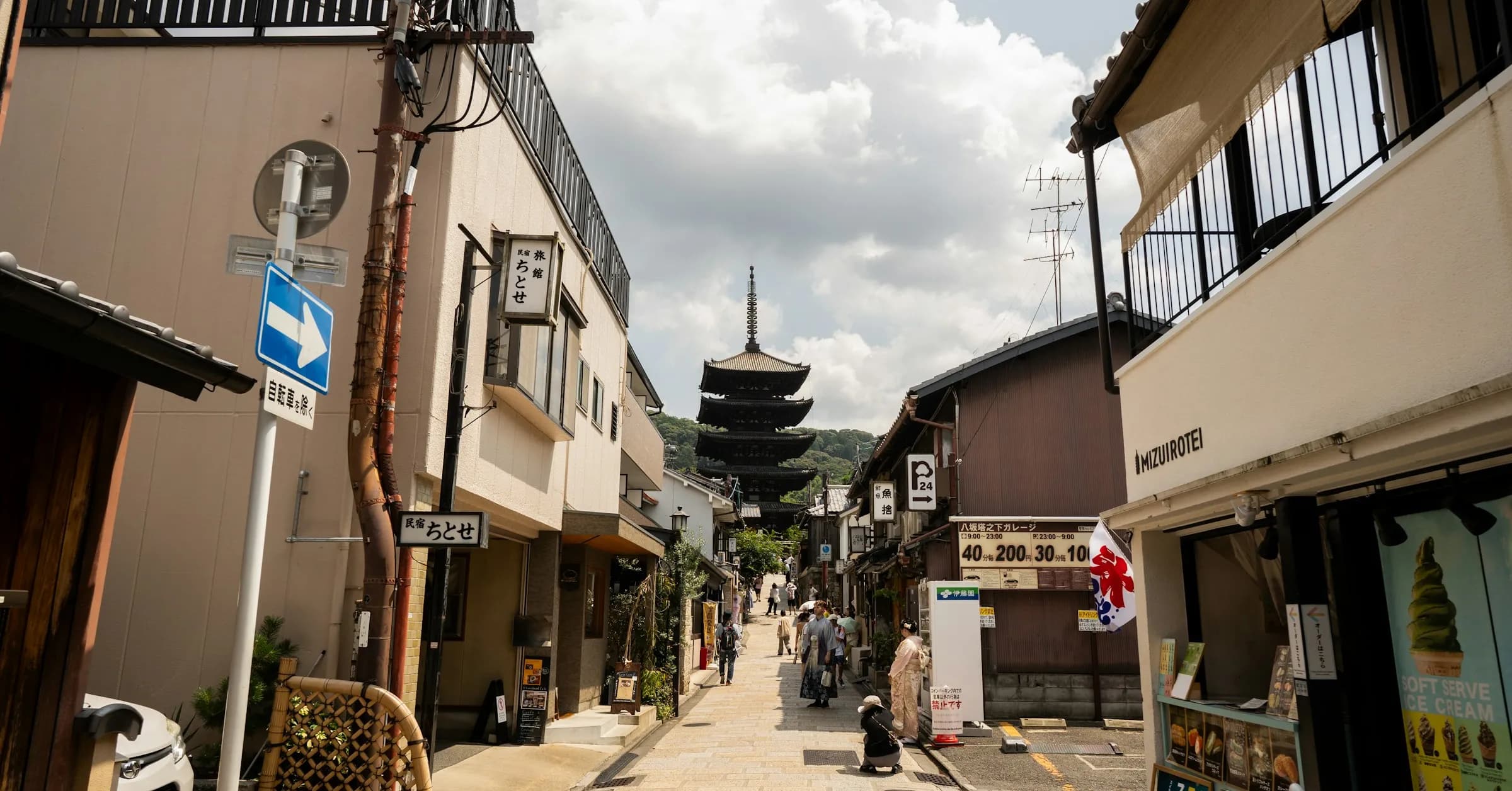
- Morning: walk down through the lanes of Sannenzaka and Ninenzaka to the Yasaka Pagoda, then on to Kodai-ji and Yasaka Shrine.
- Afternoon: Nishiki Market for a late lunch, then a rest. You have earned it.
- Evening: Gion and the lantern-lit alley of Pontocho. Stick to the public streets in Gion: the private side alleys are closed to visitors.
Day 7: Arashiyama and the Golden Pavilion
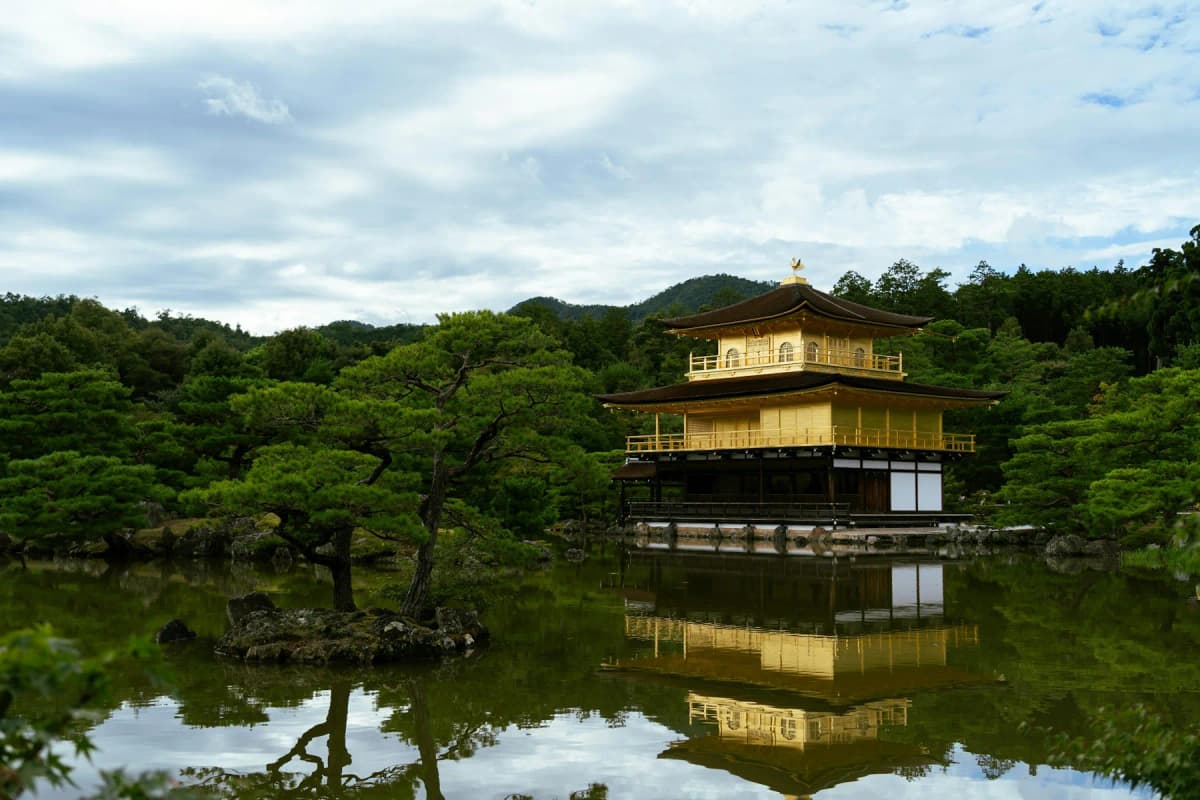 Photo: Fynn Geerdsen on Unsplash
- Early morning: take the JR Sagano line to Saga-Arashiyama (11 to 17 minutes from Kyoto Station). The bamboo grove is free, always open and busy from about 9 am, so go first.
- Morning: Tenryu-ji and its garden, then the river and Togetsukyo Bridge.
- Afternoon: bus or taxi to Kinkaku-ji, the Golden Pavilion. If you still have energy, Ryoan-ji's rock garden is a short ride away.
- Evening: a last Kyoto dinner downtown.
Most temples charge a small entry fee, typically somewhere between ¥500 and ¥1,000, and many take cash only.
Days 8 to 10: Nara, Osaka and Hiroshima
Day 8: Nara on the way to Osaka
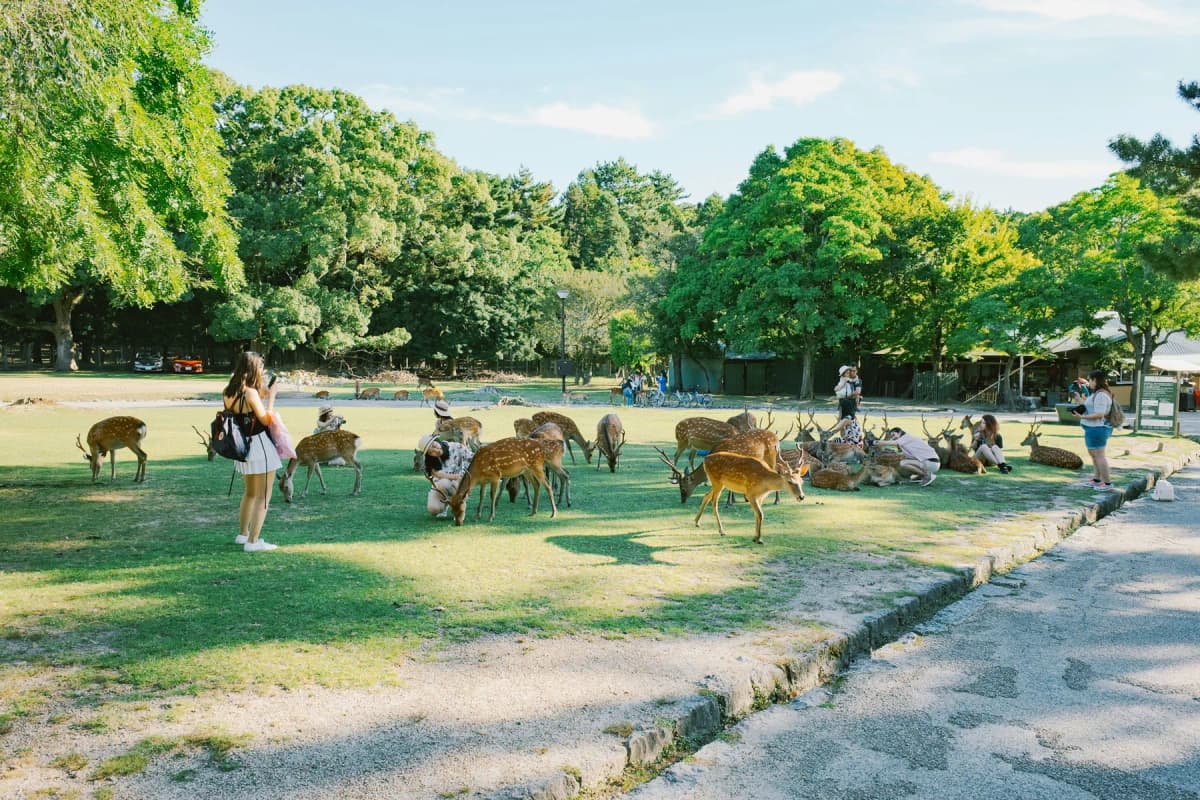 Photo:
 Nara sits between Kyoto and Osaka, so visit it on the move instead of as a return trip.
- Morning: Kintetsu trains run from Kyoto Station to Kintetsu Nara in about 35 to 45 minutes, depending on whether you take the limited express. Leave your bags in the station's coin lockers, or forward them from Kyoto to your Osaka hotel the day before.
- In Nara: everything is a walk from the station. See the deer in Nara Park, the Great Buddha at Todai-ji and the lantern-lined paths of Kasuga Taisha. Four to five hours is enough.
- Afternoon: Kintetsu trains continue from Nara to Osaka-Namba in about 40 minutes.
- Evening: Dotonbori. Osaka is Japan's street-food capital, so eat takoyaki, okonomiyaki and kushikatsu and call it dinner.
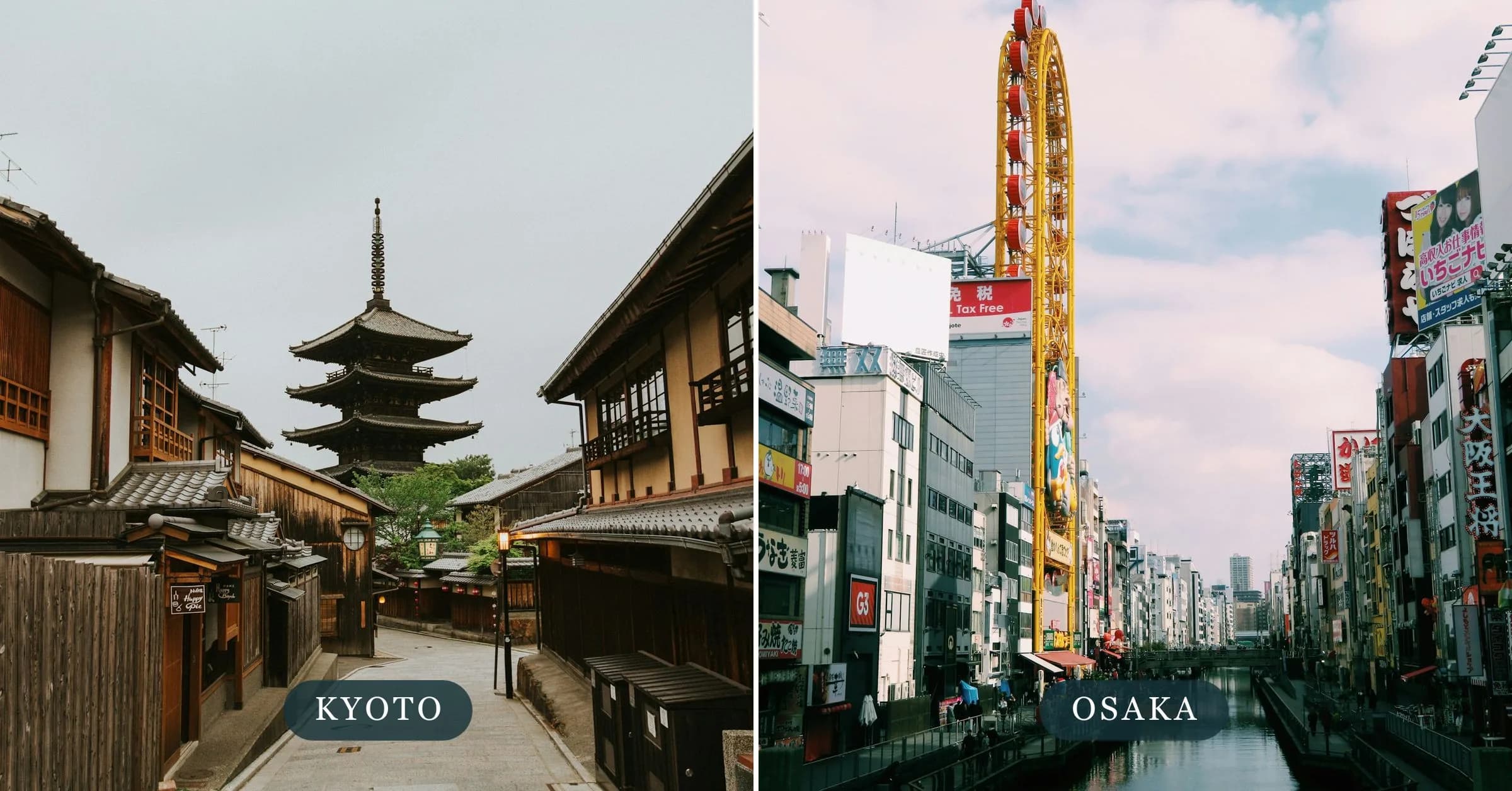
Namba is the most convenient area to stay for this itinerary: it has the food, the nightlife and the direct train to Kansai Airport. Still deciding how to split your nights? See Kyoto vs Osaka.
Day 9: Hiroshima and Miyajima
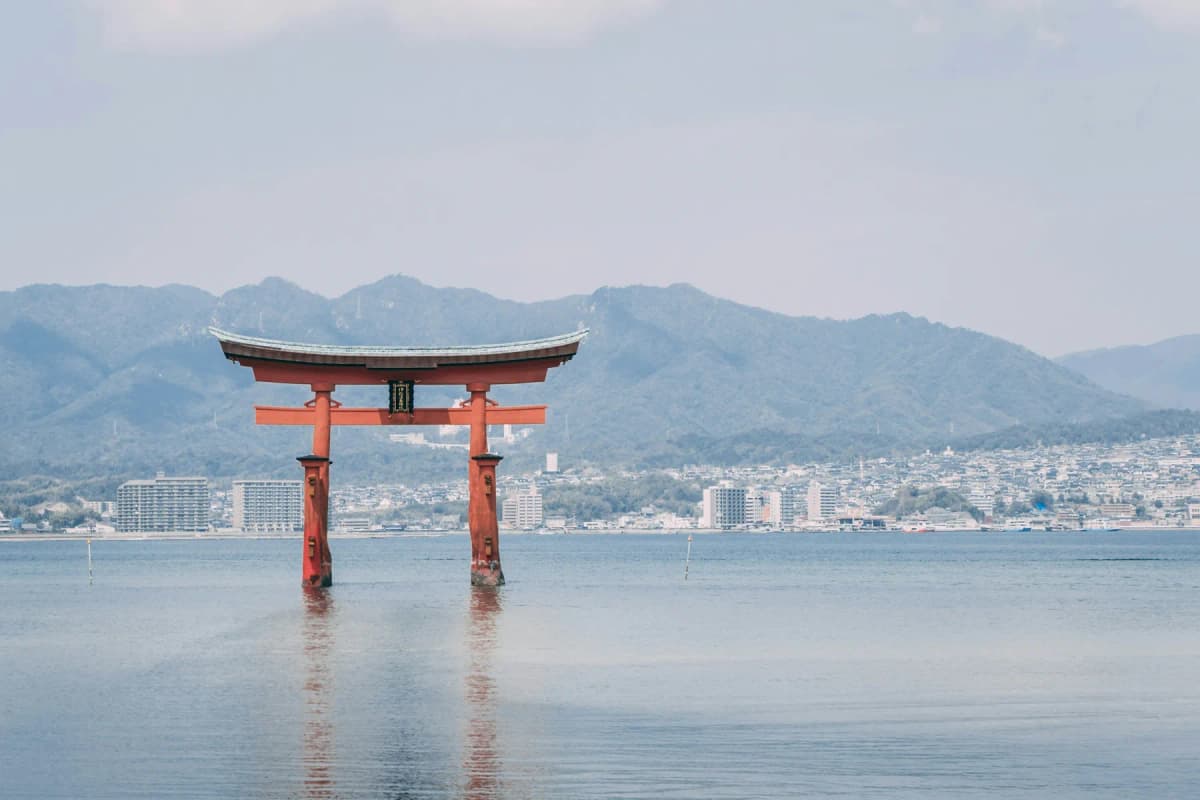 Photo: Steffen Triekels on Unsplash
This is the longest day of the trip and, for many people, the one that stays with them.
- Getting there: the Shinkansen from Shin-Osaka to Hiroshima takes about an hour and a half. Leave by 8 am.
- Miyajima first: from Hiroshima Station, a local JR train takes just under 30 minutes to Miyajimaguchi, and the ferry takes 10 minutes more. The island charges a ¥100 visitor tax, collected with the ferry fare. See Itsukushima Shrine and its gate in the sea, then eat grilled oysters or momiji cakes on the shopping street.
- Hiroshima in the afternoon: return to the city for the Peace Memorial Park, the Atomic Bomb Dome and the Peace Memorial Museum. Allow at least two hours and expect the museum to be heavy.
- Before the train: try Hiroshima-style okonomiyaki, layered with noodles.
The cost: a return Shinkansen ticket is roughly ¥20,000 to ¥22,000 per person, which makes this the most expensive day of the trip. JR West sells regional passes for foreign visitors that cover this route and can cost less than the return ticket alone, so check its current pass list before buying.
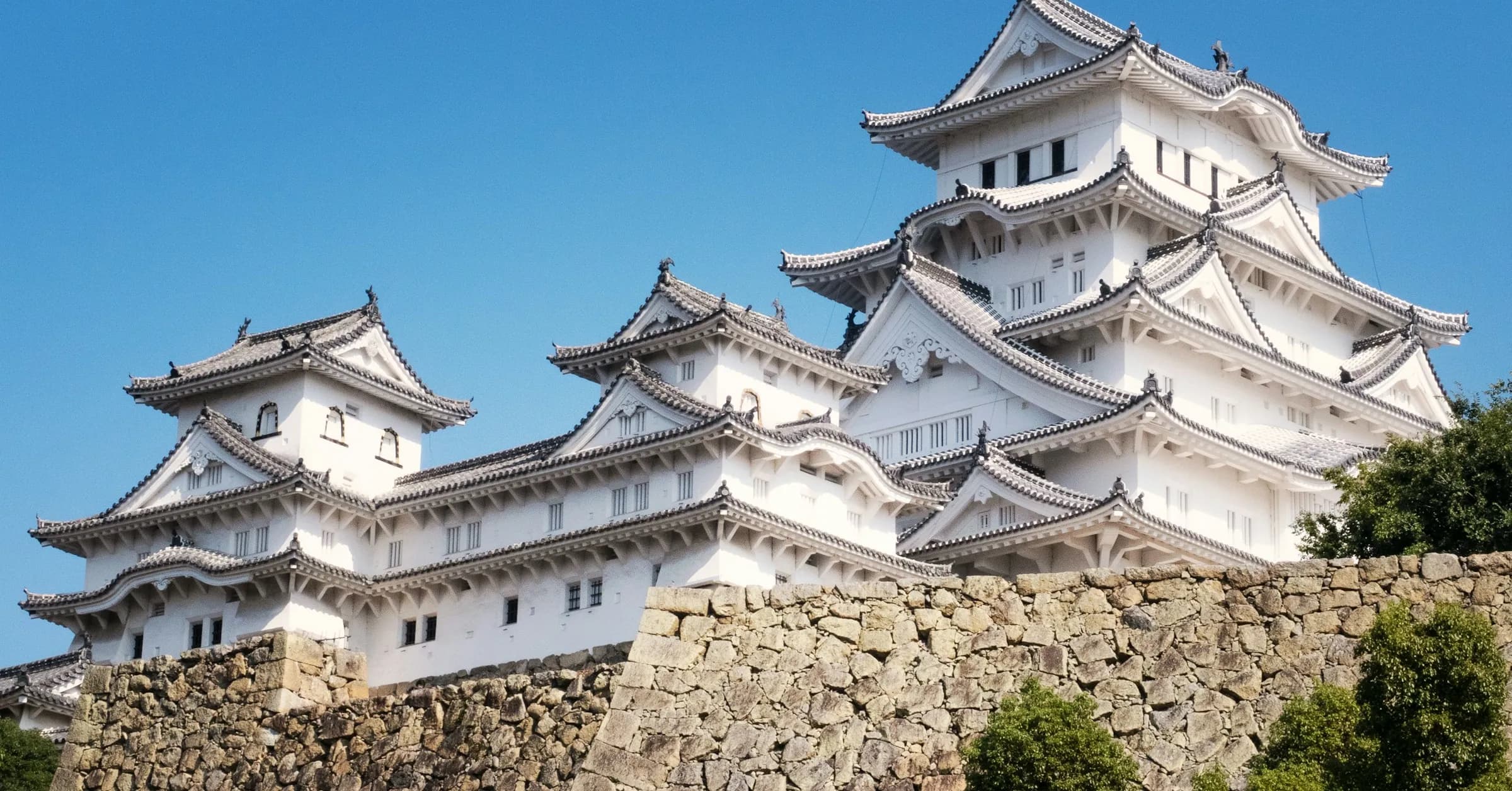
The easier alternative: Himeji Castle, Japan's finest surviving castle, is about 30 minutes from Shin-Osaka by Shinkansen or about an hour by regular JR rapid train from Osaka Station. It is a half-day trip and costs a fraction of the Hiroshima day. For more options, see our guide to the best day trips from Osaka.
Day 10: Osaka and home
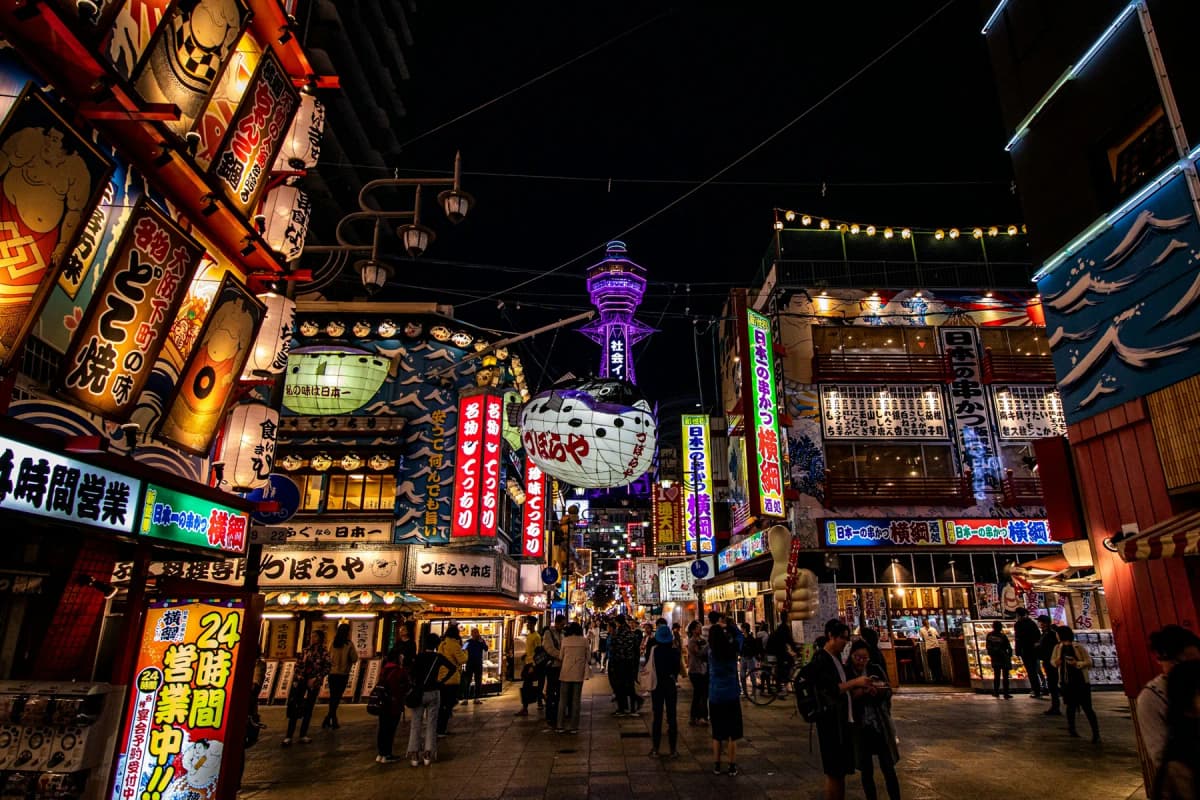 Photo: Robby McCullough on Unsplash
How much you do depends on your flight time.
- A morning only: Kuromon Market for breakfast, or Osaka Castle and its park.
- A full day: add the retro streets of Shinsekai around Tsutenkaku Tower, or the Umeda Sky Building for a last view.
- Theme park fans: swap this day (and move things around) for Universal Studios Japan. It needs a full day and tickets bought in advance.
From Namba, the Nankai Rapi:t express reaches Kansai Airport in about 35 to 40 minutes. Aim to be at the airport two and a half to three hours before an international flight.
Is the Japan Rail Pass worth it for this itinerary?
No. For this route, individual tickets are cheaper.
| Journey | Rough one-way cost per adult |
|---|---|
| Tokyo to Kyoto (Nozomi, reserved seat) | ¥14,000 to ¥15,000 |
| Kyoto to Nara to Osaka (Kintetsu) | Under ¥2,500 in total with express supplements |
| Osaka to Hiroshima and back | A little over ¥20,000 return |
| Total long-distance rail | About ¥37,000 to ¥40,000 |
The 7-day ordinary Japan Rail Pass was announced at ¥53,000 from 1 October 2026 (up from ¥50,000), and it does not cover the fastest Nozomi trains without a paid supplement. Even with the Hiroshima day trip, single tickets come out ahead. Skip Hiroshima and the gap gets much wider.
The pass can still make sense if you add a lot more long-distance travel inside seven days, for example a return to Tokyo at the end. Prices change, so check the official JR Pass site before you decide.
For city transport, use an IC card. Tap in and out of trains, subways and buses in every city on this route with the same card.
How much does 10 days in Japan cost?
Costs vary a lot with season and travel style, so treat this as a rough guide per person, per day, excluding international flights:
- Budget (hostels or capsule hotels, convenience-store and noodle-shop meals): about ¥10,000 to ¥15,000.
- Mid-range (business hotels shared by two, sit-down meals, a few paid sights): about ¥20,000 to ¥35,000.
- Comfortable (4-star hotels, a ryokan night, nicer dinners): ¥45,000 and up.
For a mid-range trip, that works out to roughly ¥200,000 to ¥350,000 per person on the ground for 10 days, plus the ¥37,000 to ¥40,000 of long-distance trains above.
Three costs that are new or changed in 2026:
- Kyoto's accommodation tax went up in March 2026. Most mid-range stays pay ¥400 to ¥1,000 per person, per night.
- The departure tax rose from ¥1,000 to ¥3,000 per person in July 2026. It is included in your flight ticket.
- Tax-free shopping switches to a refund system on 1 November 2026: you pay the full price in the shop and claim the consumption tax back when you leave Japan.
What to book in advance
- Hotels: as early as you can for late March to early April and for November, especially in Kyoto.
- Timed attractions: Shibuya Sky, teamLab, the Ghibli Museum and Universal Studios Japan all sell out.
- Popular restaurants: famous sushi and kaiseki places take bookings weeks ahead. Everyday restaurants don't need one.
- Shinkansen seats: outside the big holiday periods (New Year, Golden Week in late April and early May, Obon in mid-August) you can buy them a day or two before, or on the day.
- Mobile data: you will use maps and train apps constantly. A Japan eSIM from Airalo can be installed before you fly, if your phone supports eSIM.
- Travel insurance: medical care in Japan is excellent and not free for visitors. You can compare plans with EKTA in a few minutes.
- Entry forms: fill in immigration and customs details on the government's Visit Japan Web site before you fly to save time at the airport.
Best time for this itinerary
- Late March to early April: cherry blossom. Beautiful, crowded and the most expensive time of year.
- May (after Golden Week) and October to November: mild weather and the best balance. Kyoto's autumn colour peaks in mid to late November.
- June to mid-July: rainy season. Fewer visitors and lower prices, with regular wet days.
- Late July to September: hot and humid, with typhoon risk in August and September.
- December to February: cold, clear and quiet outside New Year. The best season for Mount Fuji views.
Ways to change this itinerary
- Slower pace: drop the Hiroshima day and spend it in Osaka, or visit Himeji instead.
- More nature: swap one Tokyo day for a night in a Hakone ryokan with hot-spring baths, on the way to Kyoto.
- With children: cut one temple day in Kyoto and add Universal Studios Japan or teamLab.
- Less-visited Japan: replace Osaka's second night with Kanazawa, reached from Kyoto with one change of train, for its garden, samurai district and seafood market.
- Return flight from Tokyo: run the route in the same order and take the Shinkansen back from Osaka on day 9 or the morning of day 10.
Frequently asked questions
Is 10 days enough for Japan? Yes, for a first trip. Ten days covers Tokyo, Kyoto and Osaka with three day trips at a pace that leaves room to wander. It is not enough to add Hokkaido, Okinawa or the Japan Alps as well, so save those for a second visit.
How much money do I need for 10 days in Japan? A mid-range traveller should plan on roughly ¥240,000 to ¥390,000 per person, including long-distance trains and excluding international flights. Budget travellers can do it for about half that.
Is the JR Pass worth it for 10 days in Japan? Not for the Tokyo, Kyoto, Osaka and Hiroshima route. Single tickets cost about ¥37,000 to ¥40,000, well under the price of a 7-day pass.
Should I start in Tokyo or Osaka? Either works, because the route is a straight line. Starting in Tokyo is the common choice: it has more flights, and ending in slower-paced Kansai is easier on tired legs.
How many days should I spend in Tokyo and Kyoto? Four nights in Tokyo, including one day trip, and three nights in Kyoto suits most people. If you prefer temples and gardens to big-city energy, move one night from Tokyo to Kyoto.
Can I do Hiroshima as a day trip from Osaka? Yes. The Shinkansen takes about an hour and a half each way. Leave by 8 am, visit Miyajima first and Hiroshima's Peace Memorial Park in the afternoon, and you will be back in Osaka for a late dinner.
Do I need cash in Japan? Less than you used to. Cards and IC cards work in most hotels, shops, chain restaurants and stations. Carry some cash for temples, small restaurants, markets and coin lockers. ATMs in convenience stores accept foreign cards.
Do I need to speak Japanese? No. Stations and trains on this route have English signs and announcements, and a translation app covers menus. A few words such as "sumimasen" (excuse me) and "arigato" (thank you) go a long way.
How we researched this guide
This itinerary is based on research using official sources such as the Japan National Tourism Organization, JR Central, JR West and the Kyoto City Official Travel Guide, plus current traveller feedback. Fares, taxes and opening times change, so check the latest information before you book. Found something out of date? Let us know.
Planning more of Japan? Browse all our Japan guides.