Kyoto vs Osaka: Which City Should You Stay In? (2026)
September 27, 2026 · Japan
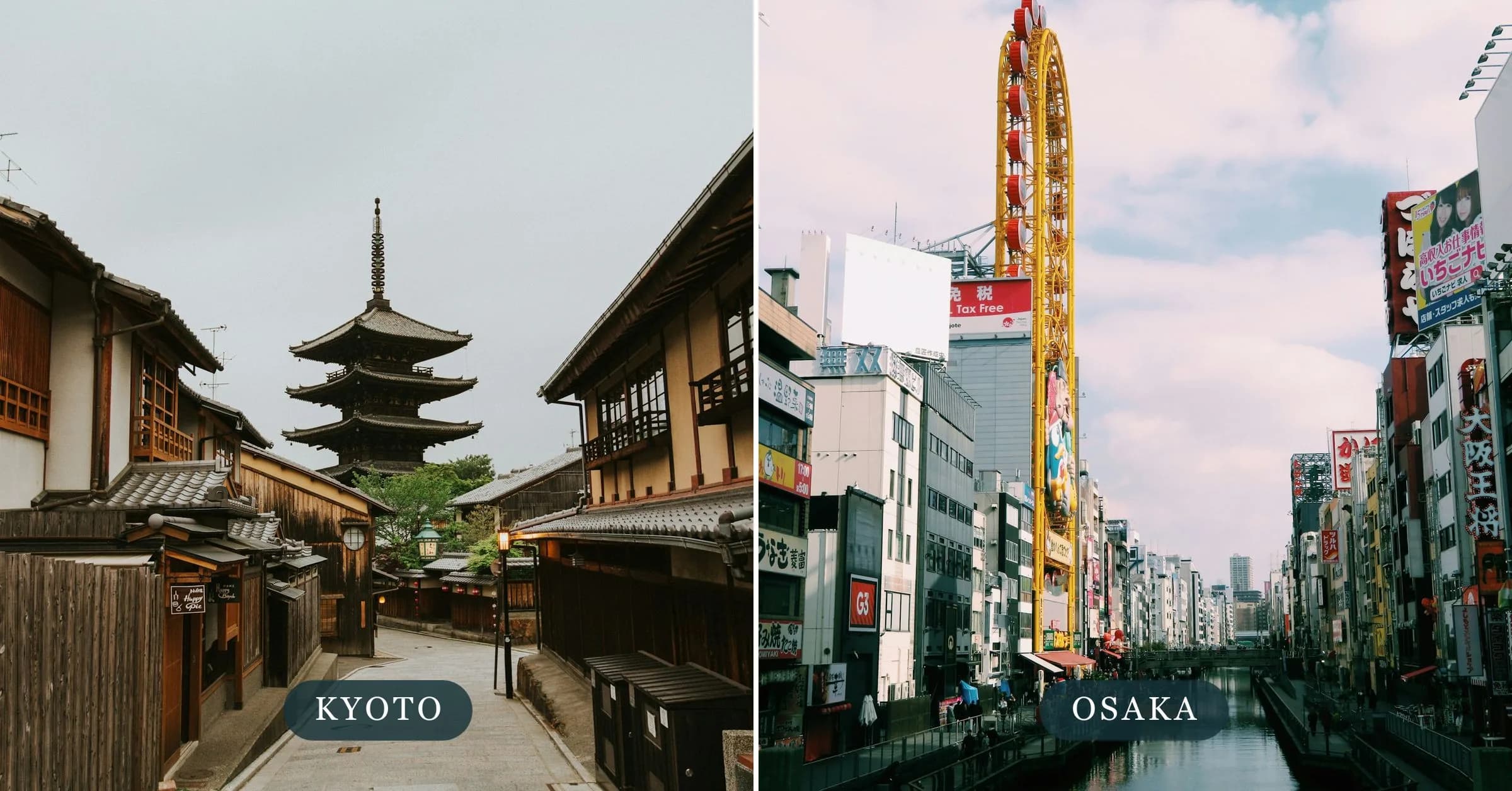
Kyoto vs Osaka is one of the most common decisions on a first trip to Japan, and it's a slightly strange one, because the two cities are only about 30 minutes apart by train. You can see both whichever one you pick. The real question is where to sleep: which city you wake up in shapes your mornings, your evenings and how much time you spend on trains.
This guide compares Kyoto and Osaka on the things that actually change your trip (sights, food, nightlife, hotel prices, day trips and airport access) and then tells you which base suits your kind of trip. We also cover the option most first-timers end up happiest with: splitting your nights between the two.
Kyoto vs Osaka: the quick answer
| Kyoto | Osaka | |
|---|---|---|
| Feel | Traditional, calm, historic | Modern, loud, friendly |
| Best for | Temples, shrines, gardens, old streets | Street food, nightlife, shopping |
| Evenings | Quiet; many sights close by 5 pm | Busy until late |
| Hotel prices | Higher, plus a steeper hotel tax | Usually cheaper, with more choice |
| Crowds | Heavy at the famous sights | Busy, but spread out |
| Day trips | Nara, Uji, Arashiyama | Nara, Kobe, Himeji, Hiroshima, Koyasan |
| Airport (KIX) | About 75 minutes by the Haruka express | About 35–40 minutes by the Nankai Rapi:t |
| Families | Good, but lots of walking | Universal Studios Japan is 15–20 minutes away |
Our short version: stay in Kyoto if temples, gardens and early-morning sightseeing are the point of your trip. Stay in Osaka if you care more about food, nightlife, budget and day trips. If you have five nights or more in the region, split them: Kyoto first, then Osaka.
The real difference between Kyoto and Osaka
Kyoto was Japan's imperial capital for more than a thousand years, and it shows. The city has hundreds of temples and shrines, 17 UNESCO World Heritage sites in and around the city, wooden machiya townhouses and a strong sense of etiquette. It's a city you experience slowly, on foot, ideally early in the morning before the tour buses arrive.
Osaka is Japan's third-largest city and its food capital. It has a reputation for being more relaxed and more outgoing than Tokyo or Kyoto, and its nickname, "the nation's kitchen", says a lot. The big draws aren't monuments; they're the neon canal of Dotonbori, market stalls, standing bars and the energy of the streets after dark.
Neither is "better". They're good at different things, and because they're so close together, the smartest plans use both.
Should you stay in Kyoto or Osaka?
Find your trip in this table.
| Your trip | Best base | Why |
|---|---|---|
| First trip, 2–3 nights in the region | Kyoto | Most first-timers come for Kyoto's sights; staying there lets you see them early and late, without the crowds |
| Temples, gardens, photography | Kyoto | Early starts at Fushimi Inari, Kiyomizu-dera or Arashiyama are only practical if you sleep in Kyoto |
| Food and nightlife | Osaka | Dotonbori, Namba and Shinsekai are at their best in the evening |
| Budget travel | Osaka | More hotels, lower prices and a much lower hotel tax |
| Families with kids | Osaka | Universal Studios Japan, the aquarium and easy transport; Kyoto is still an easy day trip |
| Lots of day trips (Himeji, Kobe, Hiroshima, Koyasan) | Osaka | Better connected to the west and south of the region |
| Arriving late at Kansai Airport | Osaka (Namba) | The Rapi:t gets you to a hotel in under 40 minutes |
| Coming from Tokyo by bullet train | Either | Both have Shinkansen stations; start in Kyoto, finish in Osaka |
| Five nights or more | Both | Split your stay (see below) |
The split stay: our recommendation for most trips
If you have at least five nights in the Kansai region, don't choose. Do three nights in Kyoto, then two or more in Osaka. This order works because:
- Most people arrive from Tokyo by Shinkansen, and Kyoto is the first stop.
- You see Kyoto's temples while you're fresh and can still face early mornings.
- You finish in Osaka, which has more nightlife, more food and the faster connection to Kansai Airport for your flight home.
Moving between the two takes about half an hour. To make it painless, use a luggage-forwarding service to send big bags from your Kyoto hotel to your Osaka hotel, and travel with a day bag.
Why stay in Kyoto
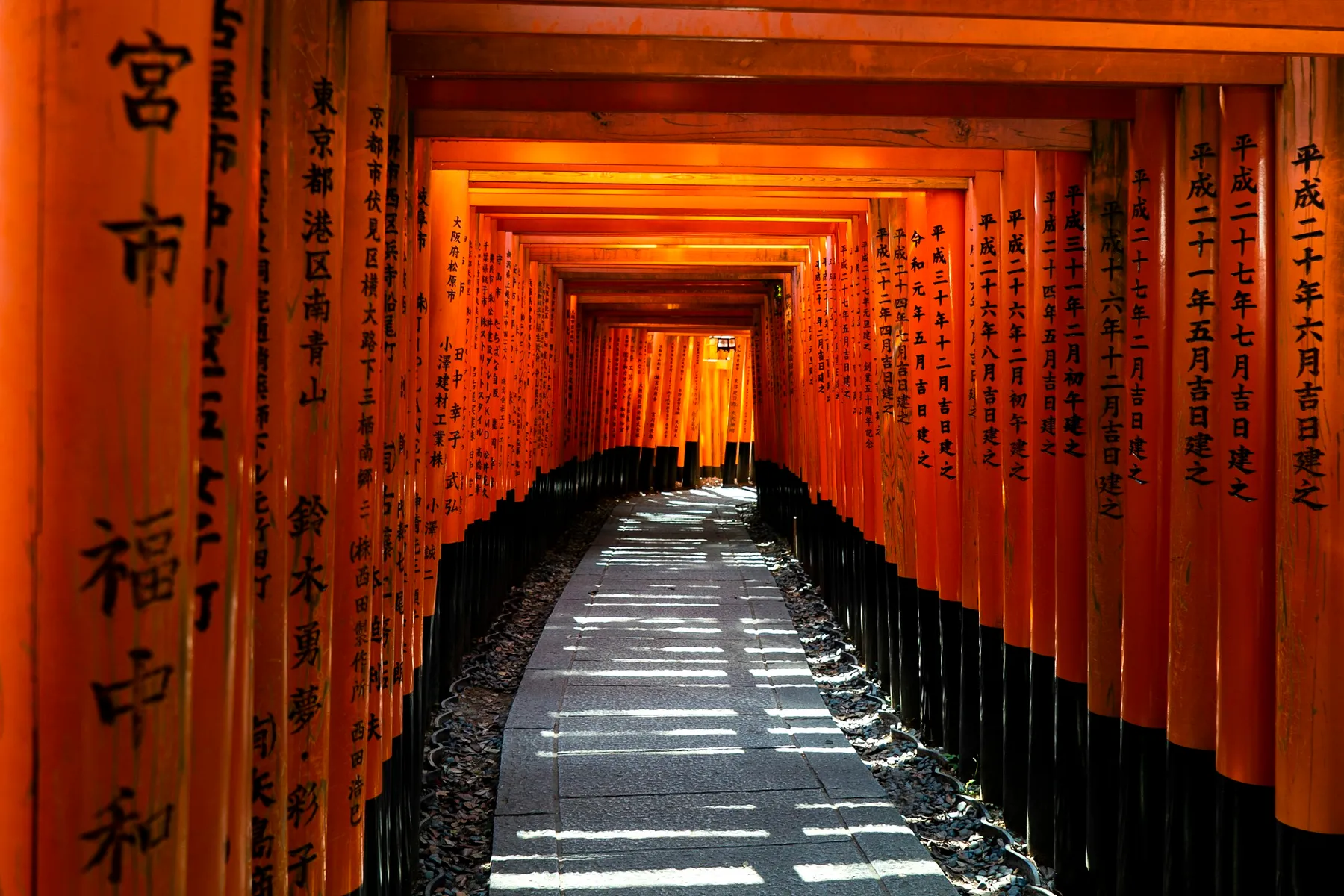 Photo: David Emrich on Unsplash
The main reason to stay in Kyoto is time of day. Fushimi Inari's thousands of torii gates are open around the clock and free to walk, so you can be there at sunrise, when the lower paths are nearly empty. The lanes around Kiyomizu-dera and the bamboo grove at Arashiyama are similar: magical at 7 am, shoulder-to-shoulder by 10.
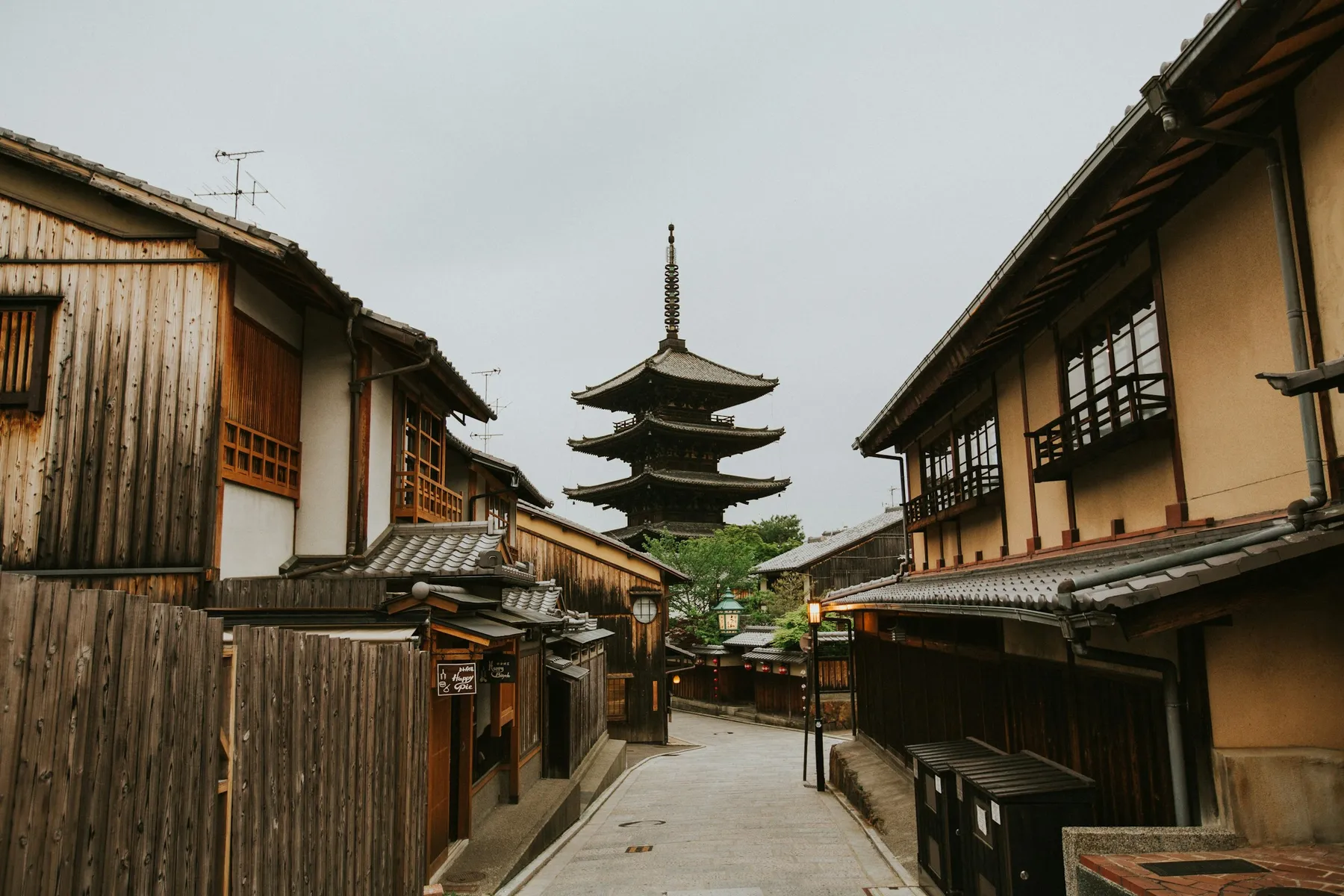 Photo:
 Staying in Kyoto also means quiet evenings in beautiful neighbourhoods: a walk through Higashiyama's stone lanes after the shops close, dinner in the lantern-lit streets near the Kamo River, and the chance to stay in a traditional ryokan (inn) with tatami rooms and a kaiseki dinner, something Kyoto does better than anywhere else in Japan.
- Good for: culture, photography, slow travel, couples, ryokan stays.
- Less good for: nightlife and tight budgets. Hotels cost more, and many sights and restaurants close early.
- Watch out for: the city buses, which get very crowded. Trains and the subway are usually faster, and central Kyoto is very walkable.
- Where to look: around Kyoto Station for the easiest transport (Shinkansen, the airport express and trains to Nara and Osaka); Shijo–Kawaramachi for restaurants and shopping; Gion and Higashiyama for atmosphere, at a higher price.
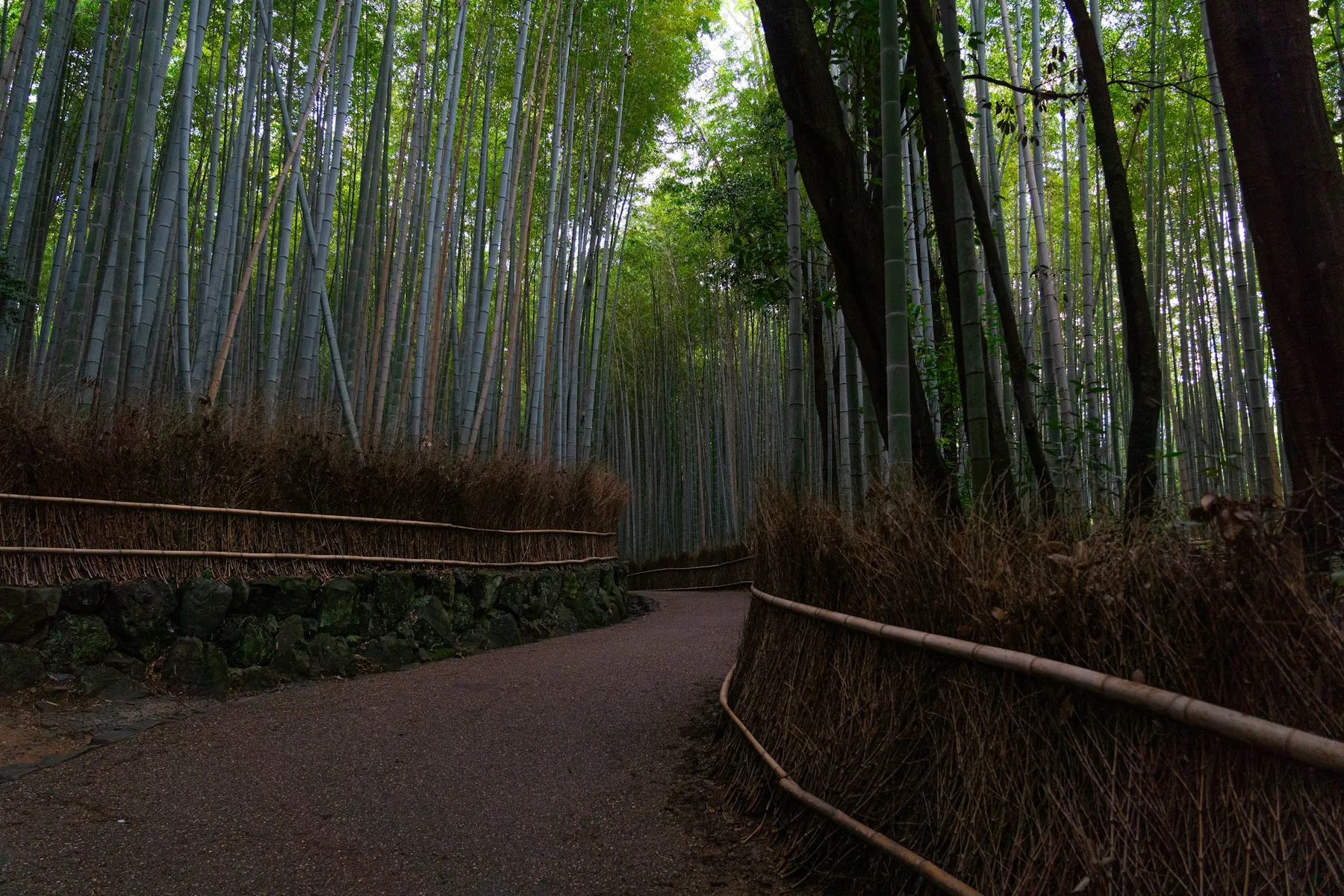 Photo: Fynn Geerdsen on Unsplash
Two things to know before you book Kyoto:
- The hotel tax went up in 2026. Since 1 March 2026, Kyoto's accommodation tax has five bands based on the room rate, from ¥200 per person per night for budget rooms up to ¥10,000 per person per night at the top end. It's charged at the hotel, on top of the room price, so check it when you compare prices. See the Kyoto City Official Travel Guide for the current rates.
- Gion has rules. Some narrow private lanes in Gion are closed to sightseers; signs mark them, and fines apply. Don't photograph or follow geiko and maiko (Kyoto's geisha) without their permission; they're on their way to work. The main streets, restaurants and teahouses are still open to visitors.
Why stay in Osaka
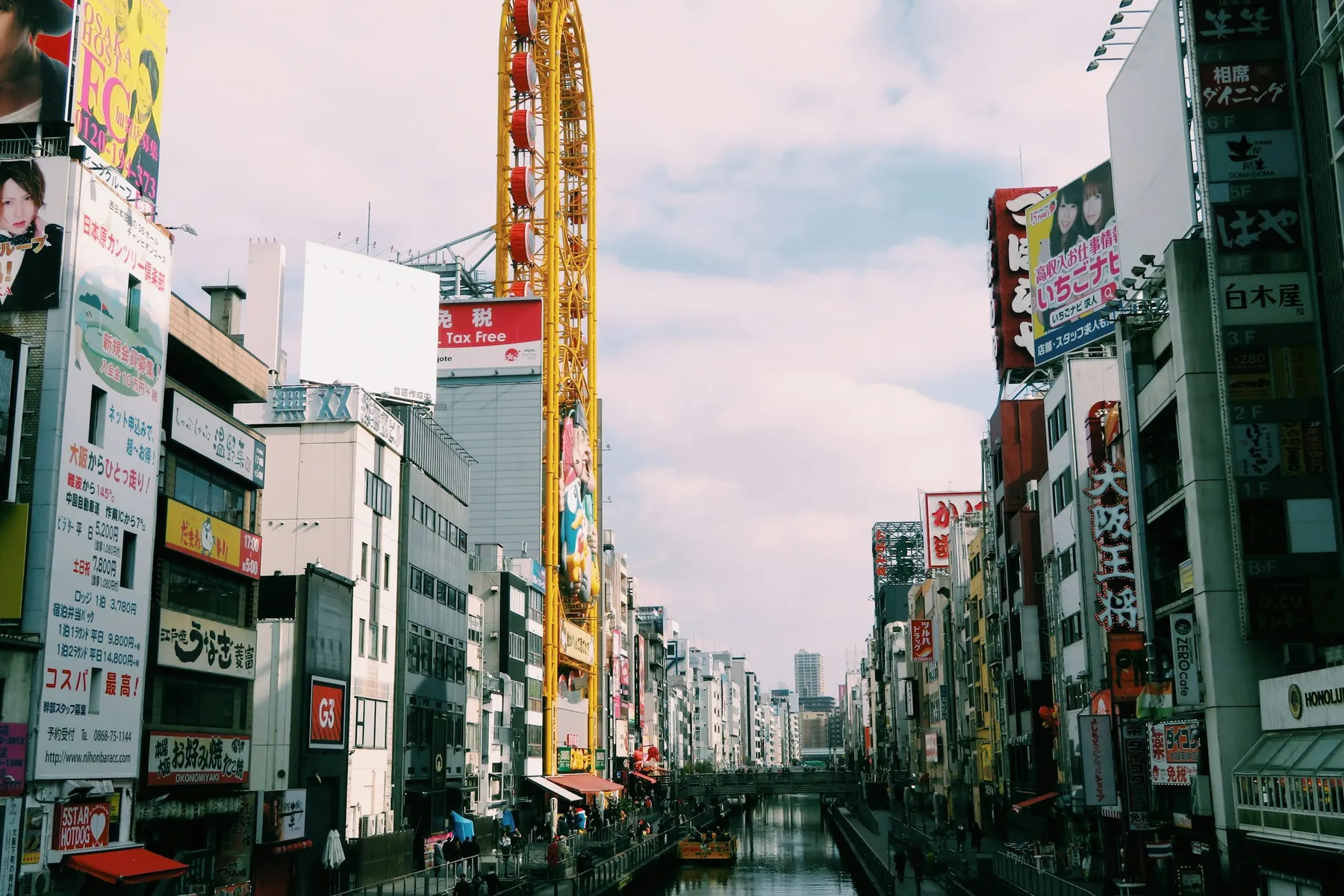 Photo:
 Osaka is where you stay if you want your evenings to be the highlight. Dotonbori is the famous stretch of canal, giant signs and takoyaki stands, and the surrounding Namba area is packed with restaurants, bars and late-night food. Shinsekai, a retro neighbourhood under the Tsutenkaku tower, is the place for kushikatsu (deep-fried skewers). Don't leave without trying okonomiyaki, the savoury pancake Osaka claims as its own.
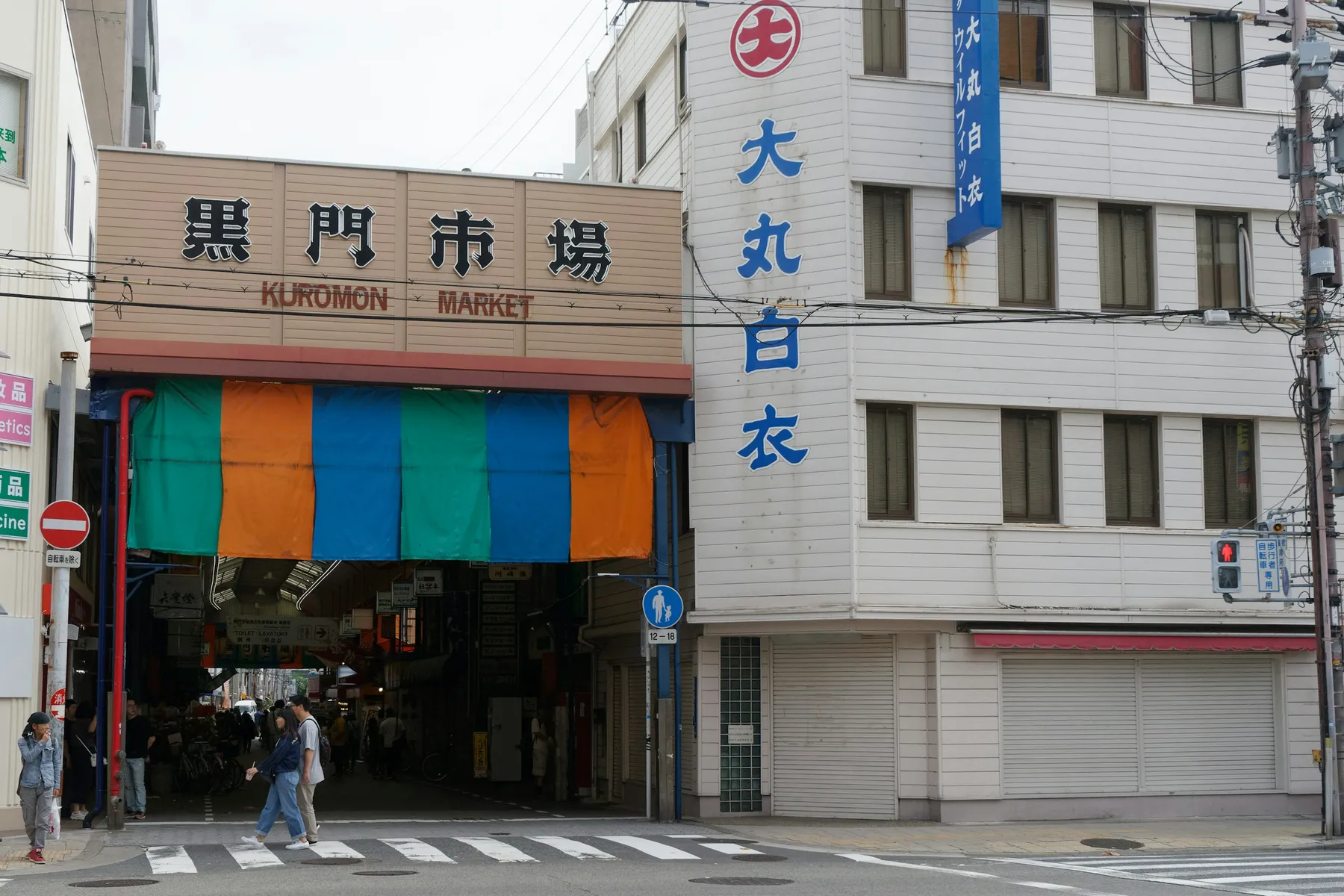 Photo:
 It's also the practical choice. Osaka is a much bigger city, so there are more hotels at every price level, and rooms usually cost less than in Kyoto for the same standard. It's better connected for day trips to the west and south, and Universal Studios Japan, home of Super Nintendo World, is only about 15–20 minutes by train from Osaka Station.
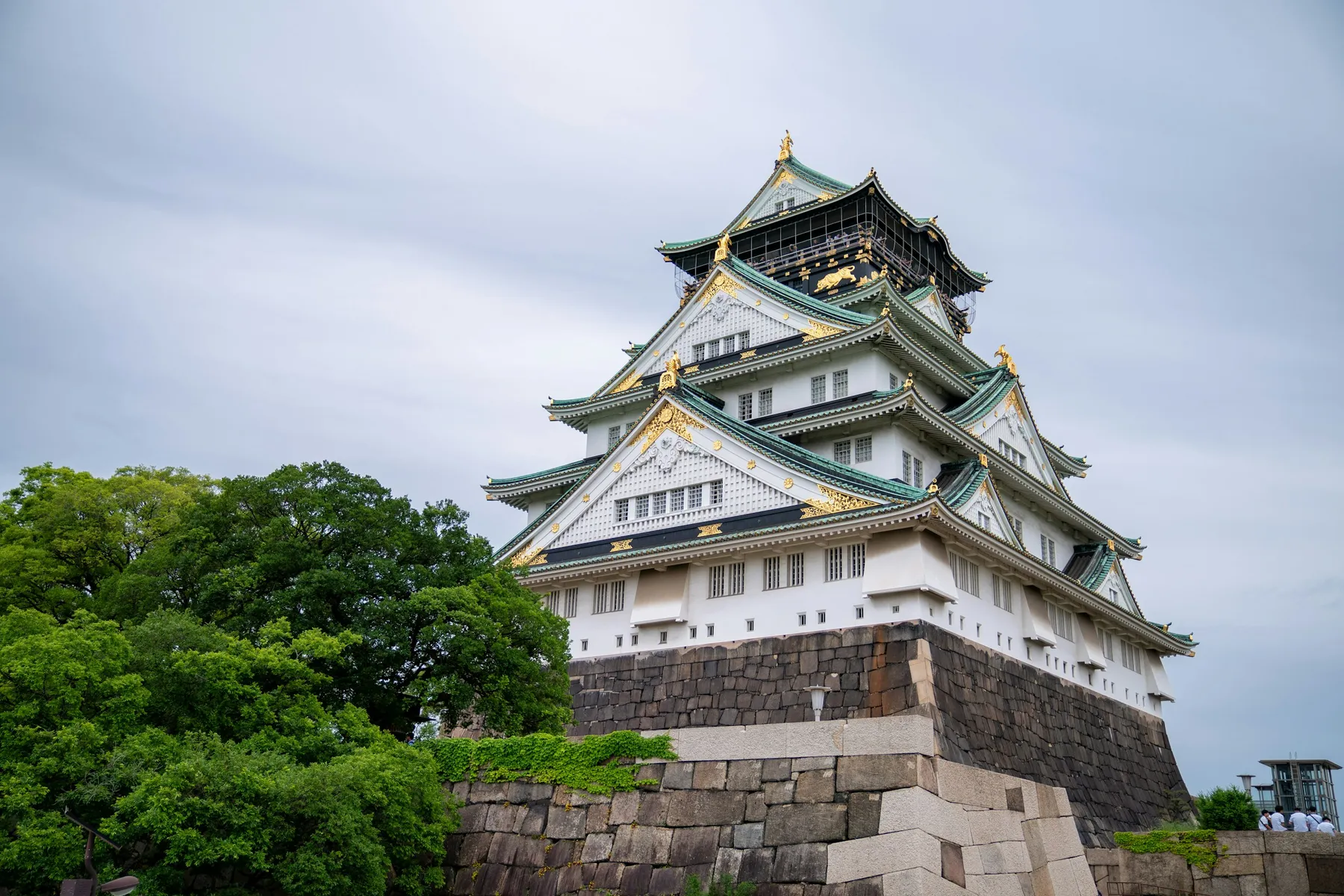 Photo: Jason Rost on Unsplash
- Good for: food lovers, nightlife, families, budget travellers, day-trippers.
- Less good for: a traditional atmosphere. Osaka has great sights, like Osaka Castle, but it's not a city of temples and old streets.
- Where to look: Namba (also called Minami) for food, nightlife and the fastest train to Kansai Airport; Umeda (Kita) around Osaka Station for JR connections, including trains to Kyoto; Shin-Osaka only if you'll take the bullet train a lot, since it's quieter and further from the fun.
Getting between Kyoto and Osaka
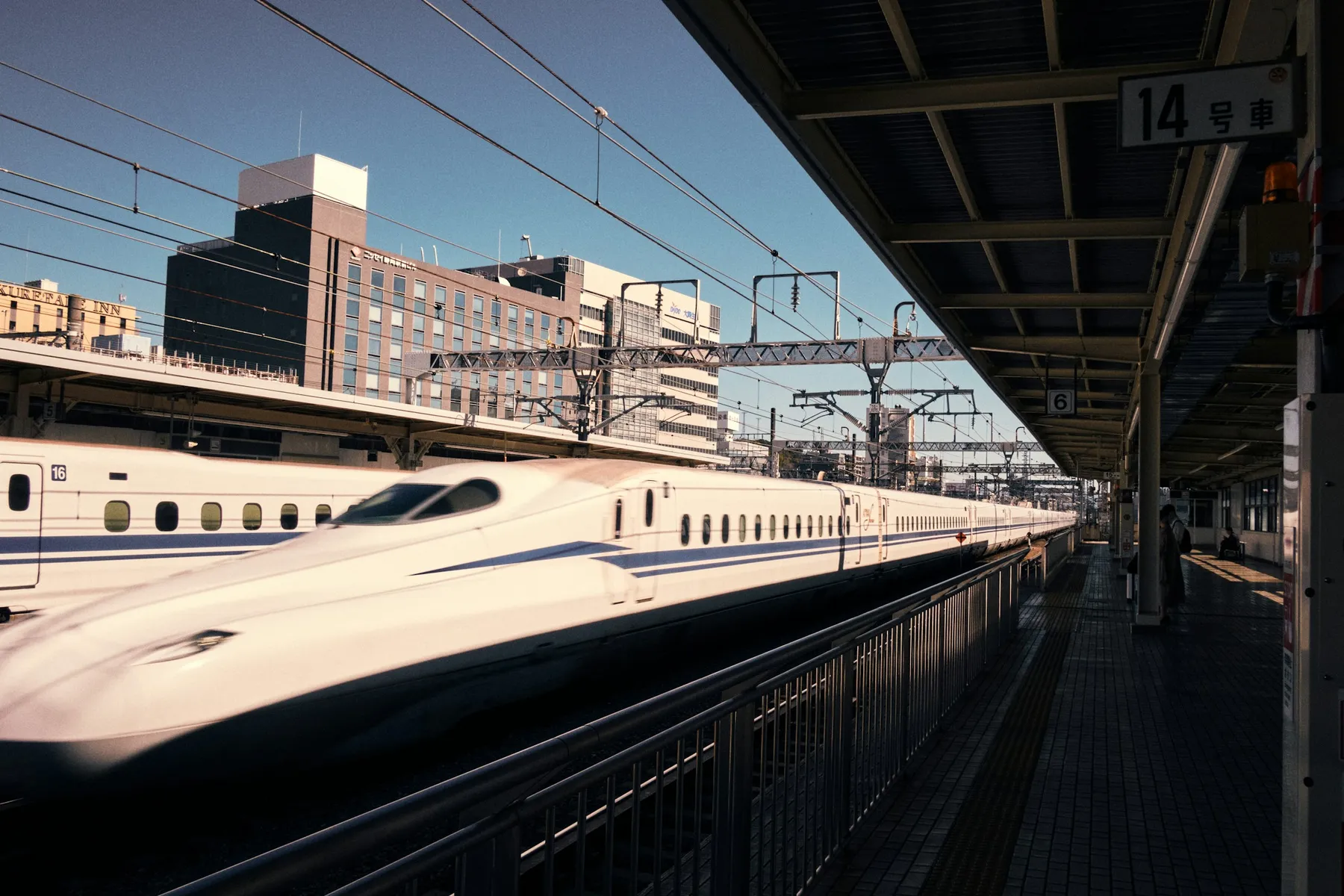 Photo:
 This is why the decision is lower-stakes than it looks. There are four easy train options, and none of them need booking in advance.
| Train | Route | Time | Best if you're staying near |
|---|---|---|---|
| JR Special Rapid | Kyoto Station – Osaka Station | About 30 minutes | Kyoto Station / Umeda |
| Shinkansen | Kyoto Station – Shin-Osaka | About 15 minutes | Kyoto Station / Shin-Osaka (the fastest, but it costs more) |
| Hankyu line | Kyoto-kawaramachi – Osaka-umeda | About 45 minutes | Shijo–Kawaramachi / Umeda |
| Keihan line | Gion-shijo – Yodoyabashi | About 50 minutes | Gion / central Osaka |
The JR and Shinkansen options are covered by the JR Pass. The Hankyu and Keihan lines aren't, but they're cheap, and they start in the middle of Kyoto rather than at Kyoto Station, which can save you a transfer. You can tap in with an IC card such as Suica or ICOCA on the JR local trains, Hankyu and Keihan; for the Shinkansen, buy a ticket.
Day trips: which base is better?
| Day trip | From Kyoto | From Osaka |
|---|---|---|
| Nara (deer park, Todai-ji) | About 45 minutes | About 40 minutes |
| Uji (matcha, Byodo-in) | About 20–30 minutes | About 1 hour |
| Kobe | About 50 minutes | About 20–30 minutes |
| Himeji Castle | About 45–55 minutes by Shinkansen | About 30 minutes by Shinkansen, or 1 hour by JR Special Rapid |
| Hiroshima and Miyajima | About 1 hr 40 by Shinkansen | About 1 hr 25 by Shinkansen |
| Universal Studios Japan | About 1 hour | About 15–20 minutes |
| Koyasan (temple stays) | Over 2.5 hours | About 1.5–2 hours from Namba |
Times are approximate and depend on which station you start from. The pattern is simple: Nara works from either city, Uji is a Kyoto trip, and almost everything else is easier from Osaka.
Arriving by plane or from Tokyo
Flying into Kansai International Airport (KIX): the Nankai Rapi:t reaches Namba in Osaka in about 35–40 minutes, and the JR Haruka limited express reaches Kyoto Station in about 75 minutes. If you land in the evening after a long-haul flight, staying your first night in Osaka is much easier.
Coming from Tokyo: the fastest Nozomi Shinkansen takes about 2 hours 15 minutes from Tokyo to Kyoto, and about 15 minutes more to Shin-Osaka. If you're heading south straight after Tokyo, it's worth ending your Tokyo stay near a Shinkansen station; our guide to where to stay in Tokyo covers the areas around Tokyo Station and Shinagawa.
How many days do you need in Kyoto and Osaka?
- Kyoto: three full days covers the highlights (Fushimi Inari, Higashiyama and Kiyomizu-dera, Arashiyama, Kinkaku-ji) at a comfortable pace. Two days is possible if you start early.
- Osaka: one to two days is enough for the city itself: Dotonbori and Namba, Osaka Castle, Kuromon Market and Shinsekai. Add a day for Universal Studios Japan.
- Nara: half a day to a full day, from either city.
That's why the classic split is three nights in Kyoto and two in Osaka, plus a Nara day trip from whichever base suits you.
Frequently asked questions
Is Kyoto or Osaka better for a first trip to Japan? For most first-timers, Kyoto. It's the reason most people visit the region, and staying there lets you see the famous sights before the crowds arrive. If you have five nights or more, split your stay and add Osaka.
Should I visit Kyoto or Osaka first? If you're coming from Tokyo, visit Kyoto first: it's the first Shinkansen stop, and ending in Osaka puts you closer to Kansai Airport for your flight home. If you fly into Kansai Airport, it's often easiest to start in Osaka.
Can I visit Kyoto as a day trip from Osaka? Yes, the train takes 15–45 minutes depending on the line. But you'll arrive when the famous sights are at their busiest and miss Kyoto's quiet mornings and evenings. If Kyoto matters to you, stay at least one or two nights.
Is Kyoto more touristy than Osaka? Kyoto's famous sights are more crowded, especially Fushimi Inari, Kiyomizu-dera, Arashiyama and Gion. Osaka is busy too, but its crowds are spread across a much bigger city. Early starts make a huge difference in Kyoto.
Is Osaka cheaper than Kyoto? Usually, yes. Osaka has more hotels at every price level, and Kyoto's higher accommodation tax (since March 2026) adds to the gap, especially for more expensive rooms.
How we researched this guide
This comparison is based on official sources, including the Japan National Tourism Organization, the Kyoto City Official Travel Guide, the Osaka official travel guide, JR West and Kansai International Airport, plus current traveller feedback and search trends. Train times and taxes can change, so check the latest information before you travel. Found something out of date? Let us know.
Planning more of Japan? Browse all our Japan guides.