10 Best Day Trips from Osaka (2026): Times, Costs and Tips
October 9, 2026 · Japan
This post contains affiliate links. We may earn a commission if you book through them, at no extra cost to you. Disclaimer.
The best day trips from Osaka are Nara, Kyoto, Himeji and Kobe, all under an hour away by train. With more time, add Hiroshima and Miyajima for history, Koyasan for temples in the forest, or Uji for matcha. Osaka sits at the centre of the Kansai rail network, so you can reach all of them without a car, a tour or a rail pass.
That is the main reason to base yourself here. Hotels cost less than in Kyoto, the food is better after dark, and four railway companies fan out from the city in every direction.
Below are ten day trips, ordered roughly from closest to furthest, with how to get there, how long you need and who each one suits. At the end you will find which station to use, whether a pass is worth buying, and a few ways to combine them.
Day trips from Osaka: the quick answer
| Day trip | Time each way | Time needed | Best for |
|---|---|---|---|
| Nara | About 40 min | Half to full day | Deer, giant Buddha, first-timers |
| Kyoto | 15 to 50 min | Full day (or several) | Temples, gardens, old streets |
| Kobe | 20 to 30 min | Half to full day | Harbour, Kobe beef, sake breweries |
| Minoh Falls | About 30 min | Half day | An easy forest walk, autumn leaves |
| Uji | About 1 hour | Half day | Matcha, Byodo-in temple |
| Himeji | 30 min to 1 hour | Half to full day | Japan's finest original castle |
| Arima Onsen | About 1 hour | Half to full day | Hot springs |
| Koyasan | About 2 hours | Full day (better overnight) | Temples, cemetery in a cedar forest |
| Okayama and Kurashiki | 45 min to 1 hour 15 | Full day | A famous garden, a canal town |
| Hiroshima and Miyajima | About 1.5 hours | Full, long day | History, the floating torii gate |
Our short version: with one free day, go to Nara. With two, add Himeji (pair it with Kobe). With three, add Kyoto if you are not staying there, or Hiroshima and Miyajima if you are.
1. Nara: the easiest day trip from Osaka
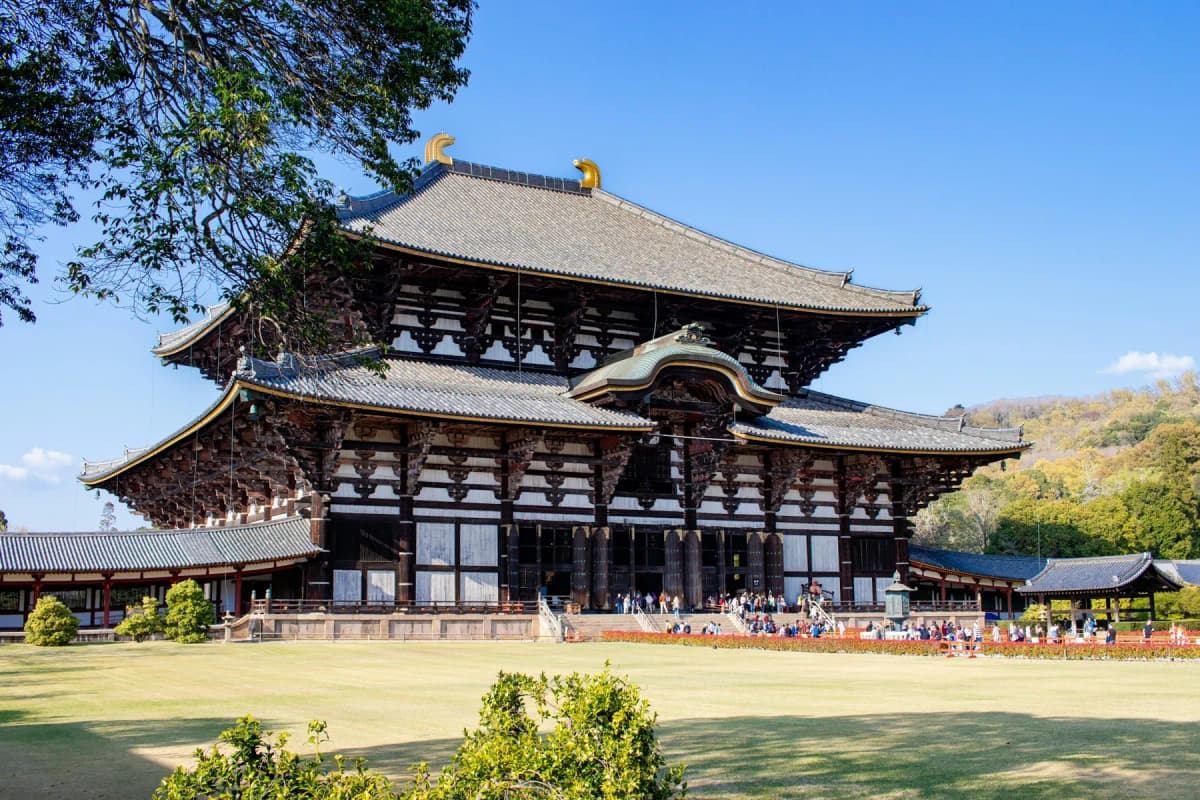 Photo:
 Nara was Japan's first permanent capital, and its main sights sit inside one large park that you can cover on foot.
- Getting there: Kintetsu trains from Osaka-Namba reach Kintetsu-Nara in about 40 minutes on a rapid express, with no seat fee. This station is closer to the park than JR Nara. If you have a JR pass, the Yamatoji Rapid from Osaka or Tennoji station takes 35 to 50 minutes.
- What to do: walk through Nara Park, where more than a thousand deer roam freely, to Todai-ji, whose hall holds a bronze Buddha about 15 metres tall. Continue to the lantern-lined paths of Kasuga Taisha shrine, and finish in the old merchant quarter of Naramachi.
- Time needed: four to five hours covers the main loop. A full day lets you slow down.
- Tips: the deer will bow for the crackers sold at stalls in the park, and they will also nip, pull at maps and chase anyone who teases them. Hold the crackers out of sight until you want to feed them. Arrive before 10 am to stay ahead of the tour groups.
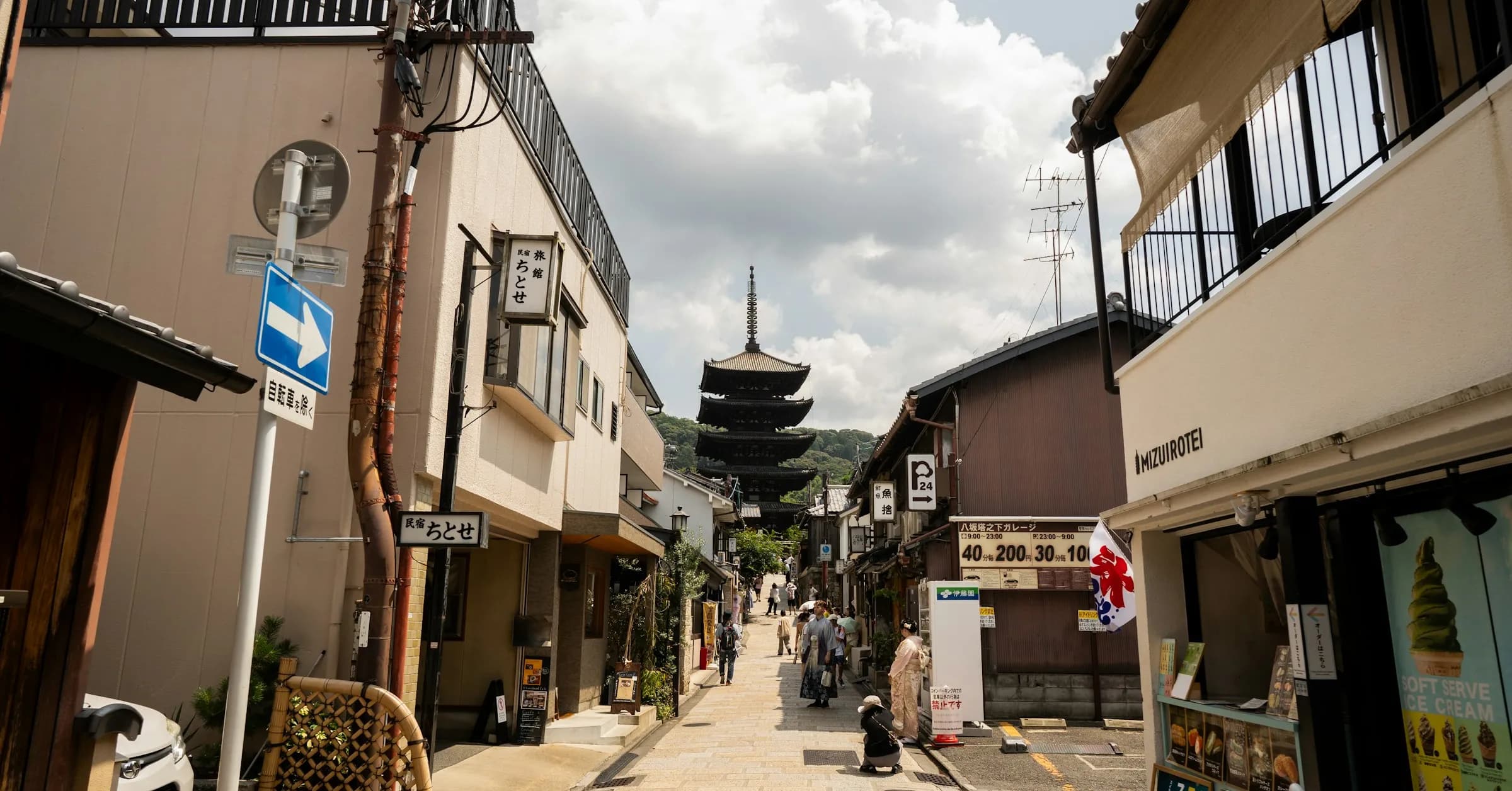
2. Kyoto: temples half an hour away
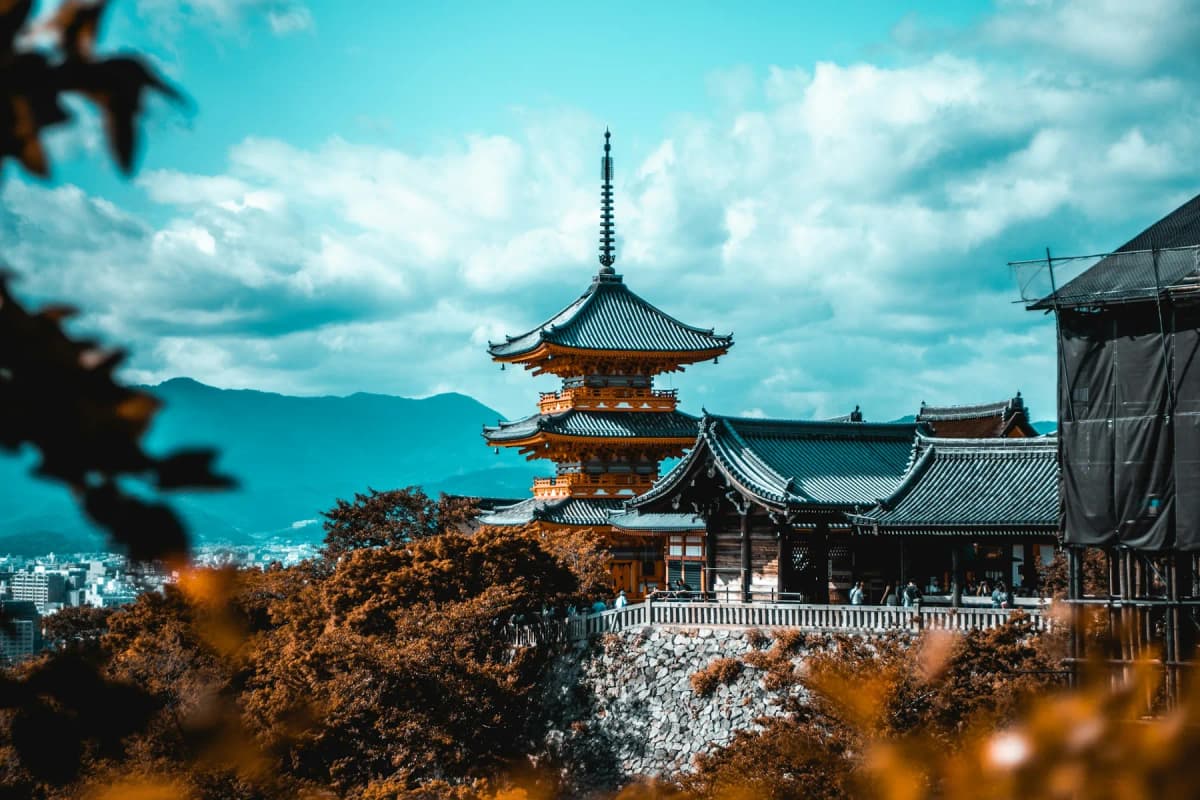 Photo: Cosmin Georgian on Unsplash
Kyoto deserves several days, but if your nights are in Osaka it works well as a day trip, or as two or three separate ones.
- Getting there: pick the train by where you are going, not by speed.
- JR Special Rapid from Osaka Station to Kyoto Station: about 30 minutes. Best for Fushimi Inari and Arashiyama (both a short JR ride from Kyoto Station).
- Hankyu from Osaka-Umeda to Kyoto-Kawaramachi: about 45 minutes. Best for downtown, Nishiki Market and Gion.
- Keihan from Yodoyabashi or Kyobashi to Gion-Shijo or Kiyomizu-Gojo: about 50 minutes. Best for Higashiyama, and it stops at Fushimi Inari on the way.
- Shinkansen from Shin-Osaka: about 15 minutes, at a much higher fare. Rarely worth it.
- What to do: don't try to see the whole city. Choose one side per trip. East: Kiyomizu-dera, the lanes of Sannenzaka, Yasaka Shrine and Gion. South: Fushimi Inari and its thousands of torii gates. West: the Arashiyama bamboo grove and Tenryu-ji.
- Time needed: a full day per side.
- Tips: leave Osaka by 7 am. Kyoto's famous sights are calm early and packed by mid-morning.
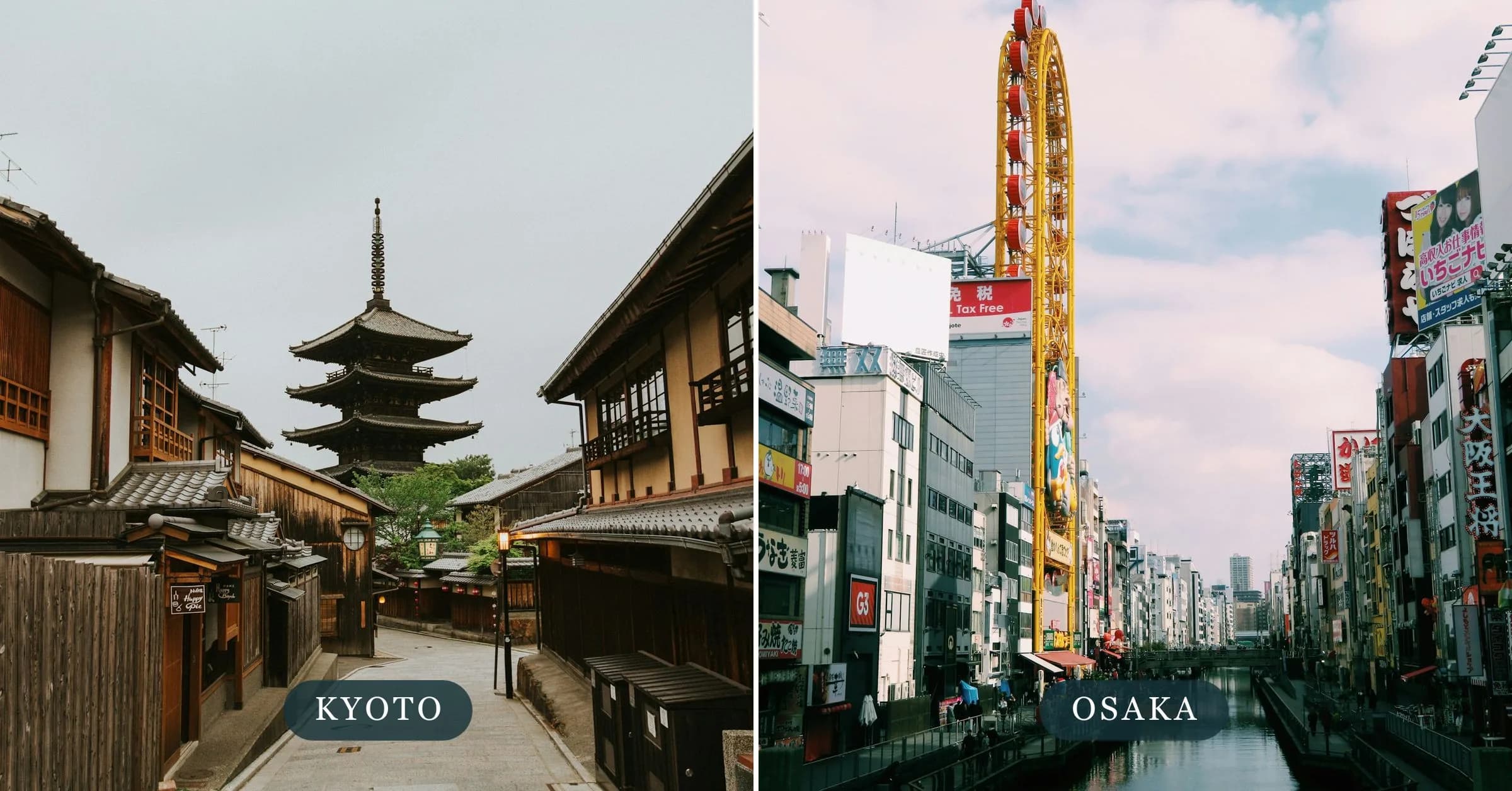
Not sure which city to sleep in? We compare them in Kyoto vs Osaka. If you decide to stay over, see where to stay in Kyoto.
3. Kobe: harbour views, beef and sake
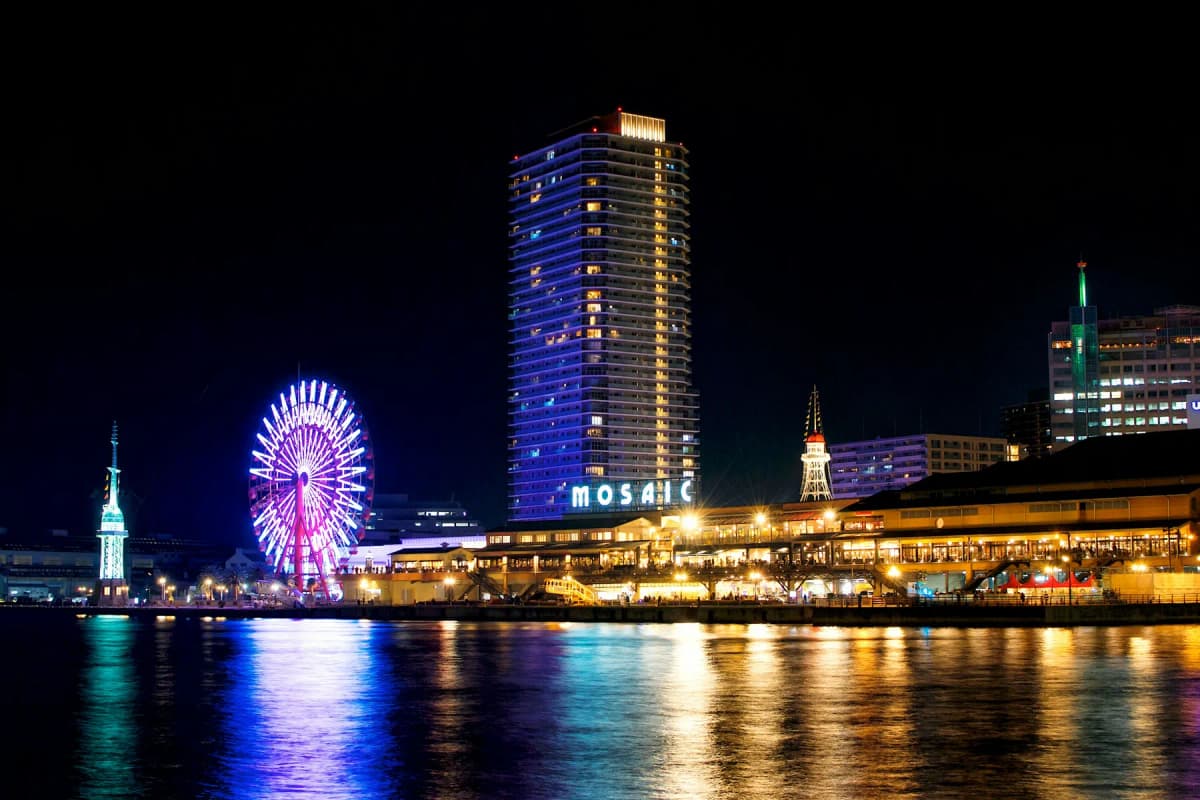 Photo: Takashi Miyazaki on Unsplash
Kobe is a compact port city squeezed between the sea and the Rokko mountains. It is the closest day trip on this list, and the easiest to do in an afternoon and evening.
- Getting there: the JR Special Rapid from Osaka Station reaches Sannomiya, Kobe's centre, in a little over 20 minutes. Hankyu and Hanshin trains from Umeda take about 30 minutes and cost less.
- What to do: walk uphill to Kitano, where foreign merchants built Western-style houses in the late 1800s. Take the ropeway from Shin-Kobe up to the Nunobiki Herb Gardens for a view over the bay, and walk down past Nunobiki Falls. Eat in Chinatown (Nankinmachi), then end the day at the Harborland waterfront when the lights come on.
- Food and drink: Kobe beef is the famous splurge, and lunch sets cost far less than dinner. East of the centre, the Nada district is one of Japan's biggest sake-brewing areas, and several breweries run free museums with tastings.
- Time needed: half a day for the centre, a full day with Nada or the herb gardens.
4. Minoh Falls: a forest walk on the edge of the city
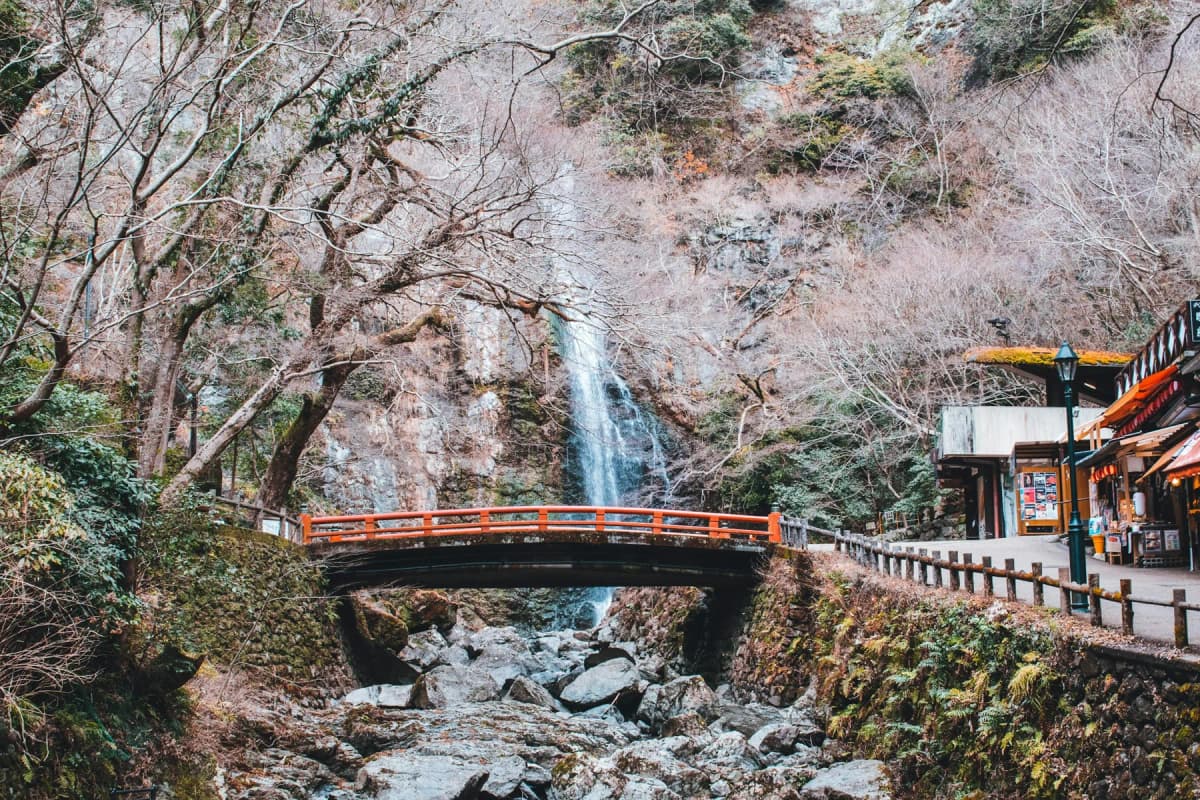 Photo:
 If you need a break from cities and temples, Minoh is the answer, and it costs almost nothing.
- Getting there: Hankyu trains from Osaka-Umeda take about 30 minutes, with a change at Ishibashi handai-mae.
- What to do: a paved path follows the river through a wooded valley from the station to a 33-metre waterfall. The walk is just under 3 km each way and takes about 45 minutes at an easy pace. Stalls along the way sell momiji tempura, maple leaves fried in sweet batter, which is the local speciality.
- Time needed: three to four hours door to door.
- Tips: the valley is at its best, and its busiest, when the maples turn in late November. The path is gentle but long for small children. Wild monkeys live in the park: don't feed them, and keep food in your bag.
5. Uji: the home of matcha
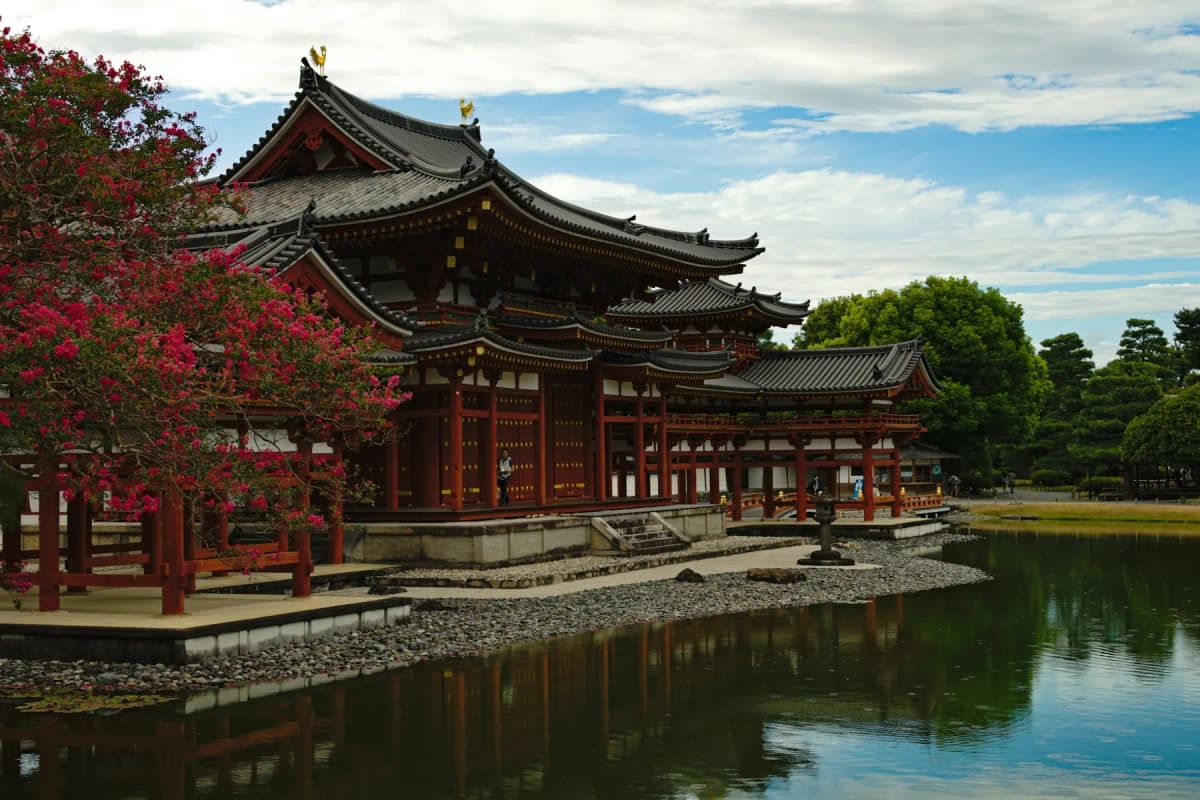 Photo:
 Uji is a small riverside town between Kyoto and Nara that has grown Japan's most prized green tea for centuries.
- Getting there: about an hour. Take the Keihan line from Yodoyabashi or Kyobashi and change at Chushojima for the short Keihan Uji line. With JR, go to Kyoto Station and change to the JR Nara line.
- What to do: visit Byodo-in, the temple whose Phoenix Hall appears on the ¥10 coin. Then walk the approach street, Byodo-in Omotesando, which is lined with tea shops selling matcha ice cream, matcha soba and freshly ground tea. Cross the river to Ujigami Shrine, a small World Heritage site that most visitors skip.
- Time needed: half a day.
- Combine it with: Fushimi Inari, which is on the same Keihan and JR lines, or Nara, which is further down the JR Nara line.
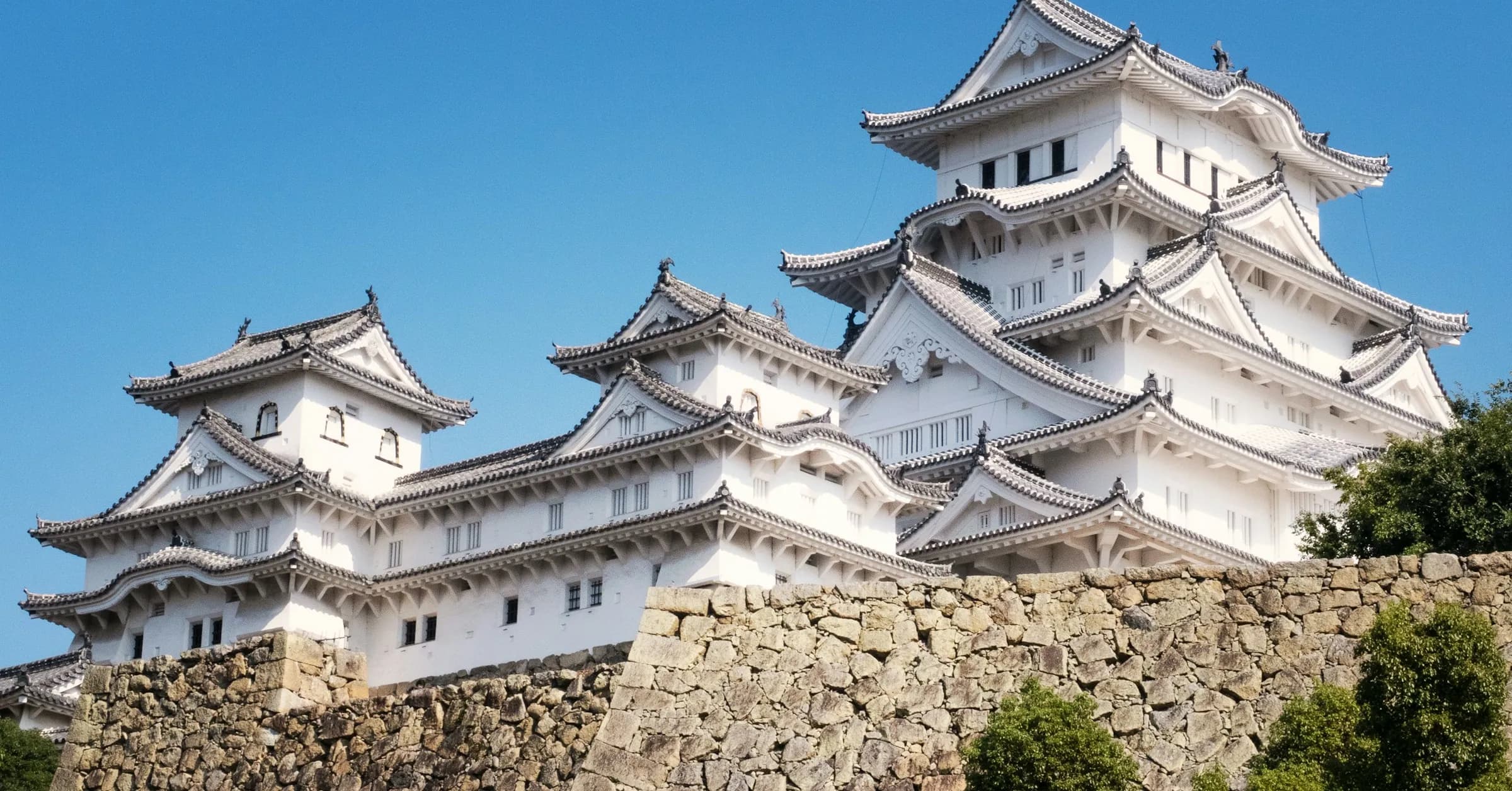
6. Himeji: Japan's finest castle
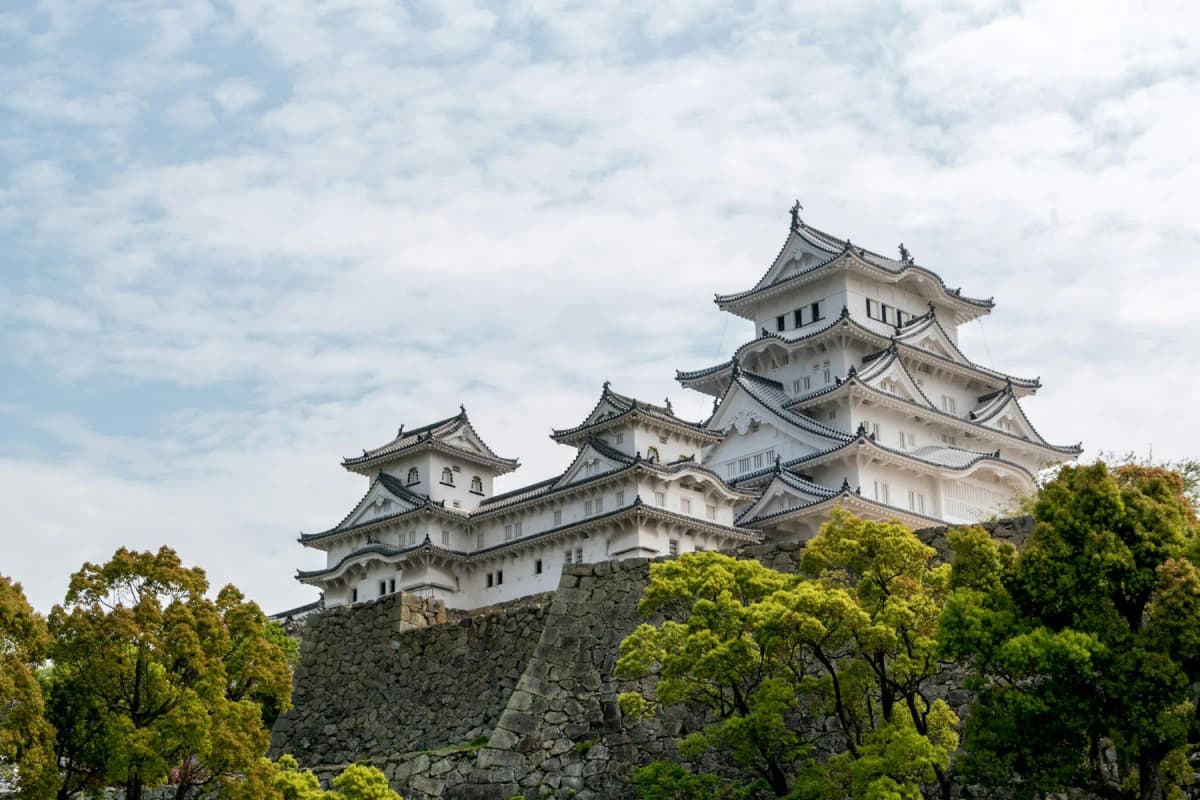 Photo: Vladimir Haltakov on Unsplash
Most Japanese castles are concrete rebuilds. Himeji is the real thing: a wooden castle from the early 1600s that survived wars, earthquakes and bombing, and a World Heritage site.
- Getting there: the JR Special Rapid from Osaka Station takes about an hour and needs no seat fee. The Shinkansen from Shin-Osaka takes about 30 minutes and costs roughly twice as much. The castle is a straight 15 to 20 minute walk up the main avenue from Himeji Station.
- What to do: climb the six floors of the main keep on steep wooden stairs (you carry your shoes in a bag), then walk the long West Bailey corridor. Next door, Koko-en is a set of nine walled gardens in Edo-period style.
- Cost: since March 2026, adult admission for visitors who do not live in Himeji is ¥2,500, up from ¥1,000. Under-18s enter free.
- Time needed: two to three hours for the castle, another hour for the garden.
- Tips: cherry blossom season (usually late March to early April) and holiday weekends bring long queues, and entry to the keep can be capped on the busiest days. Go on a weekday and arrive at opening time.
- Combine it with: Kobe. It is on the same JR line, so stop there for dinner on the way back.
7. Arima Onsen: a hot spring town behind Kobe
Arima is one of Japan's oldest hot spring resorts, tucked into a valley on the far side of the Rokko mountains.
- Getting there: about an hour. Direct highway buses run from Osaka (Umeda) and are the simplest option. By train, go to Kobe and continue by subway and the Shintetsu line, or ride the ropeway over Mount Rokko for the scenic route.
- What to do: soak. The town has two public bathhouses: Kin no Yu with rust-coloured "gold" water rich in iron and salt, and Gin no Yu with clear "silver" water. Several ryokan also open their baths to day visitors for a higher fee. Between baths, wander the narrow lanes for carbonated rice crackers and croquettes.
- Time needed: half a day, or a full day with lunch at a ryokan.
- Tips: small towels cost extra, so bring your own. Visible tattoos are refused in some baths in Japan, so check the bathhouse's current rules before you go. Weekends are crowded.
8. Koyasan: temples in a cedar forest
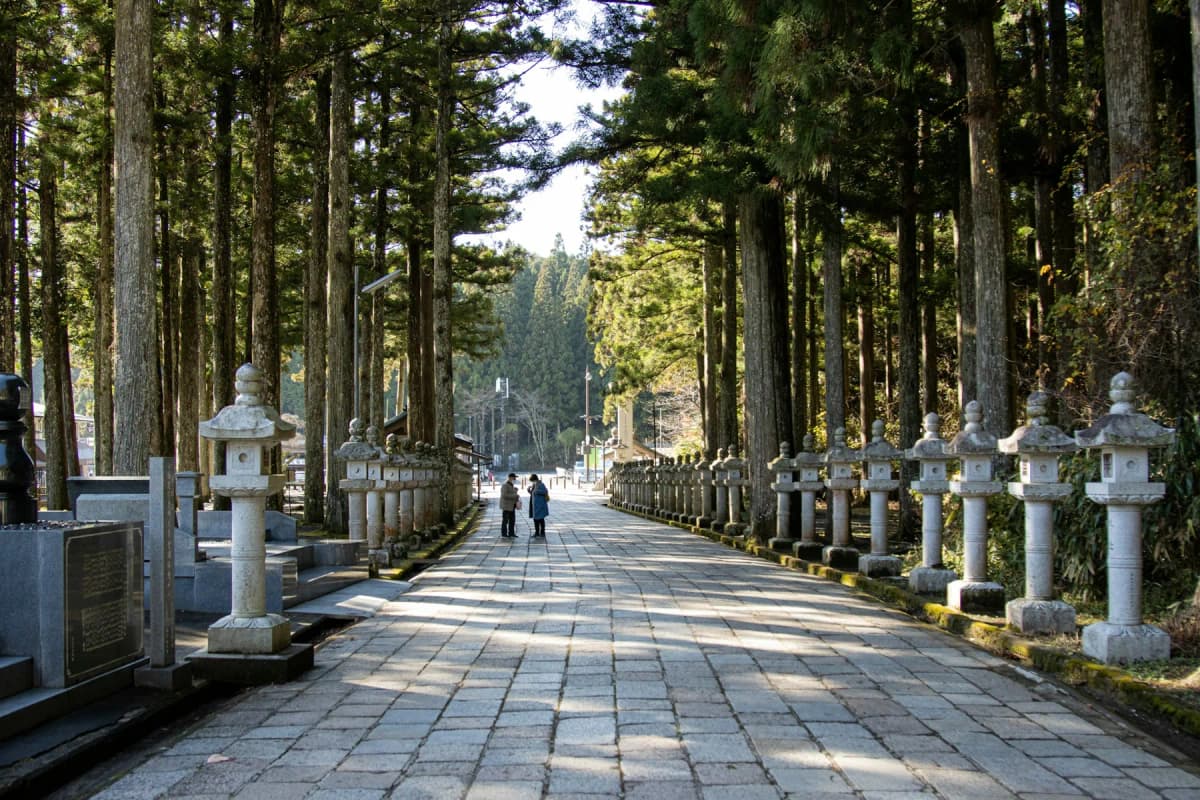 Photo: Caleb Jack on Unsplash
Mount Koya is the centre of Shingon Buddhism, founded in the 9th century: a mountain-top town with more than a hundred temples.
- Getting there: Nankai trains run from Namba to Gokurakubashi in about an hour and a half by limited express, or closer to two hours by regular express. From there a cable car climbs to the top in five minutes, and buses run into town. JR passes are not valid on this route. Nankai sells a discount ticket that bundles the return train, cable car and buses, so ask for it at Namba.
- What to do: walk the 2 km path through Okunoin, Japan's largest cemetery, where over 200,000 moss-covered tombstones stand under ancient cedars on the way to the mausoleum of Kobo Daishi. Then visit Kongobu-ji, the head temple, and the red pagoda of the Danjo Garan complex.
- Time needed: a long full day. Leave Namba by 8 am.
- Honest advice: Koyasan is better overnight. Around fifty temples take guests, with a vegetarian dinner and morning prayers included, and Okunoin is most atmospheric at dusk and dawn. If you can spare a night, do that instead.
- Tips: the mountain is noticeably colder than Osaka. Bring a layer, even in summer.
9. Okayama and Kurashiki: a garden and a canal town
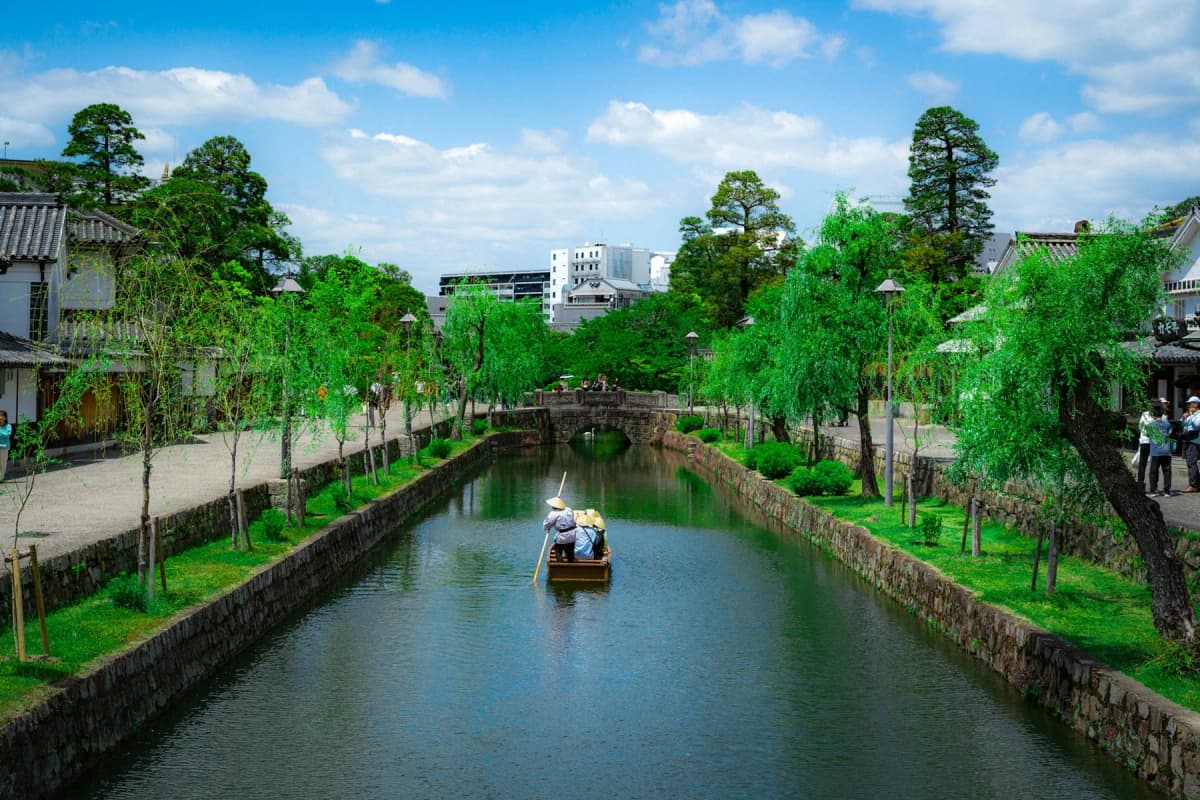 Photo: Chanju Jung on Unsplash
West of Himeji, this pair gets a fraction of Kyoto's visitors.
- Getting there: the Shinkansen from Shin-Osaka reaches Okayama in about 45 minutes. Kurashiki is 15 to 20 minutes further on a local JR train.
- What to do: in Okayama, Korakuen is ranked among Japan's three great landscape gardens, with the black Okayama Castle as its backdrop. In Kurashiki, the Bikan Historical Quarter is a preserved merchant district of white-walled storehouses along a willow-lined canal, now filled with cafes, denim shops and the Ohara Museum of Art.
- Time needed: a full day for both. Start with Kurashiki in the morning, when it is quietest.
- Cost: the Shinkansen makes this one of the more expensive trips on the list, which is where a regional pass can help (see below).
10. Hiroshima and Miyajima: the big one
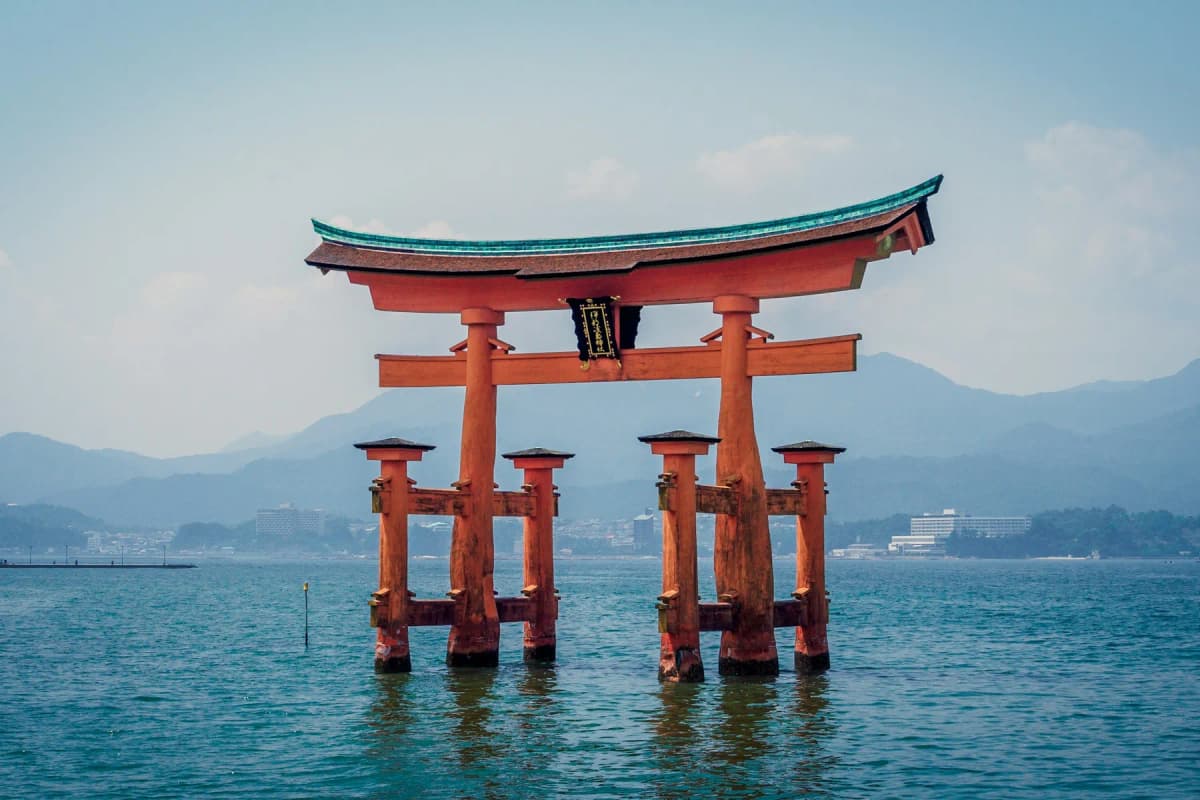 Photo: Nicki Eliza Schinow on Unsplash
This is the furthest and most expensive day trip from Osaka, and the one people remember.
- Getting there: the Shinkansen from Shin-Osaka to Hiroshima takes about an hour and a half. Leave by 8 am.
- What to do: go to Miyajima first. A local JR train from Hiroshima Station takes just under 30 minutes to Miyajimaguchi, and the ferry takes 10 minutes more. The island charges a ¥100 visitor tax with the ferry fare. See Itsukushima Shrine and its gate standing in the sea, then return to the city for the Peace Memorial Park, the Atomic Bomb Dome and the Peace Memorial Museum.
- Time needed: twelve hours door to door.
- Cost: a return Shinkansen ticket is roughly ¥20,000 to ¥22,000 per person. JR West sells regional passes for foreign visitors that cover this route and can cost less than the return ticket alone, so check its current pass list before you buy.
- Tips: the torii gate looks like it floats at high tide, and you can walk out to it at low tide. Check a tide table and plan around the one you want. Eat Hiroshima-style okonomiyaki, layered with noodles, before the train back.
Which Osaka station do you need?
Osaka has no single main station, and this is what confuses people most. Check the departure station before you leave the hotel.
| Station | Area | Use it for |
|---|---|---|
| Osaka Station (JR) | Umeda, north | Kyoto, Kobe, Himeji by JR |
| Osaka-Umeda (Hankyu, Hanshin) | Umeda, north | Kyoto downtown, Kobe, Minoh |
| Shin-Osaka | One stop north of Osaka Station | All Shinkansen: Himeji, Okayama, Hiroshima |
| Osaka-Namba (Kintetsu) | Namba, south | Nara |
| Namba (Nankai) | Namba, south | Koyasan, Kansai Airport |
| Yodoyabashi / Kyobashi (Keihan) | Central | Eastern Kyoto, Fushimi Inari, Uji |
Staying in Namba puts Nara, Koyasan and the airport on your doorstep. Staying in Umeda is better for Kyoto, Kobe, Himeji and the Shinkansen. The Midosuji subway line links the two in about ten minutes.
Do you need a rail pass for day trips from Osaka?
For the nearby trips, no. Nara, Kyoto, Kobe, Minoh and Uji each cost only a few hundred yen each way, so pay with an IC card (ICOCA, Suica or PASMO all work) and tap in and out.
A pass starts to make sense when a Shinkansen is involved:
- Himeji only: the regular JR Special Rapid is cheap enough that no pass is needed.
- Hiroshima, or Okayama plus Himeji: look at JR West's regional passes for foreign visitors. A multi-day pass covering Kansai and Hiroshima can cost less than one return ticket to Hiroshima.
- The nationwide Japan Rail Pass: not worth buying for day trips from Osaka alone.
Pass prices and rules change often, so check JR West's official site before you buy. Remember that JR passes do not cover Kintetsu, Hankyu, Keihan or Nankai trains.
How to choose and combine them
- First trip to Japan: Nara, then Kyoto, then Himeji.
- Already staying in Kyoto on this trip: Himeji with Kobe, Hiroshima with Miyajima, and Koyasan.
- With children: Nara for the deer, Kobe for the harbour, Minoh for an easy walk. Within Osaka itself, Universal Studios Japan needs a full day and tickets bought in advance.
- Rainy day: Kobe (sake breweries, covered arcades) or Arima Onsen.
- Escaping the crowds: Okayama and Kurashiki, Uji's quieter far bank, or Minoh on a weekday.
- Good pairs: Himeji and Kobe. Uji and Fushimi Inari. Uji and Nara. Okayama and Kurashiki.
For a full route that puts these into a wider trip, see our Japan itinerary for 10 days.
Before you go
- Start early. For every place on this list, the first two hours of the day are the quietest.
- Travel light. Stations have coin lockers, but they fill up by mid-morning at popular stops. If you are changing hotels on the same day, a luggage storage service is a useful backup.
- Stay connected. You will be checking platforms and train times all day. A Japan eSIM from Airalo can be set up before you fly, if your phone supports eSIM.
- Carry some cash. Temples, small restaurants and bathhouses often don't take cards.
- Get insured. Medical care in Japan is excellent and not free for visitors. You can compare plans with EKTA in a few minutes.
- Arriving at Kansai Airport late or with a lot of luggage? A pre-booked transfer gets you to your hotel without changing trains.
Still looking for flights to Osaka? Compare prices here:
Frequently asked questions
What is the best day trip from Osaka? Nara, for most people. It is about 40 minutes away, cheap to reach, and its deer park, giant Buddha and shrine fit comfortably into one day on foot. If you have already been, Himeji Castle is the next best choice.
Can you do Kyoto as a day trip from Osaka? Yes. The fastest regular train takes about 30 minutes. Pick one area of Kyoto per visit and leave Osaka early, because the city is too spread out to cover in a day.
Is Hiroshima too far for a day trip from Osaka? No, but it is a long day. The Shinkansen takes about an hour and a half each way, so leaving by 8 am gives you time for both Miyajima and the Peace Memorial Park.
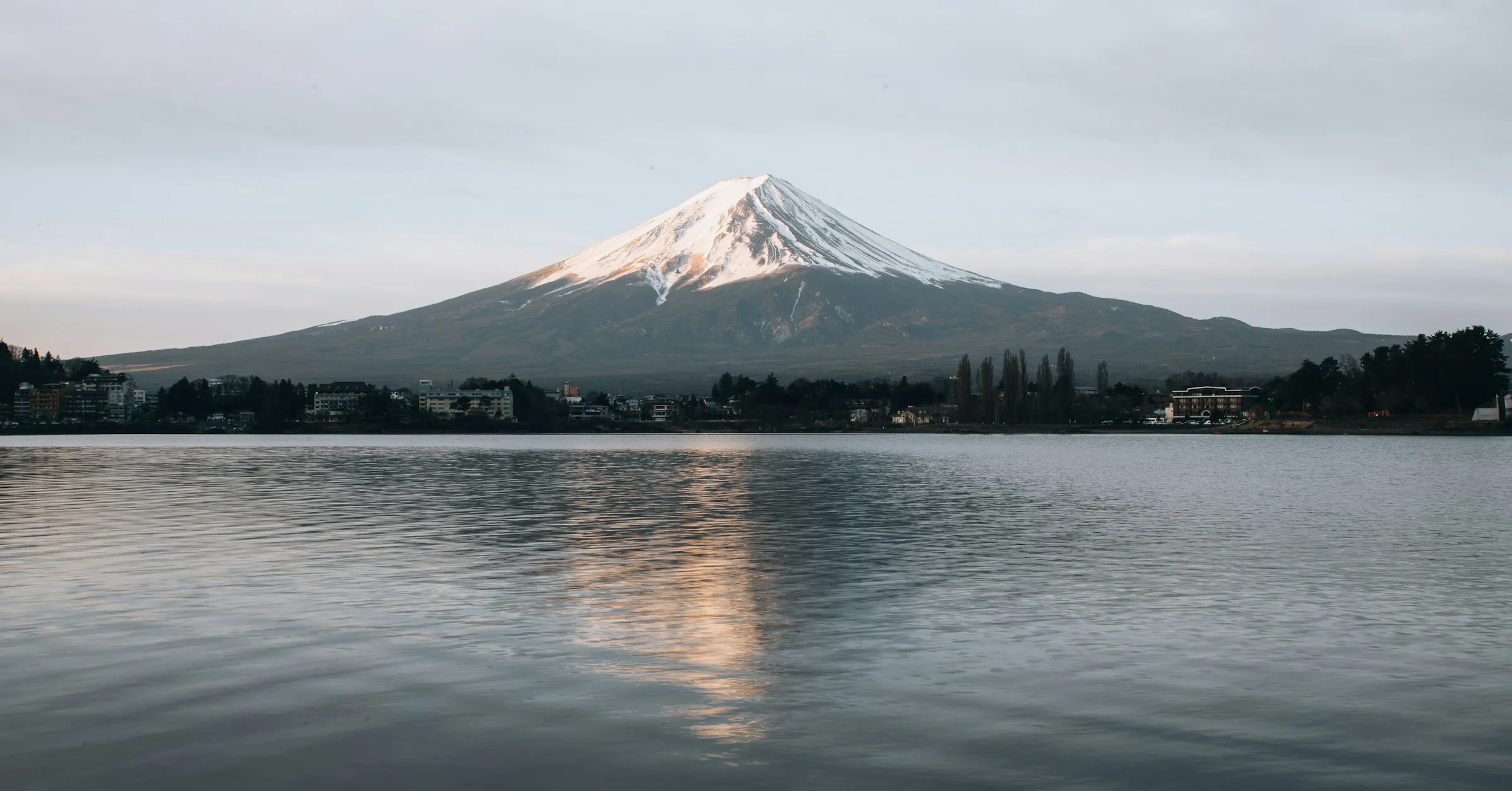
Can you see Mount Fuji on a day trip from Osaka? Not realistically. The Fuji area is more than three hours away each way. Visit it from Tokyo instead, or look out of the left-hand window of the Shinkansen on the way from Osaka to Tokyo.
How many day trips should I plan from Osaka? One day trip for every two or three nights is a comfortable pace. Osaka itself deserves at least one full day and two evenings.
Is it better to do day trips from Osaka or Kyoto? Osaka is better placed for Kobe, Himeji, Koyasan, Hiroshima and Okayama, and usually has cheaper hotels. Kyoto is the better base if most of your time will go to Kyoto's own temples. Nara and Uji are easy from both.
Do I need to book trains in advance? Not for regular trains: just tap in with an IC card. Shinkansen seats can be bought on the day outside the busiest holiday periods (New Year, Golden Week and Obon in mid-August).
Are organised tours worth it? For most of these trips, no, because the trains are simple and frequent. A tour can make sense for Koyasan or Hiroshima if you want a guide's context and no planning.
How we researched this guide
This guide is based on research using official sources such as Osaka Info, the Japan National Tourism Organization, JR West and Nankai Electric Railway, plus current traveller feedback. Train times are typical for the fastest regular services, and fares, admission prices and opening hours change, so check the latest information before you travel. Found something out of date? Let us know.
Planning more of Japan? Browse all our Japan guides.