Is Mexico City Safe? 2026 Advice for Visitors
October 23, 2026 · Mexico
This post contains affiliate links. We may earn a commission if you book through them, at no extra cost to you. Disclaimer.
Yes, Mexico City is generally safe for tourists who take normal big-city precautions. The US State Department places Mexico City at Level 2: Exercise Increased Caution, the same level as Mexico overall, and the city is not one of the Mexican states covered by "Do Not Travel" warnings. The risks most visitors actually meet are pickpocketing on crowded transport and in markets, unlicensed taxis, ATM crime and phone scams, not cartel violence.
That said, Mexico City is a metropolis of more than 20 million people, and crime rates vary a lot from one neighbourhood to the next. This guide explains what the official advice says, the specific risks to watch for, which areas visitors usually stay in, and the habits that make a trip go smoothly.
Is Mexico City safe? The quick answer
| Question | Short answer |
|---|---|
| Is Mexico City safe for tourists? | Yes, in the main visitor areas, with normal big-city precautions |
| US State Department level for Mexico City | Level 2: Exercise Increased Caution (2026) |
| Does the UK advise against travel to Mexico City? | No; its "all but essential travel" warnings cover other states |
| Most common problems for visitors | Pickpocketing, unlicensed taxis, ATM crime, fake police and phone scams |
| Areas most visitors stay in | Roma Norte, Condesa, Juárez, Polanco, Coyoacán and the Centro Histórico |
| Is it safe at night? | Busy areas such as Roma and Condesa, yes; use an app or a sitio taxi to get home |
| Can you drink the tap water? | No; drink bottled or boiled water |
| Emergency number | 911 |
What does the US travel advisory say about Mexico City?
The US State Department rates Mexico as a whole at Level 2: Exercise Increased Caution, the second of four levels, citing crime, kidnapping and terrorism. Unusually, it also gives each Mexican state its own level, and its state-by-state list places Mexico City at Level 2 as well. The advisory was reissued in 2026, ahead of the football World Cup, which Mexico City co-hosted, without moving the capital to a higher level.
The strictest warnings, including the US "Do Not Travel" level, apply to other parts of the country, such as Guerrero, Michoacán, Colima, Sinaloa, Tamaulipas and Zacatecas. None of these is where a typical Mexico City trip takes you. The popular Caribbean coast, including Tulum and Cancún in Quintana Roo, is also at Level 2.
You can read the current advisory and the state-by-state list on travel.state.gov. It's also worth enrolling in the State Department's free Smart Traveler Enrollment Program (STEP), which sends you security alerts from the US Embassy in Mexico City.
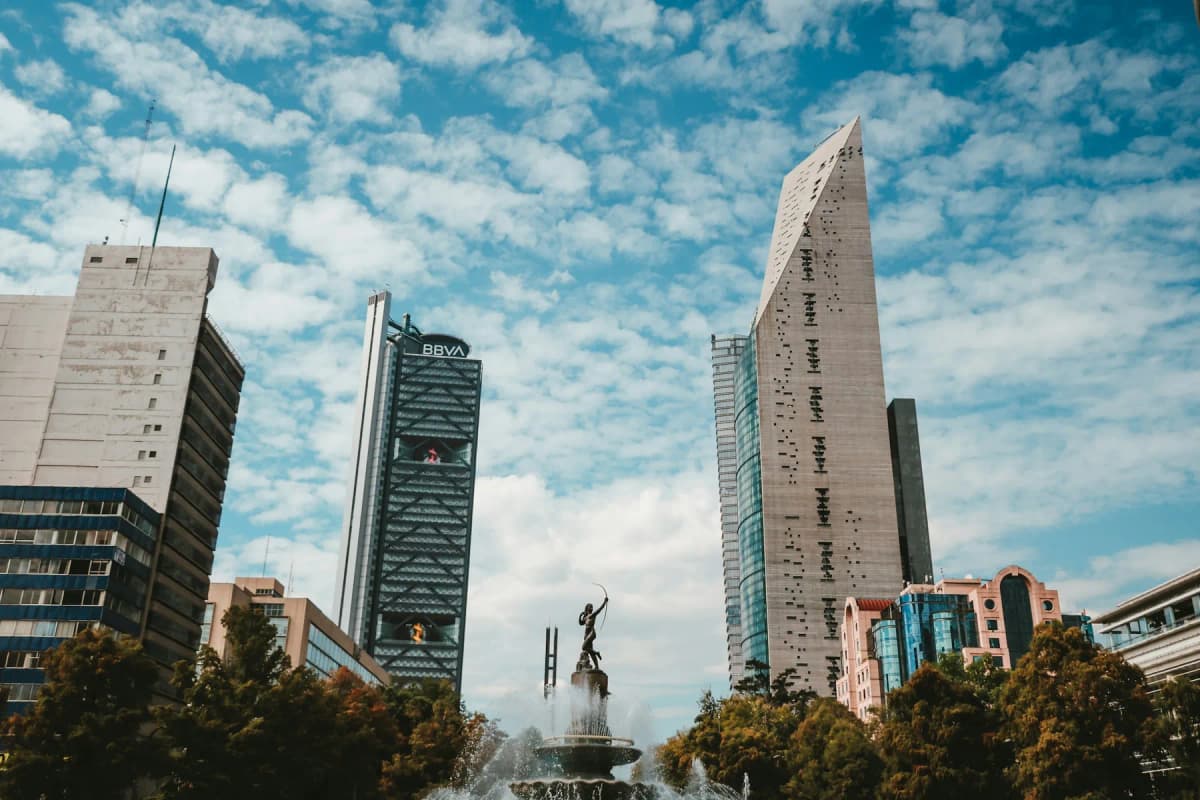 Photo:
Is Mexico City safe for tourists in practice?
For most visitors, yes. Mexico City is one of the most visited cities in the Americas, and the neighbourhoods where visitors spend their time, such as Roma, Condesa, Polanco and the historic centre, are busy, well policed and full of cafés, museums and other travellers.
The UK government's travel advice, which is detailed and updated often, is a useful second opinion. Its regional warnings against "all but essential travel" cover parts of northern, western and southern Mexico, not Mexico City. It does say that crime is a risk in major cities and that street crime is serious, and it lists the specific risks covered below. You can read it on GOV.UK.
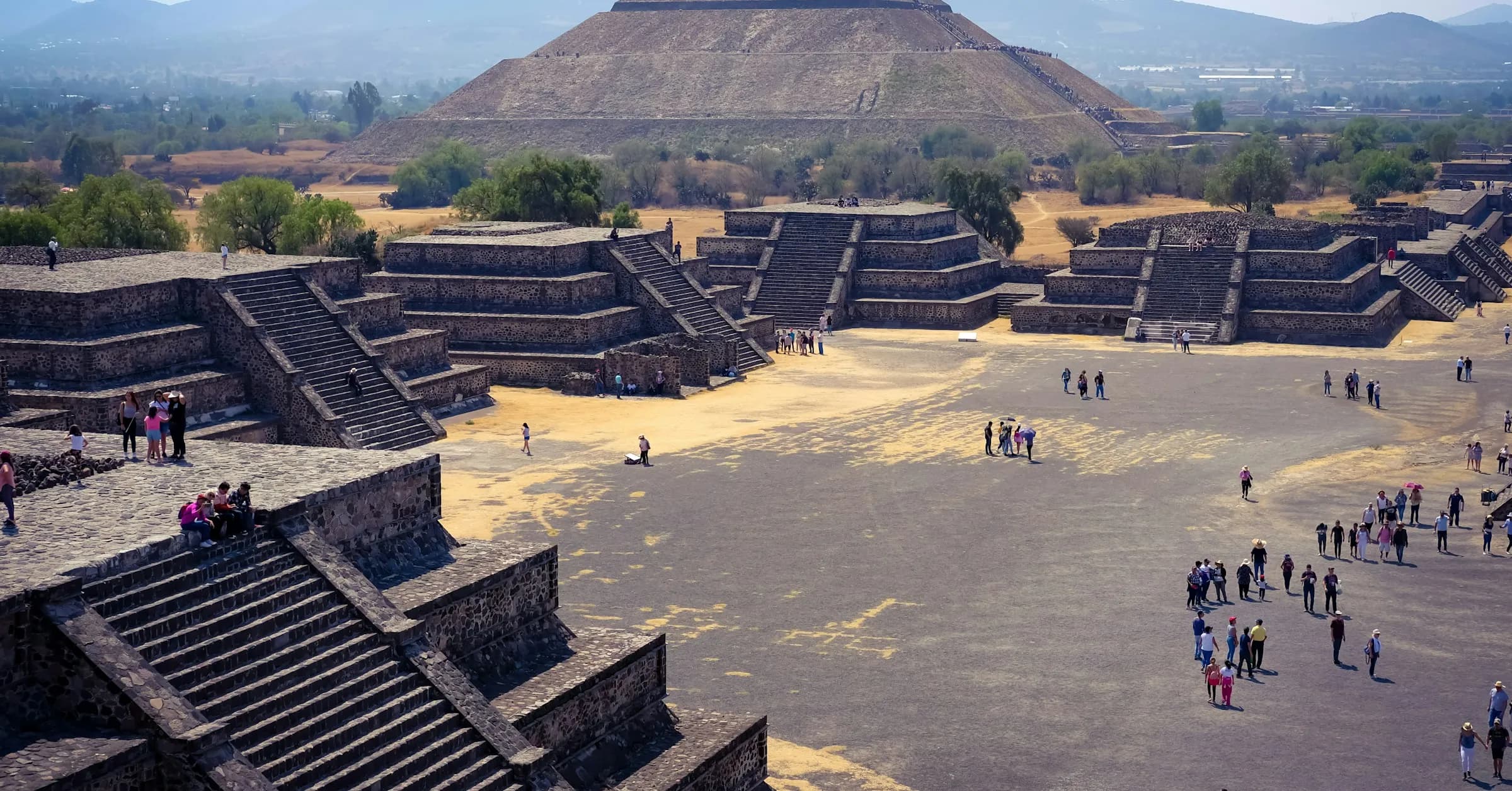
One detail matters if you plan day trips. The capital, Mexico City (CDMX), is a separate entity from the State of Mexico (Estado de México), which surrounds it on three sides. The UK government notes that criminal activity is a problem in the State of Mexico, including armed robbery on public transport and vehicle theft on highways, and advises care outside tourist areas. Popular trips such as the pyramids of Teotihuacán are in the State of Mexico, so most visitors go on an organised tour or a direct bus rather than improvising.
The real risks for visitors to Mexico City
Pickpocketing and petty theft
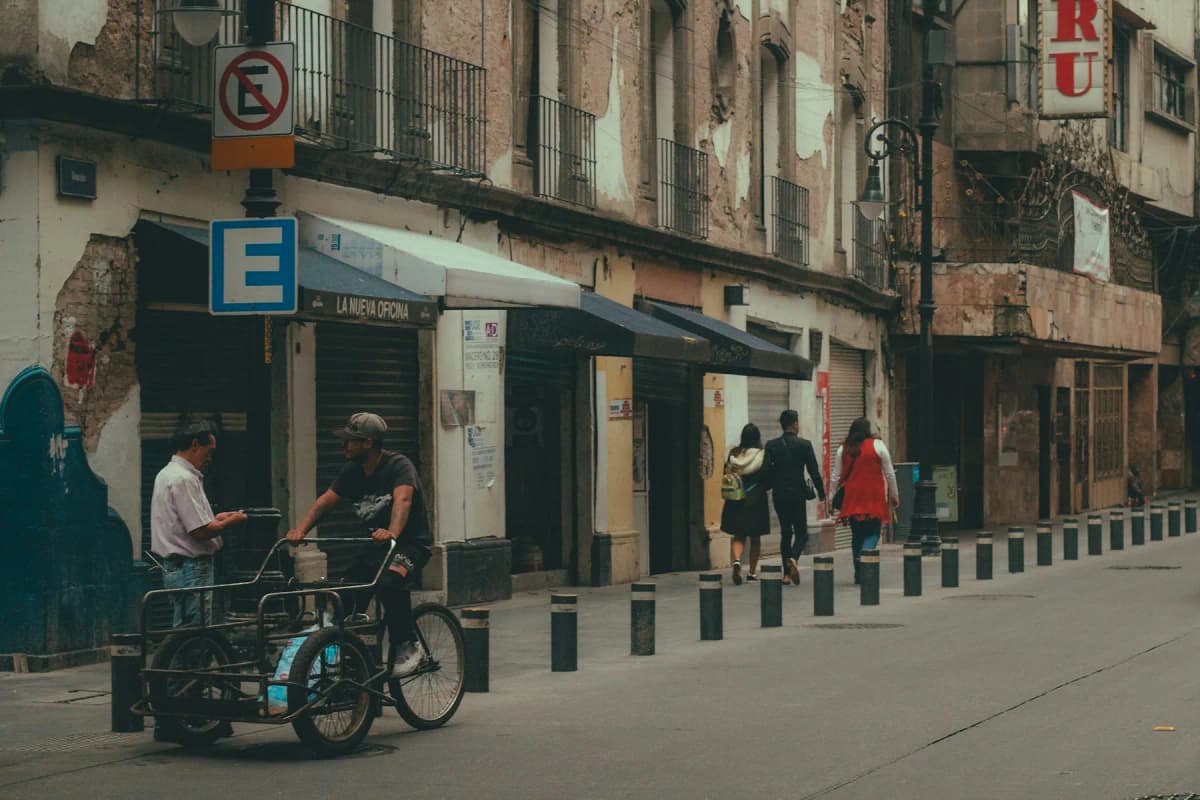 Photo: Chris Luengas on Unsplash
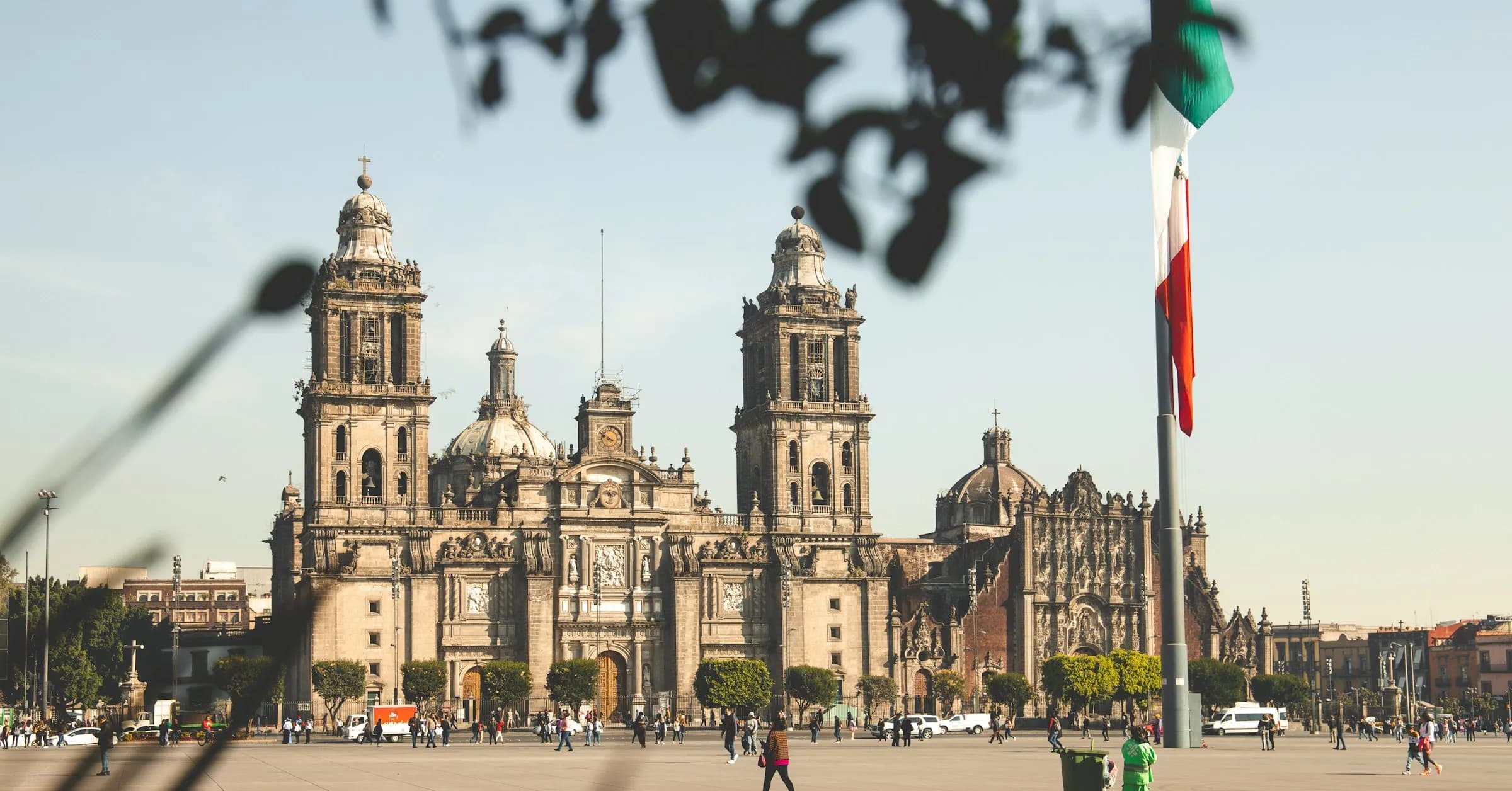
Pickpocketing is the most common crime affecting visitors, and the UK government notes that it happens on public transport as well as in busy streets. The places to be most careful are the Metro at rush hour, the Metrobús, big markets, the streets around the Zócalo and crowded events.
- Keep your phone in a front pocket or a zipped bag, and don't leave it on a café table by the pavement.
- Wear your bag across your body and in front of you in crowds.
- Carry only the cash and cards you need for the day.
- Leave expensive jewellery and watches at home.
Unlicensed taxis
The UK government warns that unlicensed taxi drivers have robbed passengers, including in Mexico City. The fix is simple:
- Use a ride-hailing app such as Uber or DiDi, which records the driver and the route.
- Or take a sitio taxi from an authorised taxi rank, or ask your hotel or restaurant to call one.
- Don't hail taxis in the street, especially at night.
- At the airport, use only the authorised pre-paid taxis sold at booths inside the terminal, or a pre-booked transfer from Mexico City airport, so you know the price before you land.
ATM crime and express kidnapping
"Express kidnapping", where criminals force a victim to withdraw money from ATMs, happens in urban areas, according to the UK government. It is rare for visitors, but it's the reason for one habit worth adopting: use ATMs inside shops, banks or shopping centres, in daylight, rather than street machines at night. Cover the keypad, and keep a backup card separately from your main one.
Fake police and police extortion
The UK government warns about criminals posing as police officers, and about some real officers asking for money. If an officer says you have committed an offence and demands cash, don't hand over money or your passport. Ask for the fine in writing so you can pay it officially. Stay calm and polite throughout.
Virtual kidnapping and phone scams
In a "virtual kidnapping", a caller claims to be holding a relative and demands a ransom, often after persuading the "victim" to stay out of contact. The UK government lists it as a known scam in Mexico. Make sure family at home knows your plans and how to reach you, don't share travel details with unknown callers, and hang up on anyone making threats.
Drink spiking and tainted alcohol
The UK government reports drink spiking, and deaths and illness from tainted alcohol containing methanol, in Mexico. Buy your own drinks, watch them being poured, keep them in sight, and be cautious with cheap spirits in unfamiliar bars. Get medical help quickly if anyone feels very unwell after drinking.
Demonstrations
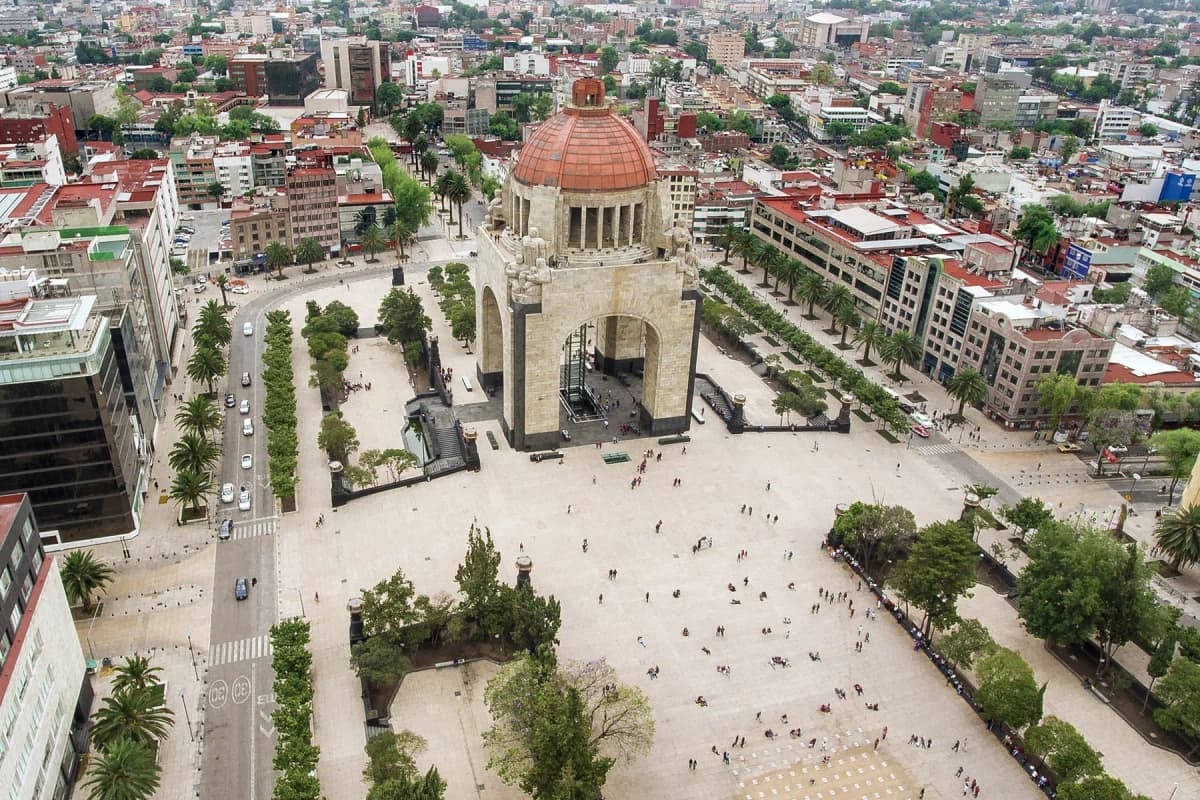 Photo: Jorge Flores on Unsplash
Marches and protests are a regular part of life in Mexico City, especially around the Zócalo and along Paseo de la Reforma. The UK government notes that anti-gentrification protests have taken place in central and tourist areas since July 2025. Most are peaceful, but they can block roads and some turn tense. Walk away from any protest, and be aware that foreigners are not allowed to take part in political activity in Mexico: the UK government warns that doing so can lead to detention and deportation.
Earthquakes and the volcano
Mexico City is in an active earthquake zone. The city has a public earthquake alarm, and the UK government notes that the 911 CDMX app can give around 60 seconds' warning of a strong quake (it works with local phone numbers). If the alarm sounds, follow local people and the signs to safe zones, and learn the basics of "drop, cover, hold on".
The Popocatépetl volcano, south-east of the city, is active. The UK government notes that ash from it has at times disrupted flights at Mexico City's Benito Juárez airport, and that there is an exclusion zone around the crater. Check your flight status if there is news of an eruption.
Altitude, air and water
Mexico City sits at about 2,240 metres above sea level. Many visitors feel short of breath or tired on the first day or two, and alcohol hits harder. Take it easy at first and drink plenty of water. The UK government also lists air pollution among the health risks, and advises drinking only boiled or bottled water and avoiding ice of unknown origin.
Which areas of Mexico City are safe?
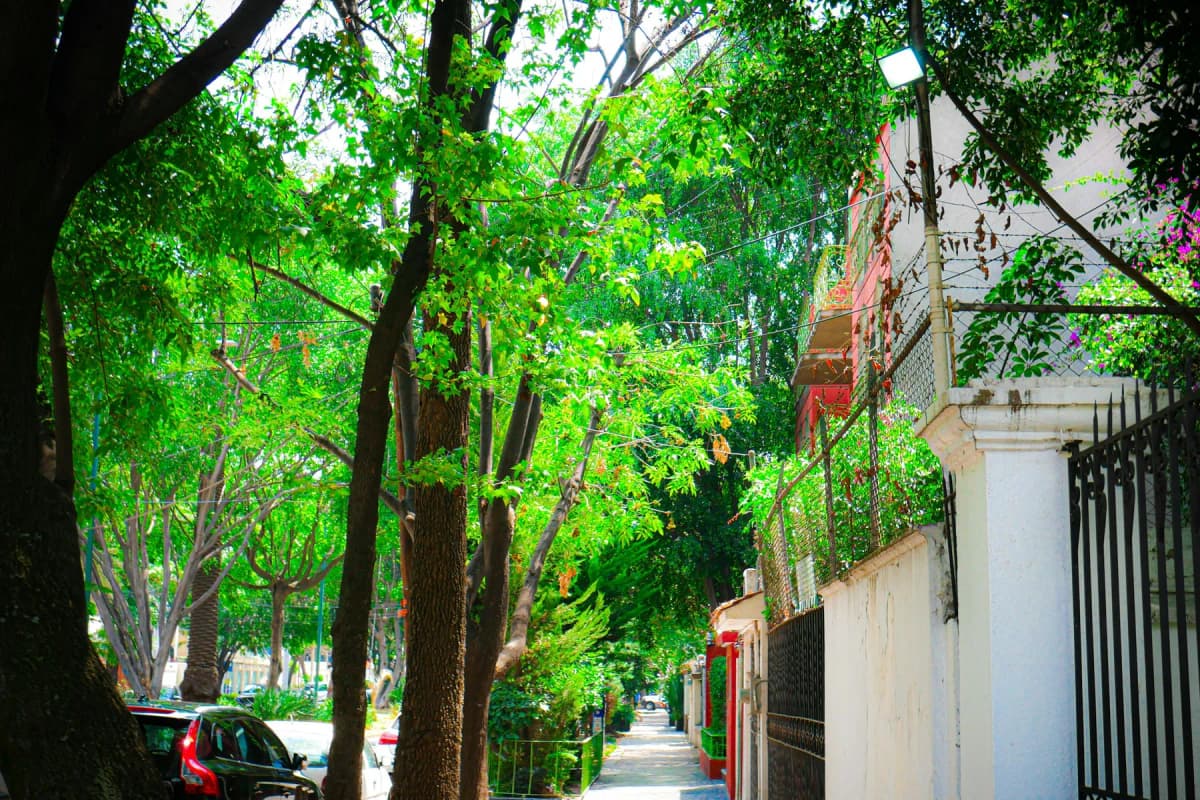 Photo:
The neighbourhoods most visitors stay in are also the ones generally considered safest for visitors:
- Roma Norte and Condesa: leafy streets, parks, cafés and restaurants, and busy until late. The most popular bases for first-time visitors.
- Juárez and the Zona Rosa: central, between Reforma and Roma, with good transport and lots of bars.
- Polanco: upmarket, with luxury hotels, embassies and Chapultepec Park next door.
- Coyoacán and San Ángel: quieter, colonial-style districts in the south, popular for museums and weekend markets.
- Centro Histórico: the historic centre around the Zócalo is crowded and lively by day. Some streets empty out after the shops close, so stick to busier ones at night.
Areas visitors are commonly told to avoid, or at least not to wander into at night, include Tepito, the sprawling market district north-east of the Zócalo, and parts of neighbouring Doctores, Guerrero and Morelos. Large outer boroughs such as Iztapalapa also have higher crime rates, but they are rarely on a visitor's itinerary. As in any large city, crime varies from block to block, so ask your hotel about the streets around it.
Is Mexico City safe at night?
In the main visitor areas, yes. Roma, Condesa, Juárez and Polanco stay busy late into the evening, and restaurants and bars are full of people. The habits that matter at night are simple: stay in lit, busy streets, use an app or a sitio taxi to get home rather than hailing one, watch your drink, and don't walk long distances alone through areas you don't know. The historic centre is quieter after about 9pm away from the main squares and streets, so plan a ride back if you're staying elsewhere.
Is the Mexico City Metro safe?
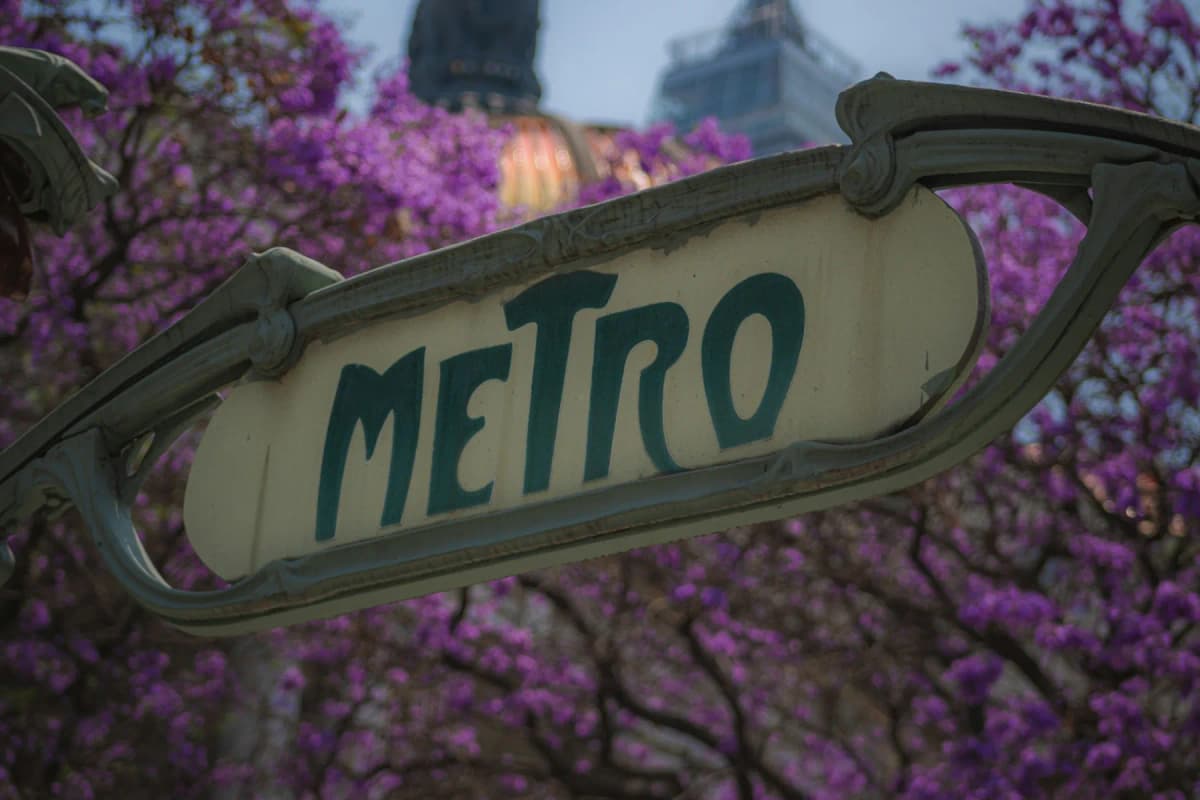 Photo: Angel Maldonado on Unsplash
The Metro is cheap and useful, and millions of people ride it every day. The main risk for visitors is pickpocketing in crowded carriages, so avoid the morning and evening rush hours if you can, keep your bag in front of you and your phone out of sight. Trains have carriages reserved for women and children, usually at the front. The Metrobús rapid-transit buses, which run along Reforma and Insurgentes, are a good alternative outside rush hour. Late at night, a ride-hailing app is usually the better choice.
Is Mexico City safe for women and solo travellers?
Many women travel alone in Mexico City without problems, and the neighbourhoods above are popular with solo travellers. The UK government notes that women travelling alone on public transport have been harassed, and that sexual assaults have happened in tourist areas. Use the women-only carriages on the Metro if you prefer, use ride-hailing apps at night and share your trip with someone, watch your drink, and choose accommodation in a busy area with good reviews from other solo travellers.
Is Mexico City safe for LGBTQ travellers?
Mexico City is one of the most open places in Latin America for LGBTQ travellers. Same-sex marriage has been legal in the capital since 2010, the Zona Rosa is home to many LGBTQ bars and clubs, and the city holds one of the region's largest Pride marches. Attitudes outside the capital can be more conservative; the UK government describes same-sex relationships in Mexico as tolerated rather than accepted in some places.
Is Mexico City airport safe?
Yes. Mexico City International Airport (MEX, also called Benito Juárez or AICM) is busy but routine. Keep your bags with you, ignore drivers who approach you in arrivals, and leave by authorised pre-paid taxi, ride-hailing app or a pre-booked transfer. Count your cash discreetly, and avoid using street ATMs after a late arrival. Some flights use the newer Felipe Ángeles International Airport (NLU), about 45 km north of the city, so check which airport your ticket is for and plan the transfer in advance.
Local laws visitors should know
- Carry your passport: the UK government notes that authorities can ask to see your passport and entry stamp, and photocopies are not accepted.
- Drugs: penalties are severe, including long prison sentences.
- Vapes: it is illegal to bring vapes and e-cigarettes into Mexico.
- Smoking: it's banned in many public places, and fines can be high.
- Politics: foreigners can't take part in political activity, including demonstrations.
- Driving: the "Hoy No Circula" scheme restricts which cars can drive on certain days, which affects rental cars too. Most visitors don't need a car in the city.
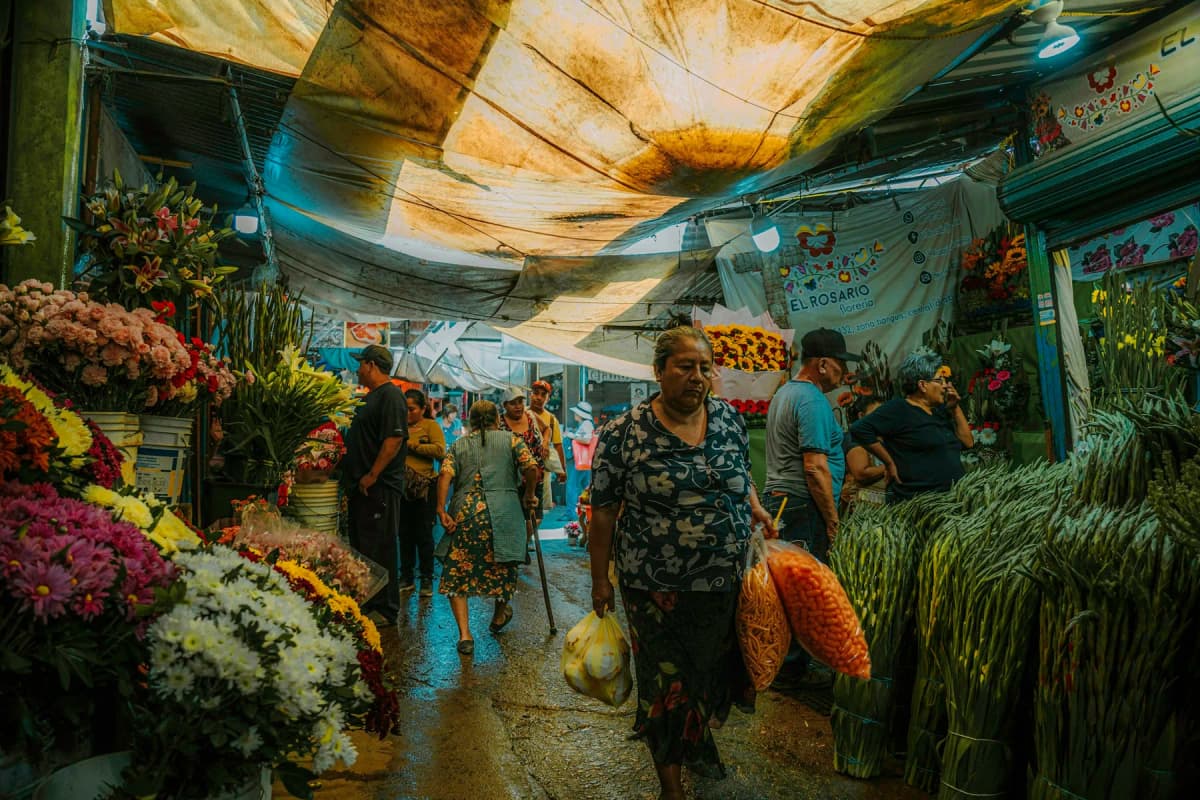 Photo: Matthew Stephenson on Unsplash
Practical safety tips for Mexico City
- Enrol in STEP (if you're American) or sign up for your own government's travel alerts before you go.
- Know the numbers: 911 for police, ambulance and fire. The UK government notes that the city's LOCATEL helpline (5658 1111) has English-speaking staff, and that emergency buttons on CCTV poles across Mexico City connect you straight to the emergency services.
- Use Uber, DiDi or sitio taxis instead of hailing cabs in the street.
- Keep valuables zipped and in front of you on the Metro, in markets and around the Zócalo.
- Withdraw cash inside banks or shops, in daylight.
- Walk away from protests, and don't join them.
- Have mobile data from the moment you land, so you can order a ride, use maps and stay in touch. An eSIM for Mexico is the easiest option if your plan charges a lot for roaming.
- Get travel insurance. The UK government notes that not all hospitals deal directly with insurers, so you may have to pay up front; travel insurance with medical cover protects you if something goes wrong.
- Drink bottled water and take the first day slowly at altitude.
Do you need a visa for Mexico City?
US, UK, Canadian and EU citizens do not need a visa to visit Mexico as tourists. The immigration officer decides how long you can stay, up to a maximum of 180 days, so check your entry stamp or record when you arrive. Rules can change, so confirm the current requirements with your government's travel advice before you book.
Frequently asked questions
Is it safe to walk in Mexico City at night? In busy neighbourhoods such as Roma, Condesa, Juárez and Polanco, generally yes, on lit and busy streets. Avoid deserted streets and areas you don't know, and use a ride-hailing app or a sitio taxi for longer journeys home rather than hailing a cab.
Is Mexico City safer than other parts of Mexico? Mexico City is at the same US advisory level as Mexico overall, Level 2, and the most serious warnings apply to other states, such as Guerrero, Michoacán, Sinaloa and Tamaulipas. Crime does happen in the capital, but the risks visitors face are mostly petty theft and scams rather than the violence linked to organised crime elsewhere.
Which areas of Mexico City should tourists avoid? Visitors are commonly advised to avoid Tepito, and to be careful in parts of Doctores, Guerrero and Morelos, especially at night. Large outer boroughs such as Iztapalapa also have higher crime rates. Most visitors stay in Roma Norte, Condesa, Juárez, Polanco or Coyoacán, which we compare in our guide to where to stay in Mexico City.
Is Uber safe in Mexico City? Ride-hailing apps such as Uber and DiDi are widely used and are generally considered safer than hailing taxis in the street, because the driver and route are recorded. Check that the car and number plate match the app before you get in.
Is Mexico City safe for American tourists right now? Yes, for most visitors. The State Department keeps Mexico City at Level 2: Exercise Increased Caution in 2026, and large numbers of Americans visit every year. Check the current advisory before you travel, enrol in STEP and follow the precautions above.
Can you drink the water in Mexico City? No. Drink bottled or boiled water, and be cautious with ice from street stalls. Restaurants and hotels used to visitors usually use purified ice and water.
How we researched this guide
This guide is based on the US State Department's travel advisory for Mexico (Level 2, reissued in 2026, with Mexico City at Level 2 in its state-by-state list) and the UK Foreign Office's safety and security, regional risks and health advice for Mexico, which we checked in October 2026. Neighbourhood guidance reflects these sources and recurring traveller reports, not our own experience of every street. Safety situations can change quickly, so always check the latest official advice before and during your trip. Found something out of date? Let us know.
Planning a wider trip? See our Mexico City itinerary, the best day trips from Mexico City, our guide to whether Oaxaca is safe, the best things to do in Oaxaca, the best things to do in Tulum, how to get from Cancún to Tulum, or browse all our Mexico guides.