Where to Stay in Mexico City: 8 Best Areas Compared (2026)
October 23, 2026 · Mexico
This post contains affiliate links. We may earn a commission if you book through them, at no extra cost to you. Disclaimer.
The best area to stay in Mexico City for a first visit is Roma Norte or Condesa, two leafy, walkable neighbourhoods next to each other, full of cafés, restaurants, parks and small hotels. For luxury hotels and fine dining, stay in Polanco. For history and value, with the big sights on your doorstep, stay in the Centro Histórico. If you want a slower, village-like base and don't mind travelling further to the centre, choose Coyoacán.
Mexico City is huge, and the neighbourhood you choose shapes your whole trip: how much time you spend in traffic, where you eat, and how safe and comfortable you feel walking around at night. Most visitors stay in a fairly small cluster of central neighbourhoods, known locally as colonias, and that's where this guide focuses. It compares the eight best areas, who each one suits, and the trade-offs for each.
Where to stay in Mexico City: the quick answer
| Area | Best for | Feel at night | Walkable? | Distance to the Zócalo |
|---|---|---|---|---|
| Roma Norte | First visits, food, cafés | Lively | Very | Short taxi or Metrobús ride |
| Condesa | First visits, parks, couples | Lively but relaxed | Very | Short taxi ride |
| Juárez and Zona Rosa | Central location, nightlife | Busy, some loud streets | Yes | Short taxi or Metrobús ride |
| Polanco | Luxury hotels, fine dining | Quiet and polished | Yes, within the area | Longer taxi ride |
| Centro Histórico | Sightseeing, history, value | Quiet on many streets | Yes, by day | On the doorstep |
| Coyoacán | Slower stays, families, Frida Kahlo | Quiet | Yes, within the area | Long taxi or Metro ride |
| San Rafael and Santa María la Ribera | Value, local feel | Quiet | Yes | Short taxi ride |
| San Ángel | Weekends, markets, a calm base | Very quiet | Yes, within the area | Long taxi ride |
Our short version: for most first-time visitors, Roma Norte or Condesa is the easiest choice. Stay in Polanco if you want a big international hotel and a quieter, more upmarket feel. Stay in the Centro Histórico if sightseeing is your priority, but choose a hotel on a busy, well-lit street.
How to choose where to stay in Mexico City
Before you look at specific hotels, think about four things:
- Traffic: Mexico City's traffic is notoriously slow, and a journey that looks short on the map can take a long time at rush hour. Staying central, close to the places you most want to see, saves hours.
- What you want to do: if your trip is about museums and historic buildings, the Centro Histórico or somewhere close to it makes sense. If it's about food, cafés and walking around, Roma Norte and Condesa are hard to beat.
- Safety: the neighbourhoods in this guide are among the most popular with visitors, but petty crime happens everywhere, and the feel of a street can change from one block to the next. Our guide to whether Mexico City is safe explains the main risks and how to avoid them.
- Noise: the liveliest streets in Roma Norte, Condesa and the Zona Rosa have bars that stay open late. If you're a light sleeper, ask for a room at the back, or choose a quieter street a few blocks away.
The 8 best areas to stay in Mexico City
1. Roma Norte: best for food, cafés and a first visit
Roma Norte is the neighbourhood many visitors fall for. Its streets are lined with trees and early 20th-century mansions, many now turned into cafés, galleries, shops, restaurants and small boutique hotels. Avenida Álvaro Obregón, with its wide central walkway, and the squares around Plaza Río de Janeiro are good places to start exploring, and there are taco stands and restaurants for every budget.
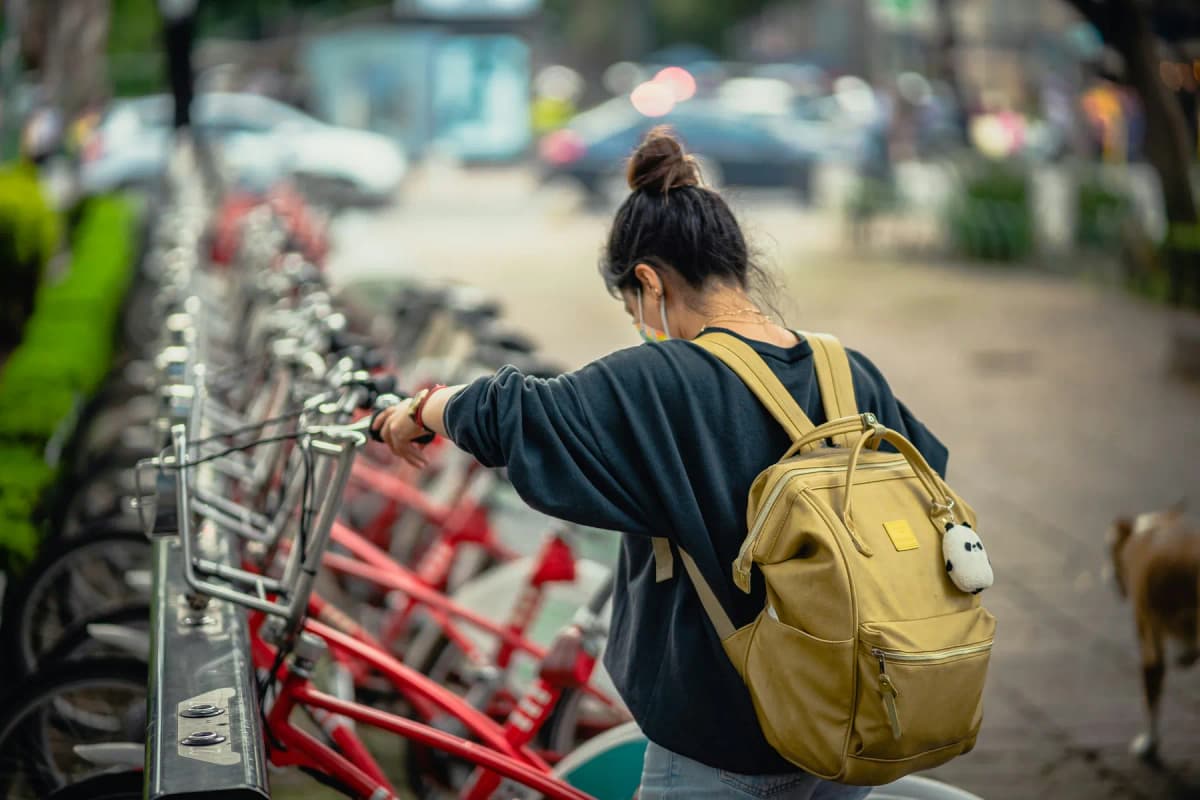 Photo: Julio Lopez on Unsplash
Pros: it's walkable, with a huge choice of places to eat and drink, and it's close to Condesa, Juárez and the Metrobús along Avenida Insurgentes. The city's Ecobici bike-share system has docking stations across the area. Cons: it's popular, so prices for hotels and apartments are higher than in many other neighbourhoods, and some streets are noisy at night. Its southern neighbour, Roma Sur, is quieter and often cheaper.
Best for: first-time visitors, food lovers and anyone who wants to explore on foot.
2. Condesa: best for parks, Art Deco buildings and a relaxed feel
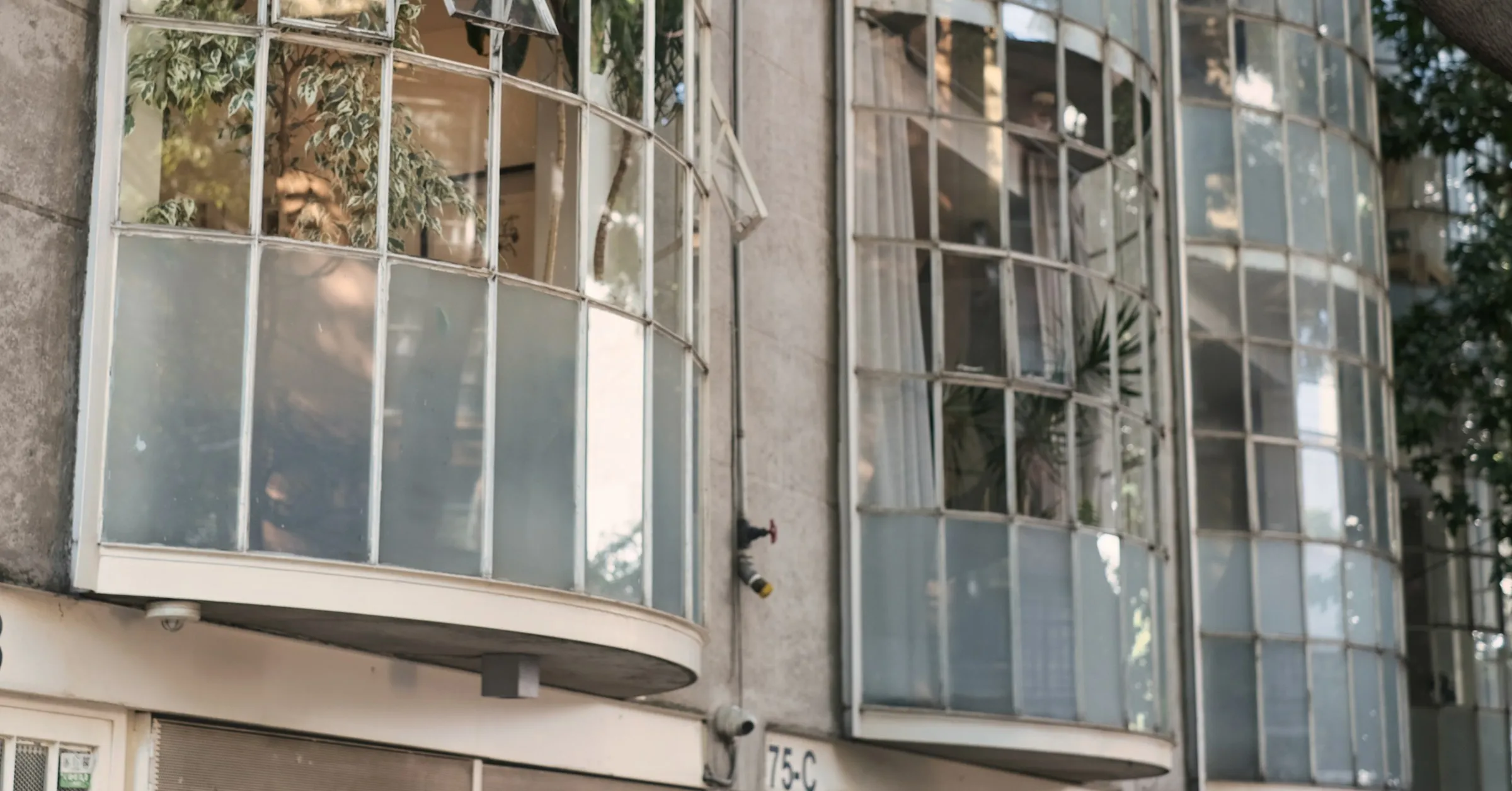
Right next to Roma Norte, Condesa has a slightly calmer, greener feel. Much of the neighbourhood was laid out on the site of a former racecourse, and Avenida Amsterdam still follows the oval track, with a tree-lined walkway down its centre. Two parks, Parque México and Parque España, are popular for walks, runs and dog-watching, and the streets around them are known for their Art Deco apartment buildings.
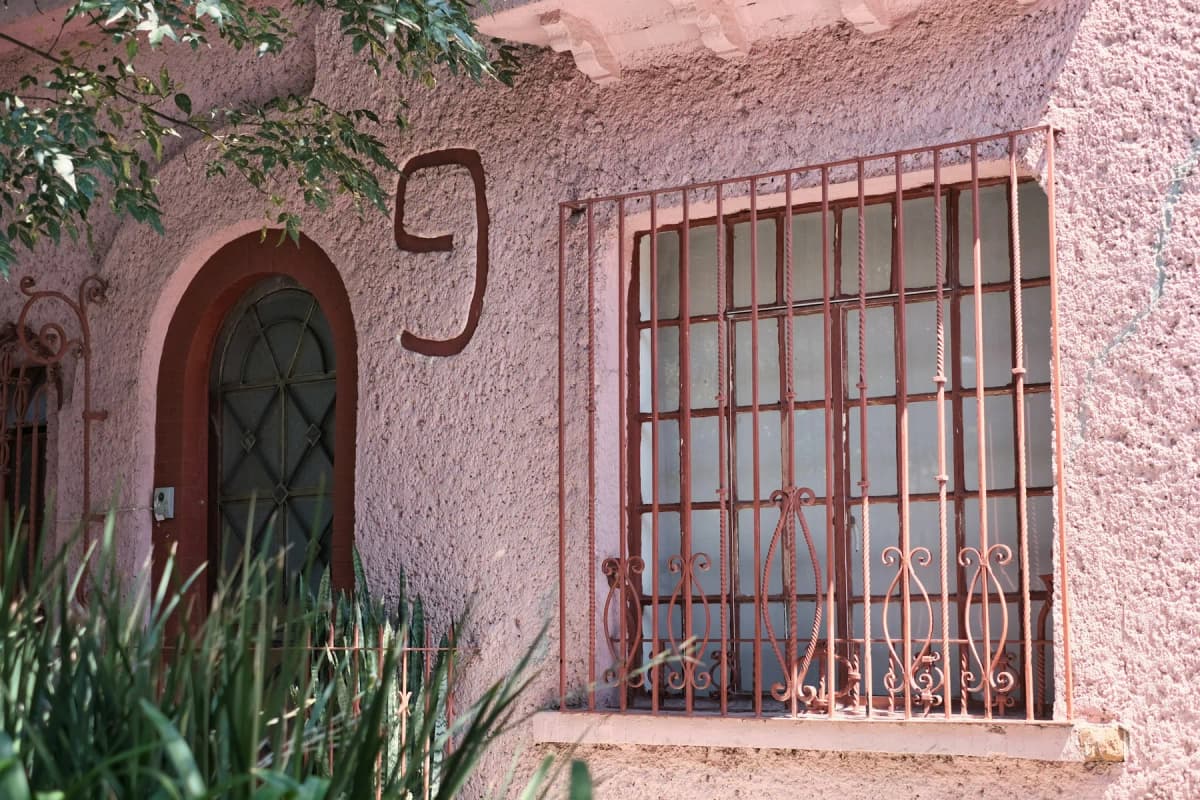 Photo: Fantastic Ordinary on Unsplash
Pros: it's leafy, walkable and attractive, with plenty of restaurants, cafés and bars, and it's easy to combine with Roma Norte. Cons: like Roma, it's one of the pricier parts of the city, and some streets have a busy bar scene at weekends. Most of the hotels are small boutique properties and apartments, rather than large hotels.
Best for: couples, first-time visitors and anyone who likes green space.
3. Juárez and the Zona Rosa: best for a central location
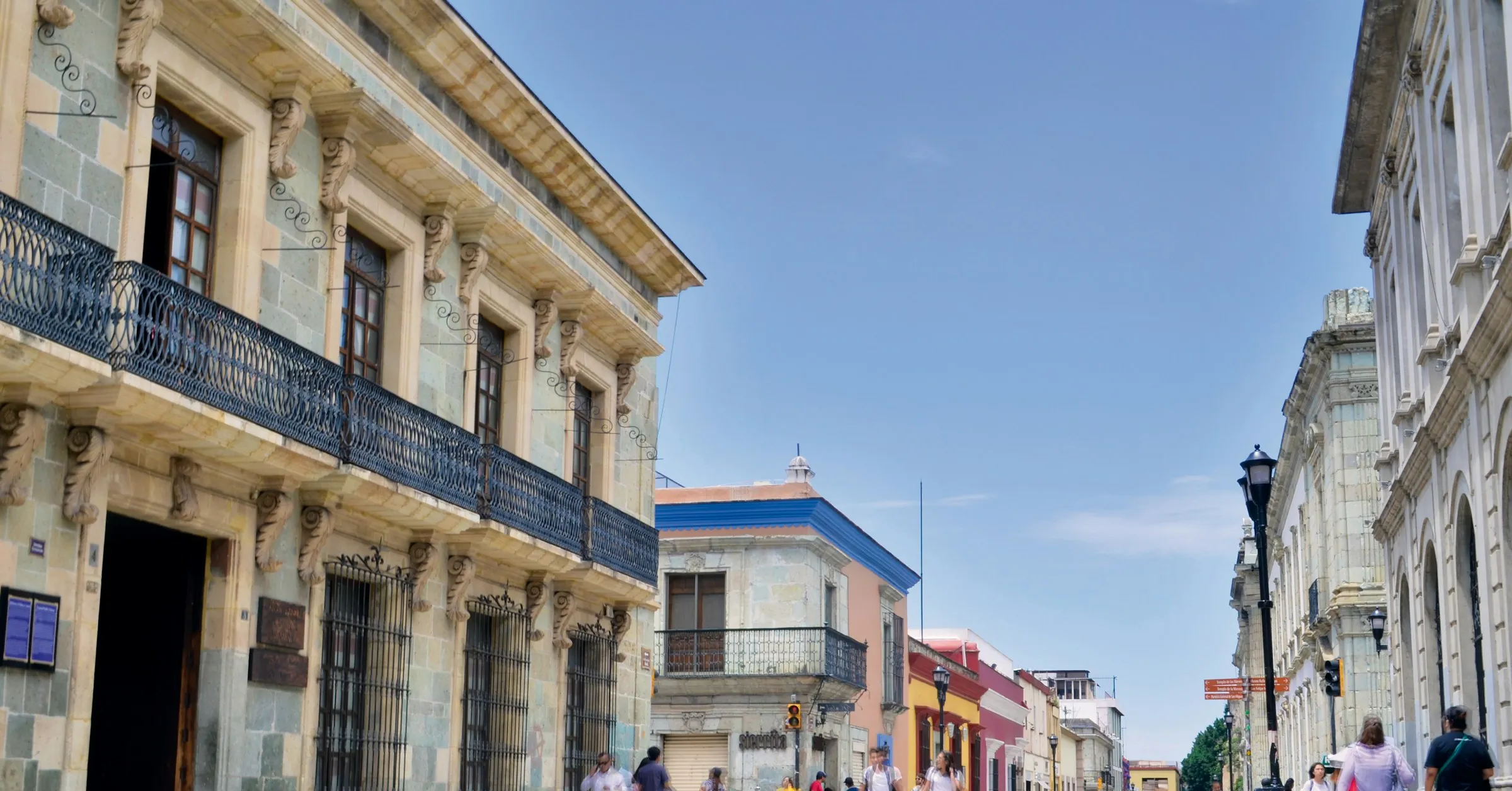
Juárez sits on the south side of Paseo de la Reforma, the grand avenue that runs from the historic centre towards Chapultepec Park, past the golden Angel of Independence monument. The neighbourhood mixes older townhouses with new restaurants, cafés and hotels, and it includes the Zona Rosa, an area of bars and clubs that is known as the heart of the city's LGBTQ+ scene, along with a cluster of Korean restaurants.
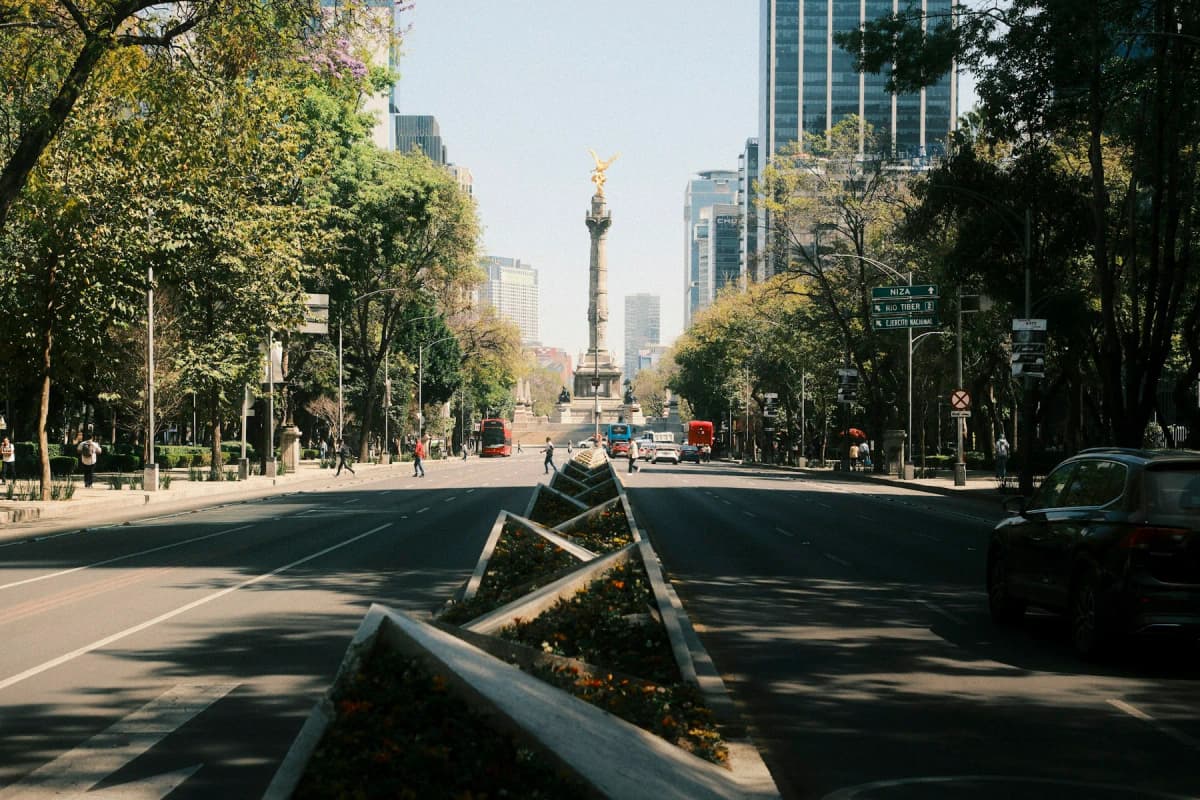 Photo:
Pros: it's very central, between Roma, Condesa, Polanco and the Centro Histórico, and the large hotels along Reforma suit visitors who prefer an international chain. Reforma is closed to cars on Sunday mornings for cyclists and walkers. Cons: parts of the Zona Rosa are loud late at night and can feel seedy, so choose your street carefully.
Best for: visitors who want to be in the middle of everything, nightlife and LGBTQ+ travellers.
4. Polanco: best for luxury hotels and fine dining
Polanco is Mexico City's most upmarket neighbourhood, with designer shops along Avenida Presidente Masaryk, many of the city's most celebrated restaurants, and a number of its biggest luxury hotels. It borders Chapultepec Park, home to the National Museum of Anthropology, and in the newer area to the north are the Museo Soumaya and the Museo Jumex.
Pros: it's polished, quiet and generally considered one of the safest parts of the city for visitors, with wide streets and plenty of green space. It's a good choice for business travellers. Cons: it's the most expensive area to stay and eat, it feels less characterful than Roma or Condesa, and the Centro Histórico is a longer ride away.
Best for: luxury travellers, business trips and visitors who prefer a calmer, more formal setting.
5. Centro Histórico: best for sightseeing and history
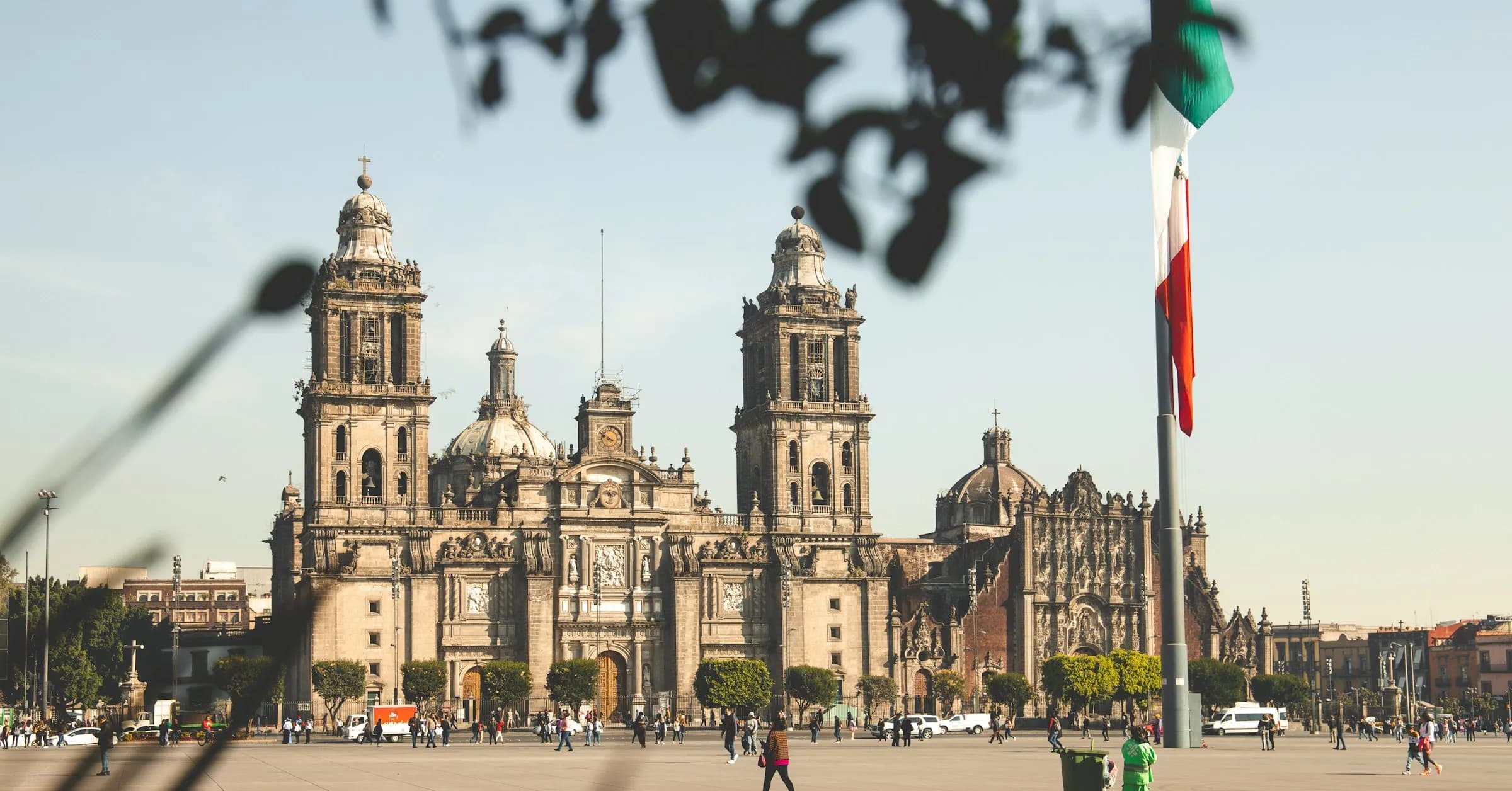
The Centro Histórico, the historic centre, is where you'll find many of Mexico City's best-known sights: the Zócalo, one of the largest public squares in the world, the Metropolitan Cathedral, the Templo Mayor Aztec ruins, the Palacio Nacional and the Palacio de Bellas Artes. Many hotels are in grand colonial buildings, and some have rooftop terraces with views over the square or the cathedral.
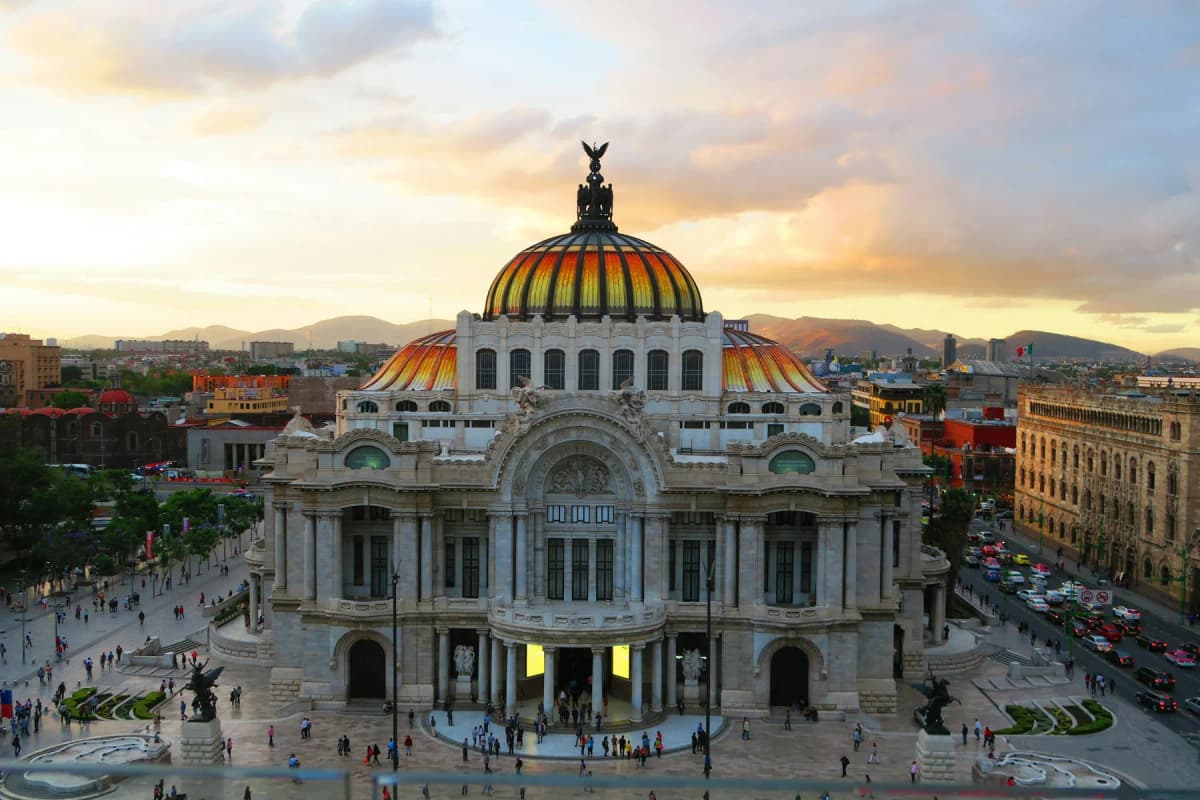 Photo: david carballar on Unsplash
Pros: the sights are on your doorstep, rooms are often better value than in Roma or Polanco, and the area is well connected by Metro and Metrobús. The pedestrian street Madero, between the Zócalo and Bellas Artes, is busy from morning to evening. Cons: some streets empty out after the shops close, and the area is known for pickpocketing in crowds. The parts to the north and east of the Zócalo are rougher than the area around Madero and the Alameda Central park.
Best for: short trips focused on sightseeing, history lovers and travellers on a budget.
6. Coyoacán: best for slower stays and families
Coyoacán, in the south of the city, feels like a small town of its own, with cobbled streets, colonial churches, leafy squares and a lively market. It's home to the Frida Kahlo Museum, the Casa Azul where the artist lived, and its central squares, Jardín Centenario and Plaza Hidalgo, are busy with families, street food and performers, especially at weekends.
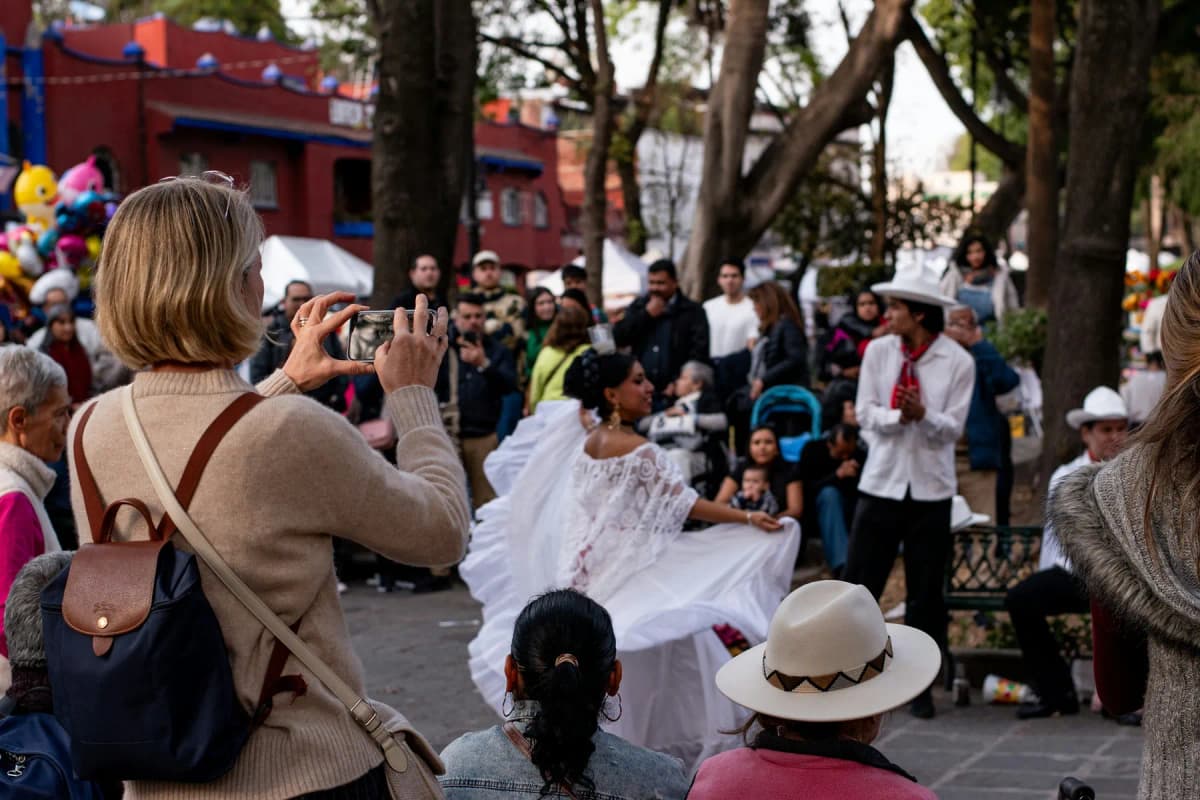 Photo: Patty Zavala on Unsplash
Pros: it's relaxed, attractive and residential, with a strong local identity and plenty of space for children. Cons: it's a long way from the Centro Histórico, Polanco and the airport, so you'll spend more time travelling to the main sights. There are fewer hotels here, and more guesthouses and apartments.
Best for: families, return visitors and anyone staying five days or more who wants a quieter base.
7. San Rafael and Santa María la Ribera: best for value and a local feel
North of Reforma, San Rafael and its neighbour Santa María la Ribera are older residential neighbourhoods with faded mansions, small theatres, local markets and fewer visitors. Santa María la Ribera's central park is home to the Kiosco Morisco, an ornate Moorish-style pavilion.
Pros: prices are usually lower than in Roma, Condesa or Polanco, and you get a more everyday view of city life while still being close to the centre. Cons: there are fewer hotels and visitor-focused restaurants, and some streets feel quiet after dark, so take a taxi or app ride at night.
Best for: return visitors, longer stays and travellers on a tighter budget.
8. San Ángel: best for a calm base and weekend markets
San Ángel, close to Coyoacán in the south, is a quiet, well-to-do neighbourhood of cobbled streets, stone walls and colonial houses. On Saturdays, the Bazar Sábado craft market brings artists and stalls to the area around Plaza San Jacinto. Nearby is the studio-house where Diego Rivera and Frida Kahlo once worked, now a museum.
Pros: it's peaceful and attractive, with a slower pace than the central neighbourhoods. Cons: it's far from the centre, the choice of hotels is small, and there's little to do at night.
Best for: quieter stays, couples and visitors who want to combine Coyoacán and the south of the city.
Which area should you choose?
- First visit and you want to explore on foot: Roma Norte or Condesa.
- Luxury and a quiet, polished setting: Polanco.
- Sightseeing and history: Centro Histórico, around Madero or the Alameda Central.
- Families: Polanco, Condesa or Coyoacán, all with parks nearby.
- Nightlife: Roma Norte, Condesa or the Zona Rosa.
- Budget: Centro Histórico, Roma Sur, San Rafael or Santa María la Ribera.
- A longer, slower stay: Coyoacán or San Ángel.
- Business travel: Polanco or Reforma, or Santa Fe, the business district on the western edge of the city, which is convenient for offices but far from the sights.
Areas to think twice about
Mexico City is a huge city, and most of it is ordinary and residential. But for a first visit, a few areas are best avoided as a place to stay:
- Tepito: a neighbourhood north-east of the Zócalo known for its huge street market and for crime. Visitors are generally advised not to go there.
- Parts of Doctores, Guerrero and Morelos: these neighbourhoods border popular areas such as Roma and the Centro Histórico, but some streets have higher crime. A hotel there may look central on a map, so check its exact location before you book.
- Near the airport: the area around the main airport is useful only for a very early flight. There's little reason to stay there otherwise.
- The outer edges of the city: cheap listings far from the centre often mean long journeys through traffic, which can eat up your trip.
If a deal looks unusually cheap, check the exact location on a map and read recent reviews for comments about the street at night.
Getting from the airport to your hotel
Most international flights land at Mexico City International Airport (MEX), also called Benito Juárez or AICM, which is east of the centre and fairly close to the main neighbourhoods. You have three main options:
- Authorised airport taxi: buy a ticket at an official taxi booth inside the terminal, so you know the price before you leave.
- Ride-hailing app or pre-booked transfer: apps such as Uber and DiDi operate in Mexico City, or you can book a private transfer from Mexico City airport that meets you in arrivals and takes you straight to your hotel.
- Metrobús: Line 4 of the Metrobús rapid-transit system runs from both terminals to the Centro Histórico. It's cheap, but it can be crowded, so it's better if you have light luggage. Check the current fare and how to pay before you travel.
Some flights use the newer Felipe Ángeles International Airport (NLU), about 45 km north of the city. Journeys from there take much longer, so check which airport your ticket is for and plan your transfer in advance.
Tips before you book a hotel in Mexico City
- Check the exact location on a map: the feel of a street can change quickly, so look at what's around the hotel, not just the neighbourhood name.
- Ask about noise: in Roma Norte, Condesa and the Zona Rosa, a room facing the street may be loud on Friday and Saturday nights.
- Allow for the altitude: Mexico City sits at about 2,240 m. Take it easy on your first day or two, drink plenty of water and go slowly with alcohol.
- Use ride-hailing apps at night: even in the safest areas, an app ride is usually the easiest way home after dark.
- Stay connected: a Mexico eSIM makes it easier to use maps and book rides.
- Get travel insurance: cover that includes medical treatment is worth having for any trip to Mexico.
Frequently asked questions
What is the best part of Mexico City to stay in? For most first-time visitors, Roma Norte or Condesa. They're central, walkable, full of restaurants and cafés, and among the most popular areas with visitors. Polanco is the best choice for luxury, and the Centro Histórico for sightseeing.
What is the safest area to stay in Mexico City? Polanco is generally considered one of the safest areas, and Condesa, Roma Norte, Juárez, Coyoacán and San Ángel are also popular with visitors. No neighbourhood is free of crime, so use the same care you would in any large city. Our guide to whether Mexico City is safe has more detail.
Is it better to stay in Roma Norte or Condesa? Both are excellent, and they're next to each other, so you can easily explore both. Roma Norte has more energy and a bigger choice of restaurants, while Condesa is a little greener and calmer, with its two large parks.
Is the Centro Histórico a good place to stay? Yes, if sightseeing is your priority. You'll be within walking distance of the Zócalo, the cathedral, the Templo Mayor and Bellas Artes. Choose a hotel near Madero or the Alameda Central, as some streets in the wider area empty out at night.
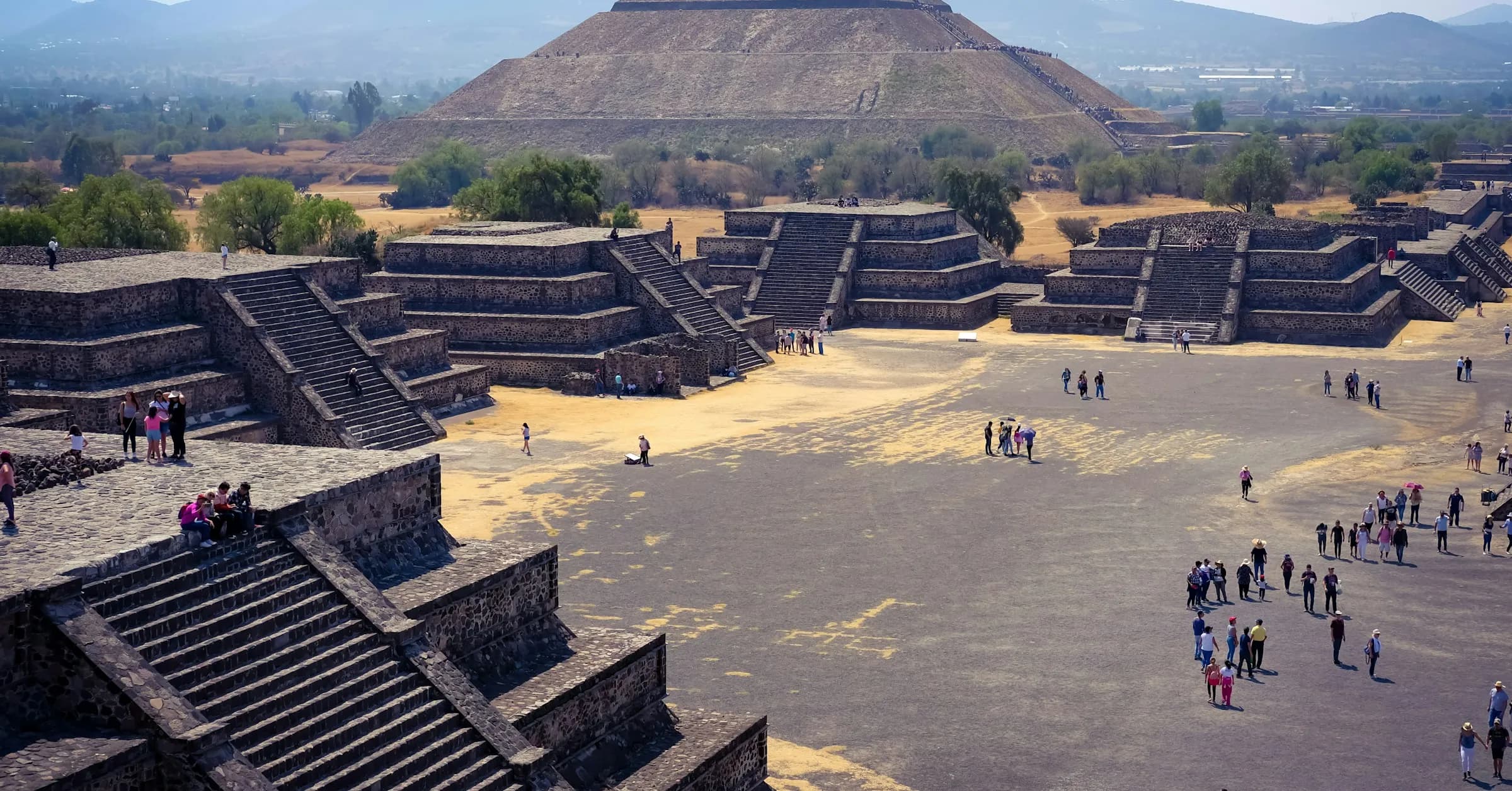
How many days do you need in Mexico City? Most visitors find four or five days enough to see the main sights at a comfortable pace, with time for a day trip to the Teotihuacán pyramids. With a week or more, you could stay in two different areas, such as Roma Norte and Coyoacán.
Is $1,000 enough for a week in Mexico City? It depends on your hotel, as accommodation is usually the biggest cost. Food and public transport can be very cheap, especially if you eat at markets and street stalls, but hotels in Polanco, Roma and Condesa vary widely in price. Check current rates for your dates before you set a budget.
How we researched this guide
We compared each neighbourhood using official and reputable sources, including the Mexico City government's guide to the Metrobús, the UK government's travel advice for Mexico and the US State Department's Mexico travel advisory, along with guides from local and travel publishers, all checked in October 2026. We don't quote hotel or taxi prices, as they change often and vary by season. Neighbourhoods change too, so always check a hotel's exact location and recent reviews before you book. Found something out of date? Let us know.
Ready to plan? Follow our Mexico City itinerary for 3 to 5 days, read our guide to whether Mexico City is safe, pick some of the best day trips from Mexico City, or browse all our Mexico guides, including where to stay in Tulum.