Is Oaxaca Safe? 2026 Advice for Visitors
October 23, 2026 · Mexico
This post contains affiliate links. We may earn a commission if you book through them, at no extra cost to you. Disclaimer.
Yes, Oaxaca is generally safe for tourists. The US State Department places Oaxaca state at Level 2: Exercise Increased Caution, the same level as Mexico overall, and the UK government does not advise against travel to any part of it. Oaxaca City, Monte Albán, Hierve el Agua and the beach towns of Puerto Escondido, Mazunte and Huatulco are where most visitors go, and the problems they usually meet are petty theft, ATM crime, road blockades and strong ocean currents, not cartel violence.
The bigger practical risk in Oaxaca is disruption. Teachers' union protests regularly block roads, including the road to the airport, and the state's violence is concentrated in areas most visitors never reach, such as the Isthmus of Tehuantepec. This guide explains what the official advice says, the specific risks in the city and on the coast, and the habits that keep a trip running smoothly.
Is Oaxaca safe? The quick answer
| Question | Short answer |
|---|---|
| Is Oaxaca safe for tourists? | Yes, in the city and the main visitor areas, with normal precautions |
| US State Department level for Oaxaca | Level 2: Exercise Increased Caution (2026) |
| Does the UK advise against travel to Oaxaca? | No; its "all but essential travel" warnings cover other states |
| Most common problems for visitors | Road blockades, petty theft, ATM crime and strong currents on the coast |
| Areas most visitors stay in | The Centro Histórico, Jalatlaco and Xochimilco in Oaxaca City |
| Area with the most violence | The Isthmus of Tehuantepec, in the south-east of the state |
| Is it safe at night? | The centre is busy and lively; take a sitio taxi for longer trips home |
| Emergency numbers | 911 for emergencies; 078 for tourist assistance |
What does the US travel advisory say about Oaxaca?
The US State Department rates Mexico as a whole at Level 2: Exercise Increased Caution, the second of four levels, citing crime and kidnapping. It also gives each Mexican state its own level, and its state-by-state list places Oaxaca at Level 2. The advisory was reissued in 2026 without moving Oaxaca to a higher level.
The state-by-state entries also list areas where US government employees face travel restrictions. For Oaxaca, the advisory has restricted travel to parts of the Isthmus of Tehuantepec, including Juchitán de Zaragoza, Salina Cruz and San Blas Atempa, and along Highway 200 between Pinotepa Nacional and the border with Guerrero. It has not placed restrictions on Oaxaca City, Monte Albán, Puerto Escondido or Huatulco. These details can change between reissues, so check the current text on travel.state.gov before you book.
The strictest warnings for Mexico, including the US "Do Not Travel" level, apply to other states, such as Guerrero, Michoacán, Colima, Sinaloa, Tamaulipas and Zacatecas. Guerrero borders Oaxaca to the west, which is one reason the coastal highway towards it is on the restricted list. It's also worth enrolling in the State Department's free Smart Traveler Enrollment Program (STEP), which sends you security alerts from the US Embassy.
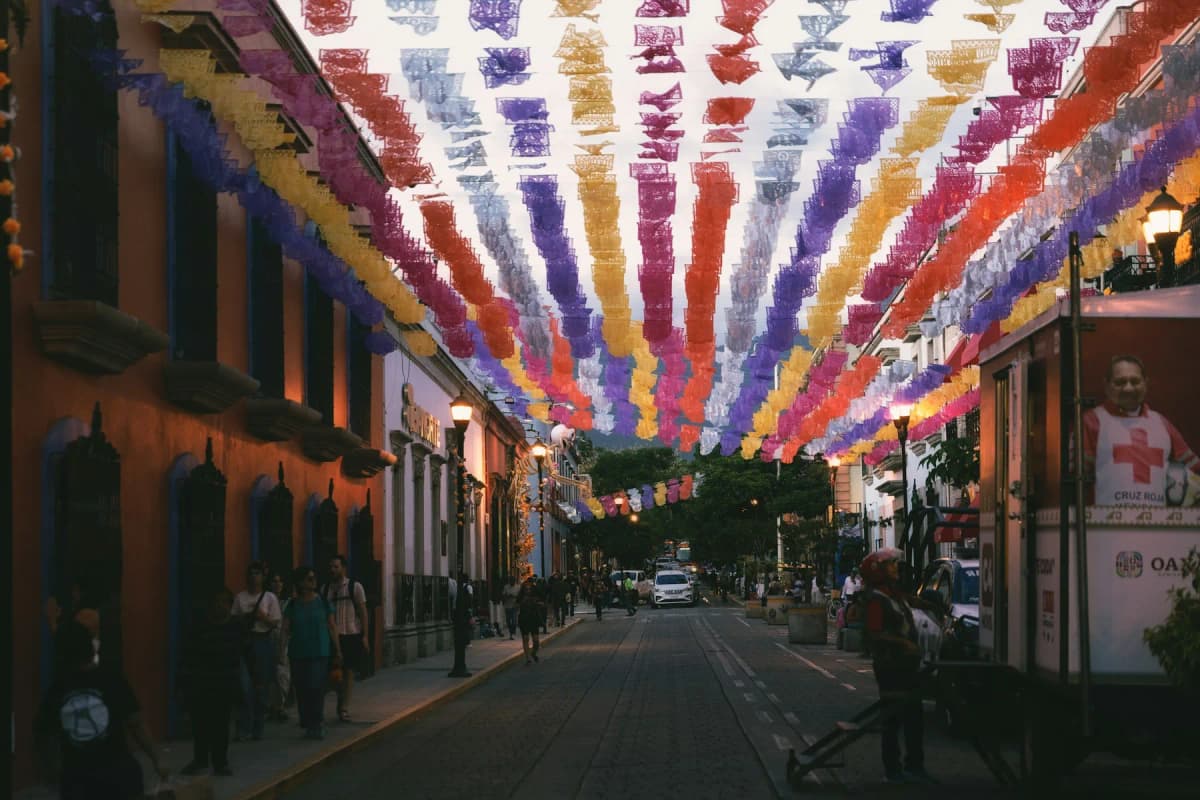 Photo: ayumi kubo on Unsplash
Is Oaxaca safe for tourists in practice?
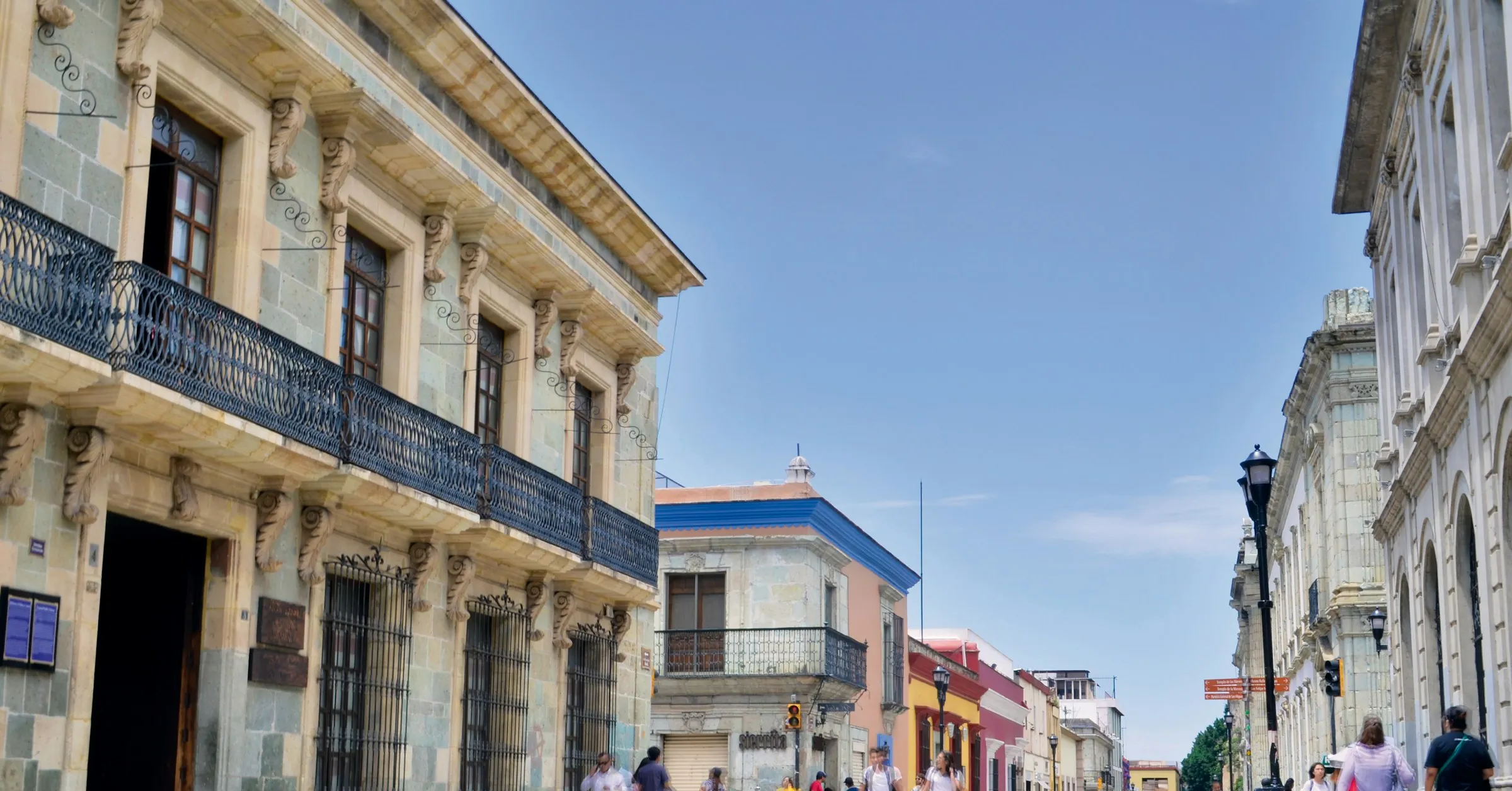
For most visitors, yes. Oaxaca City is compact, walkable and busy with visitors, and its historic centre is a UNESCO World Heritage Site together with Monte Albán. Most of the time you'll be walking between churches, markets, mezcal bars and restaurants in a small grid of streets that stay lively well into the evening.
The UK government's travel advice is a useful second opinion. Its regional warnings against "all but essential travel" cover parts of other Mexican states, not Oaxaca. For Oaxaca specifically, it warns that protests can block vehicle access to Oaxaca airport, that the state has regular earth tremors, and that unofficial roadblocks charging "tolls" have been reported on some remote roads. You can read its regional risks and safety and security pages on GOV.UK.
Local perception is a useful reality check too. In the national statistics office's June 2026 urban security survey (ENSU), 65.4% of adults living in Oaxaca City said they felt unsafe living there, down from 70.5% in March 2026 and 76.6% in June 2025, against a national average of 59.8%. This measures how residents feel about crime in their city in general, not the risk to a visitor walking around the centre, but it's a reminder that Oaxaca is a real city with real crime, not a theme park.
The real risks for visitors to Oaxaca
Protests and road blockades
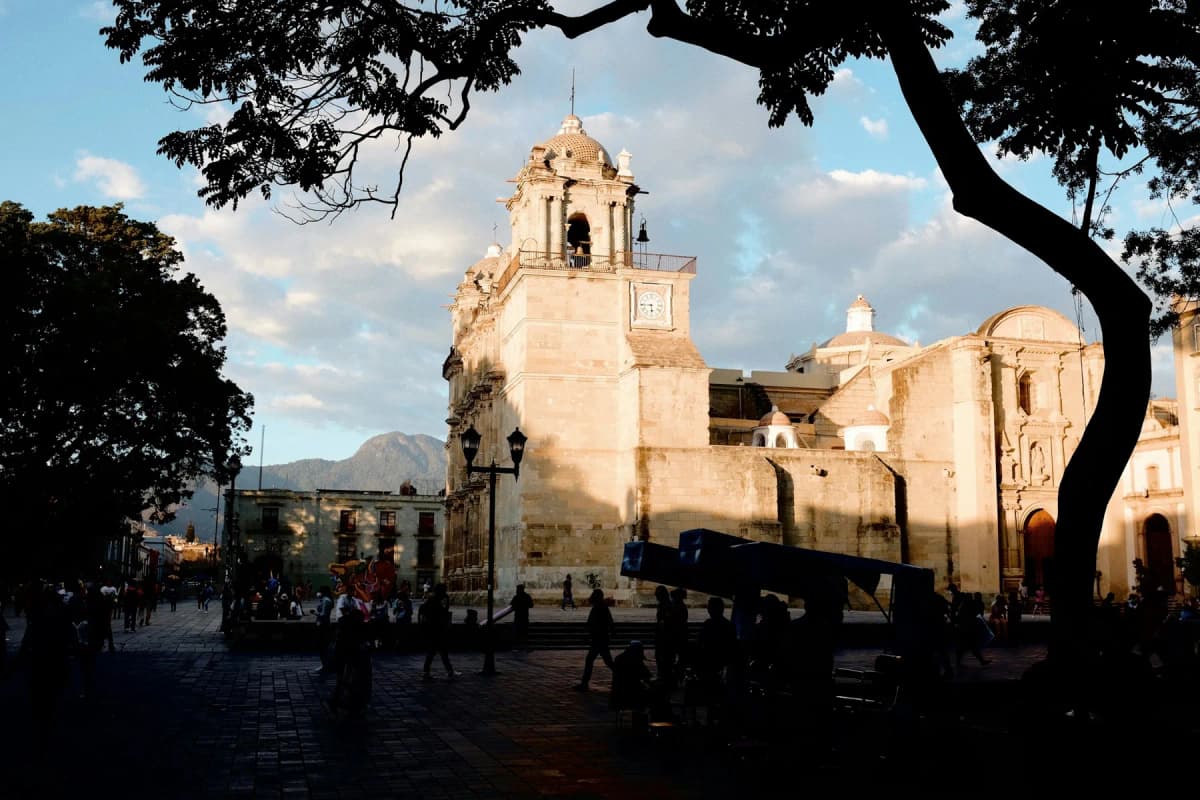 Photo: Alice Kotlyarenko on Unsplash
Protests are the issue most likely to affect your trip. Oaxaca has one of the most active teachers' unions in Mexico, Section 22 of the CNTE, and its strikes often come with blockades of highways, petrol stations, government buildings and the Zócalo, the main square. Other groups also block roads to press local demands.
The airport road is a recurring target. In June 2026, blockades cut vehicle access to Oaxaca International Airport several times, and Mexican media reported cancelled flights and fuel shortages at petrol stations in and around the city. On 16 October 2026, a 24-hour strike blocked the junction on federal highway 190 that leads to the airport; Mexican media reported that the airport kept operating, but some passengers walked up to a kilometre with their luggage to reach it.
Blockades are usually peaceful, and they're aimed at the government, not visitors. They're mostly an inconvenience, but they can make you miss a flight or a bus.
- Check local news on the day you travel, especially before a flight. Your hotel will usually know which roads are blocked.
- Leave much earlier than you think you need to for the airport, as the UK government advises.
- Don't try to drive through or argue at a blockade. Turn around or wait.
- Walk away from demonstrations. Foreigners are not allowed to take part in political activity in Mexico, and the UK government warns that protests can turn violent.
Petty theft
Pickpocketing and bag snatching happen in Oaxaca as in any busy city. The places to be most careful are the big markets, such as Benito Juárez, 20 de Noviembre and the Central de Abastos, the Zócalo, buses, and crowded events such as the Guelaguetza in July and the Day of the Dead at the end of October and start of November.
- Keep your phone in a front pocket or a zipped bag, especially in markets.
- Wear your bag across your body and in front of you in crowds.
- Carry only the cash and cards you need for the day, and leave the rest in your hotel safe.
ATM crime and express kidnapping
The UK government warns that express kidnappings, where victims are taken to withdraw money from cash machines, happen across Mexico. Use ATMs inside banks, shopping centres or shops, during the day, and don't withdraw large amounts at once. Cover the keypad, and be wary of anyone who offers to help.
Taxis
The UK government recommends using sitio taxis, which work from official ranks, or taxis booked by phone or app, rather than hailing cabs in the street. In Oaxaca City, the simplest option is to ask your hotel or restaurant to call one. Agree the fare before you set off if there's no meter. If you use a ride-hailing app, check that the car and number plate match before you get in.
Mountain roads and driving at night
Much of Oaxaca is mountainous, and the roads from the city to the coast are long and winding. The UK government advises against driving at night and recommends toll roads (cuotas) where they exist. Unofficial roadblocks demanding payment have been reported on some remote roads; if you meet one, stay calm and pay rather than argue.
For most visitors, the simplest choice is not to drive at all. Day trips to Hierve el Agua, Mitla and the Tule tree are easy on an organised tour, such as this Hierve el Agua and Mitla day trip, and Monte Albán is a short ride from the city with options such as this half-day Monte Albán tour. For the coast, take a first-class bus or fly.
Earthquakes and hurricanes
Oaxaca is one of the most seismically active parts of Mexico, and the UK government notes that the state has regular earth tremors. Learn your hotel's safety advice, and if you feel a strong earthquake, follow instructions from local authorities. On the coast, the Pacific hurricane season runs from mid-May to the end of November, and storms have hit the Oaxaca coast in recent years. Follow forecasts and any evacuation orders if you travel then.
Altitude, food and water
Oaxaca City sits at about 1,550 metres, which most people barely notice, but take the first day easy if you're arriving from sea level. Don't drink tap water: drink bottled or purified water, which hotels and restaurants used to visitors provide. Oaxaca is famous for its food and mezcal, so pace yourself with the mezcal, which is strong.
Is the Isthmus of Tehuantepec safe?
The Isthmus of Tehuantepec, in the south-east of the state, is where most of Oaxaca's serious violence happens, and it's also the area the US advisory has flagged. Mexico News Daily reported in 2026 that the Juchitán area had recorded 957 homicides since 2022, linked to a local criminal group allied with a national cartel, and that violence had spread to nearby Tehuantepec and Salina Cruz. Juchitán's mayor was arrested in September 2026.
This violence is aimed at rival groups, local businesses and officials, not visitors, and the Isthmus is not on most travellers' route. If you do plan to travel there, check the latest US and UK advice first, travel by day and use first-class buses.
Is Puerto Escondido safe? The coast
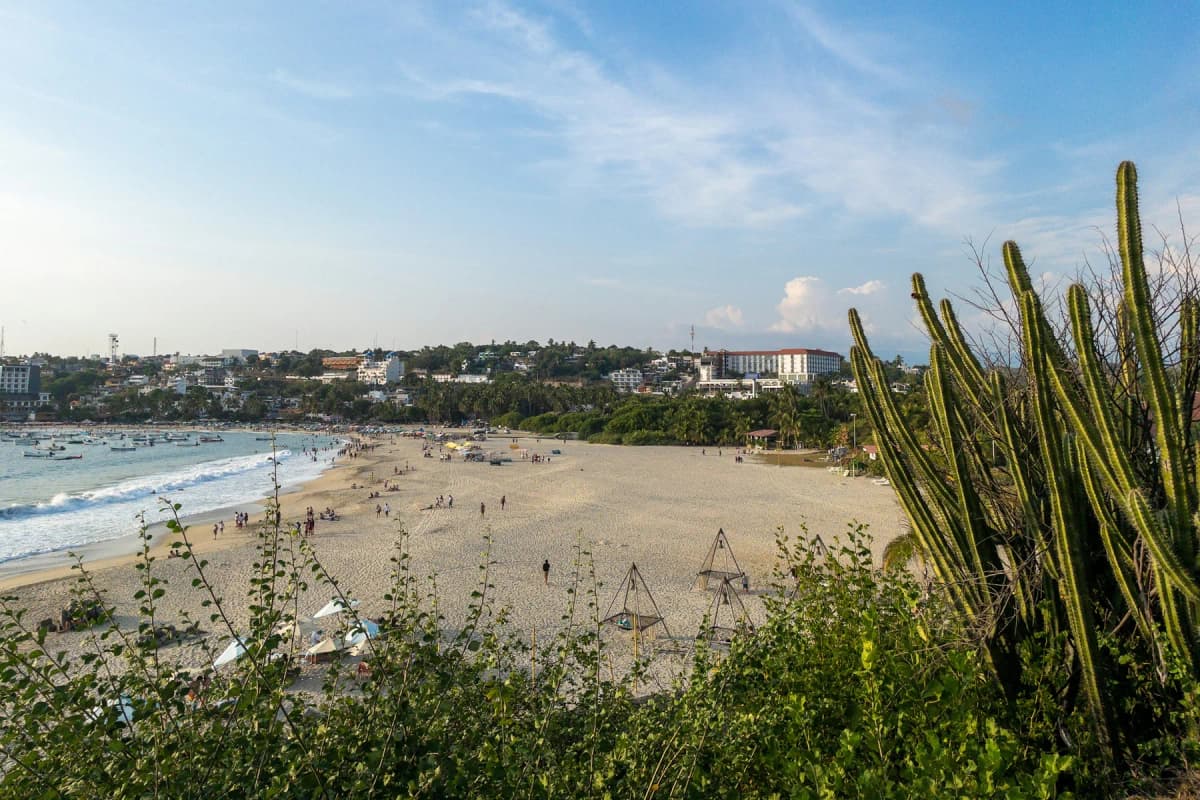 Photo: Zeltzin Tuxtla on Unsplash
Puerto Escondido, Mazunte, Zipolite and Huatulco are popular with visitors and are generally considered safe, with the same precautions as anywhere else: watch your belongings on the beach, don't walk deserted beaches alone at night and use taxis after dark.
The biggest danger on the Oaxaca coast is the sea itself. Many beaches face the open Pacific, with powerful waves and rip currents:
- Playa Zicatela in Puerto Escondido is a world-famous surf break, and it's not a swimming beach. Drownings have been reported there, including in May 2025.
- Zipolite is known for strong currents and dangerous swimming conditions.
- The UK government warns that many beaches are not supervised, that warning flags should be taken seriously and that crocodiles can be present in lagoons and river mouths.
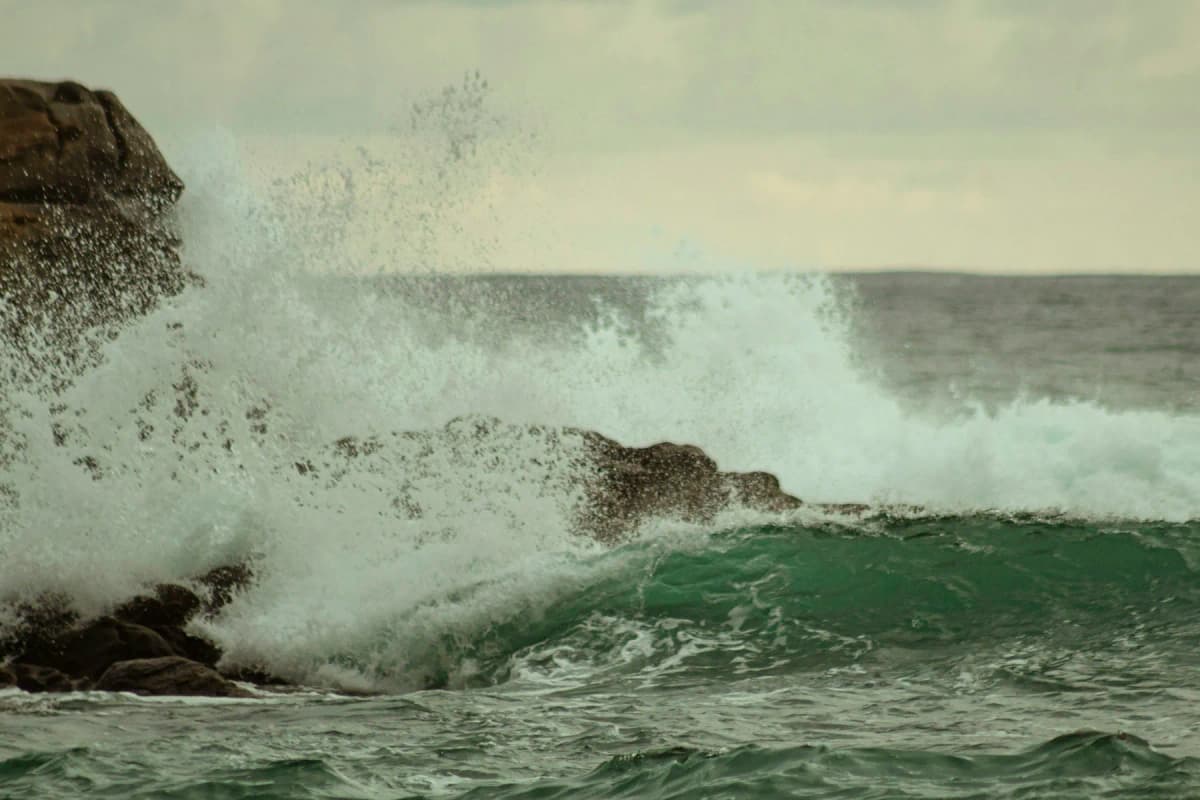 Photo: Gerardo Suarez on Unsplash
If you want to swim, choose sheltered bays such as Carrizalillo or Puerto Angelito in Puerto Escondido, ask locally about conditions, and stay out of the water when red flags are flying or after drinking.
Which areas of Oaxaca are safe?
| Area | What it's like | Safety notes |
|---|---|---|
| Centro Histórico, Oaxaca City | Churches, markets, restaurants, the Zócalo | Busy day and night; watch for pickpockets and protests around the Zócalo |
| Jalatlaco | Quiet, colourful barrio a short walk from the centre | Popular with visitors; take a taxi late at night |
| Xochimilco | Residential barrio north of the centre | Calm and walkable; quieter streets at night |
| Monte Albán, Mitla, Hierve el Agua, Tule | The main day trips | Easiest by tour or taxi; check for road blockades |
| Puerto Escondido, Mazunte, Huatulco | Beaches and surf | Strong currents on open beaches; take taxis at night |
| Isthmus of Tehuantepec | Juchitán, Salina Cruz, Tehuantepec | Most of the state's violence; check advice before going |
Hierve el Agua is worth a special note. The site is run by local communities, and it has closed in the past because of disputes between them, including in 2021. Check that it's open before you go, which a tour operator will do for you.
Is Oaxaca safe at night?
The historic centre is lively in the evening, especially around the Zócalo, Santo Domingo and the pedestrian street Macedonio Alcalá, and many visitors walk between restaurants and mezcal bars after dark. As anywhere, stick to lit, busy streets, avoid deserted ones and take a sitio taxi for longer journeys home or if you've been drinking. Don't drive between towns at night.
Is Oaxaca safe for women and solo travellers?
Many women and solo travellers visit Oaxaca, and the centre's small size, busy streets and community of visitors make it an easy place to travel alone. Use the same precautions you would in any city: keep an eye on your drink, use taxis called by your hotel or restaurant at night, and share your plans with someone at home. The UK government notes that sexual assault is a risk across Mexico, including in tourist areas, and that drinks can be spiked.
Is Oaxaca safe for LGBTQ travellers?
Same-sex marriage is legal across Mexico, and Oaxaca City is generally welcoming to LGBTQ visitors. The state is also known for the muxes, a third-gender identity long recognised in Zapotec communities of the Isthmus. As elsewhere in Mexico, attitudes can be more conservative in rural areas, so use your judgement with public displays of affection outside the city.
Local laws visitors should know
- Carry ID. Keep a copy of your passport and your entry record with you, and the original in your hotel safe.
- Don't take part in protests. Foreigners can be detained or deported for political activity.
- Drugs are illegal, and penalties are severe.
- Ask before photographing people, especially in indigenous communities and markets.
Practical safety tips for Oaxaca
- Check the news and road conditions before every journey, especially to the airport.
- Know the numbers: 911 for police, ambulance and fire, and 078 for the national tourist assistance line.
- Use sitio taxis called by your hotel or restaurant, or an official rank.
- Withdraw cash inside banks or shops, in daylight.
- Take tours for day trips instead of driving mountain roads yourself, and don't drive at night.
- Respect the sea on the coast: swim only at sheltered beaches and never when red flags are up.
- Have mobile data from the moment you land, so you can check maps, news and blockades, and call a ride. An eSIM for Mexico is the easiest option if your plan charges a lot for roaming.
- Get travel insurance. Missed flights caused by blockades and medical bills are both real possibilities, so travel insurance with medical cover is worth having.
- Drink bottled water and take the first day easy at altitude.
How to get to Oaxaca
Most visitors fly into Oaxaca International Airport, which has direct flights from Mexico City and several other Mexican cities, or into Puerto Escondido or Huatulco on the coast. First-class buses also connect Oaxaca with Mexico City and the coast. US, UK, Canadian and EU citizens do not need a visa to visit Mexico as tourists; the immigration officer decides how long you can stay, up to a maximum of 180 days. Rules can change, so confirm the current requirements with your government's travel advice before you book.
Frequently asked questions
Is Oaxaca affected by cartels? Organised crime is present in parts of Oaxaca, especially the Isthmus of Tehuantepec, where violence linked to a local group allied with a national cartel has risen since 2022. Oaxaca City and the main beach towns are not known for cartel violence against visitors, and the US advisory keeps the state at Level 2. As in the rest of Mexico, the violence mostly targets rival groups and local people, not tourists.
Is Oaxaca in danger right now? There's no general danger to visitors in Oaxaca in October 2026. The state is at Level 2 in the US advisory, and the UK government does not advise against travel there. The most likely disruption is protest blockades, including on the airport road, so check local news before you travel and allow extra time.
Is Oaxaca safer than Mexico City? Both are at Level 2 in the US advisory, and both are generally safe for visitors who take normal precautions. Oaxaca City is much smaller and easier to get around on foot, while Mexico City's typical risks are pickpocketing on crowded transport and scams. Oaxaca's particular issues are protest blockades and, on the coast, strong currents. See our guide to whether Mexico City is safe for a comparison.
Is Oaxaca safe at night? The historic centre is busy in the evening and most visitors walk around it after dark without problems. Stick to lit, busy streets and take a sitio taxi for longer journeys or late at night.
Is Oaxaca safe for women travelling alone? Generally yes, and many women visit alone. Take the usual precautions: watch your drink, use taxis called by your hotel at night and avoid deserted streets and beaches after dark.
Is it safe to drive in Oaxaca? Driving in daylight on main roads is possible, but the mountain roads are slow and winding, and blockades can close highways without warning. The UK government advises against driving at night and recommends toll roads where possible. Most visitors find tours, buses and taxis easier.
Is Puerto Escondido safe? Puerto Escondido is popular and generally considered safe for visitors, with normal precautions. The main danger is the sea: Zicatela is a powerful surf beach, not a swimming beach, so swim at sheltered bays such as Carrizalillo and follow the flags.
How we researched this guide
This guide is based on the US State Department's travel advisory for Mexico (Level 2, reissued in 2026, with Oaxaca at Level 2 in its state-by-state list), the UK Foreign Office's regional risks and safety and security advice for Mexico, INEGI's June 2026 urban security survey, and Mexican and English-language news reports on the 2026 blockades, the Isthmus and beach safety, which we checked in October 2026. Area guidance reflects these sources and recurring traveller reports, not our own experience of every street. Safety situations can change quickly, so always check the latest official advice before and during your trip. Found something out of date? Let us know.
Planning a wider trip? See the best things to do in Oaxaca, our Mexico City itinerary, the best day trips from Mexico City, our guide to whether Mexico City is safe, or browse all our Mexico guides.