20 Best Things to Do in Tulum, Mexico (2026 Guide)
October 20, 2026 · Mexico
This post contains affiliate links. We may earn a commission if you book through them, at no extra cost to you. Disclaimer.
The best things to do in Tulum are to see the clifftop Maya ruins above the Caribbean, swim in the cenotes, the freshwater sinkholes in the jungle around town, and spend a day on the white-sand beaches of Playa Paraíso. Beyond the town, take a boat into the lagoons of the Sian Ka'an Biosphere Reserve, climb the pyramid at Cobá, and snorkel with sea turtles at Akumal.
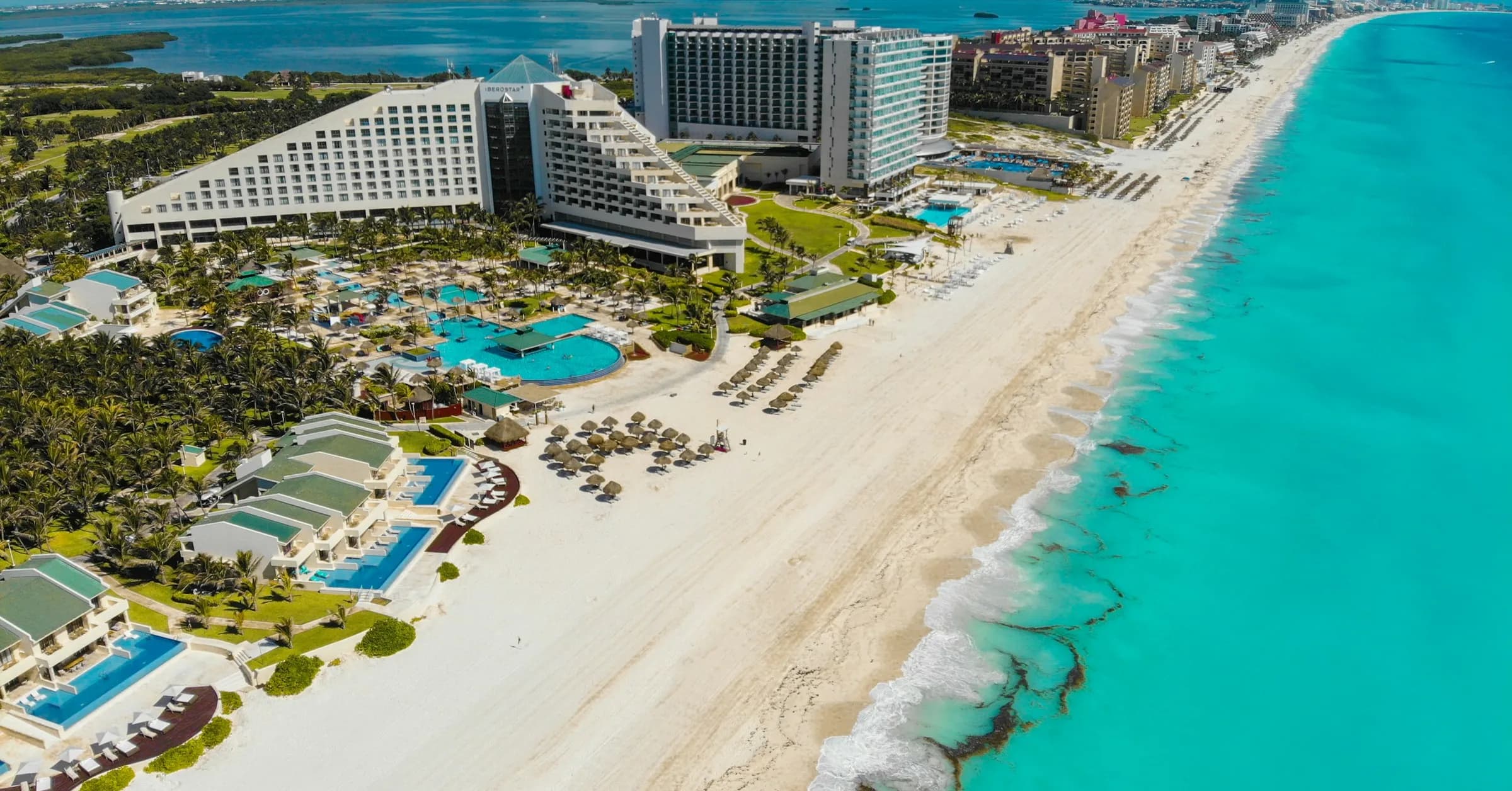
Tulum sits on Mexico's Caribbean coast in the state of Quintana Roo, about 130 km south of Cancún. It's spread out, with the town (Tulum Pueblo) a few kilometres inland from the beach and its hotel strip, so most visitors split their days between the coast, the cenotes and day trips. This guide covers 20 things most worth doing, with the entry fees we could confirm for 2026 and the tips that make each one easier.
Things to do in Tulum: the quick list
| # | Thing to do | Type | Cost in 2026 |
|---|---|---|---|
| 1 | Tulum archaeological zone | Maya ruins | 265 pesos in total for foreign visitors, including park entry |
| 2 | Parque del Jaguar | National park | Included in the total above |
| 3 | Playa Paraíso and the ruins beaches | Beach | Free, or a club's minimum spend |
| 4 | Gran Cenote | Cenote | Around 500 pesos, cash |
| 5 | Cenote Calavera | Cenote | Small fee, cash |
| 6 | Casa Cenote | Cenote | Fee charged, cash |
| 7 | The cenotes on the Cobá road | Cenotes | Fees vary |
| 8 | Dos Ojos | Cenote and caves | Fee charged |
| 9 | Sian Ka'an Biosphere Reserve | Nature reserve | Usually by tour |
| 10 | Muyil ruins and the Maya canals | Ruins and lagoon | Fees for the site and the boat |
| 11 | Kaan Luum lagoon | Lagoon | Fee charged |
| 12 | Cobá and the Nohoch Mul pyramid | Maya ruins | Around 90 to 100 pesos |
| 13 | Swim with turtles at Akumal | Wildlife | Regulated; fees vary |
| 14 | Snorkel at Tankah and Soliman Bay | Beach | Free to low cost |
| 15 | Cycle between town and the beach | Activity | Bike hire |
| 16 | Eat in Tulum Pueblo | Food | Cheaper than the beach |
| 17 | A beach club in the Hotel Zone | Beach | Minimum spend |
| 18 | A temazcal ceremony | Wellness | Prices vary |
| 19 | Day trip to Chichén Itzá and Valladolid | Day trip | Entry fees vary; check before you go |
| 20 | Bacalar, the lagoon of seven colours | Longer trip | Varies |
If you only have one day, see the ruins first thing, swim at Playa Paraíso and end at Gran Cenote. With three or four days, add Sian Ka'an, Cobá and Akumal. Our guide to where to stay in Tulum helps you choose between the town and the beach.
The ruins and the coast
1. Tulum archaeological zone
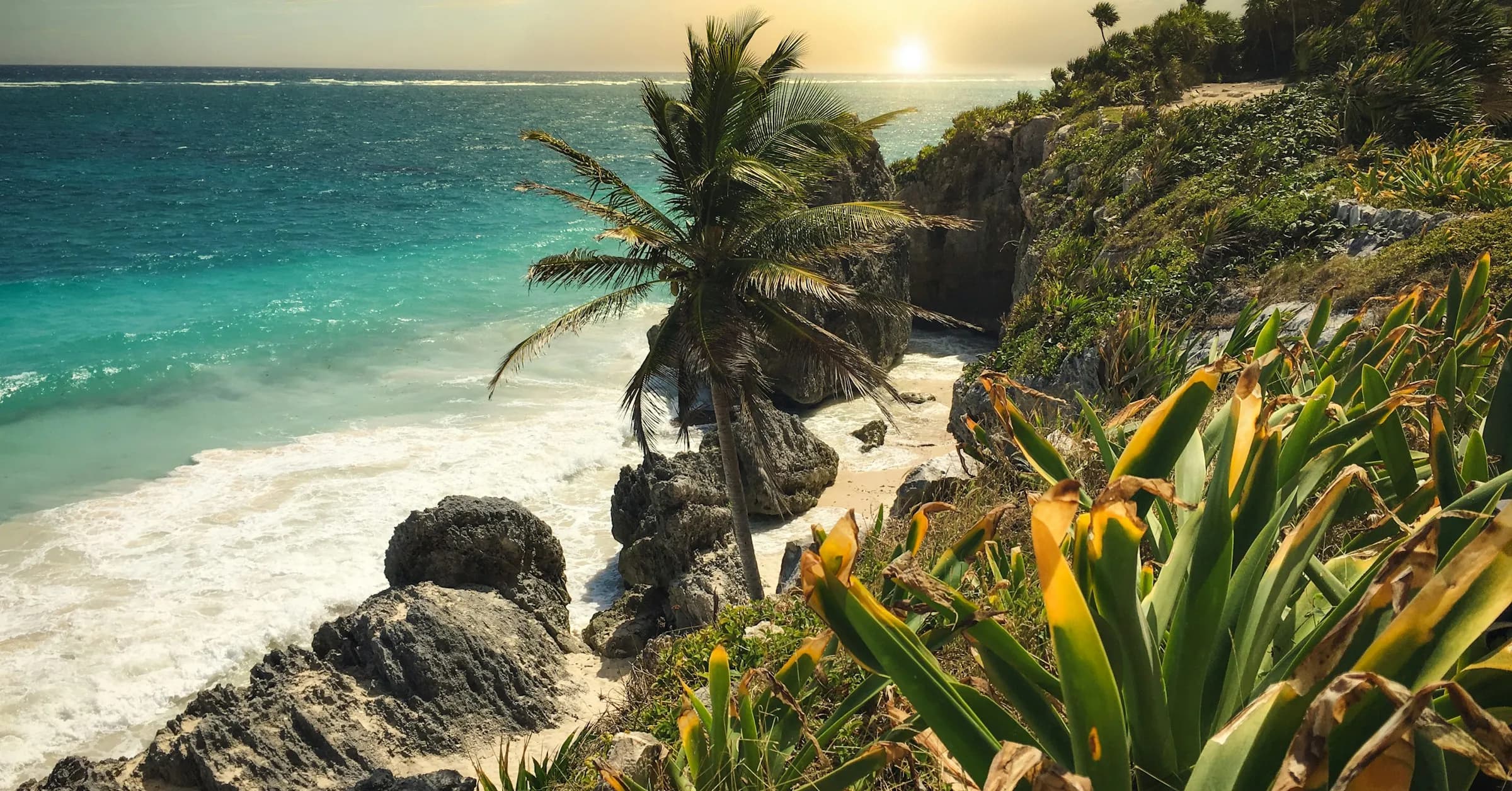
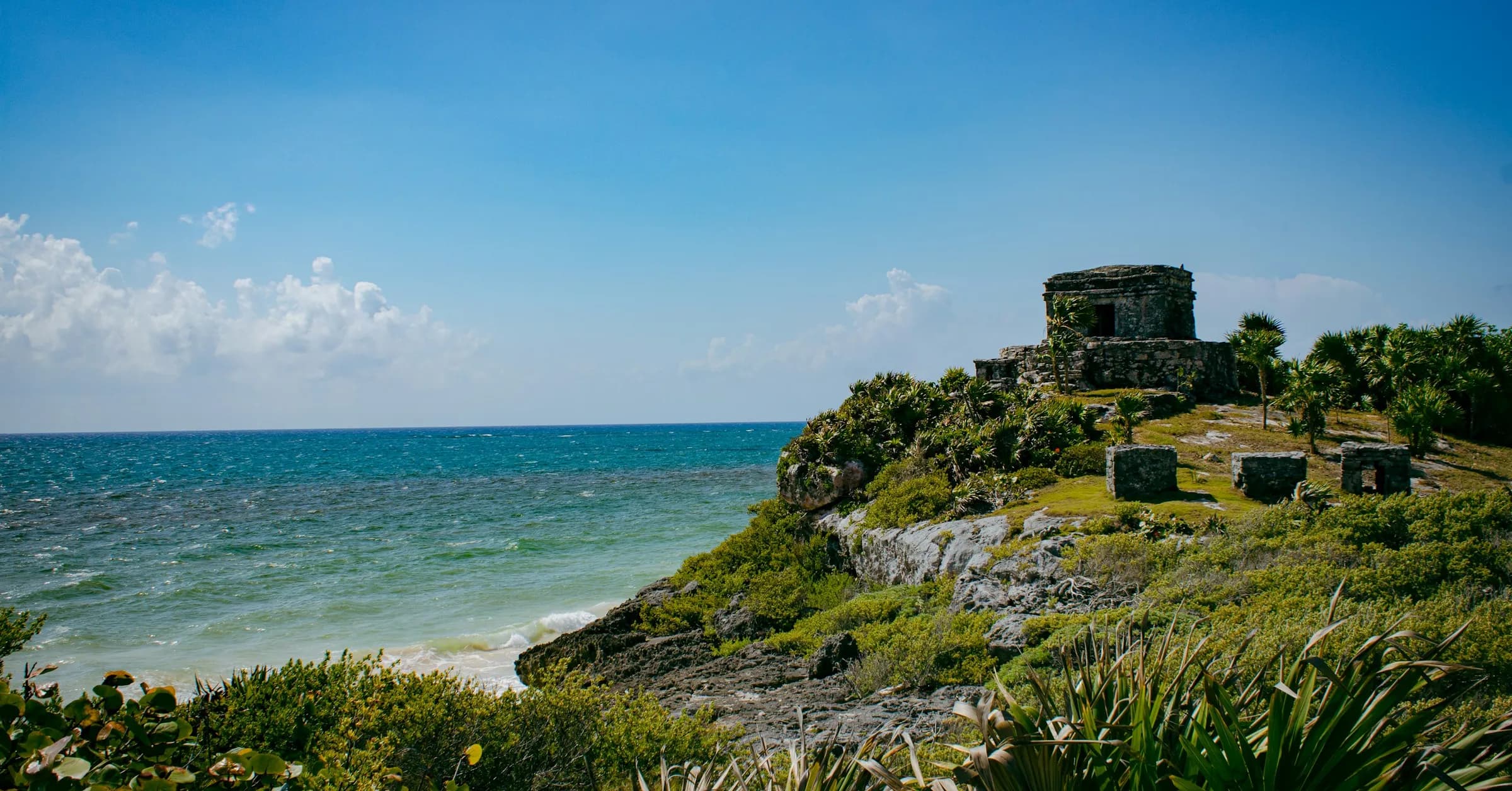
The Tulum ruins are the reason the town is famous. This was a walled Maya city and port, one of the few the Maya built right on the coast, and it was still in use when the first Spanish ships sailed past in the early 16th century. Its best-known building, El Castillo, sits on the edge of a limestone cliff above the sea, and that view, with the ruins against the turquoise water, is the classic Tulum photograph.
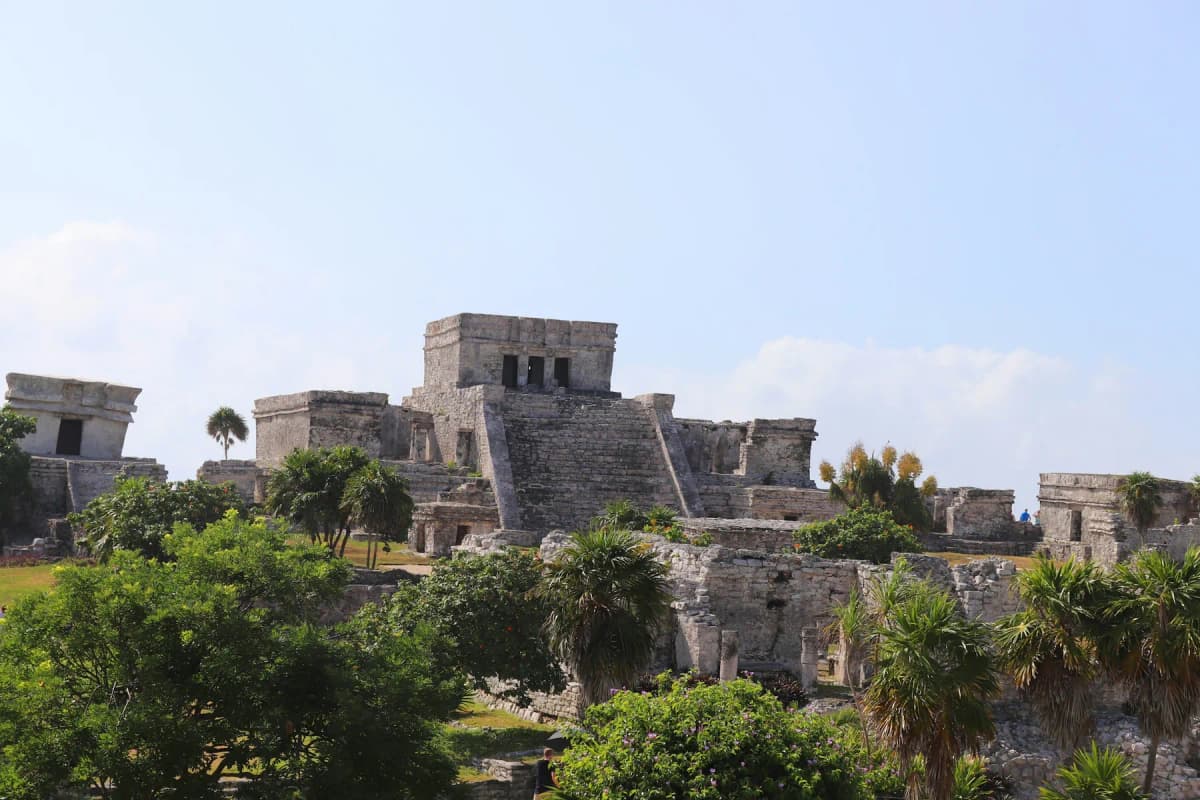 Photo: Nathan Cima on Unsplash
Other buildings to look for include the Temple of the Frescoes, which still has traces of painted murals, and the Temple of the Descending God, named after the upside-down figure carved over its door. You can't climb the buildings, but the paths around them are flat and short, and an hour or two is enough.
The fees changed in 2026. Under a decree published in Mexico's official gazette in July and in force from 20 July 2026, foreign visitors pay 100 pesos to enter Parque del Jaguar and 165 pesos for the archaeological zone itself, so 265 pesos (about US$14) in total. Mexican visitors pay less, and the zone is free for Mexicans and residents on Sundays, which makes Sundays busier. Tickets are sold at the official windows on site, and you should bring pesos.
Tips: the site is usually open from around 8am to 5pm. Go at opening time, before the heat and the tour buses from Cancún arrive. There's little shade, so bring water, a hat and biodegradable sunscreen.
2. Parque del Jaguar
The ruins sit inside Parque del Jaguar, a national park created around Tulum in recent years to protect the jungle, the coast and the archaeological zone. The park has paths, cycle lanes and access to some of the beaches north of the ruins. It's a big area, so many people cycle in. Arrangements for entry, parking and beach access have changed since the park opened, so check the current rules when you arrive.
3. Playa Paraíso and the beaches by the ruins
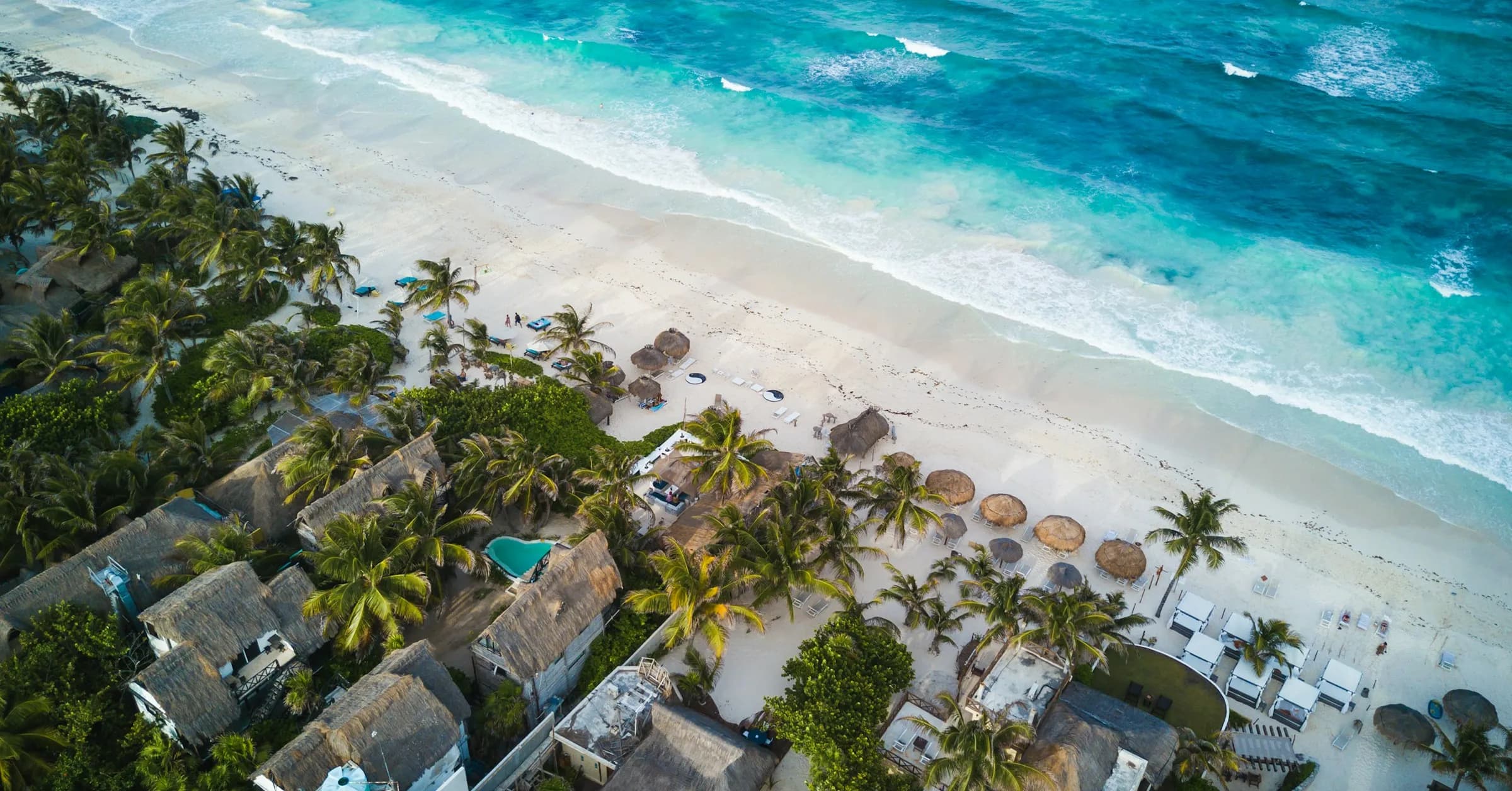
Playa Paraíso, just south of the ruins, is one of the best-known beaches in Mexico: soft white sand, palms and very clear water. It gets busy from late morning, so go early.
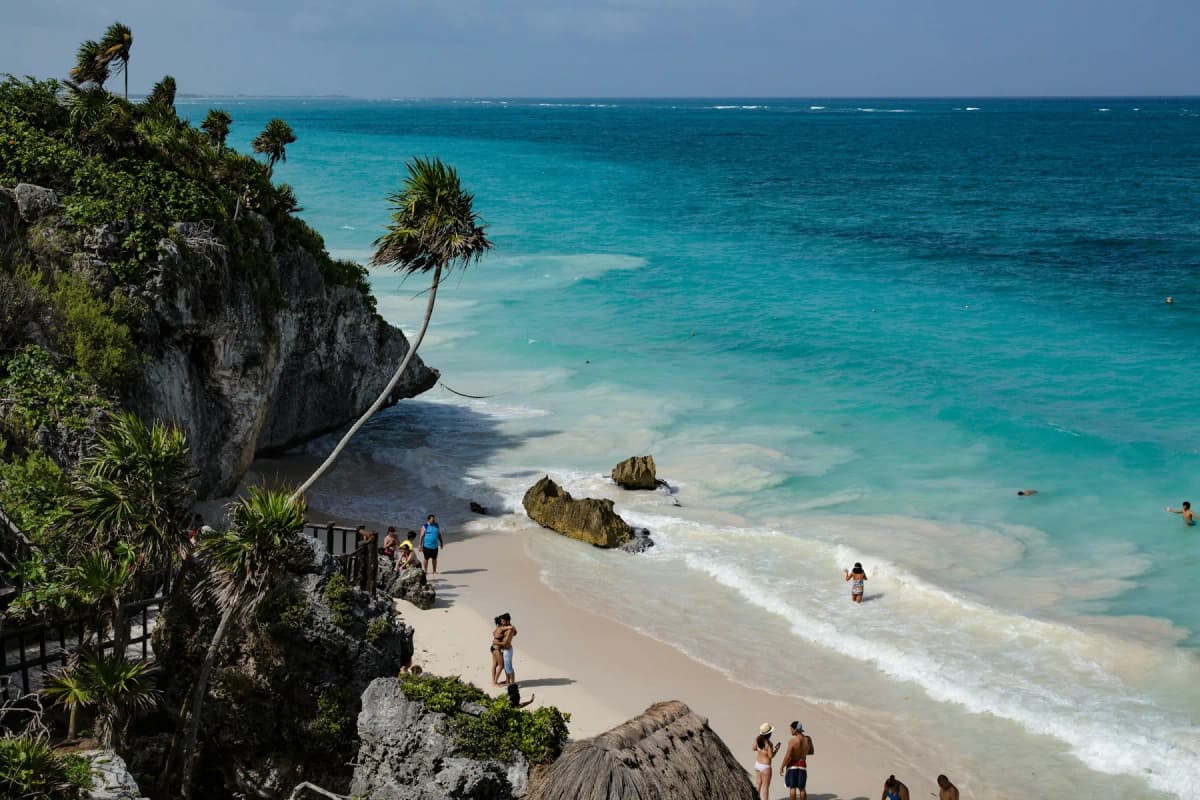 Photo: Tanja Cotoaga on Unsplash
The small cove right below the ruins, often called Playa Ruinas, has been closed to visitors at times, so check on the day whether you can go down to it. In some months, from about May to October, sargassum seaweed can cover these beaches. Our guide to the best time to visit Tulum explains when it's most likely.
The cenotes
Cenotes are natural sinkholes in the limestone, filled with fresh, clear groundwater. The Yucatán Peninsula has thousands of them, many linked by huge underground river systems. Swimming in one is the thing most visitors remember about Tulum.
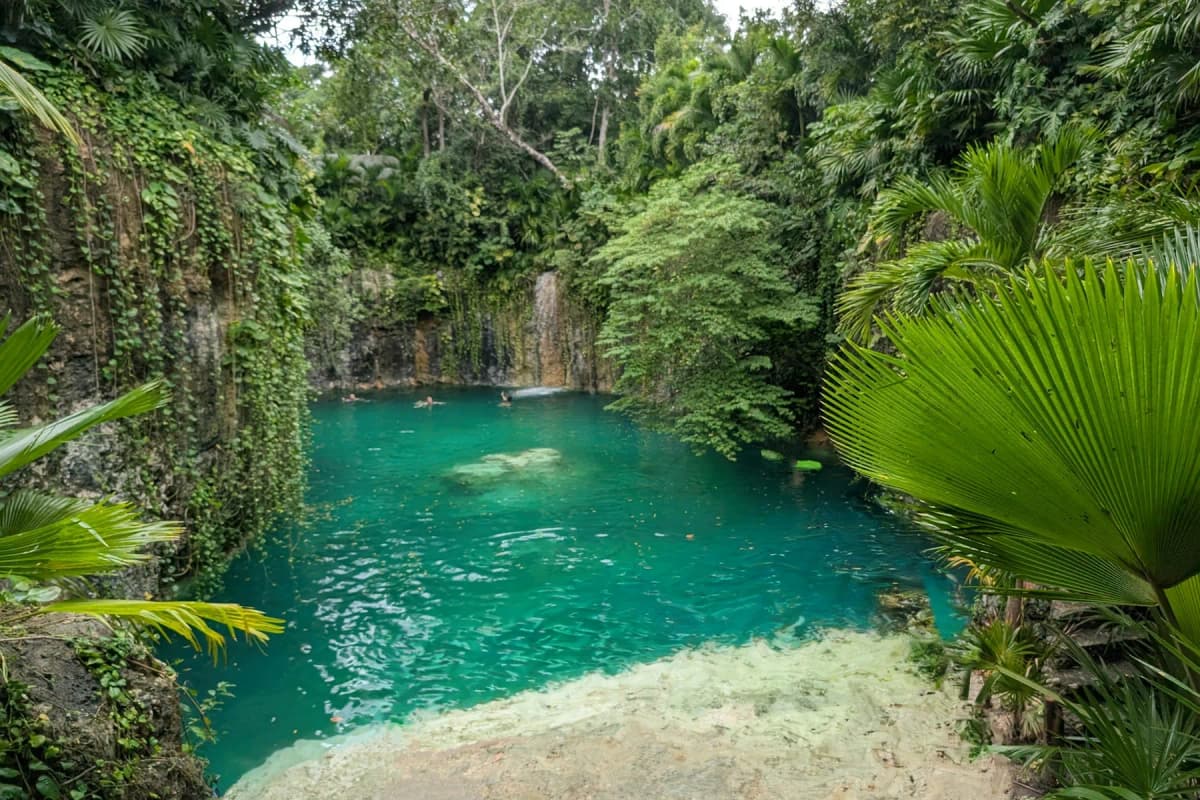 Photo: Scott Tobin on Unsplash
Cenote rules: most cenotes ask you to shower before you swim and not to wear sunscreen or insect repellent, to protect the water. Entry is usually cash only, in pesos. Many require a life jacket for weaker swimmers, and the water is cool.
4. Gran Cenote
Gran Cenote, a few kilometres from town on the road to Cobá, is the most popular cenote near Tulum. It has a series of open pools linked by a cave, with stalactites, clear water and small turtles. It's well organised, with wooden decks, showers and lockers. Entry was around 500 pesos in 2026, cash only, but check on the day. Go at opening time to avoid the crowds.
5. Cenote Calavera
Cenote Calavera, also called the Temple of Doom, is a small cenote just outside town. You jump through a hole in the ground into the water below, and there's a ladder to climb back out. It's quick, cheap and fun, but not for anyone nervous of heights or deep water.
6. Casa Cenote
Casa Cenote, north of Tulum near Tankah Bay, is different from most: it's an open, mangrove-lined channel that winds through the jungle, and it connects underground to the sea. It's good for snorkelling and kayaking, and divers use it to reach the caves below.
7. The cenotes on the Cobá road
The road from Tulum to Cobá is lined with cenotes, from busy ones like Gran Cenote to small, family-run ones. Car Wash (Aktun Ha) is a wide, open cenote popular with divers, and there are several others along the way. They're easiest to visit by car or bike, or by taxi from town.
8. Dos Ojos
Dos Ojos, north of Tulum on the road to Playa del Carmen, is named after its "two eyes": two linked cenotes that open onto one of the longest underwater cave systems in the world. Snorkellers can explore the open water and the edges of the caves; certified divers can take guided cave dives. It's a large, well-run site, and it's often included in tours.
Nature and lagoons
9. Sian Ka'an Biosphere Reserve
Just south of Tulum is the Sian Ka'an Biosphere Reserve, a protected area of jungle, wetlands, lagoons and coral reef that has been on the UNESCO World Heritage list since 1987. Boat tours cross the lagoons, pass through mangroves and stop to snorkel or float in the clear channels, and you may see dolphins, sea turtles and many birds.
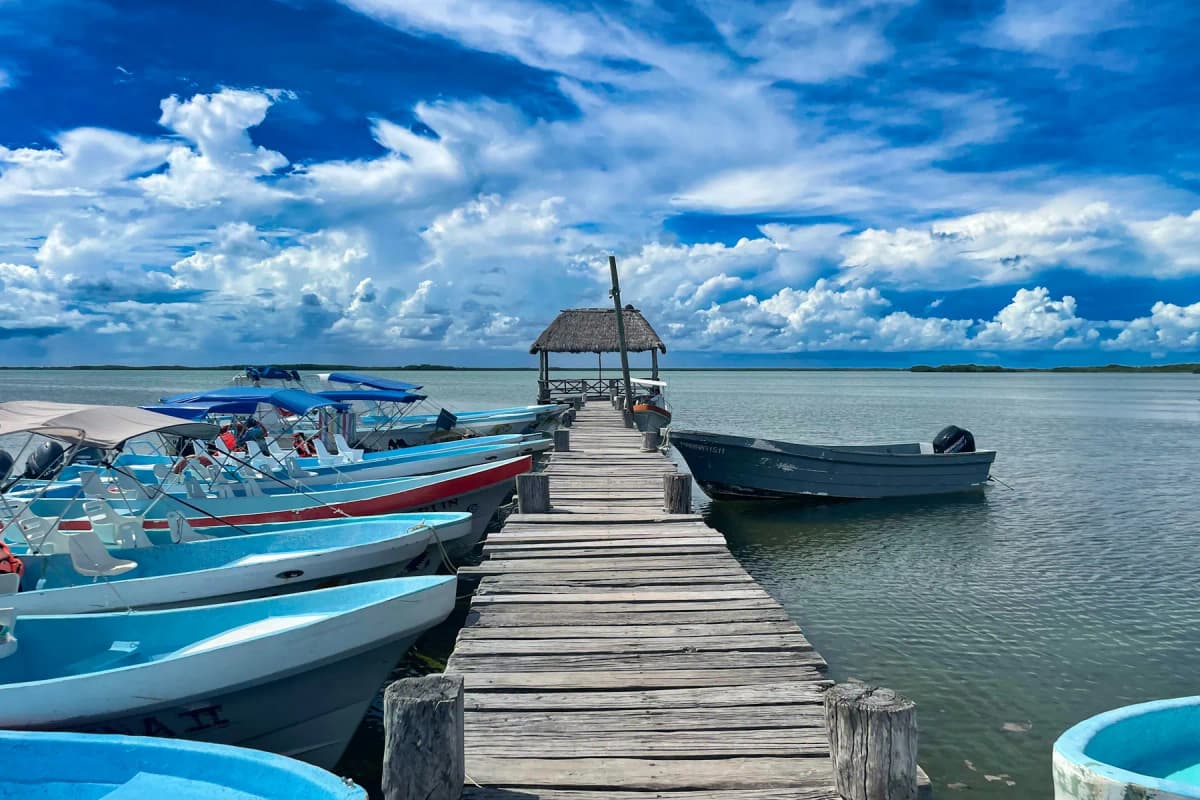 Photo: Sylvia Kania on Unsplash
The road into the reserve is rough and slow, so most visitors go on a guided tour. You can compare Tulum tours, including Sian Ka'an trips, before you go.
10. Muyil ruins and the Maya canals
Muyil, also called Chunyaxché, is a quiet Maya site south of Tulum, on the edge of Sian Ka'an. After the ruins, you can take a boat across the lagoons and float down an ancient canal the Maya are believed to have used for trade, drifting with the current in a life jacket. There are separate fees for the site and the boat.
11. Kaan Luum lagoon
Kaan Luum is a shallow, turquoise lagoon south of town with a deep, dark-blue cenote in its centre. You can wade and swim in the shallows, and a wooden pier leads out over the water. It's calmer than the beaches and easy to combine with Muyil.
Day trips from Tulum
12. Cobá and the Nohoch Mul pyramid
Cobá is a large Maya city in the jungle, about 45 km northwest of Tulum. Its ruins are spread over several kilometres of forest paths, so most people rent a bike or take a tricycle taxi between the groups of buildings. The highlight is Nohoch Mul, the tallest pyramid in the area. It was closed to climbing for several years, and reopened in December 2025 with a staircase built over the original steps, according to Mexican press reports. Entry was around 90 to 100 pesos in 2026; check for any additional fees. Combine it with the cenotes on the Cobá road.
13. Swim with sea turtles at Akumal
Akumal, about 25 km north of Tulum, is a sheltered bay where green sea turtles feed on the sea grass. Swimming with them is one of the best experiences on this coast, but it's regulated to protect the turtles: expect marked swimming areas, life jackets and rules about how close you can get. The rules and fees have changed over the years, so check them when you arrive. Never touch or chase the turtles.
14. Snorkel at Tankah and Soliman Bay
North of Tulum, Tankah Bay and Soliman Bay are quiet, shallow bays protected by the reef, with calmer water than the open beaches. They're good for snorkelling and kayaking, and part of the Mesoamerican Reef, the largest reef system in the Western Hemisphere. Access is through a few hotels and public points along the road.
In and around town
15. Cycle between town and the beach
Tulum is flat, and a bike is one of the best ways to get between the town, the beach and the ruins. Bikes are easy to rent in town and at many hotels. There's a cycle lane along much of the road to the beach, but ride with care at night and use lights.
16. Eat in Tulum Pueblo
Tulum Pueblo, the town, is where to eat well for less. Look for taquerías serving cochinita pibil (slow-cooked pork, a Yucatán speciality), tacos al pastor, and seafood such as ceviche. Prices in town are usually much lower than in the beach restaurants.
17. A beach club in the Hotel Zone
The Hotel Zone, the road along the beach south of the ruins, is lined with boutique hotels, restaurants and beach clubs. Many clubs let non-guests use their loungers in exchange for a minimum spend on food and drinks, which can be high. Ask about the minimum spend before you sit down.
18. A temazcal ceremony
A temazcal is a traditional sweat lodge ceremony with roots in pre-Hispanic Mexico, led by a guide, and it's offered at many wellness centres and hotels in Tulum. If you have a heart condition, high blood pressure or are pregnant, check with a doctor first.
Longer day trips
19. Day trip to Chichén Itzá and Valladolid
Chichén Itzá, the most famous Maya site in Mexico and a UNESCO World Heritage Site, is about two to two and a half hours from Tulum by road. Its stepped pyramid, El Castillo (the Temple of Kukulcán), is one of the most recognisable buildings in the Americas. Most day trips combine it with Valladolid, a colonial town with pastel streets and a cathedral, and a swim in a cenote such as Ik Kil or Suytun. Go early, as the site is very busy and hot by midday. Entry fees have risen several times in recent years, so check the current price before you go.
20. Bacalar, the lagoon of seven colours
Bacalar, about two and a half to three hours south of Tulum, is a long freshwater lagoon famous for its bands of blue. It's a long day trip, so it's better as one or two nights at the end of a trip. Kayaking, paddleboarding and boat trips are the main activities.
How much do things cost in Tulum?
| What | Price in 2026 |
|---|---|
| Tulum archaeological zone and Parque del Jaguar | 265 pesos in total for foreign visitors |
| Gran Cenote | Around 500 pesos, cash |
| Cobá | Around 90 to 100 pesos |
| Smaller cenotes | Usually less than the big ones, cash |
| Quintana Roo tourist tax (Visitax) | Around 283 to 285 pesos per visitor |
The Visitax is a tourist tax charged by the state of Quintana Roo to foreign visitors, and you pay it online before you leave. Use only the official site at visitax.gob.mx, as copycat sites charge extra. Prices for cenotes and smaller sites change often, so bring more cash in pesos than you think you'll need.
Getting to and around Tulum
- From Cancún Airport: Tulum is about 130 km south of Cancún. You can take the Tren Maya, an ADO bus or a pre-booked private transfer from Cancún Airport. Our guide to getting from Cancún to Tulum compares every option.
- Tulum's own airport (Felipe Carrillo Puerto International, TQO) opened in December 2023 and is closer to town.
- Around town: bikes, taxis and colectivos (shared vans along the main highway). Agree on a taxi fare before you get in.
- A rental car makes the cenotes, Cobá and Sian Ka'an much easier.
- Stay connected: a Mexico eSIM is useful for maps and taxi apps from the moment you land.
Practical tips
- Bring pesos: many cenotes, the ruins windows and small restaurants are cash only.
- Use biodegradable sunscreen, or none: cenotes ban sunscreen, and reef-safe products are better for the coast.
- Start early: the ruins, Gran Cenote and Akumal are all much better before 10am.
- Pack insect repellent: mosquitoes can be fierce in the jungle and at dusk, but don't wear it in cenotes.
- Check the safety advice: when we checked, the US State Department's advice for Quintana Roo was at Level 2, "exercise increased caution". Read the current advice for your country before you travel.
- Get travel insurance: cover that includes medical treatment is worth having, especially if you're diving or snorkelling.
Frequently asked questions
What is Tulum best known for? Tulum is best known for its Maya ruins on a cliff above the Caribbean, its white-sand beaches and the cenotes in the surrounding jungle. It's also known for boutique hotels, beach clubs and wellness retreats.
How many days do you need in Tulum? Three to four days is enough to see the ruins, swim in several cenotes, spend time on the beach and take one or two day trips, such as Sian Ka'an or Cobá. With a week you can add Chichén Itzá, Akumal and Bacalar.
How much does it cost to enter the Tulum ruins? Since 20 July 2026, foreign visitors pay 100 pesos for Parque del Jaguar and 165 pesos for the archaeological zone, so 265 pesos (about US$14) in total. Bring pesos.
What is the best cenote in Tulum? Gran Cenote is the most popular and the easiest to visit. Casa Cenote is best for snorkelling in a mangrove channel, Cenote Calavera is the most fun for jumping in, and Dos Ojos is the best for divers.
Can you swim at the Tulum ruins? The small beach below the ruins has been closed at times, so check on the day. Playa Paraíso, just south of the ruins, is a good alternative.
Is Tulum worth visiting? Yes, for the combination of ruins, beaches and cenotes in one place. It can be expensive, especially in the Hotel Zone, and the beaches can be affected by sargassum in summer, so plan your timing.
How we researched this guide
The Tulum entry fees come from the July 2026 decree published in Mexico's Diario Oficial de la Federación, as reported by Riviera Maya News and the Tulum Times, which we checked in October 2026. Cobá's reopening for climbing comes from Mexican press reports from December 2025. The Gran Cenote and Cobá prices are from recent visitor reports, not official sources, so treat them as a guide. The Visitax information comes from the official Visitax site, Sian Ka'an's status from the UNESCO World Heritage list, and the safety level from the US State Department's Mexico travel advisory. Prices in Tulum change often, so check before you go. Found something out of date? Let us know.
Ready to plan? Pick a base with our guide to where to stay in Tulum, choose your dates with the best time to visit Tulum, plan your arrival with our guide to getting from Cancún to Tulum, or browse all our Mexico guides.