3 Days in Istanbul: The Perfect Istanbul Itinerary (2026)
October 20, 2026 · Turkey
This post contains affiliate links. We may earn a commission if you book through them, at no extra cost to you. Disclaimer.
Three days is the right amount of time for a first visit to Istanbul. Spend day one in Sultanahmet for Hagia Sophia, the Blue Mosque and Topkapı Palace, day two on the bazaars, Süleymaniye Mosque and a ferry up the Bosphorus, and day three on the Galata side and across the water in Kadıköy on the Asian shore. Two days covers the headline sights in a rush; four or five lets you add Dolmabahçe Palace, Balat and the Princes' Islands.
The plan below is built around the days each place closes, which is the thing that trips most visitors up: Topkapı Palace closes on Tuesdays, Dolmabahçe on Mondays and the Grand Bazaar on Sundays. Every price is for foreign visitors in 2026, checked against official sources where we could find them.
Istanbul itinerary at a glance
| Day | Area | Main sights | Evening |
|---|---|---|---|
| 1 | Sultanahmet | Hagia Sophia, Blue Mosque, Hippodrome, Topkapı Palace | Dinner in Sultanahmet or Sirkeci |
| 2 | Old city and the Bosphorus | Grand Bazaar, Süleymaniye Mosque, Spice Bazaar, ferry on the Bosphorus | Sunset from the water or Galata Bridge |
| 3 | Galata and the Asian side | Galata Tower, Karaköy, İstiklal Avenue, ferry to Kadıköy and Moda | Dinner and drinks in Kadıköy |
| 4 (optional) | Along the Bosphorus | Dolmabahçe Palace, Ortaköy, Balat and Fener | Rooftop or meyhane |
| 5 (optional) | Day trip | Princes' Islands | Back in town for a late dinner |
Before you start: buy an Istanbulkart at a machine in any tram, metro or ferry station. It's the rechargeable card used across the city's public transport, and a single ride costs about 42 TL in 2026. You'll use it on the T1 tram and the ferries every day of this itinerary.
How many days in Istanbul?
How many days you need in Istanbul depends on how much of the city beyond the old centre you want to see.
- 1 day: enough for Hagia Sophia, the Blue Mosque and either Topkapı or the Grand Bazaar. You'll leave feeling you missed most of the city.
- 2 days: Sultanahmet on day one, the bazaars and a Bosphorus ferry on day two. The Galata side gets an evening at most.
- 3 days: the sweet spot for a first visit. You see the old city properly, get out on the water and spend a day on the more modern, livelier side of Istanbul, including the Asian shore.
- 4 to 5 days: add Dolmabahçe Palace, the Bosphorus villages, Balat and Fener, the Chora Mosque and a day on the Princes' Islands without rushing.
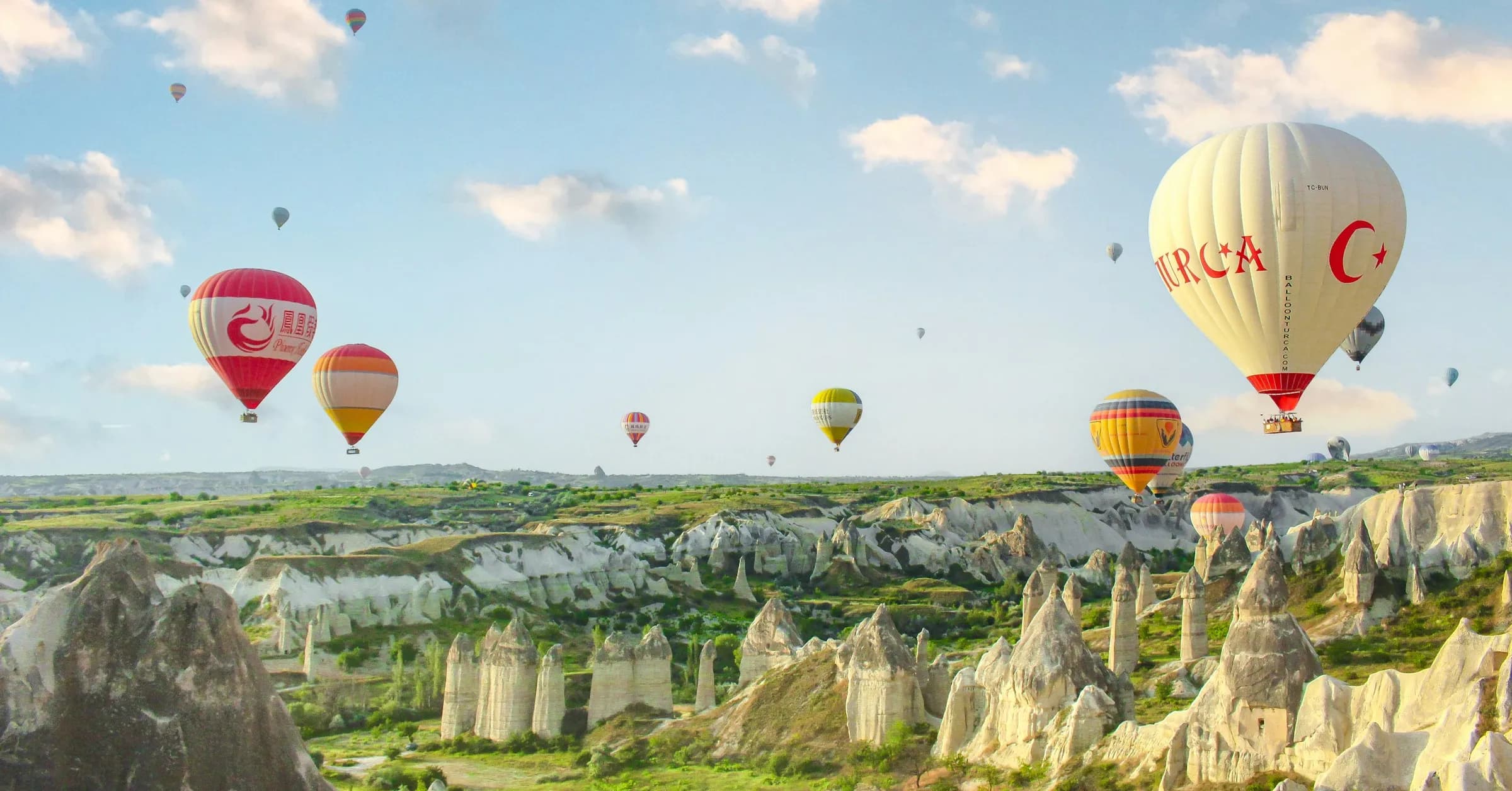
- A week: time for slower days and a side trip further into Turkey, such as Cappadocia.
If you're combining Istanbul with the rest of Turkey, three full days in the city before you fly or take the bus onwards works well. See our guide to the best time to visit Turkey to plan which regions to pair with it.
Day 1: Sultanahmet, the old city
Day one is the big sightseeing day. Everything is within walking distance of the Sultanahmet tram stop, so you won't need transport once you arrive. Avoid doing this day on a Tuesday, when Topkapı is closed.
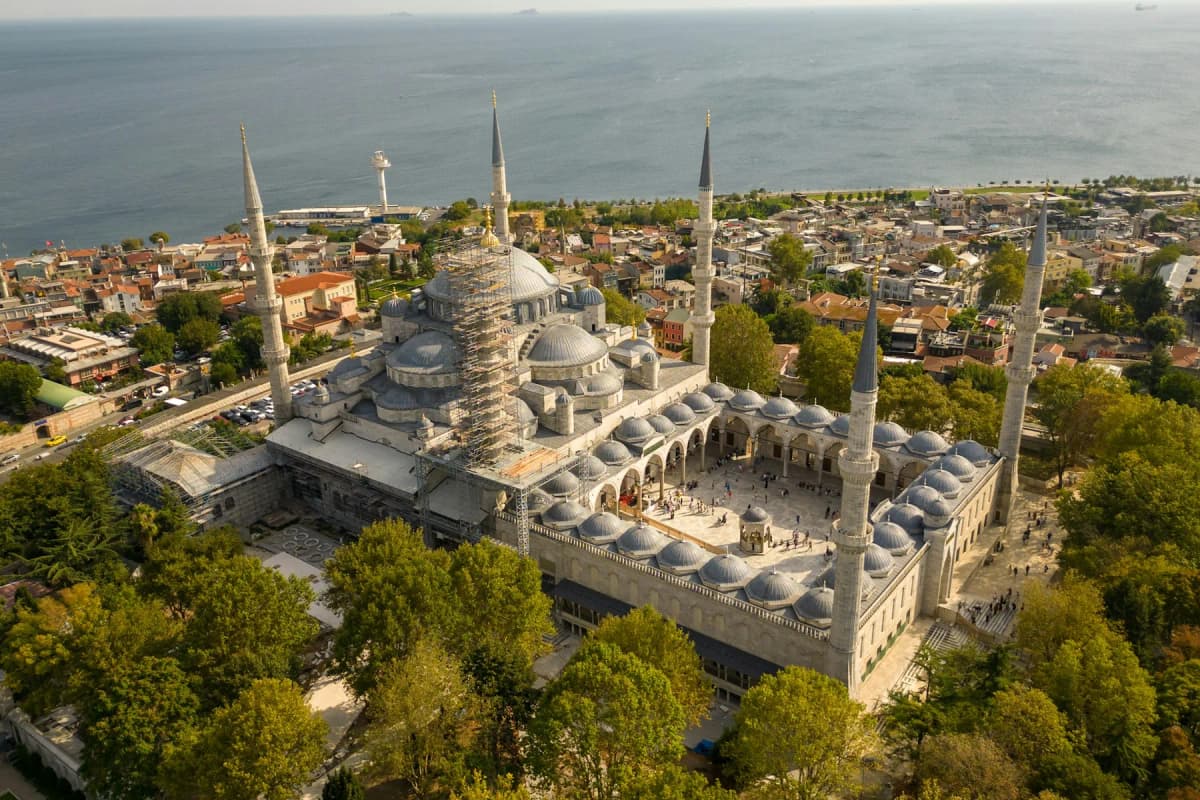 Photo: Aleksandr Galichkin on Unsplash
Morning: Hagia Sophia and the Blue Mosque
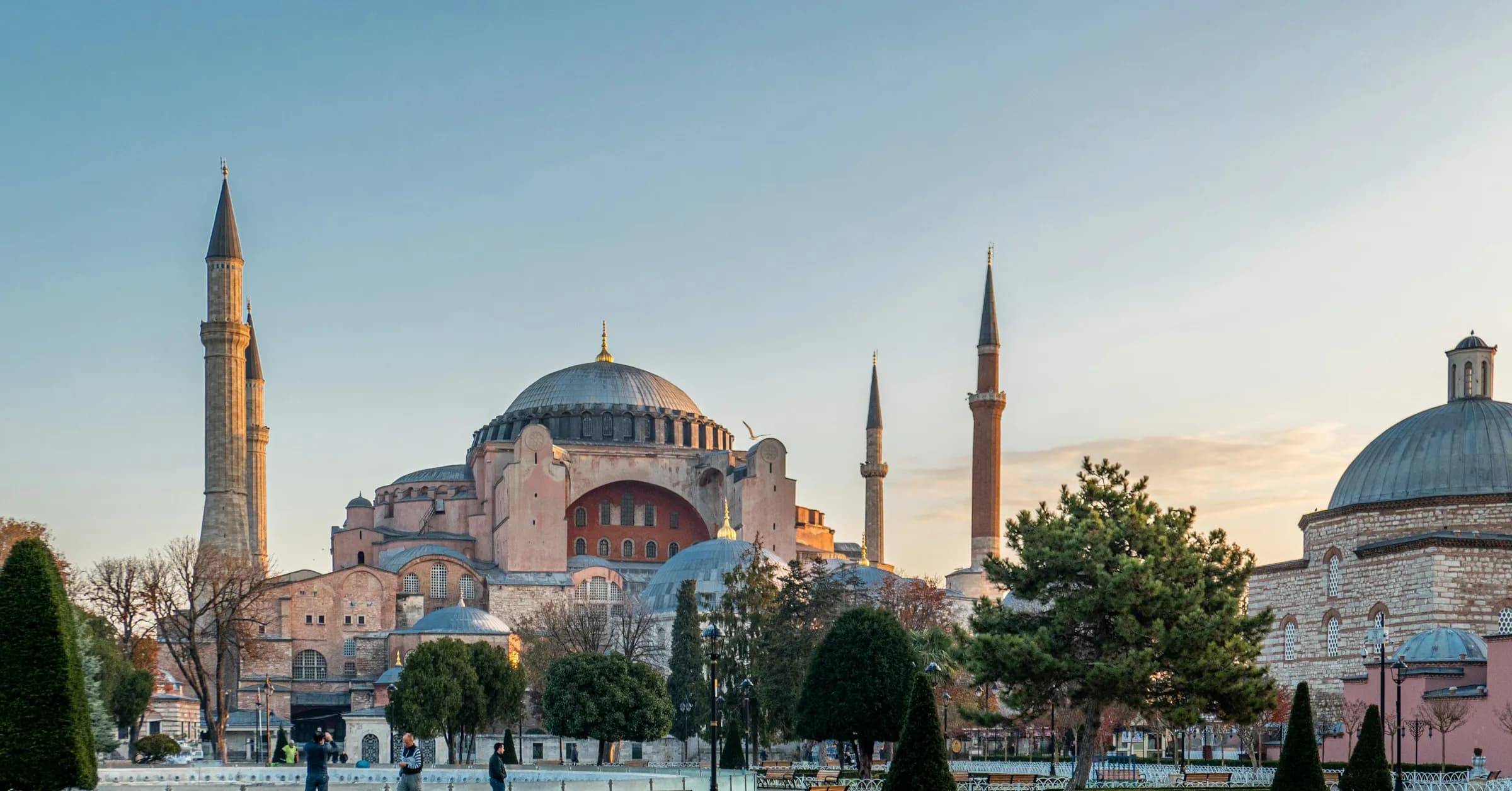
Start early at Hagia Sophia. It was completed in 537 as a church, became a mosque in 1453, a museum in 1934 and a mosque again in 2020. Since January 2024 foreign visitors enter through a separate route to the upper gallery and pay €25, while worshippers use the ground floor. Arrive before the doors open to beat the tour groups, and check prayer times, as visits pause during prayers. To skip the ticket queue (but not security), you can book a Hagia Sophia ticket online at a mark-up.
Then cross the park to the Blue Mosque (Sultan Ahmed Mosque, finished in 1616), which is free. It's famous for its six minarets and the blue İznik tiles that give it its nickname. It closes to visitors during the five daily prayers, with the longest closure around Friday midday, so time your visit between them. Cover your shoulders and knees, and women should bring a scarf; scarves are usually available at the entrance.
Midday: the Hippodrome and the Basilica Cistern
Right next to the Blue Mosque is the Hippodrome, the old Byzantine chariot-racing ground, now a long square with an Egyptian obelisk and the bronze Serpent Column. It takes 15 minutes and costs nothing.
The Basilica Cistern, a sixth-century underground water store held up by 336 columns, is a few minutes' walk away. It changed management in 2026 and closed for a period in June, so check whether it's open and what it costs before you plan around it, or book a skip-the-line ticket ahead. Have lunch nearby: Sultanahmet's restaurants are pricier than elsewhere, but the side streets towards Sirkeci are better value.
Afternoon: Topkapı Palace
Give Topkapı Palace the whole afternoon. This was the home and seat of the Ottoman sultans for almost 400 years, laid out as a series of courtyards above the point where the Bosphorus meets the Golden Horn. The 2,750 TL combined ticket includes the Harem, which is worth it for its tiled rooms. Allow at least three hours, and don't miss the terraces in the fourth courtyard, which have some of the best views in the city. A Topkapı skip-the-line ticket with an audio app saves queuing at the ticket office.
Evening
Eat in Sultanahmet or walk down to Sirkeci, then head to a rooftop terrace for the floodlit domes. If you have energy left, the Galata Bridge is a 15-minute walk away and lively after dark.
Day 1 tips: Topkapı closes on Tuesdays. The Museum Pass Istanbul (about €105 in 2026) covers Topkapı, the Harem and several other museums, but not Hagia Sophia's gallery fee, so do the maths before you buy it.
Day 2: the bazaars, Süleymaniye and the Bosphorus
Day two moves from the covered markets to the water. Don't do this day on a Sunday, when the Grand Bazaar is closed.
Morning: the Grand Bazaar
Take the T1 tram one stop to Beyazıt or walk 15 minutes to the Grand Bazaar, one of the oldest and largest covered markets in the world, with thousands of shops under its painted vaults. It's free to wander. Go in the morning, when it's calmer, and bargain politely if you buy anything: carpets, lamps, ceramics and textiles are the classics.
Late morning: Süleymaniye Mosque
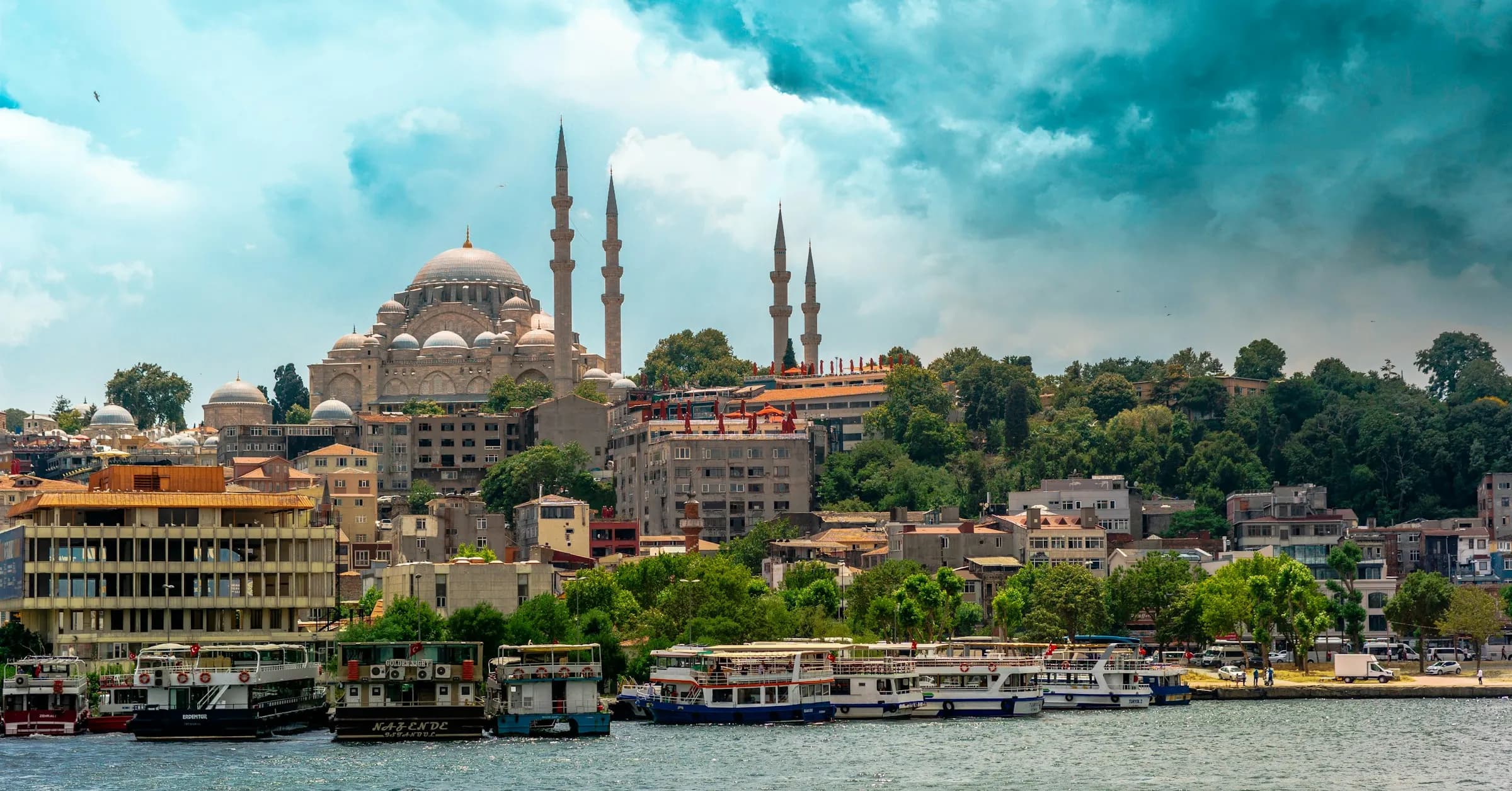
Walk uphill from the bazaar to Süleymaniye Mosque, built in the 1550s by the great Ottoman architect Mimar Sinan for Suleiman the Magnificent. It's free, quieter than the Blue Mosque and many visitors find it more impressive. The garden terrace behind it looks over the Golden Horn. The streets around it are known for fasulye, Turkish white bean stew, which makes an easy, cheap lunch.
Afternoon: the Spice Bazaar and a Bosphorus ferry
Walk down through the market streets to the Spice Bazaar at Eminönü, smaller and more manageable than the Grand Bazaar, for Turkish delight, spices, dried fruit and tea. Next door is the New Mosque (Yeni Cami), and in front of it the ferry piers.
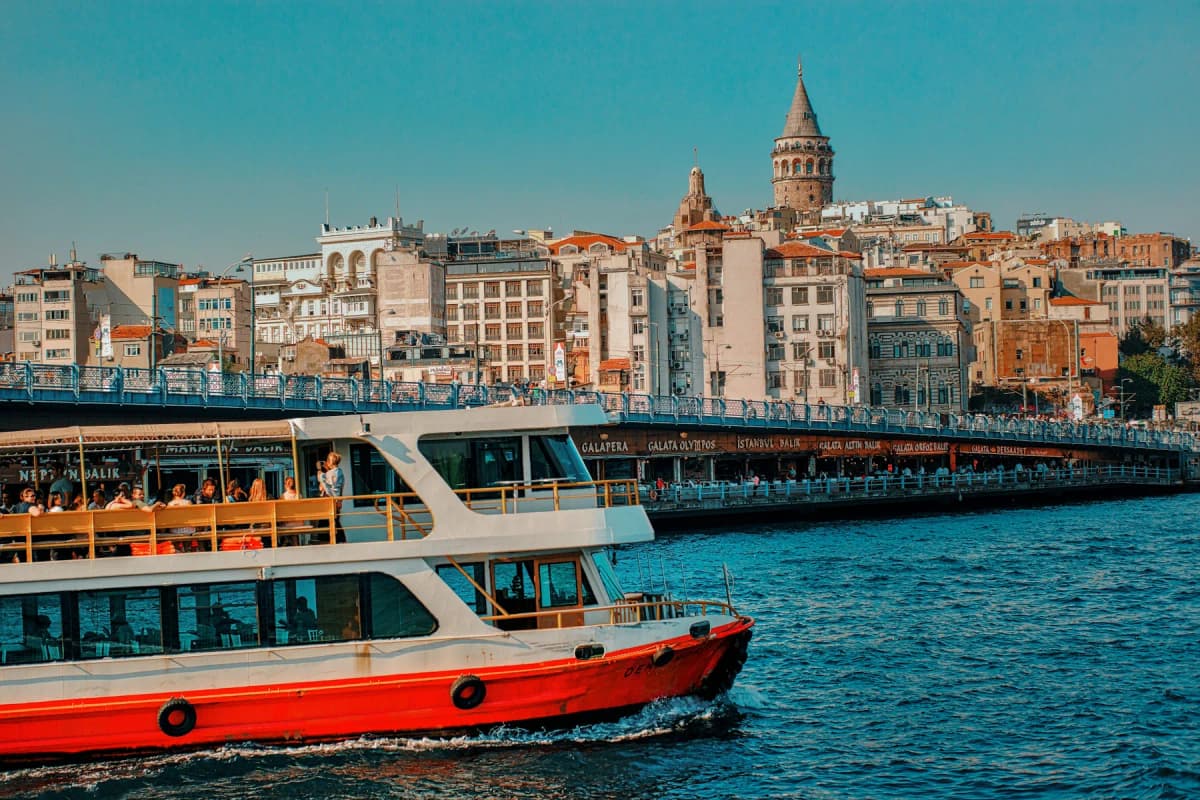 Photo: Ibrahim Uzun on Unsplash
From Eminönü, take a ferry up the Bosphorus. You have two options:
- The public Bosphorus tour run by the city ferry company Şehir Hatları, which goes up the strait and back. Times and fares change by season, so check the Şehir Hatları timetable on the day.
- A regular commuter ferry on your Istanbulkart, for example to Üsküdar on the Asian side. It's shorter and cheaper and still gives you the classic view of the skyline from the water.
Private cruises leave from the same area if you'd rather have a fixed time and commentary. To book ahead, Klook sells a Bosphorus sunset cruise with a live guide; check the departure pier when you book.
Evening
Back at Eminönü, walk across the Galata Bridge at sunset, when the old city's mosques turn gold behind you. Fish restaurants sit under the bridge, and the street stalls by the water sell balık ekmek (grilled fish sandwiches).
Day 3: Galata, Beyoğlu and Kadıköy
On day three you switch sides. Galata and Beyoğlu, across the Golden Horn, are the modern centre of the city; Kadıköy, a short ferry ride away in Asia, is where many Istanbulites go out.
Morning: Galata Tower and Karaköy
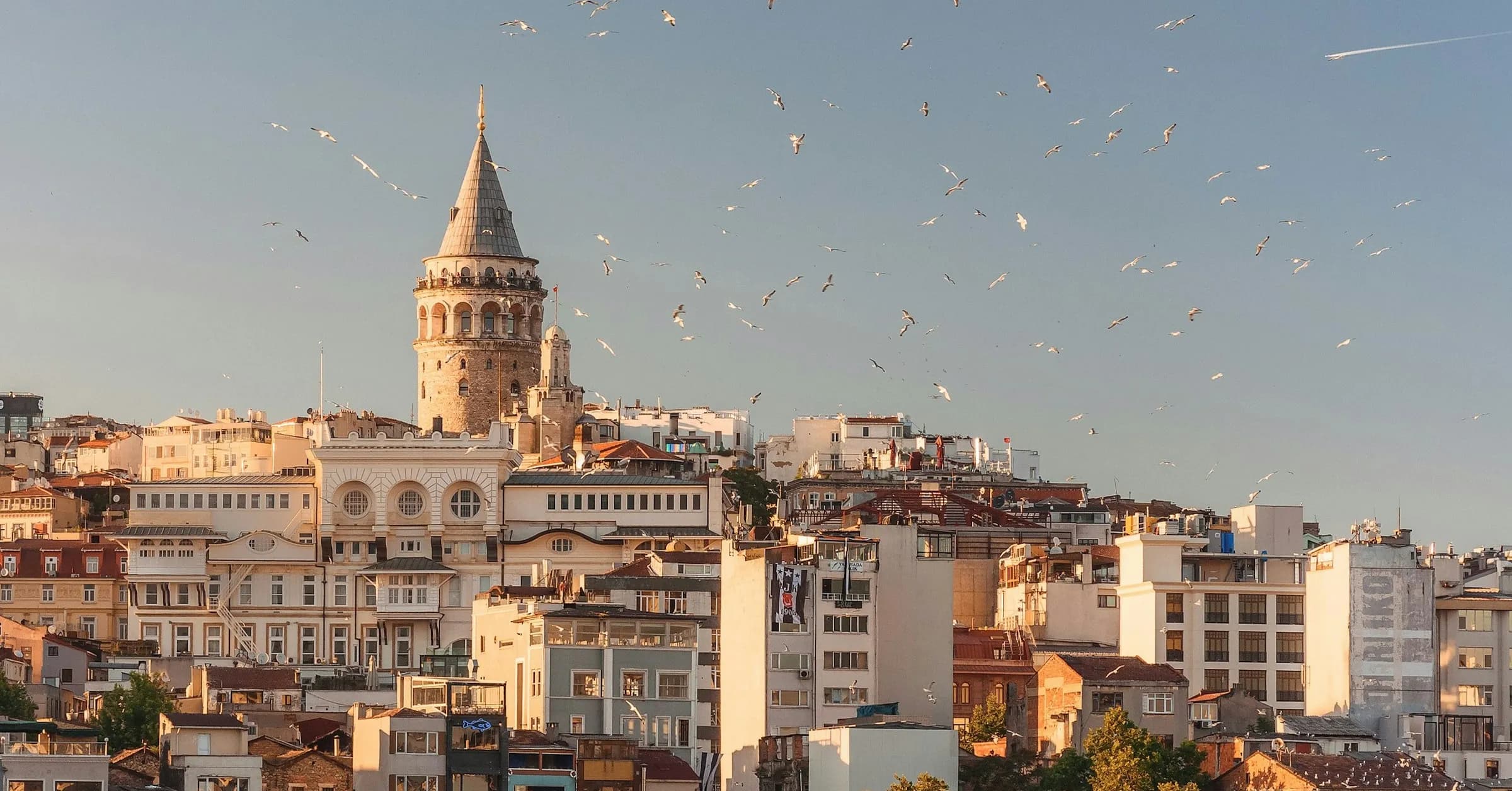
Take the T1 tram to Karaköy and walk up to Galata Tower, a 14th-century Genoese tower with a 360-degree balcony at the top. Foreign visitors pay around €30 in 2026, and queues build fast, so go at opening time. If you'd rather not pay, the tower looks just as good from the surrounding streets, and some of the best views of it are from the rooftop cafés nearby.
Walk back down through Karaköy for breakfast or coffee. It's one of the city's best food neighbourhoods, with old warehouses turned into cafés and a waterfront promenade.
Midday: İstiklal Avenue
Ride the historic funicular, the Tünel, from Karaköy up to the top of İstiklal Avenue, a long pedestrian street of shops, churches and arcades that runs to Taksim Square. The red nostalgic tram runs along it. Detour into the side streets of Cihangir and Çukurcuma for antique shops and cafés. Keep an eye on your bag; İstiklal is one of the busiest streets in the city and attracts pickpockets.
Afternoon and evening: across to Kadıköy
Head back down to Karaköy or Eminönü and take a ferry to Kadıköy. The crossing to Asia takes about 20 minutes and costs one Istanbulkart fare. Walk through the Kadıköy market streets for meze, pickles, baklava and fish, then follow the seafront south to Moda, a leafy neighbourhood with a waterfront park that's popular at sunset. Stay for dinner: Kadıköy's restaurants and bars are some of the best value in Istanbul, and the ferries run back to the European side until late.
Day 4 (optional): Dolmabahçe, Ortaköy, Balat and Fener
With a fourth day, see the 19th-century side of Istanbul and its most photogenic old neighbourhood.
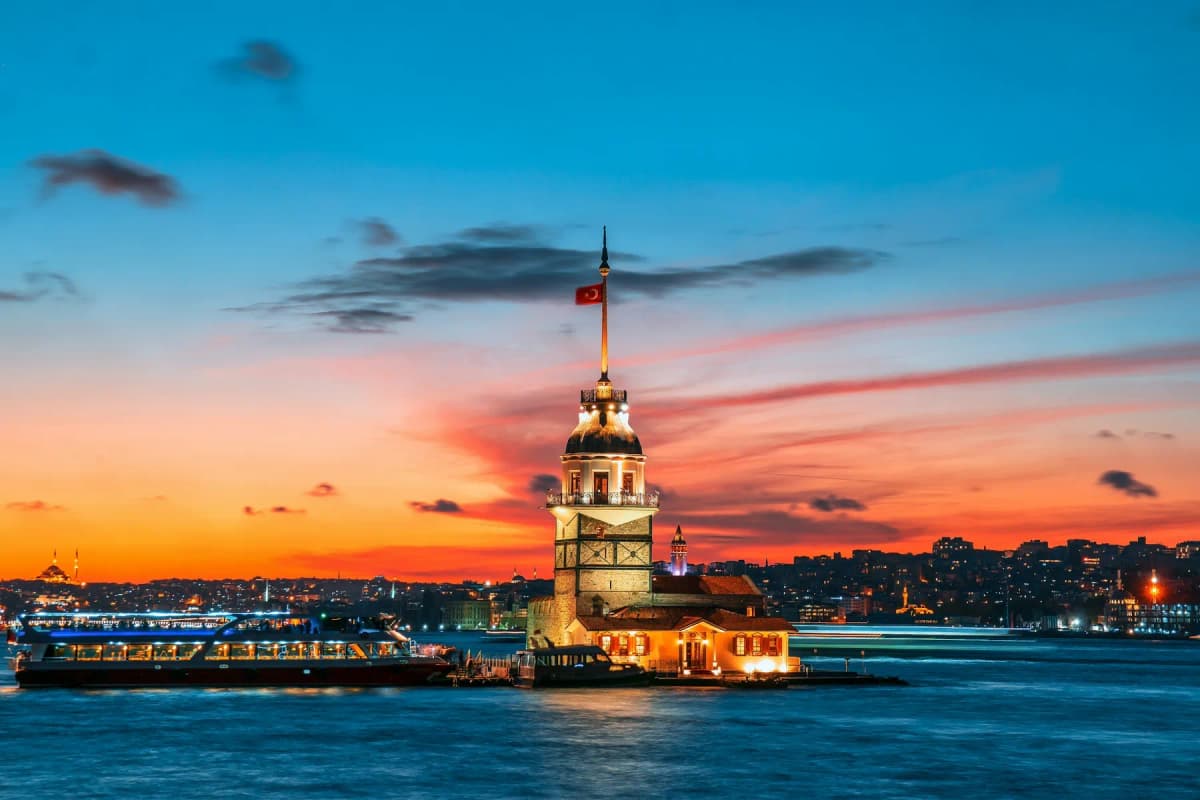 Photo: Ibrahim Uzun on Unsplash
- Dolmabahçe Palace (closed Mondays; 2,000 TL for foreign visitors): the European-style palace the sultans moved to from Topkapı in the 1850s, with a huge crystal chandelier and gardens on the Bosphorus. Entry is by timed visit, so arrive early.
- Ortaköy: a waterfront square beside a small baroque mosque, right under the first Bosphorus Bridge. Try a kumpir (stuffed baked potato) from the stalls.
- Balat and Fener: the colourful, hilly old neighbourhoods on the Golden Horn, with Greek, Jewish and Armenian heritage, steep streets of painted houses and plenty of cafés. Go in the afternoon and end with sunset.
- The Maiden's Tower (Kız Kulesi): the small tower on an islet off Üsküdar is the city's favourite sunset view. Watch from the Üsküdar shore with a tea.
Day 5 (optional): the Princes' Islands
The Princes' Islands are a chain of car-free islands in the Sea of Marmara, a ferry ride from the city. Büyükada is the largest, with wooden mansions, pine woods and seafood restaurants; you can walk, cycle or take the small electric buses. Public ferries leave from Kabataş, Eminönü and Bostancı. It's a full day, and summer weekends are very busy.
Where to stay for this itinerary
For three days, staying in Sultanahmet or Sirkeci puts you in walking distance of day one and day two. If you'd rather have restaurants and nightlife on your doorstep, Karaköy or Galata are a short tram ride from the old city and make day three easier. Our guide to where to stay in Istanbul compares eight areas by atmosphere, transport and noise.
Getting around Istanbul
- From the airport: Istanbul Airport (IST) is a long way from the centre, around an hour or more by road depending on traffic. Many visitors pre-book a fixed-price airport transfer rather than negotiating with drivers on arrival. There are also airport buses and a metro line.
- The T1 tram links Sultanahmet, Sirkeci, Eminönü, Karaköy and Kabataş, so it covers most of this itinerary.
- Ferries are the best way to cross between Europe and Asia and are cheap on the Istanbulkart.
- Taxis are useful at night, but insist on the meter or use an app. Our guide to whether Istanbul is safe for Americans covers the common taxi tricks.
Istanbul itinerary tips
- Plan around closing days: Topkapı on Tuesdays, Dolmabahçe on Mondays and the Grand Bazaar on Sundays. Swap days one and two if needed.
- Start early: queues at Hagia Sophia, Topkapı and Galata Tower grow quickly after mid-morning.
- Check prayer times: mosques close to visitors during prayers, especially around Friday midday.
- Carry your passport: Turkish law requires you to carry photo ID.
- Get insurance: travel insurance with medical cover is worth having, as private hospitals in Istanbul can be expensive.
- Check before you rely on an eSIM: the UK government notes that some eSIM services are restricted in Turkey.
Frequently asked questions
How many days do you need in Istanbul? Three days is ideal for a first visit. It covers Sultanahmet's monuments, the bazaars, a Bosphorus ferry, the Galata side and Kadıköy on the Asian shore. With four or five days you can add Dolmabahçe Palace, Balat and Fener and the Princes' Islands.
Is 2 days in Istanbul enough? Two days is enough for the highlights if you're organised: Hagia Sophia, the Blue Mosque and Topkapı on day one, then the Grand Bazaar, Süleymaniye and a ferry on day two. You'll miss the Galata side and the Asian shore, which are a big part of the city's character.
What is the best order to see Istanbul's sights? Do Sultanahmet first, as it has the most important monuments and the longest queues. Then the bazaars and the Bosphorus, then the Galata side and Kadıköy. Move days around so you avoid Topkapı on a Tuesday and the Grand Bazaar on a Sunday.
Is 3 days in Istanbul too much? No. Many visitors find three days isn't enough. Istanbul is one of the largest cities in Europe, and three days only covers the central areas.
What should I not miss in Istanbul? Hagia Sophia, the Blue Mosque, Topkapı Palace, the Grand Bazaar, a ferry on the Bosphorus and an evening in Kadıköy. For the full list, see our guide to the best things to do in Istanbul.
How we researched this guide
This itinerary is built from the sights, prices and closing days in our guide to the best things to do in Istanbul. Ticket prices and closing days for Topkapı and Dolmabahçe come from the official site of Turkey's Presidency of National Palaces, checked in October 2026. The Hagia Sophia fee comes from Turkish press reports of the ministry's January 2024 decision. The Galata Tower and Museum Pass prices are from 2026 travel guides, not official pages, and the Istanbulkart fare is from Turkish press reports of the February 2026 fare decision. Ferry information comes from the city ferry operator Şehir Hatları. Safety and ID advice comes from the UK Foreign Office. Prices in Turkey change often, so always check before you go. Found something out of date? Let us know.
Ready to plan? Pick a base with our guide to where to stay in Istanbul, see every sight in the best things to do in Istanbul, check the weather in our best time to visit Turkey guide, or browse all our Turkey guides.