When Is the Best Time to Visit Turkey? Month by Month (2026)
October 20, 2026 · Turkey

This post contains affiliate links. We may earn a commission if you book through them, at no extra cost to you. Disclaimer.
The best time to visit Turkey is from April to May and from September to October. Those months bring warm, mostly dry days across Istanbul, Cappadocia and the coast, without the 35°C heat and peak-season crowds of July and August. If you're mainly after a beach holiday, go from June to September, when the Mediterranean and Aegean coasts are reliably hot and sunny. Winter, from November to March, is cheap and quiet in Istanbul, but cold and snowy in Cappadocia and wet on the coast.
Turkey is a big country, and the answer changes depending on where you're going. Istanbul has a mild, damp climate, the south coast around Antalya and Fethiye is properly Mediterranean, and Cappadocia sits on a high central plateau with cold winters. This guide uses official climate averages for each region, then goes season by season.
Best time to visit Turkey at a glance
| If you want | Go in | Why |
|---|---|---|
| The best all-round balance | April, May, September, October | Warm days, cooler nights, fewer crowds than summer |
| Sightseeing in Istanbul | April to early June, September to October | Comfortable walking weather, tulips in April |
| Beach holidays | June to September | Hot, dry and sunny on the Mediterranean and Aegean |
| Cappadocia's balloons and hiking | April to June, September to October | Mild days and calmer conditions |
| Snow in Cappadocia | December to February | Frost and snow on the rock formations |
| The lowest prices | November to March (outside holidays) | Low season for hotels, outside Istanbul's Christmas and New Year rush |
Turkey weather by month
These are the official 1991 to 2020 averages from Turkey's state meteorological service, published through the World Meteorological Organization. Highs and lows are daily averages in °C; rainfall is the monthly total in millimetres.
Istanbul
| Month | Average high | Average low | Rainfall | Rain days |
|---|---|---|---|---|
| January | 9°C | 4°C | 74 mm | 10 |
| February | 10°C | 4°C | 77 mm | 10 |
| March | 12°C | 5°C | 61 mm | 9 |
| April | 17°C | 9°C | 47 mm | 7 |
| May | 22°C | 13°C | 33 mm | 4 |
| June | 27°C | 18°C | 31 mm | 4 |
| July | 30°C | 21°C | 19 mm | 2 |
| August | 30°C | 21°C | 23 mm | 3 |
| September | 26°C | 17°C | 43 mm | 5 |
| October | 21°C | 14°C | 75 mm | 7 |
| November | 16°C | 9°C | 70 mm | 8 |
| December | 11°C | 6°C | 88 mm | 11 |
Averages for Istanbul's Florya station, 1991 to 2020.
Antalya, Fethiye, İzmir and Cappadocia
| Month | Antalya (high / rain) | Fethiye (high / rain) | İzmir (high / rain) | Cappadocia (high / low) |
|---|---|---|---|---|
| January | 15°C / 214 mm | 16°C / 174 mm | 13°C / 128 mm | 4°C / -4°C |
| February | 16°C / 111 mm | 17°C / 117 mm | 14°C / 107 mm | 6°C / -3°C |
| March | 19°C / 105 mm | 20°C / 74 mm | 17°C / 78 mm | 11°C / 1°C |
| April | 22°C / 64 mm | 23°C / 50 mm | 21°C / 50 mm | 16°C / 5°C |
| May | 26°C / 40 mm | 27°C / 30 mm | 27°C / 33 mm | 21°C / 9°C |
| June | 32°C / 8 mm | 32°C / 5 mm | 31°C / 13 mm | 26°C / 12°C |
| July | 35°C / 2 mm | 35°C / 1 mm | 34°C / 1 mm | 29°C / 15°C |
| August | 35°C / 2 mm | 35°C / 2 mm | 34°C / 4 mm | 29°C / 15°C |
| September | 32°C / 20 mm | 32°C / 18 mm | 30°C / 21 mm | 25°C / 11°C |
| October | 27°C / 82 mm | 27°C / 73 mm | 25°C / 55 mm | 19°C / 7°C |
| November | 22°C / 148 mm | 22°C / 119 mm | 19°C / 96 mm | 12°C / 2°C |
| December | 17°C / 275 mm | 18°C / 181 mm | 14°C / 126 mm | 6°C / -1°C |
Cappadocia figures are for Nevşehir station. Coastal rain figures are monthly totals.
Three things stand out. The south coast is almost completely dry from June to August and very wet from November to February, with Antalya getting more rain in December alone than in the whole of summer. Cappadocia's nights drop below freezing from December to February. And Istanbul is never as hot as the coast, but it's grey and damp in winter.
Spring: March to May
Spring is one of the two best seasons to visit Turkey, especially for sightseeing.
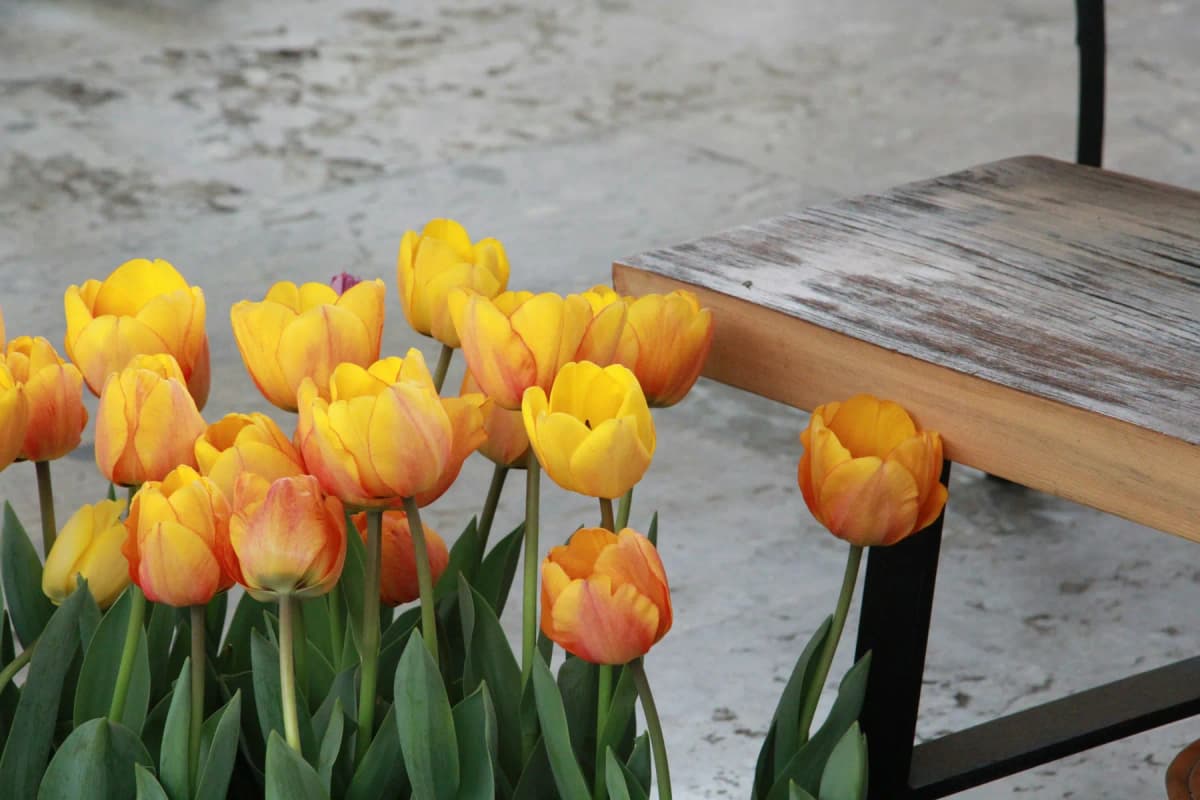 Photo:
- March is still cool and changeable. Istanbul averages 12°C, Cappadocia can still see frost and the sea is too cold for most people to swim. It's a good month for low prices at the ancient sites along the coast, such as Ephesus near İzmir.
- April is when Istanbul comes alive. The city's Tulip Festival fills parks such as Emirgan with millions of tulips, usually through the month, and highs reach 17°C. On the coast, days hit the low 20s, which is perfect for walking around ruins.
- May is arguably the best single month in Turkey. Istanbul reaches 22°C with only around four rainy days, Cappadocia is green and mild, and the coast is warm enough for the beach by the end of the month, with far fewer people than in July.
Holidays to watch in spring 2027: Ramadan is expected to run from about 8 February to 9 March 2027, followed by the three-day Ramazan Bayramı holiday. Kurban Bayramı, the Feast of the Sacrifice, is expected around 16 to 19 May 2027. During the bayram holidays, Turkish families travel in large numbers, so domestic flights, buses and coastal hotels fill up and prices rise. Exact dates depend on the moon sighting, so check closer to the time.
Summer: June to August
Summer is beach season, and it's the busiest and most expensive time to visit Turkey's coast.
- June is hot and dry everywhere. The coast reaches 32°C, the sea is warm, and the crowds haven't hit their peak. It's the best summer month for combining Istanbul with the beach.
- July and August are the peak. Antalya and Fethiye average 35°C, and on the hottest days the heat is much higher. The coastal resorts, Bodrum and the boat trips are at their busiest, and hotel prices are at their highest. Istanbul averages 30°C, which is humid and tiring for long days of sightseeing.
Summer is also when Cappadocia is at its most comfortable for staying up late: days are hot, around 29°C, but the plateau's nights cool down to around 15°C.
If you visit in summer, plan sightseeing for the morning and evening, carry water, and book coastal hotels and the more popular boat trips well ahead.
Autumn: September to November
Autumn is the other sweet spot, and it's the best time for a trip that mixes city, countryside and beach.
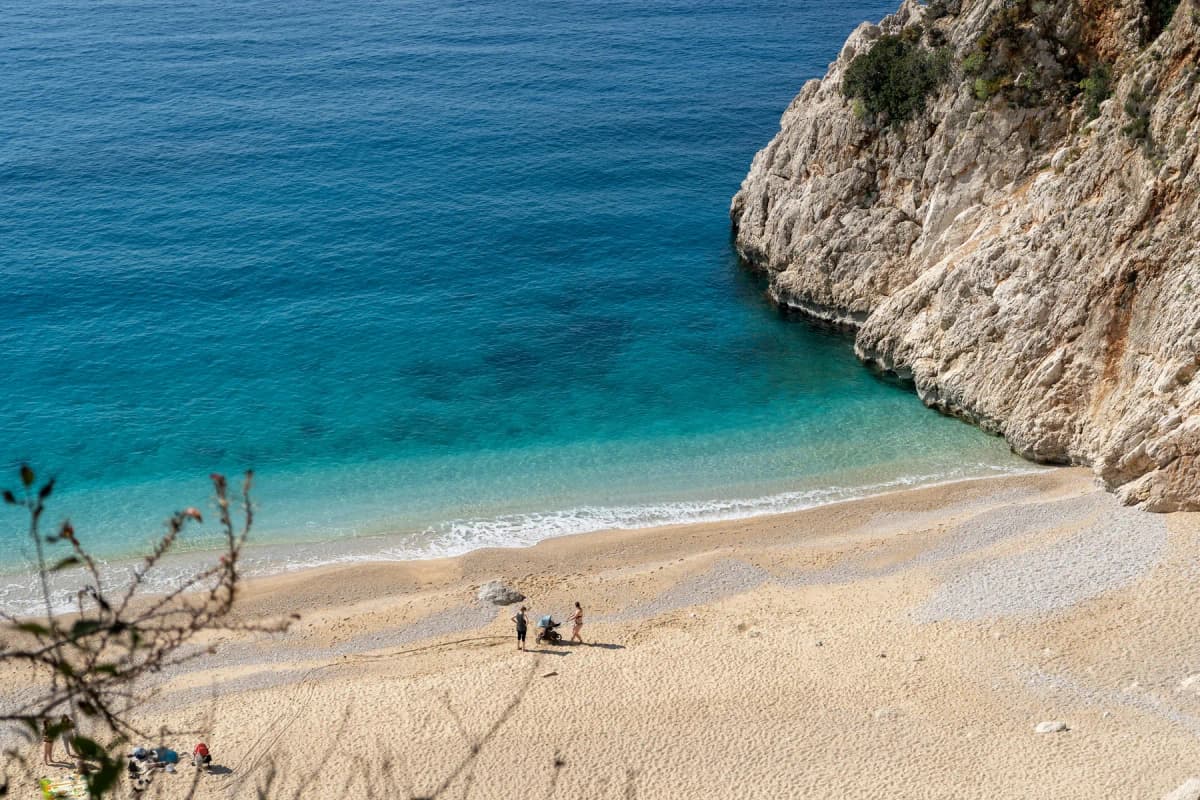 Photo: Aleksandr Kuzmenko on Unsplash
- September is still summer on the coast, with highs of around 32°C and almost no rain, but the school holidays are over and the crowds thin out. The sea is at its warmest after the long summer. Istanbul is pleasant, at around 26°C.
- October is ideal for Istanbul and Cappadocia: Istanbul averages 21°C and Cappadocia 19°C, with clear, crisp mornings for the balloons. The coast is still warm, at around 27°C, and it's usually possible to swim, although the first autumn storms arrive during the month. 29 October is Republic Day, a national holiday with flags and celebrations across the country.
- November marks the change. Rain picks up sharply on the coast, many seasonal resort hotels close, and Istanbul turns cooler and wetter. It's a quiet, cheap month for city breaks.
Winter: December to February
Winter is low season in most of Turkey, and it divides the country.
 Photo:
- Istanbul is cool, around 9 to 11°C by day, and the wettest it gets, with rain on about ten days a month. In return, queues at the big sights are much shorter and hotel prices are lower, apart from the Christmas and New Year period.
- Cappadocia can be magical in the snow, with the rock chimneys and valleys dusted white. Nights are well below freezing, so bring proper warm clothes. Balloons still fly in winter, but cancellations for wind, fog or snow are more common.
- The south and west coasts are mild, at 13 to 17°C, but wet, and most beach resorts are shut. It's a good season for ancient sites such as Ephesus and the Lycian ruins, which you'll have almost to yourself.
The best time to visit Turkey for what you want to do
Beach holidays
June to September is best for the Mediterranean and Aegean coasts. June and September are hot without the August crowds; July and August are the hottest. Late May and early October are good if you can live with cooler water.
Sightseeing in Istanbul
April, May, September and October. Walking between Istanbul's sights is comfortable, and you avoid the summer humidity and the winter rain. If you're planning a trip, see our 3-day Istanbul itinerary.
Cappadocia's hot air balloons
Balloons fly from Cappadocia throughout the year when the weather allows, but flights are cancelled when the wind, fog or rain make it unsafe. Spring and autumn usually offer the best balance of calm mornings and comfortable temperatures. Leave at least two mornings in your plans, in case the first flight is cancelled.
Hiking
April to June and September to October. The Lycian Way along the south coast is too hot in July and August, and the plateau walks in Cappadocia are best when it isn't too hot or icy.
The lowest prices
November to March, outside the Christmas and New Year period and the bayram holidays. Coastal resorts are mostly closed, but Istanbul and Cappadocia are open and much cheaper than in summer.
Festivals and holidays in Turkey
| When | Event | Where |
|---|---|---|
| Early 2027 (expected about 8 February to 9 March) | Ramadan, followed by Ramazan Bayramı | Nationwide |
| April | Istanbul Tulip Festival | Istanbul's parks, especially Emirgan |
| 23 April | National Sovereignty and Children's Day | Nationwide |
| May 2027 (expected about 16 to 19 May) | Kurban Bayramı, the Feast of the Sacrifice | Nationwide |
| 29 October | Republic Day | Nationwide |
| December | Commemoration of Rumi, with whirling dervish ceremonies | Konya |
During Ramadan, most restaurants in tourist areas stay open during the day, but some places close or have shorter hours, and you'll see crowds at sunset for iftar, the meal that breaks the fast. It's polite not to eat or drink conspicuously in public in the more conservative areas during the day.
When not to go to Turkey
- The coast from November to February, if you want a beach holiday. It's wet and most of the resorts are closed.
- Istanbul and the coast in late July and August, if you don't like heat or crowds.
- The bayram holidays, if you're travelling on a budget. Transport and hotels fill up with domestic travellers.
- Cappadocia in midwinter, if you're not prepared for freezing nights and possible balloon cancellations.
Practical tips
- Book summer coastal hotels early: the best places in Fethiye, Kaş and Bodrum fill up months ahead for July and August.
- Pack layers for Cappadocia: even in spring and autumn, balloon mornings start cold.
- Check the bayram dates: they move about 11 days earlier each year, following the Islamic calendar.
- Dress for mosques in every season: cover shoulders and knees, and women should bring a scarf.
- Pre-book your airport transfer: Istanbul Airport is a long way from the centre, and a fixed-price transfer saves haggling after a long flight.
- Get travel insurance: cover with medical treatment included is worth having, as private hospitals in Turkey can be expensive.
Frequently asked questions
What is the best month to visit Turkey? May and September are the best months for most trips. They are warm and mostly dry in Istanbul, Cappadocia and the coast, the sea is warm enough to swim by late May and still warm in September, and the crowds are smaller than in July and August.
What is the cheapest time to visit Turkey? November to March, outside Christmas, New Year and the bayram holidays. Most coastal resorts close in winter, but Istanbul and Cappadocia are open and much cheaper.
Is Turkey too hot in July and August? It can be. Antalya and Fethiye average 35°C in July and August, and Istanbul about 30°C, with high humidity. A beach holiday is fine, but long sightseeing days are hard work. Plan for early mornings and evenings.
When is the best time to visit Istanbul? April to early June and September to October. Highs are between 17 and 26°C, rain is fairly light and the queues are shorter than in summer. April also brings the city's Tulip Festival.
When is the best time to see the balloons in Cappadocia? Balloons can fly all year when the weather allows, but spring and autumn usually have the best mix of calm mornings and comfortable temperatures. Winter flights are cancelled more often.
Is it a good idea to visit Turkey during Ramadan? Yes, with a few adjustments. Sights stay open and most restaurants in tourist areas serve food during the day. Some places have shorter hours, and the evenings are lively around iftar. The bayram holiday at the end of Ramadan is the busiest period for transport.
How we researched this guide
The monthly averages come from the official 1991 to 2020 climate normals for Istanbul (Florya), Antalya, Fethiye, İzmir and Nevşehir, produced by Turkey's state meteorological service and published through the World Meteorological Organization's climate normals, which we checked in October 2026. Holiday dates for 2027 are calculated from the Islamic calendar and may move by a day once the official dates are confirmed. Advice on clothing and mosques is from the UK Foreign Office's travel advice for Turkey. We haven't included sea temperatures, as we couldn't find official monthly figures for each part of the coast. Found something out of date? Let us know.
Ready to plan? Build your city days with our 3-day Istanbul itinerary and the best things to do in Istanbul, choose a base with our guide to where to stay in Istanbul, or browse all our Turkey guides.