20 Best Things to Do in Istanbul (2026 Prices and Tips)
October 18, 2026 · Turkey
This post contains affiliate links. We may earn a commission if you book through them, at no extra cost to you. Disclaimer.
The best things to do in Istanbul are to see Hagia Sophia, the Blue Mosque and Topkapı Palace in the old city of Sultanahmet, get lost in the Grand Bazaar, and take a ferry on the Bosphorus between Europe and Asia. Then cross to the livelier side of the city for Galata Tower and İstiklal Avenue, and over to Kadıköy on the Asian shore for food markets and a more local feel.
Istanbul is huge, but most of its headline sights sit within walking distance of each other in Sultanahmet. This guide covers the 20 things most worth your time, grouped by area, with the 2026 ticket prices we could confirm from official sources, the days each place closes, and the tips that save time in the queues.
Things to do in Istanbul: the quick list
| # | Thing to do | Area | Cost in 2026 |
|---|---|---|---|
| 1 | Hagia Sophia | Sultanahmet | Upper gallery €25 for foreign visitors |
| 2 | The Blue Mosque | Sultanahmet | Free |
| 3 | Topkapı Palace and the Harem | Sultanahmet | 2,750 TL combined ticket (foreign visitors) |
| 4 | The Basilica Cistern | Sultanahmet | Check current price (new management since June 2026) |
| 5 | The Hippodrome | Sultanahmet | Free |
| 6 | The Grand Bazaar | Beyazıt | Free to enter |
| 7 | The Spice Bazaar | Eminönü | Free to enter |
| 8 | Süleymaniye Mosque | Fatih | Free |
| 9 | A Bosphorus ferry | Eminönü and beyond | One Istanbulkart fare |
| 10 | Galata Tower | Galata | Around €30 (foreign visitors) |
| 11 | İstiklal Avenue and the old tram | Beyoğlu | Free to walk |
| 12 | Karaköy's cafés and waterfront | Karaköy | Free |
| 13 | Dolmabahçe Palace | Beşiktaş | 2,000 TL (foreign visitors) |
| 14 | Ortaköy and the Bosphorus Bridge | Ortaköy | Free |
| 15 | Kadıköy market and Moda | Asian side | Free |
| 16 | Balat and Fener | Golden Horn | Free |
| 17 | A traditional hamam | Various | Prices vary |
| 18 | The Chora (Kariye) Mosque | Edirnekapı | Check before you go |
| 19 | The Princes' Islands | Sea of Marmara | Ferry fare |
| 20 | Sunset from a rooftop or the water | Anywhere | Free, or the price of a drink |
If you only have one day, do 1, 2, 3 and 6, and end with a sunset ferry. With three days, add the Galata side, Kadıköy and Dolmabahçe. Our guide to where to stay in Istanbul will help you plan the days around a good base.
Sultanahmet: the old city
Sultanahmet is the historic heart of Istanbul, on the peninsula between the Golden Horn and the Sea of Marmara. It was the centre of Byzantine Constantinople and then of the Ottoman Empire, and its main monuments face each other across a park.
1. Hagia Sophia
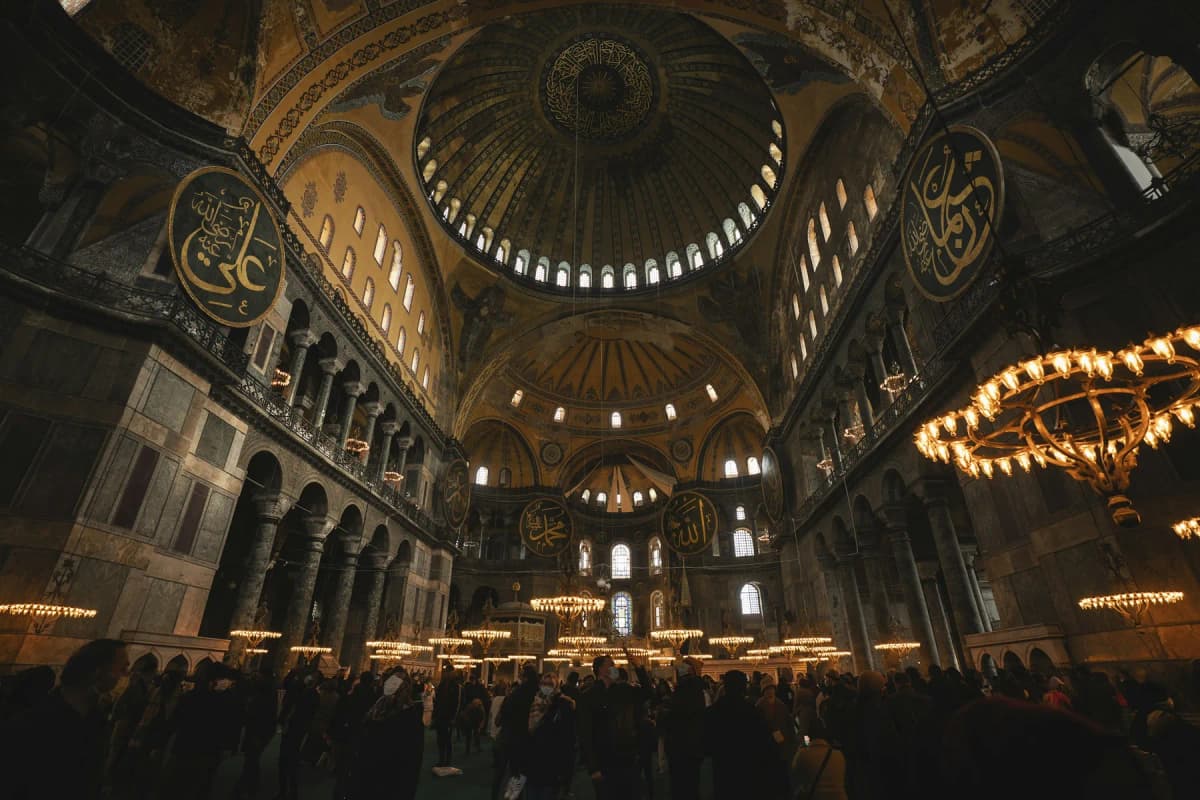 Photo: Husien Bisky on Unsplash
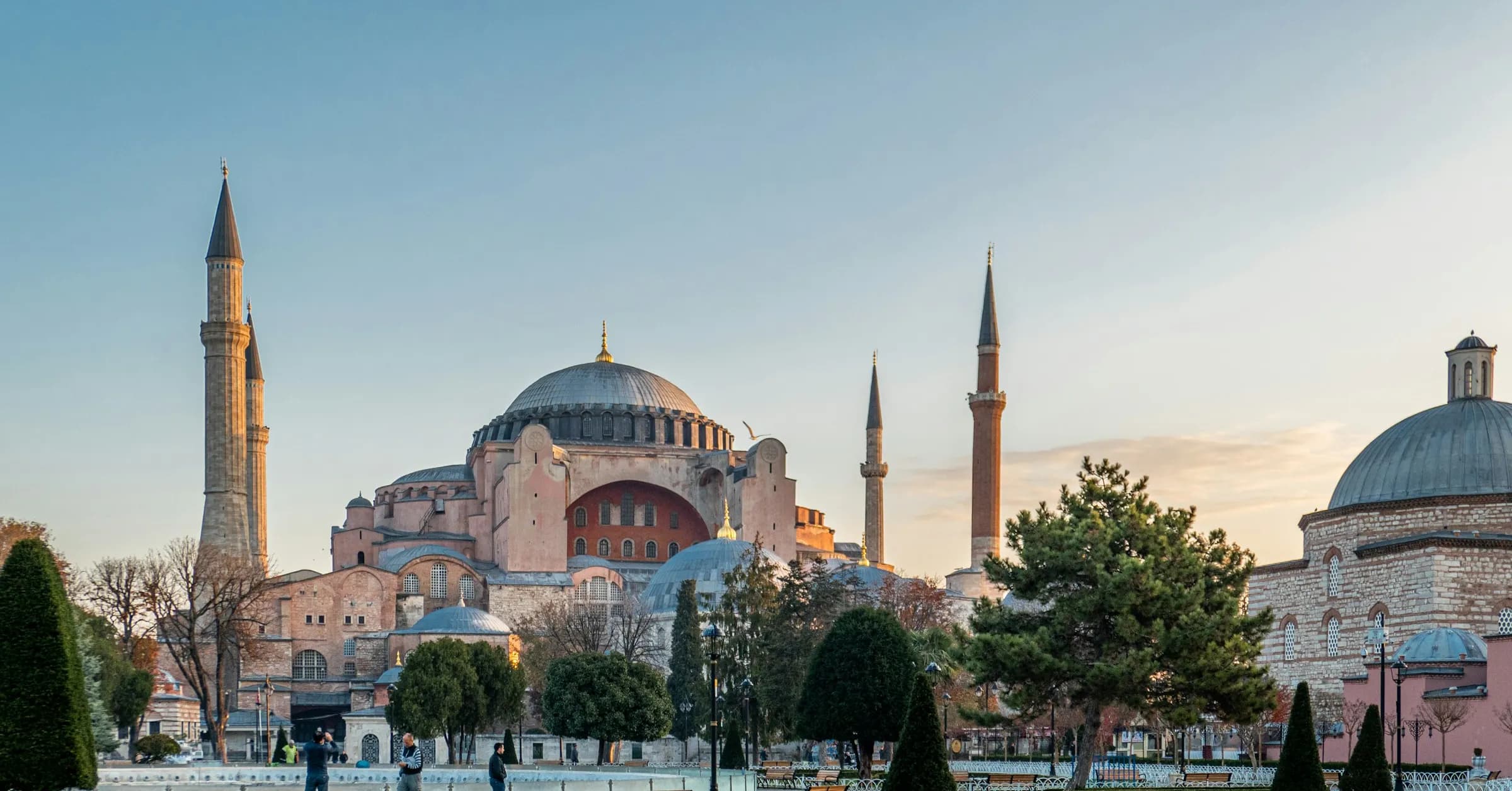
Built in 537 under the Byzantine emperor Justinian, Hagia Sophia was the largest church in the world for nearly a thousand years. It became a mosque after the Ottoman conquest of 1453, a museum in 1934, and a mosque again in 2020. Standing under its dome, with Byzantine mosaics and giant Ottoman calligraphy roundels side by side, is one of the great experiences of any trip to Europe or Asia.
- Ticket: since 15 January 2024, foreign visitors pay €25 to visit, entering through the upper gallery, as reported by CNN Türk. The ground-floor prayer area is reserved for worshippers.
- Closed to visitors: at each of the five prayer times, with the longest break around the Friday noon prayer.
- Dress: a headscarf plus covered shoulders and knees for women, and trousers or knee-length shorts for men.
- Tip: go at opening time or in the late afternoon to avoid the longest queues.
2. The Blue Mosque
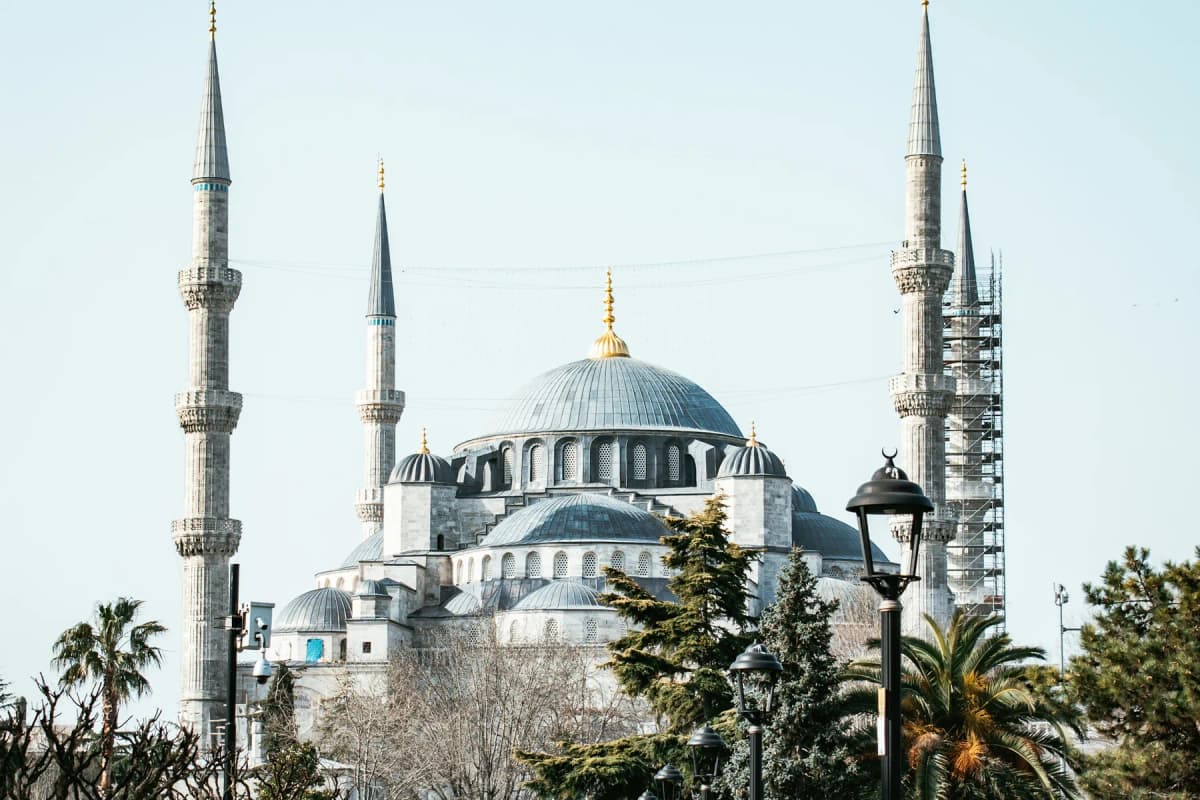 Photo: Max van den Oetelaar on Unsplash
Officially the Sultan Ahmed Mosque, it was built between 1609 and 1616 and gets its nickname from the blue İznik tiles inside. It's famous for its six minarets and the cascade of domes you see from the Hippodrome. It's a working mosque and free to visit.
- Ticket: free.
- Closed to visitors: during prayer times. Visitors use a separate entrance, and the queue moves quickly outside prayer times.
- Dress: the same rules as Hagia Sophia. Scarves are usually available at the entrance.
3. Topkapı Palace and the Harem
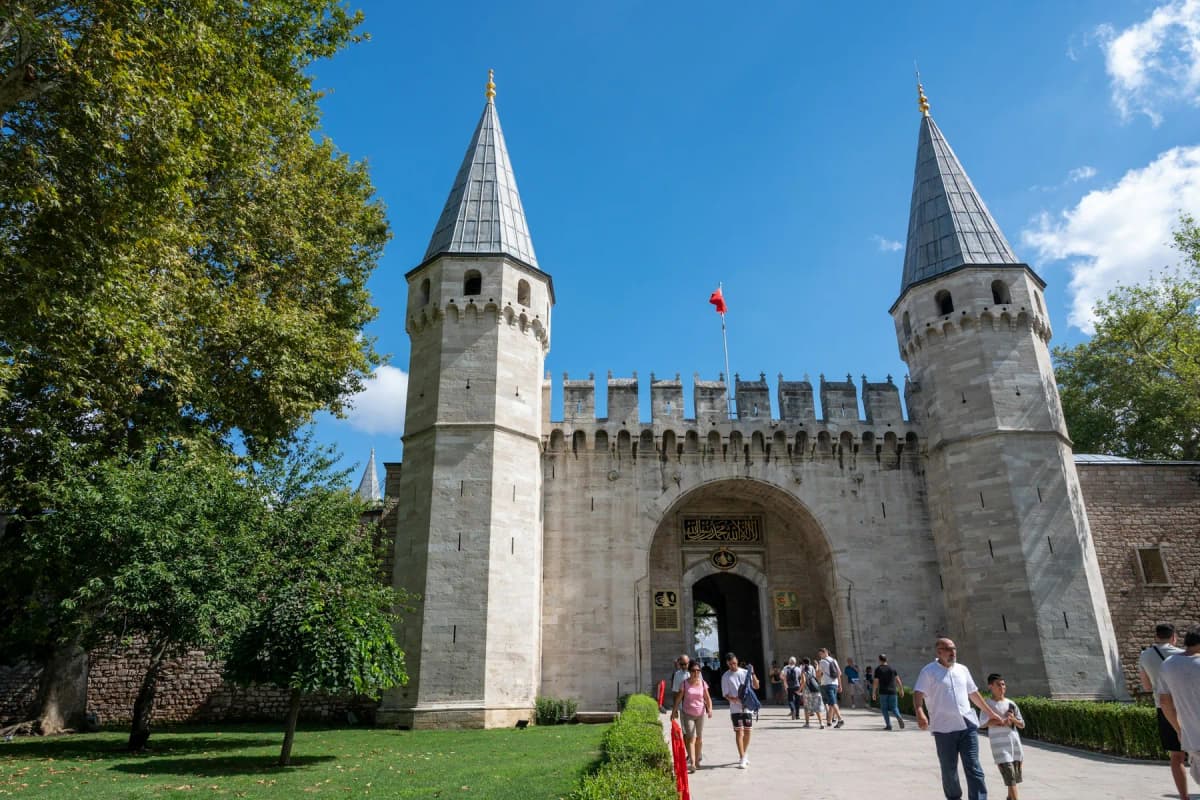 Photo: Haroon Ameer on Unsplash
For almost four centuries, Topkapı was the home and seat of government of the Ottoman sultans. Rather than one big building, it's a series of courtyards, pavilions, kitchens and treasuries on the tip of the peninsula, with views over the Bosphorus. Highlights include the Treasury, the Sacred Relics and the Harem, the private quarters of the sultan's family, with some of the finest tilework in the city. Allow at least three hours.
- Ticket: the combined ticket for the palace, the Harem and Hagia Irene costs 2,750 TL for foreign visitors, according to the Presidency of National Palaces. The Harem alone is 1,050 TL.
- Closed: Tuesdays. Ticket offices are open from 9:00 to 17:00.
4. The Basilica Cistern
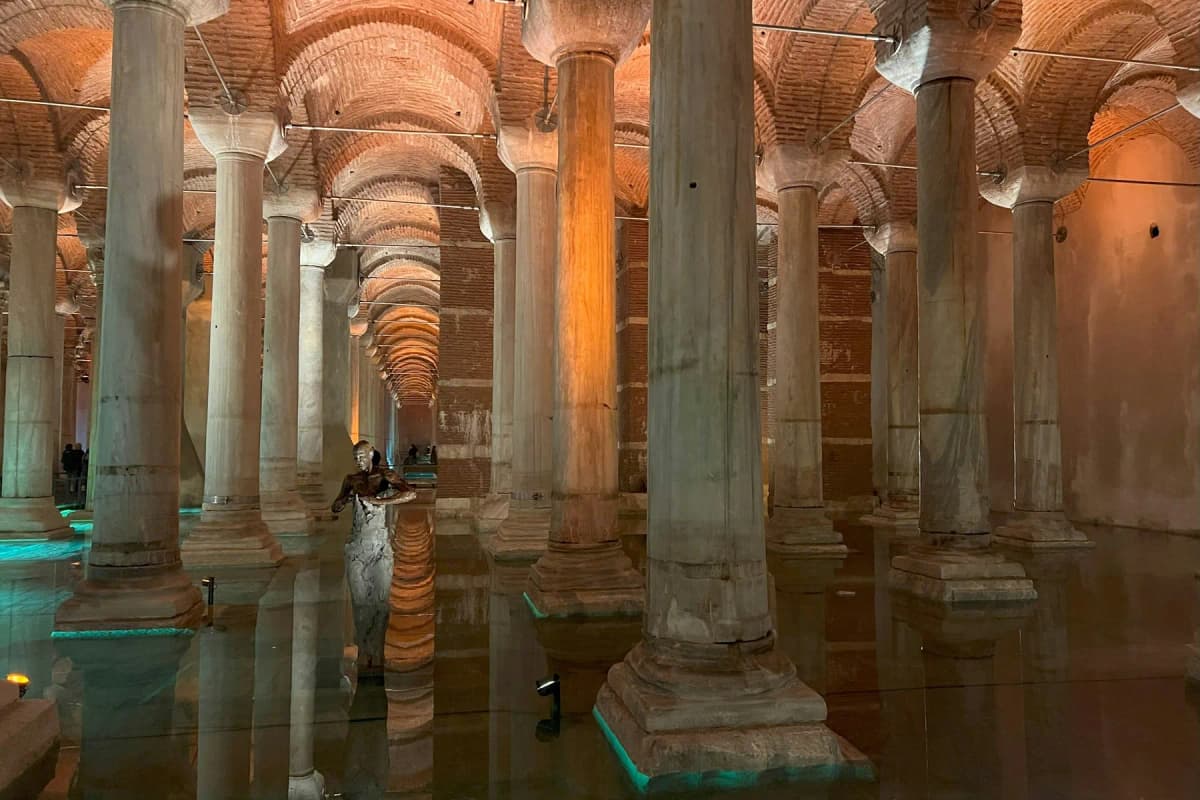 Photo: Martin Casagrand on Unsplash
This sixth-century underground reservoir, built under Justinian, is a forest of 336 columns standing in shallow water, lit in shades of amber. In the back corner, two carved Medusa heads, one on its side and one upside down, serve as the bases of two columns.
- Status in 2026: management of the cistern passed from the Istanbul municipality to Turkey's General Directorate of Foundations, and it closed briefly on 2 June 2026 for the handover before reopening. Ticket prices and hours under the new management were not clear when we checked, so confirm before you go.
- Alternative: the smaller Şerefiye Cistern nearby is a good substitute if the queue is long.
5. The Hippodrome
The long square between the Blue Mosque and the park was the Hippodrome of Constantinople, where chariot races drew huge crowds. Three monuments still stand on its central line: an Egyptian obelisk over 3,000 years old, the bronze Serpent Column from Delphi, and a later stone obelisk. It's free and a good place to start a walk around Sultanahmet.
The bazaars and Süleymaniye
6. The Grand Bazaar
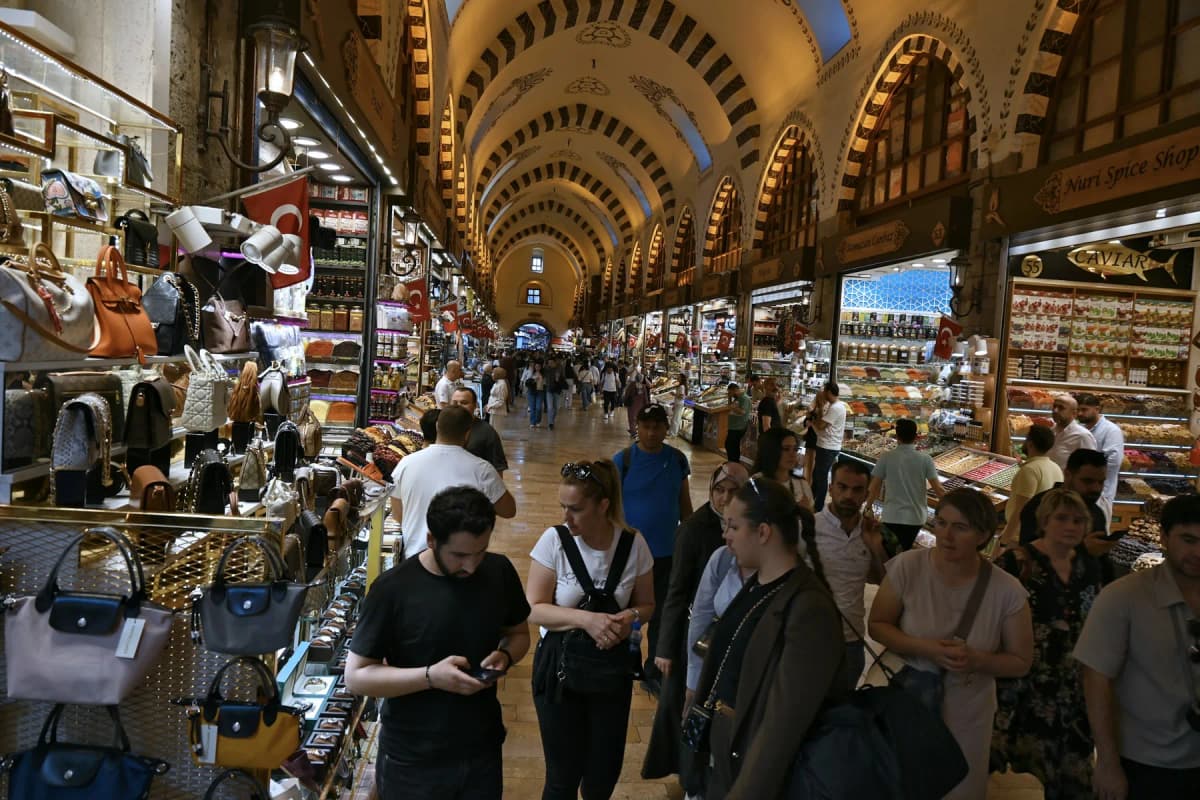 Photo: Lothar Boris Piltz on Unsplash
The Grand Bazaar (Kapalıçarşı) is one of the oldest and largest covered markets in the world, a maze of vaulted streets with thousands of shops selling carpets, lamps, ceramics, jewellery, leather and textiles. It's free to wander, and getting lost is part of the fun. It's closed on Sundays. Bargaining is expected, especially for carpets and lamps; start well below the asking price and walk away politely if it isn't right.
7. The Spice Bazaar
The Spice Bazaar, also called the Egyptian Bazaar (Mısır Çarşısı), is a smaller, L-shaped covered market near the Eminönü ferry piers. It's packed with spices, dried fruit, nuts, Turkish delight and tea. The streets around it, full of local shoppers, are just as interesting as the bazaar itself.
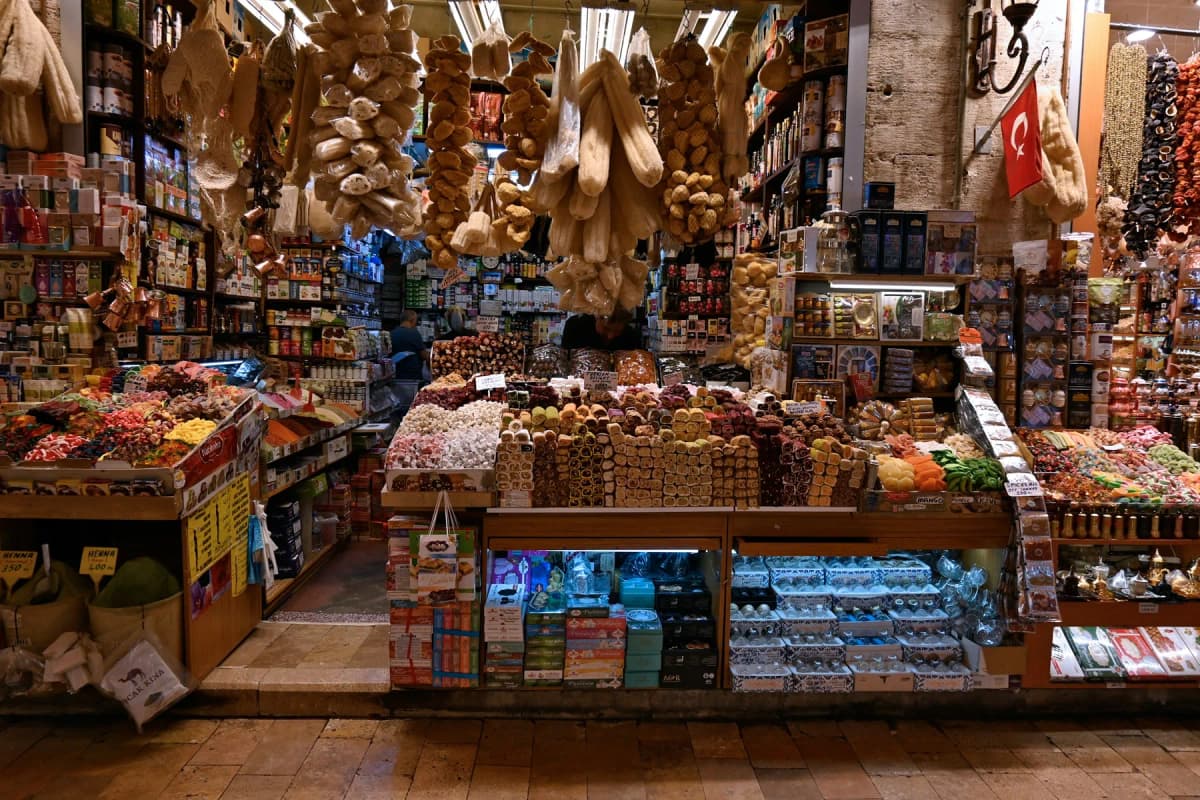 Photo: Lothar Boris Piltz on Unsplash
8. Süleymaniye Mosque
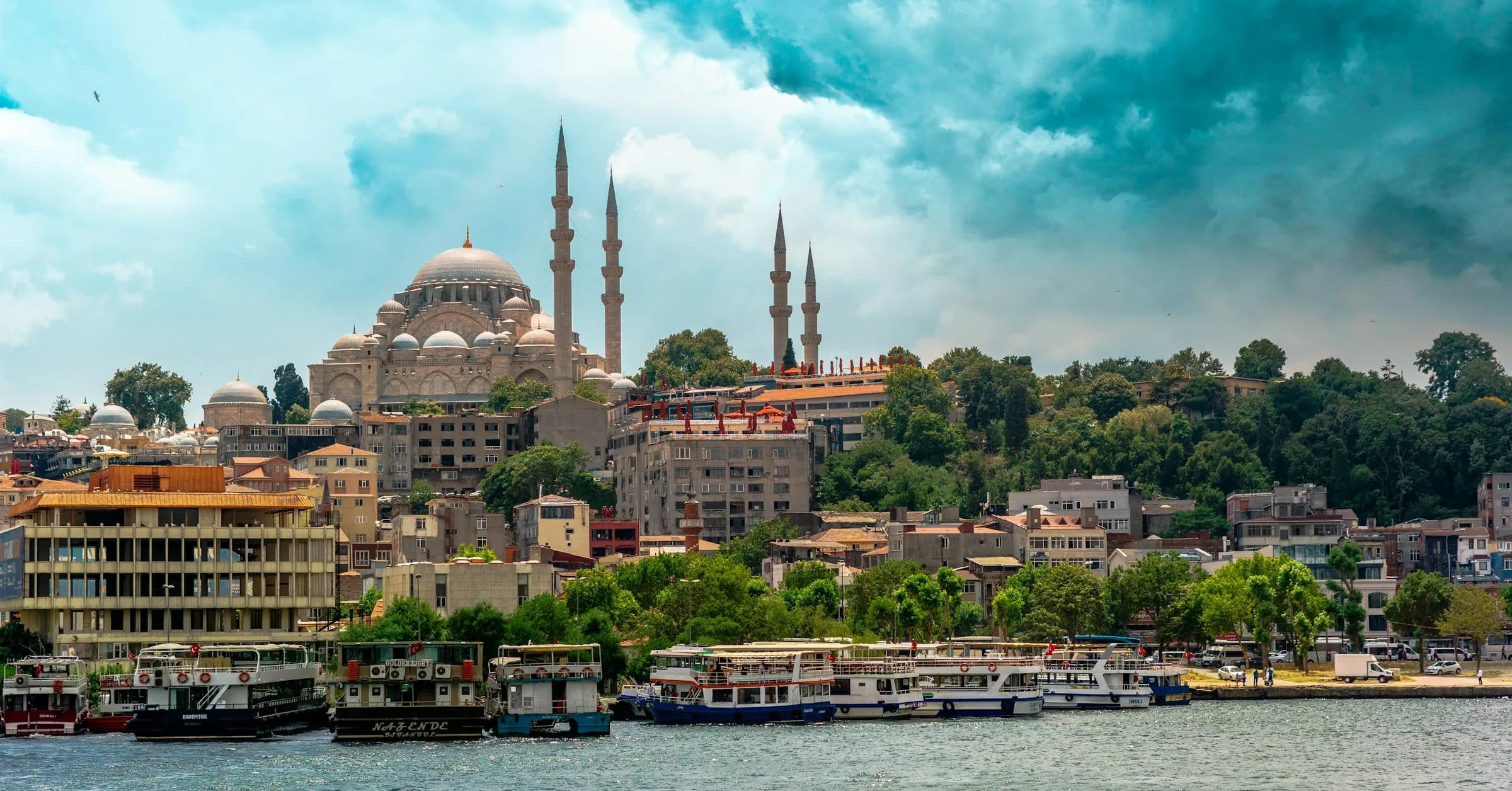
On a hilltop above the Golden Horn, the Süleymaniye Mosque was built in the 1550s by Mimar Sinan, the greatest Ottoman architect, for Sultan Süleyman the Magnificent. It's calmer than the Blue Mosque, the interior is bright and harmonious, and the terrace behind it has one of the best free views in the city. The tombs of Süleyman and his wife Hürrem are in the garden.
The Bosphorus and the Golden Horn
9. Take a ferry on the Bosphorus
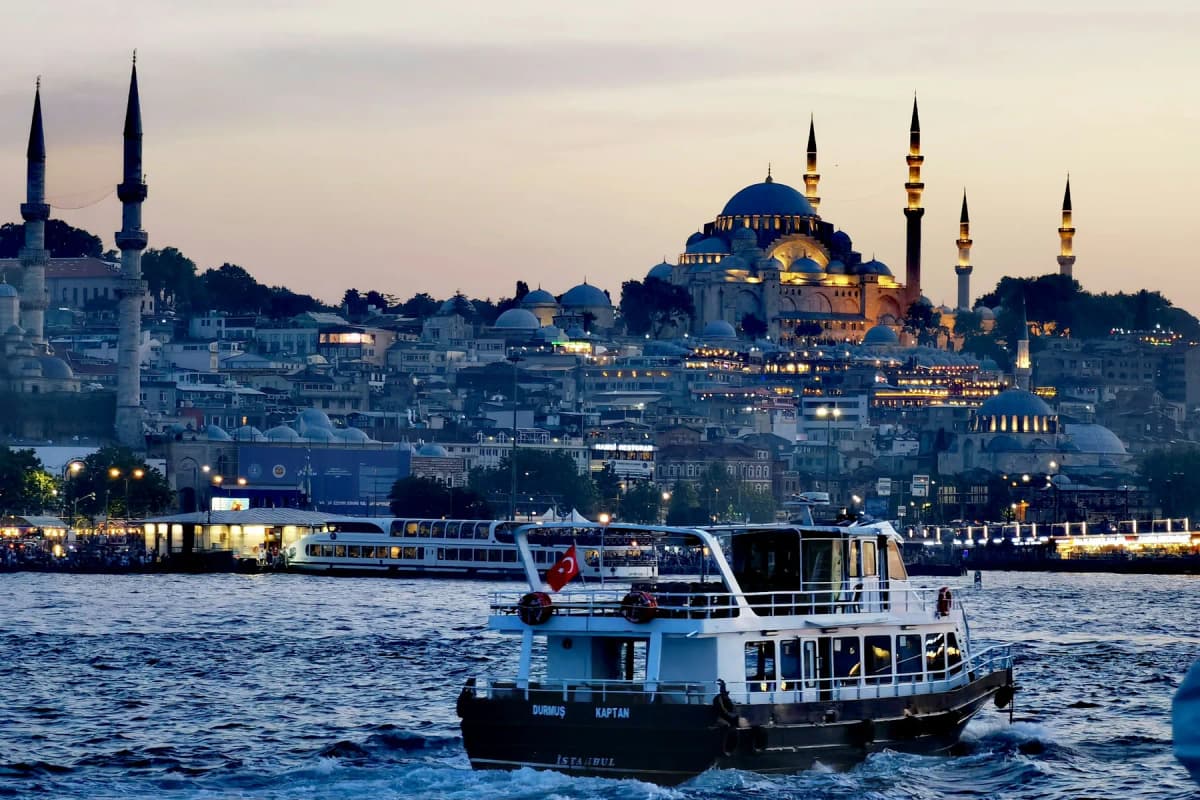 Photo: Hussein A.Kamal on Unsplash
The cheapest great experience in Istanbul is a public ferry. The commuter ferries between Eminönü or Karaköy and Kadıköy or Üsküdar cross from Europe to Asia in around 20 minutes for the price of a single Istanbulkart fare, with views of the Old City skyline, the Galata Tower and the Bosphorus. For a longer trip, public Bosphorus tour ferries from Eminönü sail up towards the Black Sea and back. Sit outside on the upper deck, buy a glass of tea from the waiter, and keep some bread for the seagulls.
Galata, Karaköy and Beyoğlu
10. Galata Tower
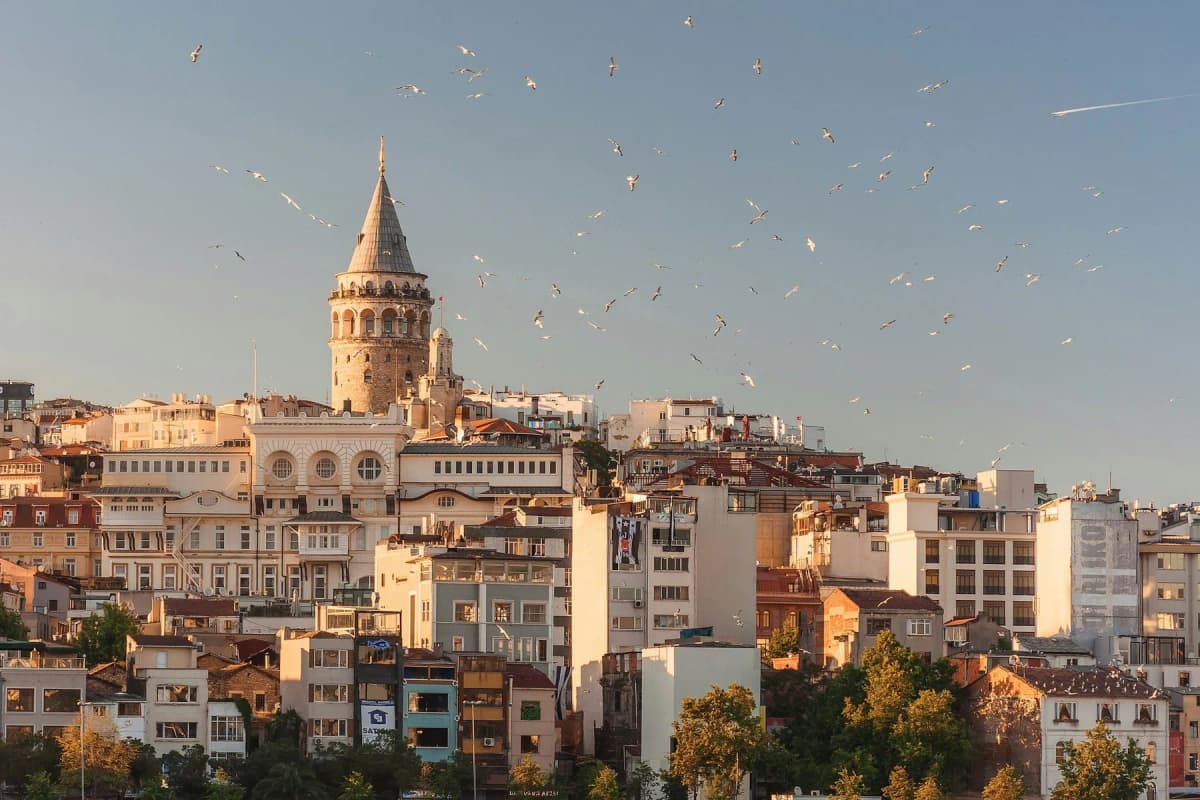 Photo: Anna Berdnik on Unsplash
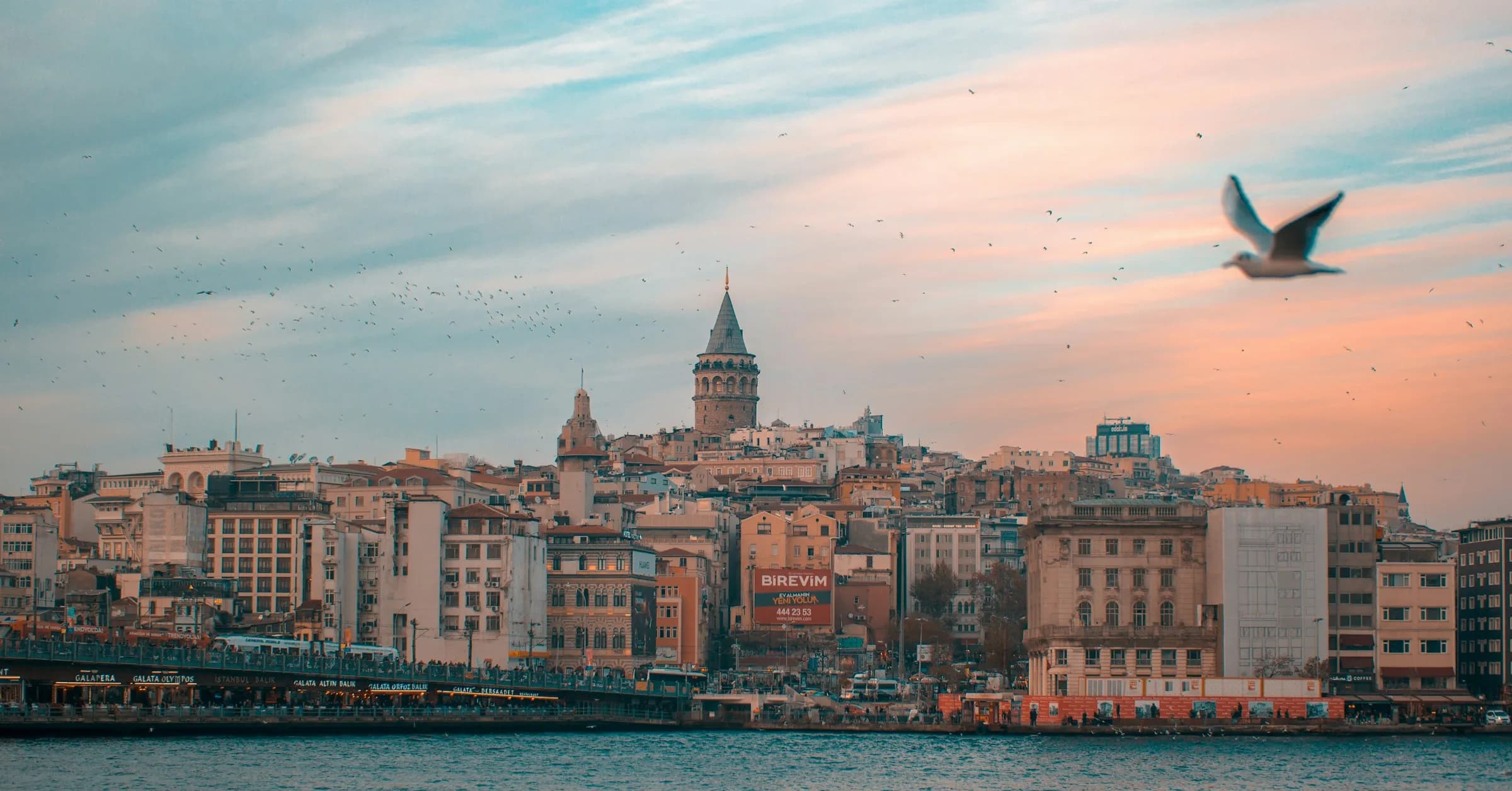
The stone Galata Tower was built by the Genoese in the fourteenth century and is now a museum with a viewing balcony that circles the top, looking out over the Golden Horn, Sultanahmet and the Bosphorus. The queue can be long, especially before sunset.
- Ticket: recent guides put the foreign visitor price at around €30. It's included in the Museum Pass Istanbul.
- Tip: the narrow streets around the tower are lovely to walk even if you don't go up.
11. İstiklal Avenue and the nostalgic tram
İstiklal Avenue (İstiklal Caddesi) is a long pedestrian street from Taksim Square to Tünel, lined with nineteenth-century buildings, shops, churches, cinemas and side streets full of bars and meyhanes (taverns). The red nostalgic tram runs along it. It's very busy in the evenings and at weekends, so watch your bag.
12. Karaköy's cafés and waterfront
Down the hill from the Galata Tower, Karaköy was once a gritty port district and is now one of the city's best areas for food, coffee and galleries. Try the baklava and börek in the old bakeries, walk along the waterfront, and visit the Istanbul Modern art museum on the water.
Along the Bosphorus
13. Dolmabahçe Palace
When the sultans left Topkapı in the nineteenth century, they moved to Dolmabahçe, a vast European-style palace on the Bosphorus shore full of crystal, gold leaf and chandeliers. Atatürk, the founder of modern Turkey, died here in 1938. Visits follow a set route through the state rooms.
- Ticket: 2,000 TL for foreign visitors for the Selamlık, the Harem and the Painting Museum, according to the Presidency of National Palaces.
- Closed: Mondays.
14. Ortaköy and the Bosphorus Bridge
Ortaköy is a waterfront neighbourhood with a small, much-photographed mosque right on the water beneath the first Bosphorus Bridge. Come in the late afternoon, buy a kumpir (stuffed baked potato) from the stalls, and watch the ferries and the bridge lights come on.
The Asian side and beyond
15. Kadıköy market and Moda
Take the ferry to Kadıköy on the Asian side for a completely different Istanbul. The streets around the Kadıköy market are full of fishmongers, delis, pickle shops and small restaurants, and the neighbourhood of Moda, a short walk south, has a seafront park that's perfect at sunset. It's where many Istanbul locals go out, and it's noticeably less touristy than Sultanahmet.
16. Balat and Fener
On the Golden Horn, the old neighbourhoods of Balat and Fener have steep streets of colourful wooden and brick houses, antique shops, small cafés and historic churches and synagogues, including the seat of the Ecumenical Patriarchate. It's a residential area, so be respectful when taking photos.
17. A traditional hamam
A Turkish bath (hamam) is an Istanbul ritual: you lie on a heated marble slab, then get a vigorous scrub and soap massage. Historic hamams such as Çemberlitaş, designed by Sinan in the sixteenth century, are popular with visitors. Prices vary widely between hamams and packages, so check what's included before you book.
18. The Chora (Kariye) Mosque
Out by the old city walls, the former Chora Church is famous for its fourteenth-century Byzantine mosaics and frescoes, among the finest anywhere. It reopened as a mosque in 2024. Check opening hours and visitor arrangements before making the trip.
19. The Princes' Islands
The Princes' Islands (Adalar) in the Sea of Marmara are a popular day trip from the city by public ferry. There are no private cars on the larger islands, such as Büyükada, so people walk, cycle or use electric buses. They're busiest at summer weekends.
20. Watch the sunset from a rooftop or the water
Istanbul at sunset, with the call to prayer echoing between the minarets, is unforgettable. The best places to watch it are a ferry deck, the terrace of the Süleymaniye Mosque, the waterfront at Moda, and the many rooftop cafés in Sultanahmet and Galata.
How much do things cost in Istanbul?
| Sight | Price for foreign visitors in 2026 | Closed |
|---|---|---|
| Hagia Sophia | €25 | During prayer times |
| Blue Mosque | Free | During prayer times |
| Topkapı Palace (with Harem and Hagia Irene) | 2,750 TL | Tuesday |
| Dolmabahçe Palace | 2,000 TL | Monday |
| Galata Tower | About €30 | Check before you go |
| Basilica Cistern | Check (new management) | Check before you go |
| Grand Bazaar | Free | Sunday |
Turkish lira prices change often because of inflation, and many sights quote in euros. The Museum Pass Istanbul, sold by Turkey's Ministry of Culture and Tourism, covers Topkapı (but not the Harem), Galata Tower and several other state museums for five days. Several 2026 guides put it at around €105; check the current price on the official Türkiye Museums site before you buy. It doesn't cover Hagia Sophia, Dolmabahçe or the Basilica Cistern, so it pays off only if you plan to visit several of the museums it includes.
Getting around Istanbul
- Istanbulkart: the rechargeable card used on the tram, metro, buses, funicular and public ferries. In 2026 a standard single ride costs around 42 TL after a February fare rise reported in the Turkish press. Buy one from the machines at stations.
- The T1 tram runs through Sultanahmet, Eminönü and Karaköy, linking most of the main sights.
- Taxis: use registered yellow taxis with the meter running, or a taxi app. The UK government advises noting the registration number and avoiding unofficial taxis.
- From the airport: Istanbul Airport (IST) is a long way from the centre, so many visitors pre-book a fixed-price airport transfer rather than negotiating with drivers on arrival.
Our guide to whether Istanbul is safe for Americans covers taxi scams, pickpockets and the other things worth knowing before you go.
Practical tips
- Plan around closing days: Topkapı is closed on Tuesdays, Dolmabahçe on Mondays and the Grand Bazaar on Sundays.
- Check prayer times: the Blue Mosque, Hagia Sophia and other mosques close to visitors during prayers, especially around Friday midday.
- Dress for mosques: cover shoulders and knees; women should bring a scarf.
- Carry your passport: Turkish law requires you to carry photo ID, and police do ID checks in busy areas of Istanbul.
- Insurance: travel insurance with medical cover is worth having, as private hospitals in Istanbul can be expensive.
- eSIMs: the UK government notes that some eSIM services are restricted in Turkey, so check with your provider before you rely on one.
Frequently asked questions
What are the main things to do in Istanbul? The essentials are Hagia Sophia, the Blue Mosque, Topkapı Palace, the Basilica Cistern, the Grand Bazaar and a ferry on the Bosphorus. With more time, add Galata Tower, Dolmabahçe Palace, Kadıköy on the Asian side and the neighbourhoods of Balat and Fener.
Which is better, Hagia Sophia or the Blue Mosque? See both: they're facing each other across a park. Hagia Sophia is older (537) and more historically important, with Byzantine mosaics under its huge dome, but foreign visitors pay €25. The Blue Mosque (1616) is free and famous for its six minarets and İznik tiles.
Is Istanbul expensive to visit? Food and public transport are reasonable, but sightseeing has become expensive. In 2026, Topkapı Palace costs 2,750 TL, Hagia Sophia €25 and Galata Tower around €30 for foreign visitors. Mosques, bazaars, neighbourhoods and public ferries cost little or nothing, which helps balance the budget.
How many days do you need in Istanbul? Three days covers the main sights of Sultanahmet, the Galata side and a ferry to Kadıköy. With four or five days, add Dolmabahçe, Balat and Fener, the Chora Mosque and a day on the Princes' Islands.
What should I do in Istanbul in 7 days? A week lets you see the city at a relaxed pace: three days for the main sights, then the Bosphorus villages, the Asian side, the Princes' Islands and the quieter neighbourhoods. You could also use a few days for a trip further into Turkey.
How we researched this guide
Ticket prices and closing days for Topkapı and Dolmabahçe come from the official site of Turkey's Presidency of National Palaces, checked in October 2026. The Hagia Sophia fee comes from Turkish press reports of the ministry's January 2024 decision, including CNN Türk. The Basilica Cistern's change of management and June 2026 closure come from Turkish press reports; its current price was not confirmed. The Galata Tower and Museum Pass prices are from 2026 travel guides, not official pages, and the Istanbulkart fare is from Turkish press reports of the February 2026 fare decision. Safety, ID and eSIM advice comes from the UK Foreign Office. Prices in Turkey change often, so always check before you go. Found something out of date? Let us know.
Ready to plan? Choose your base with our guide to where to stay in Istanbul, read our guide to whether Istanbul is safe for Americans, or browse all our Turkey guides.