Is Istanbul Safe for Americans? 2026 Advice and Tips
October 18, 2026 · Turkey
This post contains affiliate links. We may earn a commission if you book through them, at no extra cost to you. Disclaimer.
Yes, Istanbul is generally safe for Americans. Large numbers of Americans visit every year without problems, and the US State Department rates Türkiye as a whole at Level 2: Exercise Increased Caution, mainly because of the risk of terrorism, the same level it has given popular European countries such as France and Germany. The risks most visitors actually meet are everyday big-city ones: pickpockets in crowded areas, taxi overcharging and a few well-known scams.
That doesn't mean you should switch off. Istanbul is a city of more than 15 million people, and like any city that size it has crime, protests, traffic and occasional security incidents. This guide explains what the official advice actually says, the specific scams and risks to watch for, and the simple habits that make a trip trouble-free.
Is Istanbul safe? The quick answer
| Question | Short answer |
|---|---|
| Is Istanbul safe for American tourists? | Yes, with normal big-city precautions |
| US State Department level for Türkiye | Level 2: Exercise Increased Caution (2026) |
| Main reason for the advisory | Terrorism risk, plus stricter warnings for the southeast near Syria and Iraq |
| Most common problems for visitors | Pickpocketing, taxi overcharging, bar and shoe-shine scams |
| Is it safe at night? | The main districts are busy and generally safe; avoid deserted streets and unofficial taxis |
| Is it safe for women? | Generally yes; dress modestly at mosques and use common sense at night |
| Emergency number | 112 |
What does the US travel advisory say about Türkiye?
The US State Department rates Türkiye at Level 2: Exercise Increased Caution, the second of four levels, citing the risk of terrorism. Its advisory warns that terrorists may attack with little or no warning and could target tourist locations, transport hubs, markets, shopping malls and government buildings, so visitors should stay alert in those places. The advisory was renewed several times in 2026, most recently in June, without changing the overall level.
The advisory also singles out southeast Türkiye, near the borders with Syria and Iraq, for much stronger warnings; its wording for that region has changed during 2026, so read the current version before you go. Istanbul is in the far northwest of the country, at the opposite end of Türkiye from those border areas.
You can read the current advisory on travel.state.gov. It's also worth enrolling in the State Department's free Smart Traveler Enrollment Program (STEP), which sends you security alerts from the US Embassy and Consulates in Türkiye and helps the consulate contact you in an emergency.
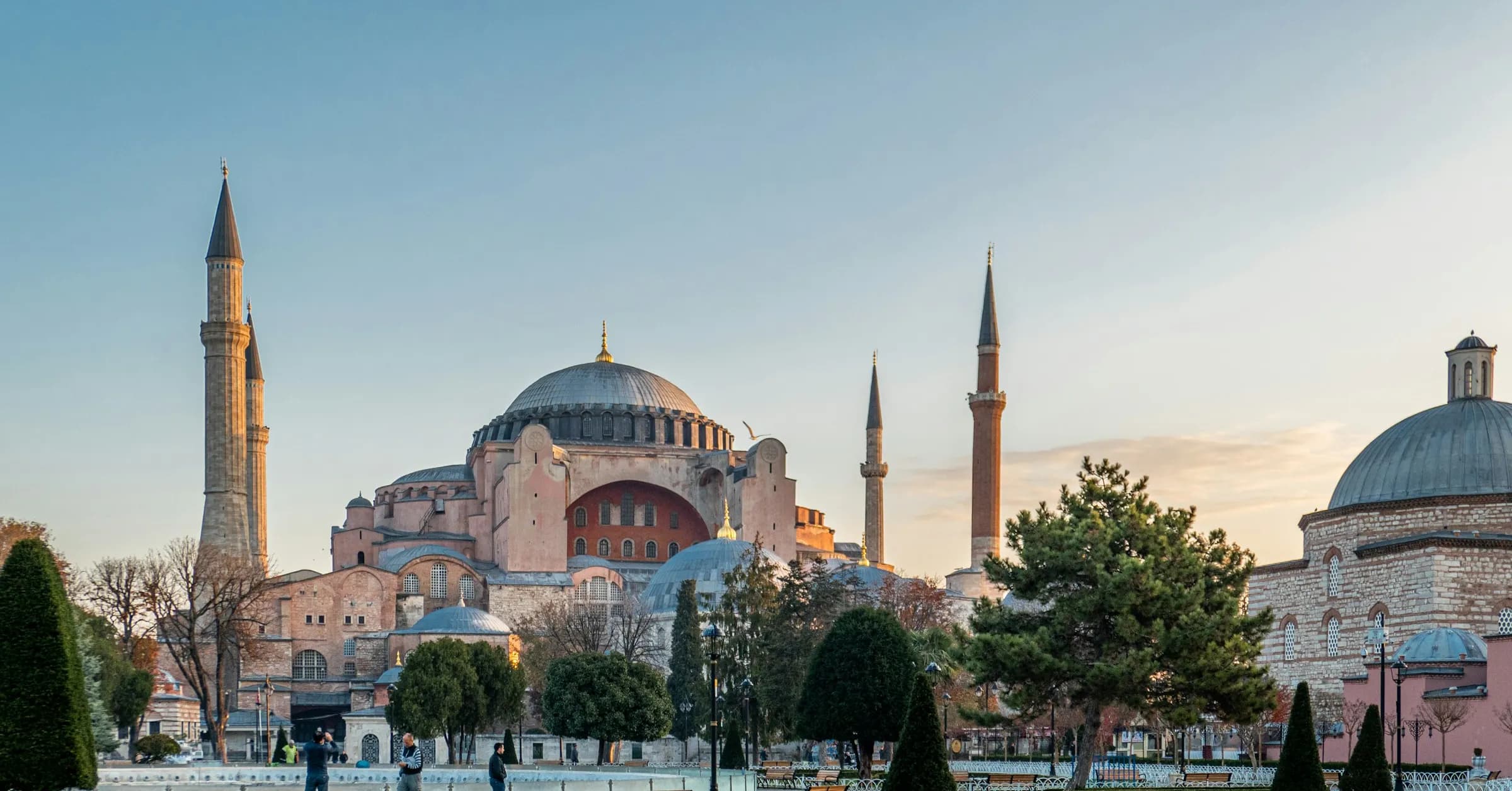
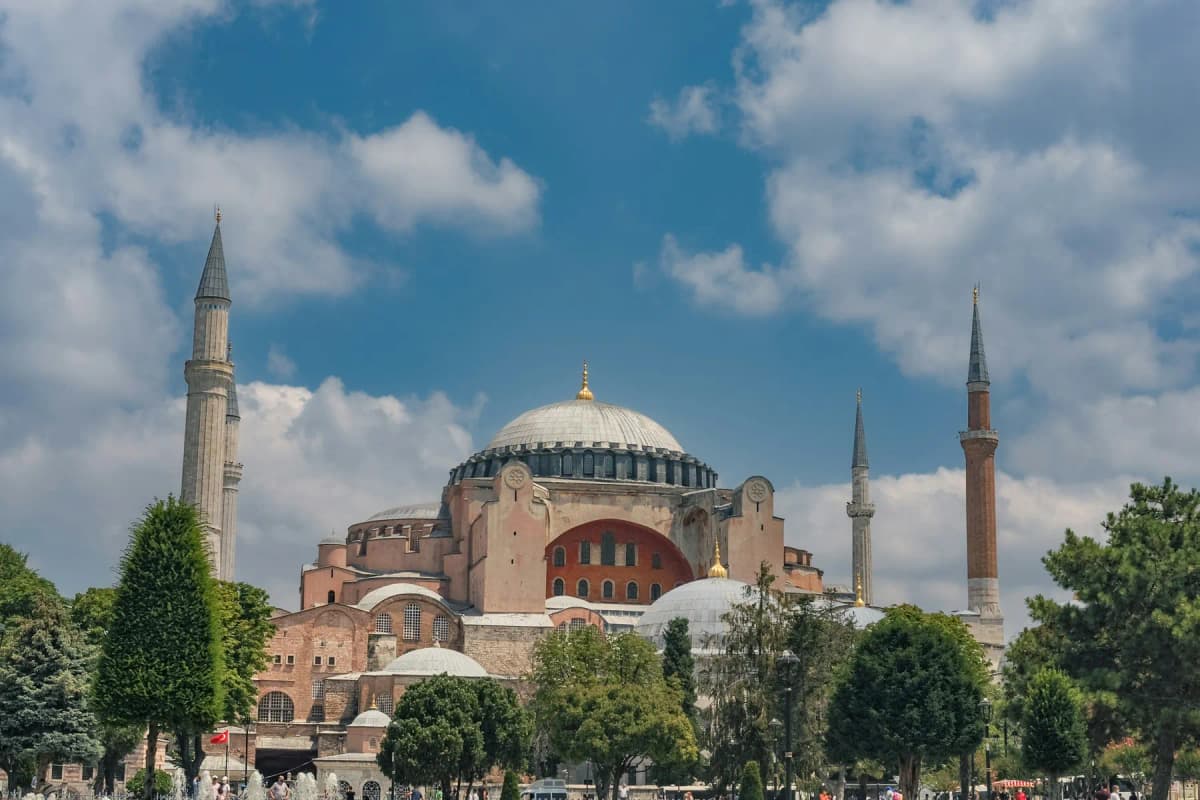 Photo:
 Is Istanbul safe for American tourists in practice?
For the vast majority of visitors, yes. Istanbul is one of the most visited cities in the world, and Americans are a familiar sight in Sultanahmet, Galata and Beyoğlu. Turkish people are generally hospitable to foreign visitors, including Americans, and you're far more likely to be invited for a glass of tea than to face hostility. Political disagreements between governments rarely affect how individual travellers are treated.
The UK government's travel advice, which is detailed and updated often, is a useful second opinion. It says that street robbery and pickpocketing are common in the major tourist areas of Istanbul, warns about drink spiking and methanol in counterfeit alcohol, and notes that terrorists are likely to try to carry out attacks in Turkey, with most past attacks in the southeast, Ankara and Istanbul. You can read it on GOV.UK.
The real risks for visitors to Istanbul
Pickpocketing and petty theft
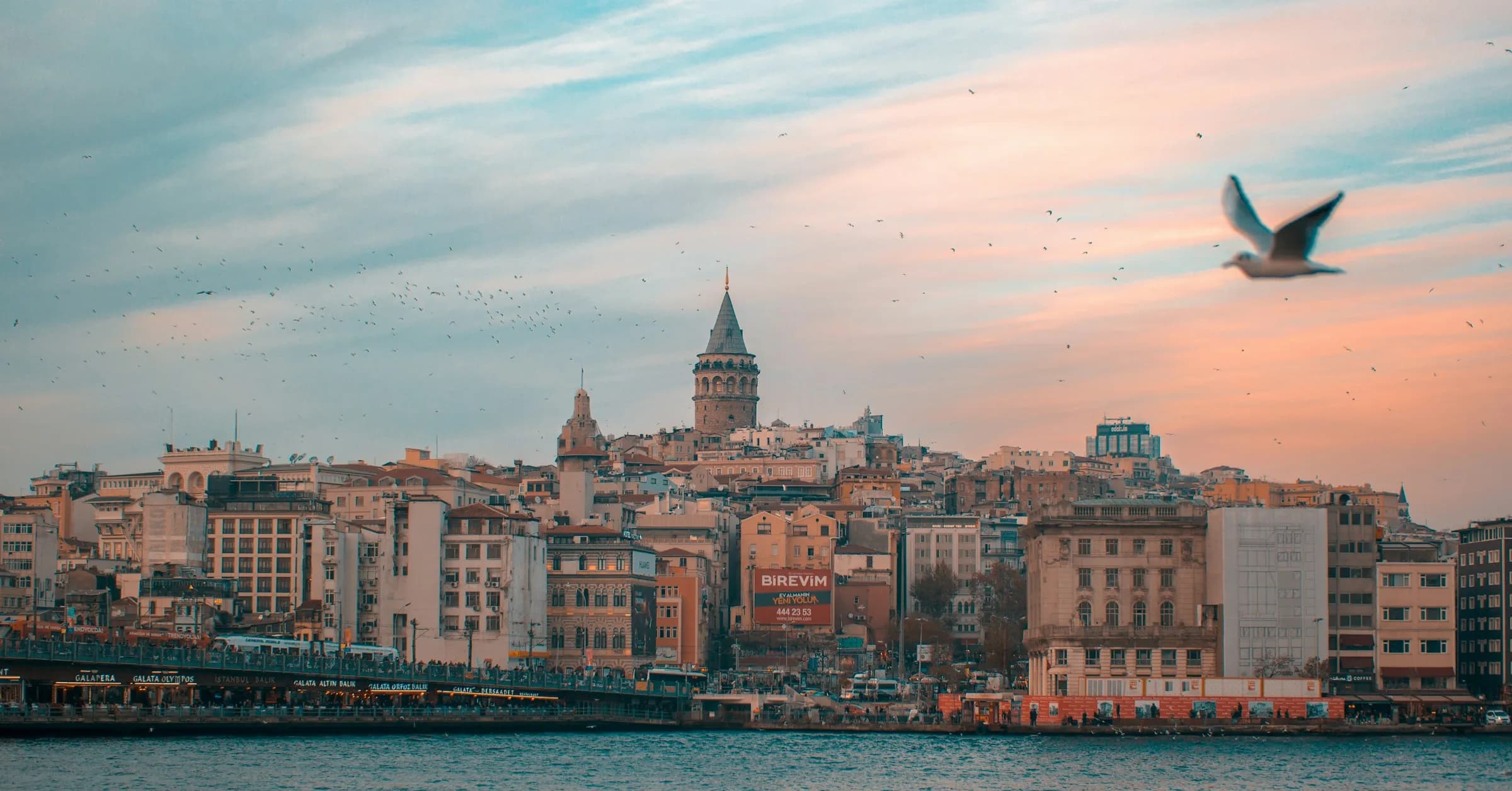
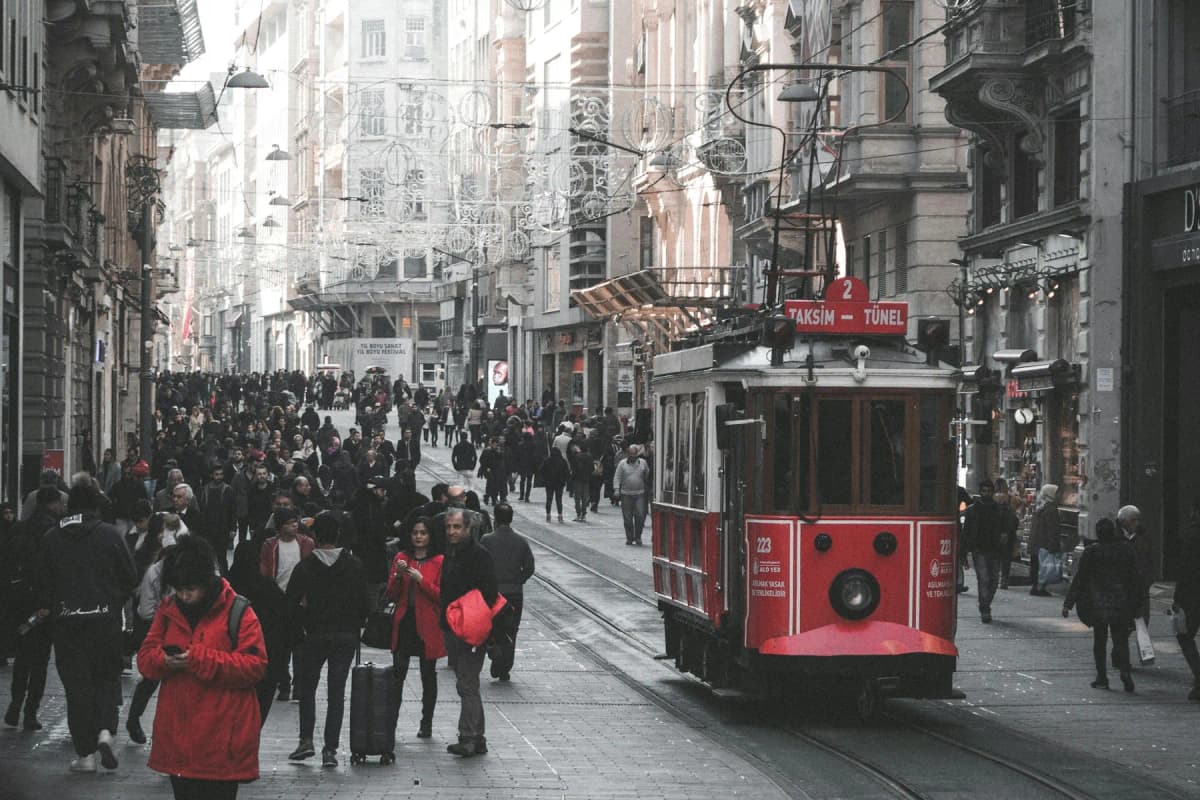 Photo: Fatih Encan on Unsplash
Pickpocketing is the most common crime affecting tourists. It happens where crowds are thickest: İstiklal Avenue and Taksim Square, the Grand Bazaar, the Spice Bazaar, the T1 tram, the Eminönü ferry piers and the Galata Bridge.
- Keep your phone in a front pocket or zipped bag, not a back pocket or on a café table.
- Wear your bag across your body, in front of you in crowds.
- Be extra careful on packed trams and when getting on and off ferries.
- Carry your passport in a zipped inside pocket rather than an outer pocket; Turkish law requires you to carry photo ID (see below).
Common scams in Istanbul
Most scams in Istanbul target tourists in the busiest areas, and all of them are easy to avoid once you know them:
- The bar or nightclub scam. A friendly stranger, often a man travelling "on business", strikes up a conversation around Taksim or Sultanahmet and suggests a drink at a bar he knows. You're joined by women who order drinks, and then you're handed a bill for hundreds or thousands of dollars, with intimidating staff at the door. The UK government warns visitors to be wary of strangers who offer to take them to a restaurant or nightclub. Choose your own bars.
- The shoe-shine drop. A shoe-shiner walking ahead of you "accidentally" drops his brush. When you pick it up for him, he insists on shining your shoes as a thank-you, then demands a large payment. Just keep walking.
- Taxi tricks. Some drivers take long routes, claim the meter is broken, or swap a large note for a smaller one and say you underpaid. See the taxi tips below.
- Restaurant menus without prices. Ask to see a menu with prices before you order, especially for fish, which is often priced by weight.
- Carpet and leather shop pressure. A helpful person who "just happens" to have a cousin with a carpet shop is a sales technique, not a scam as such, but it can take up a lot of time. A polite, firm "no, thank you" works.
- Money changers in the street. Use a bank, an official exchange office (döviz) or an ATM. The UK government also notes that banks and exchange offices may refuse US $50 and $100 bills because of counterfeits, so bring smaller notes or use ATMs.
Taxis
Taxis are the source of more tourist complaints than anything else in Istanbul. To avoid problems:
- Use registered yellow taxis and make sure the meter is running. The UK government advises noting the registration number before you get in and never accepting rides from unofficial drivers.
- Use a taxi app, which shows the route and records the trip.
- Have small notes ready, and count your change.
- For the airport, consider a pre-booked fixed-price transfer, so you know the price before you land.
- Better still, use the tram, metro and ferries with an Istanbulkart wherever you can.
Drink spiking and methanol
The UK government reports cases of drink spiking in Turkey and warns that people have died or become seriously ill in Istanbul and Ankara after drinking illegally produced spirits or counterfeit branded alcohol containing methanol. Buy your own drinks, keep them in sight, prefer beer or wine in reputable places, and be cautious with cheap spirits. Get medical help quickly if anyone feels very unwell after drinking.
Terrorism and demonstrations
There have been terrorist attacks in Istanbul in the past, and in April 2026 gunmen opened fire near a building housing the Israeli consulate, injuring two police officers, according to the UK government. Attacks on visitors are rare, but stay alert in crowded places, follow the instructions of security staff, and leave an area if a crowd or protest starts to form. Avoid political demonstrations, which the police sometimes disperse with tear gas and water cannon, especially around Taksim Square.
Earthquakes
Istanbul is in an earthquake zone. A magnitude 6.2 earthquake in the Sea of Marmara in April 2025 was felt strongly in the city, according to the UK government. Learn the basics ("drop, cover, hold on"), notice the exits in your hotel, and follow the official disaster agency, AFAD, if something happens.
Other everyday risks
- Traffic: drivers don't always stop at crossings, and motorbikes use pavements. Look both ways, every time.
- Stray dogs: most of Istanbul's street dogs and cats are calm and well fed by locals, but don't approach dogs, especially in packs, and get medical advice if you're bitten.
- Uneven pavements and steep streets: wear good shoes, especially in Galata and Balat.
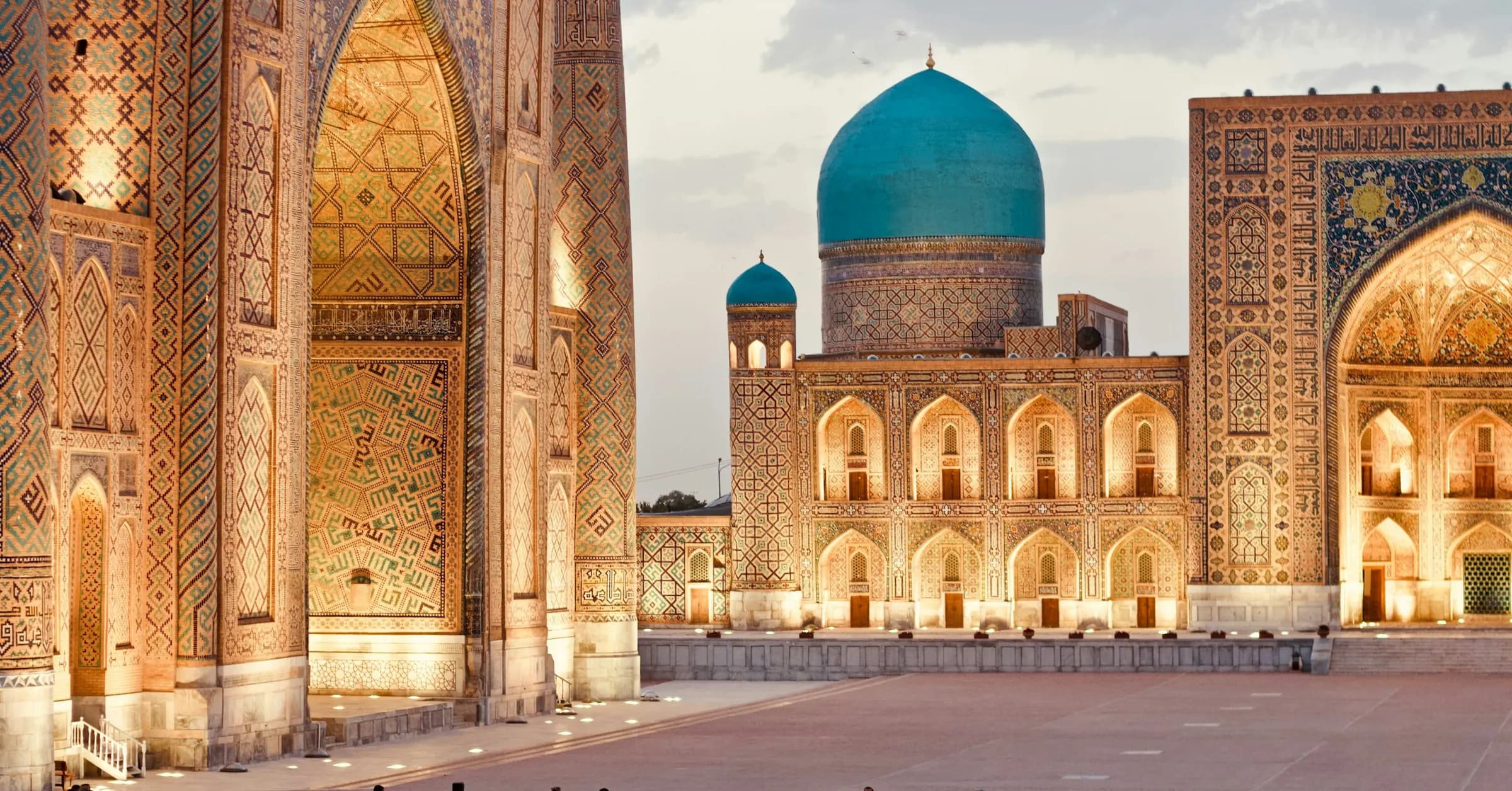
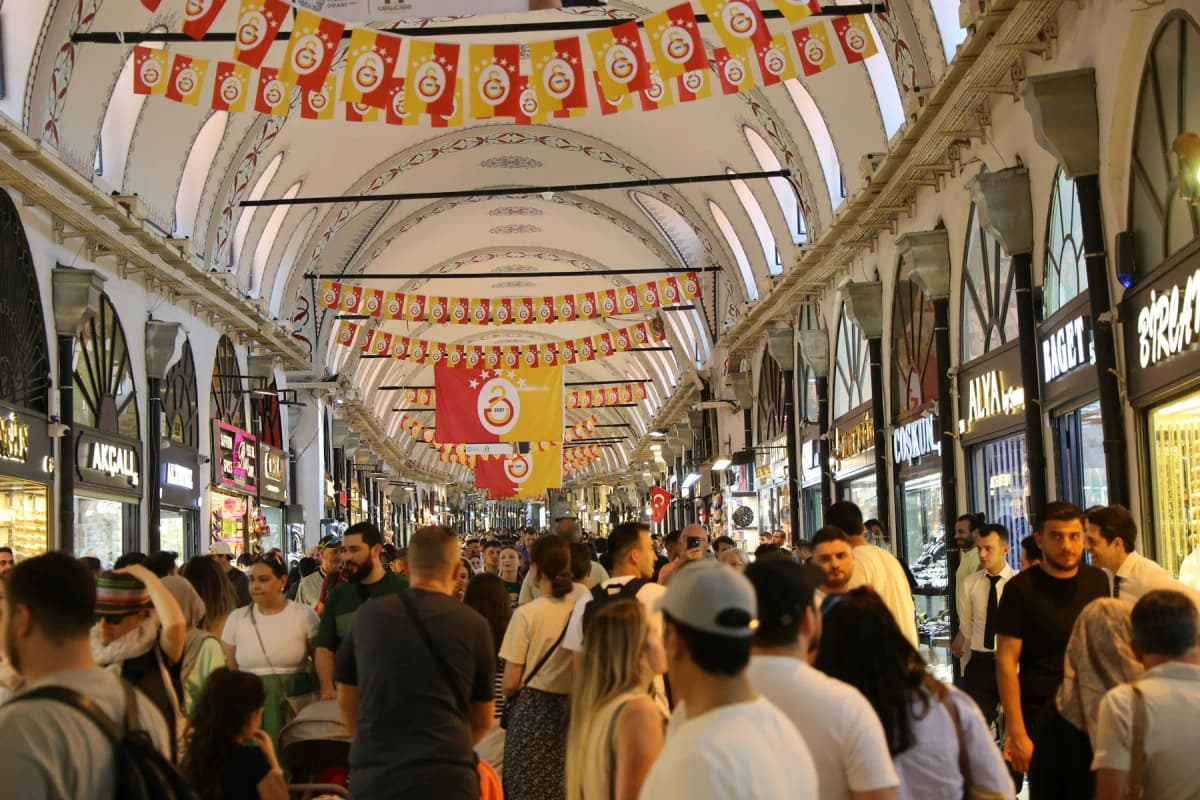 Photo: Tommaso Ubezio on Unsplash
Is Istanbul safe at night?
The main districts, including Sultanahmet, Karaköy, Galata, Beyoğlu and Kadıköy, are busy until late and generally safe in the evening. Restaurants, ferry piers and İstiklal Avenue are full of people. As in any big city, avoid deserted back streets late at night, don't follow strangers to bars, and get a registered taxi or a taxi app home rather than accepting a ride. Some areas, such as Tarlabaşı just west of Taksim, feel rougher after dark. Our guide to where to stay in Istanbul explains which areas make the best bases.
Is Istanbul safe for women and solo travellers?
Istanbul is generally safe for women travelling alone or in groups, and many do. Some women report unwanted attention, staring or comments, especially in the busiest tourist areas. Dress is up to you in most of the city: in Beyoğlu, Karaköy and Kadıköy you'll see every style. In more conservative districts, such as Fatih and parts of Balat, and in all mosques, cover your shoulders and knees, and bring a scarf for your hair at mosques. At night, the usual precautions apply: watch your drink, stay in busy areas and use registered taxis.
Is Istanbul safe for LGBTQ travellers?
Same-sex relationships are legal in Türkiye, and Istanbul has LGBTQ-friendly bars, particularly in Beyoğlu. However, attitudes are generally conservative, public displays of affection by any couple can draw attention, and Istanbul's Pride march has been banned by the authorities every year since 2015. Many LGBTQ travellers visit without problems by being discreet in public.
Is Istanbul Airport safe?
Yes. Istanbul Airport (IST), which opened in 2018, is one of the busiest airports in the world, and it has security screening at the terminal entrances as well as at departure gates. The main risks are the usual ones for any big airport: keep your bags with you, and use only official taxis, the M11 metro, Havaist airport buses or a pre-booked transfer, not drivers who approach you in the arrivals hall. Sabiha Gökçen (SAW), on the Asian side, is smaller but just as routine.
Local laws Americans should know
- Carry ID: the UK government notes that it's illegal not to carry photographic ID in Turkey, and police do ID checks in busy parts of Istanbul. Carry your passport.
- Drugs: penalties for possession, use or smuggling are severe, including long prison sentences.
- Antiquities: buying or exporting antiquities is illegal. Keep receipts for carpets and souvenirs, and check before buying anything that might count as antique.
- Photography: don't photograph military or official installations.
- Smoking: it's banned on public transport and in indoor public places.
- Ramadan: during the holy month, be discreet about eating, drinking and smoking in public in conservative areas. The next Ramadan is expected to begin in February 2027.
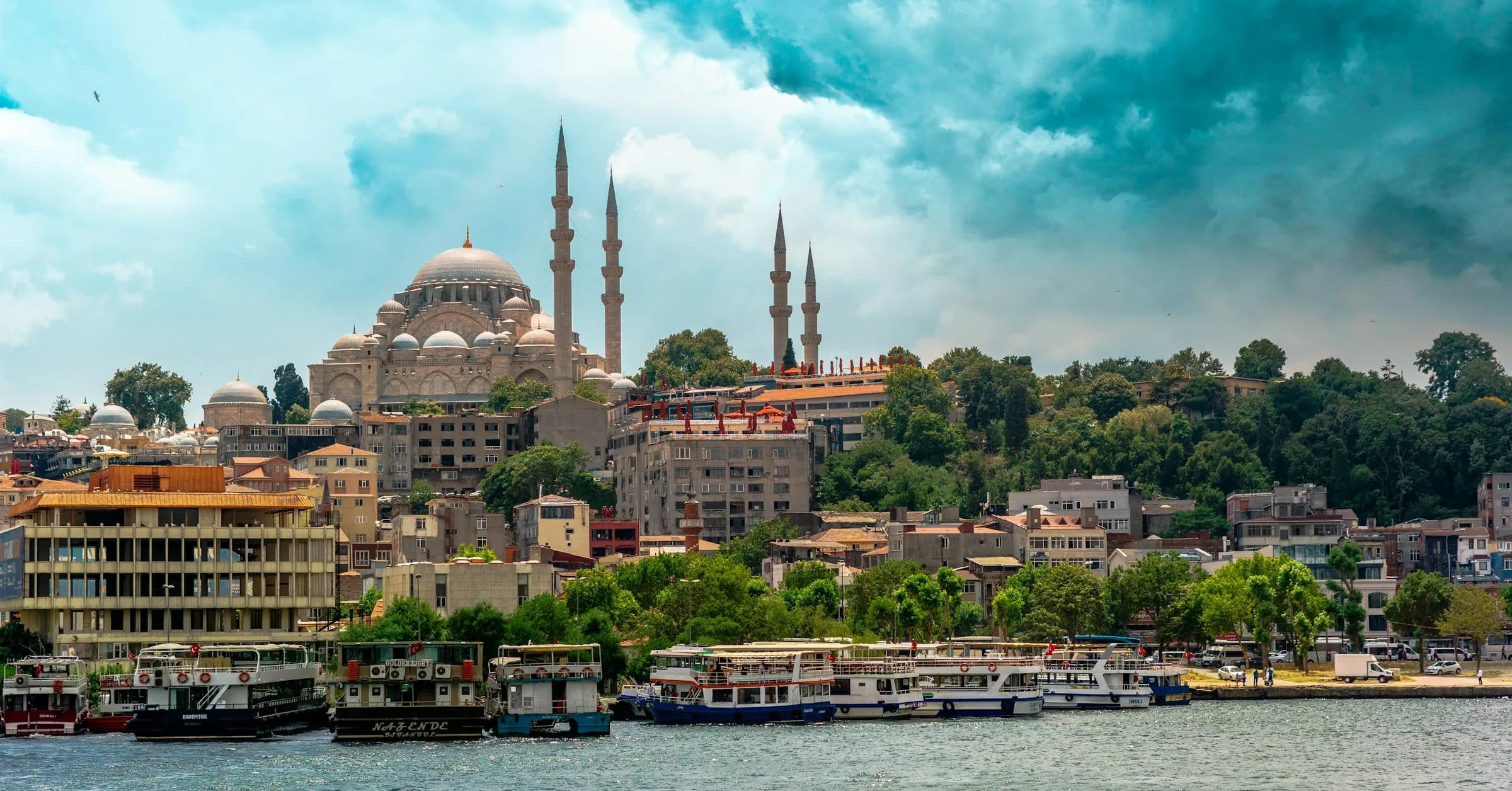
 Photo: Ibrahim Uzun on Unsplash
Do Americans need a visa for Istanbul?
US citizens with an ordinary passport can visit Türkiye for tourism without a visa for up to 90 days in any 180-day period, under a change that took effect in 2024. Check passport validity rules and the current requirements on the State Department's Türkiye page before you book, as rules can change.
Practical safety tips for Istanbul
- Enrol in STEP before you travel, and save the number of the US Consulate General in Istanbul.
- Know the emergency number: 112 for police, ambulance and fire.
- Use the Istanbulkart for trams, metro and ferries instead of taxis where you can.
- Keep valuables zipped and in front of you in crowds, especially on İstiklal Avenue, the Grand Bazaar and the T1 tram.
- Choose your own bars and restaurants, and check prices before ordering.
- Withdraw cash from bank ATMs and bring small US dollar notes if you bring any at all.
- Avoid demonstrations and leave if a crowd starts to gather.
- Get travel insurance. Private hospitals in Istanbul are good but can be expensive, and US health plans often don't cover you abroad; travel insurance with medical cover protects you if something goes wrong.
- Check your eSIM or roaming plan. The UK government notes that access to some eSIM services is restricted in Turkey, so confirm yours will work before you rely on it.
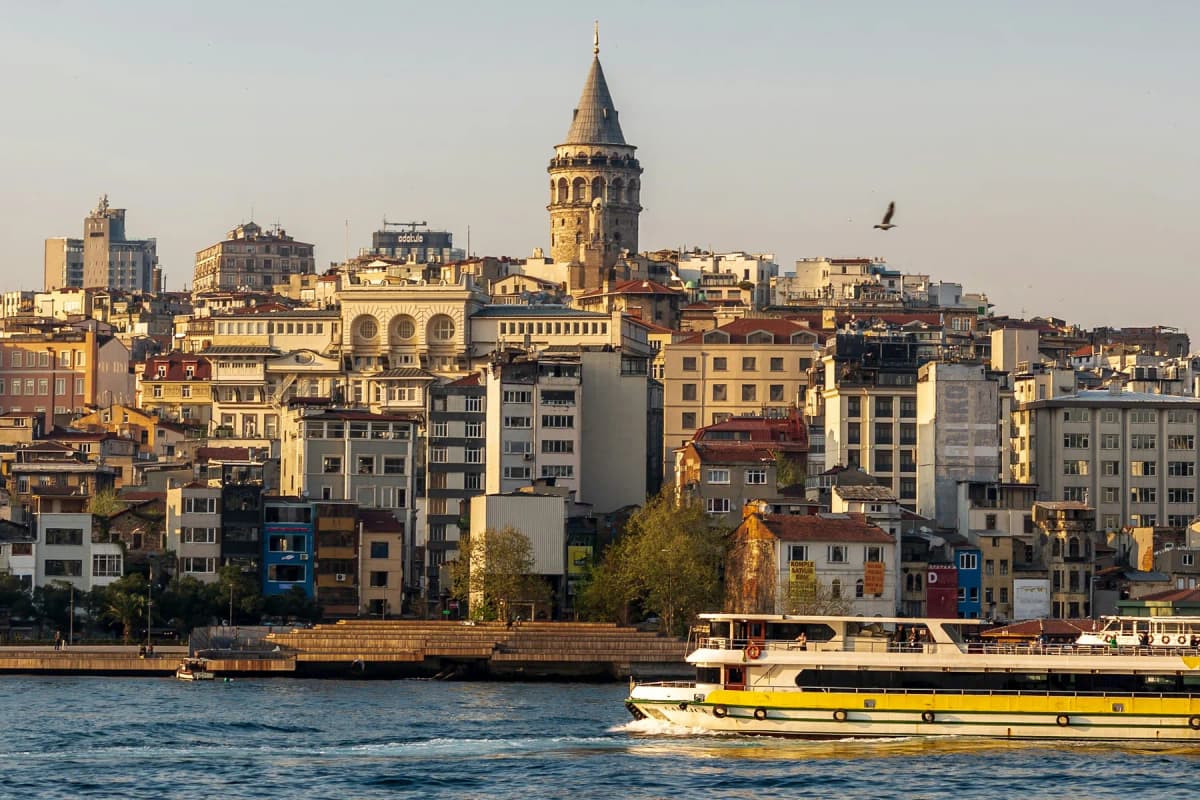 Photo: Imad Alassiry on Unsplash
Getting around Istanbul safely
Istanbul's public transport is safe, cheap and often the quickest way to get around. The T1 tram links Sultanahmet, Eminönü and Karaköy; the M2 metro runs through Taksim; and the public ferries cross between Europe and Asia in around 20 minutes. All take the Istanbulkart. Our guide to the best things to do in Istanbul shows how to fit the main sights together by tram and ferry.
Frequently asked questions
Is Turkey friendly to US citizens? Generally, yes. Turkish people are known for their hospitality, and American visitors are common in Istanbul. Politics between the two governments rarely affects how individual travellers are treated, though it's wise to avoid heated political discussions and demonstrations.
Is it safe to fly to Turkey right now in 2026? Yes, flights to Istanbul operate normally, and the State Department keeps Türkiye at Level 2: Exercise Increased Caution. Check the current advisory and your airline before you travel, as regional events can affect routes.
Is Istanbul a safe city? For visitors, yes, by the standards of large cities. Violent crime against tourists is uncommon. The main problems are pickpocketing in crowded areas, scams and taxi overcharging, all of which are easy to avoid with basic precautions.
Do they speak English in Istanbul? In hotels, tourist areas, many restaurants and among younger people, yes. Outside those areas, English is less common, so a translation app and a few Turkish words, such as merhaba (hello) and teşekkürler (thank you), are useful.
Can females wear shorts in Turkey? Yes, in most of Istanbul and in beach resorts. In mosques you must cover your shoulders, knees and hair, and in conservative neighbourhoods such as Fatih, longer clothing draws less attention.
What should Americans avoid in Istanbul? Avoid following friendly strangers to bars, unofficial taxis, street money changers, political demonstrations and deserted streets late at night. Don't photograph military sites, and always carry your passport.
How we researched this guide
This guide is based on the US State Department's travel advisory for Türkiye (Level 2, renewed in 2026) and the UK Foreign Office's safety and security advice for Turkey, which we checked in October 2026. Descriptions of common scams are based on these sources and on recurring traveller reports. The visa rule for US citizens reflects the 2024 change reported by the Turkish authorities; confirm it before you travel. Safety situations can change quickly, so always check the latest official advice before and during your trip. Found something out of date? Let us know.
Ready to plan? Choose a base with our guide to where to stay in Istanbul, see the best things to do in Istanbul, or browse all our Turkey guides.