15 Best Things to Do in Iceland (2026 Guide)
October 23, 2026 · Iceland
This post contains affiliate links. We may earn a commission if you book through them, at no extra cost to you. Disclaimer.
The best things to do in Iceland are driving the Golden Circle to Þingvellir, Geysir and Gullfoss, following the South Coast past Seljalandsfoss and Skógafoss to the black sand at Reynisfjara, hiking on a glacier, seeing the icebergs at Jökulsárlón and, between late August and mid-April, hunting for the northern lights. Add a soak in a geothermal lagoon, a day on the Snæfellsnes Peninsula and an evening in Reykjavik, and you have the trip most first-time visitors are looking for.
Iceland is small enough to see a lot in a week, but the distances are bigger than they look on a map and the weather decides more than any itinerary. Most of the famous sights are within a day of Reykjavik, which is why so many people base themselves in the capital and take day trips, while others hire a car and drive the Ring Road. This guide covers 15 of the best things to do, with what each one costs, how far it is from Reykjavik and who it suits.
Things to do in Iceland at a glance
| Thing to do | Region | Cost (approx.) | From Reykjavik | Best for |
|---|---|---|---|---|
| Þingvellir National Park | Golden Circle | Free, parking ISK 1,000 | About 45 minutes | History and the rift valley |
| Geysir and Strokkur | Golden Circle | Free | About 1.5 hours | Watching a geyser erupt |
| Gullfoss | Golden Circle | Free | About 1.5 hours | A huge two-tier waterfall |
| Seljalandsfoss and Gljúfrabúi | South Coast | Parking about ISK 1,000 | About 2 hours | Walking behind a waterfall |
| Skógafoss | South Coast | Free | About 2.5 hours | The classic Iceland waterfall |
| Reynisfjara and Vík | South Coast | Free | About 2.5 hours | Black sand and basalt columns |
| A glacier hike | South Coast | Guided tour only | About 2.5 hours | Walking on ice |
| Jökulsárlón and Diamond Beach | South East | Free | 4.5 to 6 hours | Icebergs and seals |
| The Snæfellsnes Peninsula | West | Free | About 2.5 hours | Kirkjufell and coastal villages |
| The northern lights | Anywhere dark | Free, or a tour | Outside the city | Winter nights |
| Snorkelling at Silfra | Golden Circle | Guided tour only | About 45 minutes | Clear water between two plates |
| Whale watching | Reykjavik or the north | Tour | From the Old Harbour | Wildlife |
| A geothermal lagoon | Several | Varies by pass | 15 to 50 minutes | Relaxing after a long day |
| Reykjavik | Capital | Mostly free | In the city | Food, culture and the church tower |
| North Iceland and Mývatn | North | Mostly free | A flight or a long drive | Lava fields and big waterfalls |
Our short version: if you only have three or four days, spend one on the Golden Circle, one on the South Coast as far as Vík, and one in Reykjavik with an evening in a lagoon. Add a glacier hike or Silfra for something more active, and book a northern lights tour for a clear night if you're visiting between September and March.
Before you go: tips for getting around
Most visitors either hire a car or take day tours from Reykjavik. A car gives you the freedom to stop wherever you like and to see the popular sights before the tour buses arrive, but you need to be comfortable driving in wind, rain and, in winter, snow and ice. Tours remove that stress and are the only way to do some activities, such as glacier hikes and Silfra, because they require a guide and specialist equipment.
A few things to plan around:
- Check the conditions every morning: use road.is for road closures, vedur.is for the weather and the aurora forecast, and safetravel.is for warnings. Roads can close at short notice in winter.
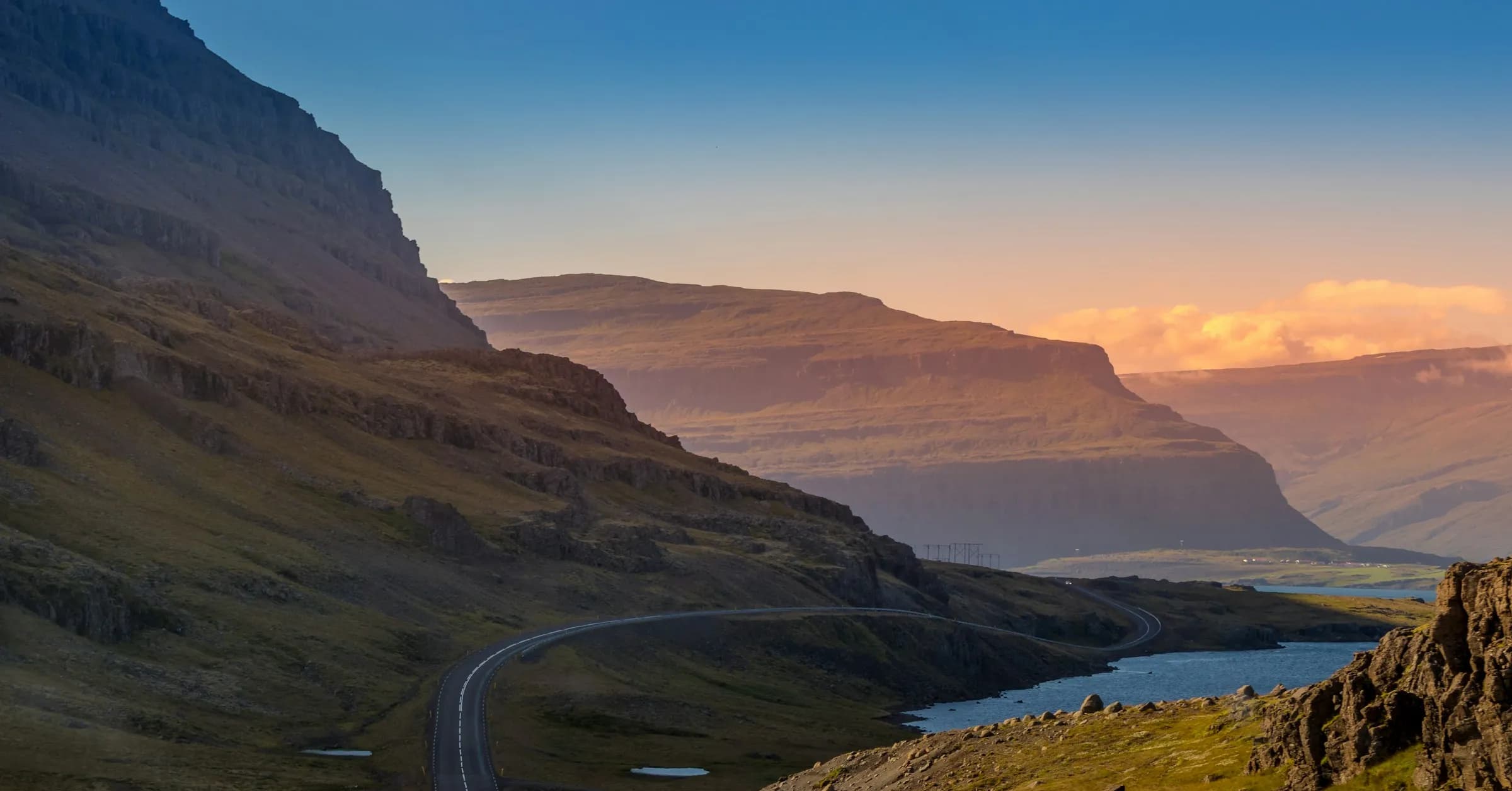
- Leave time: the Ring Road (Route 1) circles the country in roughly 1,320 km. It can be driven in a few days, but most guides suggest a week as a minimum and longer in winter.
- Daylight changes everything: summer brings very long days, while in midwinter you get only a few hours of light, so fewer sights fit into a day.
- Pay for parking: many popular sights now charge for parking, usually by card at a machine or through an app.
- Bring layers: waterproof jacket and trousers, warm layers and good walking boots are useful all year.
The 15 best things to do in Iceland
1. Þingvellir National Park: best for history and the rift valley
Þingvellir (often written Thingvellir) is the first stop on the Golden Circle and the place where two big stories come together. It sits in a rift valley where the North American and Eurasian plates are pulling apart, so you walk between dark lava walls with cracks and fissures all around you. It's also where Iceland's parliament, the Alþingi, first met in the year 930, which makes it one of the most important places in the country's history. The park is a UNESCO World Heritage Site.
The main walk runs from the visitor centre at the top of the Almannagjá gorge down to the old assembly site and the small church, with views across the lake. The waterfall Öxarárfoss is a short walk away.
Costs: entry to the park is free. Parking costs ISK 1,000 for a standard car and covers all of the park's paid car parks for the day.
Best for: everyone on the Golden Circle. Go early or late in the day to avoid the tour bus rush.
2. Geysir and Strokkur: best for watching a geyser erupt
The Haukadalur geothermal area is home to Geysir, the hot spring that gave every other geyser its name. Geysir itself is mostly quiet now, but Strokkur, a short walk away, erupts every 5 to 10 minutes, usually sending water 15 to 20 metres into the air. You'll see a blue bubble swell up in the pool a split second before it blows.
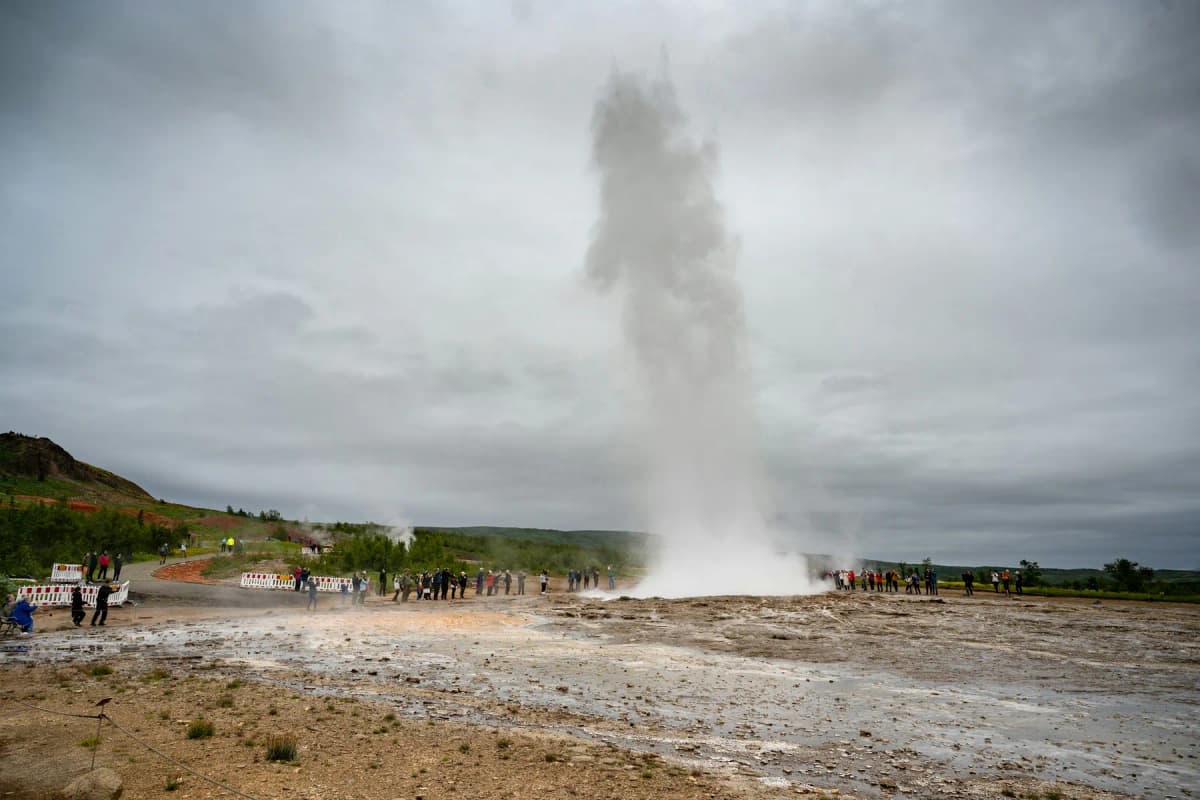 Photo: Piotr Musioł on Unsplash
The area is free to visit, and there are smaller hot springs and steaming vents along the paths. Stay behind the ropes: the water is boiling, and the ground can be thin crust in places. Stand upwind if you don't want to be soaked.
Best for: families and first-time visitors. Wait for two or three eruptions, as some are much bigger than others.
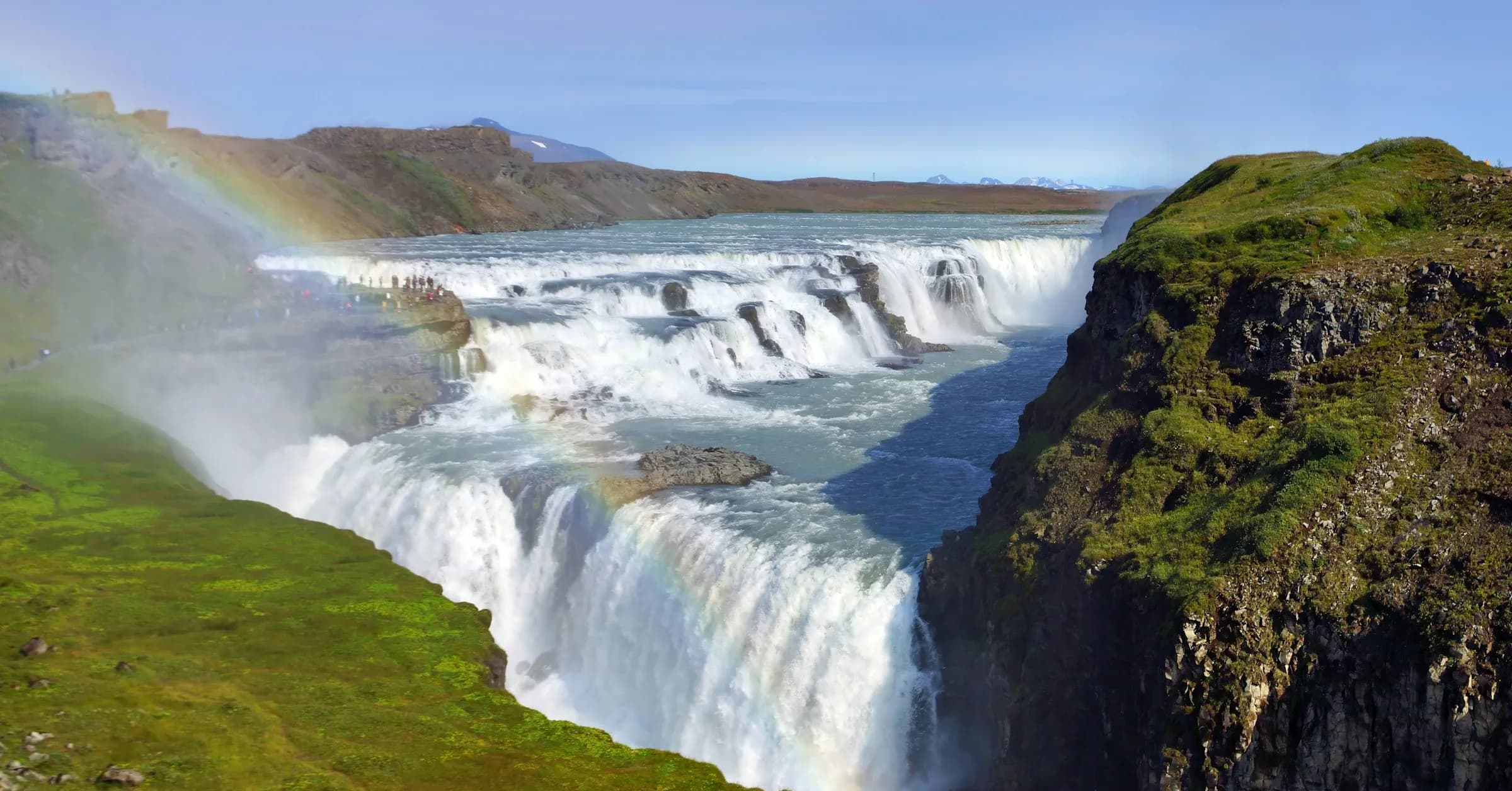
3. Gullfoss: best for a huge two-tier waterfall
Gullfoss, the "Golden Falls", is where the Hvítá river drops 32 metres in two stages, first 11 metres and then 21 metres, into a narrow canyon set at an angle to the falls. The lower viewpoint brings you close enough to feel the spray, while the upper path gives the classic view down into the gorge.
The site is free, with a café and shop by the upper car park. Paths can be closed or icy in winter, so take care near the edge.
Best for: anyone on the Golden Circle. If you don't want to drive, this Golden Circle and Kerið Crater day tour covers Þingvellir, Geysir and Gullfoss with a stop at a volcanic crater lake.
4. Seljalandsfoss and Gljúfrabúi: best for walking behind a waterfall
On the South Coast, Seljalandsfoss drops from an old sea cliff, and a path runs right around the back of it, so you can watch the water from behind. Expect to get wet, so wear a waterproof jacket and protect your camera. The path is often closed when it's icy, usually in the winter months.
A few hundred metres along the cliff, Gljúfrabúi is a waterfall hidden inside a narrow gorge. You walk in over stepping stones to see it, and it's one of the most memorable short stops on the coast.
Costs: parking costs around ISK 1,000 and covers both waterfalls.
Best for: photographers and anyone who doesn't mind getting a little wet.
5. Skógafoss: best for the classic Iceland waterfall
Skógafoss is the waterfall many people picture when they think of Iceland: a wide, straight curtain of water around 60 metres high and 25 metres across, framed by green cliffs. On sunny days, the spray often throws up a rainbow.
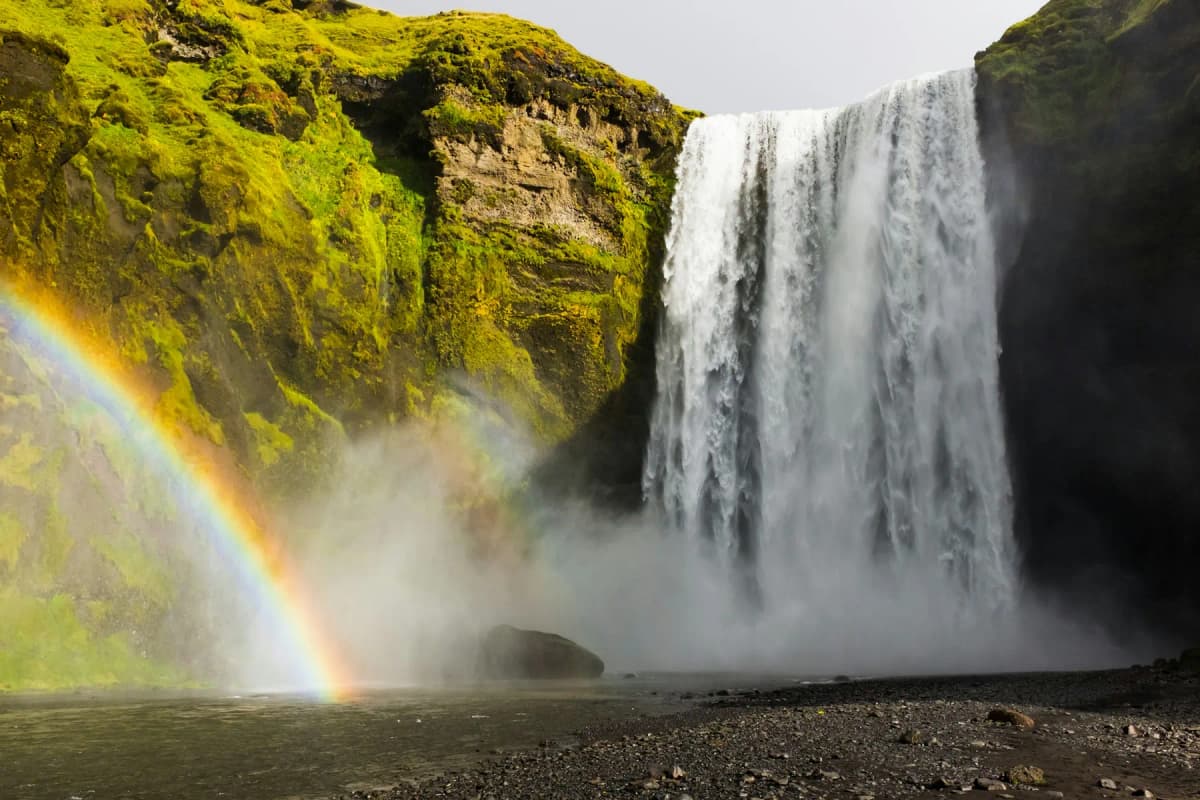 Photo: Nuno Antunes on Unsplash
You can walk right up to the base, then climb the long staircase beside the falls to a viewing platform at the top. From there, a trail follows the Skógá river upstream past a string of smaller waterfalls, and you can walk for as long as you like before turning back.
Best for: everyone. Climb the stairs for a different view, and walk a little way up the river trail to leave the crowds behind.
6. Reynisfjara and Vík: best for black sand and basalt columns
Reynisfjara is a black sand beach near the village of Vík, with a wall of hexagonal basalt columns, a sea cave and the Reynisdrangar sea stacks standing offshore. It's one of the most dramatic places in the country.
It's also one of the most dangerous. Sneaker waves run far further up the beach than the waves before them, without warning, and people have been swept out to sea and killed here. There's a warning light system at the entrance: follow it, keep well back from the water's edge, and never turn your back on the sea. There are no lifeguards.
Best for: dramatic coastal scenery. To see Seljalandsfoss, Skógafoss and Reynisfjara in one day without driving, consider this South Iceland guided tour.
7. A glacier hike: best for walking on ice
Walking on a glacier is one of the things Iceland does best, and Sólheimajökull, an outlet glacier of Mýrdalsjökull on the South Coast, is the easiest one to reach from Reykjavik, at around 165 km away. Guides fit you with crampons, a harness and an ice axe, then lead you up through ridges, crevasses and patches of black volcanic ash.
You must go with a qualified guide: glaciers have hidden crevasses and change constantly. Minimum ages vary between operators, usually from 8 to 14, and you'll need sturdy boots, which some companies rent out. Further east, Skaftafell in Vatnajökull National Park offers longer hikes and, in winter, ice cave tours.
Best for: active travellers. This glacier hike and ice climbing tour on Sólheimajökull includes transport from Reykjavik.
8. Jökulsárlón and Diamond Beach: best for icebergs and seals
Jökulsárlón is a glacier lagoon at the foot of Vatnajökull, Iceland's largest glacier. Blue and white icebergs break off the glacier, drift across the lagoon and slowly float out to sea, where many wash up on the black sand of Diamond Beach, just across the road. Seals are often seen swimming in the lagoon.
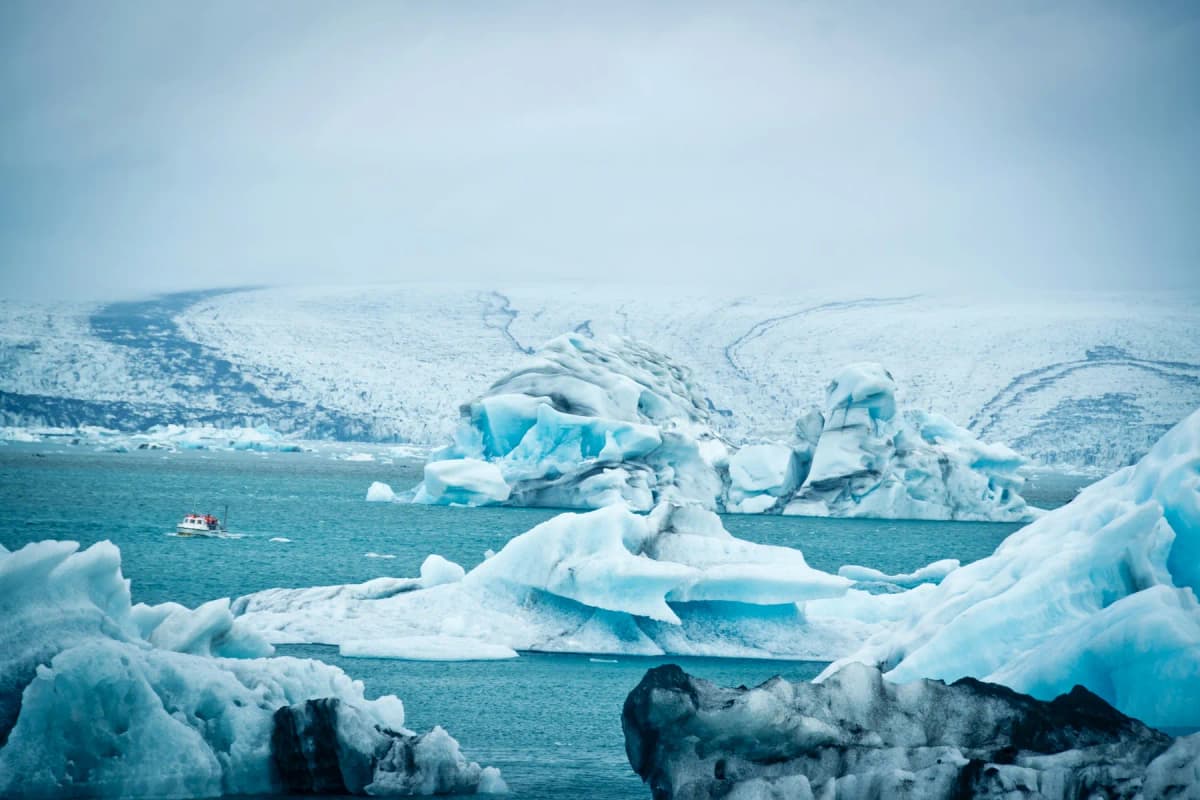 Photo: Ankit Sood on Unsplash
The catch is the distance. Jökulsárlón is roughly 370 to 380 km from Reykjavik, between 4.5 and 6 hours' drive each way, so it's much better as part of a two- or three-day South Coast trip with a night in Vík, Kirkjubæjarklaustur or Höfn. Boat trips on the lagoon run in the warmer months.
Best for: anyone with at least two days for the South Coast. If you're short on time, this Jökulsárlón and Diamond Beach day trip does it from Reykjavik in one long day.
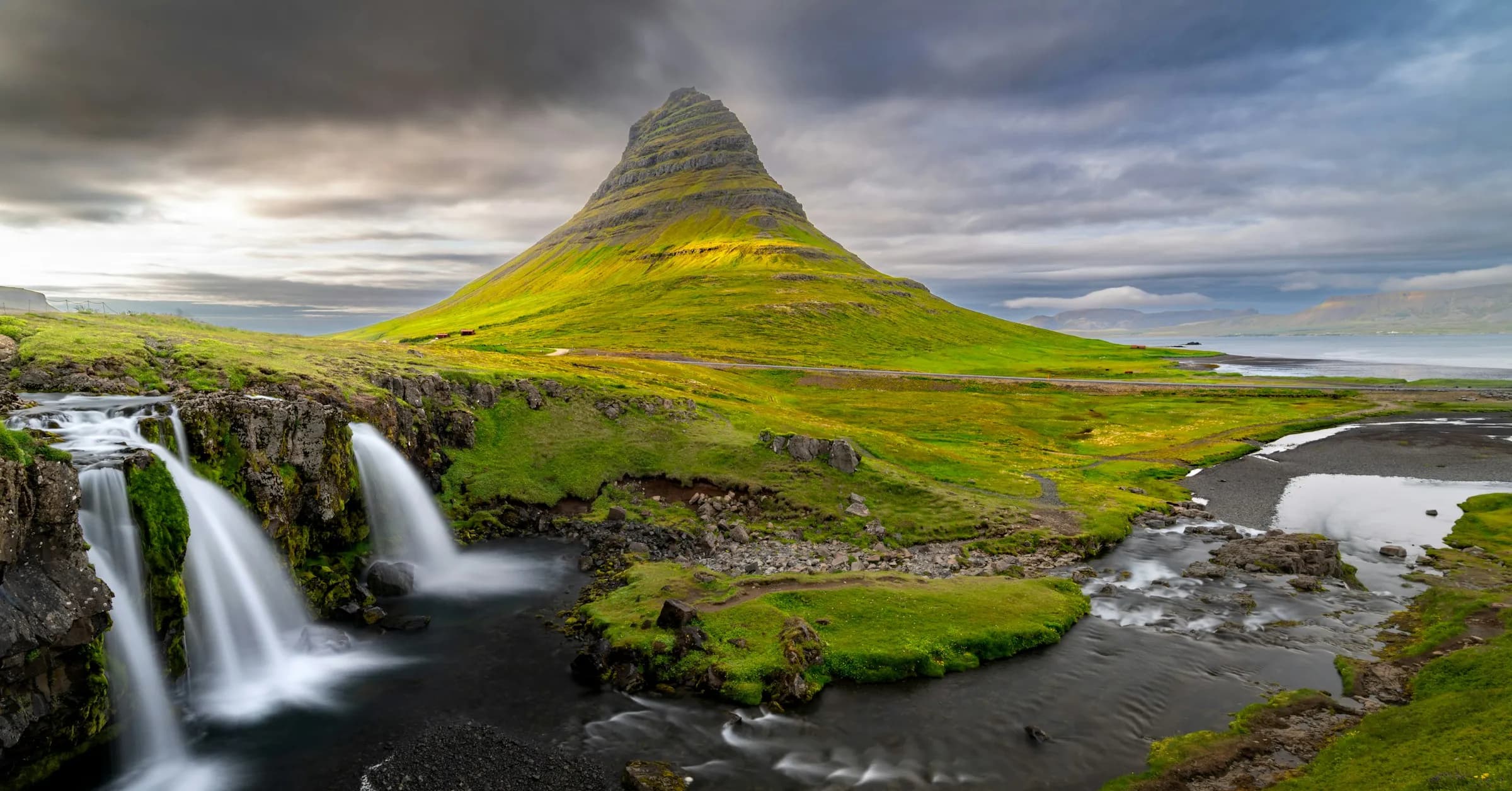
9. The Snæfellsnes Peninsula: best for Kirkjufell and coastal villages
The Snæfellsnes Peninsula, around 150 km northwest of Reykjavik, is often called "Iceland in miniature" because it packs beaches, lava fields, fishing villages and a glacier-topped volcano into a single day. Its best-known sight is Kirkjufell, the steep, cone-shaped mountain near Grundarfjörður, with the small falls of Kirkjufellsfoss in front of it.
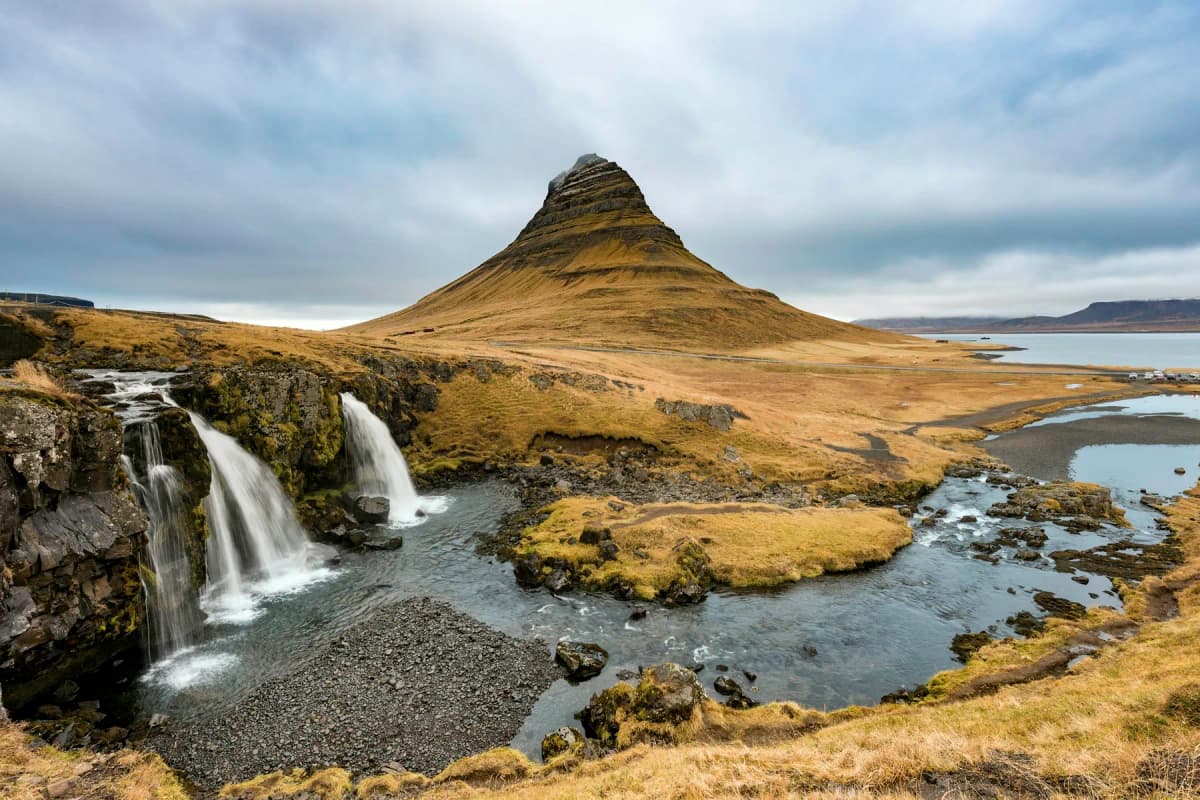 Photo: Alessio Zappatore on Unsplash
Other stops include the cliffs and stone arch at Arnarstapi, the black pebble beach of Djúpalónssandur, with its old lifting stones once used to test fishermen's strength, and the black church at Búðir. Snæfellsjökull, the glacier-capped volcano at the tip of the peninsula, is visible from much of the drive.
Best for: a quieter alternative to the South Coast. This Snæfellsnes Peninsula day tour covers the main stops from Reykjavik.
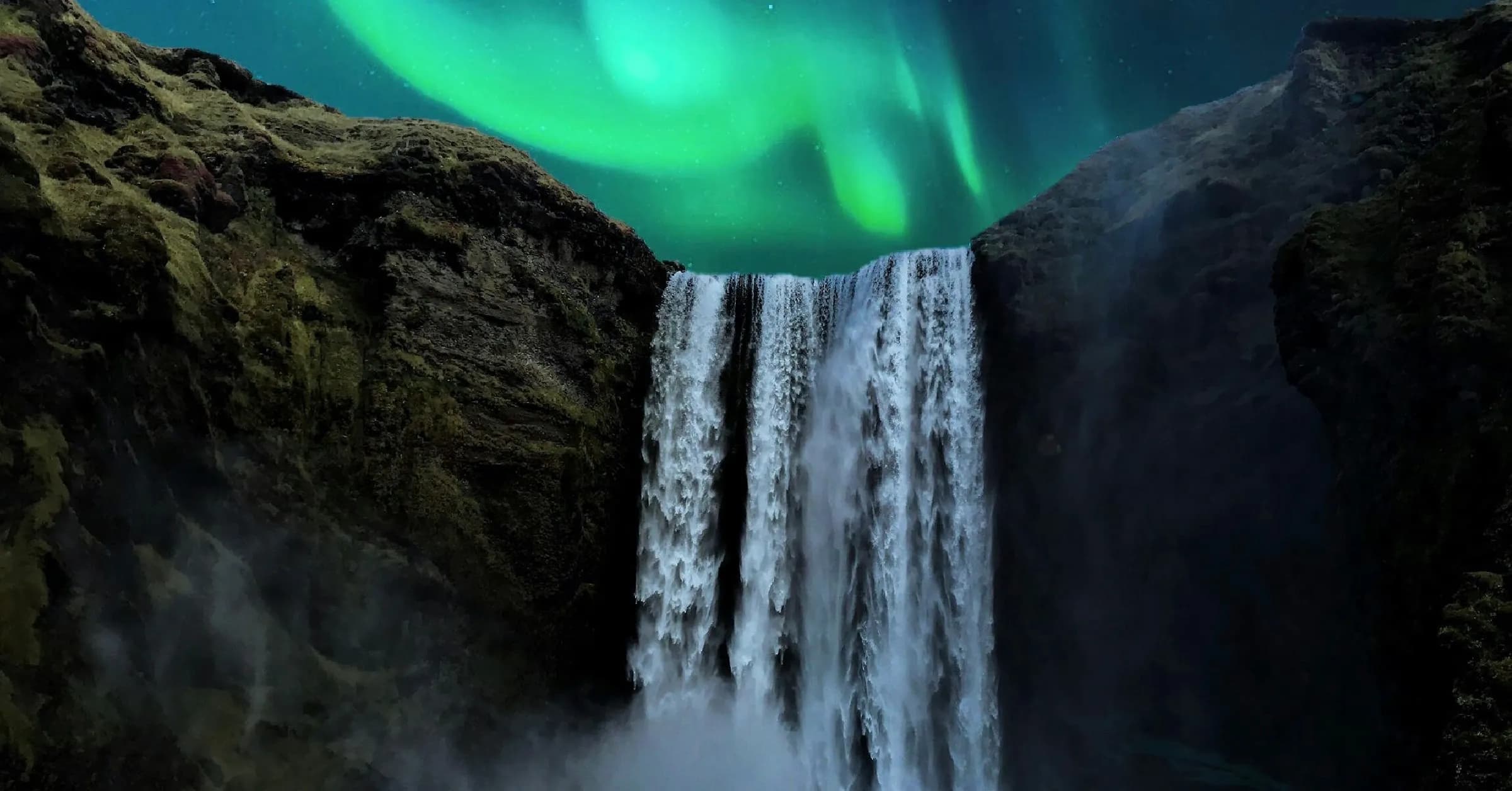
10. The northern lights: best for winter nights
The northern lights are visible in Iceland from roughly late August to mid-April, when the nights are dark enough. You need two things: solar activity and, just as importantly, a clear sky. The Icelandic Met Office publishes an aurora and cloud cover forecast that's worth checking every afternoon.
You can see the lights from Reykjavik on strong nights, but your chances improve away from the city lights. With a car, drive somewhere dark, such as Þingvellir, and wait. Without one, a tour is the simplest option, and many companies offer a free second trip if you don't see anything. Dress for standing outside in the cold for a couple of hours.
Best for: winter visitors. This northern lights bus tour from Reykjavik is a well-reviewed option.
11. Snorkelling at Silfra: best for clear water between two plates
Silfra is a fissure in Þingvellir National Park filled with glacial meltwater that has filtered through lava rock for years. The result is some of the clearest water anywhere, with visibility often quoted at 100 metres or more, so you float over blue depths and bright green algae between the North American and Eurasian plates.
The water stays at around 2 to 4°C all year, so you'll wear a drysuit over warm layers, with only your face and hands exposed. Snorkelling here is guided only. Most operators set a minimum age of 12, plus height and weight limits, and you need to be a confident swimmer.
Best for: adventurous travellers. This Silfra snorkelling tour includes the equipment and an optional pick-up from Reykjavik.
12. Whale watching: best for wildlife
Boats leave Reykjavik's Old Harbour throughout the year for Faxaflói Bay, where minke whales, humpback whales, white-beaked dolphins and harbour porpoises are the most common sightings. Summer, from about April to October, has the calmest seas and the best odds. Winter trips are more often cancelled because of the weather.
In the north, Húsavík has a long-standing reputation for whale watching, and it's an easy addition if you're visiting Akureyri and Mývatn. Sightings are never guaranteed, wherever you go, and many operators offer a free second trip if you see nothing.
Best for: wildlife lovers. This whale watching tour from Reykjavik leaves from the Old Harbour.
13. A geothermal lagoon: best for relaxing after a long day
Soaking in warm geothermal water is part of everyday life in Iceland, and there's a pool or lagoon to suit every budget. The two best-known options near Reykjavik are very different:
- The Blue Lagoon, on the Reykjanes Peninsula, is the most famous, with milky blue water set in a lava field about 20 minutes from Keflavík Airport. It's popular as a first or last stop of a trip. It has closed temporarily during volcanic eruptions nearby, so check its website before you go. This Blue Lagoon package with transfer includes the bus.
- Sky Lagoon, in Kópavogur, is just outside Reykjavik and has an infinity edge facing the ocean, plus a seven-step ritual of hot and cold pools, a sauna and a body scrub. This Sky Lagoon pass includes the ritual.
On the Golden Circle, the Secret Lagoon at Flúðir is a smaller, simpler hot spring, and every town has a public swimming pool with hot tubs that costs far less.
Best for: everyone, especially at the end of a cold day.
14. Reykjavik: best for food, culture and the church tower
Most trips start and end in Reykjavik, and it's worth giving the capital at least a day. The striking concrete church of Hallgrímskirkja stands on the hill above the centre, and its tower lift takes you up for the best view over the colourful rooftops. Tower tickets cost ISK 1,500 for adults in 2026 and are sold in the church shop.
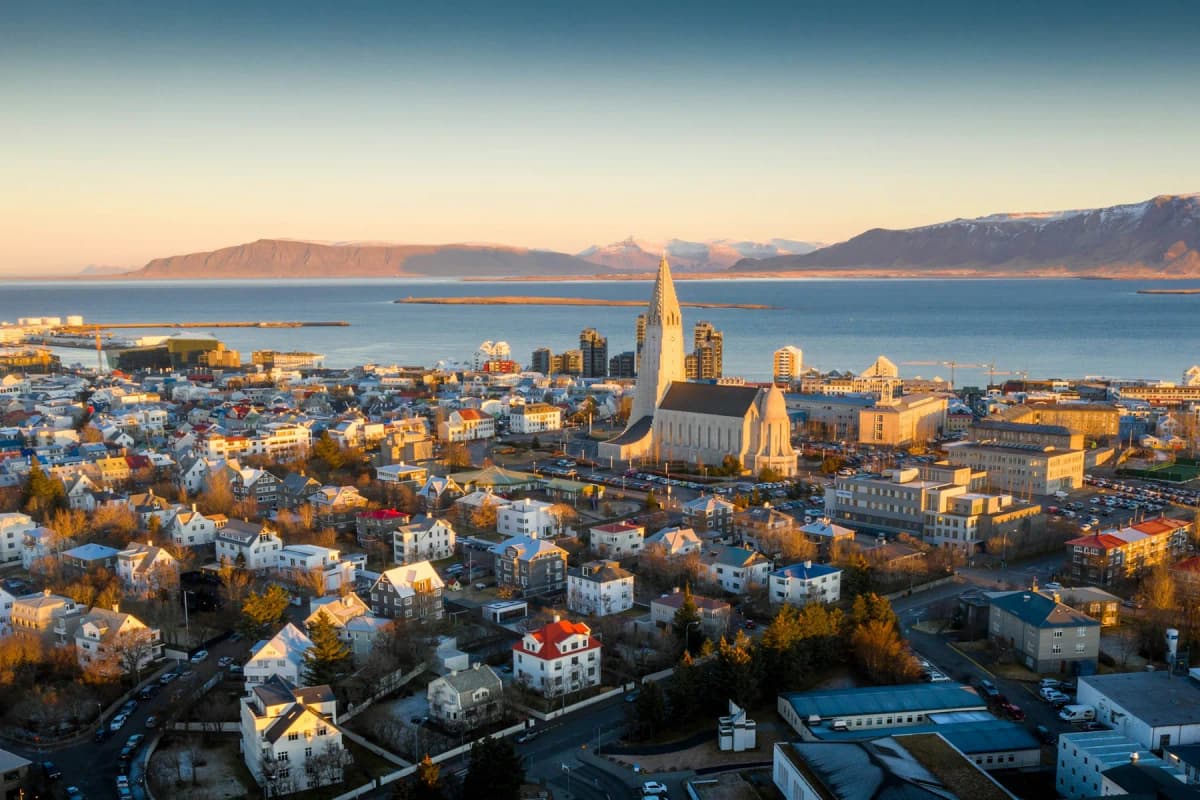 Photo: Einar H. Reynis on Unsplash
From the church, walk down Skólavörðustígur and Laugavegur, the main shopping streets, to the harbour. The glass Harpa concert hall is free to walk around, and the Sun Voyager sculpture is a short stroll along the waterfront. Save an evening for the city's restaurants and bars, or for one of its many public swimming pools.
Best for: your arrival and departure days, or a rest day between tours.
15. North Iceland and Mývatn: best for lava fields and big waterfalls
If you have more time, fly or drive north to Akureyri, Iceland's second town, and explore the area around Lake Mývatn. The lake and its surroundings were shaped by volcanic eruptions, and the strange lava pillars of Dimmuborgir and the pseudo-craters at Skútustaðir are easy to explore on foot. The Mývatn Nature Baths are a quieter alternative to the lagoons in the south.
On the way, Goðafoss, the "Waterfall of the Gods", is one of Iceland's most beautiful falls, and to the east, Dettifoss is often described as Europe's most powerful waterfall. Whale watching from Húsavík fits neatly into the same trip.
Best for: second-time visitors and anyone driving the Ring Road.
Which things to do in Iceland should you choose?
- If you have one day: the Golden Circle, with a stop at the Secret Lagoon or Silfra.
- If you have three or four days: the Golden Circle, the South Coast as far as Vík, and a day in Reykjavik with a lagoon.
- If you have a week: add Jökulsárlón with a night on the South Coast, plus the Snæfellsnes Peninsula.
- If you love adventure: a glacier hike, snorkelling at Silfra and an ice cave in winter.
- If you're travelling with children: Geysir, Seljalandsfoss, whale watching and a swimming pool, which children love.
- If you're visiting in winter: the northern lights, the Golden Circle and the South Coast, with plenty of buffer time for the weather.
Tours or independent?
Iceland is easy to explore by car in summer, as long as you check the conditions each morning and don't try to cover too much ground in a day. In winter, many visitors prefer tours, because drivers know the roads and turn back when the weather does. Some activities, including glacier hikes, ice caves and Silfra, can only be done with a guide. Many travellers mix the two: a hire car for the Golden Circle and the South Coast, and tours for the activities. Our guide to day trips from Reykjavik compares travel times and options for each.
If you still need somewhere to stay, compare hotels in Iceland here:
Tips for visiting Iceland
- Book ahead in summer: accommodation on the South Coast and around Mývatn is limited and fills up early.
- Start early: the big sights on the Golden Circle and the South Coast are much quieter before the tour buses arrive.
- Respect the warnings: stay behind the ropes at Geysir, keep well back from the sea at Reynisfjara, and never walk on a glacier without a guide.
- Stay connected: an Iceland eSIM makes it easy to check road conditions, the weather and the aurora forecast on the go.
- Get travel insurance: cover that includes medical treatment is worth having, particularly if you plan to hike or snorkel.
- Don't drive off-road: driving off marked roads is illegal and damages fragile moss and soil.
Frequently asked questions
What is the number one thing to do in Iceland? For most first-time visitors, the Golden Circle. Þingvellir, Geysir and Gullfoss are all within a day of Reykjavik, and they give you a taste of Iceland's history, geothermal activity and waterfalls in one trip.
How many days do you need in Iceland? Four to five days is enough to see Reykjavik, the Golden Circle and the South Coast. A week lets you add Jökulsárlón and the Snæfellsnes Peninsula, and you'll want at least a week, ideally longer, to drive the Ring Road. Our Iceland itinerary has day-by-day routes for 5, 7 and 10 days.
When is the best time to visit Iceland? June to August brings long days, open highland roads and the best weather for hiking. September to March is the season for the northern lights and ice caves, but days are short and the weather can close roads.
Do you need a car in Iceland? No. You can see the Golden Circle, the South Coast, Snæfellsnes and Jökulsárlón on day tours from Reykjavik. A car gives you more freedom, especially in summer, but tours are a sensible choice in winter.
Can you see the northern lights from Reykjavik? Sometimes, on nights with strong activity and a clear sky, particularly from darker spots such as the Grótta lighthouse. Your chances are better outside the city, away from light pollution.
Is Iceland expensive to visit? Yes, it's one of the more expensive countries in Europe, especially for eating out, alcohol and tours. Many of the best sights, including the Golden Circle, the South Coast waterfalls and Reynisfjara, are free, although parking fees are increasingly common.
How we researched this guide
We compared sights, prices and distances using Iceland travel guides from several travel publishers, official park and attraction listings, tour operators' descriptions, the Icelandic Met Office and the UK government's travel advice for Iceland, all checked in October 2026. Prices, opening hours and road conditions change often, and volcanic activity on the Reykjanes Peninsula can close sites at short notice, so confirm the details before you go. Found something out of date? Let us know.
Ready to plan? Browse all our Iceland guides.