Iceland Itinerary: 5, 7 and 10 Days (2026)
October 23, 2026 · Iceland
This post contains affiliate links. We may earn a commission if you book through them, at no extra cost to you. Disclaimer.
Iceland looks small on a map, but distances are long, the weather changes quickly and the best sights are spread around the coast. The Ring Road (Route 1) that circles the island is roughly 1,320 kilometres, and many of the waterfalls, glaciers and black sand beaches people come for sit within a few hours of Reykjavik. The most common mistake is trying to cover too much ground in too few days.
This Iceland itinerary has three versions: a 5-day trip based around Reykjavik and the South Coast, a 7-day route that reaches the Jökulsárlón glacier lagoon, and a 10-day Ring Road itinerary that loops the whole island. Each one works with a hire car, and most of the stops can also be reached on day tours from Reykjavik if you'd rather not drive.
Iceland itinerary: the quick answer
| Trip length | Route | Best for |
|---|---|---|
| 5 days | Reykjavik, the Golden Circle, the South Coast to Vík, Snæfellsnes or a lagoon | A first taste, or a winter trip |
| 7 days | Reykjavik, the Golden Circle, the South Coast, Jökulsárlón, Snæfellsnes | Most first-time visitors |
| 10 days | The full Ring Road: the south, the Eastfjords, Mývatn, Akureyri and back | Summer road trips |
Our short version: if it's your first trip, 7 days is the sweet spot. It covers the Golden Circle, the South Coast's waterfalls, the icebergs at Jökulsárlón and the Snæfellsnes Peninsula without long days on the road. With 10 days in summer, drive the whole Ring Road. With 5 days, or in the depths of winter, stay in the south and west.
How many days do you need in Iceland?
Five days is enough for Reykjavik, the Golden Circle and the South Coast as far as Vík. Seven days lets you push east to Jökulsárlón and add Snæfellsnes. Ten days is the minimum we'd suggest for the full Ring Road at a relaxed pace, and many travellers take two weeks. If you're still deciding which regions to include, see our guide to the best places to visit in Iceland.
You can drive the Ring Road in seven days, but it means four to five hours behind the wheel most days and little time to stop. If you only have three days, base yourself in Reykjavik and pick two day trips from Reykjavik, such as the Golden Circle and the South Coast. Our guide to things to do in Iceland covers each of these sights in more detail.
Getting around Iceland: car or tours?
Keflavík International Airport is about 50 kilometres from Reykjavik, around 45 minutes by road. The Flybus coach is timed to meet arriving flights, or you can book a private transfer from Keflavík to Reykjavik if you're arriving late or travelling as a group. Most hire car companies have desks at or near the airport.
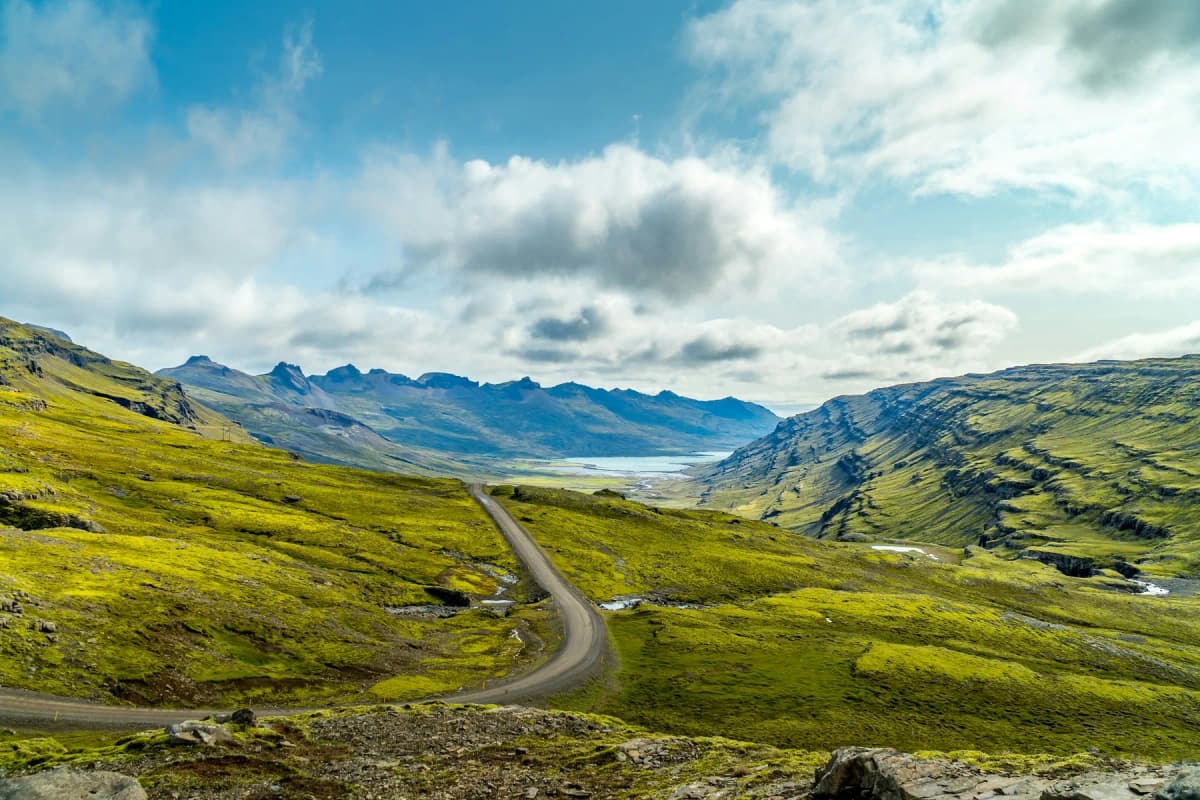 Photo:
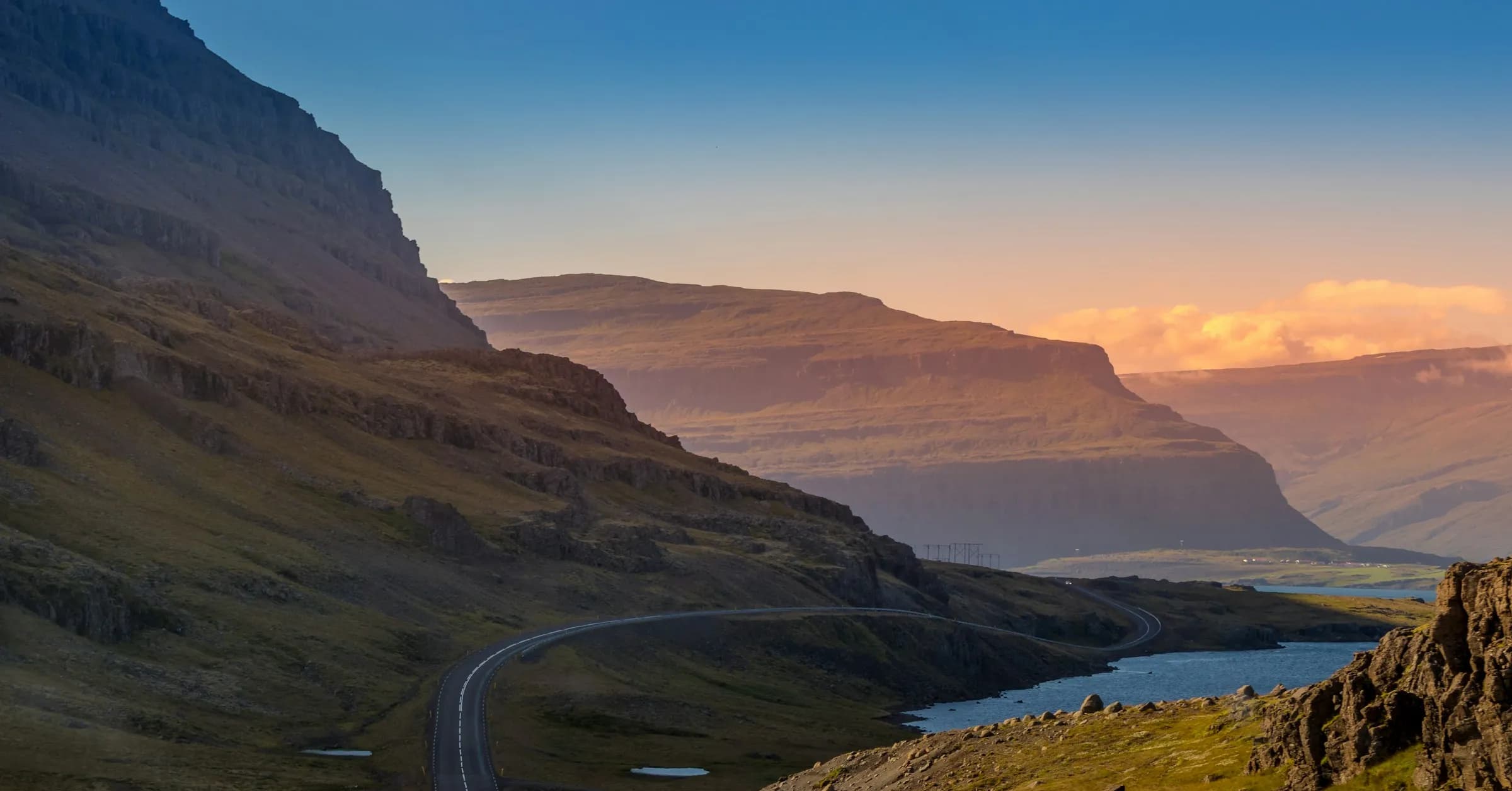
A hire car gives you the most freedom, and it's the only practical way to do the Ring Road at your own pace. Route 1 is paved almost all the way round, and in summer an ordinary two-wheel-drive car is fine for every stop in this guide. A few things to know before you drive:
- Speed limits are 90 km/h on paved roads, 80 km/h on gravel and lower in towns. Speed cameras are common and fines are high.
- F-roads (highland mountain roads) are only open in summer, roughly from late June to early September depending on the year, and by law you need a four-wheel-drive vehicle to use them. None of the routes below need an F-road.
- Check conditions every morning on road.is for road closures, vedur.is for the weather and safetravel.is for alerts. Wind is often a bigger problem than snow.
- Fill up when you can. Petrol stations can be far apart in the east and north, and many are self-service and take cards only.
Day tours are the alternative. You can see the Golden Circle, the South Coast, Jökulsárlón and Snæfellsnes on guided trips from Reykjavik, which is a sensible choice in winter, when daylight is short and roads can be icy. The trade-off is less flexibility and long days on a coach for the more distant sights.
The 7-day Iceland itinerary
This route heads east along the South Coast as far as Jökulsárlón, then comes back west, finishing with the Snæfellsnes Peninsula. You'll stay in Reykjavik for the first and last nights, with two or three nights in the south.
Day 1: Arrive in Reykjavik
Most flights land at Keflavík, and the airport is close to the Reykjanes Peninsula, so the first afternoon is a good time for a geothermal lagoon. The Blue Lagoon is about 20 minutes from the airport, and the Sky Lagoon is on the edge of Reykjavik. Both need booking in advance. Note that the Blue Lagoon has closed several times because of volcanic eruptions nearby, so check before you go.
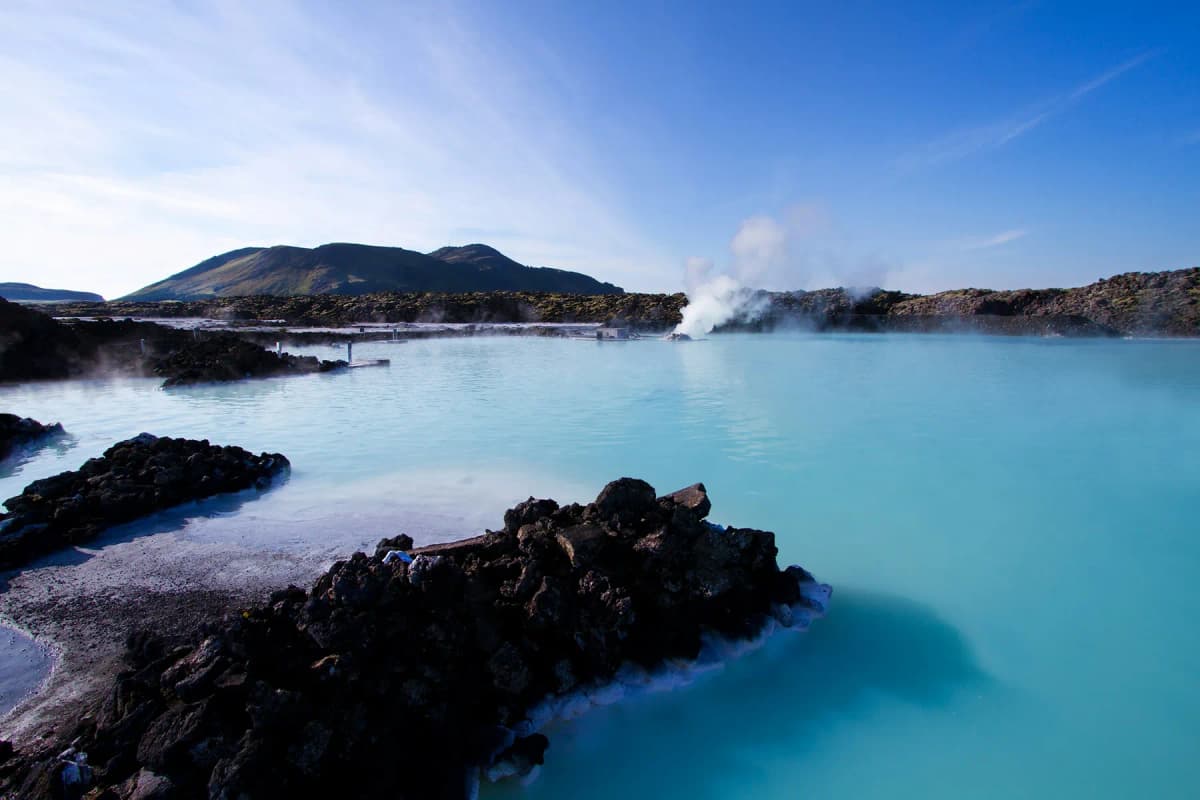 Photo:
Spend the evening in Reykjavik itself. Walk up to Hallgrímskirkja, along the harbour to the Harpa concert hall and down Laugavegur, the main shopping street.
Stay: Reykjavik.
Day 2: The Golden Circle
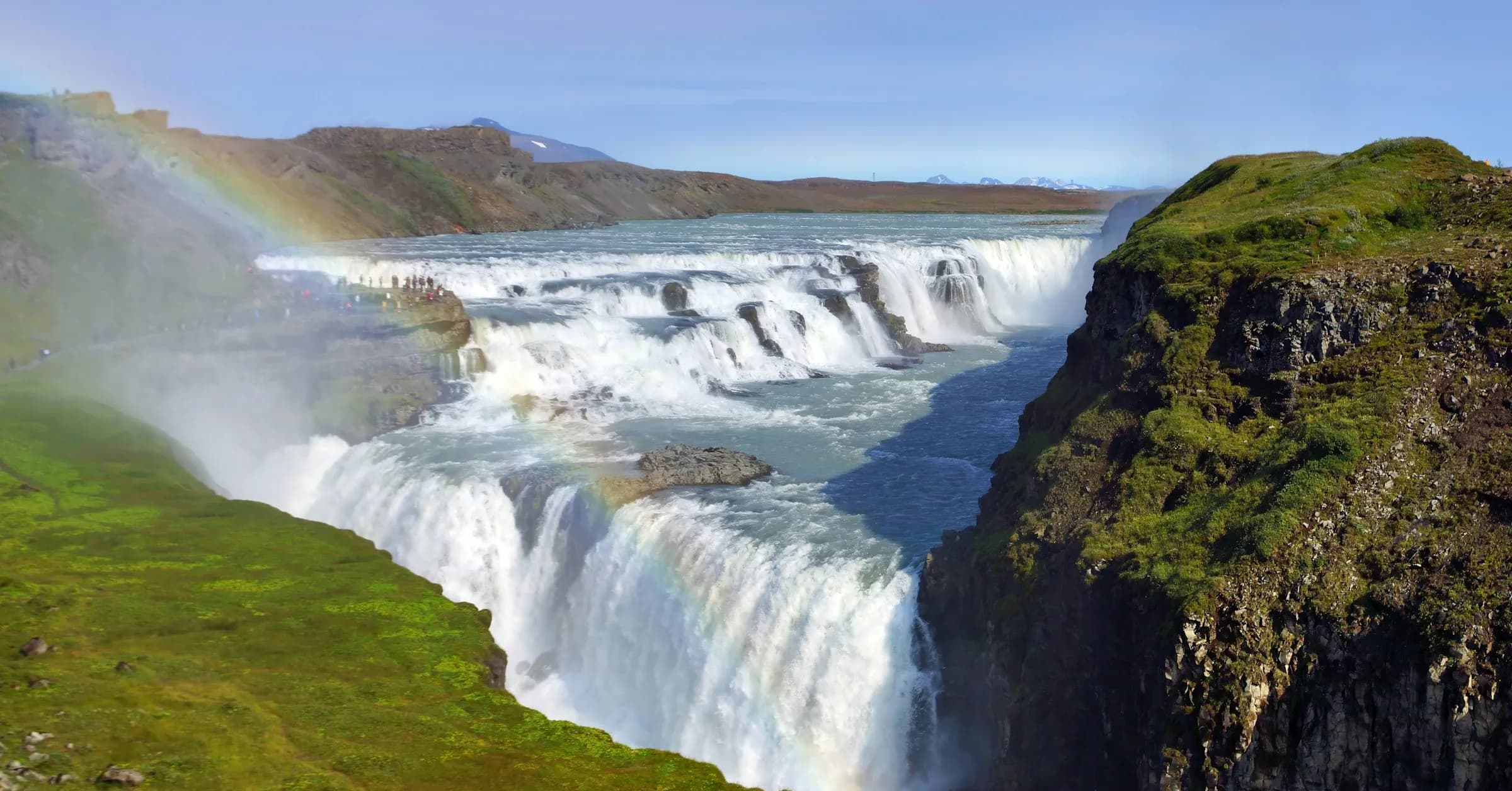
The Golden Circle is a loop of roughly 230 to 300 kilometres, depending on your route, east of Reykjavik that links three of Iceland's best-known sights: Þingvellir National Park, where you can walk between the North American and Eurasian tectonic plates, the Geysir geothermal area, where Strokkur erupts every few minutes, and Gullfoss, a huge two-tiered waterfall. Add Kerið crater or a soak at one of the area's geothermal baths if you have time.
Rather than driving back to Reykjavik, continue south to stay near Hella or Hvolsvöllur, which puts you at the start of the South Coast for the next morning. If you're not driving, a Golden Circle day tour from Reykjavik covers the three main stops.
Stay: near Hella or Hvolsvöllur.
Day 3: The South Coast to Vík
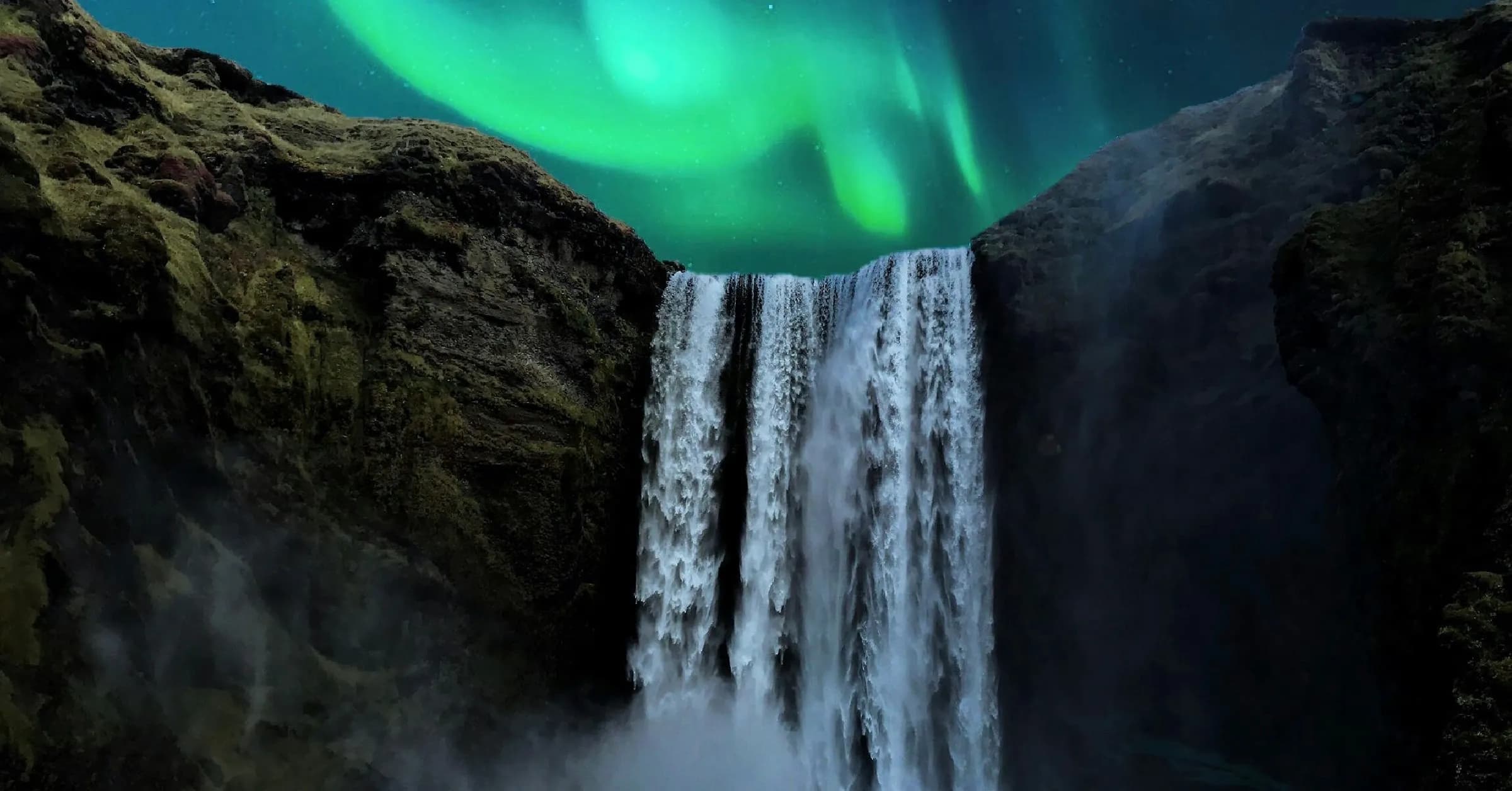
This is one of the best days of driving in Iceland. Seljalandsfoss is the waterfall you can walk behind (bring a waterproof), and Skógafoss, about 30 minutes further on, has a staircase to a viewpoint at the top. Next is Sólheimajökull, a glacier tongue where you can join a guided glacier hike. Never walk on the ice without a guide.
End the day at Reynisfjara, the black sand beach with basalt columns and the Reynisdrangar sea stacks offshore. The waves here are dangerous: sneaker waves can surge far up the beach without warning, so keep well back from the water. The village of Vík is a few minutes away.
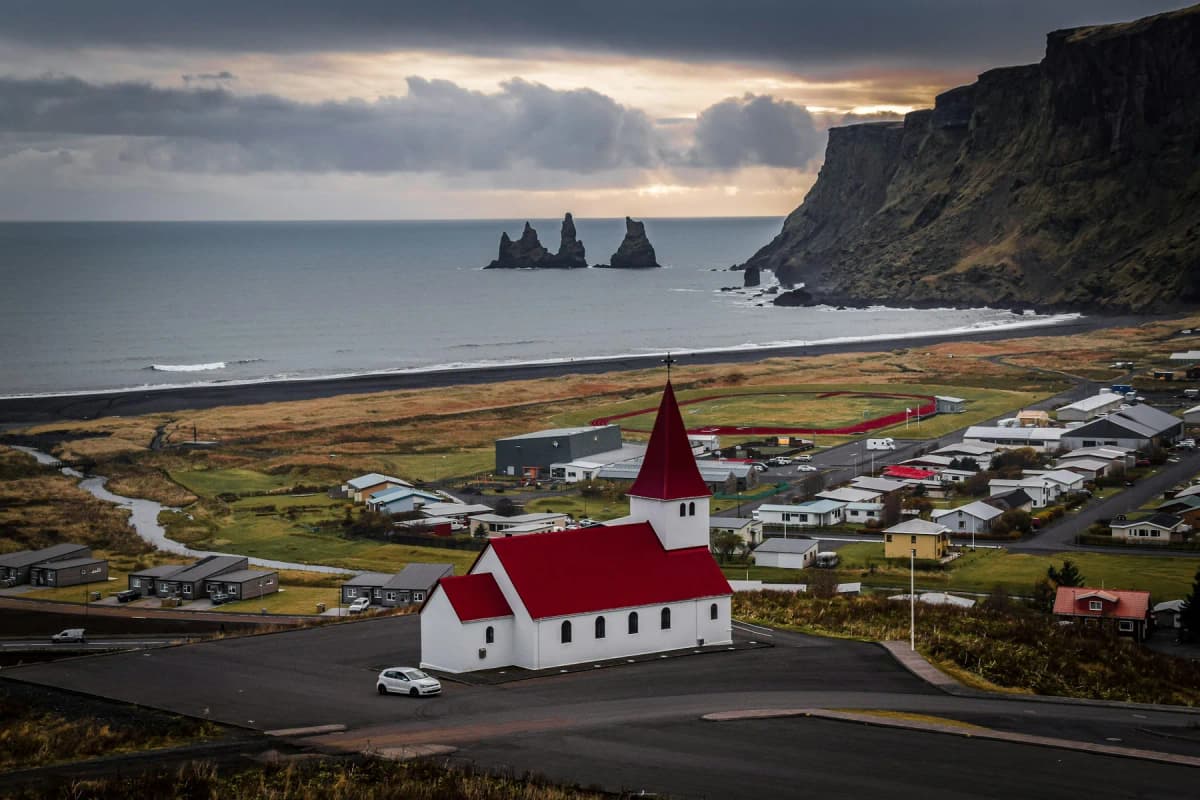 Photo: Tom Podmore on Unsplash
Stay: Vík.
Day 4: Vík to Jökulsárlón
From Vík to Jökulsárlón is about 180 kilometres, or around three hours of driving, with plenty to stop for. Take a short walk along the rim of Fjaðrárgljúfur canyon (access has sometimes been limited to protect the vegetation), then stop at Skaftafell in Vatnajökull National Park, where a trail leads to Svartifoss, a waterfall framed by basalt columns.
Jökulsárlón is the highlight. Icebergs calve off the glacier and drift across the lagoon towards the sea, and across the road on Diamond Beach chunks of ice wash up on the black sand. Boat trips run on the lagoon in the warmer months. If you'd rather not drive this far, a Jökulsárlón day tour from Reykjavik makes it a very long but manageable day.
Stay: near Jökulsárlón, or in Höfn about an hour further east.
Day 5: Back west with a glacier adventure
See Jökulsárlón again in the morning light, when it's usually quieter, then head back west. In winter, this is the place for an ice cave and glacier hike from Skaftafell. The natural ice caves in Vatnajökull can only be visited with a guide, usually from around mid-November to March, depending on the weather.
Drive back towards Reykjavik, which is roughly 370 kilometres from Jökulsárlón, about five hours without stops. Break the journey with any South Coast sights you missed on Day 3.
Stay: Reykjavik, or somewhere along the South Coast if you'd rather split the drive.
Day 6: The Snæfellsnes Peninsula
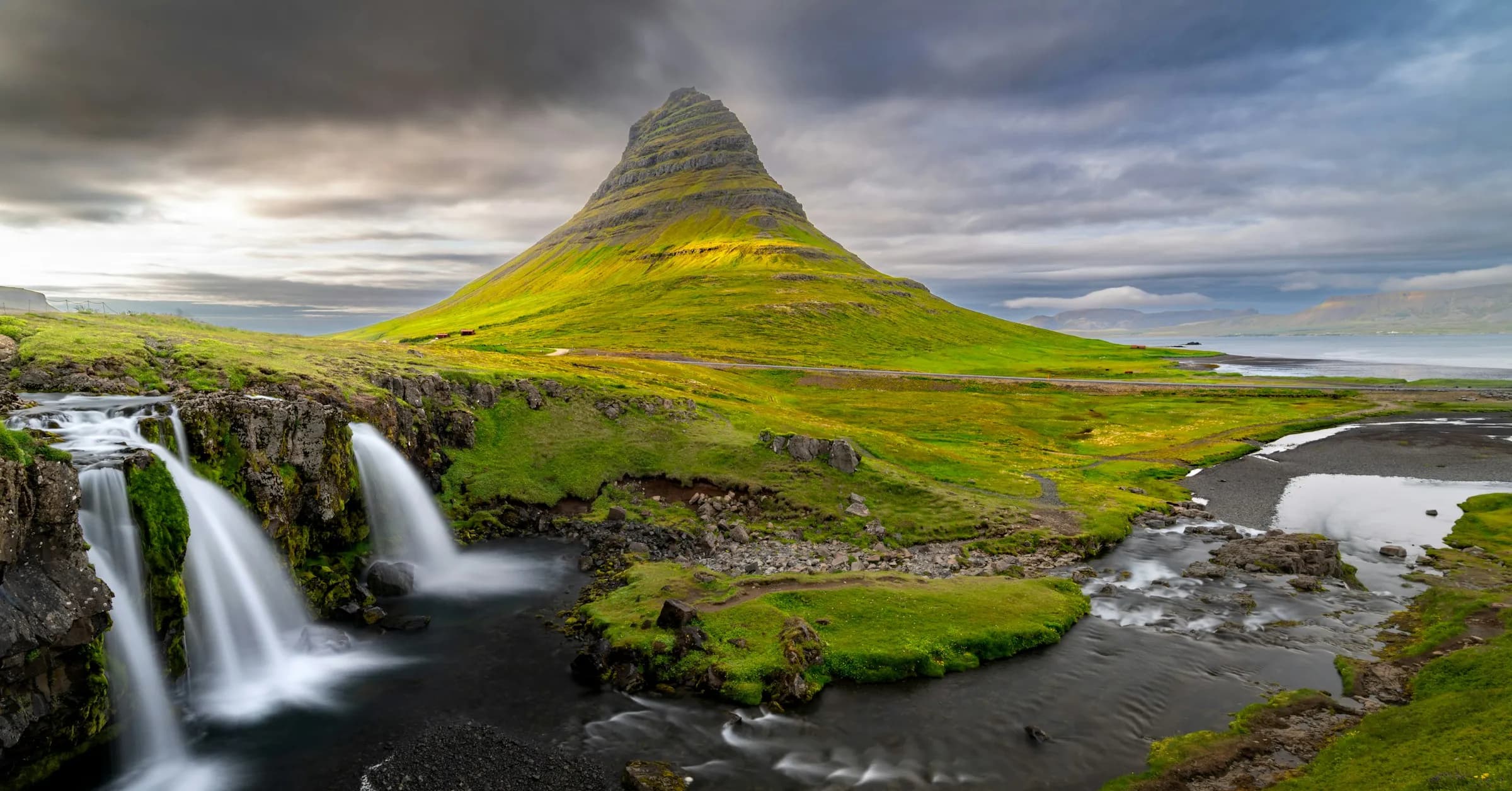
Snæfellsnes is often called "Iceland in miniature" because it packs lava fields, black and golden beaches, sea cliffs and a glacier-capped volcano into one peninsula. The village of Arnarstapi is about 2.5 hours' drive from Reykjavik. From there, follow the coast to Djúpalónssandur beach, the black church at Búðir and Kirkjufell, the steep, cone-shaped mountain near Grundarfjörður.
It's a full day from Reykjavik, so either drive back late or stay a night on the peninsula. A Snæfellsnes day tour is the easiest option without a car.
Stay: Reykjavik, or on the peninsula.
Day 7: Reykjavik and home
Use your last morning for anything you missed in the city, such as the National Museum, a whale watching trip from the old harbour or a final swim at one of the neighbourhood pools. Allow about 45 minutes to drive back to Keflavík, plus time to return your hire car.
The 5-day Iceland itinerary
With five days, skip Jökulsárlón and concentrate on the south and west.
- Day 1: arrive, visit the Blue Lagoon or Sky Lagoon, then explore Reykjavik.
- Day 2: the Golden Circle, staying near Hella or Hvolsvöllur.
- Day 3: the South Coast to Vík: Seljalandsfoss, Skógafoss, a glacier hike at Sólheimajökull and Reynisfjara. Stay in Vík.
- Day 4: drive back to Reykjavik, about 2.5 hours, stopping anywhere you missed. In the evening, join a northern lights tour between September and April.
- Day 5: a Snæfellsnes day trip if you have a late flight, or a relaxed last day in Reykjavik.
By tour, this works as three day trips from a Reykjavik base: the Golden Circle, a South Coast tour and Snæfellsnes. You won't need to change hotel, which makes this the easiest option in winter.
The 10-day Iceland Ring Road itinerary
This version drives the whole Ring Road anti-clockwise, starting with the south, which holds the best-known sights. If bad weather closes the north or east later in the trip, you'll already have seen the highlights. Plan it for May to September, when the days are long and the roads are usually clear.
Days 1 to 4: Reykjavik, the Golden Circle and the South Coast
Follow Days 1 to 4 of the 7-day itinerary: Reykjavik and a lagoon, the Golden Circle, the South Coast to Vík, then on to Jökulsárlón. On the evening of Day 4, continue to Höfn, a small fishing town known for langoustine, about an hour east of the lagoon.
Day 5: The Eastfjords to Egilsstaðir
From Höfn, the Ring Road winds round the fjords of the east, past fishing villages and steep mountains. It's about 3.5 hours to Egilsstaðir via the coast. In summer, the Öxi pass is a shorter gravel route over the mountains, but it's steep and narrow and often closed outside the summer months, so check road.is before you take it.
Stay: Egilsstaðir.
Day 6: Seyðisfjörður and Stuðlagil
Drive over the mountain pass from Egilsstaðir to Seyðisfjörður, a colourful village at the head of a long fjord, where a rainbow-painted street leads to the pale blue church. In the afternoon, head to Stuðlagil canyon, less than an hour from Egilsstaðir, where the river runs between walls of basalt columns. The west side has a viewing platform close to the car park; to reach the canyon floor, start on the east side and allow two to three hours for the walk there and back.
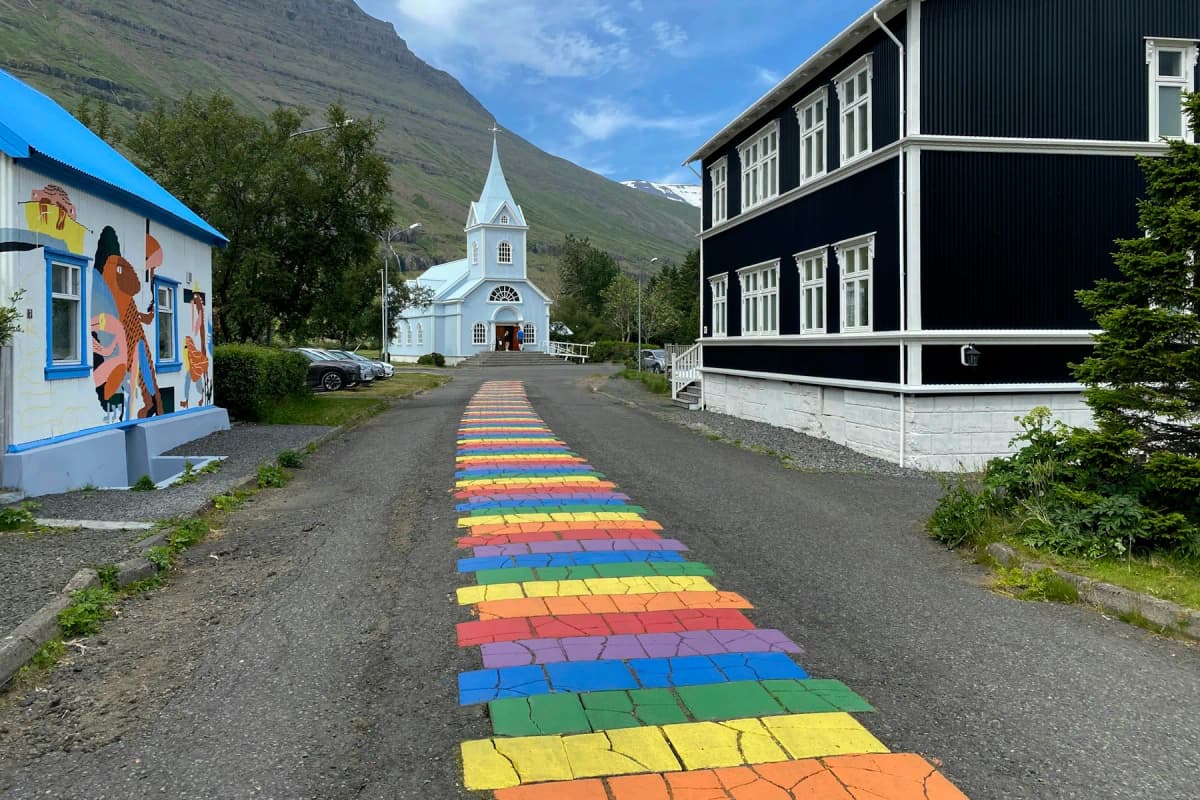 Photo: Freysteinn G. Jonsson on Unsplash
Stay: Egilsstaðir.
Day 7: Dettifoss and Mývatn
Egilsstaðir to Mývatn is about two hours on the Ring Road. On the way, take the turning to Dettifoss, often described as one of the most powerful waterfalls in Europe. At Mývatn, stop at the steaming mud pots and fumaroles of Hverir, then walk among the lava formations at Dimmuborgir. End the day at the Mývatn Nature Baths, a quieter, cheaper alternative to the Blue Lagoon.
Stay: Mývatn.
Day 8: Goðafoss and Akureyri
Drive west to Goðafoss, a wide, horseshoe-shaped waterfall right by the Ring Road, then continue to Akureyri, the largest town in the north, about 1.5 hours from Mývatn in total. If you'd like to go whale watching, Húsavík, on the coast north of Mývatn, is one of the best places in Iceland for it, and you can fit a detour there into this day.
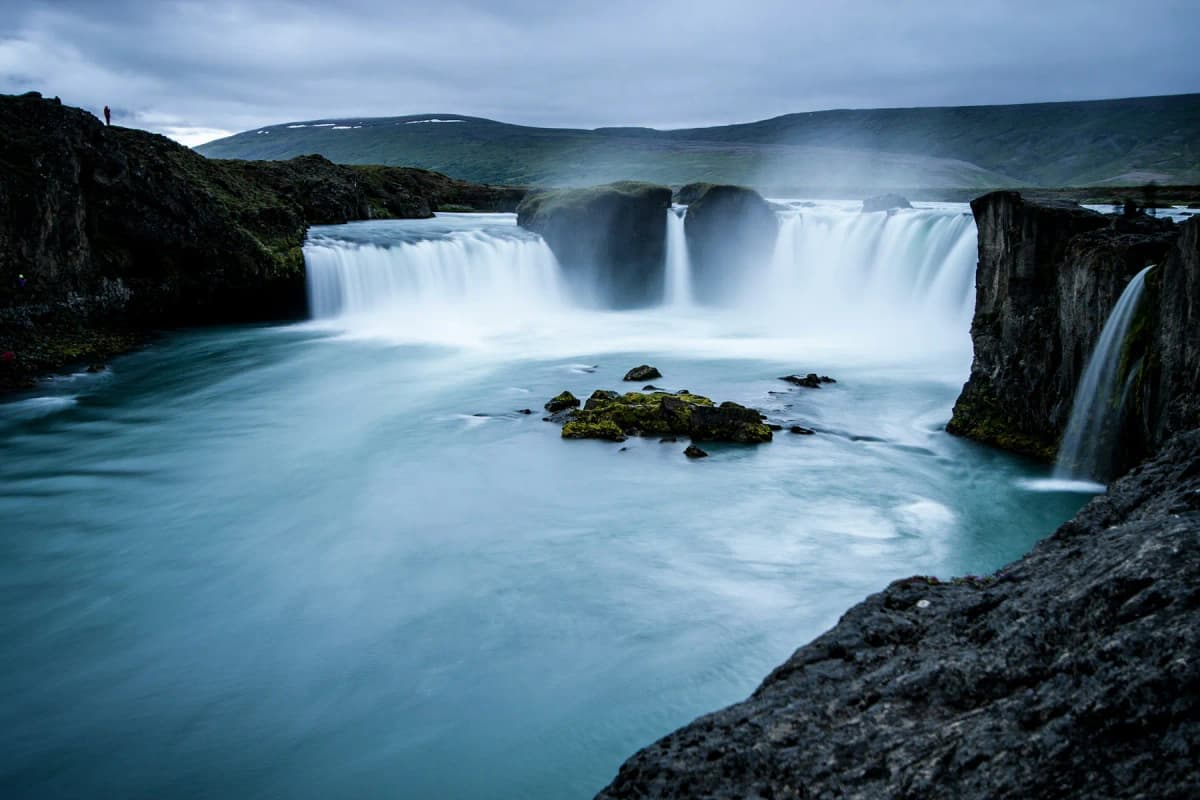 Photo: Claudio Büttler on Unsplash
Stay: Akureyri.
Day 9: Akureyri to Reykjavik
This is the longest drive of the trip: about 350 kilometres to Borgarnes, roughly 4.5 hours, then another hour or so to Reykjavik. Break it up with a stop at the old turf houses at Glaumbær, just off the Ring Road in Skagafjörður.
Stay: Reykjavik.
Day 10: Reykjavik and home
Spend your last morning in the city or at the Sky Lagoon before driving back to Keflavík. With an extra day or two, add Snæfellsnes before Reykjavik on Day 9, or slow down and spend two nights in the Eastfjords.
Visiting Iceland in winter
Winter changes how you should plan. Around the December solstice, Reykjavik gets only about four to five hours of daylight, and storms can close roads, especially in the north and east. For a first winter trip, we'd suggest the 5-day or 7-day itinerary rather than the Ring Road, with flexible bookings so you can swap days around the weather.
The reward is the northern lights, which are visible on clear, dark nights from roughly September to April, and the ice caves, which only open in winter. If you'd rather not drive on snow and ice, base yourself in Reykjavik and take tours.
Best time to visit Iceland for this itinerary
- June to August: long days, with near 24-hour daylight around the June solstice, mild weather and all the roads open. It's the best time for the Ring Road, but also the busiest and most expensive, so book cars and rooms well ahead.
- May and September: quieter roads and lower prices, with mostly good driving conditions. September brings the first dark nights for the northern lights.
- October to April: the northern lights season, with ice caves from around November. Days are short, the weather is unpredictable and the north and east can be hard to reach.
Tips for planning your Iceland trip
- Book early for summer. Hire cars and accommodation along the South Coast and around the Ring Road can sell out months ahead.
- Don't plan around a single day. Weather can cancel tours and close roads, so leave some slack in your plans.
- Never drive off-road. It's illegal and damages fragile moss and soil.
- Stay connected: an Iceland eSIM makes it easy to check road conditions and the aurora forecast on the go.
- Get travel insurance: cover that includes medical treatment is worth having, especially if you plan to hike on glaciers or drive in winter.
Frequently asked questions
How many days do you need in Iceland?
Five days is enough for Reykjavik, the Golden Circle and the South Coast. A week lets you add Jökulsárlón and Snæfellsnes, and you'll want at least ten days to drive the full Ring Road without rushing.
Is 7 days enough for the Ring Road?
It's possible, but you'll spend most of each day driving and have little time to stop. With a week, we'd suggest the South Coast and Jökulsárlón route instead, and saving the Ring Road for a trip of ten days or more.
Can you do Iceland without a car?
Yes. The Golden Circle, the South Coast, Jökulsárlón and Snæfellsnes are all covered by day tours from Reykjavik, and some operators run multi-day tours around the Ring Road. A car gives you more freedom, especially in summer.
Should you drive the Ring Road clockwise or anti-clockwise?
Either works. Going anti-clockwise puts the South Coast and Jökulsárlón first, so you see the best-known sights early, before the weather has a chance to change your plans in the north and east.
Can you drive in Iceland in winter?
Yes, but take it seriously. Hire a four-wheel-drive car with winter tyres, check road.is and vedur.is every morning, avoid driving in the dark if you can and be ready to change plans when storms are forecast.
What is the best month to visit Iceland?
For a road trip, June to August, when days are long and every road is open. For the northern lights and ice caves, visit between November and March.
How we researched this guide
We planned these routes using driving distances and times from Icelandic travel guides, car hire companies and tour operators, along with advice from the Icelandic Road and Coastal Administration, Safetravel, Visit Vatnajökull and the UK government's travel advice for Iceland, all checked in October 2026. Road conditions, opening seasons and access to sites can change quickly, and volcanic activity on the Reykjanes Peninsula can close attractions at short notice, so confirm details before you go. Found something out of date? Let us know.
Ready to plan? Browse all our Iceland guides.